Leak: Repair or Replace
Finding a leak in your roof is one of those gut-wrenching moments no homeowner wants to experience. One minute you're enjoying a quiet evening, the next you're staring at a spreading water stain on your ceiling, and a wave of panic sets in. The immediate question that floods your mind is always the same: do I just need a quick fix, or am I looking at a much bigger, more expensive roof replacement? This guide is here to walk you through that tough decision, helping you understand the nuances so you can make an informed choice that brings back your peace of mind.
Diagnosing Your Roof Leak: Beyond the Drip
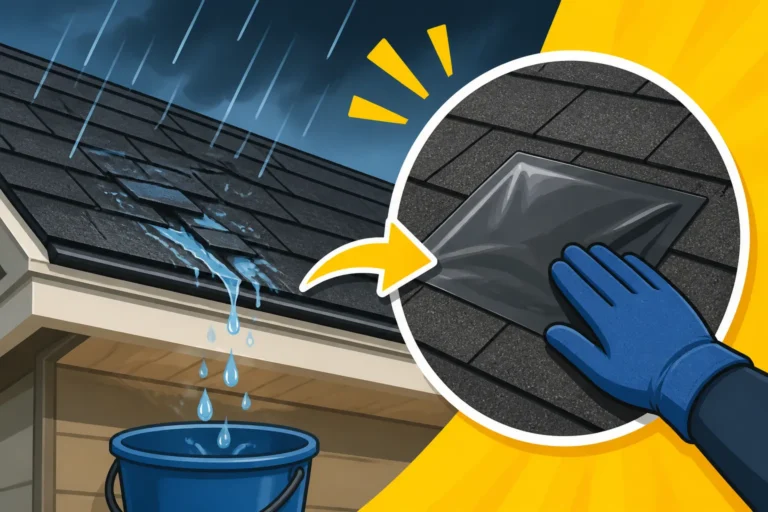
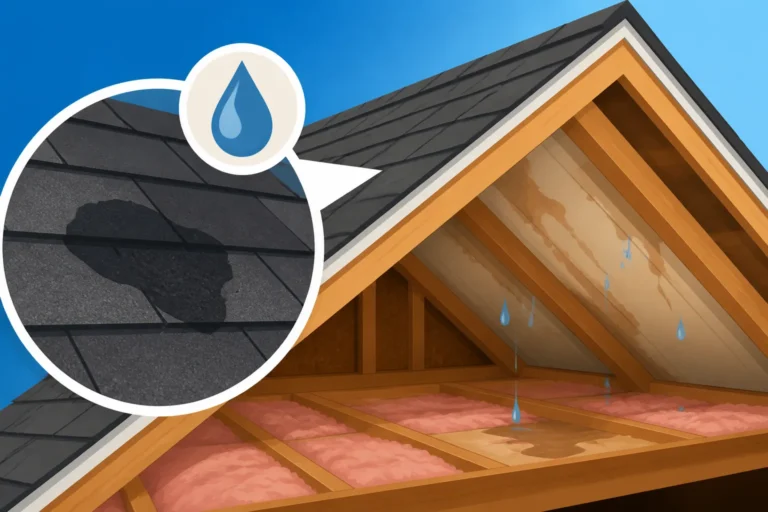
When water starts making its way into your home, it's often more than just an inconvenience; it's a distress signal from your roof. But here's the kicker: the spot where you see water doesn't always indicate the exact source of the leak. Water can travel quite a distance along beams, insulation, and the underside of your roof decking before finally showing itself as a stain or drip inside. This is why a proper diagnosis is absolutely critical.
Pinpointing the Source of the Problem
Think of your roof as a complex system of layers and junctions. A breach in any one of these can lead to a leak. Often, the culprit isn't necessarily a damaged shingle right above the drip mark. Instead, it might be a compromised flashing around a chimney or vent pipe that's higher up the roof slope. For instance, you might see a water spot on your living room ceiling, but after a thorough inspection, a professional could discover the actual entry point is a faulty seal around a plumbing vent stack located several feet away in the attic space. Water seeped in there, ran down a rafter, and then soaked through your ceiling below.
Common leak sources include:
- Damaged or Missing Shingles: Strong winds can lift and tear shingles, leaving the underlayment exposed. Hail can cause visible damage and bruise the shingle mat, leading to premature deterioration.
- Compromised Flashing: This is often the prime suspect. Flashing, typically made of metal, is designed to create a watertight seal around penetrations in your roof like chimneys, skylights, and vent pipes, as well as along wall junctions and in valleys. Over time, flashing can corrode, crack, become dislodged, or simply fail due to improper installation.
- Worn-Out Sealants: Caulking and sealants used around flashing and other roof components can dry out, crack, and shrink, creating pathways for water.
- Ice Dams: In colder climates, ice dams can form along the eaves, preventing melting snow from draining off the roof. The trapped water then backs up under shingles and into your home.
- Nail Pops: When nails used to fasten shingles or decking push up through the shingles, they create small holes that water can exploit. This is more common with older roofs or improper installation.
Trying to find the exact source of a leak yourself can be tricky and even dangerous. It often involves getting into the attic with a flashlight during a rainstorm or carefully walking the roof. This is where a professional roofing contractor truly shines. They have the experience and safety equipment to perform a thorough inspection, both inside and out, to correctly identify the point of water entry. Don't underestimate the detective work involved in identifying the true origin; it's the first step to a lasting solution. For a deeper dive, you might find our guide on How to Find the Source of a Roof Leak incredibly helpful.
Assessing the Severity of the Damage
Once the source is identified, the next step is to understand the extent of the damage. A small, isolated leak that's caught early might just involve a bit of saturated insulation and a minor ceiling stain. This is often an easy fix. However, if the leak has been going on for a while, even if it's just a slow drip, the consequences can be far more widespread and insidious.
Consider the potential for hidden damage:
- Attic Insulation: Wet insulation loses its effectiveness and can become a breeding ground for mold and mildew. This compromises your home's energy efficiency and air quality.
- Wood Framing: Prolonged exposure to moisture can lead to rot in rafters, trusses, and ceiling joists. This structural damage can weaken your home's integrity and be very costly to repair.
- Ceiling and Walls: Water stains are just the visible symptom. Behind them, drywall or plaster can soften, crumble, and eventually fail.
- Electrical Wiring: Water and electricity are a dangerous combination. Leaks can damage wiring, posing fire hazards or electrical failures.
A sudden, dramatic leak might seem worse, but a long-term, slow leak can actually be more destructive because it often goes unnoticed for extended periods. It silently eats away at your home's structure, fostering mold growth in hidden cavities and weakening crucial components. Imagine a scenario where a small drip from a nail pop has been slowly soaking a section of your attic decking for two years. By the time it finally breaks through your ceiling, the decking might be rotted, your insulation ruined, and mold might have established a firm foothold. This is a clear example of When a Small Leak Becomes a Big Problem.
A comprehensive assessment will look beyond the immediate wet spot to evaluate the structural integrity of your roof decking, the condition of your insulation, and any signs of mold or rot. This complete picture is essential for deciding whether a simple repair will suffice or if the damage warrants a more extensive intervention.
Key Considerations for Repairing or Replacing Your Roof
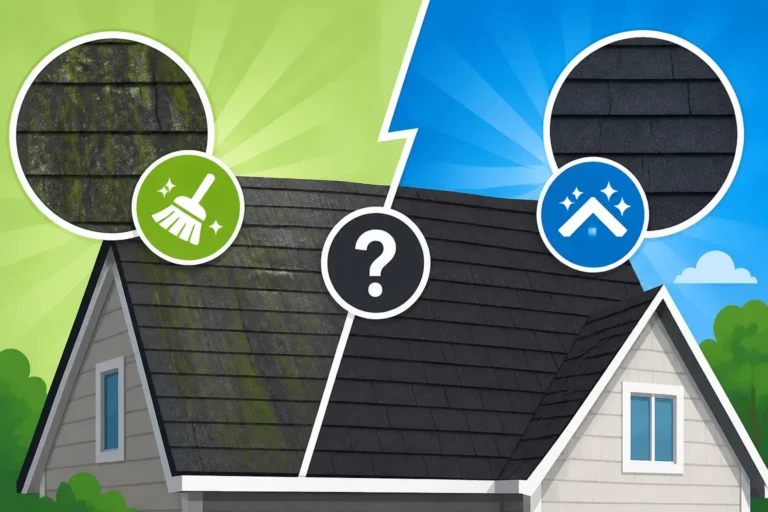
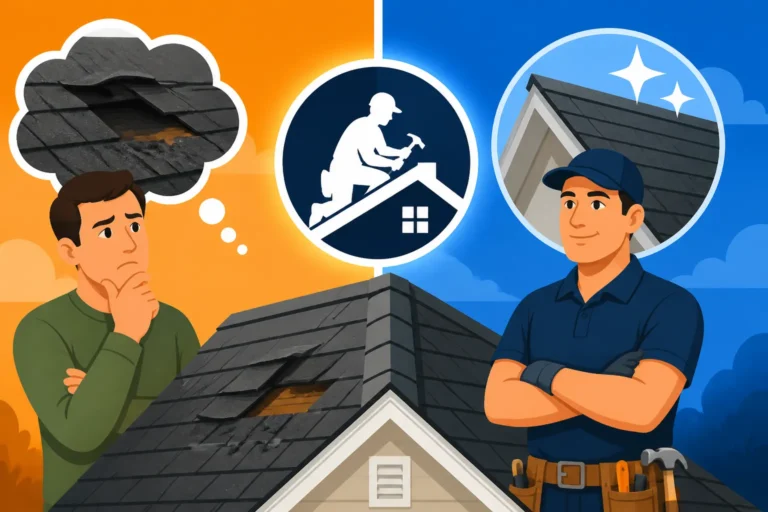
Deciding whether to repair or replace your roof after a leak isn't a simple coin toss. It involves weighing several crucial factors, from the age of your roof to your financial situation and even your long-term plans for your home. It's about looking at the big picture, not just the dripping water.
Roof Age and Overall Condition
One of the most significant indicators in your repair-or-replace dilemma is the age of your existing roof. Asphalt shingle roofs typically have a lifespan of 15 to 30 years, depending on the shingle type, installation quality, and local weather conditions.
- Newer Roof (under 10-15 years old): If your roof is relatively new and you experience a leak, it's highly likely that a targeted repair is all you need. The leak is probably due to isolated damage, a minor installation flaw, or an issue with a specific component like flashing. For example, a severe windstorm might rip off a few shingles on an otherwise healthy 8-year-old roof. In this case, repairing the damaged section and ensuring the surrounding areas are sound is usually the most economical and logical choice. This approach preserves the remaining lifespan of your roof. For a comprehensive understanding of how long your roof should last, check out How Long Does an Asphalt Roof Last.
- Middle-Aged Roof (15-20 years old): For roofs in this age bracket, the decision becomes a bit more nuanced. A single, isolated leak might still be repairable, but you'll want to consider the overall condition. Are there other signs of aging, like widespread granule loss, curling, or cracking shingles in other areas? If multiple issues are surfacing, a leak could be the first major symptom of broader deterioration, making replacement a more prudent long-term investment.
- Older Roof (20+ years old): If your roof is nearing or has exceeded its expected lifespan, a leak is often the final straw. It indicates that the entire roofing system is likely reaching the end of its useful life. Patching one leak might just be a temporary solution before another one springs up elsewhere. In this scenario, replacing the entire roof often makes more financial sense than pouring money into continuous repairs that only offer short-term relief. This is especially true if you're thinking about selling your home in the next few years. Knowing Roof Age: When to Start Planning Replacement can help you prepare.
Beyond age, consider the overall health of your shingles. Are they brittle? Are many granules missing, exposing the asphalt mat? Are the edges curling or tabs lifting across large sections of the roof? These are all signs that your roof is deteriorating generally, and a leak is just one symptom.
Cost, Extent of Damage, and Future Plans
Money always plays a role, right? And when it comes to roofing, it can feel like a big role. The financial implications are a major factor in deciding between repair and replacement.
- Repair Costs: A typical roof repair can range from a few hundred dollars for minor issues like replacing a few shingles or resealing flashing, to a few thousand for more complex tasks involving decking repair or extensive flashing work. For a more detailed breakdown, see How Much Does It Cost to Fix A Roof Leak. If the repair cost starts creeping up to 25-30% or more of the cost of a full replacement, it's a strong signal that replacement might be a better value in the long run.
- Replacement Costs: A full roof replacement is a significant investment, often ranging from $10,000 to $30,000+ depending on your home's size, roof complexity, and material choices. While daunting, it provides a brand-new, warrantied roofing system that protects your home for decades. You can get a better idea of these costs by looking into resources like Cost to Replace a Roof by House Size.
- Extent of Damage: This ties back to our initial diagnosis. If the leak has caused significant underlying damage to your roof deck or structural components, those repairs must be done regardless. Adding the cost of these structural repairs to what would otherwise be a minor shingle patch might push the overall expense closer to that of a full replacement.
- Your Future Plans for the Home:
- Selling Soon? If you plan to sell your home within the next five years, a new roof can be a huge selling point, often offering a good return on investment and making your home more attractive to buyers. A patchwork roof with an obvious history of leaks, even if repaired, can be a red flag.
- Staying Long-Term? If this is your forever home, investing in a full replacement might offer better long-term peace of mind, energy efficiency, and protection against future issues. You'll reap the benefits of the new roof's lifespan.
Getting multiple estimates for both repair and replacement scenarios is crucial. Platforms like Modernize can help connect you with reputable local roofing contractors who can provide detailed assessments and quotes. This allows you to compare costs accurately and weigh the benefits of each option.
Insurance Coverage and Warranty
Navigating insurance claims and warranties can be a maze, but it's an essential part of your decision-making process. Understanding what might be covered can significantly impact your out-of-pocket expenses.
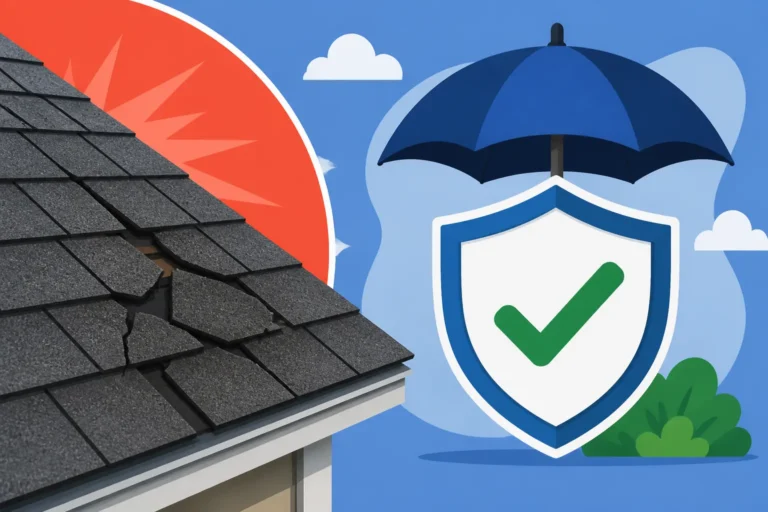
- Homeowner's Insurance: Generally, homeowner's insurance covers roof damage that is sudden and accidental, such as damage from a severe hail storm, strong winds, or a falling tree limb. However, it typically does not cover damage resulting from neglect, poor maintenance, or normal wear and tear due to age. If your leak is simply due to old, worn-out shingles or flashing that has naturally deteriorated over time, your insurance is unlikely to cover the replacement cost. However, if a recent hailstorm caused granule loss and cracks leading to a leak on a 12-year-old roof, it's definitely worth filing a claim. It's important to understand the specifics of your policy, especially whether you have Actual Cash Value (ACV) or Replacement Cost Value (RCV) coverage for your roof. RCV policies generally pay for a new roof, less your deductible, while ACV policies will factor in depreciation, meaning you'll get less. For more information, read up on Does Insurance Cover Roof Replacement and How to Get Insurance to Pay for a Roof.
- Roofing Warranties: Your roof may be covered by two types of warranties:
- Manufacturer Warranty: This covers the materials (shingles, underlayment, etc.) against defects. If the leak is due to faulty shingles, the manufacturer might cover the cost of new materials. However, these warranties often have prorated terms and specific installation requirements.
- Workmanship Warranty: This is provided by the roofing contractor and covers the installation. If the leak is due to improper installation (e.g., incorrect nailing, faulty flashing work), the contractor should repair it under their warranty.
Always check your documentation to see if your leak is covered. Keep in mind that attempting DIY repairs or having an unlicensed contractor work on your roof can sometimes void these warranties.
When contacting contractors for estimates, always ask them about their experience with insurance claims and how they handle warranty-related issues. A good contractor will be transparent about what they believe might be covered and can guide you through the process.
The Repair Route: Patching Up Your Protection
Sometimes, a full roof replacement simply isn't necessary, or it's not feasible at the moment. In these cases, a targeted repair can be an excellent, cost-effective solution, buying you years of extended roof life and protecting your home without a massive overhaul.
When a Repair Is the Smart Choice
You might be surprised how often a repair is the best course of action, especially if you act quickly once you spot a problem.
- Isolated Damage on a Newer Roof: Let's say a severe thunderstorm rips through your neighborhood, and you find a few shingles missing from one section of your 7-year-old roof. The rest of the roof is in excellent shape, showing no signs of widespread wear. In this scenario, replacing just the damaged shingles and ensuring the underlying area is sound is definitely the most practical approach. It's a localized problem that doesn't indicate a systemic failure. Similarly, if you discover a leak specifically around a vent pipe, and a roofing professional confirms the issue is just the worn-out rubber boot or compromised flashing, then a targeted repair of that component is all that's needed. This saves you thousands compared to a full replacement.
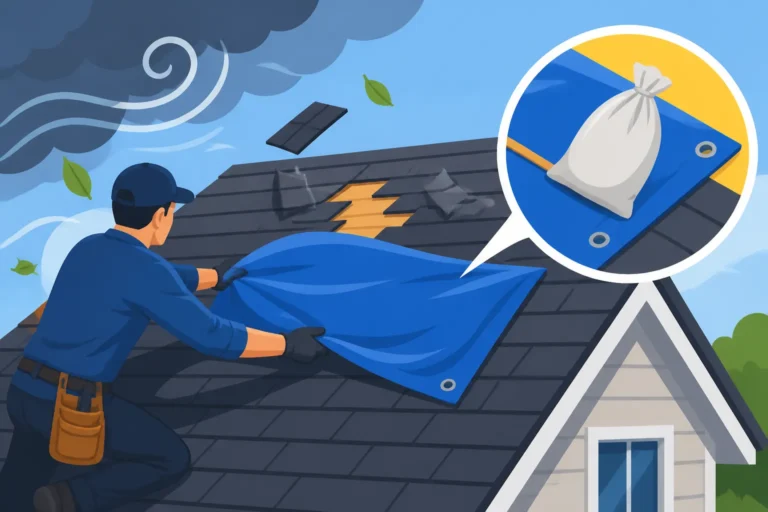
- Temporary Fix to Buy Time: Sometimes, a full replacement is inevitable down the line, but your budget just isn't ready for it right now. A strategic, professional repair can effectively stop the leak and prevent further damage, giving you the necessary time to save up or arrange financing for a complete re-roofing project. This is a common strategy for homeowners with roofs nearing the end of their lifespan but who need a few more years before taking the plunge.
- Specific, Minor Component Failure: Leaks aren't always about the shingles. Issues with Roof Leak Around a Chimney: Fixes or a specific problem with your Flashing Leak Repair can often be addressed with focused attention. If the integrity of your main shingle field is still strong, these localized fixes can extend the overall life of your roof for many years.
A good repair shouldn't just patch the symptom; it should address the root cause of the leak. A qualified contractor will not only fix the immediate issue but also assess nearby areas to prevent future problems from the same source. This proactive approach ensures the repair is truly effective and long-lasting.
What a Quality Roof Repair Entails
Don't let the word "repair" make you think it's a simple, slap-dash job. A quality roof repair is a meticulous process that requires skill, knowledge, and the right materials to ensure watertight integrity.
- Thorough Inspection and Diagnosis: As discussed, the first step is always a detailed inspection to correctly identify the leak's source and assess the full extent of any damage, including to the decking and insulation.
- Material Sourcing and Matching: If shingles are being replaced, the contractor should strive to match the existing shingles as closely as possible in terms of color, style, and brand. This might sound superficial, but it prevents an unsightly patchwork look and ensures the new shingles integrate properly with the existing ones. Manufacturers like GAF, Owens Corning, and CertainTeed offer a wide range of colors and styles, and a good contractor will know how to source the best match.
- Proper Preparation: Before any new materials go down, the damaged area needs to be meticulously prepared. This includes removing old, damaged shingles, clearing away debris, and inspecting the roof deck. Any rotted or severely damaged decking should be replaced to provide a solid base for the new materials.
- Expert Application: This is where craftsmanship truly matters.
- Shingle Replacement: New shingles must be correctly layered and nailed according to manufacturer specifications and local building codes. Improper nailing (too high, too low, or at the wrong angle) is a common cause of future leaks or blow-offs.
- Flashing Repair/Replacement: If flashing is the issue, it needs to be carefully removed, cleaned, and replaced with new material. This involves precise cutting, bending, and securing to create a continuous, watertight barrier around penetrations. Proper sealants, like roofing cement, should be used where necessary, but sparingly and strategically, as overuse can cause more problems than it solves.
- Underlayment Repair: If the underlying felt or synthetic underlayment has been compromised, sections of it must be repaired or replaced to maintain the critical secondary water barrier.
- Clean-up and Final Inspection: After the repair, all debris, old materials, and nails should be thoroughly cleaned up, typically with a magnetic roller to catch stray nails. A final inspection ensures the repair integrates seamlessly with the rest of the roof and meets all quality standards.
Choosing an experienced, licensed, and insured roofing contractor is paramount for a quality repair. They should provide a written estimate detailing the scope of work, materials, and warranty. Services like Modernize can help you find reputable professionals in your area who specialize in asphalt roofing repairs and replacements. A cheap, shoddy repair will only lead to more problems (and costs) down the road.
The Replacement Route: A Fresh Start for Your Home
Sometimes, no matter how much you wish a simple repair would suffice, the reality is that your roof is signaling it's time for a complete overhaul. While a full replacement is a bigger investment, it often provides the most robust, long-term solution and a host of benefits.
Signs Your Roof is Beyond Repair
Recognizing the signs that your roof has reached its limit is crucial for preventing more significant and expensive problems inside your home. A single leak can be the canary in the coal mine, but these widespread indicators truly point to the need for a full replacement:
- Widespread Shingle Deterioration:
- Extensive Granule Loss: Those tiny ceramic granules on your shingles are your roof's first line of defense against UV rays. If you see large patches where granules are gone, revealing the black asphalt, or find significant amounts of granules in your gutters, your shingles are rapidly losing their protective capabilities. This makes them susceptible to cracking, blistering, and moisture absorption. For more on this, check out Granule Loss: Should You Worry.
- Numerous Curling or Cracked Shingles: While a few curling or cracked shingles might be fixable, if you observe many shingles across different sections of your roof exhibiting these issues, it points to general aging and fatigue of the materials. Curling shingles expose the underside to the elements, making them vulnerable to wind uplift and water intrusion. Curling Shingles: What They Mean and Cracked Shingles: Causes and Fixes are clear indicators of a failing roof.
- Blistering: If your shingles appear to have bubbles or blisters, often caused by trapped moisture or manufacturing defects, it weakens their protective layer.
- Multiple Leaks Appearing in Different Spots: If you've had a leak fixed, only to have another one pop up a few months later in a different part of the house, it's a strong sign that your roofing system is failing in multiple areas. Patching becomes a never-ending cycle, costing you more in the long run.
- Visible Sagging: A sagging roof deck is a serious structural issue, usually caused by long-term water damage to the underlying plywood or OSB. This isn't just cosmetic; it can compromise the structural integrity of your entire home and requires immediate attention, typically a full replacement of both decking and shingles.
- An Old Roof that Has Outlived its Expected Lifespan: As mentioned earlier, if your asphalt roof is well over 20-25 years old, and especially if it's already showing any of the above signs, it's operating on borrowed time. A leak at this stage is a clear signal that the entire system is exhausted. For a deeper understanding of these critical signals, our article Signs You Need a New Roof offers valuable insights.
- Extensive Damage from a Major Storm: Sometimes, a storm can cause such widespread and severe damage – like multiple large holes, significant blow-off across several slopes, or structural damage – that the cost of attempting to repair it comes close to or even exceeds the cost of a full replacement. In these cases, insurance adjusters might "total" the roof, recommending replacement.
When these signs are present, continuing to repair is often just delaying the inevitable, potentially leading to more extensive and costly interior damage down the road.
The Benefits of a Full Roof Replacement
While the upfront cost of a new roof can feel intimidating, the long-term benefits of a full roof replacement are substantial and offer immense value to your home and your peace of mind.
- Long-Term Peace of Mind: This is perhaps the biggest benefit. Knowing you have a brand-new, robust roofing system protecting your home for the next 20-30 years eliminates the constant worry about leaks, storm damage, and costly emergency repairs.
- Enhanced Curb Appeal and Increased Home Value: A new roof dramatically improves your home's exterior appearance. Modern asphalt shingles come in a vast array of colors and styles, from the classic 3-tab look to the dimensional beauty of architectural shingles or the luxurious appeal of designer shingles. This visual upgrade significantly boosts curb appeal and can increase your home's resale value, often providing an excellent return on investment.
- Superior Protection and Performance: A full replacement means all components are new – from the underlayment and flashing to the shingles and ventilation. This provides a truly integrated, watertight, and wind-resistant system. You can even upgrade to impact-resistant shingles (Class 4), which offer superior protection against hail, or cool-roof shingles that can help reduce attic temperatures and energy bills.
- Comprehensive Warranties: A new roof typically comes with robust manufacturer warranties on materials (often 25-50 years, or even lifetime limited warranties) and a new workmanship warranty from your chosen contractor. These offer far greater protection than a piecemeal repair warranty.
- Improved Energy Efficiency: If your old roof had insufficient ventilation or degraded decking, a new roof installation provides an opportunity to upgrade these elements. Proper attic ventilation is crucial for regulating temperature and moisture, which can lead to lower heating and cooling costs and prolong the life of your new roof.
- Code Compliance and Modern Materials: Building codes evolve, and an older roof might not meet current standards. A new roof ensures your home is up to code, using the latest materials and installation techniques for maximum safety and performance.
The process of a full roof replacement is comprehensive. It typically involves a complete tear-off of all existing roofing layers down to the bare roof deck, inspection and repair/replacement of any damaged decking, installation of new underlayment, ice and water shield, flashing, and finally, the new shingles and ventilation system. It's a big project, but a reputable contractor will manage it efficiently and professionally. Our guide on How a Roof Replacement Works: The Full Process breaks down every step, so you know exactly what to expect.
When it's time for a replacement, don't just pick the first contractor you call. Get multiple quotes and ensure they are licensed, insured, and experienced. Services like Modernize can be incredibly helpful for finding trusted, local roofers who can handle your replacement project from start to finish.
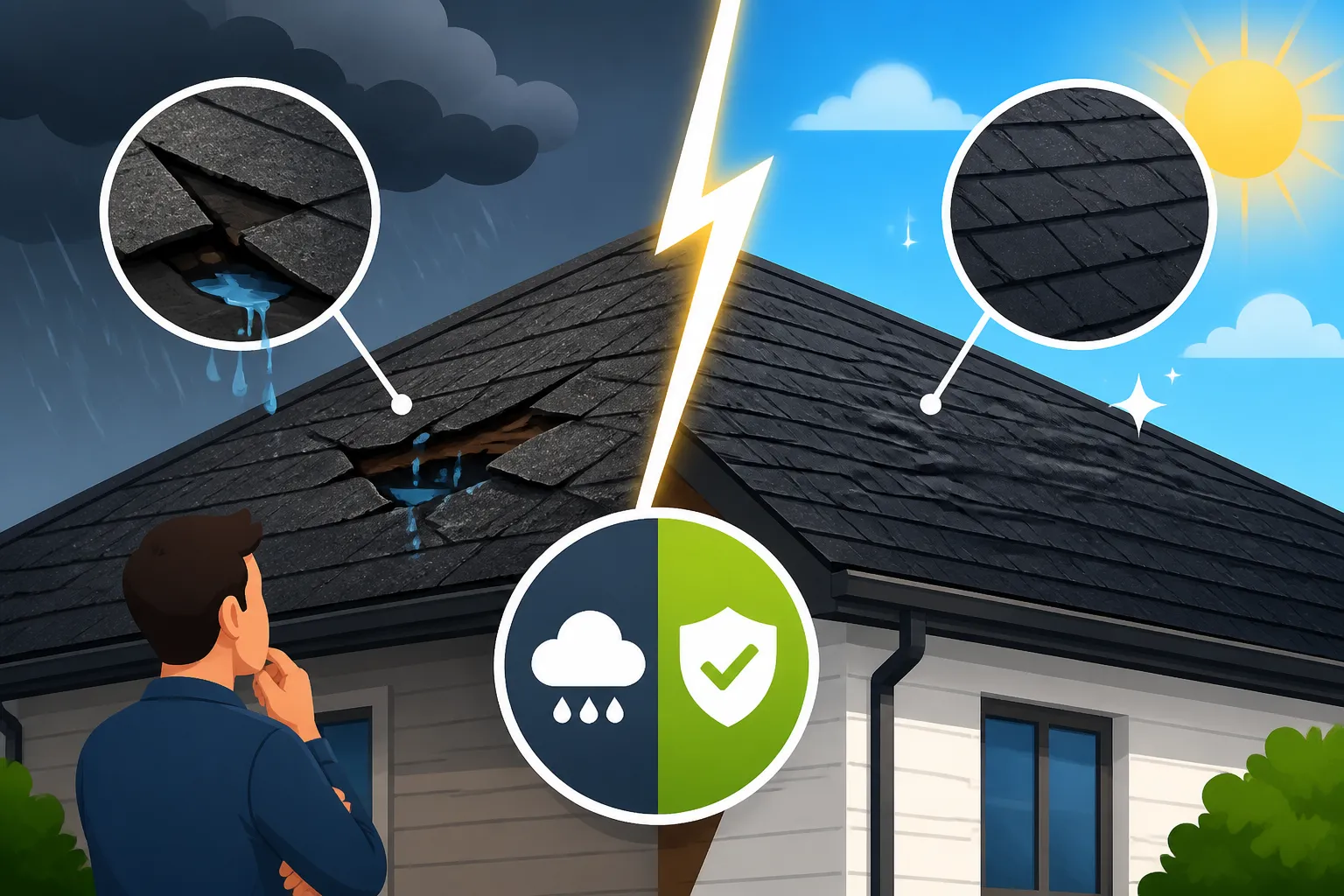
Repair vs. Replace: A Quick Comparison
To help clarify your options, here's a quick side-by-side look at the typical scenarios for repairing versus replacing your asphalt roof.
| Feature | Roof Repair (Generally Recommended When…) | Roof Replacement (Generally Recommended When…) |
|---|---|---|
| Leak Severity | Isolated, contained, or minor leak. | Multiple leaks, widespread water damage, or structural issues. |
| Roof Age | Roof is relatively new (under 10-15 years old) and otherwise healthy. | Roof is old (20+ years) and past its expected lifespan. |
| Overall Roof Condition | Good to excellent, with minimal wear and tear beyond the leak area. | Significant granule loss, widespread curling/cracking, blistering, or sagging. |
| Cost Implications | Repair cost is a small percentage of replacement cost (e.g., <25%). | Repair cost approaches or exceeds a significant percentage of replacement cost. |
| Warranty | Existing manufacturer/workmanship warranty might cover the specific repair. | Desire for a new, comprehensive manufacturer and workmanship warranty. |
| Future Plans | Plan to sell in the very short term, or need to defer replacement costs. | Plan to stay in the home long-term and desire long-term peace of mind. |
| Aesthetics | Minor patch might be visible; matching exact shingle color/style can be challenging. | Uniform appearance, enhanced curb appeal, opportunity for aesthetic upgrade. |
| Energy Efficiency | No direct impact, unless integrated with ventilation upgrades. | Opportunity to improve ventilation and insulation, leading to better efficiency. |
Disclaimer
Please remember that the information provided in this article is intended for general guidance and informational purposes only. Every roof and home situation is unique. It is always recommended to consult with a qualified, licensed, and insured roofing professional to assess your specific situation and provide personalized recommendations and estimates. Do not attempt complex roof repairs yourself, as it can be dangerous and may void existing warranties.