Cool-Roof Shingles Explained
The scorching summer sun can turn your home into an oven, making your air conditioning work overtime and sending your energy bills through the roof – literally. Many homeowners grapple with the relentless heat absorbed by their traditional dark asphalt roofs, leading to uncomfortable interiors and significant expense. This comprehensive guide will explain cool-roof shingles, how they work to combat this heat, and why they might be the smart solution for your next roofing project.
What are Cool-Roof Shingles?
When you hear "cool roof," your mind might jump to stark white industrial buildings, but the technology has come a long way, especially for residential applications. Cool-roof shingles are specifically designed to reflect more sunlight and absorb less heat than conventional roofing materials. This isn't just about color anymore; it's a sophisticated science that can significantly impact your home's energy efficiency and comfort.
Understanding Solar Reflectance and Thermal Emittance
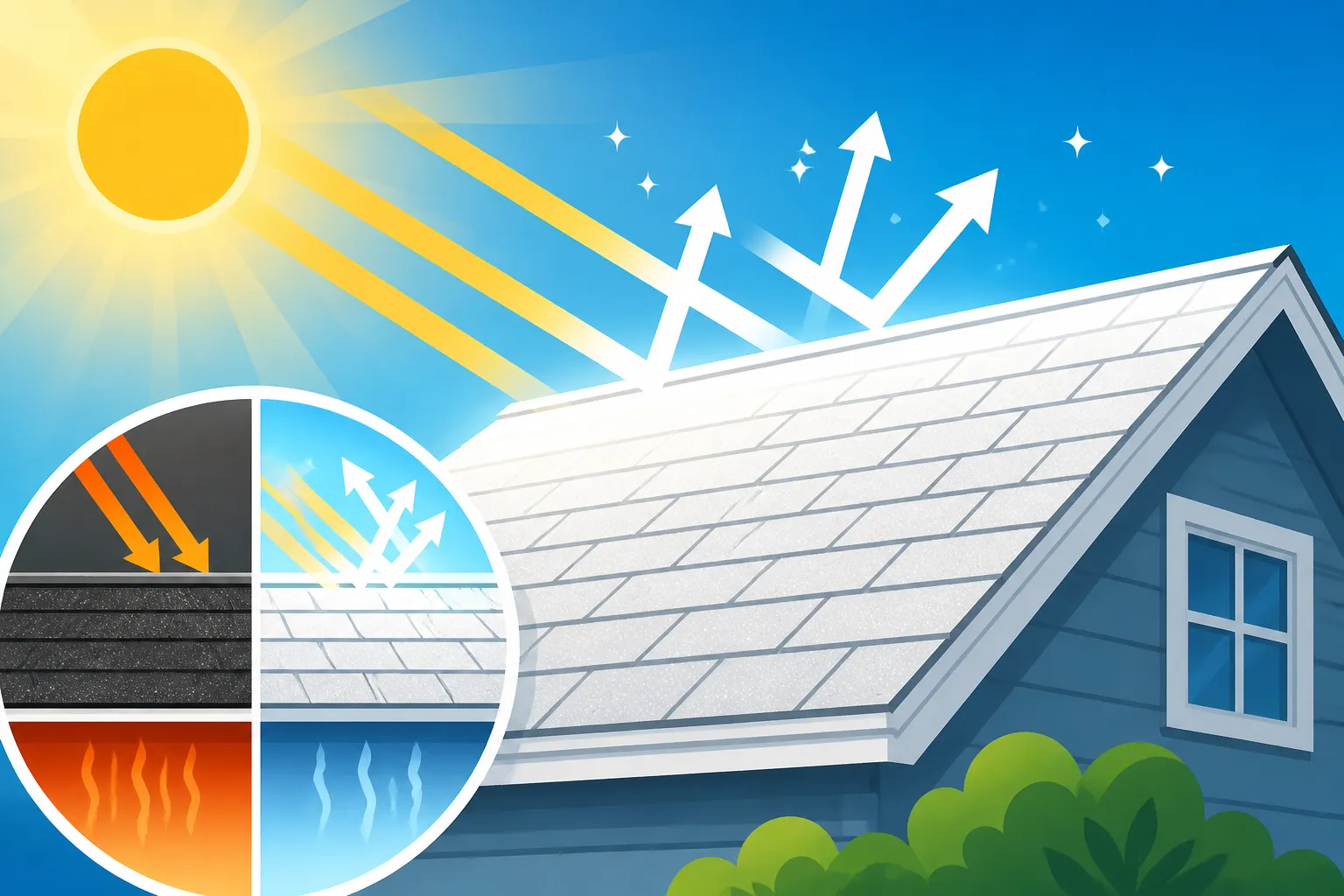
At the heart of cool-roof technology are two key scientific principles: solar reflectance and thermal emittance. Imagine wearing a dark shirt versus a light one on a sunny day. The dark shirt absorbs more sunlight and feels hotter, while the light shirt reflects more and keeps you cooler. This is solar reflectance in action. A cool roof works similarly; it bounces a large percentage of the sun's radiant energy back into the atmosphere instead of letting it penetrate your home.
But it's not just about what the roof reflects; it's also about what it releases. Thermal emittance refers to a material's ability to radiate absorbed heat. Even the most reflective cool roof will absorb some heat. The beauty of cool-roof shingles is their high thermal emittance, meaning any heat they do absorb, they release quickly and efficiently, preventing it from transferring into your attic and living space. Both high solar reflectance and high thermal emittance are crucial for a shingle to be considered "cool." The combination ensures that your roof not only deflects solar energy but also dissipates any heat it does accumulate as rapidly as possible.
The Evolution of Roofing Materials for Energy Efficiency
For decades, asphalt shingles were primarily chosen for their durability, cost-effectiveness, and aesthetic appeal, with little thought given to their thermal properties. Traditional dark shingles, while beautiful, are notorious for absorbing a tremendous amount of solar radiation, sometimes reaching temperatures well over 150°F on a hot day. This heat then radiates into your attic, forcing your air conditioning system to work harder to maintain a comfortable indoor temperature.
The demand for more energy-efficient building materials, driven by environmental concerns and rising energy costs, pushed manufacturers to innovate. Early cool roofs were often limited to light-colored membranes for flat commercial roofs. However, advancements in pigment technology and material science have allowed companies like GAF, Owens Corning, and CertainTeed to develop asphalt shingles that achieve high reflectance and emittance values, even in darker colors. These innovations mean homeowners no longer have to sacrifice curb appeal for energy savings. Modern cool-roof shingles can now mimic the look of traditional architectural shingles while offering significant thermal benefits, making them a practical choice for a wider range of homes and climates.
How Cool-Roof Shingles Work
The magic behind cool-roof shingles lies in their sophisticated construction and specialized granules. It's not just a coat of white paint; it's a carefully engineered system designed to keep your home comfortable and your energy bills low. Understanding this process can help you appreciate the value these shingles bring.
Reflecting Sunlight Away from Your Home
The primary mechanism of a cool-roof shingle is its superior ability to reflect sunlight. Standard asphalt shingles, especially darker ones, are like sponges for solar radiation, soaking up heat and transmitting it directly into your attic. Cool-roof shingles, on the other hand, incorporate special reflective granules on their surface. These granules, often coated with highly reflective pigments, work to bounce a significant portion of the sun's infrared and ultraviolet rays back into the atmosphere.
This reflection drastically reduces the amount of heat that ever makes it to the shingle's asphalt layer, let alone into your home. Think of it like a mirror deflecting light. While not perfectly mirrored, these shingles are designed to maximize this reflective property, keeping the surface temperature of your roof much lower than a conventional shingle. This direct reduction in absorbed heat is the first and most critical step in maintaining a cooler interior.
Releasing Absorbed Heat Efficiently
Even with advanced reflective properties, no roof can reflect 100% of the sun's energy. Some heat will inevitably be absorbed. This is where thermal emittance comes into play. Cool-roof shingles are engineered not only to reflect more but also to release any absorbed heat quickly and effectively. They don't trap heat within their layers, allowing it to dissipate back into the air rather than slowly radiating downward into your home.
This high thermal emittance means the shingle surface doesn't stay hot for long once the sun moves or its intensity diminishes. It cools down faster than a traditional shingle, further preventing heat transfer to your attic, especially during peak afternoon hours. This two-pronged approach—reflecting initial heat and quickly releasing absorbed heat—makes cool-roof shingles exceptionally effective at minimizing the thermal load on your home.
The Role of Granule Technology
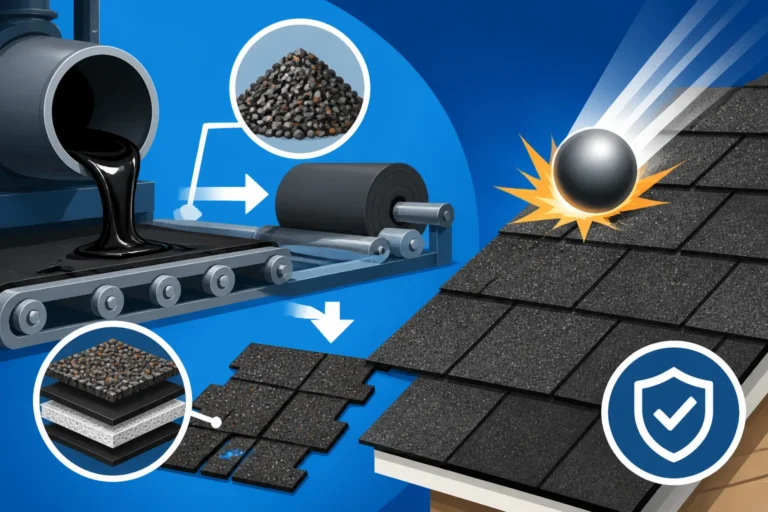
The specialized granules are truly the unsung heroes of cool-roof shingles. These aren't your run-of-the-mill aggregate; they're often ceramic-coated with pigments that are specifically formulated to reflect non-visible infrared (IR) radiation, which is responsible for much of the sun's heat. This is why you can now find "cool" shingles in a wide array of colors, even darker shades that traditionally would absorb a lot of heat.
Manufacturers leverage advanced mineral technology and coating processes to achieve these properties. For instance, some granules might contain titanium dioxide or other heat-reflective compounds. These advanced pigments allow for the creation of dark-colored shingles that still meet ENERGY STAR or Cool Roof Rating Council (CRRC) standards for solar reflectance. So, you can achieve a deep charcoal or rich brown roof while still reaping the benefits of reduced heat absorption. These granules are applied just like on regular asphalt shingles, becoming an integral part of the shingle's protective surface and its thermal performance. This is a critical component of how impact-resistant shingles also derive some of their strength.
Benefits of Cool-Roof Shingles
Choosing cool-roof shingles isn't just a trend; it's a strategic investment that offers a multitude of tangible benefits for homeowners. From putting more money back in your pocket to creating a more comfortable living environment, the advantages are compelling, especially in warmer climates.
Significant Energy Bill Savings
Perhaps the most appealing benefit for many homeowners is the potential for significant savings on their energy bills. When your roof absorbs less heat, your attic stays cooler, and your air conditioning system doesn't have to work nearly as hard to cool your living spaces. This reduced workload translates directly into lower electricity consumption.
Homeowners in hot, sunny regions like Florida, Arizona, or parts of California can see substantial reductions in their cooling costs, often ranging from 7-15% or even more on their total energy bill. Over the lifespan of your roof, these savings can easily add up to thousands of dollars, effectively offsetting a portion of the initial investment. Imagine the relief of seeing lower numbers on your monthly utility statement during the hottest months, all thanks to a smarter roof choice. This is where an investment in an asphalt roof replacement can truly pay off.
Enhanced Indoor Comfort
Beyond the financial savings, the improved comfort within your home is a major perk. If you've ever walked into an upstairs bedroom on a sweltering summer day and felt that oppressive heat radiating from the ceiling, you understand the problem. A cooler attic directly impacts the temperature in the rooms below.
With cool-roof shingles, the heat transfer from the attic into your living space is dramatically reduced. This means your home will naturally feel cooler, even if your HVAC system isn't running constantly. You might find yourself setting your thermostat a few degrees higher than usual without sacrificing comfort, which further contributes to energy savings. This consistent, more stable indoor temperature creates a more pleasant and livable environment for your family throughout the year, especially during those peak heat waves. A properly ventilated attic, often supported by features like a ridge vent, also plays a crucial role in maximizing this comfort.
Extending the Life of Your Roof and HVAC
The relentless cycle of heating up and cooling down takes a toll on roofing materials. Extreme thermal expansion and contraction can accelerate the degradation of asphalt shingles, leading to cracking, curling, and premature failure. By keeping your roof surface cooler, cool-roof shingles mitigate these extreme temperature fluctuations. This reduces stress on the shingles themselves, potentially extending the overall lifespan of your roof.
Furthermore, a cooler attic reduces the strain on your air conditioning unit. When your AC isn't battling constant heat transfer from the roof, it operates more efficiently and experiences less wear and tear. This can lead to a longer lifespan for your HVAC system, delaying costly repairs or replacements. It’s a win-win: your roof lasts longer, and so does your AC. This makes the overall roof replacement ROI explained even more favorable.
Environmental Impact and Urban Heat Island Effect
Cool-roof shingles also offer significant environmental advantages, especially in urban and suburban areas. Dark, conventional roofs contribute to what's known as the "urban heat island effect," where metropolitan areas become significantly warmer than surrounding rural areas due to the absorption and re-emission of solar radiation by buildings and infrastructure. This higher temperature leads to increased energy demand for cooling, elevated greenhouse gas emissions, and compromised air quality.
By reflecting more sunlight, cool roofs help reduce ambient air temperatures in communities. This contributes to combating the urban heat island effect, leading to cooler cities and improved air quality. It lessens the overall energy demand, thereby reducing the carbon footprint associated with electricity generation. Choosing a cool roof is a step towards more sustainable living and helps create healthier, cooler urban environments for everyone.
Types and Styles of Cool-Roof Shingles
Gone are the days when "cool roof" meant only sterile white surfaces. Manufacturers have made incredible strides in developing cool-roof shingles that offer both performance and aesthetic appeal. You can now achieve the look you desire for your home while still benefiting from energy efficiency.
Light-Colored vs. Darker Cool-Roof Options
Historically, the best way to make a roof "cool" was to make it white or a very light color, maximizing visible light reflection. While lighter colors still offer the highest solar reflectance, advancements in pigment technology have revolutionized the options available. Today, manufacturers produce cool-roof shingles in a wide spectrum of colors, including various shades of gray, brown, and even darker blues and greens.
These darker cool-roof shingles utilize special "cool pigments" that are highly reflective in the non-visible spectrum (specifically infrared light), even if they absorb visible light. This means the shingle appears dark to the eye but still reflects a significant amount of the sun's heat-generating rays. For example, a charcoal cool shingle might have the same solar reflectance as a light gray conventional shingle. This expansion of color choices means homeowners don't have to compromise their home's architectural style or curb appeal to achieve energy savings. You can still install a beautiful, rich-toned roof that works to keep your home cool.
Material Innovations in Cool-Roof Technology
The core material for cool-roof shingles remains asphalt, valued for its durability and versatility. However, the innovations come in the additives and surface treatments. The key here is not just the granule color, but the composition and coating of those granules. Beyond specialized pigments, some shingles might incorporate infrared-emissive coatings or reflective additives directly into the asphalt blend, further enhancing their ability to either reflect or quickly release heat.
Companies like Owens Corning with their Duration® series or CertainTeed with their Landmark® Solaris® line have invested heavily in developing granules that provide excellent solar reflectance while maintaining long-term durability and color stability. These materials are rigorously tested to ensure they meet industry standards set by organizations like the Cool Roof Rating Council (CRRC) and ENERGY STAR, ensuring they deliver on their promise of energy efficiency over time. Understanding what type of underlayment is used underneath can also contribute to the overall roof system's thermal performance.
Aesthetic Considerations for Your Home
Choosing a new roof is a significant decision, and aesthetics play a huge role. For many years, the primary concern with cool roofs was that they limited homeowners to a very small palette of light colors, which might not suit every architectural style or homeowner preference. Thankfully, that's no longer the case.
With advancements in cool pigment technology, you can find cool-roof shingles that mimic the appearance of traditional architectural shingles, offering varied textures and dimensions. Whether your home is a modern farmhouse, a classic Colonial, or a Mediterranean villa, there’s likely a cool-roof shingle option that complements its design. This flexibility allows you to enhance your home's energy efficiency without compromising on its visual appeal, ensuring your new roof is both functional and beautiful. Many homeowners use resources like Modernize to visualize different shingle styles and colors on their homes before making a final decision.
| Shingle Type | Solar Reflectance (Typical) | Thermal Emittance (Typical) | Surface Temperature (Peak Sun) | Energy Savings Potential | Color Options |
|---|---|---|---|---|---|
| Conventional Dark | 0.05 – 0.15 | 0.85 – 0.90 | 150°F – 190°F | Low | Wide |
| Conventional Light | 0.15 – 0.25 | 0.85 – 0.90 | 130°F – 160°F | Moderate | Limited |
| Cool-Roof (ENERGY STAR) | 0.25 – 0.40+ | 0.85 – 0.90+ | 110°F – 140°F | High | Growing |
| Cool-Roof (High-End) | 0.40 – 0.60+ | 0.90 – 0.95+ | 90°F – 120°F | Very High | Increasing |
Note: Values are approximate and can vary significantly by specific product and color. ENERGY STAR criteria for low-slope roofs require an initial solar reflectance of 0.65 and thermal emittance of 0.75, while steep-slope roofs require an initial solar reflectance of 0.25 and thermal emittance of 0.75.
Considering Cool-Roof Shingles for Your Home
Deciding whether cool-roof shingles are the right choice for your home involves more than just liking the idea of lower energy bills. It requires considering your local climate, understanding the upfront costs versus long-term savings, and ensuring you work with qualified professionals.
Climate Considerations and Local Regulations
The effectiveness and value of cool-roof shingles are highly dependent on your climate. They offer the most significant benefits in regions with long, hot summers and intense sunlight, like the Sun Belt states (e.g., Arizona, Texas, Florida). In these areas, the reduction in cooling costs can be substantial, making the investment highly worthwhile. Conversely, in very cold climates, while they still provide some benefit, the impact on heating costs during winter might be less favorable, as a traditional dark roof can help with passive solar heating. However, modern cool roofs are designed primarily to reduce cooling loads, and their impact on winter heating is generally negligible or minimal.
It's also crucial to check local building codes and incentives. Some municipalities, particularly in warm regions or those battling the urban heat island effect, may offer rebates or even mandate cool-roof standards for new construction or major renovations. For example, California has specific Title 24 energy efficiency requirements that often promote or require cool-roof materials. Always consult your local building department to understand any specific roofing building codes relevant to your area.
Cost vs. Long-Term Savings Analysis
The upfront cost of cool-roof shingles is typically higher than conventional asphalt shingles. You might pay anywhere from 10% to 25% more per square foot for the materials. This additional cost reflects the advanced technology, specialized granules, and manufacturing processes involved. When considering the overall project, the asphalt roof replacement cost will be influenced by many factors, including the type of shingle chosen.
However, it's essential to look beyond the initial price tag and perform a long-term cost-benefit analysis. The increased upfront cost is often recouped over time through significant energy savings. Calculate your potential annual energy savings and compare them to the premium paid for the cool-roof shingles. Many homeowners find that the payback period is quite reasonable, especially with rising energy costs. Furthermore, the extended lifespan of your roof and HVAC system also adds to the long-term value, essentially acting as a form of "hidden savings." This is where understanding your Roof Replacement ROI Explained becomes crucial. You can also look into how to budget for a new roof, exploring options that accommodate the slight price increase.
Finding Qualified Installers
The best cool-roof shingles in the world won't perform optimally if they aren't installed correctly. Because these shingles are part of an integrated roofing system, proper installation is paramount. You need a roofing contractor who understands not just general asphalt shingle installation, but also the nuances of high-performance materials and energy efficiency.
Look for contractors who are certified by the shingle manufacturer (e.g., GAF Master Elite, Owens Corning Platinum Preferred, CertainTeed SELECT ShingleMaster). These certifications often indicate that the contractor has received specialized training in installing the manufacturer's products, including their cool-roof lines. When you're asking questions to ask a roofing contractor before hiring, inquire specifically about their experience with cool roofs, their knowledge of local energy codes, and whether they can provide references from past cool-roof projects. Resources like Modernize can also connect you with local, pre-vetted professionals who specialize in energy-efficient roofing solutions, helping you ensure a high-quality installation that maximizes your cool roof's performance.
Installation and Maintenance for Cool-Roofs
While cool-roof shingles share many installation similarities with their conventional counterparts, there are still best practices and specific considerations to keep in mind to maximize their performance and longevity. Proper installation and thoughtful maintenance are key to realizing the full benefits of your investment.
Standard Installation Practices with a Twist
At its core, installing cool-roof asphalt shingles follows the same fundamental steps as any other asphalt shingle roof. This involves a thorough roof tear-off (if replacing an existing roof), inspection of the roof decking, installation of underlayment (often synthetic for better performance), drip edge, and then the systematic laying of starter shingles, followed by the field shingles, and finally, hip and ridge caps. The general principles of how asphalt shingles are installed step by step remain constant.
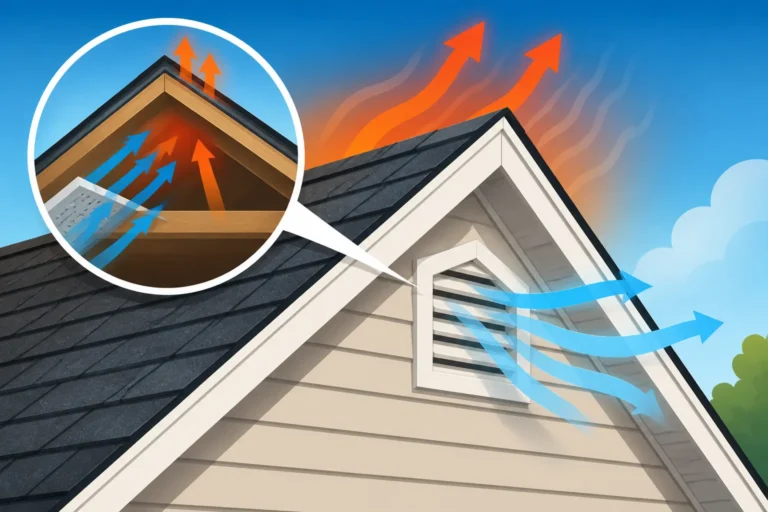
However, certain aspects might require a slightly more meticulous approach, especially when aiming for optimal energy performance. Proper attic ventilation is absolutely critical when installing a cool roof. Even the most reflective shingles need a well-vented attic to help dissipate any residual heat and prevent moisture buildup, ensuring the entire roof system performs at its peak. Ensure your contractor pays close attention to adequate soffit and ridge ventilation, as this significantly contributes to your home's overall thermal envelope. Additionally, ensuring correct nailing patterns and proper sealant activation is vital for wind resistance and longevity, protecting your investment for years to come.
Maintaining Reflectivity Over Time
One common concern homeowners have about cool-roof shingles is whether their reflective properties diminish over time due to dirt, grime, or algae growth. It's a valid question, as a dirty surface won't reflect as effectively. The good news is that manufacturers design these shingles with durability in mind. Most cool-roof shingles are engineered to be relatively resistant to common aesthetic issues like algae streaking, often incorporating copper granules to inhibit growth, similar to standard algae-resistant shingles.
However, like any roof, periodic maintenance can help preserve its performance. A gentle, low-pressure cleaning might be beneficial if you notice significant dirt accumulation affecting the roof's appearance. It's crucial to avoid high-pressure washing, which can damage the shingle granules and compromise their reflective coatings. Always consult with a roofing professional before attempting any cleaning. Regular inspections can also identify and address issues like moss or debris buildup, ensuring your cool roof continues to reflect sunlight and keep your home comfortable for its entire lifespan. Understanding how shingles protect against water and ensuring proper maintenance will enhance both durability and performance.
Disclaimer
Please remember that this article is intended for informational purposes only. While we strive to provide accurate and up-to-date information, local building codes, product specifications, and pricing can vary significantly. Always consult with a qualified, licensed roofing professional in your area for personalized advice, detailed estimates, and to ensure compliance with all local regulations before undertaking any roofing project.