Impact-Resistant Shingle Cost Per Square
Deciding to replace your roof is already a big decision, and when you start looking into specific materials like impact-resistant shingles, the costs can feel like a whole new puzzle. It’s tough trying to figure out if the investment is truly worth it, especially when you're just seeing broad price ranges online and wondering what that really means for your home. This guide is here to demystify the impact-resistant shingle cost per square, breaking down what you can expect to pay and the various factors that influence the final price, so you can make an informed decision without feeling overwhelmed.
Understanding Impact-Resistant Shingles and Their Value
When hail the size of golf balls starts pounding your roof, or a strong gust of wind tears through your neighborhood, the last thing you want to worry about is immediate, extensive damage to your shingles. That's where impact-resistant shingles come into play. They’re designed with enhanced durability to withstand severe weather events that would typically leave a conventional asphalt shingle roof looking like a battlefield. While they come with a higher upfront cost, many homeowners find the peace of mind and long-term savings to be well worth the investment.
What Makes Them "Impact-Resistant"?
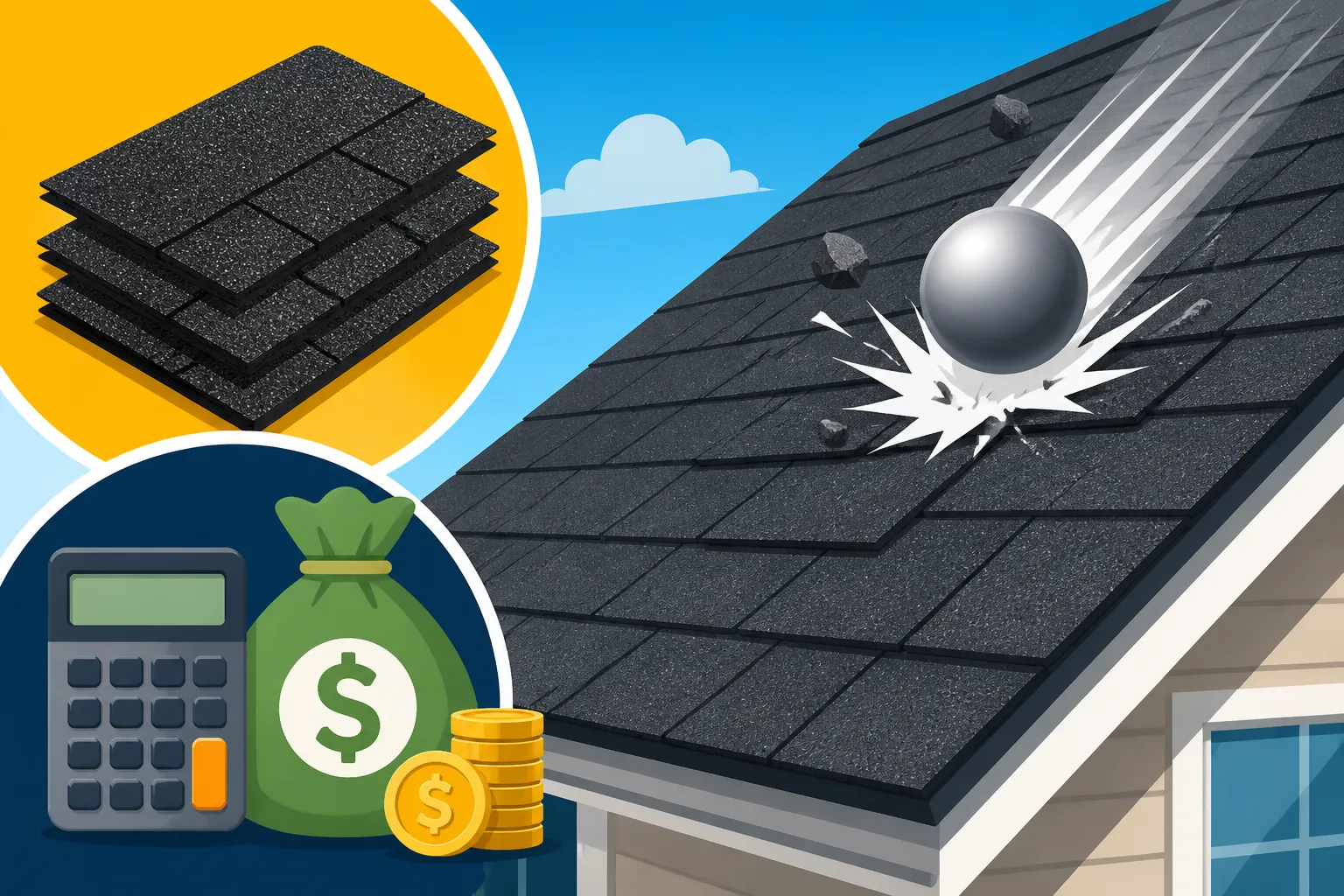
It's not just a fancy marketing term; impact-resistant shingles are engineered differently. They incorporate materials and designs specifically to resist tearing, splitting, and granule loss from impacts. The most common way to measure this resistance is through a UL 2218 rating, which is where you'll hear about "Class 4" shingles. This is the highest rating, meaning the shingles have been tested to withstand the impact of a 2-inch steel ball dropped from 20 feet without cracking or breaking.
Many manufacturers achieve this superior resistance by integrating specialized polymer-modified asphalt, often referred to as SBS (Styrene Butadiene Styrene) modified asphalt. This rubber-like additive makes the shingles more flexible and resilient, allowing them to absorb impacts better without fracturing. Imagine a normal shingle as a stiff piece of cardboard, and an impact-resistant shingle as a piece of flexible plastic – the latter is much harder to break with a sudden blow. Another common technique is to use a heavily reinforced fiberglass mat or a blend of tougher granules to create a more robust surface that can shrug off damage. For instance, some premium architectural shingles, like those offered by Malarkey, utilize rubberized asphalt to achieve their Class 4 rating, while Owens Corning often features their patented SureNail Technology in many of their impact-resistant lines, enhancing tear resistance.
Why They Cost More
It’s natural to wonder why these specialized shingles carry a higher price tag. The simple truth is, you're paying for advanced materials and manufacturing processes. The SBS modified asphalt or other proprietary impact-resistant compounds are more expensive to produce and integrate than standard asphalt blends. Think of it like buying a heavy-duty truck versus a standard sedan; the truck uses stronger, more specialized components that cost more to source and assemble.
Beyond the raw materials, the research and development that goes into creating and testing these shingles is also factored into their cost. Manufacturers invest heavily in ensuring their products meet stringent industry standards, like the UL 2218 Class 4 rating. This certification process itself adds to the overhead. Furthermore, these shingles often come with enhanced warranties, which also contribute to the perceived value and, consequently, the price. It's a premium product designed for superior performance, and that premium is reflected in the cost.
Long-Term Savings and Durability
While the initial cost is higher, impact-resistant shingles often lead to significant long-term savings. The most immediate benefit is reduced repair costs. In hail-prone areas like Colorado, Texas, or Oklahoma, homeowners with standard shingles might face repairs or even full replacements after a single severe storm. With impact-resistant shingles, the likelihood of needing those expensive interventions is drastically reduced. This means fewer insurance claims, less deductible money out of your pocket, and less hassle coordinating repairs.
Beyond just preventing storm damage, many impact-resistant shingles are also designed for enhanced durability in general, often lasting longer than their conventional counterparts. Their robust construction helps them resist cracking from thermal expansion and contraction, and they can better handle everyday wear and tear from UV exposure and fluctuating temperatures. A longer-lasting roof means you push off the next full replacement for years, sometimes even a decade or more. Plus, one of the biggest motivators for choosing these shingles is the potential for insurance premium discounts. In regions prone to hail or high winds, many insurance companies offer significant savings on your annual premiums if you install a Class 4 rated roof, which can add up to hundreds of dollars a year. It's always a good idea to chat with your insurance provider to see if you qualify for such benefits.
Breaking Down the Average Cost Per Square for Impact-Resistant Shingles
When we talk about roofing costs, we often use the term "per square." A "square" in roofing lingo isn't just a geometric shape; it refers to a 100-square-foot area of roofing. So, if your roof is 2,000 square feet, you have a 20-square roof. Understanding this unit is key to deciphering estimates. Impact-resistant shingles will naturally fall on the higher end of the spectrum compared to standard asphalt options, but knowing the typical ranges helps set expectations. When looking for contractors or comparing prices, platforms like Modernize can help connect you with local professionals who specialize in these types of installations.
Material Costs by Shingle Type
The material cost for impact-resistant shingles can vary significantly based on the brand, style, and specific technology used. Generally, you’ll find that these shingles come in two main styles: architectural (also known as dimensional) and designer (or luxury).
- Architectural Impact-Resistant Shingles: These are the most common type of impact-resistant shingle. They offer a multi-dimensional look, thicker profile, and are designed to mimic the appearance of wood shakes or natural slate. For architectural impact-resistant shingles, you can typically expect material costs to range from $120 to $250 per square. Brands like GAF (e.g., Timberline Armorshield II) and Owens Corning (e.g., Duration FLEX or TruDefinition Duration Storm) offer popular architectural options with Class 4 ratings. For example, a square of GAF Timberline Armorshield II might run you closer to the higher end of that range, while a basic architectural impact-resistant shingle might be on the lower end.
- Designer/Luxury Impact-Resistant Shingles: These are the premium offerings, designed to replicate very high-end roofing materials like slate or cedar shakes with exceptional realism and durability. They are thicker, heavier, and often boast enhanced aesthetic features. Material costs for designer impact-resistant shingles can be considerably higher, ranging from $250 to $400+ per square. CertainTeed's Presidential Shake Impact Resistant or Grand Manor Impact Resistant are prime examples, offering unparalleled beauty and protection at a premium price point. Malarkey's Legacy® Scotchgard™ shingle is another high-end option known for its impact resistance and algae protection.
It’s important to remember these are just material costs. They don't include delivery, waste, or any of the other components of a full roofing system like underlayment, flashing, or ventilation.
Installation Costs and Factors
Installation costs are where the labor comes in, and this can be a huge variable. Generally, labor costs for installing impact-resistant asphalt shingles typically range from $150 to $350 per square, but this can swing dramatically based on several factors. The complexity of your roof is a big one. A simple, low-pitch ranch-style home with an easy-to-access roof will cost less to install than a multi-story home with a steep pitch, numerous dormers, and intricate valleys. The time it takes to cut and fit shingles around these features increases labor hours.
Another significant factor is your geographic location. Labor rates vary considerably from state to state and even city to city. For instance, roofing labor in a high-cost-of-living area like Boston or parts of California will naturally be higher than in a more rural area in the Midwest. The demand for roofers in your region also plays a role; if there’s been recent storm activity, skilled labor can be scarcer and thus more expensive. The scope of work beyond just laying shingles also impacts installation costs. For instance, if your existing roof requires a full tear-off and disposal of old shingles, that adds time and labor. If there's any necessary roof decking replacement cost due to rot or damage, that's another labor-intensive step.
Total Installed Cost Per Square Estimates
When you combine material costs with installation costs, you get a much clearer picture of the total installed impact-resistant shingle cost per square. On average, homeowners can expect to pay anywhere from $270 to $750 per square for a complete impact-resistant asphalt shingle roof replacement. This includes materials, labor, and typically the removal and disposal of old shingles.
Let's look at some realistic scenarios:
- Basic Architectural Impact-Resistant: For a straightforward roof on a single-story home using mid-range architectural impact-resistant shingles (e.g., GAF Timberline Armorshield II), you might be looking at around $270 to $450 per square. So, for a 20-square roof (2,000 sq ft), this could be $5,400 to $9,000.
- Mid-Range Architectural Impact-Resistant with Some Complexity: If your home has a moderate pitch, a few valleys, or dormers, and you opt for slightly higher-end architectural impact-resistant shingles like Owens Corning Duration FLEX, the cost could be in the $400 to $600 per square range. For a 20-square roof, that's $8,000 to $12,000.
- Premium Designer Impact-Resistant: For a complex roof (steep pitch, multiple levels) and luxury designer impact-resistant shingles (e.g., CertainTeed Presidential Shake Impact Resistant), you could be looking at $600 to $750+ per square. A 20-square roof could easily hit $12,000 to $15,000 or more.
These estimates typically include the necessary components of a full roofing system – things like new felt or synthetic underlayment, drip edge, flashing, and ridge caps. However, always review your roofing estimates carefully to understand exactly what's itemized. Knowing how to read and compare roofing estimates is crucial for ensuring you're getting a fair and comprehensive quote.
Here's a simplified table illustrating the typical range for impact-resistant shingles:
| Shingle Type (Impact-Resistant) | Material Cost Per Square | Installation Labor Per Square | Total Installed Cost Per Square (Est.) |
|---|---|---|---|
| Architectural (Mid-Range) | $120 – $250 | $150 – $250 | $270 – $500 |
| Architectural (High-End) | $180 – $300 | $200 – $300 | $380 – $600 |
| Designer/Luxury | $250 – $400+ | $250 – $350+ | $500 – $750+ |
Note: These ranges are estimates and can vary based on location, contractor, and specific project details.
Factors Influencing Your Specific Impact-Resistant Shingle Cost
No two roofing projects are exactly alike, and while the average cost per square gives you a good baseline, several factors will specifically influence what you pay. Understanding these can help you anticipate costs and ask the right questions when getting quotes. Many homeowners turn to services like Modernize to find contractors who can provide detailed estimates based on their specific situation.
Geographic Location and Local Market Dynamics
Where you live plays a massive role in roofing costs. Different states and even different cities within the same state have varying material costs, labor rates, and local regulations. For example, areas with higher costs of living or strong union presence tend to have higher labor costs. Consider states known for severe weather:
- Hail-Prone States: In places like Texas, Colorado, Oklahoma, or Kansas, where hail damage is a frequent occurrence, demand for impact-resistant shingles is often higher. While demand can sometimes drive prices up, the increased competition among roofers who specialize in these products might also stabilize costs. Moreover, many roofers in these regions are very familiar with insurance claims for hail, making the process smoother for homeowners. Homeowners in these areas often find that the insurance discounts for Class 4 shingles are substantial enough to offset the higher upfront cost quickly.
- Coastal Regions: In states like Florida or along the hurricane-prone Atlantic coast, building codes are often stricter, requiring specific installation techniques for high-wind resistance, in addition to impact resistance. These extra steps can add to the labor cost.
Local supply chain dynamics also matter. If your area has readily available impact-resistant shingle distributors, the material costs might be lower due to less transportation expense. Conversely, if specific brands need to be shipped long distances, those freight costs can be passed on to the consumer.
Roof Complexity and Pitch
The design of your roof is a significant determinant of labor costs. Simply put, a more complicated roof takes more time and skill to install.
- Roof Pitch: The steepness of your roof (its pitch) has a direct impact on labor. A low-pitch roof (think a gentle slope) is easier and safer for roofers to work on, requiring less specialized equipment and time. As the pitch increases, safety measures become more critical, specialized equipment like safety harnesses and staging may be needed, and the work itself becomes slower and more arduous. Many contractors will add a "steep roof cost premium" for pitches above a certain grade (e.g., 6/12 or 7/12).
- Roof Shape and Features: A simple gable roof (two sloped sides) is the most cost-effective. However, roofs with multiple slopes, hips, valleys, dormers, skylights, chimneys, or other penetrations require more intricate cutting, sealing, and flashing work. Each of these features adds time and material, thus increasing the labor component of the per-square cost. For instance, a roof with many valleys or dormers will have more cutting and require more ridge and hip cap shingles, which are more expensive per linear foot than field shingles. If you're wondering about the cost to reroof a home with dormers, expect a noticeable increase.
Brand and Warranty Choices
Just like with any major purchase, brand matters in roofing. Leading manufacturers like GAF, Owens Corning, CertainTeed, Malarkey, and Atlas all offer high-quality impact-resistant shingles, but their pricing and warranty structures can differ.
- Brand Reputation and Innovation: Established brands often come with a slightly higher price tag, but this is usually tied to their reputation for quality, consistency, and ongoing innovation in roofing technology. They invest in advanced features like enhanced sealing strips (e.g., Owens Corning's SureNail Technology) or superior granule adhesion, which contribute to the shingle's overall performance and longevity.
- Warranty Tiers: Impact-resistant shingles often qualify for extended or enhanced warranties, particularly when installed by a manufacturer-certified contractor. For example, a GAF Master Elite Contractor can offer the Golden Pledge Warranty, which covers both material defects and workmanship for an extended period. These comprehensive warranties provide excellent peace of mind but can sometimes subtly factor into the overall cost quoted by a contractor. While not always an explicit line item, the ability to offer such warranties is a value-add that contractors might price into their services. It’s worth exploring the details of how shingle warranties work and what you'd get for your investment.
Additional Materials and Project Scope
A roof replacement isn't just about shingles. There's a whole system of components that work together to protect your home, and the condition and type of these can impact your total cost.
- Underlayment: Most modern building codes require a synthetic underlayment or felt paper to be installed beneath the shingles. While the cost of standard felt is low, choosing a premium synthetic underlayment offers superior protection against moisture and tears, adding a few dollars per square. In colder climates, or where ice damming is a concern, ice and water shield is often required along eaves, valleys, and around penetrations. This peel-and-stick membrane is significantly more expensive than standard underlayment, and its necessity can push up your overall material cost.
- Flashing and Drip Edge: New flashing around chimneys, skylights, and vent pipes is critical for preventing leaks. Drip edge is also essential for directing water away from your fascia and preventing water damage. If these components are old or damaged, replacing them is a non-negotiable part of a quality roof installation and will add to the material and labor costs.
- Ventilation: Proper attic ventilation is paramount for a healthy roof system and can impact the lifespan of your shingles. If your current attic ventilation is inadequate, your contractor might recommend upgrades, such as installing new ridge vents or additional soffit vents. This can add to the project cost but is a smart investment in the long run. The cost of roof ventilation upgrades, while optional, is highly recommended to prolong your roof's life.
- Roof Decking Repair: This is often a hidden cost in a roof replacement. Once the old shingles are torn off, the roofing contractor will inspect the existing roof decking (typically plywood or OSB). If there are signs of rot, water damage, or structural issues, sections of the decking will need to be replaced before new shingles can be installed. This adds both material cost (for new plywood/OSB) and significant labor. If you’re concerned about the integrity of your decking, it's a good idea to factor in a contingency for potential roof decking replacement cost.
Getting Accurate Quotes for Your Impact-Resistant Roof
Embarking on a roof replacement project, especially one involving a specialized product like impact-resistant shingles, requires careful planning and research. The goal is to get a high-quality roof that protects your home for decades, without overpaying or encountering unexpected issues. The best way to achieve this is by being thorough in your contractor selection and understanding every detail of your quotes.
The Importance of Multiple Estimates
It’s easy to feel pressured to go with the first contractor who gives you a quote, especially when you're facing a looming roofing problem. However, getting multiple estimates—ideally three to five—is absolutely critical. This isn't just about finding the cheapest price; it's about comparing apples to apples, understanding different approaches, and finding a contractor whose experience and communication style you trust. Each contractor might have slightly different recommendations for materials, installation methods, or even identify different underlying issues that need addressing.
When you gather multiple bids, you get a clearer picture of the average market rate for impact-resistant shingles in your specific area, allowing you to identify any unusually high or low outliers. A bid that's significantly lower than the others should raise a red flag; it might indicate corners being cut, inferior materials, or a lack of proper insurance. On the other hand, a much higher bid needs to be justified with superior products, extended warranties, or specialized services. Take your time to compare roofing bids, asking questions about any discrepancies you find.
Questions to Ask Your Contractor
Before you sign on the dotted line, you should feel completely comfortable with your chosen roofing contractor. Don't hesitate to ask a lot of questions. This is a major investment in your home! Here are some key questions to consider, especially when discussing impact-resistant shingles:
- Are you licensed and insured? This is non-negotiable. Always ask for proof of both general liability insurance and workers' compensation. This protects you from liability if an accident occurs on your property. Knowing your roofer is licensed and insured is paramount.
- Are you certified by the shingle manufacturer? Many top shingle manufacturers like GAF, Owens Corning, and CertainTeed offer special certifications (e.g., GAF Master Elite, Owens Corning Platinum Preferred, CertainTeed SELECT ShingleMaster). These certifications mean the contractor has met rigorous standards for training, professionalism, and financial stability, and can often offer enhanced manufacturer warranties that an uncertified roofer cannot. Ask about their experience with impact-resistant products specifically.
- Can you provide local references? A reputable contractor will be happy to share contact information for past clients, preferably ones in your area who have had similar work done. Take the time to call these references and ask about their experience.
- What is your process for protecting my property during the installation? A good contractor will have a clear plan for protecting your landscaping, siding, and other property from debris and nails during the tear-off and installation process.
- Do you pull the necessary permits? In most areas, a roof replacement requires a building permit. Your contractor should handle this process and ensure all work complies with local building codes. Clarify who pulls the roofing permit – it should almost always be the contractor.
- What is the payment schedule? Be wary of contractors who demand a large upfront deposit (more than 10-30% is often a red flag) or full payment before work begins. A typical payment schedule involves an initial deposit, progress payments, and a final payment upon satisfactory completion.
What to Look for in a Detailed Estimate
A comprehensive and transparent estimate is a hallmark of a professional roofing contractor. Avoid vague, one-page bids that just give you a lump sum. Your estimate should be detailed, itemizing costs, and clearly outlining the scope of work.
Here’s what you should expect to see:
- Line-Item Breakdown: The estimate should clearly separate material costs from labor costs. Ideally, it will list the specific impact-resistant shingle brand, type, and color, along with the quantity (number of squares). It should also detail other components like underlayment (e.g., synthetic vs. felt, ice and water shield), flashing, drip edge, ridge caps, and ventilation.
- Scope of Work: A detailed description of what the project entails, including tear-off of old shingles (number of layers), disposal fees, any necessary decking repairs, and the installation process for the new roofing system. It should specify whether full system components are being installed (starter strips, ridge vents, etc.) to meet manufacturer warranty requirements.
- Warranty Information: Clearly state both the manufacturer's warranty on the shingles and any workmanship warranty offered by the contractor. For impact-resistant shingles, pay close attention to the wind and hail warranties.
- Payment Schedule: A clear breakdown of when payments are due (e.g., deposit, progress payments, final payment).
- Permits and Fees: Confirmation that the contractor will obtain all necessary permits and that the cost is included in the estimate.
- Cleanup Plan: Details on how they will clean up the job site, including magnetic sweeps for nails.
Understanding these elements in your estimate is crucial for comparing bids accurately and ensuring you're getting a complete, high-quality roofing solution that includes the premium protection of impact-resistant shingles.
Disclaimer
Please remember that the information provided in this guide, including cost estimates, is for general informational purposes only and should not be considered professional financial or roofing advice. Material and labor costs can fluctuate significantly based on your specific geographic location, the complexity of your roofing project, current market conditions, and the individual contractor you choose. Always obtain multiple detailed quotes from licensed and insured roofing professionals in your area to get an accurate estimate for your specific needs. It's also recommended to consult with your insurance provider regarding potential discounts for impact-resistant roofing.