How to Find a Good Roofer in Colorado
Dealing with a leaky roof, missing shingles after a hailstorm, or simply realizing your asphalt roof is nearing the end of its life can be incredibly stressful. The biggest headache often isn't just the damage itself, but the daunting task of finding a trustworthy, skilled roofer in Colorado. This guide is here to cut through the confusion, offering you clear, actionable steps and local insights to help you choose a reputable contractor who will protect your home with confidence.
Why Finding the Right Roofer in Colorado is a Real Challenge
Colorado's stunning landscapes come with a unique set of challenges for homeowners, especially when it comes to something as critical as your roof. It's not just about finding a roofer; it's about finding the right roofer who understands the specific demands of our climate and local regulations. Many homeowners express frustration over the sheer number of companies, the wildly varying quotes, and the fear of making a bad choice that could lead to bigger problems down the line.
Dealing with Colorado's Extreme Weather Patterns
If you've lived in Colorado for any length of time, you know our weather is anything but predictable. One day it's sunny and mild, the next you're dodging golf-ball-sized hail or bracing against gale-force winds whipping down from the Rockies. These conditions take a serious toll on roofing materials, often leading to accelerated wear and tear that roofers in other parts of the country might not regularly encounter.
Consider the severe hailstorms that frequently sweep across the Front Range, from Colorado Springs up through Denver and Fort Collins. These aren't just minor dents; they can cause significant granule loss, bruising, and even puncture asphalt shingles, leading to leaks and structural damage if not addressed promptly. Homeowners in areas like Aurora or Lakewood are particularly accustomed to the need for durable, impact-resistant roofing solutions. Then there's the heavy snow load in mountain communities like Aspen or Vail, which demands robust roof structures and proper ice and water shield installation to prevent devastating ice dams. And let's not forget the intense UV radiation at higher altitudes, which can prematurely age and degrade standard shingles. A good Colorado roofer will be intimately familiar with these issues and recommend appropriate materials and installation techniques, perhaps even suggesting an Impact-Resistant Shingle Cost upgrade or specialized underlayment.
Navigating Local Licensing and Regulations
One of the most confusing aspects of hiring a roofer in Colorado is the patchwork of regulations. Unlike some states that have a statewide licensing board for roofing contractors, Colorado delegates this responsibility to individual cities and counties. This means that a roofer who is licensed and reputable in Denver might have different requirements to meet to work in Boulder, Colorado Springs, or even an unincorporated part of Jefferson County. This lack of statewide uniformity can make it incredibly difficult for homeowners to verify credentials and ensure they're hiring a legitimate business.
For example, the City and County of Denver requires roofing contractors to hold a specific contractor license, along with necessary insurance and bonding. However, in other municipalities, a general business license combined with pulling the proper permits for each job might suffice. This fragmented system means you, as the homeowner, need to be diligent in checking the local requirements for your specific area. It's not enough for a roofer to just say they're "licensed" – you need to confirm what that means for your jurisdiction and whether they meet those specific criteria. This local knowledge is one of the many reasons why it's crucial to hire a company with a strong local presence and a proven track record in your immediate vicinity.
Essential Steps to Vetting Colorado Roofing Contractors
Finding a good roofer requires more than just calling the first number you see online. It’s about careful research, asking the right questions, and understanding what makes a contractor truly reliable. Think of it as a multi-step interview process for someone who will be protecting your most valuable asset.
Verifying Credentials and Local Presence
This is your first and most critical line of defense. A reputable roofer in Colorado will be transparent and proud of their qualifications. First, confirm their business is legitimate and registered in Colorado. You can usually do this through the Colorado Secretary of State's website. Next, and this is especially important in Colorado, verify their licensing for your specific municipality. Call your local building department in cities like Fort Collins, Pueblo, or Grand Junction, and ask about their requirements for roofing contractors and if the company you're considering is registered or licensed to perform work in that area.
Beyond licensing, robust insurance is non-negotiable. Ask for current certificates of insurance for both General Liability and Workers' Compensation. Don't just take their word for it; have them send the certificates directly from their insurance provider to you. General Liability protects your property from damage caused by the roofing company, while Workers' Compensation protects you from liability if a worker gets injured on your property. Imagine a scenario where a roofer's ladder falls and smashes your landscaping, or, worse, a worker slips and breaks a leg. Without proper insurance, you could be held responsible for costly repairs or medical bills. It's a risk you simply cannot afford to take, making Licensed and Insured Roofers: Why It Matters a topic worth reviewing thoroughly.
Finally, consider how long they’ve been operating in Colorado. A fly-by-night company that pops up after every major storm isn't a long-term partner. Look for roofers with an established local presence, a physical office, and a history of serving your community. Companies that have been around for years are more likely to stand behind their work and warranties.
Diving Deep into Reputation and Reviews
In today's digital age, information about a contractor's reputation is often just a few clicks away. Start by checking online review platforms like Google, Yelp, and the Better Business Bureau (BBB). Look for a consistent pattern of positive feedback, but don't shy away from reading negative reviews too. How a company responds to criticism can be very telling. Do they address issues professionally and seek to resolve them, or do they dismiss complaints?
Don't stop at online reviews. Ask the contractor for a list of recent references – customers they’ve worked with in the past year or two. Reach out to these references and ask specific questions:
- Were they satisfied with the quality of the work?
- Was the project completed on time and within budget?
- Was communication clear and consistent?
- Did the crew clean up thoroughly after the job?
- Would they hire them again?
Platforms like Modernize can also be a valuable resource here. Many online platforms screen contractors and provide access to customer reviews, helping you connect with pre-vetted professionals in your Colorado neighborhood, whether you're in Boulder or Colorado Springs. This can streamline the process of finding reliable candidates.
Securing Comprehensive, Transparent Estimates
When you're gathering bids for your roofing project, it's easy to get overwhelmed by the numbers. But the price tag isn't the only thing that matters; it's the details within that estimate that truly count. A good roofer will provide a clear, itemized estimate that breaks down all costs involved, leaving no room for ambiguity. This document should detail:
- Materials: Not just "shingles," but the specific brand (e.g., GAF Timberline HDZ, Owens Corning Duration), style, color, and quantity (in "squares" – 1 square equals 100 square feet). It should also include underlayment, drip edge, flashing, and any other components of the roofing system. Understanding your 3-Tab vs Architectural Shingle Cost Compared can help you interpret material costs.
- Labor: The cost of removing old materials (if applicable), installing new ones, and any specialized labor for complex roof features like multiple valleys or steep pitches. This is where Roofing Material Cost vs Labor Cost really comes into play.
- Permits: Who is responsible for pulling the necessary Do You Need a Permit to Replace a Roof and what the associated costs are.
- Waste Disposal: The cost of disposing of old shingles and debris.
- Contingencies: While a good estimate should be thorough, a small buffer for unforeseen issues (like discovering rotted decking underneath) is reasonable, but it should be clearly outlined how such costs would be handled.
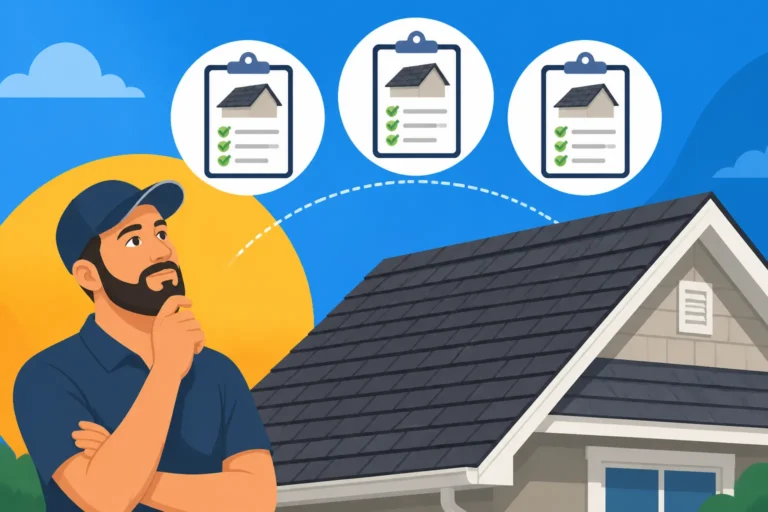
Be wary of estimates that are significantly lower than others. While a great deal can be tempting, it's often a sign of cut corners, inferior materials, or a lack of proper insurance and licensing. Always get at least three estimates to compare, ensuring you're comparing apples to apples in terms of scope and materials. Don't be afraid to ask Questions to Ask a Roofing Contractor Before Hiring to clarify any points of confusion.
What to Watch Out For and Smart Questions to Ask
The process of hiring a roofer can sometimes feel like navigating a minefield, especially in a region prone to severe weather. Knowing what red flags to look for and having a list of crucial questions ready will empower you to make an informed decision and avoid common pitfalls.
Spotting and Avoiding Storm Chasers
After a major hailstorm rolls through Colorado Springs or a wind event hits Fort Collins, you'll inevitably see a surge of roofing companies knocking on doors. While some are legitimate local businesses responding to increased demand, others are "storm chasers" – out-of-state contractors who follow bad weather, do quick, often subpar work, and then disappear when problems arise. These companies often lack local ties, can be difficult to track down for warranty issues, and sometimes engage in shady practices.
Here are some tell-tale Roofing Contractor Red Flags to Avoid from storm chasers:
- Aggressive Sales Tactics: High-pressure sales, demanding you sign a contract on the spot, or insisting on immediate access to your insurance claim information.
- Out-of-State License Plates: Their vehicles might have out-of-state tags, and their business addresses might be P.O. boxes rather than physical locations.
- No Local References: They can't provide local references from previous jobs in your community.
- Demanding Upfront Payment: While a deposit is normal, asking for a large percentage of the total cost upfront before any work begins is a major red flag.
- Unsolicited Door-to-Door Sales: Be cautious of anyone who shows up uninvited, claiming to have "noticed damage" on your roof. Always initiate contact yourself.
Always choose a roofer with a verifiable local office and a long-standing reputation in Colorado. This greatly increases your chances of recourse if any issues arise after the project is complete.
Understanding Warranties and Certifications
A new roof is a significant investment, and its longevity and performance are largely dependent on the quality of the materials and the installation. That's where warranties and certifications come in. There are typically two types of warranties you need to consider:
- Manufacturer Warranty: This covers the roofing materials themselves (shingles, underlayment, etc.) against defects. Reputable brands like GAF, Owens Corning, and CertainTeed offer robust warranties, but their top-tier coverage often requires installation by a certified contractor. For example, GAF's Golden Pledge Warranty, one of the strongest in the industry, is only available when a GAF Master Elite Contractor installs a complete GAF roofing system.
- Workmanship Warranty: This covers the quality of the installation. If the roof leaks due to improper installation, the contractor is responsible for fixing it. This warranty should ideally be for at least 5-10 years, though some top contractors offer even longer periods.
Ask potential roofers about both types of warranties they offer. Furthermore, inquire about any manufacturer certifications they hold. These certifications, like Owens Corning Platinum Preferred or CertainTeed SELECT ShingleMaster, indicate that the contractor has met stringent training and installation standards set by the material manufacturers. This typically means they are authorized to offer enhanced warranties that provide better coverage and peace of mind for you, the homeowner. A detailed discussion on Roofing Warranties: Manufacturer vs Workmanship can further clarify these differences.
The Importance of a Solid Contract and Communication
Once you've narrowed down your choices, the next critical step is ensuring you have a comprehensive, written contract before any work begins. This document should detail everything discussed, from the scope of work and materials to the payment schedule and warranty information. A clear contract protects both you and the contractor and prevents misunderstandings down the road.
Here's what your roofing contract should include:
| Contract Component | Description |
|---|---|
| Full Company Information | Legal business name, address, phone number, and Colorado license/registration numbers for their municipality. |
| Scope of Work | A detailed description of all work to be performed, including tear-off, decking repairs (with pricing for potential hidden damage), installation of new components, ventilation, and cleanup. |
| Materials Specified | Exact brands, types, colors, and quantities of all roofing materials. |
| Project Timeline | Estimated start and completion dates, and provisions for weather delays, which are common in Colorado. |
| Payment Schedule | Clear breakdown of costs, deposit amount (usually 10-30%), progress payments, and final payment, tied to completion milestones. Avoid paying in full upfront. |
| Insurance Information | Confirmation of general liability and workers' compensation insurance, with your property listed as an additional insured if possible. |
| Warranty Details | Specifics on both manufacturer and workmanship warranties, including duration and what they cover. |
| Permits | Who is responsible for pulling the permits and ensuring code compliance. |
| Cleanup Plan | How the job site will be cleaned daily and at completion, including magnet sweeps for nails. |
| Change Order Process | How any unexpected changes to the scope of work or cost will be handled and approved in writing. |
Open and consistent communication is also vital throughout the project. A good roofer will keep you updated on progress, potential delays, and answer any questions you have. They should assign a project manager or lead contact person whom you can reach directly. Don't be shy about ensuring clear communication, as this is often where homeowner dissatisfaction stems from. Knowing How to Read and Compare Roofing Estimates will make this contract review much smoother.
Your Path to a Trusted Colorado Roofer
Embarking on a roofing project doesn't have to be a stressful ordeal. By leveraging online resources, tapping into local networks, and preparing your home properly, you can set yourself up for a smooth experience and a durable new roof that stands up to Colorado's elements.
Utilizing Online Resources and Local Networks
In addition to searching on review sites and the BBB, consider resources that specialize in connecting homeowners with reliable contractors. Online platforms like Modernize can significantly simplify your search by connecting you with pre-screened roofing companies in your specific Colorado locale, saving you time and giving you a head start on vetting. These services often provide multiple quotes, allowing for easy comparison.
Beyond online tools, don't underestimate the power of local word-of-mouth. Ask friends, family, and neighbors in your Denver suburb or mountain town for recommendations. A referral from someone you trust, who has had a positive experience with a local roofer, is invaluable. You might also check with local hardware stores or building supply centers, as they often have relationships with reputable contractors in the community. Furthermore, explore the Colorado Roofing Association (CRA), a non-profit organization dedicated to promoting professionalism and quality in the Colorado roofing industry. Their member directory can be a great place to find reputable local contractors who adhere to industry best practices.
Preparing for Your Roofing Project
Once you've selected your ideal Colorado roofer and signed a comprehensive contract, there are a few things you can do to prepare your home for the upcoming project. This preparation helps ensure the safety of your property and the efficiency of the roofing crew.
- Protect Your Belongings: Move cars, patio furniture, grills, and any delicate lawn ornaments away from the house. If you have any attic items, especially near the roofline, consider covering them with tarps to protect against dust and debris.
- Trim Trees: If you have overhanging branches, consider having them trimmed. This gives roofers better access and reduces the risk of damage to new shingles.
- Inform Neighbors: Let your neighbors know about the upcoming work, especially if it involves noisy equipment or temporary obstruction of shared driveways.
- Clear Driveway/Access: Ensure the driveway and immediate perimeter of your home are clear for material delivery and debris containers.
- Secure Pets and Children: Keep pets indoors or in a secure, distant location, and ensure children are not playing near the work area. A roofing site is a hazardous environment.
- Cover Valuables Indoors: The vibrations from roofing work can sometimes dislodge items from walls or shelves, especially framed pictures. Consider temporarily removing or securing anything fragile.
- Arrange for Alternative Parking: If your driveway will be occupied by equipment, plan for alternative parking for your vehicles.
By taking these proactive steps, you contribute to a smoother, safer, and more efficient roofing installation, setting the stage for a successful outcome. Understanding What to Expect on Roof Installation Day can also help alleviate any anxieties you might have.
Disclaimer
Please remember that this article provides general information and recommendations. Roofing regulations, costs, and best practices can vary significantly based on your specific location within Colorado and the unique characteristics of your property. Always consult with multiple licensed and insured local roofing professionals for personalized advice and detailed estimates.