What Causes Algae Streaks on a Roof
Those unsightly black or green streaks staining your beautiful asphalt roof are a common and frustrating problem for homeowners. It feels like overnight your roof went from pristine to patchy, and you're left wondering why it happened and what you can do about it. This comprehensive guide will explain exactly what causes those mysterious algae streaks, the conditions that encourage their growth, and how they can affect your roof in the long run.
Understanding the Enemy: What Are Algae Streaks on Your Roof?
If you've ever looked up at your roof and seen those dark, discolored patches, you're not alone. This is a battle many homeowners face, especially in certain climates. It’s not just dirt or soot, though it often gets mistaken for both. There's a specific biological culprit behind those pervasive streaks.
The Culprit: Gloeocapsa magma and its Lifestyle
The primary offender responsible for those dark streaks on your asphalt shingles is a type of cyanobacteria known as Gloeocapsa magma. Yes, it's actually a form of algae, even though it often presents as a black or dark green stain. This resilient microorganism thrives in damp, shaded environments, and it’s surprisingly widespread. Spores of Gloeocapsa magma are carried through the air, often by wind or even birds, and can easily land on your roof.
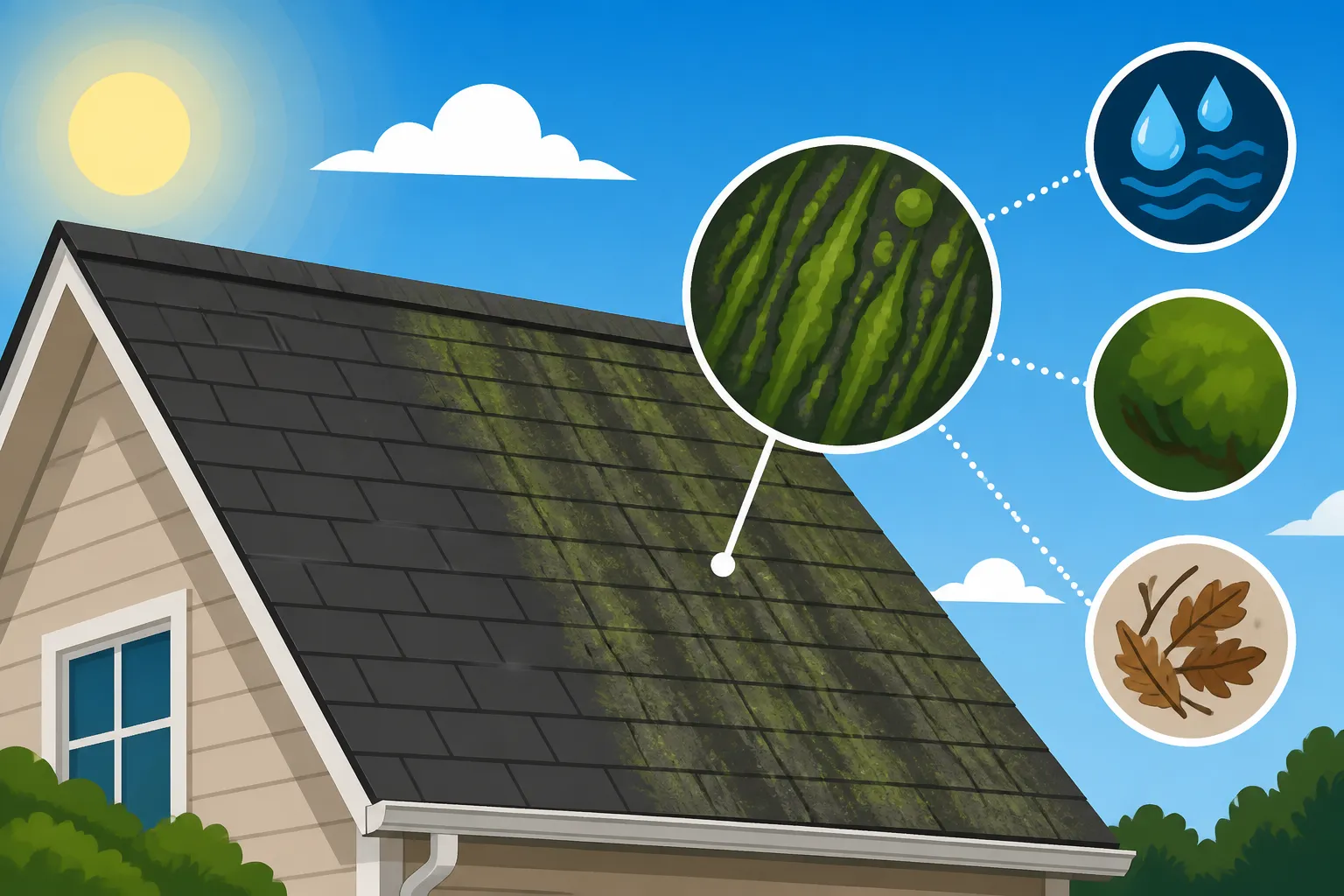
Once these spores find a suitable spot with enough moisture and organic material, they begin to multiply. They form colonies that appear as small, dark spots at first, gradually spreading across the roof surface. These colonies have a protective, dark-pigmented outer sheath that shields them from ultraviolet light, which is why they appear black or dark green. This pigment also helps them absorb heat, creating a microclimate that can encourage further growth. It's a remarkably tenacious organism, and once it gets a foothold, it can be quite persistent.
Why Asphalt Shingles Are So Appealing to Algae
You might wonder why Gloeocapsa magma seems to particularly love asphalt shingles compared to other roofing materials. The answer lies in the composition of modern asphalt shingles. Many asphalt shingles are manufactured with limestone as a filler material in the asphalt blend. While limestone is an effective and common component in shingle manufacturing, it also happens to be a fantastic food source for Gloeocapsa magma.
The algae literally feeds on the calcium carbonate present in the limestone granules embedded in your shingles. Couple that with the slightly coarse, granular surface of shingles that can trap moisture and airborne nutrients, and you’ve created a perfect buffet and breeding ground for these microorganisms. The texture provides something for the algae to cling to, and the materials offer the sustenance it needs to flourish. This combination makes asphalt shingles particularly vulnerable to algae colonization, which is why this problem is so prevalent across the country.
The Perfect Storm: Conditions That Encourage Algae Growth
Algae doesn't just appear out of thin air; it needs the right conditions to take root and spread. Understanding these factors can help you pinpoint why your roof might be more susceptible and what steps you can take to mitigate the issue.
Moisture and Humidity: Algae's Best Friends
At its core, Gloeocapsa magma is an aquatic organism, meaning it absolutely thrives on moisture. This is why you'll often see the worst algae streaks in areas that stay damp for extended periods. High humidity in the air provides a constant source of moisture, especially overnight when dew forms. If your roof doesn't have a chance to dry out fully, whether due to consistent damp weather, poor drainage, or surrounding environmental factors, you're essentially laying out the welcome mat for algae.
Consider a roof that's shaded for most of the day; these sections retain moisture far longer than those bathed in sunlight. Heavy rainfall, foggy mornings, and even just high dew points all contribute to a consistently moist surface, which is ideal for algae colonization and growth. If you live in a region like Florida or Louisiana, where humidity levels are almost always elevated, you're already at a higher risk.
Geographic Hotspots and Climate Factors
Certain parts of the country are simply more prone to algae streaks due to their climate. The warm, humid regions of the Southeastern United States are notorious hotspots. States like Florida, Georgia, Alabama, Mississippi, and Louisiana experience high temperatures coupled with significant rainfall and persistent humidity, creating the ultimate breeding ground for Gloeocapsa magma. Even parts of the Midwest, especially along the Great Lakes, can see considerable algae growth due to humid summers and ample moisture.
For example, homeowners in Orlando, Florida, might see severe algae streaking much faster than someone in, say, Phoenix, Arizona, simply because of the stark differences in humidity and rainfall. The prevalence of this issue led shingle manufacturers to develop Algae-Resistant Shingles: How They Work, which incorporate copper granules to naturally deter algae growth, recognizing the widespread nature of this problem in these specific climates. Without these preventative measures, roofs in these areas can quickly become discolored, impacting curb appeal significantly.
The Role of Your Home's Surroundings
Beyond climate, the immediate environment around your home plays a crucial role in algae development. Trees are a major contributor, especially those overhanging your roof. They provide shade, preventing direct sunlight from drying out shingles, and their falling leaves and debris can trap moisture, creating even more hospitable microclimates for algae. Over time, leaf litter also decomposes, providing additional organic nutrients for the algae to feed on.
Furthermore, a poorly ventilated attic can lead to moisture buildup underneath your roof deck, which can eventually exacerbate surface dampness and contribute to algae growth. Areas of your roof that have a lower pitch or are consistently overshadowed by taller parts of your house or neighboring structures are also prime targets. Even chimneys or dormers can create shaded, damp pockets where algae can begin its colonization. It’s all about moisture retention and nutrient availability.
More Than Just an Eyesore: The Impact of Algae on Your Roof
While the immediate concern with algae streaks is often their unsightly appearance, it’s important to understand that these biological invaders can have more profound effects on your roofing system over time. It's not just a cosmetic issue; it can impact the longevity and performance of your roof.
Aesthetic Displeasure and Curb Appeal
Let's be honest, those dark, unkempt streaks detract significantly from your home's appearance. What was once a vibrant, uniform roof color becomes mottled and stained, giving the impression that your home is poorly maintained or simply old before its time. This aesthetic degradation directly impacts your home's curb appeal. If you're planning to sell your house, a roof covered in algae streaks can be a major turn-off for potential buyers, often leading them to question the overall condition of the property and potentially impacting resale value.
A clean, well-maintained roof contributes significantly to your home's overall attractiveness. Even if the roof is structurally sound, the visual impact of algae can make it look dilapidated, which is certainly not the impression you want to make. Many homeowners find themselves exploring options like "Moss and Algae: Clean or Replace" not just for structural reasons, but purely to restore their home's visual appeal. Investing in roof cleaning or preventative measures helps maintain that fresh, cared-for look that boosts your home’s value.
Potential for Premature Roof Deterioration
Beyond aesthetics, Gloeocapsa magma can actually contribute to the premature aging and deterioration of your asphalt shingles. The algae creates a living layer on the surface of your roof, which can trap and hold moisture against the shingles for longer periods. This constant dampness can accelerate the degradation of the shingle's protective granular surface. Over time, the algae's feeding habits, coupled with the trapped moisture, can loosen and strip away the granules from the shingles.
Granule loss is a significant issue because these granules are your roof's primary defense against UV radiation from the sun. Once the granules are gone, the underlying asphalt is exposed, making it brittle and susceptible to cracking and drying out, greatly reducing the shingle's lifespan. While algae itself doesn't directly eat through the shingle, its presence creates an environment that speeds up the natural weathering process. This can lead to your roof needing replacement sooner than its expected lifespan, turning a cosmetic problem into a costly repair or "When a Roof Repair Is a Waste of Money" scenario.
How Algae Might Affect Your Roof's Energy Efficiency
This is an often-overlooked consequence of algae growth. The dark pigmentation of Gloeocapsa magma colonies means they absorb more heat from the sun. Think about wearing a black shirt on a sunny day versus a white one – the black shirt gets much hotter. The same principle applies to your roof. When large portions of your roof are covered in dark algae streaks, those areas absorb more solar radiation.
This increased heat absorption means your roof surface and, consequently, your attic space can get hotter, especially during peak summer months. A hotter attic can lead to your air conditioning system working harder to keep your home cool, consuming more energy and driving up your utility bills. While the effect might be subtle compared to other factors like insulation or ventilation, it’s still a contributing factor to overall home energy efficiency. Maintaining a clean, lighter-colored roof can help your home stay cooler by reflecting more sunlight, echoing principles discussed in articles about "How Roof Colors Affect Temperature".
Taking Action: Addressing and Preventing Algae Streaks
Dealing with algae streaks might seem daunting, but there are effective strategies you can employ to both clean your roof and prevent future growth. It often comes down to choosing the right method and understanding the preventative steps.
Cleaning Solutions: DIY vs. Professional Approaches
If you're noticing algae streaks, the good news is that they can often be cleaned. However, caution is paramount when working on a roof. For DIYers, a common and effective solution is a mix of household bleach and water (typically a 50/50 ratio, or even weaker, like 1 part bleach to 3 parts water). This solution should be applied with a garden sprayer, allowed to sit for 15-20 minutes, and then rinsed thoroughly with a low-pressure hose. Never use a high-pressure washer on asphalt shingles, as it can blast away granules and severely damage your roof. Before starting, wet down surrounding vegetation to protect it from the bleach solution.
While DIY cleaning can save money, it's also physically demanding and can be dangerous, especially on a sloped roof. Professionals often use specialized "soft washing" techniques with commercial-grade cleaning agents that are safe for shingles and highly effective. They have the equipment, safety gear, and expertise to clean your roof without causing damage. If you're uncomfortable on a ladder or worried about damaging your roof, consulting a professional roofer is highly recommended. Companies like Modernize can connect you with qualified local contractors who specialize in roof cleaning and maintenance, ensuring the job is done safely and correctly. Sometimes, even if a repair is needed, cleaning the algae off first can provide a clearer picture of the roof's true condition. You can get multiple quotes to understand the "Cost to Replace a Roof by House Size" or simply to clean it.
Preventing Future Algae Growth
Once you've cleaned your roof, or if you're installing a new one, prevention is key to keeping those streaks from returning.
- Algae-Resistant Shingles: Many manufacturers, like GAF, Owens Corning, and CertainTeed, offer shingles that are infused with copper granules. Copper is a natural algaecide, and as rain washes over these shingles, microscopic amounts of copper are released, inhibiting algae growth. This is by far the most effective long-term solution. When considering a roof replacement, asking about "Impact-Resistant Shingle Cost" or algae-resistant options is a smart move.
- Zinc or Copper Strips: For existing roofs, installing strips of zinc or copper along the ridge of your roof can help. As rain washes over these strips, metallic ions are released and flow down the roof surface, creating an environment that inhibits algae growth. These are typically installed under the cap shingles, leaving a small exposed edge.
- Trim Trees: Regularly trimming overhanging tree branches reduces shade, allowing your roof to dry out faster, and minimizes debris buildup that traps moisture and provides food for algae.
- Improve Ventilation: Ensuring your attic is properly ventilated helps prevent moisture buildup both inside and outside the roof system. Good attic ventilation allows for consistent airflow, helping the underside of your roof deck stay dry, which can indirectly contribute to less surface moisture. Learning "How Roof Ventilation Works" can be incredibly beneficial.
- Regular Inspections: Periodically inspecting your roof, or having a professional do it, can catch early signs of algae or other issues, allowing for prompt intervention. This is part of general "Roof Maintenance to Avoid Replacement" and can help you extend the life of your asphalt roof significantly.
By understanding what causes algae streaks and taking proactive steps, you can keep your asphalt roof looking great and potentially extend its lifespan, saving you headaches and money in the long run.
| Method | Pros | Cons | Cost (Approximate) | Effectiveness (Preventative) |
|---|---|---|---|---|
| DIY Bleach Wash | Low cost, readily available materials | Dangerous, risk of shingle damage if high pressure used, potential for landscape damage | $20 – $50 (materials) | Low (cleaning, not preventing) |
| Professional Soft Wash | Safe, effective, less personal risk, professional results | Higher cost, requires vetting a reputable contractor (check Modernize for options) | $400 – $1,500 | Low (cleaning, not preventing) |
| Algae-Resistant Shingles | Long-term prevention, integrated solution, often comes with warranty | Higher upfront cost for full roof replacement, only an option during reroofing | Part of total roof cost | High |
| Zinc/Copper Strips | Moderate cost, relatively easy DIY (or pro install), ongoing protection | Less effective on very steep pitches or very large roofs, aesthetic may be impacted | $100 – $300 (materials) | Medium |
| Tree Trimming | Improves sunlight exposure, reduces debris, prevents other damage | Ongoing maintenance, cost for professional arborists, does not directly kill existing algae | $150 – $1,000+ | Medium |
Disclaimer
Please note that this article is intended for informational purposes only and does not constitute professional advice. Always consult with a qualified and licensed roofing contractor for specific recommendations and services related to your home's roof. Attempting roof work yourself can be dangerous and may lead to injury or property damage.