Nail Pops: Why They Happen
There’s nothing quite like walking outside, glancing up at your roof, and noticing little bumps or even shiny nail heads poking through your asphalt shingles. It’s a moment that can send a shiver down your spine, immediately making you wonder what’s going on up there and how much it’s going to cost. These frustrating little protrusions are known as nail pops, and they’re more common than you might think. This guide will thoroughly explain why nail pops happen, the silent threats they pose to your home, and, crucially, how you can address them and prevent their return to keep your roof in tip-top shape.
What Exactly Are Nail Pops?
When we talk about "nail pops" on an asphalt shingle roof, we're referring to those instances where the nails holding your shingles in place begin to lift, pushing the shingle material upward. It’s not just a cosmetic flaw; it’s a sign of underlying issues that can compromise the integrity of your entire roofing system.
The Visual Clues on Your Roof
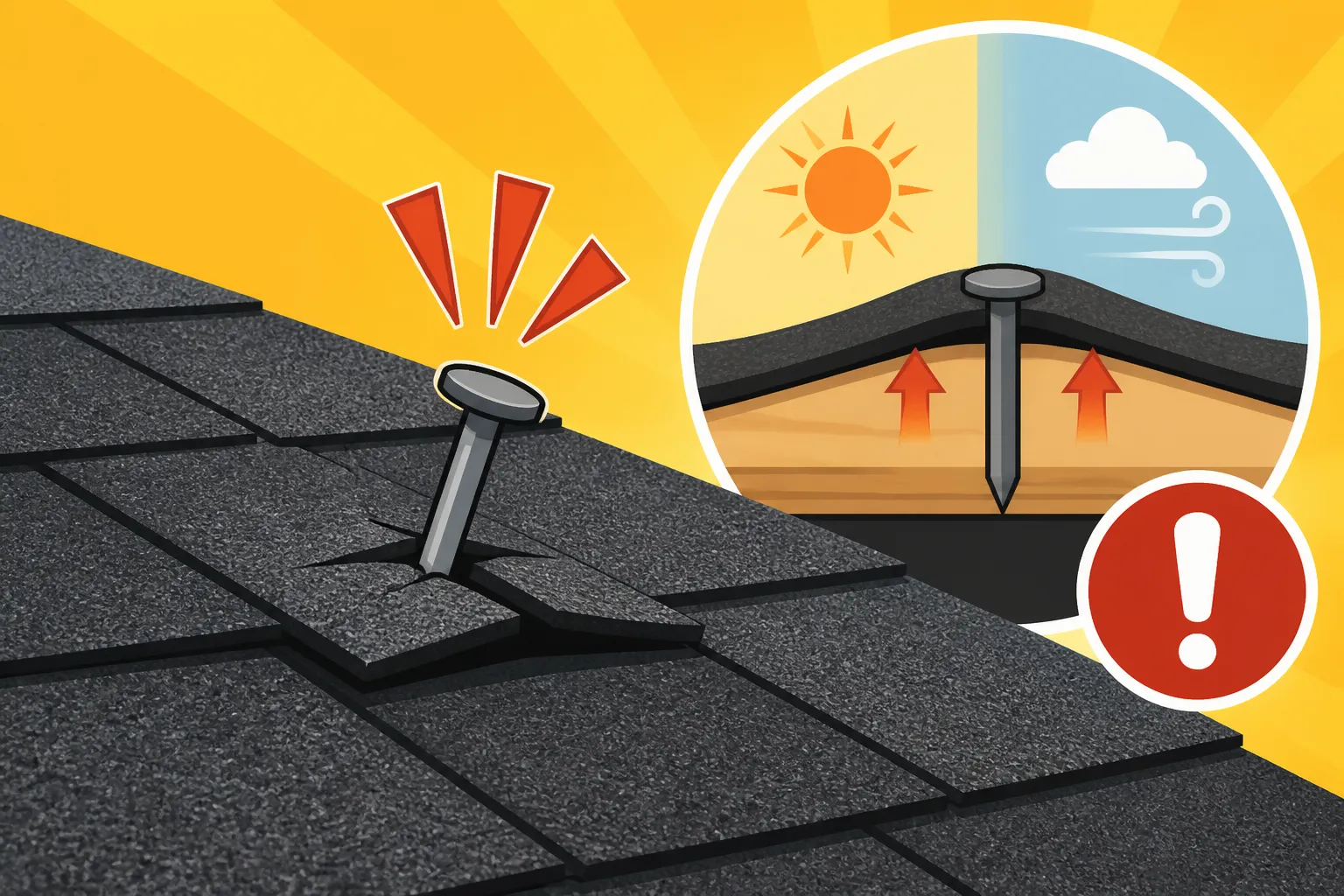
You’ll usually spot a nail pop as a small, raised area or a distinct bump on the surface of an otherwise flat shingle. Sometimes, if the nail has pushed up far enough, you might even see the head of the roofing nail itself, shiny and exposed. These are often most noticeable on sunny days when the light hits the roof at an angle, creating shadows that highlight the imperfections. You might see them individually, scattered across different parts of the roof, or in clusters, especially along valleys, ridges, or near flashing where nails are heavily concentrated.
It’s easy to dismiss a single nail pop as a minor imperfection, perhaps thinking it's just a rogue shingle or a bit of debris. However, the presence of even one can be an indicator of underlying stress on your roof. Imagine looking at your roof and seeing a perfect, uniform surface, then suddenly a small mountain range appears. That's essentially what nail pops look like – tiny, unwelcome disruptions to the smooth, protective layer of your shingles. They can appear subtle at first, maybe just a slight ripple, but over time, if left unaddressed, they become more pronounced and problematic.
Beyond the Surface: What’s Happening Underneath
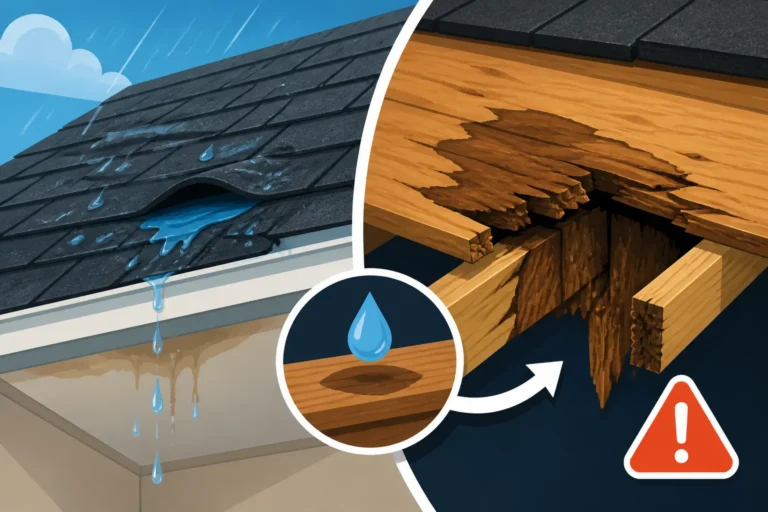
The visible bump is just the tip of the iceberg. What's truly concerning about a nail pop is what it signifies about the attachment of your shingles. Roofing nails are designed to securely fasten shingles to the roof decking, creating a tight, waterproof seal when combined with the shingle's sealant strip. When a nail pops, it means this critical connection has been compromised. The nail is no longer fully embedded, and its grip on the decking is weakened. This lifting creates a tiny channel or gap, allowing water to seep underneath the shingle, defying its primary purpose.
Think of it like a button popping off a coat. The button is supposed to keep the coat closed and protect you from the elements. If a button pops, even slightly, that opening is an invitation for cold air, rain, or snow to get in. Similarly, a popped nail allows water to bypass the shingle’s protective layer and reach the vulnerable underlayment and roof decking below. This isn't just about a single nail; it's about the potential for moisture intrusion, which can lead to rot, mold, and even structural damage over time. The problem might originate with the nail itself, but its implications extend to the entire roof system, threatening your home’s envelope.
Primary Causes of Nail Pops
Nail pops aren’t random occurrences; they almost always stem from specific installation errors, environmental factors, or material issues. Understanding these root causes is crucial for both effective repairs and preventing future problems.
Improper Nailing Techniques
This is arguably the most common culprit behind nail pops. Even the best shingles in the world won’t perform if they’re not fastened correctly. There's a science to nailing shingles, and when that science is ignored, problems quickly arise.
One of the biggest issues is under-driven nails. This happens when the nail gun isn't set to the correct pressure, or the roofer simply doesn't hit the nail flush with the shingle surface. An under-driven nail leaves the nail head slightly raised, preventing the shingle above from lying flat. Over time, foot traffic on the roof, temperature fluctuations causing expansion and contraction, or even the natural settling of the house can work these already raised nails further out. The result is a visible nail pop. It’s a frustrating scenario because it’s entirely preventable with proper attention to detail during installation. The nail should be flush, not sticking up, but also not over-driven.
Conversely, over-driven nails can also lead to nail pops, albeit indirectly. When a nail is driven too deep, it can cut through or severely damage the shingle material. This compromises the shingle's integrity around the nail hole, making it weak and prone to tearing. When the roof experiences natural movement or temperature shifts, the damaged shingle material can expand and contract, causing the nail to loosen and eventually pop up. It’s like punching a hole in a piece of paper and then trying to hold it with a thumbtack – the paper around the hole is weakened, and the thumbtack might easily tear through. Proper technique, as detailed in guides like How Shingles Are Nailed and Sealed, emphasizes a perfectly flush application.
Then there's the issue of misplaced nails. Nails should be driven into the "nailing zone" – a specific area on the shingle designed for optimal fastening. Nailing too high, too low, or too close to the edges can lead to a weak grip on the roof decking. A nail driven too high might miss the underlying shingle entirely, offering no protection and allowing it to lift. A nail too close to the edge of the shingle can cause the shingle to tear or simply not hold securely. These misplaced nails are far more likely to work their way out as the roof ages and weathers various conditions.
Movement and Shifting of Roof Components
Your roof isn't a static structure; it's constantly expanding, contracting, and experiencing slight movements due to environmental factors and the natural settling of your home. This dynamic environment can put immense stress on roofing nails, leading to pops.
Roof decking movement is a significant factor. The plywood or OSB sheathing that forms your roof deck can absorb moisture and expand or contract depending on humidity and temperature. If the decking itself is warping, swelling, or shifting, it can push the nails upward from beneath. This is particularly common if the decking wasn’t installed correctly, perhaps with insufficient spacing between panels, or if older, more porous decking is used without proper protection. If the decking underneath is compromised, perhaps with rot, the nails have nothing solid to bite into, and they can easily loosen and back out. This is a good reason to inspect the condition of your roof decking, and understand Roof Decking Replacement Cost if damage is severe.
Similarly, the rafters and trusses that support the roof can also move. As a house settles over years, or if there's any structural shifting, these movements are transmitted to the roof deck and, consequently, to the nails. This "framing movement" can gradually push nails out of place. It's a slow, insidious process that often goes unnoticed until the nail heads start pushing through the shingles.
Another factor is thermal expansion and contraction. Nails, shingles, and decking all expand when heated and contract when cooled. While individual movements are small, collectively over years of fluctuating temperatures – especially in regions with extreme seasons like Texas or Minnesota – this constant push and pull can loosen the grip of the nails, causing them to work their way out. The nails are literally being jostled out of their positions by the materials around them.
Temperature and Moisture Fluctuations
Beyond direct expansion and contraction, the interplay of temperature and moisture has a profound effect on roof components and can directly contribute to nail pops.
Moisture absorption and release in the roof decking is a prime example. Wood-based decking materials like plywood and OSB are hygroscopic, meaning they absorb and release moisture from the air. When humidity is high or during periods of heavy rain, the decking can swell slightly. As it dries out, it shrinks. This continuous swelling and shrinking of the decking can effectively "pump" the nails out of the wood. The nail is held firm in the swollen wood, but when the wood contracts, the grip loosens, and the nail moves slightly upward. Repeat this cycle hundreds of times over years, and you’ve got a nail pop. This is especially true if you don't have proper attic ventilation, which can lead to excessive moisture build-up in the attic space, directly affecting the underside of your roof deck.
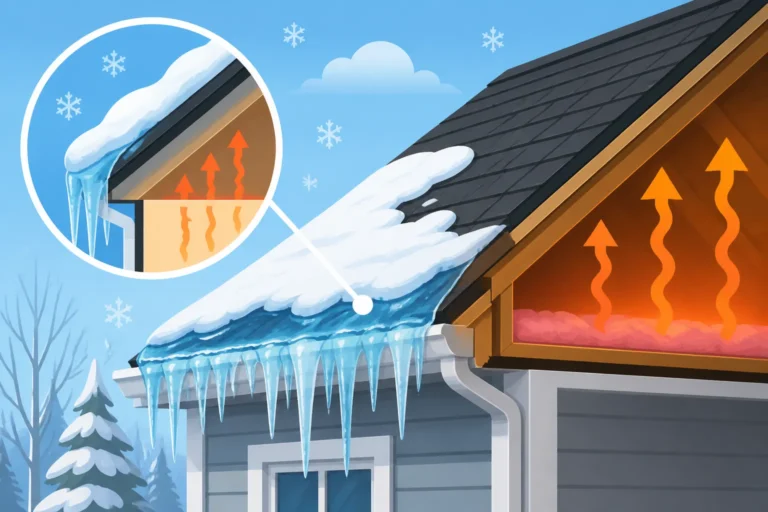
Freezing and thawing cycles in colder climates exacerbate this issue. Any moisture that gets trapped in or around a nail hole can freeze, expand, and push the nail head upward. When it thaws, the nail doesn't always settle back into its original position. This freeze-thaw action acts like a ratchet, gradually extracting the nail from the decking over multiple seasons. This is particularly detrimental if there's no ice and water shield installed, or if it's been compromised.
Extreme temperature swings also play a role in shingle sealant effectiveness. Asphalt shingles have a thermal sealant strip that activates with heat, bonding the shingles together. If temperatures are consistently too low during installation, or if the roof experiences prolonged periods of cold immediately after installation, the sealant may not fully activate. This leaves the shingles more vulnerable to wind uplift and allows greater movement, which can then contribute to nails loosening and popping. The entire roofing system relies on multiple layers working in harmony, and temperature directly impacts how well those layers bond and endure.
Subpar Materials
While often attributed to installation, the quality of materials used, both for the shingles and the nails themselves, can also play a role in the occurrence of nail pops. Cutting corners on materials to save a few dollars upfront can lead to costly problems down the line.
Low-quality roofing nails are a definite concern. Not all roofing nails are created equal. Some cheaper nails may have thinner shanks, smaller heads, or lack the necessary corrosion resistance. Nails with smaller heads provide less surface area to hold the shingle down, making them more prone to pulling through or allowing the shingle to lift around the nail head. If the nails aren’t sufficiently galvanized or coated, they can rust, especially in humid environments. Rust weakens the nail's integrity, making it brittle and more likely to break or deteriorate, thereby losing its grip on the decking. When the nail itself fails, it’s only a matter of time before the shingle lifts.
The quality of the roof decking also matters immensely. If the original roof decking is old, water-damaged, or made of a lower-grade material that easily delaminates or loses its grip, even perfectly driven nails might struggle to stay put. For instance, some older homes might have spaced sheathing rather than solid plywood, or plywood that has seen better days and has become soft or spongy due to past leaks. Nails need solid, firm wood to anchor into. If the decking is compromised, the nails won't have the necessary purchase, making them susceptible to working their way out over time. Sometimes, what looks like a nail pop is actually the nail pulling out a small chunk of rotted or weak decking material with it.
Even the shingles themselves can contribute, especially if they are brittle or poorly manufactured. While less common than nailing errors, an improperly manufactured shingle might have a weaker substrate that tears or degrades around the nail hole more easily. This can allow the nail to essentially "pull through" the shingle as it shifts or expands, leading to a visible pop. Choosing reputable brands like GAF, Owens Corning, or CertainTeed, which are known for their quality control and robust materials, can mitigate this risk.
Impacts and Risks of Ignoring Nail Pops
It's tempting to put off fixing those small nail pops, especially if they seem minor. "Out of sight, out of mind," right? Unfortunately, ignoring nail pops is a dangerous gamble that can lead to significant and costly problems for your home. These seemingly small issues can compromise the entire integrity of your roofing system.
Compromised Weather Protection
The most immediate and critical risk posed by nail pops is the compromise of your roof's primary function: keeping water out. Asphalt shingles are designed to shed water down and off your roof. Each shingle overlaps the one below it, creating a multi-layered barrier against rain and snow. When a nail pops, it breaks this continuous, watertight plane.
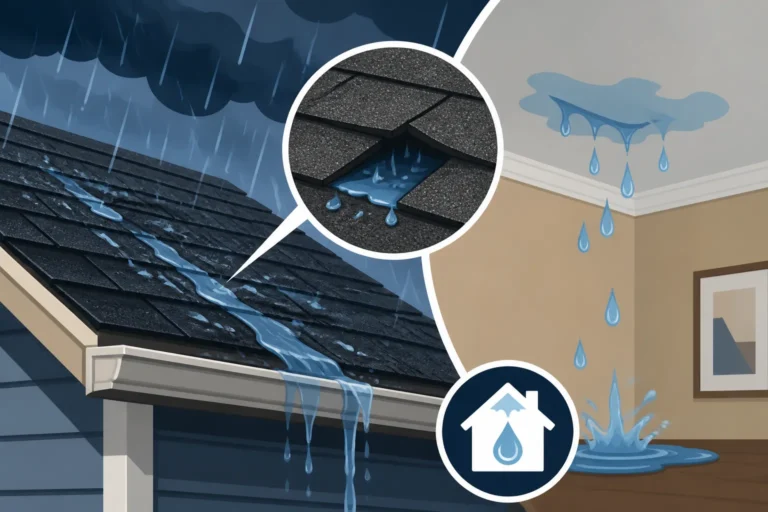
A raised nail head creates a tiny, yet significant, pathway for water. Rainwater, instead of flowing smoothly over the shingle, can get caught on the raised nail head or seep into the small gap created by the lifted shingle. This water can then penetrate the nail hole itself, bypassing the shingle and underlayment to reach the roof decking. Over time, even a small amount of persistent moisture can lead to serious problems. Imagine a leaky faucet that drips constantly – it might not seem like much at first, but over weeks and months, that consistent moisture will cause damage. With a roof, the stakes are much higher.
This compromised protection isn't just about a single point of entry. Once water gets under the shingle, it can travel laterally along the roof deck, soaking the underlayment and potentially finding its way into your attic or the interior walls of your home. This can lead to unsightly ceiling stains, peeling paint, and a host of other water-related damage that far outweighs the cost and effort of fixing a few nail pops early on. Understanding What Causes Leak on a Roof is key, and nail pops are high on that list of culprits.
Accelerated Shingle Deterioration
Beyond immediate water entry, nail pops significantly shorten the lifespan of your asphalt shingles. Shingles are designed to lie flat and seal to each other. When a shingle is lifted by a popped nail, its sealant strip cannot properly adhere to the shingle above it. This makes the shingle vulnerable to wind uplift. High winds can get underneath the lifted shingle, rip it further, or even tear it completely off the roof. This is particularly problematic during storms, when you need your roof to be at its most resilient.
Furthermore, the constant movement of a loose shingle around a popped nail can cause the shingle material itself to crack, tear, or wear down prematurely. The granule surfacing on asphalt shingles, which protects the asphalt from UV degradation, can be scraped off more easily where the shingle is lifted and flapping. This exposes the asphalt to the sun's harsh UV rays, leading to drying, cracking, and even more accelerated deterioration of the shingle. What might have been a minor issue with a simple repair can quickly escalate into a larger section of compromised shingles that will need to be replaced, driving up your Asphalt Roof Replacement Cost: Complete Breakdown.
The exposed nail head itself is also a problem. Unless it’s a high-quality stainless steel nail (which isn’t always the case), it will eventually rust. This rust can stain your shingles, creating an unsightly streak down your roof. More importantly, as the nail rusts, it weakens, potentially losing its ability to hold anything at all. This cycle of damage transforms a small, fixable issue into a pervasive problem that degrades the entire roof.
Structural Concerns and Water Damage
The most severe consequence of ignored nail pops is the potential for significant water damage to the underlying roof structure and the interior of your home. When water continuously seeps through nail holes and past the underlayment, it directly impacts the roof decking.
Rotting roof decking is a major concern. Wood that is constantly wet or repeatedly exposed to moisture will eventually rot. This weakens the structural integrity of your roof, making it soft and spongy. If enough decking rots, it can lead to sagging areas on your roof, making it unsafe to walk on and severely compromising its ability to support the weight of shingles, snow, or even people. Replacing rotted roof decking is a costly and involved repair, often requiring large sections of the roof to be stripped down to the rafters.
Beyond the decking, chronic leaks can lead to mold and mildew growth in your attic and within your walls. Mold not only causes unpleasant odors and further structural damage but can also pose significant health risks, especially for individuals with allergies or respiratory issues. Mold remediation is another expensive and inconvenient process that could have been avoided by addressing the initial nail pops.
Finally, persistent leaks from nail pops can damage insulation, electrical wiring, and even personal belongings stored in your attic. Wet insulation loses its effectiveness, leading to higher energy bills. Damaged wiring can create fire hazards. The cumulative effect of these damages can turn a relatively simple roofing issue into a full-blown home disaster, underscoring why even a few seemingly harmless nail pops deserve prompt attention.
Identifying and Diagnosing Nail Pops
Spotting nail pops early can save you a lot of headache and money down the road. Regular roof inspections, both from the ground and, when safe, up close, are crucial for identifying these issues before they escalate.
Visual Inspection Tips
You don’t necessarily need to climb onto your roof every month to check for nail pops, but a keen eye from a safe distance can reveal a lot.
Start with a ground-level visual scan. Walk around your house and look up at your roof from different angles. This is often the safest and easiest first step. Look for any areas where the shingles appear to be lifting, bulging, or have an uneven texture. The subtle shadows created by sunlight can often highlight these imperfections. If you see visible nail heads, that’s a clear sign. Pay particular attention to areas around roof penetrations like chimneys, skylights, and vent pipes, as these areas often have more nails and are prone to movement. Also, examine the roof slopes that get the most direct sunlight, as these areas experience greater temperature fluctuations and may show signs of stress sooner. If you have binoculars, they can be a great tool to get a closer look without needing to get on a ladder.
For a more detailed inspection, a ladder may be necessary, but safety is paramount. Always use a sturdy ladder and have someone spot you. Only go on the roof if you feel completely comfortable and the conditions are safe (dry weather, no strong winds). Once safely on the roof, gently walk or crawl, paying close attention to the feel of the shingles underfoot. Any areas that feel spongy or soft could indicate underlying decking issues or water damage. Visually, run your hand lightly over the shingles, especially along the bottom edges where they meet the shingle below. You might feel subtle bumps that aren't obvious from a distance. Carefully lift the edge of a shingle (be gentle, especially on older roofs) to check if the underlying nails are properly seated or if they are backing out. Remember, for anything beyond a simple visual check from the ground, it might be best to call a professional for a thorough Roof Inspection: What They Check. They have the experience and safety equipment to do the job right.
Attic Inspection for Underlying Issues
Sometimes, the first sign of a nail pop isn't on the roof itself, but from inside your attic. Inspecting your attic can reveal evidence of nail pops, leaks, and other problems that are brewing silently.
Grab a flashlight and head up to your attic, preferably during daylight hours, but also after a rainstorm. Look at the underside of the roof decking. You’re specifically looking for any signs of water intrusion. This might appear as dark stains, water marks, mold growth, or even active drips if you’ve recently had rain. These stains often indicate a leak directly above, and a nail pop could be the culprit. Pay attention to the areas directly below where you might have observed nail pops on the exterior, or areas around roof features like chimneys and vents. If you see signs of moisture, try to trace them back to their entry point.
Also, examine the exposed roofing nails from below. If your attic isn't finished, you'll see the tips of the roofing nails protruding through the decking. While it’s normal to see nail tips, they should be tight and secure. If you can wiggle a nail, or if you see a nail surrounded by rotting wood, or if there's any sign of rust around the nail shaft, it's a strong indicator that the nail is loose or that moisture is getting in from above. These visible signs in the attic can confirm a nail pop issue and give you a better idea of the extent of the damage to the decking. Keep in mind that insulation can sometimes hide these signs, so you may need to carefully shift some insulation to get a clear view of the decking.
Solutions and Repair Strategies for Nail Pops
Once you've identified nail pops on your roof, it's important to address them promptly. The good news is that many nail pops can be repaired, but the approach depends on the severity and underlying cause.
Basic Repairs for Isolated Nail Pops
For individual or scattered nail pops that haven't caused significant water damage, a relatively straightforward repair can often do the trick.
First, you'll need to gently lift the edge of the affected shingle to expose the popped nail. Be very careful, especially if the shingles are old and brittle, as you don't want to cause further damage. If the shingle is stiff, you might try to warm it slightly with a heat gun or even the sun's natural warmth (on a sunny day) to make it more pliable. Once the nail is exposed, use a pry bar or claw hammer to carefully remove the old, popped nail. Don't just try to hammer it back down, as it's likely to pop again, and the old nail hole is already compromised.
After removing the old nail, apply a small dab of roofing cement into the empty nail hole to seal it completely. Then, using new, rust-resistant roofing nails, fasten the shingle down in two new locations adjacent to the original hole. The new nails should be driven flush with the shingle surface – not over-driven or under-driven – and placed slightly above the sealant strip of the underlying shingle. Once the shingle is securely re-nailed, apply a small amount of roofing cement underneath the shingle to help it reseal to the shingle below, and gently press it down. This basic repair is often effective for a few isolated issues. For more detailed insights into repair costs, you can look into articles like How Much Does It Cost to Fix Nail Pops.
Addressing Widespread Issues
If you're finding nail pops across a large section of your roof, or if they are recurring despite individual repairs, you might be dealing with a more systemic problem that requires a more comprehensive solution.
Widespread nail pops can indicate fundamental installation flaws, such as the use of too few nails per shingle, or consistent improper nailing techniques across the entire roof. In such cases, attempting to repair every single pop individually might be a never-ending and ultimately fruitless task. It could also point to issues with the roof decking itself, such as widespread warping, excessive movement, or even rot that extends beyond a few isolated spots. If you suspect deeper issues with the decking, a professional roofer will need to remove sections of shingles to inspect and potentially replace the compromised decking.
In situations where nail pops are truly extensive, and especially if they're accompanied by other signs of widespread shingle deterioration like curling, cracking, or granule loss, you might be looking at the need for a partial or even full roof replacement. A contractor might recommend replacing only a damaged slope or section if the rest of the roof is in good condition, but often, widespread nail pops signify that the roof has reached the end of its functional life. Consulting with an experienced roofing professional from a company like Modernize can help you evaluate the extent of the damage and determine if a full replacement is the most cost-effective long-term solution rather than continuous, temporary repairs. They can assess if the overall roof system, including the underlayment and decking, is compromised.
When to Call a Professional
While homeowners can handle a few minor nail pops, there are definite situations where calling a professional roofer is not just recommended, but essential.
Firstly, if you are uncomfortable or unsafe getting on your roof, don't risk it. Roofing work involves ladders, heights, and specific safety protocols. A slip or fall can lead to serious injury. Professional roofers have the training, equipment, and insurance to safely perform inspections and repairs.
Secondly, if you discover widespread nail pops, signs of significant water damage in your attic (large stains, active leaks, mold), or a soft, spongy feel to your roof deck, it’s time to bring in the experts. These are indicators of serious underlying problems that go beyond a simple nail re-fastening. A professional can conduct a thorough inspection, often identifying the root cause (e.g., decking issues, structural movement) that might not be obvious to an untrained eye. They can provide an accurate diagnosis and recommend the most appropriate repair strategy, whether it's localized repairs, partial re-decking, or a full replacement.
Lastly, for any issues that could potentially involve an insurance claim, such as storm damage that has exacerbated nail pops and led to leaks, a professional roofer can help navigate the process. They can provide detailed estimates and documentation that insurance companies often require. When choosing a contractor, always look for licensed and insured professionals, and consider those with manufacturer certifications, as highlighted in guides like How to Choose a Roofing Contractor and How Manufacturer Certification Affects Installation. These certifications often mean they adhere to stricter installation standards and can offer better warranties, preventing future nail pop issues.
Preventing Nail Pops in New Installations
Prevention is always better than cure, especially when it comes to your roof. Ensuring a new asphalt shingle roof is installed correctly from day one is the most effective way to avoid the frustration and expense of nail pops down the line.
Proper Nailing Practices
The cornerstone of a durable, nail-pop-free roof lies in meticulous nailing practices. This isn't an area where shortcuts should ever be taken.
First and foremost, using the right type of nails is critical. Roofing nails should be corrosion-resistant, typically galvanized steel or stainless steel, to withstand moisture without rusting. They must also be of the appropriate length to penetrate completely through the shingles and firmly into the roof decking, ideally passing at least 3/4 inch into the wood. The nail heads should be wide enough to provide ample holding power without cutting through the shingle. A reputable contractor will always use high-quality nails that meet industry standards.
Equally important is correct nail placement and depth. Nails must be driven within the designated "nailing zone" of the shingle, usually a specific line or area marked by the manufacturer. Nailing too high can miss the underlying shingle, making it vulnerable to wind and lift. Nailing too low or too close to the shingle's cut-out can expose the nail to water or weaken the shingle. The nail gun's air pressure needs to be precisely calibrated so that nails are driven flush with the shingle surface – neither under-driven (leaving the head raised) nor over-driven (sinking the head too deep and potentially cutting the shingle). Each shingle should receive the correct number of nails, typically four to six, depending on the shingle type and local building codes for wind resistance. A skilled roofing crew will pay close attention to these details, ensuring every nail is precisely placed and driven to create a secure, long-lasting installation.
Quality Materials and Installation
Beyond just the nails, the overall quality of all roofing materials and the expertise of the installation team significantly impact the longevity of your roof and its resistance to nail pops.
Beginning with the roof decking, it must be in excellent condition. If you're getting a roof replacement, the contractor should inspect the existing decking thoroughly. Any soft spots, signs of rot, or significant warping should prompt a discussion about decking replacement. New decking should be properly spaced to allow for thermal expansion and contraction without buckling, and securely fastened to the rafters. Using good quality plywood or OSB that is free from defects provides a strong, stable substrate for the nails to grip.
The shingles themselves should be high quality from a reputable manufacturer. While the cheapest shingles might save a little money upfront, they can be more prone to tearing, brittleness, and granule loss, all of which can exacerbate nail pop issues. Brands like GAF, Owens Corning, and CertainTeed are known for manufacturing durable asphalt shingles that are designed to withstand various weather conditions and provide a long service life. These shingles are often thicker, more flexible, and have stronger fiberglass mats, which means they are less likely to tear or degrade around properly installed nails.
Crucially, the entire installation process must adhere to manufacturer specifications and local building codes. This includes proper underlayment installation, correct drip edge placement, and adequate attic ventilation. For instance, good attic ventilation helps regulate temperature and moisture in the attic, preventing the roof decking from excessively expanding and contracting, which in turn reduces the likelihood of nails being pushed out. A full roofing system installed correctly, rather than just the shingles, will perform better and prevent a multitude of issues, including nail pops.
Importance of a Reputable Contractor
Ultimately, the best defense against nail pops and countless other roofing problems is choosing a highly reputable and experienced roofing contractor. Their expertise and commitment to quality are invaluable.
A reputable contractor will prioritize proper training and quality control for their crews. They understand the nuances of asphalt shingle installation, including the critical importance of correct nailing techniques. They will ensure their team is proficient with nail guns, knows how to calibrate them, and understands the manufacturer's specific nailing instructions for the chosen shingles. They'll also be transparent about the materials they use, opting for high-quality nails, underlayment, and shingles from trusted brands. When receiving quotes, ask about the specific types of nails and methods they use, and don't hesitate to research questions to ask a roofing contractor before hiring.
Furthermore, a good contractor will provide a strong workmanship warranty in addition to the manufacturer’s warranty. This signifies their confidence in their own work and provides you with recourse if installation-related issues, like nail pops, arise. Companies certified by manufacturers, such as GAF Master Elite or Owens Corning Platinum Preferred contractors, often receive advanced training and can offer enhanced warranties that cover both materials and labor for a longer period. This extra layer of protection is often worth the investment, as it means you have a reliable professional to call if any issues surface. A reputable contractor will also handle all necessary permits and ensure the installation complies with local building codes, preventing future compliance issues. Finding a contractor through platforms like Modernize can connect you with pre-vetted professionals in your area who understand the importance of quality installation.
Nail Pop Prevention Checklist
Here's a quick reference table outlining the key elements for preventing nail pops:
| Component / Factor | Prevention Strategy | Why it Works |
|---|---|---|
| Roofing Nails | Use corrosion-resistant (galvanized/stainless steel) nails of proper length and head size. | Prevents rust, provides strong grip, resists pull-through. |
| Nail Placement | Drive nails within the manufacturer's designated nailing zone. | Ensures maximum shingle overlap and secure fastening, prevents tear-offs. |
| Nail Depth | Drive nails flush with the shingle surface – no under-driving or over-driving. | Creates a tight seal, prevents shingle damage, reduces loosening. |
| Roof Decking | Ensure decking is sound, dry, and properly spaced. Replace any damaged sections. | Provides a firm substrate for nails, prevents warping and movement. |
| Shingle Quality | Use high-quality asphalt shingles from reputable brands. | More durable, less prone to tearing or brittleness around nails. |
| Attic Ventilation | Install proper and adequate attic ventilation. | Minimizes temperature/moisture extremes in attic, reduces decking movement. |
| Contractor Choice | Hire a licensed, insured, and experienced contractor with manufacturer certifications. | Ensures professional installation, adherence to best practices, and strong warranties. |
| Environmental Factors | Consider impact-resistant shingles in hail-prone areas; choose products suited for your climate. | Provides extra resilience against severe weather that stresses roof components. |
By meticulously following these guidelines, you can significantly reduce the likelihood of experiencing nail pops and ensure your asphalt roof provides durable, leak-free protection for decades to come.
Disclaimer
Please remember that this article provides general information and recommendations. Roofing work can be dangerous and should only be undertaken by individuals with the appropriate training, safety equipment, and experience. Always consult with a qualified, licensed, and insured roofing professional for specific advice tailored to your home's needs and local building codes. They can assess your unique situation and provide the most accurate guidance and safest solutions.