Are Algae Streaks Covered by Insurance
Those unsightly black streaks creeping across your beautiful asphalt roof are more than just an aesthetic annoyance; they can be a source of real anxiety, especially when you start wondering if your homeowners insurance will bail you out. It’s a common frustration many homeowners face, looking up at what seems like a perfectly good roof, save for those dark, uninvited guests. This guide is here to shed light on whether those stubborn algae streaks are covered by your insurance policy, what factors come into play, and what steps you can take to address them.
The Unwelcome Guest: Understanding Algae Streaks on Your Roof
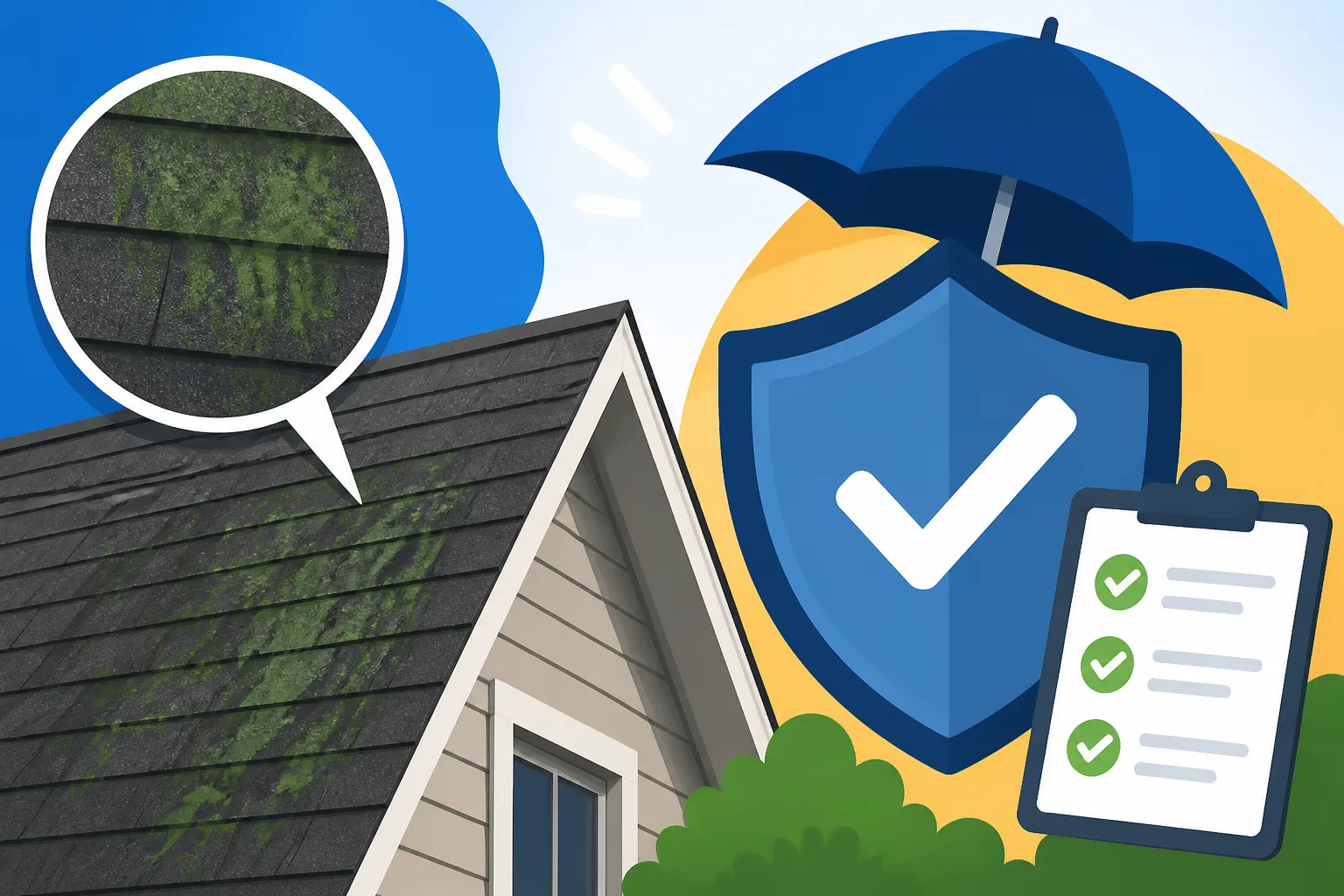
Let's talk about those black or green streaks that make your roof look like it's seen better days. You're not alone if you've scratched your head wondering where they came from or if they're a sign of bigger trouble. These aren't just dirt, they're typically a type of blue-green algae called Gloeocapsa magma. And while they might seem harmless, understanding what they are and why they appear is the first step in tackling the problem.
What Exactly Are Those Black Streaks?
When you see those dark discoloration lines, particularly on the north-facing slopes of your roof or in shaded areas, you're likely seeing colonies of Gloeocapsa magma. This isn't just a surface stain; these are living organisms that thrive in moist environments. They feed on the limestone filler that's often used in the manufacturing of asphalt shingles. As they grow and multiply, they create a dark, protective pigment that gives them that distinct black or greenish-black appearance. It’s a natural occurrence, but certainly not one homeowners welcome.
They're particularly common in humid climates, like Florida or the Gulf Coast states, but they can pop up anywhere with enough moisture and shade. Think of that side of your house where the sun barely touches, or under the branches of a large, leafy tree. These are prime breeding grounds for algae. While they don't immediately cause your roof to leak, over time, they can hold moisture against the shingles, potentially leading to granule loss and premature aging.
Why Algae Forms and Its Impact on Your Roof
Algae loves moisture and doesn't discriminate based on the age of your roof. It just needs a little shade to keep it from drying out too quickly and the mineral fillers in your shingles to sustain itself. Over time, these algae colonies can do more than just make your roof look dingy. The continuous presence of moisture they retain can degrade the asphalt granules faster than normal. These granules are your roof’s first line of defense against UV rays and physical damage, so losing them prematurely shortens your roof's lifespan.
Beyond the cosmetic and granule loss issues, heavy algae growth can also affect your home's energy efficiency. Dark streaks absorb more sunlight and heat, potentially increasing your attic temperature and subsequently, your cooling costs during warmer months. It’s a slow, insidious process, but one that can shave years off your roof's expected life. This is why addressing algae isnaks early, rather than letting it fester, is usually the best approach. If you’re ever wondering about the health of your roof, knowing How Often to Inspect Your Roof
/how-often-to-inspect-your-roof) is a great starting point to catch issues like algae before they escalate.
Homeowners Insurance and Algae: The Nitty-Gritty
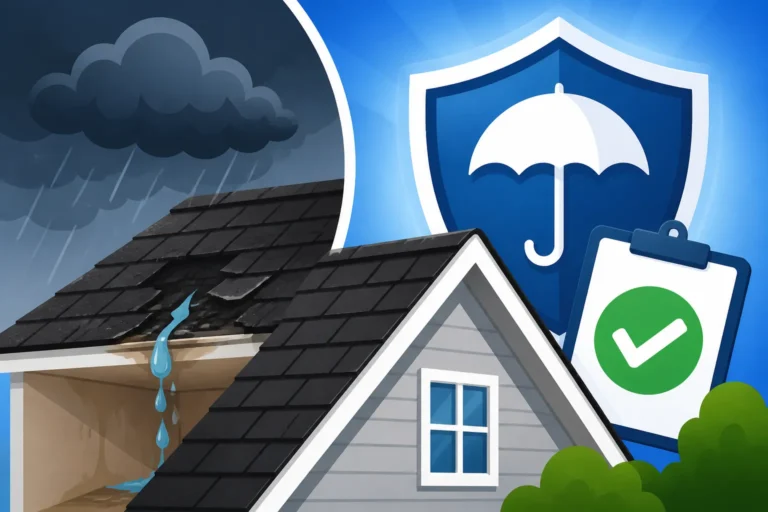
When those black streaks appear, a common first thought is, "Will my insurance cover this?" It's a valid question, given how expensive roof issues can be. However, the answer is often disappointing: most standard homeowners insurance policies typically do not cover damage caused by algae streaks. It's a tough pill to swallow, but understanding the reasoning behind it can help you navigate your policy.
General Exclusions for Algae Damage
The fundamental reason most insurance policies won't cover algae is that it's generally considered a maintenance issue, not a sudden, accidental peril. Think of it this way: insurance is designed to protect you from unforeseen events like fires, windstorms, or hail damage – things that happen quickly and are beyond your control. Algae growth, on the other hand, is a gradual process that can often be prevented or mitigated with routine cleaning and maintenance.
Policies typically exclude damage from:
- Gradual Deterioration: This includes wear and tear, rust, rot, mold, and, yes, algae. These are issues that develop over time.
- Lack of Maintenance: If the damage could have been avoided with proper upkeep, insurers often deny claims.
So, if you call your insurance agent and say, "My roof has black streaks from algae," the most common response will be that it's not a covered peril. It's an eyesore, for sure, and can even hint at future problems, but in itself, it’s not something they’ll usually write a check for.
The Role of Your Policy Language
Every insurance policy is a detailed contract, and the devil is truly in the details when it comes to coverage. While the general rule is "no coverage for algae," it's always wise to pull out your specific policy and read the exclusions section carefully. Look for terms like "gradual deterioration," "wear and tear," "mold," "mildew," "rot," and "fungus." Algae will typically fall under one of these categories.
Some policies might have endorsements or riders that offer broader coverage, but these are rare for something as common and preventable as algae. If you're ever in doubt, your best bet is to call your insurance provider directly. They can explain the specifics of your coverage. Just be prepared that the initial answer might not be what you hoped for. This is similar to how insurers evaluate if Is Granule Loss Covered by Insurance
/is-granule-loss-covered-by-insurance) – if it's due to age and wear, typically no; if it's from a sudden storm, then yes.
When Algae Damage Might Be Covered
Now, before you completely lose hope, there are some very specific, albeit rare, scenarios where algae-related issues might indirectly lead to a covered claim. It's not a direct payment for the algae itself, but for consequential damage that can be tied back to a covered peril. This often requires a professional assessment and a careful review of your policy.
Indirect Damage from Covered Perils
Imagine a scenario where severe algae growth traps moisture over an extended period, leading to wood rot in your roof decking. If that wood rot then weakens the roof structure, and a subsequent windstorm or heavy snow causes the roof to collapse, the collapse might be a covered event. In this highly specific (and admittedly extreme) example, the algae wasn't the direct cause, but its long-term impact on the roof's integrity, when combined with a sudden, covered peril, could make a difference.
However, the burden of proof is heavily on the homeowner to demonstrate this chain of events. An adjuster will likely argue that the rot was a pre-existing maintenance issue. This is why proactive maintenance and understanding signs you need a new roof are critical. If you're dealing with issues like a Sagging Roof: What to Do
/sagging-roof-what-to-do), that's a more serious structural issue that has a higher chance of being covered, especially if it can be linked to a sudden event.
Severe Cases Leading to Structural Issues
It’s an uphill battle, but in extremely severe and prolonged cases, algae could contribute to structural damage that might be considered by an insurer. For example, if the algae growth is so pervasive and has trapped moisture for so long that it causes significant, widespread rot in the roof sheathing or rafters, leading to a compromised structure, a claim might be argued. This isn't a simple case of black streaks; we're talking about a roof that is visibly decaying and potentially failing due to long-term moisture.
Even then, the insurance company will likely send an adjuster to thoroughly investigate, looking for evidence of negligence or long-term neglect. If they determine that the structural issues are purely a result of years of deferred maintenance rather than a sudden, unforeseen event or a direct consequence of a covered peril, the claim will still likely be denied. This is precisely why it's so important to have a clear understanding of Roof Damage Assessment: A Homeowner's Guide
/roof-damage-assessment-a-homeowners-guide) so you can catch these things early.
Here's a quick overview of common roof issues and their typical insurance coverage:
| Roof Issue | Description | Typical Insurance Coverage | Rationale |
|---|---|---|---|
| Algae Streaks | Black/green discoloration from Gloeocapsa magma | No | Gradual deterioration, maintenance issue |
| Missing Shingles | Shingles blown off by wind | Yes | Sudden, accidental damage from a covered peril |
| Hail Damage | Dents/cracks from hail stones | Yes | Sudden, accidental damage from a covered peril |
| Curling Shingles | Shingles bending upwards or downwards | No | Wear and tear, aging, heat exposure (maintenance) |
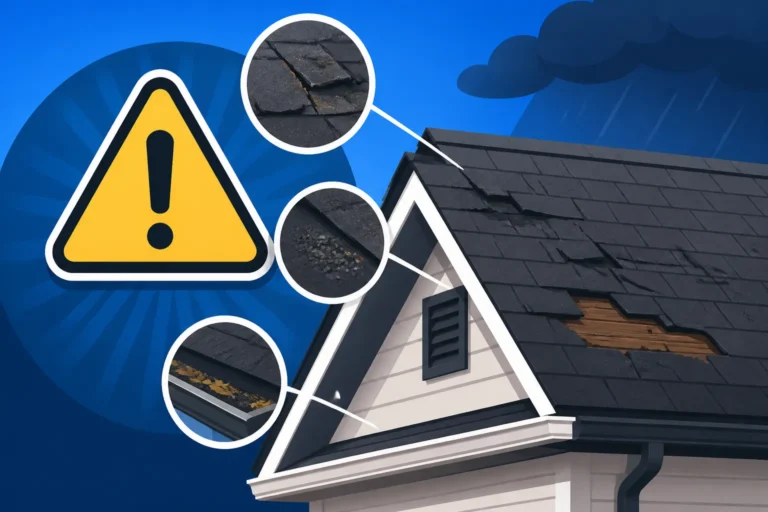
| Cracked Shingles | Shingles with visible cracks | No | Aging, brittleness, wear and tear (maintenance) |
| Active Leak | Water penetration from a sudden cause | Yes (for consequential damage) | Source of leak often needs covered peril, water damage from sudden event covered |
| Pervasive Wood Rot | Widespread decay of roof decking/framing | Rarely (unless tied to covered event) | Usually considered gradual deterioration/lack of maintenance |
Steps to Take If You Have Algae Streaks
So, if insurance isn't typically going to cover those pesky algae streaks, what's a homeowner to do? Don't despair! There are effective ways to deal with algae, from cleaning to prevention, and knowing your options can save your roof (and your sanity).
Professional Cleaning and Treatment Options
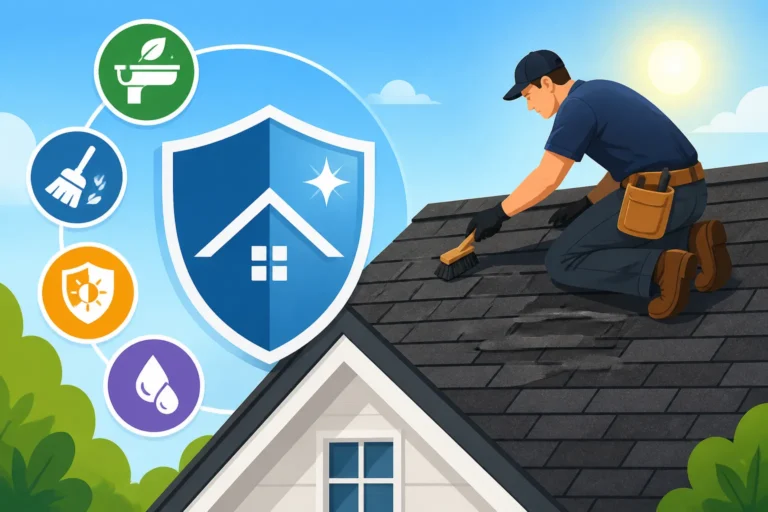
The good news is that algae streaks can often be effectively removed. The best method usually involves a low-pressure wash with a specialized cleaning solution – often a mix of water and bleach or a commercial algae remover. This isn't a job for a high-pressure washer, as that can easily damage your shingles, blasting off granules and compromising their integrity.
Many professional roof cleaning services specialize in this. They have the right equipment and knowledge to safely clean your roof without causing damage. When looking for a professional, be sure to ask about their process, what chemicals they use, and if they have experience with asphalt shingles. You might consider using a platform like Modernize to connect with local roofing and cleaning professionals who can provide quotes and explain their methods. They can help you understand the difference between just getting rid of the surface grime and truly treating the algae.
Preventive Measures and Maintenance
Prevention is truly the best medicine when it comes to algae. Once your roof is clean, or even before algae becomes a major issue, there are steps you can take to keep it from coming back or forming in the first place:
- Trim Overhanging Branches: Algae loves shade and moisture. Trimming back trees that hang over your roof will increase sunlight exposure and improve air circulation, helping the roof dry out faster after rain or dew.
- Install Zinc or Copper Strips: These metal strips can be installed near the ridge of your roof. When it rains, trace amounts of zinc or copper ions wash down the roof, inhibiting algae growth. This is a common and effective long-term solution.
- Consider Algae-Resistant Shingles: If you're due for a roof replacement, consider investing in algae-resistant shingles. Many manufacturers, like GAF and Owens Corning, offer shingles with copper granules embedded in them. These granules release copper over time, preventing algae growth for decades. This is an excellent long-term investment that can save you maintenance headaches down the road. You can learn more about specific shingle types like Owens Corning Duration Roof Cost Installed
/owens-corning-duration-roof-cost-installed) or GAF Timberline HDZ Roof Cost Installed
/gaf-timberline-hdz-roof-cost-installed) which often come with algae-resistant options.
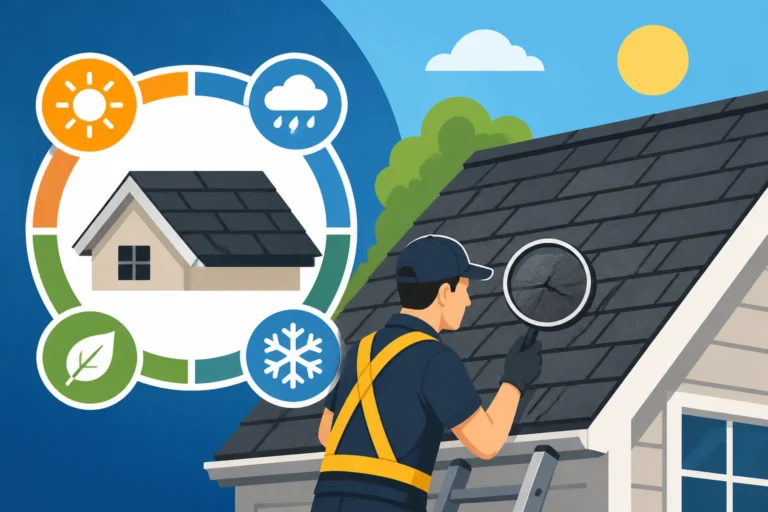
Regular roof inspections – ideally once a year or after any major storm – can help you spot the early signs of algae or other issues before they become major problems. This goes hand-in-hand with Roof Maintenance to Avoid Replacement
/roof-maintenance-to-avoid-replacement).
Engaging with Your Insurance Provider
Even if direct algae damage isn't covered, it's still a good idea to know when and how to talk to your insurance provider. If you suspect the algae has led to other forms of damage that might be covered, like extensive moisture intrusion that wasn't previously there and can be linked to a sudden, covered event (e.g., a tree limb fell, creating a new moist area for algae to thrive, and then the trapped moisture led to rot), then it's time to make a call.
When you contact them, focus on the consequential damage (e.g., rot, structural compromise) rather than just the algae streaks themselves. Be prepared to provide details and any evidence you have, such as photos or a professional inspection report. Always remember to be honest and provide accurate information. For advice on handling such conversations, reviewing a resource like Roofing Insurance Claim Process Step by Step
/roofing-insurance-claim-process-step-by-step) can be incredibly helpful. If your claim is denied, understanding if Roof Insurance Claim Denied: What to Do
/roof-insurance-claim-denied-what-to-do) is crucial.
Ultimately, while algae streaks themselves are rarely covered by homeowners insurance, proactive cleaning and preventive measures are your best defense. Investing a little now in maintenance or upgraded shingles can save you a lot of grief and money in the long run.
Disclaimer
Please remember that this article provides general information and guidance. Insurance policies vary significantly by provider, policy type, and location. For precise information regarding your specific coverage, always consult your individual homeowners insurance policy documents and speak directly with your insurance agent or company representative. Roofing costs and contractor availability can also vary, so always obtain multiple quotes and verify credentials for any work performed on your home.