Patching vs Replacing Shingles
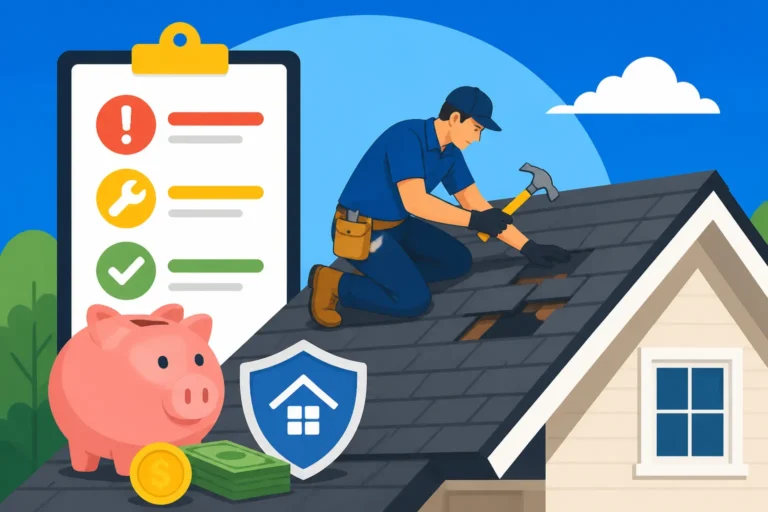
It's an all-too-common scenario: you step outside after a strong storm, or maybe you're just doing some yard work, and there it is – a missing shingle, a patch of granules washed away, or a tell-tale crack. Instantly, your mind races. Is this a minor fix I can handle, or am I looking at a much bigger, more expensive problem? The thought of a full roof replacement can be daunting, but so can a series of ineffective, costly repairs. This guide is here to walk you through the difficult decision of patching versus fully replacing your asphalt shingles, helping you understand the nuances, costs, and long-term implications to make the best choice for your home and your wallet.
Understanding Shingle Damage: When to Consider Patching
Dealing with roof damage can feel overwhelming, especially when you're trying to figure out if it's a small issue or something more serious. The first step is to accurately assess the type and extent of the damage. Not all shingle problems are created equal, and understanding the difference is key to knowing whether a patch job will suffice or if you're headed for a larger project.
Minor, Isolated Damage vs. Widespread Issues
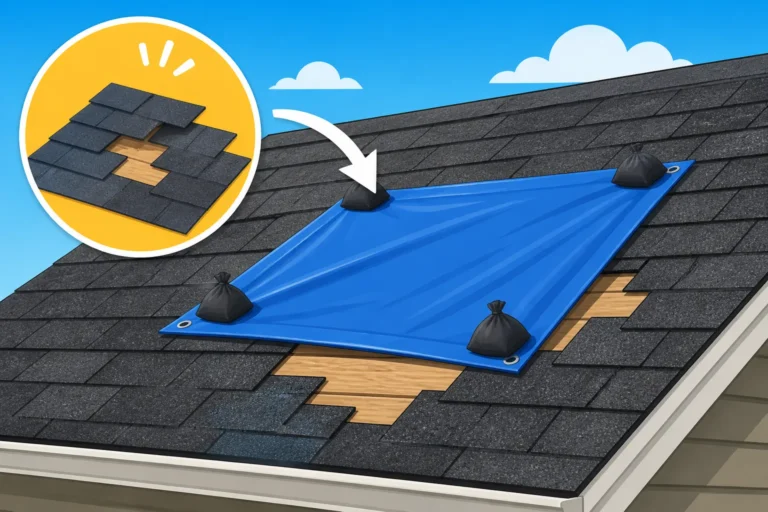
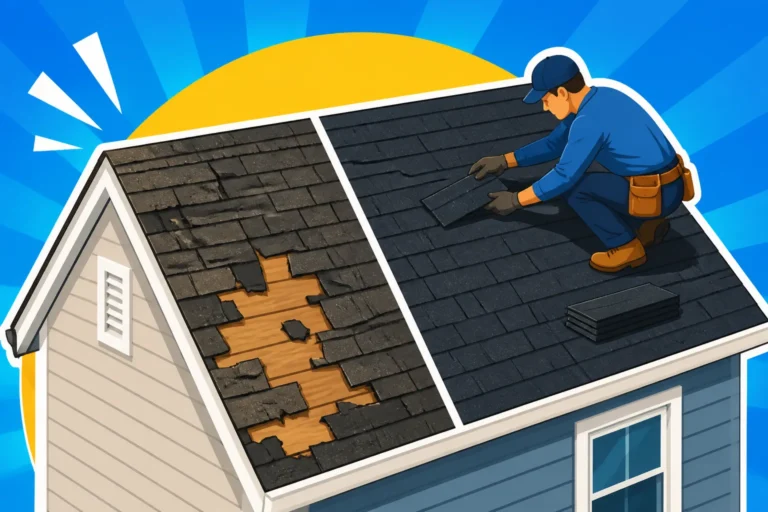
When you find a problem, it’s crucial to look closely at the affected area and its surroundings. Is it just one or two shingles that have blown off in a localized gust of wind? Perhaps a falling branch nicked a small section of your roof, causing some superficial damage or dislodging a few shingles. These are classic examples of minor, isolated damage. In such cases, patching can often be an effective and economical solution. You're addressing a specific, contained problem without disturbing the rest of the roof system.
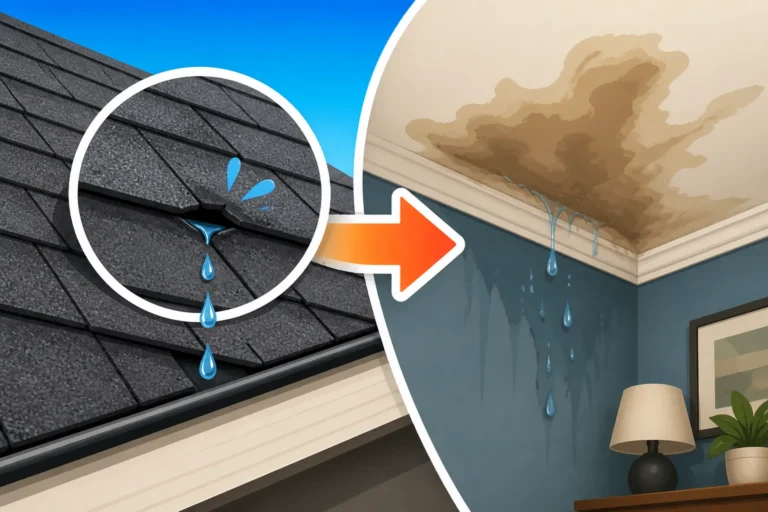
However, the picture changes dramatically when the damage isn't confined to a small spot. If you're seeing missing shingles across multiple slopes of your roof, or if there's significant granule loss uniformly distributed, you're likely dealing with widespread issues. Imagine walking around your house and noticing that nearly every section has some degree of compromise, or that water stains are appearing in several different rooms. This isn't just a "bad patch"; this is a sign that the entire roof is suffering, perhaps from age, prolonged exposure to harsh weather, or fundamental installation flaws. Patching in these scenarios is often akin to putting a band-aid on a gaping wound – it might offer a temporary illusion of repair, but it won't solve the underlying systemic problem. Understanding when to repair a roof leak vs replace the roof is crucial here. If the leaks are popping up in various, disconnected spots, it's a strong indicator that the roof's overall integrity is compromised.
The Role of Shingle Age and Overall Roof Health
The age of your roof plays an enormous role in determining the viability and wisdom of patching. If your asphalt shingle roof is relatively new, say five to ten years old, and a single shingle blows off, patching is almost certainly the way to go. Newer shingles are more flexible, less brittle, and easier to match in color and style. The rest of the roof is likely in excellent condition, meaning the patch will integrate well and perform effectively for many years. This helps extend the overall lifespan of an asphalt roof.
On the flip side, consider a roof that's pushing 20-25 years old. By this point, the shingles have endured countless seasons of sun, rain, wind, and temperature fluctuations. They've lost many of their protective granules, becoming brittle and less effective at repelling water and UV rays. If you try to patch a few missing shingles on such an old roof, you might find that the surrounding shingles crack or break when handled. Even if you manage to replace them, the color difference will likely be stark due to years of weathering. More importantly, patching an old roof is often just delaying the inevitable. The old shingles will continue to degrade, leading to more problems soon after the patch. In this case, the patch becomes a temporary fix at best, and a waste of money at worst, as the entire system is nearing its end-of-life. A thorough roof damage assessment: a homeowner's guide can help you discern if your roof's age has made patching futile.
The Art and Practicality of Patching Shingles
Patching, or spot repair, can be a homeowner's best friend when dealing with minor roofing issues. It's often the most logical first step when damage is contained, offering a quick and relatively inexpensive solution. However, like any home repair, it comes with its own set of advantages and disadvantages that you need to weigh carefully.
Benefits and Drawbacks of Spot Repair
The most immediate and obvious benefit of patching is cost-effectiveness. Replacing a single shingle or a small cluster of them is significantly cheaper than replacing an entire roof. You're only paying for a few shingles, a tube of roofing cement, some nails, and perhaps an hour or two of labor if you hire a professional. This makes it an attractive option for homeowners on a tight budget or those looking for a quick fix before selling their home. Patching is also much faster and less disruptive; a small repair can often be completed in a few hours, without the noise, debris, and extensive planning that a full roof replacement entails. For isolated incidents, like a few missing shingles after a localized storm, patching can genuinely extend the life of your roof by addressing vulnerable spots before they lead to bigger problems like leaks.
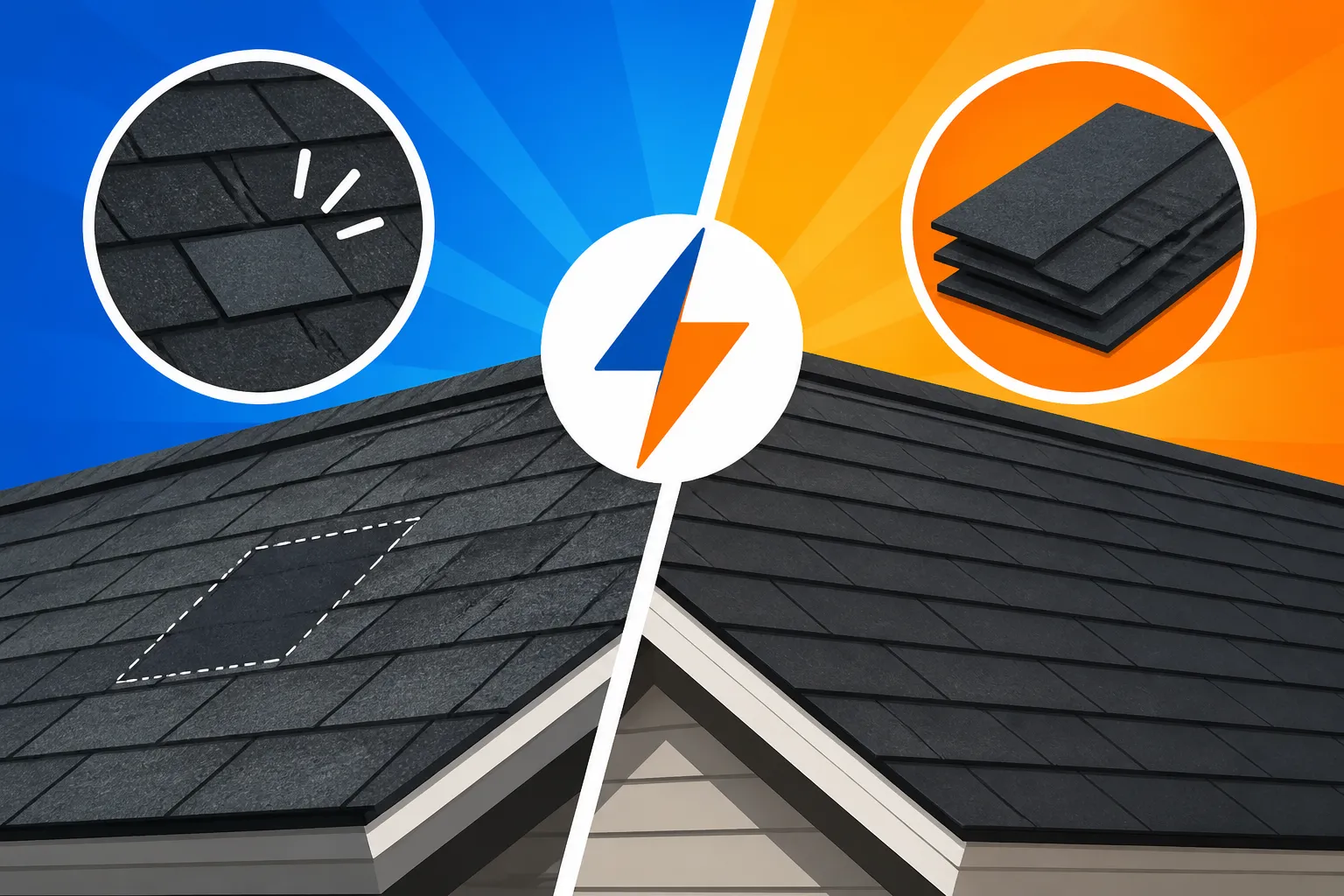
However, patching is far from a perfect solution, especially if not applied judiciously. One of the biggest drawbacks is the aesthetic mismatch. Older shingles fade and weather differently than new ones. Even if you buy shingles from the same manufacturer and color, the new ones will likely stick out like a sore thumb. This might not bother everyone, but it can impact your home's curb appeal. More critically, if the underlying cause of the damage isn't addressed (e.g., poor ventilation, improper nailing, or widespread brittleness due to age), the patch might fail prematurely, or new problems might emerge nearby. Patching an aging roof, while temporarily stopping a leak, doesn't restore the overall integrity or protective qualities of the entire roof system. Furthermore, some manufacturer warranties can be complicated by patching, especially if the repair isn't done by a certified contractor or if it's done using non-approved materials.
The Patching Process: What it Entails
For those contemplating DIY shingle repair: when it's safe, understanding the process is vital. Let's say you have a single shingle that has blown off. The process typically involves a few key steps and materials. You'll need replacement shingles that match your existing ones as closely as possible (always a good idea to keep a few spares in the garage if you can!), a flat pry bar, a hammer, roofing nails, and roofing cement or sealant.
First, you'll need to carefully loosen the sealant on the shingles above the missing one. This is often done by gently lifting the tabs of the surrounding shingles with your pry bar, being careful not to crack them, especially on older roofs. Once the sealant is broken, you can often remove the old shingle pieces or, if it's just missing, proceed to the next step.
Next, slide the new shingle into place, ensuring it aligns perfectly with the adjacent shingles and extends underneath the row above it. You’ll then nail the shingle into the roof deck, usually with four roofing nails, placing them where the new shingle overlaps with the one below it, and where the shingle above it will cover the nail heads. Finally, apply a small dab of roofing cement under the tabs of the newly installed shingle and any adjacent shingles that you lifted, pressing them firmly back down to create a watertight seal. This careful, methodical approach is essential to prevent future leaks and ensure the repair holds. For more detailed steps, you might look into how asphalt shingles are installed: step by step, as the basic principles apply to single shingle replacement.
When a Full Shingle Replacement Becomes the Only Option
Sometimes, no matter how much you wish a simple patch would do the trick, the reality is that your roof needs a complete overhaul. Recognizing these signs early can save you from more extensive and costly damage down the line. It's about looking beyond the immediate problem to the overall health of your roofing system.
Signs Your Roof Needs More Than a Patch
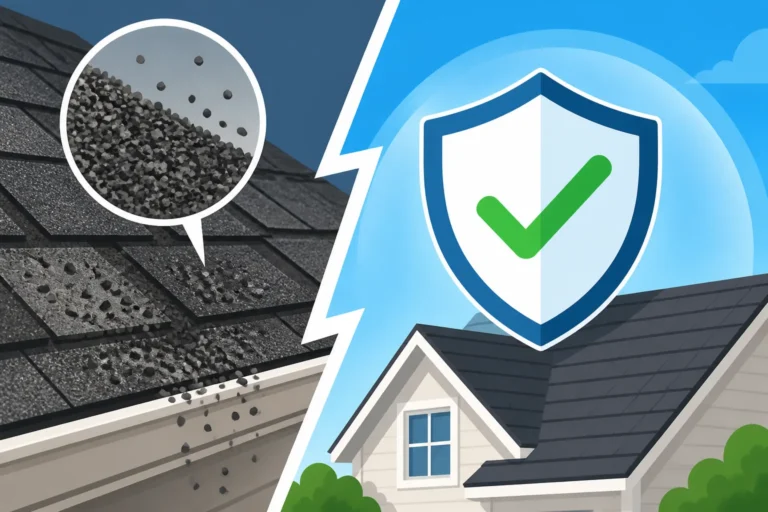
The clearest indicators that a full replacement is on the horizon often involve widespread deterioration that patching simply can't address effectively. If you're seeing extensive granule loss, where large areas of your shingles appear bare, smooth, and black, this is a major red flag. Granules are your shingles' primary protection against UV rays and impact, and without them, the asphalt beneath deteriorates rapidly, leading to brittleness and water penetration. Similarly, widespread curling shingles, especially if they are cupping or clawing across most of your roof, indicate that the shingles are drying out and losing their elasticity. This isn't a problem a few new shingles can fix; it's a symptom of an aging roof reaching the end of its functional life. Cracked shingles, particularly if they appear on many different shingles and not just one isolated spot, are also a strong sign of widespread fatigue and the need for a full replacement.
Beyond visual cues on the shingles themselves, frequent leaks in multiple, unconnected spots throughout your home point to a systemic failure rather than a localized one. If you're constantly chasing down new drips in the attic or seeing water stains emerge on different ceilings, your roof's protective barrier has likely failed across a broad area. Finally, the sheer age of your roof is often the most straightforward indicator. Most asphalt shingle roofs are designed to last between 20 to 25 years. If your roof is approaching or has exceeded this age, even minor damage might be a sign that its structural integrity is compromised, and continued patching will only be a temporary and ultimately inefficient solution. This is when the question of "should you replace a 20-year-old asphalt roof?" becomes less of a question and more of a directive. Consulting a professional for an inspection can provide a definitive answer regarding the extent of damage and remaining lifespan.
The Benefits and Scope of a Complete Reroof
While the initial cost of a complete roof replacement can seem daunting, the benefits it offers far outweigh the short-term savings of continuous patching on a failing roof. One of the most significant advantages is a brand-new warranty, often covering both materials and workmanship for an extended period, giving you peace of mind for decades to come. Beyond protection, a new roof dramatically improves your home's curb appeal, boosting its market value and making it more attractive to potential buyers should you decide to sell. A fresh, modern roof can truly transform the look of your entire property.
Moreover, a complete reroof provides superior protection against the elements, enhanced energy efficiency (especially if you choose lighter colored or cool-roof shingles), and ensures structural consistency across your entire home. The process itself, while disruptive, is comprehensive. It begins with a full tear-off, where all existing layers of shingles and underlayment are removed. This step is crucial because it allows the roofing contractor to inspect the roof decking for any rot, damage, or weaknesses. If problems are found, roof decking replacement cost will be factored in. Once the decking is sound, new underlayment is installed, followed by flashing, and finally, the new asphalt shingles are meticulously applied according to manufacturer specifications. This ensures a watertight seal and optimal performance. Understanding how a roof replacement works: the full process can help you prepare for what to expect and the value a comprehensive project brings.
Factors to Weigh: Cost, Aesthetics, and Longevity
Deciding between patching and replacing shingles isn't just about the visible damage; it's a complex decision influenced by financial realities, your home's appearance, and how long you expect the solution to last. Each of these factors plays a critical role in guiding you towards the most sensible choice.
Evaluating the Financial Investment
When you're facing roof issues, money is almost always a top concern. Patching, without a doubt, has a lower upfront cost. If you're replacing just a few shingles, you might be looking at a few hundred dollars, especially if you can do some of the work yourself. This makes it an appealing option for quick, emergency repairs or when cash flow is tight.
However, it's crucial to look beyond the immediate expense. A full roof replacement, while a significantly higher upfront investment – potentially several thousand dollars, with the average asphalt roof replacement cost: complete breakdown often ranging from $10,000 to $20,000 or more – offers long-term savings. A new roof means fewer leaks, fewer repair calls, and potentially lower energy bills due to improved insulation and ventilation. Think of it this way: repeatedly patching an aging roof that continues to fail can quickly add up, often exceeding the cost of a replacement in cumulative expenses over a few years. It's like constantly fixing an old car that keeps breaking down versus investing in a reliable new one. Insurance can also play a role; while it might cover a single repair after a storm, it's more likely to contribute significantly to a full replacement if the damage is widespread and catastrophic. You’ll want to understand if insurance covers roof replacement and the specifics of your policy.
When comparing patching to replacement, it's also worth considering the "cost per square" for materials versus labor. For a patch, labor might be minimal if you DIY, but a replacement involves significant labor. If you're comparing asphalt roof labor cost explained against material-only vs installed roof pricing, a full replacement often gives you more value for the labor spent, as it's part of a cohesive, warrantied system.
Aesthetic Considerations and Curb Appeal
Your roof is one of the most prominent features of your home, and its appearance significantly impacts curb appeal. This is where patching can sometimes fall short. As mentioned, new shingles rarely match older, weathered ones perfectly, leading to visible inconsistencies that can detract from your home's look. Imagine a dark grey roof with a stark black patch from a new shingle—it's noticeable. While some homeowners might be okay with this, especially if the patch is on a less visible slope, others find it bothersome.
A complete roof replacement, on the other hand, offers a uniform, fresh appearance. You get to choose a new shingle style and color that can revitalize your home's exterior, potentially increasing its market value. This is especially important if you're planning to sell your home in the near future. Even if you're not selling, a beautiful new roof contributes to your pride of ownership. In communities with HOAs, there might even be rules regarding shingle style and color, making a consistent, full replacement more appealing and compliant.
Projecting the Lifespan of Your Roofing Decision
Ultimately, the goal is a durable, long-lasting solution. Patching, by its very nature, is often a temporary fix. If your roof is relatively young and the damage is truly isolated, a patch can seamlessly extend its life. However, on an older roof, a patch might buy you a year or two, but it won't stop the inevitable decline of the entire roofing system. You're effectively kicking the can down the road, and the "can" will likely be heavier and more expensive when you eventually have to deal with it.
A full replacement, when done correctly by a reputable contractor like those you can find through services such as Modernize, is a long-term investment. It resets the clock on your roof's lifespan, providing 20, 30, or even more years of reliable protection, depending on the shingle type (e.g., architectural shingles typically last longer than 3-tab shingles). This significantly reduces the risk of unexpected leaks and costly repairs for decades. Considering the long-term projection of your roofing decision helps you understand that while patching offers immediate relief, replacement offers lasting peace of mind and protection for your most valuable asset: your home.
Professional Help vs. DIY Approach for Shingle Issues
When you discover damaged shingles, the natural instinct might be to grab a ladder and tackle it yourself. After all, how hard can it be to replace a few pieces of asphalt? While some minor repairs are indeed DIY-friendly, knowing when to call in the experts is crucial for safety, effective repair, and maintaining your roof's integrity and warranty.
When to Call in the Experts
There are several clear scenarios where putting your trust in a professional roofing contractor is not just a good idea, but an absolute necessity. First and foremost, safety is paramount. Working on a roof can be incredibly dangerous, especially if you’re not experienced, lack proper safety equipment, or if the roof has a steep pitch or multiple stories. A fall can lead to serious injury or worse. Professionals are trained in safety protocols and have the necessary gear to work safely at heights.
Secondly, if the damage is extensive, involves structural elements, or covers a large area, it's beyond the scope of a typical DIY repair. This includes situations like widespread storm damage, recurring leaks, or concerns about the roof decking underneath the shingles. These issues often require a comprehensive assessment that only an experienced contractor can provide. They can accurately identify the root cause of the problem, not just the visible symptoms, and suggest the most effective long-term solution. When you’re dealing with something as complex as how a roof replacement works: the full process, calling in a pro is non-negotiable.
Furthermore, professional roofers understand local building codes, permit requirements, and manufacturer specifications, all of which are critical for a proper, compliant installation or repair. They also have access to higher quality materials and specialized tools. If your roof is under warranty, many manufacturers require repairs or replacements to be performed by certified contractors to keep the warranty valid. For instance, if you're looking for an honest assessment and connection to local pros, services like Modernize can help you find reputable, licensed contractors in your area who are skilled in both minor repairs and full replacements. They can also help you understand how to get multiple roofing estimates fast, ensuring you find the right expert for your specific needs.
DIY Patching: Feasibility and Risks
For very specific, minor issues, DIY patching can be feasible for homeowners who are comfortable working on ladders and have a basic understanding of roofing. If it's just one or two missing shingles on a low-slope, easily accessible roof, and you have matching spares, tackling it yourself might save you some money. You can refer to guides on how shingles are nailed and sealed for accurate installation. The key here is "very specific" and "minor."
However, the risks associated with DIY roofing are significant and often outweigh the perceived savings. Beyond the obvious safety hazards of working at heights, improper installation can lead to more severe problems than the original damage. If new shingles aren't nailed correctly, sealed properly, or are mismatched in a way that creates water channels, you could inadvertently cause new leaks or accelerate the deterioration of surrounding shingles. An incorrectly performed patch might also void your roof's existing manufacturer warranty, leaving you without coverage for future issues. You might save a few hundred dollars now, only to face thousands in repairs later due to a DIY mistake.
It's also important to remember that patching an older roof, even if you do it perfectly, doesn't address the underlying issue of an aging roofing system. If your roof is nearing its end-of-life, even a well-executed patch is just a band-aid. The decision about when to call a pro for roof repair ultimately boils down to your comfort level, the extent of the damage, and your understanding of the potential long-term consequences of a botched DIY job.
Maximizing Your Roof's Lifespan and Preventing Future Damage
Whether you decide to patch a small section or invest in a full replacement, protecting your asphalt roof is an ongoing commitment. Proactive measures and understanding your roof's components can significantly extend its life and prevent headaches down the road.
Regular Maintenance and Inspections
Many homeowners only think about their roof when a problem becomes obvious – a leak appears, or shingles go missing after a storm. But just like your car, your roof benefits immensely from regular, preventative care. We’re talking about more than just a casual glance from the ground. Ideally, you should aim for at least two professional roof inspections per year: once in the spring to assess any winter damage, and again in the fall to prepare for colder weather. A certified roofing professional can spot subtle signs of wear and tear that you might miss, like lifted shingles, nail pops, minor granule loss, or deteriorating flashing around chimneys and vents. Catching these small issues early can prevent them from escalating into major, costly problems.
Beyond professional inspections, there are simple tasks you can do yourself. Keeping your gutters clean is paramount. Clogged gutters prevent water from draining properly, leading to water backing up under shingles and potentially causing ice dams in winter climates. Regularly trim any tree branches that hang over your roof. These branches can rub against shingles, wearing away granules, and can also drop leaves and debris that trap moisture, leading to moss or algae growth. In a severe storm, overhanging branches become serious hazards, potentially causing significant impact damage that necessitates extensive repair or replacement. Simple acts like sweeping off debris can make a big difference in how long asphalt shingles last.
Understanding Your Warranty and Material Choices
One of the most overlooked aspects of roof ownership is understanding your warranty. There are typically two types: the manufacturer's warranty, which covers defects in the shingles themselves, and the workmanship warranty, which covers the contractor's installation. Many homeowners mistakenly believe that once their new roof is installed, they're set for decades. However, various factors can void a shingle warranty, such as improper installation by a non-certified contractor, layering new shingles over old ones when it’s not recommended, or using incompatible materials. It’s essential to ask your contractor about the specific warranties offered and to register your manufacturer warranty, as this is often required to activate it. You should also understand what voids a shingle warranty, as improper repairs or installations by unqualified individuals can often negate your coverage.
When it comes to materials, not all asphalt shingles are created equal. While 3-tab shingles are generally more affordable, architectural shingles (also known as dimensional shingles) offer superior durability, better wind resistance, and a more aesthetically pleasing, textured look. Investing in higher-quality shingles, such as those from leading brands like GAF, Owens Corning, or CertainTeed, can provide extended lifespan and enhanced protection against severe weather. For areas prone to hail or high winds, impact-resistant shingles or those with a Class 4 rating can offer significant advantages, often leading to lower insurance premiums. By combining diligent maintenance with smart material choices and a clear understanding of your warranty, you're not just patching or replacing a roof; you're investing in your home's long-term health and protection.
Patching vs. Replacing Shingles: A Quick Comparison
To help you make an informed decision, here's a quick overview of the key differences between patching and fully replacing asphalt shingles.
| Feature | Patching Shingles (Spot Repair) | Replacing Entire Roof (Full Reroof) |
|---|---|---|
| Cost | Lower upfront cost (typically $200-$1,000) | Higher upfront cost (typically $10,000-$25,000+) |
| Time | Quick (few hours to a day) | Longer (1-3 days for installation, plus prep/tear-off) |
| Disruption | Minimal noise and debris | Significant noise, debris, and disruption |
| Longevity | Temporary fix; dependent on remaining roof life; variable | Long-term solution (20-50 years, depending on shingle type) |
| Aesthetics | Potential for shingle color mismatch; visible patches | Uniform, fresh appearance; enhanced curb appeal |
| Coverage | Addresses isolated damage only | Addresses entire roof system; prevents future widespread issues |
| Warranty | May not be covered by warranty; DIY can void existing warranty | New manufacturer & workmanship warranty (often 25+ years) |
| Efficiency | Does not improve overall roof ventilation or energy efficiency | Opportunity for ventilation upgrades, improved energy efficiency |
| Ideal For | Minor, isolated damage on a relatively young roof | Widespread damage, aging roof, systemic problems, home value improvement |
Disclaimer
The information provided in this article is intended for general guidance and informational purposes only, and does not constitute professional advice. Roofing work can be dangerous and complex. Always consult with a qualified, licensed, and insured roofing professional for specific assessments, recommendations, and services tailored to your home's needs. DIY repairs carry inherent risks, and improper work can lead to further damage, safety hazards, and void existing warranties.