Should You Replace a Roof Before Solar Panels
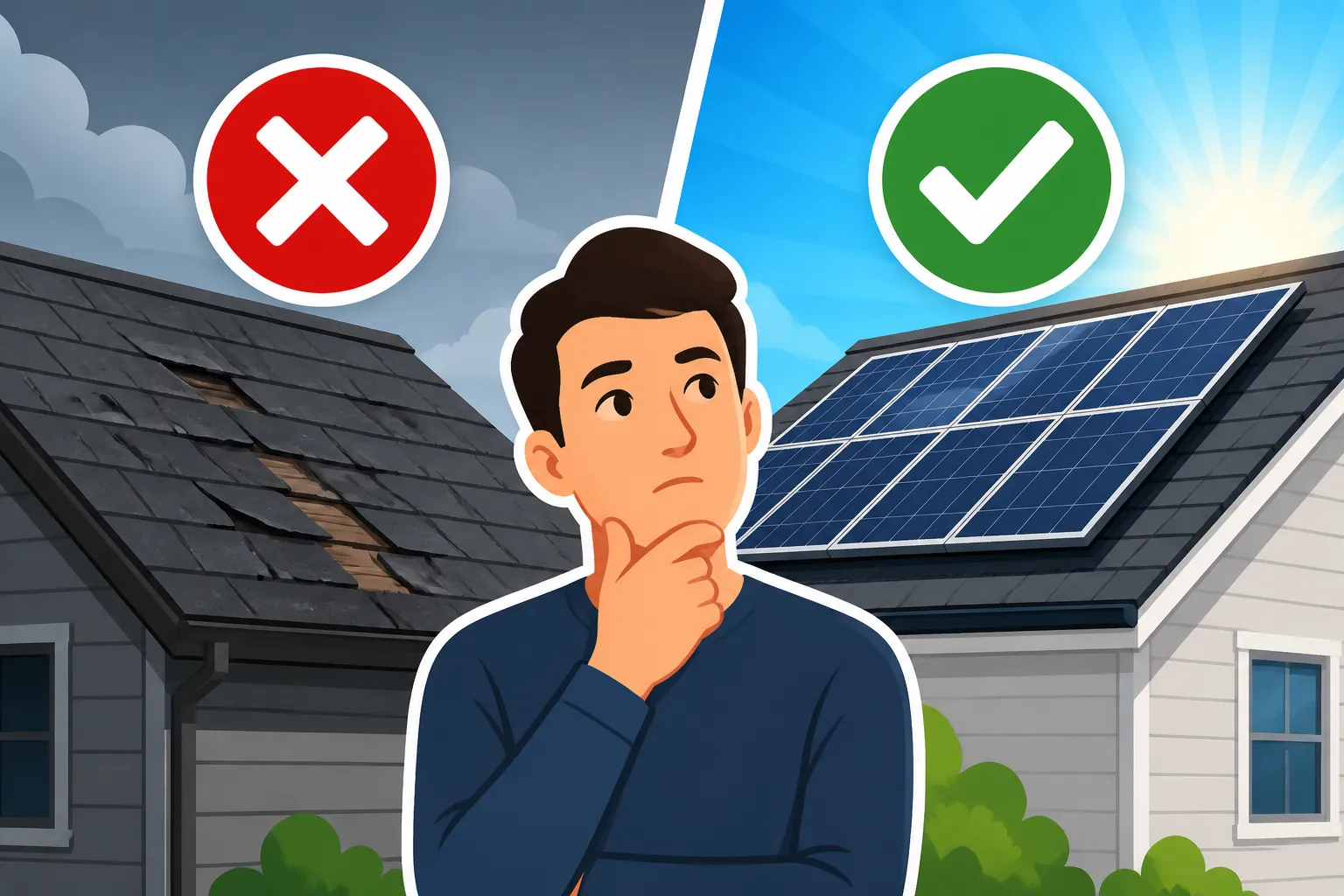
Thinking about going solar is fantastic, but it often brings up a big question mark: what about the roof underneath those panels? It's a common dilemma. You're eager to harness the sun's power, but if your roof is nearing the end of its life, installing solar panels directly onto it could lead to costly headaches down the road. This comprehensive guide is here to help you navigate this crucial decision, ensuring your investment in solar is built on a solid foundation.
Evaluating Your Current Roof's Health and Lifespan
Before you even get a solar panel quote, the very first step is to take a hard, honest look at your existing roof. Solar panels are a long-term investment, typically lasting 20-30 years, and you want your roof to be able to keep pace with that kind of longevity. If your roof is already showing significant signs of wear and tear, it's probably not the best candidate for holding a brand-new solar array.
Assessing Your Roof's Age and Condition
Most asphalt shingle roofs are designed to last between 20 to 30 years, depending on the shingle quality, installation, and local climate. If your roof is already 15 years old or more, and you're planning on keeping your home for another decade or two, then it's highly likely your roof will need replacing before your solar panels do. Imagine the frustration: you've just installed a beautiful solar system, only to find you need a full roof replacement five years later. That means paying for the solar panels to be carefully removed, stored, and then reinstalled after the new roof is on, which can easily add thousands of dollars to your project. This is a common pain point homeowners face, and it often catches them off guard.
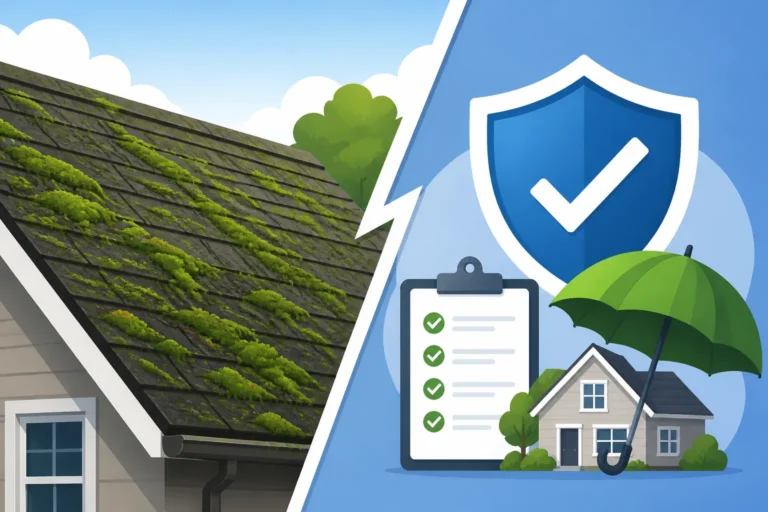
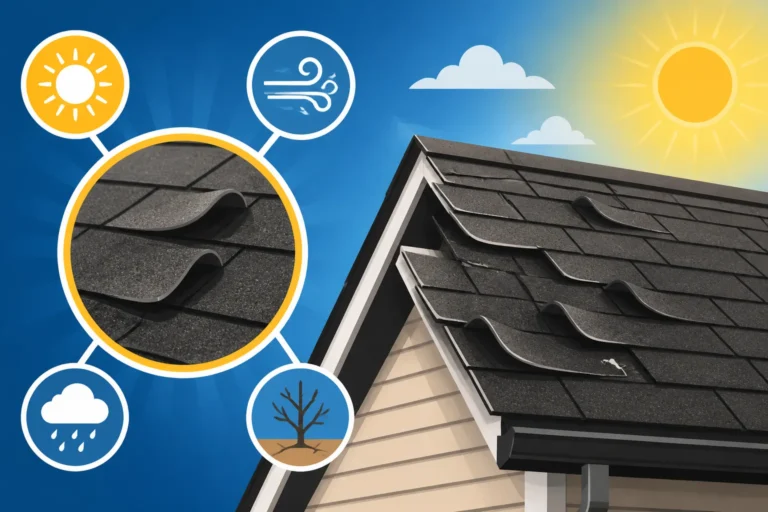
Take a good look from the ground, or better yet, get a professional roof inspection. Are the shingles curling, cracking, or missing significant granules? Do you see any moss or algae growth that's more than superficial? Are there any visible dips or sagging areas? These are all telltale signs that your roof might be closer to the end of its service life than you think. You might even want to consult a specialized service like Modernize, which can help connect you with local roofing experts who can give you an unbiased assessment of your roof's remaining lifespan. Knowing exactly How Long Does an Asphalt Roof Last in your specific conditions is paramount to making an informed decision.
Understanding Future Maintenance and Warranty Concerns
Another critical aspect to consider is the warranty. Most roofing manufacturers offer warranties that can range from 25 years to limited lifetime coverage, but these warranties often come with specific conditions. For example, some warranties might be voided or impacted if the roof structure is altered without proper procedures, which installing solar panels technically does. When you install solar panels, you're usually drilling penetrations into the roof deck for mounting brackets. While reputable solar installers will seal these penetrations meticulously, it still introduces potential points of failure if not done correctly, or if the roof itself isn't in prime condition.
Furthermore, if a repair becomes necessary under the solar panels a few years after installation, it's going to be a much more complicated and expensive endeavor. The solar panels will need to be partially or fully removed to access the damaged area, adding labor costs for both the roofing crew and the solar technicians. This isn't just about the hassle; it's a significant financial implication that can turn a simple leak repair into a major project. Consider the headache and the unexpected expenses that could arise if you defer a needed roof replacement. It's often wiser to bite the bullet now, while everything is accessible and straightforward, rather than dealing with it later. For more on what to look for, check out our guide on Roofing Warranty: Workmanship vs Manufacturer.
The Logistical and Financial Impact of Each Scenario
Deciding whether to replace your roof before solar panels isn't just about the roof's current health; it's also about the long-term logistics and financial implications. Each path has its own set of pros and cons that need careful consideration.
The Advantages of Replacing Your Roof First
Opting for a new roof before solar panel installation offers several compelling benefits. First and foremost, you get peace of mind. You're starting with a fresh, durable foundation that's ready to support a solar system for decades. This means you won't have to worry about the significant costs and inconvenience of removing and reinstalling solar panels for a roof replacement down the line. A new roof also provides an excellent opportunity to address any underlying structural issues or improve insulation and ventilation, which can further boost your home's overall energy efficiency, complementing your solar investment.
Think about it this way: a new roof ensures that the roof warranty is fully intact and covers any work done on the surface before solar panels are mounted. This minimizes potential disputes between your roofing warranty and your solar panel warranty should an issue arise. It also allows the solar installers to work on a pristine surface, ensuring the best possible installation and seal around all penetrations. While the upfront Roof Replacement Cost: Complete Breakdown, it's often a smart financial move in the long run, avoiding future double labor costs. For many homeowners, the thought of saving thousands on future solar reinstallation fees makes the upfront roofing cost entirely worth it.
The Downsides of Not Replacing Your Roof
Conversely, skipping the roof replacement when it's genuinely needed can lead to significant drawbacks. As mentioned, the biggest issue is the eventual need for roof replacement during the lifespan of your solar panels. This can add anywhere from $2,000 to $6,000 or more in labor costs just for the solar panel removal and reinstallation, on top of the actual roofing costs. This essentially means paying for the same job twice in different stages, turning what could have been a streamlined process into a fragmented and expensive one.
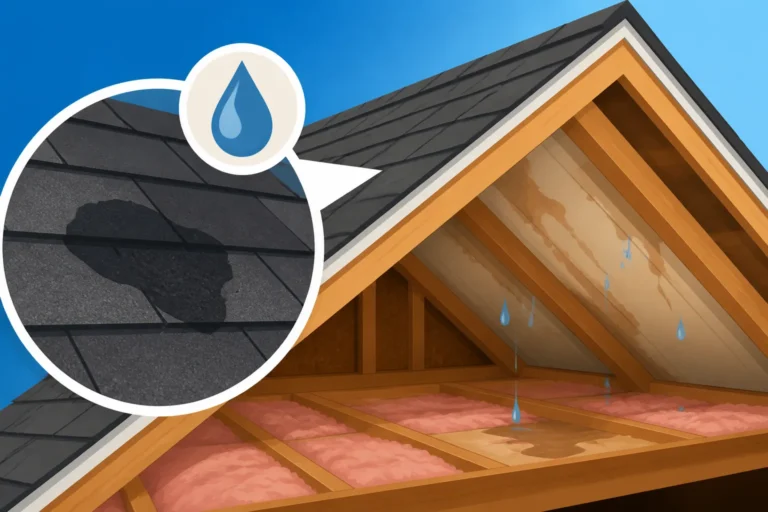
Beyond the cost, there's the inconvenience. A roof replacement is already a major project, but adding solar panel removal and reinstallation extends the timeline and complexity. You'll likely be without solar power for days or even weeks during the process, impacting your energy savings. Furthermore, if your current roof is in poor shape, it could potentially compromise the integrity of the solar panel mounting system, leading to leaks or instability. No one wants to see their new solar panels causing a leaky roof, but it's a very real risk if the underlying structure isn't sound. Understanding Roof Repair vs Replacement: How to Decide is crucial here.
Here's a quick comparison of the two scenarios:
| Feature | Replace Roof First | Install Solar on Existing Roof (if old) |
|---|---|---|
| Upfront Cost | Higher (roof + solar) | Lower (solar only) |
| Long-Term Cost | Potentially lower (avoids solar R&R) | Potentially much higher (future R&R + roof) |
| Peace of Mind | High (new roof under panels) | Low (worry about future roof issues) |
| Warranty Risk | Minimized (clear responsibility) | Increased (potential conflict with roof/solar) |
| Project Complexity | Streamlined (two separate, planned projects) | Potentially complex (future unscheduled R&R) |
| Energy Savings Interruption | None (solar starts on day one) | Potential (during future roof replacement) |
| Structural Integrity | Optimized for new load | May be a concern with older decking |
| Overall Value | Maximizes solar investment's lifespan and ROI | Risk of diminishing long-term value |
Navigating Warranties and Future Maintenance
The interplay between roof warranties and solar panel warranties is a critical, often overlooked, aspect of this decision. Understanding how these distinct warranties function, especially when one system is layered on top of another, can save you a world of grief down the road. It's not just about the upfront cost, but the assurance that your investments are protected for their expected lifespan.
Understanding Manufacturer and Workmanship Warranties
When you get a new roof, you typically receive two types of warranties: a manufacturer's warranty on the shingles themselves, covering defects in materials, and a workmanship warranty from your roofing contractor, covering issues related to the installation. High-quality roofing manufacturers like GAF, Owens Corning, and CertainTeed offer robust warranties, some even covering the cost of tear-off and disposal if their product fails prematurely. However, these warranties often require specific installation practices and may be contingent on using a certified contractor. If your roof is already old, its manufacturer's warranty has likely expired or is severely prorated.
Now, let's talk about solar panels. Solar companies also offer warranties: typically a product warranty on the panels (25-30 years), an inverter warranty (10-12 years), and a workmanship warranty on the installation itself (usually 10 years or more). The challenge arises when solar panels are installed on an aging roof. If a leak occurs, who is responsible? Is it the solar installer's fault for improper flashing around the mounts, or is it the old roof finally failing? These situations can become a real headache, with each party pointing fingers. By replacing your roof first, you ensure that your new roof's warranty is fully valid and untainted by prior conditions, providing a clean slate for the solar installation. When you're in the process of interviewing contractors, be sure to ask them about Questions to Ask a Roofing Contractor Before Hiring.
The Role of Certified Installers and Integrated Solutions
This is where engaging with reputable, certified professionals truly shines. Many solar companies are now offering integrated solutions, or at least have strong partnerships with trusted roofing contractors. When you choose to replace your roof before installing solar, ideally you want a solar installer who is familiar with working alongside roofing crews or can manage the entire project for you. They should be able to clearly outline how their installation process protects your new roof's warranty and what their plan is for sealing all roof penetrations.
Furthermore, some roofing manufacturers have begun offering specialized components designed to work seamlessly with solar installations, like low-profile mounting systems or even shingles with integrated solar cells. While the latter is less common for asphalt roofing, the former demonstrates an industry trend towards better integration. For instance, reputable solar installers often provide their own roof penetration warranty, specifically covering leaks around their mounting hardware for a certain period. When vetting solar installers, ask them about this. A company like Modernize can help you find solar installers and roofing professionals who are experienced in coordinating these types of complex projects, ensuring a smooth process and clear accountability. Choosing a professional who understands the full scope of both systems is crucial for protecting your investment and ensuring long-term performance.
Making the Best Decision for Your Home and Budget
Ultimately, the decision to replace your roof before installing solar panels comes down to a careful balance of your current situation, long-term financial planning, and personal peace of mind. There’s no universal right or wrong answer, but there’s definitely a best answer for your unique circumstances.
Getting Professional Assessments and Multiple Quotes
The most important step you can take is to gather as much information as possible from qualified professionals. Don't rely solely on one opinion. Get at least three detailed quotes for both the roofing work (if you decide to replace) and the solar panel installation. When it comes to the roof, ask the contractors for an honest assessment of its remaining lifespan and any potential issues that could arise with solar panels. If you're working with a solar company first, ensure they send someone to inspect your roof thoroughly and provide their recommendations. Some solar companies might even suggest it's worthwhile to get a dedicated roof inspection report, especially if your roof's age is borderline.
When comparing quotes, remember that the cheapest option isn't always the best. Look for comprehensive estimates that clearly outline all materials, labor, warranties, and any potential contingencies. If you're considering a full roof replacement, be sure to compare Roofing Material Cost vs Labor Cost, as both can vary significantly. Ask about how they plan to integrate the two projects, whether it's two separate teams coordinating closely or a single provider handling both. This diligence can save you from hidden costs and future headaches. Learning How to Read and Compare Roofing Estimates, for example, will be invaluable in this process.
Financial Planning and Long-Term Value
While replacing a roof before solar panels adds to the initial out-of-pocket expense, consider the return on investment (ROI). A new roof not only provides a perfect base for your solar panels but also adds significant curb appeal and value to your home. When combined with solar panels, which also boost home value, you're looking at a substantial enhancement to your property. Think of it as investing in your home's infrastructure and future energy independence simultaneously.
Many homeowners find that financing a new roof along with solar panels can be a smart move, especially with attractive solar financing options available. You might even qualify for tax credits or local incentives that can help offset the combined cost. If your roof replacement is necessary, doing it now means you avoid the additional costs of solar panel removal and reinstallation in the future, effectively rolling one large expense into a single, more manageable project. This approach simplifies your How to Budget for a New Roof, allowing you to project your expenses more accurately and potentially leverage favorable financing terms for both projects. Ultimately, the goal is to maximize your long-term savings and ensure your home is well-protected for decades to come, and sometimes that means tackling the roof first.
Roof Replacement Cost with Solar Panels
It's natural to wonder about the combined financial hit of replacing your roof and installing solar panels. Let's be real, these are two significant home improvement projects, and bundling them impacts your overall budget. However, there are compelling reasons why this combined approach can be more economical in the long run than tackling them separately.
Breaking Down the Combined Costs
The cost of a roof replacement can vary wildly based on factors like your home's size, roof pitch, chosen materials (e.g., standard architectural shingles vs. premium designer shingles), and your geographical location. For a typical asphalt shingle roof, you might be looking at anywhere from $8,000 to $25,000, and sometimes more for larger or more complex homes. You can find detailed breakdowns on our blog, such as How Much Does an Asphalt Shingle Roof Cost. Then, on top of that, you have the solar panel installation, which can range from $15,000 to $30,000 or more, depending on the system size, panel efficiency, and local labor rates.
So yes, the sticker shock of potentially $25,000 to $55,000 (or more) for both projects combined can be daunting. But remember, this isn't just spending money; it's investing. A new roof, especially with a strong warranty, protects your most valuable asset. Solar panels generate electricity, significantly reducing or even eliminating your monthly utility bills, and often come with substantial federal tax credits (like the Investment Tax Credit, or ITC) that can cover a large percentage of the installation cost. When you combine these, you're setting your home up for long-term financial savings and increased property value. Getting a clear estimate for Roof Replacement Cost with Solar Panels, specifically, will provide the most accurate picture for your situation.
Maximizing Savings and Efficiency
One of the often-overlooked cost-saving aspects of doing both at once is efficiency. When the roofing crew is already on site tearing off the old roof and installing the new one, they don't have to worry about carefully navigating around existing solar panels. This can streamline their work and potentially reduce labor time and costs compared to doing a roof replacement under an existing solar array. Then, when the new roof is ready, the solar installers have a pristine, secure surface to work on, which can also make their job more efficient and reduce the risk of installation errors or damage.
Furthermore, integrating these projects can allow for better overall project management and potentially even bundle financing options through some lenders or solar providers. Instead of two separate loans or payment plans, you might be able to consolidate. And, beyond the monetary aspect, there's the long-term energy efficiency. A new, well-insulated roof, coupled with a high-performance solar array, means your home will be a true powerhouse of energy savings for decades. This combined approach isn't just about avoiding future costs; it's about creating a highly efficient, sustainable, and valuable home from the ground up.
Disclaimer
Please note that the information provided in this article is intended for general guidance and informational purposes only. Every roofing and solar installation project is unique, and local building codes, climate conditions, and individual home specifications can significantly impact the recommendations and costs. Always consult with certified and licensed roofing and solar professionals for personalized advice and accurate estimates tailored to your specific situation.