Partial Reroof: Pros and Cons
The thought of needing a new roof is daunting enough, but what happens when only part of your roof seems to be failing? Homeowners often find themselves in a tricky spot, wondering if they can get away with just replacing a section, hoping to save some money in the short term. This guide will dive deep into the concept of a partial reroof, exploring its potential benefits, the often-overlooked drawbacks, and helping you understand if it's truly the right solution for your home.
Understanding What a Partial Reroof Entails
When you start noticing issues with your roof, it's natural to hope for the easiest and cheapest fix. Sometimes, that might involve just repairing a few shingles. Other times, the damage is more extensive but still confined to one area, leading homeowners to consider a "partial reroof." But what does that really mean, and is it a viable option?
What is a Partial Reroof?
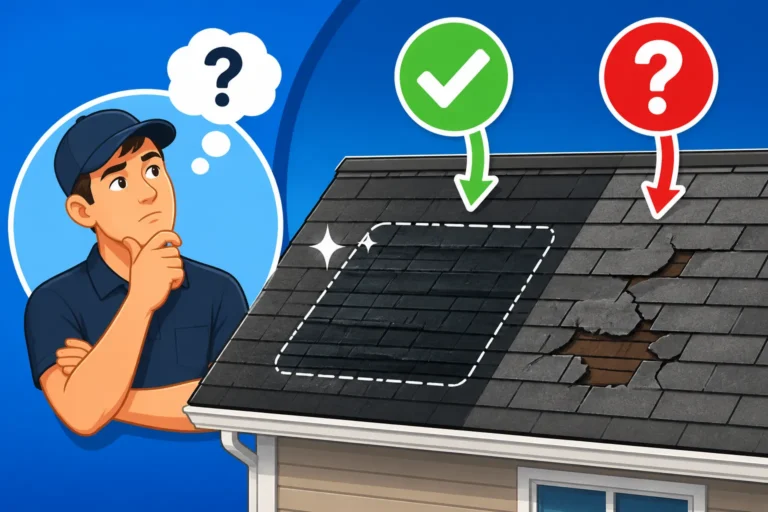
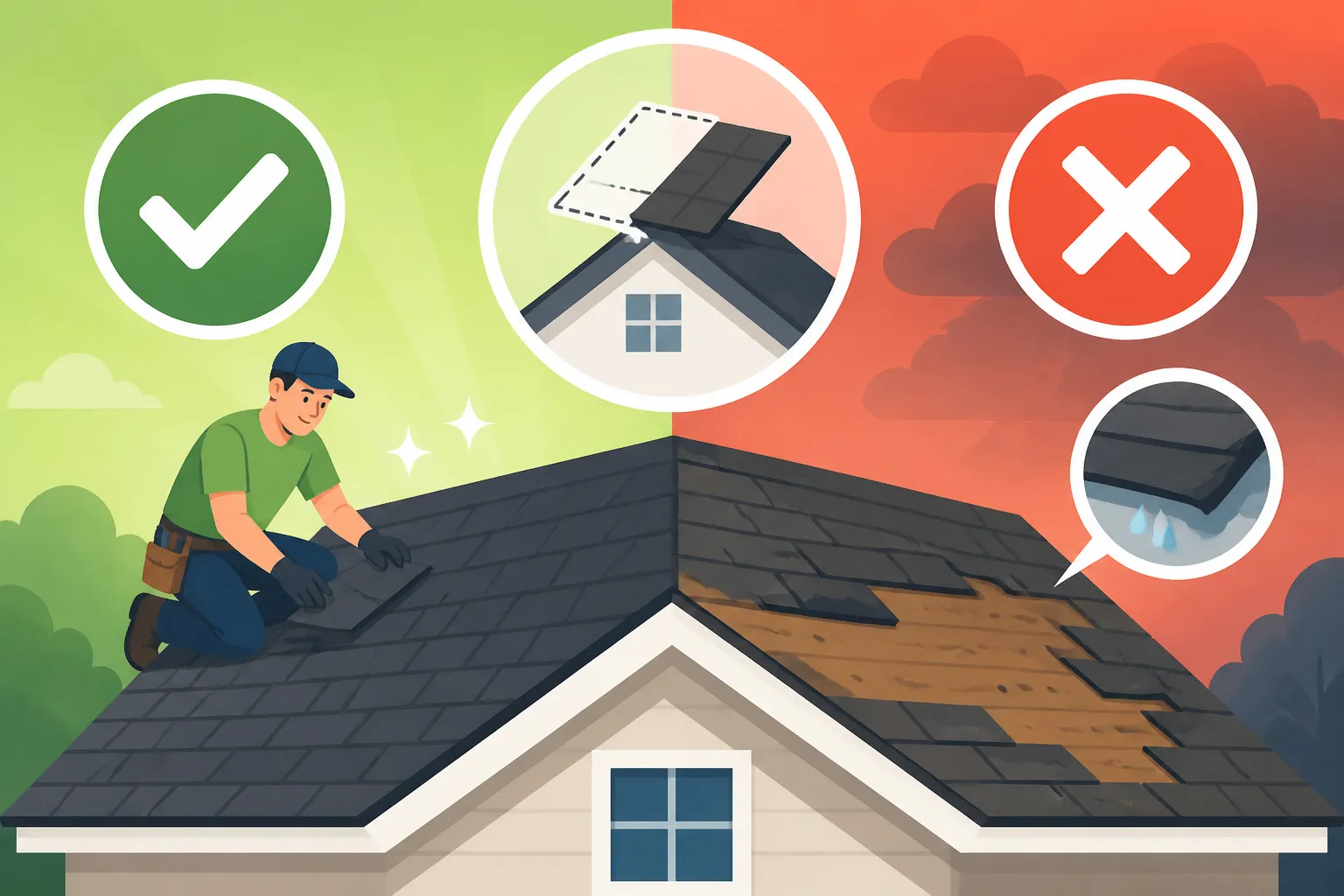
A partial reroof is essentially replacing a significant section or slope of your roof, rather than the entire roofing system. This is distinct from a minor repair, where a handful of individual shingles are replaced. Think of it more like replacing an entire wall of your house, but leaving the other three untouched, even if they're showing age. It involves tearing off the old materials from the affected section down to the roof decking and installing new underlayment, flashing, and shingles specifically in that area.
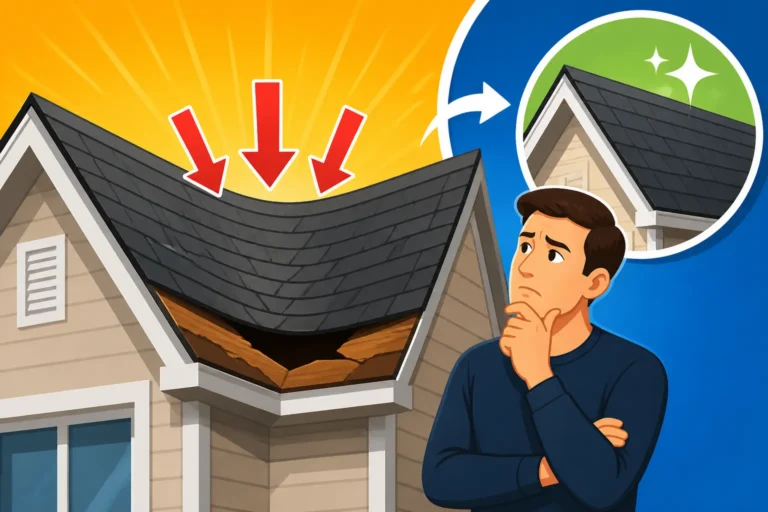
Homeowners often consider this when a specific section of the roof has suffered localized, severe damage that isn't affecting the rest of the structure. For example, if a large tree branch fell directly onto one side of your house, causing significant damage to that slope, but the other three slopes are perfectly fine and relatively new. It's an attempt to mitigate the immediate problem without incurring the full cost and disruption of a complete roof overhaul. However, the decision to opt for a partial reroof comes with a host of considerations that can impact both the short-term and long-term health of your home.
When a Partial Reroof is Actually an Option
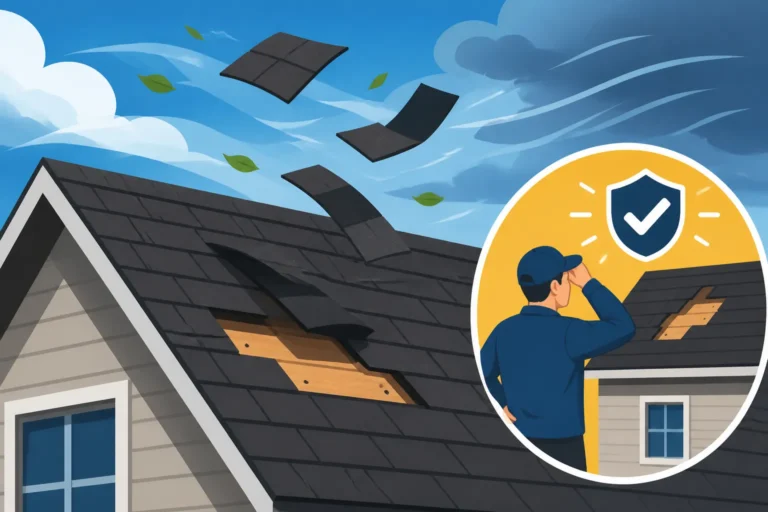
While tempting, a partial reroof isn't always a wise choice, and it's certainly not suitable for every situation. It typically becomes a potential option under very specific circumstances. The most common scenario is when you have highly localized, severe damage to a newer roof – perhaps less than 10-15 years old – where the rest of the roof is in excellent condition and has plenty of life left. This could be storm damage confined to one section, like a tornado or microburst that ripped shingles off a single slope, or a localized fire or impact damage from a falling object.
Another niche situation might be if you've added an extension to your home and that new roof section needs attention while the main house roof is still performing well. However, even in these cases, the overall age and condition of the entire roof system play a critical role in the decision. If the existing shingles are already showing advanced signs of wear, granule loss, curling, or blistering across the whole roof, then simply patching one area with new materials is akin to putting a brand-new tire on a car that needs all four replaced and has a sputtering engine. It addresses a symptom but not the underlying systemic issue. In most situations where the entire roof is aging, a full replacement is almost always the more prudent and cost-effective long-term solution, offering far greater protection and peace of mind. To truly understand if your roof is failing, it helps to know the common signs you need a new roof.
The Financial Advantages and Disadvantages of Partial Reroofing
Let's be honest, the primary reason anyone considers a partial reroof is the sticker shock of a full roof replacement. It feels like a way to save money, at least in the short run. But as with many things in homeownership, what seems like a saving today can quickly become a much larger expense tomorrow.
Upfront Cost Savings
On the surface, a partial reroof definitely appears to be the more budget-friendly option. You're paying for fewer materials – typically only one or two squares of shingles compared to 20 or 30 for a whole house – and significantly less labor. This can mean a price tag that's a fraction of what you'd pay for a complete overhaul. For example, if you have a 2,000 sq ft house, the cost to replace a roof on a 2,000 sq ft house can easily run into the tens of thousands, while replacing just one damaged slope might be a few thousand. This immediate reduction in expense can be incredibly appealing, especially if unexpected damage has occurred and your emergency fund is stretched thin.
The rationale is simple: less material equals less expense, and fewer hours on the job mean lower labor costs. There's also less to tear off and dispose of, which impacts the cost of roof tear-off and disposal. This immediate financial relief can make a partial reroof seem like the perfect solution for localized damage. However, it's crucial not to let this initial allure overshadow the potential financial complexities and greater expenses that can arise down the line. It’s important to remember that roofing material cost vs labor cost can vary significantly, even on smaller projects.
Hidden Costs and Long-Term Value
While the upfront cost savings of a partial reroof are undeniable, it's vital to look beyond the immediate invoice. There are often hidden costs and long-term implications that can negate any initial savings, sometimes even costing you more in the long run. One major concern is the potential for accelerated aging in the unreplaced sections of your roof. If the undamaged portions are already nearing their end of life, patching one section means you'll likely be facing another repair or partial replacement within a few years, essentially paying for multiple smaller jobs instead of one comprehensive, long-lasting solution. Each of these smaller jobs comes with its own set of mobilization fees, minimum charges, and the hassle of coordinating contractors multiple times.
Furthermore, a partial reroof can negatively impact your home's curb appeal and, consequently, its resale value. Mismatched shingles (due to color fading or discontinued styles, which we'll discuss more later) are immediately noticeable and can give your home a patchwork appearance, signaling to potential buyers that the roof may have underlying issues. This can lead to lower offers or demands for a full roof replacement during negotiations, essentially forcing you to pay for the full job anyway, but at a less convenient time. It also complicates financing, as lenders often prefer a uniform, sound roofing system. Understanding the Roof Replacement ROI Explained can help homeowners weigh these long-term financial impacts more clearly.
Practical Considerations and Potential Pitfalls
Beyond the immediate financial aspects, a partial reroof introduces several practical challenges that homeowners often overlook. These issues can range from aesthetic discrepancies to complex warranty situations, all of which contribute to why a full replacement is often the superior choice.
Challenges with Matching Materials and Aesthetics
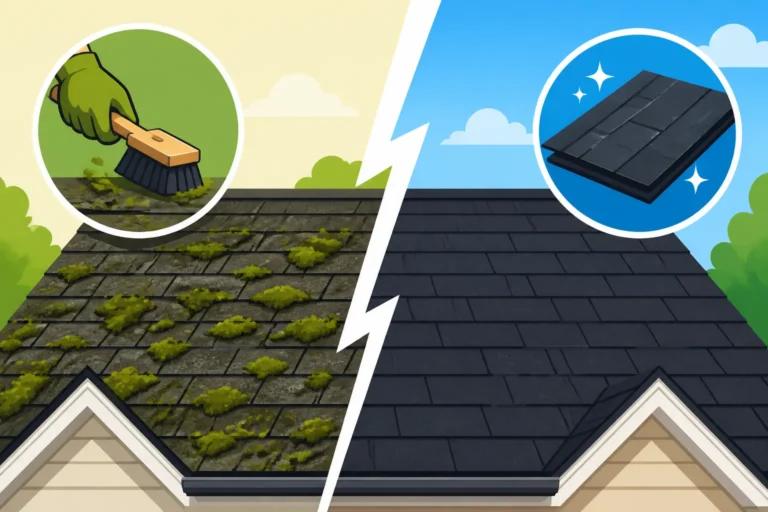
One of the most immediate and noticeable problems with a partial reroof is the difficulty, if not impossibility, of perfectly matching the new shingles to the existing ones. Asphalt shingles, even those of the same brand and color, can vary slightly between manufacturing batches. More significantly, existing shingles on your roof have been exposed to years of sunlight, rain, and environmental factors, causing them to fade and weather. Even if you find the exact same brand, model, and color, the new shingles will inevitably look brighter, darker, or just different from their aged counterparts.
Imagine having a beautiful, uniform roof, and then a storm hits one side. You opt for a partial reroof on that slope. Suddenly, half your house has vibrant, deep-colored shingles, while the other half sports the muted, weathered tones that have developed over a decade. This contrast can be stark and detract significantly from your home's curb appeal. Over time, the new shingles will weather too, but they'll always be on a different aging trajectory, creating a permanent patchwork appearance. If you're considering a partial reroof, it's crucial to acknowledge that a perfect aesthetic match is rarely achievable, and this can be a significant point of frustration for many homeowners. This is why many homeowners eventually opt for a full replacement to ensure a cohesive look and consistent performance across the entire structure, as discussed in detail in guides like Matching New Shingles to an Old Roof.
Warranty Implications
Roofing warranties can be a labyrinth, and a partial reroof can make navigating them even more complicated. Most modern asphalt shingle roofs come with a manufacturer's warranty, which covers defects in the shingles themselves, and a contractor's workmanship warranty, covering the installation. When you do a partial reroof, you're essentially creating two distinct roofing systems on your home.
The new section will likely come with its own manufacturer and workmanship warranty, but what about the older, unreplaced sections? The original warranties on those sections might become void or significantly limited by the introduction of new, disparate materials and installation methods. Some manufacturers require their products to be installed as part of a complete system by a certified contractor to qualify for their best warranties. A partial job might not meet these criteria, potentially leaving you with limited recourse if issues arise on the older sections later. This fragmented warranty coverage can be a huge headache if a problem develops, as it can be difficult to determine which warranty applies or if any warranty is still valid for parts of your roof. This is a crucial point when comparing a Roofing Warranty: Workmanship vs Manufacturer.
Structural and Longevity Concerns
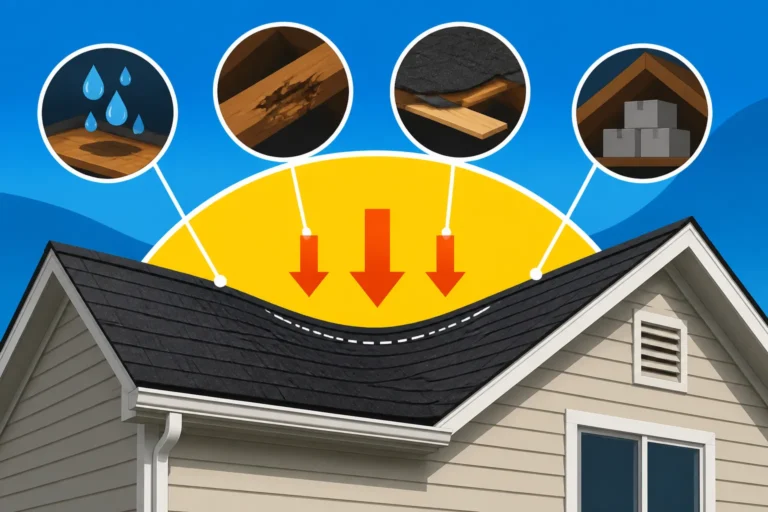
When considering a partial reroof, it’s not just about the shingles; the underlying structure and the overall longevity of your roof system are paramount. If the reason for the partial reroof stems from underlying issues like widespread water damage to the roof decking or compromised trusses due to rot or pests, simply replacing the shingles in one area won’t fix the deeper structural problems. These issues can silently spread, weakening other sections of the roof, even those that look fine on the surface.
A partial reroof also inherently creates a roof with varying lifespans. While one section might be brand new and expected to last 20-30 years, the adjacent, older sections might only have 5-10 years left. This means you’ll likely face another costly replacement project relatively soon for the remaining portions, rather than enjoying the long-term, uniform protection a full replacement offers. This staggered lifespan can be more disruptive and expensive over time than simply biting the bullet and replacing everything at once. Ultimately, if the goal is long-term protection and avoiding future headaches, a complete and uniform roof replacement typically delivers far better structural integrity and extended longevity.
When to Seriously Consider a Full Roof Replacement Instead
While a partial reroof might seem like a tempting shortcut, there are many instances where it's truly a false economy. Understanding when to pivot towards a complete roof replacement can save you significant stress, money, and structural headaches in the long run.
Widespread Damage and Age
The most compelling reason to opt for a full roof replacement is when the damage isn't truly localized, or when the entire roof system is simply nearing the end of its functional life. If you're seeing signs of wear and tear across multiple slopes – extensive granule loss, curling or cracked shingles in various areas, or frequent leaks popping up in different spots – these are strong indicators that your whole roof is compromised. Attempting a partial reroof in such a scenario is like patching a few holes in a leaky bucket; it might buy you a little time, but the bucket will continue to leak from other places.
Most asphalt shingle roofs are designed to last between 20 to 30 years, depending on the shingle type, installation quality, and local climate. If your roof is already 15-20 years old, even if one section seems worse than others, the remaining sections are likely not far behind. Investing in a partial reroof on an aging system is throwing good money after bad. It makes far more sense to invest in a complete, new roofing system that will protect your entire home for decades to come. This provides a unified defense against the elements and prevents the cascade of problems that can arise from an aging, deteriorating roof. For those trying to figure out if their roof has reached this point, learning how long does an asphalt roof last can provide valuable context.
Long-Term Peace of Mind and Unified Protection
There’s an undeniable value in the peace of mind that comes with a brand-new, uniformly installed roofing system. When you replace your entire roof, you're not just getting new shingles; you're upgrading the entire protective envelope of your home. This typically includes new underlayment, flashing, and possibly improved ventilation, all working together seamlessly. This unified approach ensures consistent performance, maximum durability, and superior weather resistance across your entire home. There are no mismatched sections to worry about, no conflicting warranties, and no guessing game about which part of the roof might fail next.
A full roof replacement means you're investing in a single, comprehensive warranty that covers both materials and workmanship for the entire roof, simplifying any potential future claims. It also ensures a consistent aesthetic that enhances your home's curb appeal and maintains its value, rather than creating a visual distraction that can deter buyers. Homeowners who opt for a full replacement often report a significant reduction in worries about leaks, storm damage, and the ongoing maintenance of an aging, disparate roof. It’s a significant investment, but it's an investment in the long-term protection, efficiency, and value of your most important asset. A comprehensive guide like How a Roof Replacement Works: The Full Process explains these benefits in detail.
Navigating the Decision and Finding the Right Contractor
Deciding whether to pursue a partial reroof or a full replacement is a big choice, and it's one you shouldn't make lightly. It requires careful consideration, professional insight, and a clear understanding of your long-term goals for your home.
Getting Professional Assessments
The absolute first step, no matter which way you're leaning, is to get multiple, thorough assessments from reputable roofing contractors. Don't rely on a quick glance or a single opinion. A good contractor will perform a comprehensive roof damage assessment, looking at the entire roof, not just the visibly damaged section. They'll inspect the shingles, flashing, gutters, and crucially, the roof decking and attic for any signs of water intrusion or structural issues. They should be able to articulate why certain areas are damaged and whether those issues point to systemic problems or truly localized incidents.
It's helpful to get at least three estimates. When you're talking to contractors, be upfront about your considerations for both partial and full replacement options, and ask them to provide quotes for both if they believe a partial reroof is even remotely viable. Pay close attention to their recommendations and explanations. Do they push for a full replacement even when the damage seems minimal? Or do they genuinely explain the pros and cons of each option in relation to your specific roof's condition and age? Their ability to clearly communicate and justify their recommendations is a strong indicator of their professionalism and trustworthiness. Many homeowners use services like Modernize to connect with local roofing professionals who can provide these essential assessments.
Questions to Ask Potential Roofers
Once you have a few estimates in hand, it's time to dig deeper and ask some pointed questions. This is where you can really discern the good contractors from the less scrupulous ones. Don't be shy; this is your home and your money.
Here are some critical questions to ask:
- "What are the specific conditions that make a partial reroof a good or bad idea for my roof?" Listen for detailed explanations beyond just cost. They should reference the age of your existing roof, the extent of underlying deck damage, and the likelihood of matching new shingles.
- "How will you ensure the new shingles seamlessly blend with the existing ones, or is that even possible?" A frank answer about potential color differences is a sign of honesty. They might suggest bringing sample shingles to help you visualize the outcome.
- "What are the warranty implications for a partial reroof compared to a full replacement?" Ask about both the manufacturer's warranty for the new materials and the workmanship warranty. Will the partial job affect the existing warranty on the older sections?
- "What is included in your estimate for both a partial and a full replacement?" Ensure you understand what specific materials (underlayment, flashing, shingles, vents) are included, labor costs, and debris removal. Make sure to understand How to Read and Compare Roofing Estimates.
- "Can you provide references for similar jobs you've done, especially partial reroofs?" Seeing their past work can give you a better idea of their quality and how well they handle transitions between old and new roofing materials.
- "What steps will you take to protect my property during the work?" This is crucial for both partial and full replacements.
- "Are you licensed and insured?" Always verify their credentials. This is vital for your protection. You can learn more about Licensed and Insured Roofers: Why It Matters.
Asking these questions will help you assess the contractor's expertise, transparency, and commitment to a quality outcome. You want a roofer who prioritizes your home's long-term health and your peace of mind, not just making a quick buck. Platforms like Modernize can help you find vetted contractors who are ready to answer these questions comprehensively.
Partial Reroof vs. Full Roof Replacement: A Comparison
To help you visualize the key differences and make an informed decision, here's a quick comparison of partial reroofing versus a full roof replacement:
| Feature | Partial Reroof | Full Roof Replacement |
|---|---|---|
| Initial Cost | Significantly lower | Higher upfront investment |
| Longevity | New section lasts long, old sections remain aged | Entire roof system has a consistent, new lifespan |
| Aesthetics | Often results in mismatched colors and textures | Uniform appearance, enhances curb appeal |
| Warranty | Fragmented; new warranty for new section, old might be voided/limited | Comprehensive, unified manufacturer and workmanship warranty |
| Home Value | Can detract due to patchwork appearance | Boosts home value, strong selling point |
| Disruption | Less time on-site, less material disposal | More extensive project, more debris |
| Ideal Scenario | Localized, severe damage to a relatively new roof (under 10-15 years old) where the rest is pristine | Widespread damage, aging roof (over 15-20 years old), desire for long-term peace of mind |
| Risk of Future Problems | Higher, as older sections are prone to failure | Significantly lower, entire system is new and cohesive |
Disclaimer
Please remember that this article is intended for informational purposes only and does not constitute professional advice. Roofing work can be complex and dangerous. Always consult with qualified, licensed, and insured roofing professionals for inspections, estimates, and to determine the best course of action for your specific home and situation. Local building codes and regulations can vary significantly, so ensure any contractor you choose is familiar with and adheres to all applicable requirements in your area.