3-Tab vs Architectural Shingles Explained
Choosing a new roof for your home is often a daunting task, filled with technical jargon and a dizzying array of options that can make your head spin. Many homeowners feel overwhelmed trying to decipher the differences between various shingle types, often leading to anxiety about making the wrong, expensive decision. This comprehensive guide will strip away the confusion, clearly explaining the fundamental differences between 3-tab and architectural asphalt shingles, helping you confidently determine which is the best fit for your home and budget.
Understanding the Basics: What Are Shingles Anyway?
Before we dive into the specific differences between 3-tab and architectural shingles, let's take a moment to understand what asphalt shingles are at their core and why they've become such a dominant force in residential roofing. It's easy to just see them as "the things on the roof," but knowing their basic composition and purpose helps appreciate the distinctions we'll explore.
The Core Purpose of an Asphalt Shingle
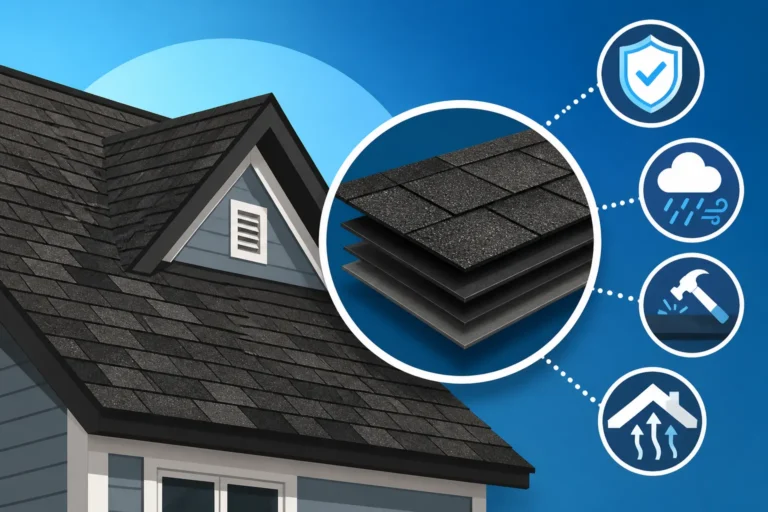
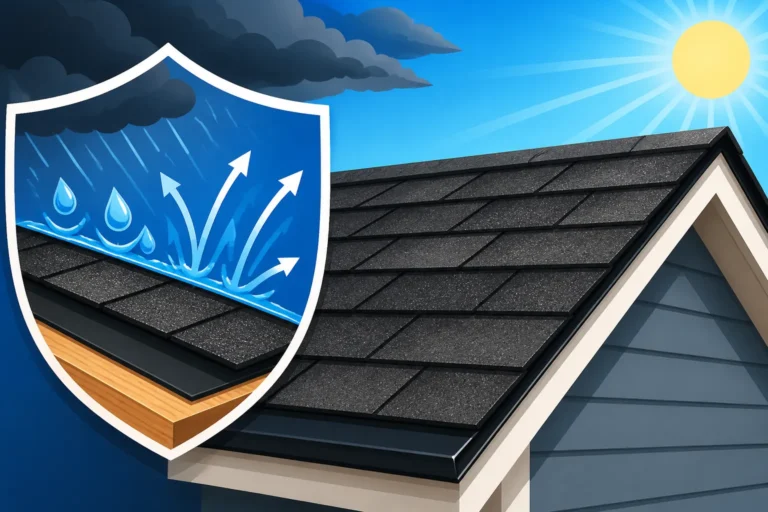
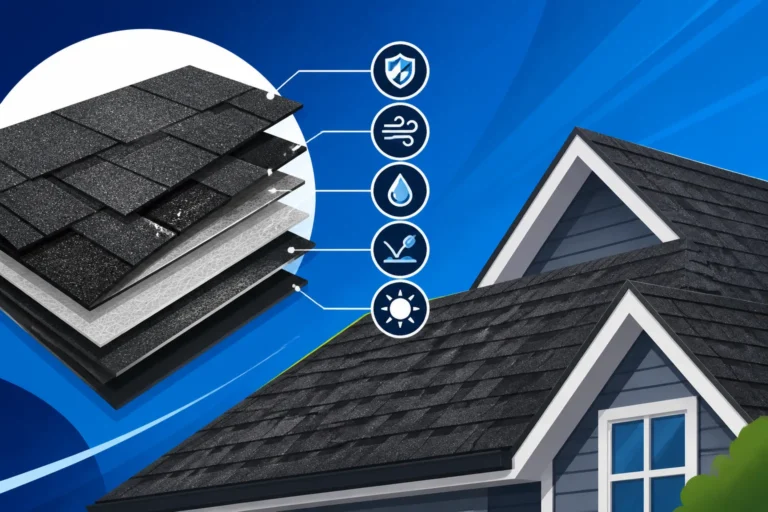
At its heart, an asphalt shingle is a composite roofing material designed to protect your home from the elements. Think of it as your home's primary shield against rain, snow, wind, and UV radiation. Each shingle is typically made of a fiberglass mat base, which provides strength and stability. This mat is then coated with asphalt, which makes the shingle waterproof and flexible. Finally, a layer of ceramic granules is embedded into the asphalt surface. These granules do more than just give the shingle its color; they protect the asphalt from harmful UV rays, which can dry out and degrade the material over time, and they add a significant layer of fire resistance.
The way these components work together is truly ingenious. The fiberglass provides structure, the asphalt repels water, and the granules deflect sunlight and protect the waterproofing layer. When installed correctly, overlapping shingles create a watertight barrier, channeling water off your roof and into your gutters, effectively keeping your home dry and safe. Understanding this basic "anatomy" helps explain why different shingle designs impact performance and durability. You can learn more about the various components that make up your roof in our detailed guide on the .
A Quick Look at Asphalt Roofing's Popularity
It's no secret that asphalt shingles are by far the most popular roofing material in North America. Walk through any neighborhood, and you'll see a sea of them, in countless colors and styles. There are several compelling reasons for this widespread adoption, and they often come down to a perfect blend of affordability, performance, and versatility. Homeowners appreciate that asphalt shingles offer excellent protection without breaking the bank, making them an accessible option for most budgets.
Beyond the initial cost, their relative ease of installation compared to materials like tile or slate contributes to lower labor costs, further enhancing their appeal. They're also incredibly adaptable, capable of being installed on a wide range of roof pitches and architectural styles. Whether you have a quaint Cape Cod, a sprawling Ranch, or a modern Colonial, there's an asphalt shingle that will not only perform well but also complement your home's aesthetic. This combination of practicality and aesthetic choice is why they continue to be the go-to option for millions.
Delving into 3-Tab Shingles: The Classic Choice
For decades, when someone mentioned "shingles," they were almost certainly talking about 3-tab shingles. These have been the workhorse of the roofing industry, providing reliable protection for countless homes. While they might be less common on new construction today, they still hold a significant place in the roofing landscape, especially for budget-conscious homeowners or those looking to match existing historical styles.
What Defines a 3-Tab Shingle
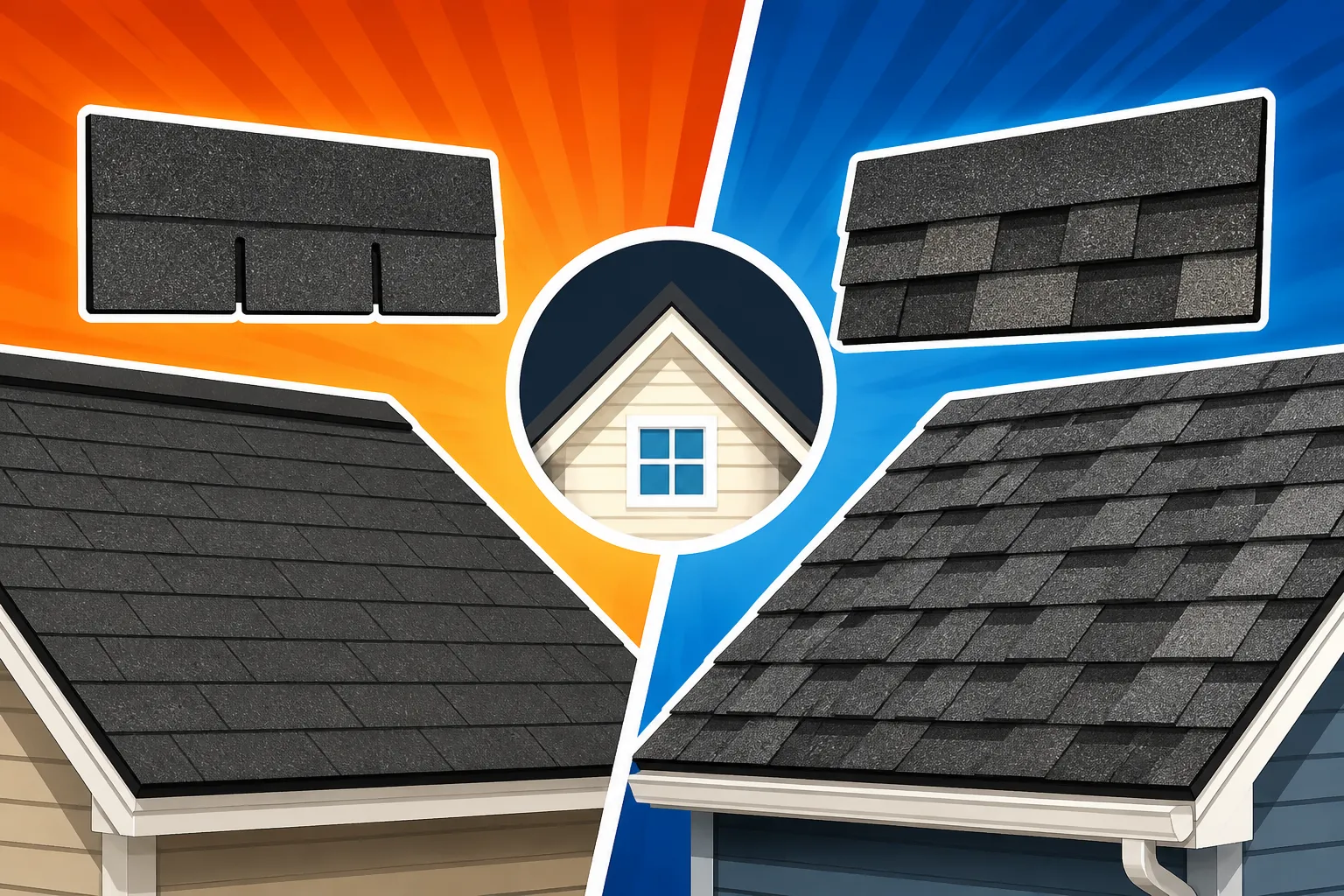
A 3-tab shingle gets its name from its distinctive appearance: each shingle strip is typically 36 inches long and has three equally sized "tabs" or cutouts along its lower edge. These cutouts give the illusion of three separate shingles when they're actually one continuous piece. From the street, your roof covered in 3-tab shingles will have a very uniform, flat appearance, with a distinct horizontal and vertical pattern created by these tabs and the shingle courses.
This design is simple yet effective. The uniform size and shape make them relatively straightforward to manufacture and install, contributing to their lower cost. Historically, this classic, somewhat linear look was the standard, and many older homes still boast their original 3-tab roofs, a testament to their enduring presence. They often come in a limited palette of solid colors, adding to their traditional, understated charm.
Installation and Appearance Characteristics
The installation of 3-tab shingles is quite a precise process, aiming for that perfectly aligned, grid-like pattern. Each shingle is nailed down, and the subsequent course overlaps the one below it, ensuring that only the "tabs" are exposed to the elements. The consistency in their design means that careful attention must be paid to staggering and alignment to maintain the aesthetic uniformity that defines them. Because they are a single, flat layer, they lay very flush against the roof deck, which can be a double-edged sword: aesthetically, it's very clean, but structurally, it means less material protecting against impact.
Visually, 3-tab shingles offer a very traditional, almost minimalist look. If you're going for a clean, uniform appearance without a lot of texture or depth, 3-tabs fit the bill. They are especially popular for homes where a more understated roof is desired, or for specific architectural styles that benefit from a flatter, less prominent roofline. Think of them as the classic denim jeans of the roofing world – reliable, no-frills, and always in style for certain applications. However, this flat profile can also highlight any imperfections in the roof deck more readily than their architectural counterparts.
The Pros and Cons for Homeowners
When considering 3-tab shingles, homeowners often weigh their clear benefits against their potential drawbacks. On the positive side, the most appealing factor for many is the cost. Generally, 3-tab shingles are the most budget-friendly option upfront, both in terms of material cost per square and often in labor, as they are quicker and easier to install. This makes them a great choice for starter homes, rental properties, or when you're looking to sell soon and need a reliable, affordable roof without a significant investment in premium aesthetics. You can get a better idea of what to expect from a 3-Tab Shingle Roof Cost article.
However, the affordability often comes with compromises. Their lifespan is typically shorter than architectural shingles, averaging around 15-20 years. They also offer less wind resistance, generally rated for winds up to 60-70 mph, which might not be sufficient in high-wind regions. The flatter design means they have less material and mass, offering less protection against hail and impact damage. Finally, their uniform appearance, while classic, might lack the dimensional appeal that many modern homeowners seek. It’s a trade-off between initial savings and long-term durability and curb appeal. For homeowners in areas prone to severe weather, this lower durability can lead to more frequent repairs or even premature replacement, which might negate the initial cost savings.
Exploring Architectural Shingles: The Modern Standard
Stepping into the present, architectural shingles have largely taken over as the preferred choice for new residential roofing and renovations. Their rise to prominence is due to a combination of enhanced durability, superior aesthetics, and increasingly competitive pricing. These shingles truly represent a significant evolution in asphalt roofing technology and design.
What Makes Architectural Shingles Unique
Architectural shingles, also known as dimensional or laminate shingles, are a game-changer when it comes to both appearance and performance. Unlike the single-layer 3-tab shingle, architectural shingles are manufactured with multiple layers of asphalt and granules fused together, creating a thicker, more robust product. This multi-layered construction is what gives them their distinctive, textured appearance, mimicking the look of natural wood shakes or slate tiles.
The manufacturing process involves laminating these layers together in a random, irregular pattern, which eliminates the uniform cutouts seen in 3-tabs. This intentional randomness contributes to their aesthetic depth and appeal, making each shingle appear unique. It’s this departure from the flat, repetitive look that immediately sets them apart and elevates the curb appeal of a home significantly.
Layered Construction and Aesthetic Appeal
The secret to architectural shingles' superior aesthetic lies in their layered construction. Imagine a series of irregularly shaped shingle tabs, bonded together to create a varied thickness and shadow line across the roof surface. This creates a visual depth that adds character and sophistication to any home. From the street, an architectural shingle roof doesn't just look like a flat covering; it appears substantial, rich, and textured.
This visual appeal is further enhanced by the wider range of colors and blends available. Manufacturers like GAF, Owens Corning, and CertainTeed offer extensive palettes, often with intricate color granules that create dynamic, multi-tonal effects. This allows homeowners to choose a roof that not only protects their home but also acts as a significant architectural feature, enhancing its overall curb appeal and potentially increasing its value. The way these colors and textures play with sunlight throughout the day can dramatically change the look of your home, adding a touch of elegance that 3-tabs simply can't replicate.
The Advantages and Disadvantages You Should Know
The popularity of architectural shingles isn't just about good looks; it's also about impressive performance. One of their biggest advantages is their superior durability and lifespan. Thanks to their multi-layered design and heavier construction, architectural shingles typically last 25-30 years, with some premium options extending to 40-50 years. They also boast much higher wind resistance, often rated for 110-130 mph, making them a far better choice for areas prone to high winds or severe storms. The added mass provides better impact resistance against hail and falling debris, leading to fewer repairs over their lifetime. This extended lifespan and enhanced resilience mean that while the initial Architectural Shingle Roof Cost might be higher, the long-term value and peace of mind are often well worth it.
Of course, there are some considerations. The primary "disadvantage" is the initial cost. Architectural shingles are more expensive per square foot than 3-tab shingles, and installation might take a bit longer due to their weight and the need to achieve a proper staggered look, potentially increasing labor costs. However, this upfront investment is usually offset by their longevity, reduced maintenance, and the significant boost to your home's curb appeal and resale value. For many, the enhanced protection and sophisticated aesthetic easily outweigh the higher initial price tag.
Key Differences: A Side-by-Side Comparison
Now that we've looked at each shingle type individually, let's put them side-by-side to really highlight their key differences. Understanding these distinctions is crucial when you're trying to figure out which product is right for your home, your climate, and your budget. It's not just about one being "better" than the other, but rather which one is "better for you."
Visual Aesthetics and Curb Appeal
This is arguably the most immediate and noticeable difference between the two types of shingles. A 3-tab shingle roof presents a very flat, uniform, and almost "grid-like" appearance. The consistent size and spacing of the tabs create clear horizontal and vertical lines across the roof plane. While this can look neat and tidy, it generally lacks the visual depth and character that many homeowners desire, especially for newer or upgraded homes. It's a clean, classic look, but often perceived as less premium.
Architectural shingles, on the other hand, are designed to create a much more dynamic and dimensional look. Their layered construction and varied shingle tabs create a rich texture and natural shadow lines that mimic the look of more expensive roofing materials like wood shakes or natural slate. This depth adds significant curb appeal, making a home stand out and feel more substantial. The irregular patterns break up the monotonous lines, offering a sophisticated and custom appearance that greatly enhances a home's overall aesthetic value.
Durability, Lifespan, and Performance
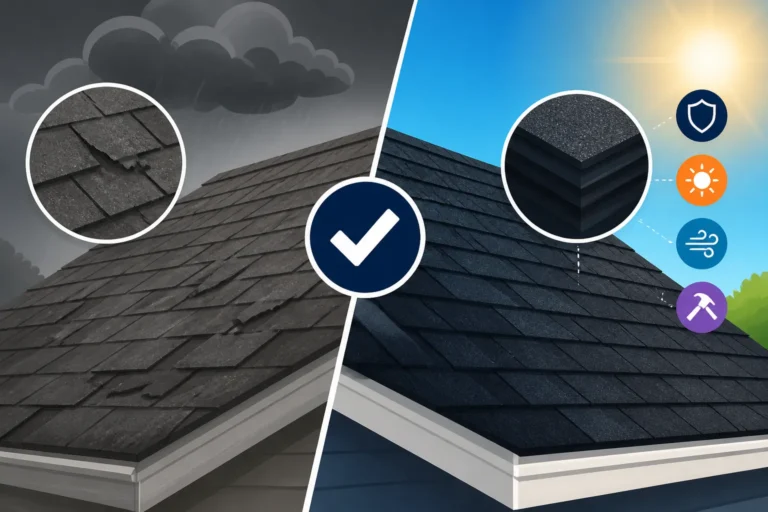
When it comes to how long your roof will last and how well it will stand up to Mother Nature, there's a pretty clear winner. 3-tab shingles, being a single, thinner layer, are generally less durable. Their average lifespan is typically 15-20 years, though in ideal conditions they might push 25. They are also more susceptible to wind damage, with typical wind ratings of 60-70 mph, and are more prone to hail damage and granule loss due to their lighter weight and simpler construction. Over time, their flat profile can make them more prone to cracking and curling as they age.
Architectural shingles are built for the long haul. Their multi-layered, heavier construction makes them significantly more durable and resilient. Most architectural shingles come with a manufacturer's warranty for 25-30 years, and many premium lines offer 50-year or even limited lifetime warranties. Their weight and superior adhesive strips mean they can typically withstand wind speeds of 110-130 mph, and they offer much better protection against impacts from hail and falling debris. This enhanced durability translates into fewer repairs and a longer period before you need to consider an asphalt roof replacement. It’s a worthwhile long-term investment in your home’s protection.
Cost Implications and Value Over Time
This is where many homeowners get hung up, focusing solely on the upfront price tag. Initially, 3-tab shingles are indeed more affordable. On average, you might expect to pay 15-25% less for the materials compared to architectural shingles, and sometimes slightly less for labor due to their simpler installation. If your budget is extremely tight, or if you're roofing a structure where longevity isn't the primary concern (like a shed or a very short-term rental property), then 3-tabs can be a viable option.
However, when you factor in the long-term value, architectural shingles often prove to be the more economical choice. While the initial investment is higher, their extended lifespan means you won't need to replace your roof as often. Plus, their superior durability can lead to fewer repair costs over the years, especially in regions with frequent severe weather. Critically, architectural shingles significantly boost your home's curb appeal and can increase its resale value, offering a much better return on investment (ROI). Most homebuyers today expect the visual appeal and performance of architectural shingles. So, while you'll pay more upfront, you're investing in a roof that lasts longer, performs better, and adds tangible value to your property.
Here's a quick comparison table to summarize these key differences:
| Feature | 3-Tab Shingles | Architectural Shingles |
|---|---|---|
| Appearance | Flat, uniform, grid-like, traditional | Dimensional, textured, mimics wood/slate, modern |
| Construction | Single layer, uniform tabs | Multi-layered, laminated, irregular shapes |
| Weight | Lighter weight | Heavier, more robust |
| Durability | Lower | Higher |
| Lifespan | 15-20 years (typical) | 25-30 years, some up to 50+ years |
| Wind Resistance | 60-70 mph (typical) | 110-130 mph (typical) |
| Impact Resistance | Lower | Higher (better against hail/debris) |
| Cost (Materials) | Lower initial cost | Higher initial cost |
| Curb Appeal | Basic, functional | Enhanced, premium aesthetic |
| Resale Value | Minimal impact, potentially negative on older roofs | Significant positive impact |
Installation Nuances and Considerations
Beyond the shingles themselves, the installation process and how it interacts with different roof characteristics are critical factors. It's not just about nailing shingles; it's about building a robust system, and the choice between 3-tab and architectural shingles does have implications for how the job gets done and what your roof needs.
How Installation Methods Differ
While the fundamental steps of asphalt shingle installation – preparing the roof deck, installing underlayment, drip edge, and then laying shingles – remain the same, there are subtle differences influenced by the shingle type. 3-tab shingles, due to their lighter weight and uniform design, are generally quicker and simpler to install. Roofers can often lay them down at a faster pace, carefully aligning the tabs to maintain that classic, even appearance. The precision comes in keeping those horizontal and vertical lines straight across the entire roof plane.
Architectural shingles, being heavier and multi-layered, often require a slightly different approach. While they don't demand the same strict horizontal alignment as 3-tabs (their irregular patterns are designed to hide minor inconsistencies), the weight and rigidity can make them a bit more challenging to handle, especially on complex roof sections. Proper staggering is still crucial to ensure the dimensional look and prevent water channeling. Additionally, due to their thicker profile, cutting them, especially in colder weather, can be more labor-intensive. These factors can sometimes contribute to a slightly longer installation time and, consequently, higher labor costs for architectural shingles, but the improved aesthetics and performance are generally worth the effort.
Impact on Roof Pitch and Structure
The pitch of your roof – how steep it is – can influence the suitability and performance of different shingle types. Both 3-tab and architectural shingles are designed for roofs with a minimum pitch, typically 2:12 (meaning a rise of 2 inches for every 12 inches of run). However, the weight difference can play a role. Architectural shingles are significantly heavier than 3-tabs, which means your roof deck and underlying structure need to be able to support that additional load. While most standard residential roof framing is robust enough, it's always a good idea for your roofing contractor to assess the existing structure, especially if you're upgrading from a much lighter roofing material or if your home is very old.
For steeper roofs, architectural shingles really shine aesthetically, as their dimensional qualities are more visible and appreciated from a distance. On very low-slope roofs (but still within asphalt shingle guidelines), 3-tabs might lie flatter, but the superior waterproofing capabilities and wind resistance of architectural shingles could still be preferred for better protection. Ultimately, a qualified roofing professional will assess your specific roof pitch and ensure the chosen shingles are appropriate for the structural integrity and aesthetic goals of your home. If you're wondering about specifics, our article on Roof Replacement Cost by Pitch can give you more details.
The Role of Manufacturer Certifications
When considering any roofing project, the expertise of your installer is just as important as the quality of the materials. This is where manufacturer certifications come into play, and they often carry more weight with architectural shingles due to their premium nature and advanced warranties. Leading manufacturers like GAF, Owens Corning, and CertainTeed offer extensive training and certification programs for roofing contractors. For instance, a GAF Master Elite Contractor or an Owens Corning Platinum Preferred Contractor has demonstrated a high level of expertise, meets stringent criteria, and is authorized to offer enhanced warranties that go beyond the standard product warranty.
While these certifications are beneficial for any asphalt shingle installation, they are particularly important when installing architectural shingles. The longer lifespans and advanced performance features of these shingles are often tied to specific installation techniques and components of a "full roofing system," as defined by the manufacturer. Using a certified contractor ensures that your architectural shingles are installed correctly, adhering to manufacturer specifications, which is typically a requirement for the longest and most comprehensive warranties. This added layer of assurance gives homeowners peace of mind that their investment is protected and their roof will perform as expected for decades. Don't underestimate the value of checking if your contractor has these credentials; it's a critical step in How to Choose a Roofing Contractor.
Performance in Different Climates and Conditions
A roof's primary job is to protect your home from the elements, and different shingle types excel in various weather conditions. Where you live plays a huge role in which shingle is truly the "best" choice. Ignoring local climate factors can lead to premature roof failure and costly repairs down the line, no matter how good the shingles might seem on paper.
Wind Resistance and Severe Weather Performance
This is a critical area where architectural shingles significantly outperform 3-tab shingles. 3-tab shingles, being lighter and having a single layer, are generally rated to withstand winds up to 60-70 miles per hour. While this might be adequate for areas with infrequent high winds, it's a serious vulnerability in regions prone to strong gusts, thunderstorms, or hurricanes. When strong winds hit, the flat tabs of a 3-tab shingle can easily lift, allowing water to penetrate underneath or causing the shingle to completely tear off. This often leads to scattered missing shingles after a storm, a sight all too common in many neighborhoods.
Architectural shingles, with their heavier construction, multiple layers, and often enhanced adhesive strips, are built to resist much higher winds, typically rated for 110-130 mph. Many premium architectural shingles even carry Class H wind ratings, signifying extreme durability. Their random, non-uniform edges also make them less susceptible to wind "getting under" a specific tab and peeling it back. In places like coastal Florida or the plains of Kansas, where severe winds are a regular occurrence, investing in architectural shingles (and proper installation, including high-wind nailing patterns) is almost a necessity for long-term roof integrity and to satisfy insurance requirements.
Hail and Impact Resistance
Hailstorms are notorious for causing widespread roof damage, and the type of shingle you have can make a huge difference in the extent of that damage. 3-tab shingles offer very little inherent resistance to hail. The impact of hailstones, even moderately sized ones, can bruise, crack, or even puncture the asphalt layer, leading to widespread granule loss and compromising the shingle's waterproofing capabilities. After a significant hailstorm, 3-tab roofs often show visible pockmarks and circular indentations, signaling that the protective layer has been compromised and likely needs extensive repair or even a full roof replacement.
Architectural shingles, especially those specifically engineered as "impact-resistant" or "Class 4" shingles, offer superior protection. Their multi-layered, denser construction helps absorb the force of hail impacts, significantly reducing damage. Class 4 rated shingles, for example, have passed rigorous testing where they withstand the impact of a 2-inch steel ball dropped from 20 feet twice in the same spot, without cracking. While no shingle is truly "hail-proof," impact-resistant architectural shingles dramatically reduce the likelihood of severe damage and can even qualify you for insurance premium discounts in hail-prone states like Colorado or Texas. This is a clear advantage for homeowners looking for peace of mind in volatile climates.
Temperature Fluctuations and UV Protection
Asphalt shingles, by their nature, are exposed to constant temperature swings and relentless UV radiation from the sun. Both 3-tab and architectural shingles are designed to handle this, but their construction differences impact their long-term resilience. The asphalt in shingles can become brittle in cold weather and soften in hot weather. Over time, UV rays cause the asphalt to degrade and dry out, leading to cracking, curling, and granule loss. The ceramic granules embedded on the surface are the primary defense against UV degradation.
Architectural shingles, with their thicker asphalt layers and often higher granule content, generally offer better long-term protection against these environmental stressors. The increased mass helps them resist temperature extremes more effectively, reducing the likelihood of premature cracking or warping. Many architectural shingles also incorporate advanced granule technology, including reflective granules for "cool roof" properties that can help lower attic temperatures and potentially reduce energy bills, particularly in hot climates like Arizona or Florida. While 3-tab shingles offer basic UV protection, their thinner profile means they may show signs of wear and tear, like extensive granule loss, more quickly, especially on south-facing slopes. This reduced resilience can be a major factor in what makes shingles fail early.
Making the Right Choice for Your Home
Deciding between 3-tab and architectural shingles isn't always straightforward. It involves balancing several factors, some practical, some aesthetic, and some financial. There's no single "right" answer for everyone; it truly depends on your individual circumstances and priorities.
Budget and Long-Term Investment
For many homeowners, the initial cost is the most significant hurdle. If your budget is extremely constrained, 3-tab shingles remain the most affordable upfront option. They are a perfectly functional choice for basic protection, especially if you're planning to sell the house in the near future and don't want to invest heavily in a long-term roof. They are often seen on entry-level homes or properties where utility is prioritized over premium aesthetics and extended durability.
However, if you're looking at your roof as a long-term investment in your home, architectural shingles almost always come out on top. While they have a higher initial price tag (refer back to the How Much Does an Asphalt Shingle Roof Cost guide), their extended lifespan (25-30+ years vs. 15-20 years for 3-tabs) means you'll replace your roof less frequently. This, combined with fewer repair needs due to better durability and the potential for insurance discounts with impact-resistant versions, often makes them more cost-effective over the life of your home. They contribute positively to your home's value, which can be a huge benefit when it's time to sell. Think of it this way: are you buying a disposable umbrella or a sturdy, long-lasting rain jacket?
Aesthetic Goals and Home Style
The visual impact of your roof is undeniable; it can comprise up to 40% of your home's exterior. Your choice of shingle style heavily influences your home's curb appeal. If you own an older, more traditional home where a flat, uniform roof is characteristic of its original architectural style, 3-tab shingles might be a perfectly appropriate and charming choice. They offer a clean, understated look that some homeowners prefer, particularly if they want other exterior features (like elaborate siding or landscaping) to be the focal point.
For modern homes, or those aiming for an updated, high-end look, architectural shingles are the clear winner. Their dimensional, textured appearance adds sophistication and depth that simply can't be achieved with 3-tabs. They can mimic the appearance of slate or wood shake, elevating the entire aesthetic of your property without the hefty price tag and maintenance requirements of those natural materials. If you're undertaking a significant renovation or building a new home, most designers and architects will steer you towards architectural shingles for their enhanced visual appeal and ability to complement diverse architectural styles, from craftsman to contemporary. It's a statement piece for your home.
Local Climate and Building Codes
The environment your home exists in should heavily influence your shingle decision. If you live in an area with mild weather, minimal wind, and rare hailstorms, the enhanced durability of architectural shingles might not seem as critical. A 3-tab shingle, properly installed, could offer adequate protection for 15-20 years. However, this is becoming increasingly rare as extreme weather events become more common across the country.
For homes in regions prone to severe weather – hurricane zones, hail alleys, or areas with persistent high winds – choosing architectural shingles is almost a non-negotiable. Their superior wind resistance and impact protection can literally be the difference between needing minor repairs and facing a full roof replacement after a storm. Furthermore, many local building codes, especially in storm-prone states like Florida or coastal Carolina, now mandate higher wind resistance ratings that 3-tab shingles simply can't meet. Some insurance companies also offer significant discounts for installing impact-resistant (Class 4) architectural shingles. Always check your local building codes and discuss options with your insurance provider, as these factors might simplify your decision greatly. A qualified roofer will also know the Roofing Building Codes: What to Know for your area.
Maintenance and Longevity of Each Type
No roof lasts forever, but how long it does last and what you need to do to keep it in good shape varies significantly between 3-tab and architectural shingles. Understanding these differences can help you plan for future upkeep and appreciate the true value proposition of each.
Typical Maintenance Needs
Regardless of the shingle type, some basic roof maintenance is always recommended to maximize its lifespan. This includes keeping gutters clean, trimming overhanging branches, and performing periodic visual inspections for damage. However, the type and frequency of potential issues can differ. 3-tab shingles, due to their lighter weight and flatter profile, can be more prone to curling, cracking, and lifting over time, especially in areas with significant temperature fluctuations or exposure to strong winds. You might find yourself needing to repair or replace individual lifted or damaged 3-tab shingles more frequently, or re-sealing tabs that have lost their adhesive bond.
Architectural shingles, on the other hand, generally require less frequent intervention when it comes to structural integrity. Their heavier construction and better adhesion mean they are less likely to curl or lift. However, they are still susceptible to issues like moss and algae growth, especially in shaded, damp areas, which can require cleaning. Granule loss, while less pronounced than with 3-tabs, will eventually occur over decades as the shingles age. The key difference is that architectural shingles are generally more resilient to the elements, meaning their maintenance is more about inspection and preventative care, rather than frequent reactionary repairs.
Expected Lifespan and Warranty Differences
This is perhaps the most compelling reason why architectural shingles have become the modern standard. A typical 3-tab shingle roof has an expected lifespan of 15 to 20 years, though some premium versions might reach 25 years in ideal conditions. Their warranties usually reflect this, often being pro-rated for 20-25 years, meaning the coverage decreases significantly over time. After about 10-15 years, you might start noticing significant granule loss, curling, and brittleness, signaling it's nearing the end of its functional life.
Architectural shingles offer a much longer expected lifespan, typically ranging from 25 to 30 years for standard options, with many premium lines boasting 40, 50, or even limited lifetime warranties. These warranties are often much more comprehensive, especially if installed by a manufacturer-certified contractor who uses a full roofing system (including specific underlayment, starter shingles, and ridge caps). These enhanced warranties often include longer periods of non-prorated coverage, meaning the manufacturer covers 100% of material and sometimes labor costs for a significant portion of the warranty period. This extended longevity means you'll go much longer before needing another roof replacement, which is a major advantage for homeowners planning to stay in their homes for the long haul. Understanding these details is key, and our article on How Long Asphalt Shingles Last delves deeper into these aspects.
Disclaimer
Please remember that the information provided in this article is for general guidance only and should not be considered professional advice. Always consult with a qualified and licensed roofing contractor in your area for specific recommendations, assessments, and estimates tailored to your home's unique needs and local building codes. Roofing work can be dangerous and should always be performed by trained professionals.