How Architectural Shingles Are Made
Ever looked up at your home’s roof and wondered what goes into those durable, often beautiful, shingles? It's easy to just see them as flat, utilitarian pieces, but architectural shingles are actually quite complex, engineered layers designed to protect your most valuable asset for decades. Understanding how these robust roofing materials are meticulously crafted can give you a whole new appreciation for your roof and truly empower you to make more informed decisions when the time comes for a replacement. This guide will take you on a detailed journey through the fascinating process of manufacturing architectural asphalt shingles, from their fundamental raw materials to the sophisticated finished product that tops your home.
What Makes Architectural Shingles Unique?
When we talk about asphalt shingles, it’s not a one-size-fits-all conversation. Architectural shingles, also known as laminated or dimensional shingles, stand apart from their traditional counterparts. They've become the preferred choice for many homeowners, and for good reason. Their distinct manufacturing process is what gives them their superior qualities.
Beyond the Basic 3-Tab Shingle
The most immediate difference you'll notice with architectural shingles compared to basic 3-tab shingles is their appearance. Instead of a flat, uniform look, architectural shingles boast a multi-dimensional, often textured profile that mimics the look of natural wood shakes or slate tiles. This isn't just a cosmetic trick; it's a result of their layered construction.
Unlike 3-tab shingles, which are typically a single layer with cutouts to create the appearance of three tabs, architectural shingles are made by bonding multiple layers of material together. This lamination process creates a much thicker, heavier shingle with a randomized pattern that adds visual depth and shadow lines to your roof. Think of it like a finely crafted cake versus a simple cookie – both are good, but one has a richer, more complex structure. This layering contributes significantly to their enhanced durability and often higher wind resistance. If you’re curious about the visual and structural differences, you might want to delve into an explanation of 3-Tab vs Architectural Shingles Explained.
The Core Purpose: Protection and Curb Appeal
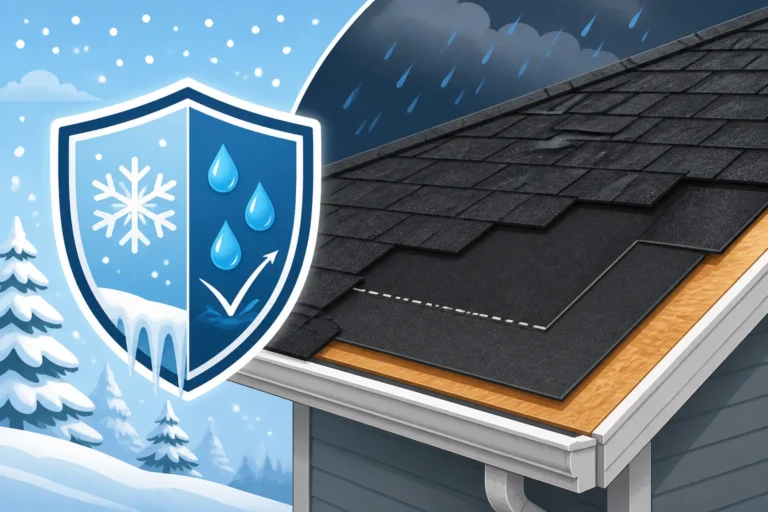
Beyond their striking aesthetics, architectural shingles are engineered for serious protection. Their primary role is, of course, to be the first line of defense against the elements. The added weight and multiple layers mean a more robust barrier against rain, snow, and hail. This density also contributes to better wind uplift resistance, a crucial factor, especially in areas prone to severe weather. Many architectural shingles are designed to meet stringent wind resistance standards, offering peace of mind when storms roll through.
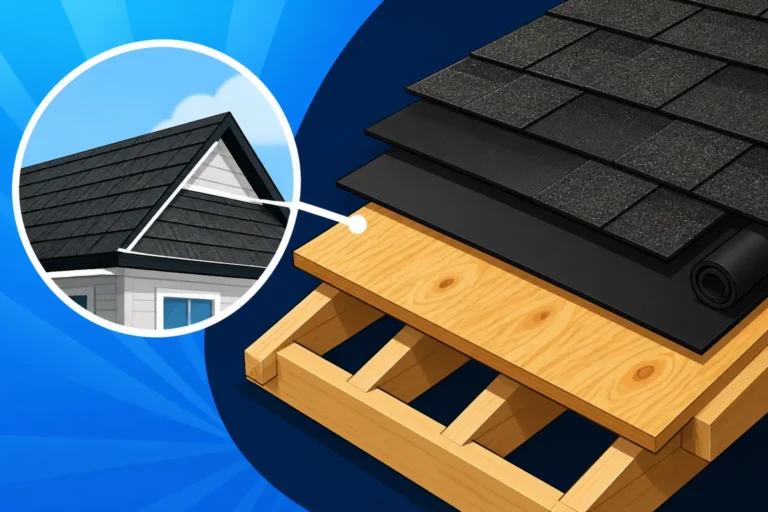
Moreover, the varied profiles and granule blends on architectural shingles provide excellent UV protection, guarding the underlying asphalt from the sun's damaging rays, which can otherwise cause premature aging and cracking. The superior aesthetic appeal isn't just for show either; it significantly contributes to your home's curb appeal and, consequently, its overall value. Many homeowners consult platforms like Modernize to find contractors who can install these visually appealing and protective roofing systems, ensuring they get both beauty and brawn. When considering a full roof overhaul, understanding How a Roof Replacement Works: The Full Process can be incredibly helpful.
The Essential Ingredients: Raw Materials Breakdown
To understand how architectural shingles are made, we first need to look at what they're made of. Each component plays a vital role in creating the durable, protective system that shields your home. It’s a bit like baking a complex recipe; every ingredient matters.
The Foundation: Fiberglass Mat
At the heart of every architectural asphalt shingle lies a sturdy fiberglass mat. This isn't the pink insulation stuff, but a thin, non-woven mat made from fine glass fibers. Imagine a strong, flexible fabric, but made of glass.
Why fiberglass? It's all about stability and strength. Fiberglass is dimensionally stable, meaning it won't expand or contract significantly with temperature changes. This is critical in preventing the shingles from warping or buckling on your roof. It also offers excellent tear strength, acting as the backbone that holds the shingle together, even under stress from wind or movement. Furthermore, fiberglass is naturally resistant to moisture and fire, contributing to the shingle's overall protective qualities. Without this strong, stable foundation, the shingle wouldn't hold its shape or perform reliably over its long lifespan.
The Waterproofing Powerhouse: Asphalt
Once the fiberglass mat is ready, it's infused with asphalt – the true waterproofing hero of the shingle. But this isn't just any old road tar. Shingle manufacturers use a specially refined, oxidized, or "blown" asphalt. This process involves bubbling air through hot liquid asphalt, which changes its chemical structure, making it harder, more durable, and more weather-resistant than raw asphalt.
The fiberglass mat is completely saturated with this liquid asphalt, which penetrates every fiber. This saturation is what makes the shingle impervious to water. After saturation, additional layers of asphalt are applied to the top and bottom surfaces of the mat, creating a thick, protective coating. This asphalt layer not only provides waterproofing but also acts as the adhesive for the protective granules that are applied next. The quality and thickness of this asphalt layer are critical to the shingle's lifespan and its ability to withstand extreme temperatures and UV radiation. This intricate bond between materials is key to How Shingles Protect Against Water.
The Protective Outer Layer: Granules
Perhaps the most visible and aesthetically defining component of an architectural shingle is the layer of ceramic-coated mineral granules. These tiny, crushed rocks might seem simple, but they serve several critical functions.
Firstly, they provide the shingle's color and texture. Different hues and shades are achieved by coating mineral fragments with ceramic pigments and then blending them, giving architectural shingles their rich, dimensional look that can mimic natural materials. This blending is often what gives brands like GAF or Owens Corning their signature styles.
Secondly, and most importantly, these granules are the shingle's primary defense against the sun's ultraviolet (UV) rays. UV radiation is a shingle's worst enemy, as it causes the asphalt to break down, dry out, and crack over time. The granules act like a miniature shield, reflecting and absorbing UV light, thereby extending the life of the asphalt beneath.
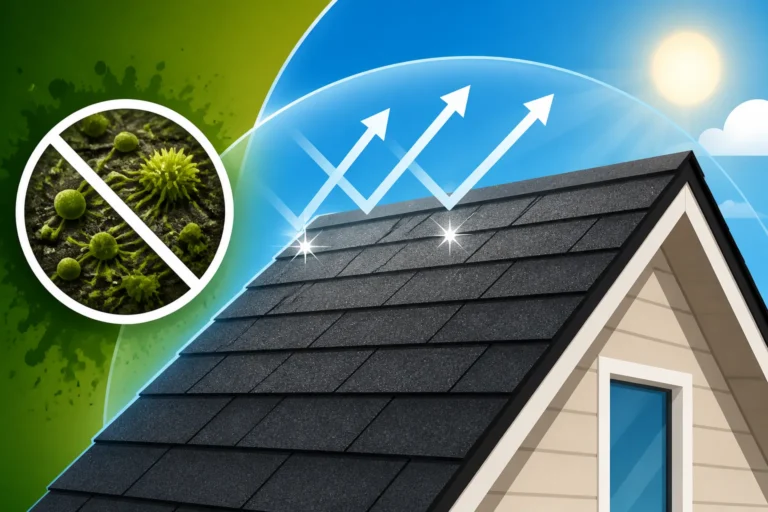
Thirdly, granules offer a degree of fire resistance. Certain mineral compositions can enhance the shingle's fire rating. Some specialized granules also incorporate copper particles or other treatments to resist algae growth, which often appears as unsightly black streaks on roofs, especially in humid climates. The granules are embedded into the hot asphalt coating under pressure, ensuring they adhere tightly and remain in place for decades. Loose granules, also known as Granule Loss: Should You Worry, are one of the earliest signs of a roof nearing the end of its life.
Adhesives and Sealants for Longevity
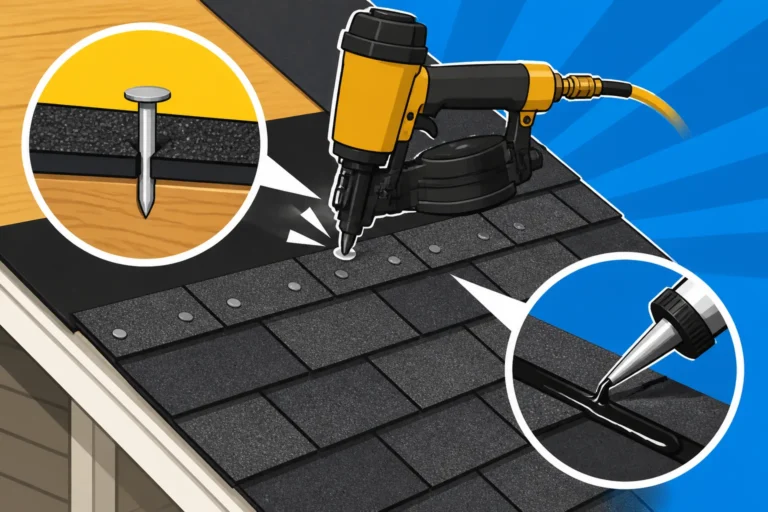
Finally, a few other vital components tie everything together. Architectural shingles feature a thermal sealant strip, often called the "tar line" or "sealant strip," on the underside. This strip, made of a proprietary asphalt-based adhesive, is activated by the sun's heat after installation, bonding successive shingle courses together. This creates a monolithic, wind-resistant roof surface that helps prevent wind uplift and water infiltration.
Additionally, other adhesives are used during the lamination process itself, bonding the multiple layers of the shingle firmly together to create its distinctive dimensional profile. These often include specialized polymer-modified asphalt adhesives that maintain flexibility and strength across a wide range of temperatures, ensuring the shingle layers don't delaminate over time.
The Manufacturing Journey: A Step-by-Step Process
The journey from raw materials to a finished architectural shingle is a sophisticated dance of machinery and precision. It’s a continuous, automated process designed for efficiency and consistency.
Preparing the Fiberglass Mat
The process kicks off with massive rolls of fiberglass mat. These rolls, which can be hundreds of feet long, are fed into the manufacturing line. The mat is unrolled and guided through various tensioning and alignment stations to ensure it's perfectly flat and centered.
Before it meets the asphalt, the fiberglass mat might undergo a light surface treatment to improve its adhesion properties. Imagine it like priming a wall before painting – you want the subsequent layers to stick really well. This initial preparation is crucial for the structural integrity of the final shingle.
Asphalt Saturation and Coating
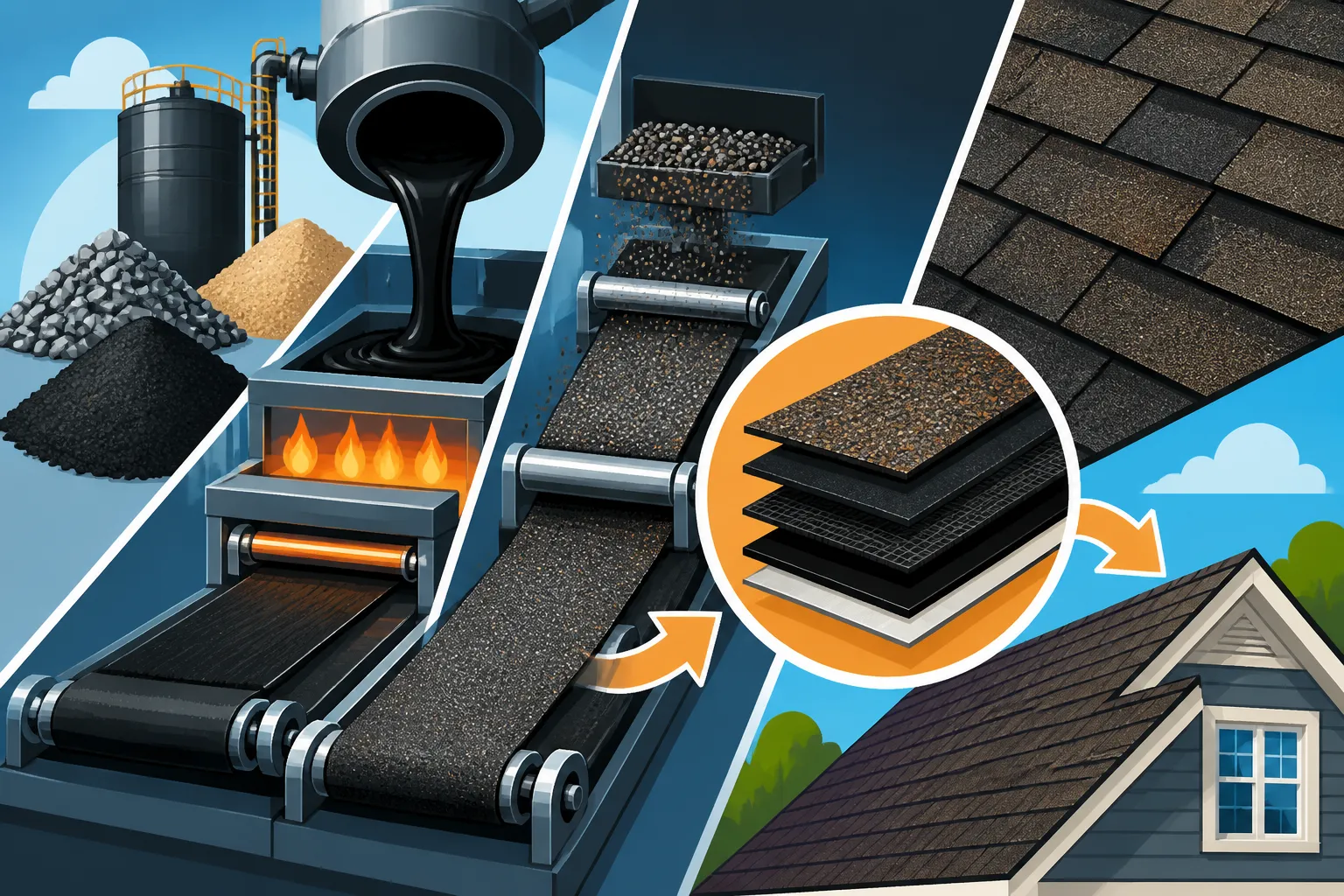
Next, the fiberglass mat enters the "wet loop," a series of tanks and rollers where it's transformed from a porous fabric into a waterproof barrier. First, it dives into a large vat of hot, liquid asphalt. Here, the mat is fully saturated, meaning the asphalt permeates every single fiber. This is a critical step that ensures the shingle will be truly waterproof from its core.
Once saturated, the mat continues down the line, where additional layers of coating asphalt are applied to both its top and bottom surfaces. These coatings are typically thicker and designed to provide additional weather resistance and a base for the granules. Excess asphalt is removed, ensuring an even and consistent thickness across the entire shingle. The precise temperature and viscosity of the asphalt are tightly controlled throughout this stage to ensure optimal saturation and adhesion. This process is far more involved than simply coating the surface; it's about embedding the core material within a protective shell, much like how How Underlayment Is Installed forms another crucial waterproof barrier on your roof deck.
Granule Application and Adhesion
With the asphalt layers freshly applied and still hot and tacky, the shingle enters the granule application stations. This is where the magic of color and texture truly happens. Different colored granules are precisely dropped onto the hot asphalt surface. For architectural shingles, this usually involves a carefully orchestrated cascade of granules to create the blended, multi-tonal appearance that gives them their unique depth.
Specialized rollers then lightly press the granules into the hot asphalt. This ensures maximum embedding and adhesion, making sure the granules stay put for the life of the shingle and effectively perform their role as UV protectors. Any excess or loose granules are typically vacuumed off and recycled for future use, minimizing waste. This stage is also where manufacturers might apply specialized granules, such as those treated for algae resistance, ensuring a clean, vibrant roof for longer. This meticulous process is what allows various brands, including Owens Corning, to create their distinct shingle appearances and performance characteristics.
Cooling, Cutting, and Packaging
After granule application, the continuous sheet of shingling material moves through a cooling section. This often involves exposure to cold air or water to quickly bring down the temperature, allowing the asphalt to firm up and permanently lock the granules in place. This rapid cooling also stabilizes the shingle structure, preventing any warping or distortion.
Once sufficiently cooled, the material proceeds to the cutting machines. These powerful, precision-cutting blades are programmed to cut the continuous roll into individual architectural shingle pieces, complete with their distinct tabs, shadow lines, and varied profiles. The cutting process is intricate, designed to create the illusion of individual wood shakes or slate tiles when installed on a roof. This stage also includes cutting the sealant strips and ensuring precise dimensions for easy installation.
Finally, the finished shingles are stacked, inspected for quality, and bundled into "squares" (a roofing square covers 100 square feet of roof surface) or bundles (typically three bundles per square), then wrapped for shipment. Strict quality control checks are performed at various points, from raw material inspection to final product dimensions, ensuring every shingle meets rigorous industry standards for performance and appearance. This final bundling is why understanding What Is a Roofing Square is so vital for budgeting and ordering.
Quality Assurance and Modern Innovations
The manufacturing process doesn't end when the shingles are cut and bundled. A significant part of what makes architectural shingles reliable is the extensive quality assurance process and the continuous drive for innovation.
Rigorous Testing for Durability
Before a batch of shingles ever leaves the factory, it undergoes a battery of rigorous tests to ensure it meets not only industry standards but also the manufacturer's own stringent quality benchmarks. These tests are designed to simulate years of exposure to the harshest environmental conditions.
Manufacturers will typically perform tests for:
- Wind Resistance: Shingles are tested in powerful wind tunnels to determine their ability to withstand high winds, often exceeding 130 mph. This ensures the sealant strips activate correctly and the shingle layers remain bonded.
- Impact Resistance: For homeowners in hail-prone regions, impact resistance is key. Shingles, especially Class 4 shingles, are subjected to dropping steel balls from various heights to simulate hail impact, ensuring they can resist damage. You can learn more about this by exploring Impact-Resistant Shingles: How They Work.
- Fire Resistance: Shingles are tested for their ability to resist the spread of flame, earning ratings like Class A, B, or C, which indicates their performance in a fire scenario.
- Thermal Cycling: To simulate the constant expansion and contraction that occurs with daily temperature swings, shingles are put through cycles of extreme heat and cold. This checks for cracking, delamination, and overall structural integrity.
- Water Permeability: Samples are checked to ensure they remain completely waterproof even after exposure to various stresses.
These tests ensure that when you invest in architectural shingles, you're getting a product designed to perform reliably for its entire warranty period and beyond. Manufacturers like CertainTeed pride themselves on these comprehensive testing protocols.
Advanced Features and Sustainability Efforts
The world of asphalt roofing isn't stagnant; it's constantly evolving with new technologies and innovations. Modern architectural shingles often come with advanced features that enhance performance, longevity, and even energy efficiency.
One popular innovation is algae-resistant shingles, which incorporate copper granules that slowly release copper ions, inhibiting the growth of blue-green algae that causes unsightly black streaks on roofs. This keeps your roof looking cleaner for longer without chemical treatments.
Another significant development is cool roof technology. These shingles use highly reflective granules designed to bounce more of the sun's infrared radiation away from your home. This can lead to lower attic temperatures and reduced cooling costs, especially in hot, sunny climates. If you’re in a warmer region, understanding Cool-Roof Shingles Explained could save you a lot on your energy bills.
Manufacturers are also increasingly focused on sustainability. Many companies are exploring ways to incorporate recycled materials into their shingles and developing methods to recycle old asphalt shingles, diverting them from landfills. While still a developing field, these efforts are crucial for reducing environmental impact. When it's time to choose a new roof, exploring these advanced options with a reputable contractor found through services like Modernize can ensure you get a roof that's not only durable but also smart and efficient. Getting a sense of How a Complete Roof System Qualifies for Warranty will also help you understand the full value of these integrated products.
Disclaimer
Please remember that the information provided in this article is intended for general informational purposes only and does not constitute professional advice. Always consult with a qualified and licensed roofing contractor for specific recommendations and services related to your home's roof. Building codes and product specifications can vary by location and change over time.