How a Complete Roof System Qualifies for Warranty
It can be incredibly frustrating to invest a significant amount of money in a new roof, only to worry if your investment is truly protected down the line. Many homeowners assume that once new shingles are on, they're automatically covered if something goes wrong. But the reality is far more complex, especially when it comes to qualifying for those robust, long-term manufacturer warranties. This guide will walk you through exactly what constitutes a "complete roof system" and the critical steps you need to take to ensure your asphalt roof replacement qualifies for the full warranty coverage you deserve.
Understanding the "Complete Roof System" Concept
When you think about your roof, you probably picture the shingles. But here’s the thing: a roof is so much more than just the visible layer of asphalt shingles. It’s a complex, integrated system of components, all designed to work together to protect your home from the elements. Ignoring even one part of this system can compromise its overall performance and, crucially, your warranty. Many homeowners learn this the hard way when they try to cut corners.
More Than Just Shingles: The Integrated Components
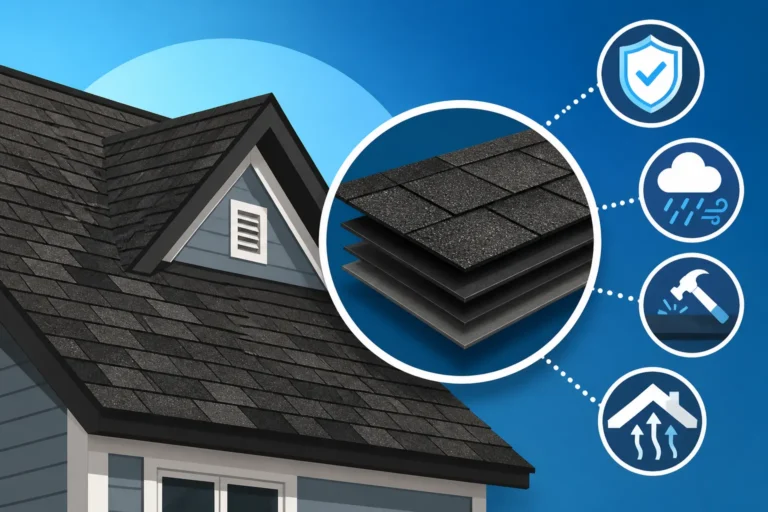
Imagine your roof as an onion, with many layers designed for specific functions. Each layer is vital for the roof's durability and ability to keep your home dry. When manufacturers talk about a "complete roof system" qualifying for a warranty, they're referring to the proper installation of all these interconnected parts.
Let’s break down the main players:
- Roof Decking: This is the structural base, usually plywood or OSB, that the entire roof system is built upon. If it's old, damaged, or improperly installed, it can affect everything above it. You can learn more about Roof Decking Replacement Cost if you suspect yours might need attention.
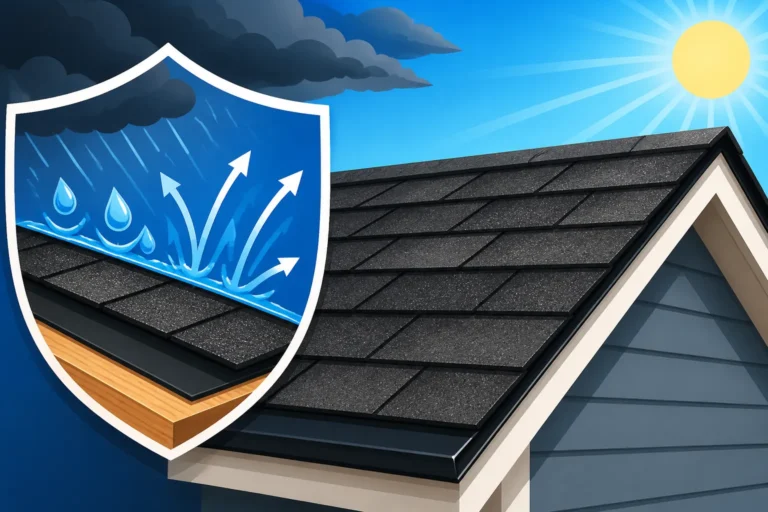
- Ice & Water Shield: This self-adhering membrane is typically installed along eaves, valleys, and around penetrations (like chimneys and skylights). It provides an extra layer of waterproofing in areas prone to ice dams and heavy water flow, preventing leaks even if water gets under your shingles. What Is Ice And Water Shield and Why It Matters is a great resource if you're curious about its specifics.
- Underlayment: Laid over the rest of the roof deck, under the shingles, this protective barrier adds another layer against moisture and helps protect your home during installation. It can be traditional felt paper or more advanced synthetic materials. Synthetic vs Felt Underlayment Cost can vary, so it's good to know your options.
- Drip Edge: This metal flashing is installed along the edges of your roof to direct water off the roof and into the gutters, preventing it from running down the fascia board and causing damage. A seemingly small detail, but incredibly important.
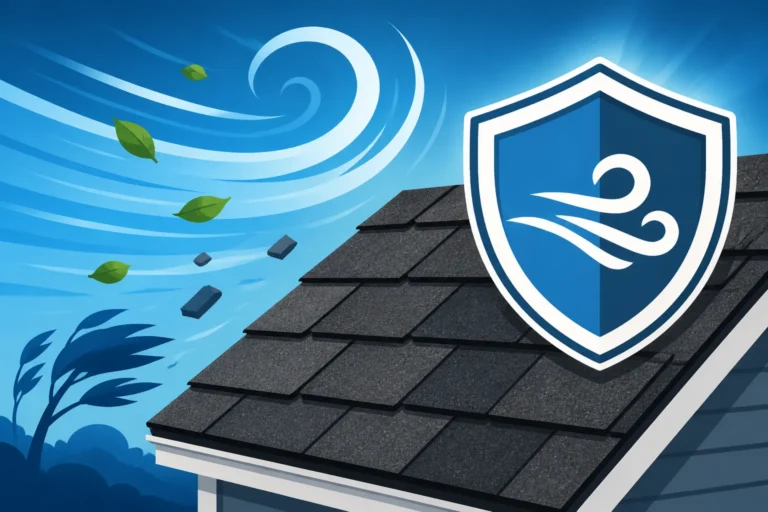
- Starter Shingles: These are the first course of shingles installed along the eaves, designed to protect the vulnerable rake and eave edges and properly align the subsequent shingle courses. They are often adhesive to help prevent wind uplift.
- Field Shingles: These are the main asphalt shingles that cover the majority of your roof, whether they are traditional 3-tab, architectural, or luxury designer shingles.
- Flashing: Critical metal components installed around chimneys, skylights, vents, and other interruptions on the roof surface. Flashing creates a watertight seal where the roof plane is broken. Proper Roof Flashing Explained is crucial for preventing leaks.
- Ridge Vents and Other Ventilation: A properly ventilated attic is essential for the longevity of your roof system. Ridge vents, along with soffit vents, allow hot, moist air to escape the attic, preventing heat buildup and moisture condensation, which can damage your roof decking and shingles. Understanding How Roof Ventilation Works is key.
- Hip and Ridge Cap Shingles: These are specially designed, often thicker shingles that cover the hips and ridges of your roof, providing protection and a finished aesthetic.
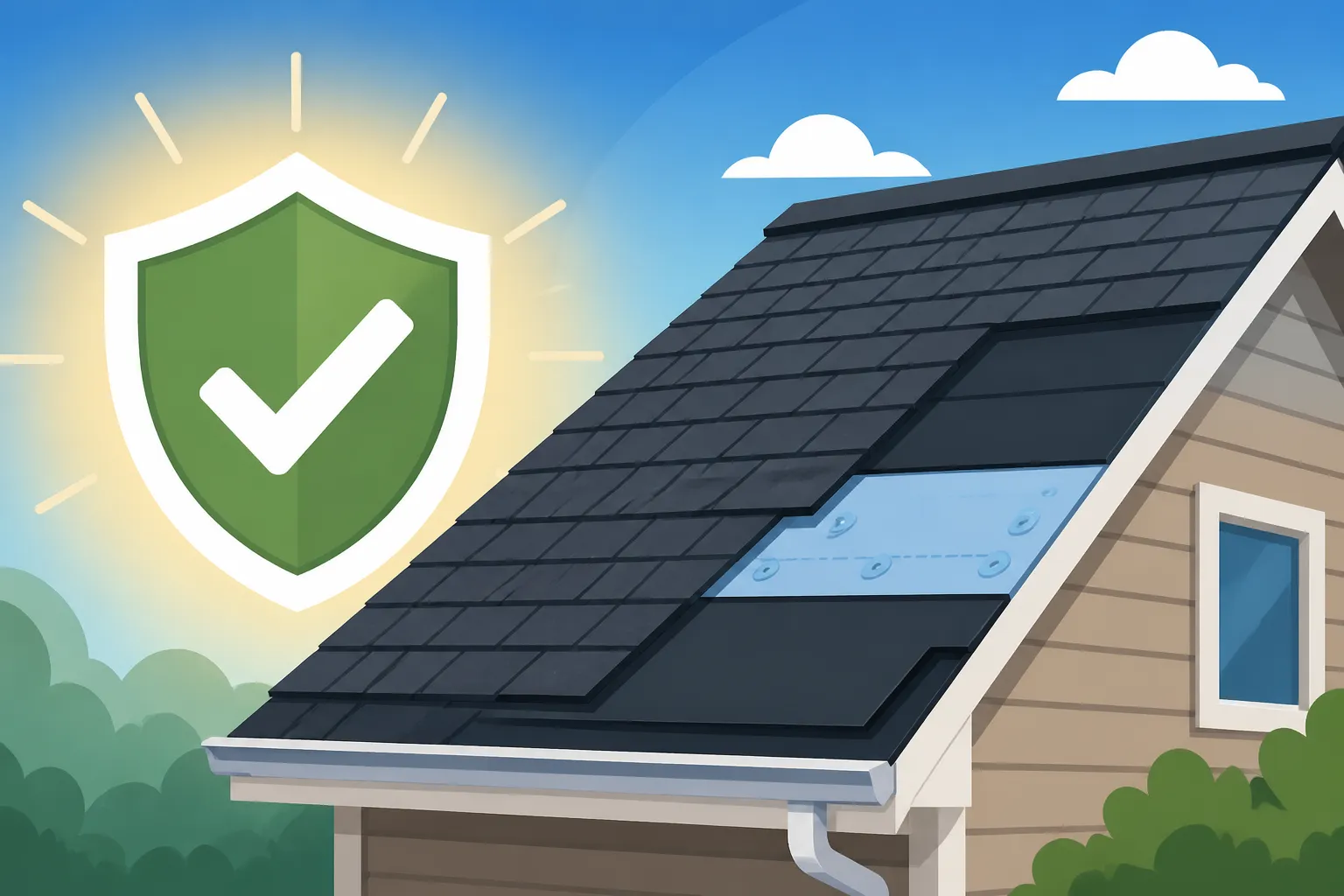
When a manufacturer offers an enhanced warranty, they are essentially betting on the entire system performing as designed, not just individual shingles. If even one component is missing or installed incorrectly, it can create a weak point that compromises the whole roof.
Why Manufacturers Require a Full System
Manufacturers like GAF, Owens Corning, and CertainTeed have spent decades engineering their roofing products to perform optimally together. They’ve developed integrated systems where each part complements the others, from the underlayment gripping the deck to the ridge caps sealing the peak.
They know that a top-of-the-line shingle won't last as long as it should if it's installed over cheap, non-breathable underlayment, or if the attic isn't properly ventilated. By requiring the use of their proprietary or approved system components, they can guarantee a certain level of performance and stand behind their products with confidence. This is why their top-tier warranties, which often cover materials and labor for extended periods, are tied to installing a "complete roof system" using primarily their brand's components. It minimizes variables and ensures the best possible outcome for the homeowner, and for their reputation.
Navigating Manufacturer vs. Workmanship Warranties
Understanding the different types of warranties is perhaps one of the biggest points of confusion for homeowners, and honestly, it's where a lot of frustration comes from. It's not as simple as "my roof is warranted." You're dealing with at least two distinct types of protection, and knowing the difference is crucial for ensuring your complete roof system qualifies for the best possible coverage.
Material-Only Warranties: The Bare Minimum
Every single shingle you buy, from the cheapest 3-tab to the most luxurious designer shingle, will come with some form of a manufacturer's warranty. This is your basic material-only coverage. Think of it like the basic warranty on a new appliance – it covers defects in the product itself.
For asphalt shingles, this typically covers manufacturing defects that cause the shingles to fail prematurely, like severe granule loss, blistering, or cracking that isn't due to impact damage or improper installation. These warranties usually have a non-prorated period (meaning the manufacturer covers 100% of the cost of replacement materials) for the first few years, often 5-10 years, and then become prorated. This means as the roof ages, the amount the manufacturer will cover decreases. So, a 20-year-old shingle might only get you 20% of the material cost back, which can feel pretty disappointing when you're looking at a full replacement.
The key takeaway here is that a material-only warranty does not cover issues arising from poor installation, storm damage, or things like insufficient attic ventilation. If your roof leaks because a nail was misplaced, or because the flashing wasn't sealed correctly, that's not on the shingle manufacturer.
Enhanced System Warranties: The Gold Standard
This is where the concept of a "complete roof system" truly shines and becomes essential. To qualify for an enhanced system warranty, a manufacturer usually requires not just their shingles, but a significant number of their ancillary components to be installed. This means using their specific underlayment, starter shingles, hip and ridge caps, and sometimes even specific types of flashing or ventilation products.
These warranties are a game-changer because they often provide:
- Longer Non-Prorated Periods: Instead of 5-10 years, you might get 20, 30, or even 50 years of non-prorated coverage on materials.
- Coverage for the Entire System: If a defect in any covered component (shingle, underlayment, etc.) leads to a problem, the manufacturer will cover its replacement.
- Workmanship Coverage: This is the big one! Many enhanced warranties, especially those offered through manufacturer-certified contractors, will also cover the cost of labor to tear off and reinstall the roof if the failure is due to a material defect. Some even offer limited coverage for installation errors, effectively merging the manufacturer's warranty with a contractor's workmanship warranty for added peace of mind.
- Transferability: Often, these enhanced warranties are transferable to one subsequent homeowner, which can be a huge selling point if you plan to move.
For example, a homeowner in Dallas, Texas, might choose a GAF Timberline HDZ system. By having a GAF Master Elite Contractor install not just the shingles, but also GAF's Leak Barrier, Roof Deck Protection, Starter Strip Shingles, Attic Ventilation, and Ridge Cap Shingles, they could qualify for a GAF Golden Pledge Limited Warranty. This provides a 50-year non-prorated material defect coverage and a 25-year coverage period for contractor workmanship. This is a far cry from the basic 10-year prorated material-only warranty you'd get with just the shingles. It highlights why understanding these details is paramount. You want to make sure you're getting the most out of your investment, and that starts with knowing what kind of protection you're actually paying for.
Critical Requirements for Warranty Qualification
Getting that top-tier warranty isn't just about picking the right shingle; it's about making sure every single step of the installation process is done by the book. Think of it as a recipe: if you miss an ingredient or mess up a step, the final product won't be what you expected.
The Indispensable Role of Certified Contractors
This is arguably the most critical requirement for unlocking the best warranties. Most major manufacturers have certification programs for roofing contractors. These programs aren't just for show; they signify that a contractor has met strict criteria, including:
- Licensing and Insurance: They must be properly licensed and carry all necessary insurance (liability, workers' compensation). This protects you from financial responsibility if there's an accident on your property. Licensed and Insured Roofers: Why It Matters cannot be overstated.
- Experience and Reputation: Certified contractors typically need a minimum number of years in business and a proven track record of customer satisfaction.
- Training: They often undergo specific training on the manufacturer's products and installation techniques to ensure they understand the nuances of the "complete roof system."
- Financial Stability: Some certifications require a good credit rating or financial stability, ensuring they'll be around to honor their workmanship warranty.
When you hire a contractor with a certification like GAF Master Elite, Owens Corning Platinum Preferred, or CertainTeed SELECT ShingleMaster, you're not just getting a roofer; you're getting an installer who is vetted and recognized by the shingle manufacturer. This is how manufacturers can confidently offer enhanced workmanship coverage as part of their system warranties – they trust that their certified partners will install the roof correctly. These contractors are specifically authorized to offer those premium, extended warranties that standard roofers cannot. When you use a service like Modernize to find contractors, you'll often find that many of their highly-rated professionals hold these valuable certifications.
Adherence to Installation Standards
Even with a certified contractor, the actual installation process must follow the manufacturer's precise instructions and local building codes. This is where the rubber meets the road.
- Manufacturer Specifications: Every shingle and component comes with detailed installation guides. These specify things like nailing patterns, shingle overlap, starter shingle placement, and flashing techniques. Deviating from these can void the warranty. For instance, if you're using Owens Corning Duration Roof Cost Installed, the specific nailing zone must be adhered to for their wind warranty to be valid.
- Building Codes: Your new roof must also comply with all local building codes. These codes cover everything from the number of fasteners per shingle to the required amount of attic ventilation and ice barrier installation. A reputable contractor will always pull the necessary Roofing Permits Explained and schedule inspections to ensure compliance. If a local inspector finds a code violation, it could also impact your warranty, even if the manufacturer's specific guidelines were followed. In many regions, particularly those prone to high winds or heavy snow, codes might be even more stringent than basic manufacturer instructions, requiring specific nailing patterns or High-Wind Nailing Cost Premium to be applied.
- Use of Compatible Components: As discussed, the "complete roof system" often means using a certain percentage (or all) of the manufacturer's branded components. Mixing and matching different brands, even if they seem similar, can sometimes prevent you from qualifying for the best system warranties. Always discuss this with your contractor and see it clearly outlined in your Roofing Contract: What to Look For.
Proper Warranty Registration
Once the roof is installed, your part isn't entirely done. The final crucial step is ensuring the warranty is properly registered.
- Timely Submission: Most manufacturers require the enhanced system warranty to be registered within a specific timeframe after installation, often 30 or 60 days. Missing this deadline can default your coverage back to a basic material-only warranty.
- Accurate Information: The registration form will require details about your contractor, the products installed, and the date of installation. Make sure all information is accurate and matches your contract.
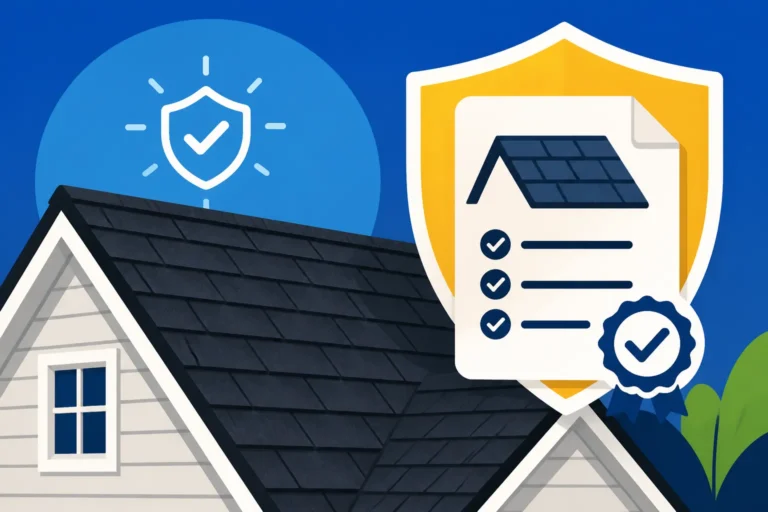
- Who Registers?: Typically, your certified contractor will handle the warranty registration on your behalf. However, it's your responsibility as the homeowner to confirm that it has been done. Ask for proof of registration, such as a confirmation number or a copy of the registered warranty certificate. Don't just assume it's taken care of.
A homeowner recently shared a story about having a beautiful new roof installed in sunny Phoenix, Arizona, but they never received their warranty certificate. After months of chasing their contractor, they discovered the contractor had forgotten to register it within the 60-day window. While the roofing company eventually rectified it through a special appeal, it was a huge headache and a close call. Always follow up!
Avoiding Common Pitfalls that Void Warranties
It’s easy to focus on getting the roof installed, but equally important is understanding what can accidentally void that precious warranty you've worked so hard to secure. Many homeowners unknowingly make mistakes or allow contractors to take shortcuts that can come back to bite them.
Improper Installation and Components
This is hands down the biggest culprit for voided warranties, and it's why choosing the right contractor is so essential.
- Incorrect Nailing: Shingles need to be nailed in specific locations to perform correctly and withstand wind. Nailing too high, too low, or at an angle can cause them to loosen, tear, or fail to seal properly. Even a small error over hundreds of shingles adds up.
- Missing or Incorrect Underlayment: Skipping the underlayment, or using an inadequate type, can compromise the roof's waterproofing and overall integrity. Remember, the underlayment is a critical part of the system What Is Underlayment and Why It Matters.
- Poor Ventilation: An attic that isn't properly ventilated traps heat and moisture, which can literally cook your shingles from below, leading to premature aging, blistering, and curling. This is a common cause of shingle failure that isn't a manufacturing defect. Adequate roof ventilation upgrades are often overlooked but vital.
- Incompatible Materials: As mentioned earlier, if your enhanced system warranty requires specific components (e.g., GAF's specific starter strips), and your contractor uses generic ones instead, your full system warranty could be compromised. This is a subtle but significant detail that separates good contractors from great ones.
- Roofing Over Existing Shingles: While sometimes permitted by code, Cost to Roof Over Existing Shingles can often void enhanced manufacturer warranties. Most manufacturers prefer a complete tear-off to ensure a clean, smooth decking surface and proper adherence of new materials. Always confirm if this impacts your specific warranty before proceeding.
Always refer to your contract and the manufacturer's specific guidelines. If you see your crew rushing or skipping steps, don't be afraid to ask questions. A good contractor will be happy to explain their process.
Alterations and Damage Post-Installation
Your responsibility for maintaining your warranty doesn't end when the roofers leave. Certain actions taken after installation can also jeopardize your coverage.
- Unapproved Satellite Dish or Solar Panel Installation: If you decide to add a satellite dish, solar panels, or other penetrations to your roof, make sure the installation is done by a qualified professional who understands how to properly flash and seal around new penetrations without damaging the shingles or components. An improperly installed solar panel array, for example, could create new leak points that are not covered by your roofing warranty. Roof Replacement Cost with Solar Panels often accounts for careful reinstallation.
- Walking on the Roof Unnecessarily: While modern shingles are durable, excessive or careless foot traffic, especially in hot weather when granules are more pliable, can cause damage, scuffing, and granule loss that might not be covered.
- Improper Cleaning or Maintenance: Using harsh chemicals or high-pressure washers to clean moss or algae can strip granules and damage shingles. Always follow manufacturer-recommended cleaning methods, which often involve gentle solutions.
- DIY Repairs Gone Wrong: While a small, easy repair might seem like a money-saver, performing DIY repairs that are not up to professional standards can inadvertently void sections of your warranty. If you're unsure, it's always best to call a professional for any DIY Shingle Repair: When It's Safe decisions.
Neglecting Maintenance and Inspections
Even the best roof systems need a little love and attention to reach their full lifespan. Neglecting basic maintenance can indirectly lead to warranty issues.
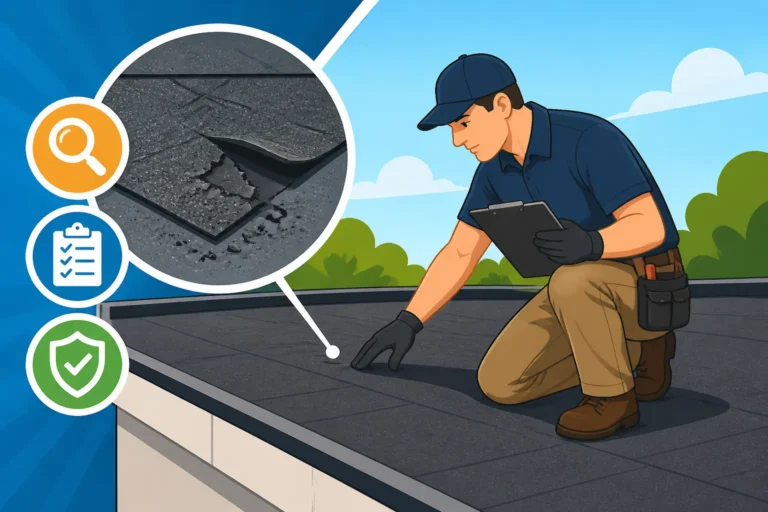
- Lack of Regular Inspections: Over time, tree branches, debris, or severe weather can cause minor damage that, if left unaddressed, can lead to bigger problems. Regular Roof Inspection: What They Check can catch these issues early.
- Clogged Gutters: Gutters that are consistently clogged can lead to water backing up onto the roof, rotting fascia, and even contributing to ice dam formation in colder climates. This kind of water damage, caused by neglect, is typically not covered by a manufacturer's warranty.
- Overhanging Branches: Trees with branches that constantly scrape against your roof will wear away shingle granules over time. Keep trees trimmed back to prevent this kind of wear and tear.
By being diligent and informed, you can avoid these common pitfalls and ensure your new asphalt roof system remains fully warranted for decades to come, providing the peace of mind you paid for.
The Value of Enhanced Warranties for Your Investment
When you’re making a significant investment like a new roof, especially one that could potentially run into the tens of thousands of dollars, the discussion often boils down to cost. But the price tag for an enhanced warranty system isn't just an expense; it's a strategic investment in the long-term protection and value of your home. It's about protecting yourself from unexpected costs and securing your peace of mind.
Protecting Your Home's Value and Your Wallet
Think about it: your roof is your home's primary defense against everything Mother Nature throws at it. A robust, long-term warranty backed by a reputable manufacturer is like a comprehensive insurance policy for that defense system.
- Reduced Financial Risk: Without an enhanced warranty, if a problem arises after the initial non-prorated period, you might be looking at significant out-of-pocket expenses. This could mean paying for new materials, labor, and disposal costs all over again. With a 50-year non-prorated system warranty, even if a component fails 20 or 30 years down the line, a significant portion (or all) of the replacement costs could be covered. This drastically reduces your financial exposure. This is particularly valuable when you consider how quickly Roofing Cost Increases: Why Prices Went Up over time.
- Increased Resale Value: Homebuyers often look for homes with newer roofs and transferable warranties. A transferable, long-term warranty on a complete roof system is a powerful selling point. It tells potential buyers they won't have to worry about a major roof expense for many years, adding tangible value to your property. You might be surprised at the Roof Replacement ROI Explained.
- Avoiding "Hidden Costs": A basic warranty only covers the shingle itself. What about the cost of tear-off, disposal, and labor to reinstall? Or the potential cost of replacing damaged decking or insulation if a leak occurs? Enhanced system warranties often cover these "hidden costs in a roof replacement" if the failure is due to a covered material defect or, in some cases, even faulty workmanship from a certified installer.
For homeowners in hail-prone areas like Colorado, where a Class 4 impact-resistant shingle might be necessary, pairing it with a comprehensive system warranty from a manufacturer like Malarkey (known for their durable shingles) provides an extra layer of confidence. You're not just getting a tough shingle; you're getting a commitment that the entire roof will stand up to the elements.
Peace of Mind for Decades
Let's be honest, replacing a roof is stressful. It's a major undertaking, a significant financial outlay, and often comes with the disruption of having a crew on your property for days. Once it's done, you want to simply forget about it for as long as possible. An enhanced system warranty gives you that ability.
- Confidence in Quality: When a manufacturer is willing to put their name on a 50-year warranty, it's because they have immense confidence in the quality and durability of their entire system when installed correctly. This confidence translates directly to your own peace of mind.
- Simplified Problem Resolution: Should an issue arise, dealing with one manufacturer for the entire system (rather than trying to figure out if it's a shingle defect, an underlayment issue, or an installer error) can simplify the claims process. You have a clear path to resolution.
- Long-Term Security: Knowing that your primary defense against weather is protected for decades, often exceeding the time you'll even live in the house, is invaluable. It frees you from the constant worry about future roof expenses and lets you focus on enjoying your home.
Ultimately, while the upfront cost of a complete roof system with an enhanced warranty might be slightly higher than a bare-bones installation, the long-term benefits far outweigh the initial difference. It’s about making a smart, informed decision that protects your biggest asset and ensures your home remains safe and sound for years to come.
Disclaimer
This article provides general information about asphalt roof systems and warranties and is not a substitute for professional advice. Roofing codes, warranty requirements, and local regulations can vary significantly. Always consult with a qualified, licensed, and insured roofing contractor and refer to the specific warranty documents provided by your chosen manufacturer for precise terms and conditions.