Roofing Cost Increases: Why Prices Went Up
If you've recently started looking into a roof replacement, you've probably experienced a bit of sticker shock. It feels like just yesterday you could get a decent estimate, but now the numbers seem to have soared. This guide is here to unravel the complex web of factors that have contributed to these significant roofing cost increases, helping you understand why prices went up and what you can do about it.
The Shifting Sands of Material Costs
The most obvious culprit behind rising roofing costs often comes down to the materials themselves. Your roof isn't just shingles; it's a system, and the cost of every single component has been on an unpredictable journey.
Asphalt and Petroleum Price Volatility
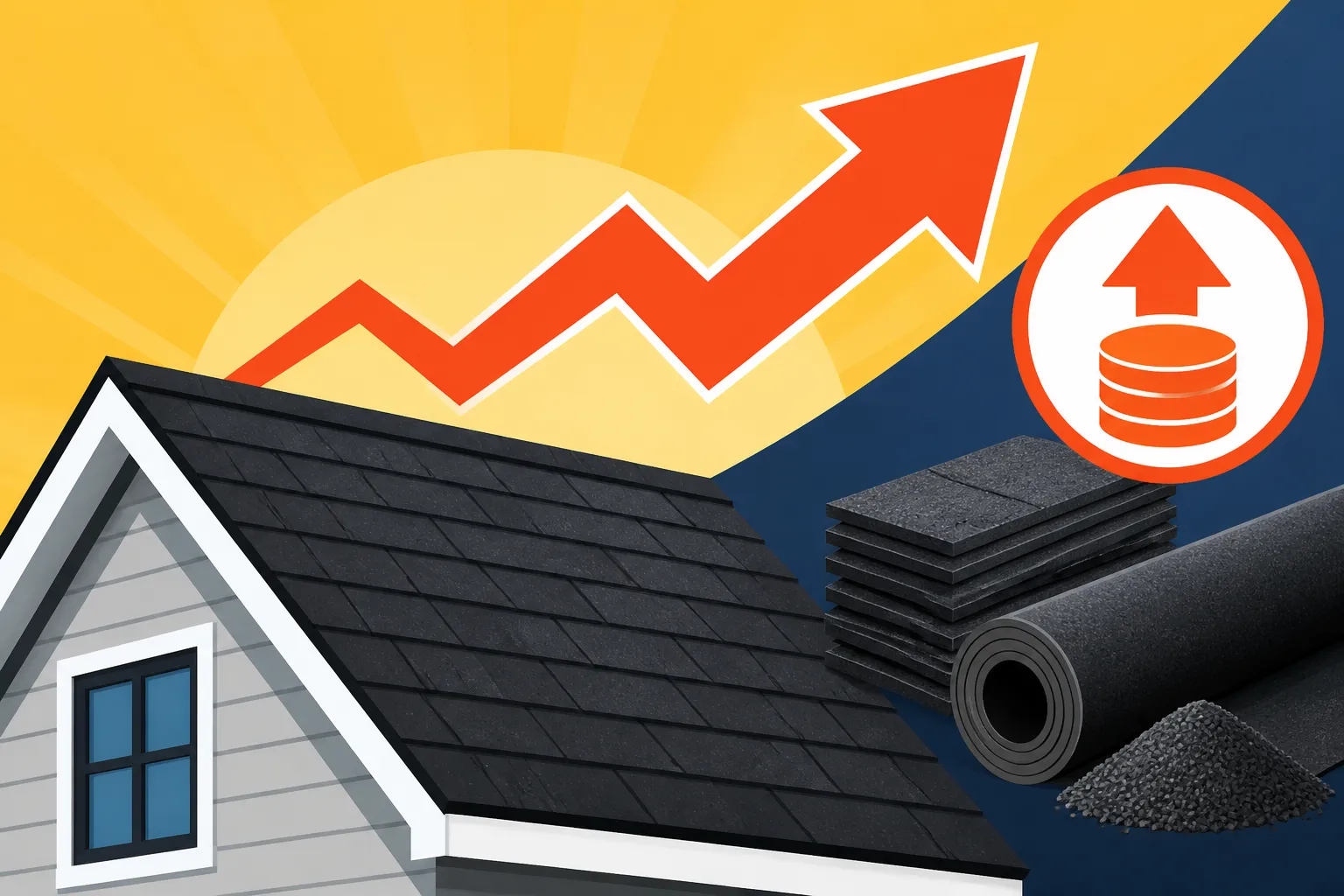
Let's start with the star of the show: asphalt. The asphalt in your shingles is primarily a byproduct of crude oil refining. This means that the price of asphalt shingles is intrinsically linked to the global petroleum market. When oil prices spike – due to geopolitical tensions, supply disruptions, or increased demand – the cost of manufacturing those familiar dark, gritty shingles goes right up with it.
Think back to the last few years. We've seen significant fluctuations in global oil prices. A major conflict in a key oil-producing region, an unexpected shutdown of a large refinery, or even a hurricane hitting the Gulf Coast, where much of our refining capacity is located, can send ripple effects through the entire supply chain. These events don't just affect your gas pump; they directly impact how much it costs to produce the very material protecting your home. It’s a complex dance between global energy markets and the humble asphalt shingle. When you're trying to figure out "How Much Does an Asphalt Shingle Roof Cost", these larger global economic forces are quietly at play in the background.
Lumber and Plywood's Rollercoaster Ride
Beyond the shingles, the structural foundation of your roof – the decking – is usually made from plywood or oriented strand board (OSB). If you remember the crazy lumber prices during the height of the pandemic, you'll know exactly what we're talking about. Demand for housing and home renovations skyrocketed, while sawmill operations faced labor shortages and logistical challenges. This perfect storm sent lumber and panel product prices through the roof, pun intended.
Even though prices have somewhat stabilized since those extreme peaks, they haven't exactly returned to pre-2020 levels. New housing starts continue at a strong pace in many areas, creating persistent demand for these critical building materials. This means that if your roof inspection reveals the need for any "Roof Decking Replacement Cost", you're likely paying significantly more for those plywood or OSB sheets than you would have a few years ago. It’s not just about what's on your roof, but what's underneath it too.
Other Essential Components Seeing Increases
It's not just the big-ticket items like shingles and decking. The smaller, but equally crucial, components of a roofing system have also seen their prices climb. This includes things like the synthetic or felt underlayment that goes under your shingles, the metal flashing around chimneys and vents, drip edge along the roofline, and even the nails and sealants used in the installation process.
Many of these items rely on raw materials like steel, aluminum, and various chemicals, all of which have experienced their own inflationary pressures and supply chain issues. For instance, the cost of steel for flashing has been influenced by global demand and tariffs. The chemicals used in sealants and adhesives are tied to the broader chemical industry, which has also faced production challenges. These might seem like minor details, but when you add them all up across an entire roof, they contribute significantly to the overall "Roofing Cost Increases: Why Prices Went Up". Every single piece of the puzzle is more expensive now.
Labor Shortages and Rising Wages
Even with all the material cost discussions, let's not forget the hands-on work that brings it all together. The people who actually install your roof are a crucial part of the equation, and their costs have gone up significantly too.
The Scarcity of Skilled Roofing Professionals
Finding skilled, reliable roofing contractors and crews has become a real challenge in many regions. The construction industry, including roofing, has faced a long-term trend of an aging workforce with fewer young people entering the trades. Roofing is demanding work – physically intensive, often performed in challenging weather, and requiring a high degree of skill and attention to detail.
This scarcity means that the best crews are in high demand, and they can command higher wages. Reputable companies that invest in training and retaining their skilled workers also need to reflect those investments in their pricing. If you live in a booming area like Austin, Texas, or Phoenix, Arizona, where new construction and renovations are constant, this labor crunch is even more pronounced, driving up the cost of installation.
Increased Labor Costs and Their Impact
The direct result of this labor shortage is higher labor costs for homeowners. Roofing companies have to pay their crews more competitive wages, offer better benefits, and invest in ongoing training to attract and keep top talent. These increased operational costs are then, understandably, passed on to the customer in the form of higher bids.
Beyond just hourly wages, there are other labor-related costs: worker's compensation insurance (which can be substantial for a high-risk trade like roofing), payroll taxes, and benefits packages. A company's investment in proper licensing, insurance, and manufacturer certifications (like GAF Master Elite or Owens Corning Platinum Preferred) also adds to their overhead, all of which contribute to the final price. When you look at your roofing estimate, you'll see that "Roofing Material Cost vs Labor Cost" often shows labor as a significant, if not dominant, portion of the total project. You might be surprised at "How Much Roofers Charge Per Hour" now compared to just a few years ago, but it reflects a competitive market for skilled trades.
Supply Chain Snarls and Logistics Hurdles
Even if materials are manufactured and labor is available, getting everything to your home at the right time and at a reasonable cost has become a major headache. The global supply chain has faced unprecedented disruptions.
Manufacturing Delays and Production Bottlenecks
From the moment raw materials like asphalt, fiberglass, and mineral granules are sourced, to the point where they become finished shingles, there are numerous manufacturing steps. Each step is susceptible to delays. Factories have faced intermittent shutdowns due to public health measures, struggled with staffing, and contended with a shortage of specific components or chemicals needed for production.
This has led to production bottlenecks. A shingle manufacturer might have sufficient asphalt, but a shortage of the correct granule color, or a specialized additive, can slow down or halt production of certain product lines. This means longer lead times for materials, and sometimes, contractors have to pay a premium to secure what's available, especially for popular brands like CertainTeed or Malarkey. Such delays can push back project start dates and even lead to additional costs if a crew is idled waiting for materials.
Transportation Woes and Fuel Price Spikes
Once materials are manufactured, they still need to get from the factory to the distributor, and then from the distributor to your job site. This entire logistics chain has been severely strained. Fuel prices, as we discussed, have been volatile, directly impacting the cost of freight. A truck carrying a load of shingles across state lines consumes a lot of diesel, and those costs are inevitably built into the material price.
Beyond fuel, there's been a persistent shortage of truck drivers and shipping containers. This means it costs more to move goods, and sometimes it takes longer. For example, a roofer in Georgia might order GAF Timberline HDZ shingles, only to find that the freight costs from the manufacturing plant in Pennsylvania have substantially increased, or that there's a two-week delay due to limited shipping capacity. These "Transportation Woes" add layers of expense and complexity to every roofing project.
Economic Influences and Increased Demand
It's not just specific components; the broader economic climate and external events have created a perfect storm for rising roofing costs.
Inflationary Pressures Across the Board
We've all felt the pinch of inflation in our daily lives, and the roofing industry is no exception. When the cost of everything from fuel for work trucks to office supplies, utilities, and insurance premiums goes up, roofing companies have no choice but to adjust their pricing. General inflation erodes the purchasing power of money, meaning it simply costs more to operate a business today than it did a few years ago.
This isn't just about the direct cost of materials and labor. It also impacts the cost of doing business – things like marketing, administrative staff wages, software subscriptions, vehicle maintenance, and even the interest rates on business loans. All these "Hidden Costs in a Roof Replacement" add up and contribute to the overall increase you see in your roofing estimate.
Post-Pandemic Home Improvement Boom
During the pandemic, many homeowners spent more time at home and redirected their discretionary spending from travel and entertainment to home improvement projects. This led to an unprecedented surge in demand for renovations, including roofing. Suddenly, everyone wanted to update their homes, create better workspaces, or simply address long-postponed repairs.
This spike in demand, coupled with the aforementioned supply chain issues and labor shortages, created an imbalance: more people wanted new roofs than the industry could easily supply. Basic economics dictates that when demand outstrips supply, prices go up. Even now, as things normalize, that baseline of demand for home improvement remains strong, keeping prices elevated. This has a direct impact on the "Average Roof Replacement Cost This Year", as contractors' schedules remain full and competitive pressure keeps bids firm.
Natural Disasters and Insurance Claims
Perhaps one of the most immediate and localized drivers of roofing cost increases is the sheer number and intensity of natural disasters. From devastating hurricanes in Florida and Louisiana to widespread hail storms across Texas, Colorado, and the Midwest, these events cause massive damage to roofs over vast geographic areas.
When a major storm hits, hundreds, if not thousands, of homes in a single region suddenly need new roofs. This creates an enormous, immediate surge in demand for materials and labor. Manufacturers divert resources to meet this demand, often at higher prices due to urgency and limited supply. Local roofing companies become overwhelmed, and "storm chasers" from out of state often move in, sometimes charging inflated prices. This phenomenon can drastically affect "Asphalt Roof Replacement Cost in Texas" or "Asphalt Roof Replacement Cost in Florida" following a severe weather event, sometimes for months or even years afterward. Insurance claims also surge, driving up insurance premiums for everyone and potentially affecting how much "Does Insurance Cover Roof Replacement" truly covers.
Navigating the Higher Costs: Tips for Homeowners
While the current economic climate presents challenges, you're not powerless. There are proactive steps you can take to manage these higher roofing costs.
Getting Multiple Bids and Comparing Estimates
This is perhaps the single most important piece of advice when facing a significant home improvement project like a roof replacement. Don't just get one estimate; aim for at least three, ideally more. Each contractor will have slightly different overheads, relationships with suppliers, and crew availability, which can all affect their pricing. By comparing multiple bids, you gain a clearer understanding of the market rate in your area and can spot any outliers – bids that are either suspiciously low or excessively high.
When you're gathering these estimates, make sure they are comprehensive and "How to Read and Compare Roofing Estimates" effectively. Ensure they detail every component, from tear-off and disposal to underlayment, flashing, shingles, and ventilation. Don't be afraid to ask questions about material brands (e.g., GAF, Owens Corning, CertainTeed), warranties, and the proposed timeline. Services like Modernize can help connect you with several reputable local roofing contractors, making the process of getting multiple bids much smoother.
Understanding What Drives Asphalt Roofing Costs Up or Down
Educating yourself about the various factors that influence the price of a new roof can empower you during negotiations and decision-making. Beyond the general economic factors we've discussed, specific elements of your home and chosen materials play a big role. For instance, a complex roof with multiple valleys, dormers, or a steep pitch will naturally cost more in labor than a simple, low-slope ranch home. The type of shingle you choose – say, moving from a standard architectural shingle to a designer or impact-resistant Class 4 shingle – will also impact costs.
Knowing these variables helps you understand the "What Drives Asphalt Roofing Costs Up or Down" and where there might be room for adjustment based on your budget and priorities. Are you considering a "Cool-Roof Shingle Cost" to potentially save on energy bills, or is a more budget-friendly option a better fit for now?
Considering Financing Options
For many homeowners, the sudden increase in roofing costs can be a significant financial burden. If paying for a new roof out-of-pocket isn't feasible, exploring financing options can make the project manageable. Many roofing companies partner with lenders to offer various financing plans, sometimes including options with low or even 0% APR for a promotional period.
You might also consider a home equity loan or a home equity line of credit (HELOC) from your bank or credit union. These options often have lower interest rates because they're secured by your home's equity. Understanding your "Roof Financing Options Explained" can help you choose the best path forward without depleting your savings or delaying a critical home improvement. It's also wise to get a clear picture of "How to Budget for a New Roof" well in advance to avoid surprises.
Key Factors Driving Roofing Cost Increases
To give you a quick overview, here's a summary of the main reasons you're seeing those higher numbers on your roofing estimates:
| Factor | Primary Impact | Specifics / Examples |
|---|---|---|
| Material Costs | Increased cost of raw components | Volatile petroleum prices (for asphalt), high demand for lumber/plywood, rising metal prices. |
| Labor Shortages | Fewer skilled workers, higher wages | Aging workforce, fewer new tradespeople, increased demand for experienced crews. |
| Supply Chain Disruptions | Delays and increased shipping expenses | Manufacturing bottlenecks, truck driver shortages, higher fuel costs for transportation. |
| General Inflation | Broader economic forces | Increased cost of operating a business (fuel, insurance, utilities, administrative staff). |
| High Demand | Homeowners investing in property | Post-pandemic renovation boom, strong housing market, increased need for repairs. |
| Natural Disasters | Localized surge in material and labor demand | Widespread storm damage (hail, wind, hurricanes) in specific regions drives prices up significantly. |
Disclaimer
Please remember that this article provides general information and perspectives on roofing cost increases. Roofing prices are highly variable and depend on your specific location, the type of materials chosen, the complexity of your roof, and the individual contractor. Always obtain multiple detailed estimates from licensed and insured professionals before making any decisions about your roof replacement.