Licensed and Insured Roofers: Why It Matters
When you’re facing a roof replacement or a major repair, the thought of hiring a contractor can be incredibly daunting. It's not just about finding someone who can do the job; it's about finding someone you can truly trust, especially when it comes to something as vital as the roof over your head. The stakes are high, and the stories of homeowners getting burned by fly-by-night operations are enough to make anyone nervous. This comprehensive guide is here to cut through the confusion and explain exactly why hiring a licensed and insured roofing contractor isn't just a good idea, but an absolute necessity for your peace of mind and your home's protection.
The Non-Negotiable Basics: What "Licensed" Really Means
When a roofer tells you they're licensed, it's not just an empty boast; it's a critical assurance that they've met specific standards set by local and state authorities. This isn't a formality; it's a fundamental requirement designed to protect you, the homeowner, from shoddy work, financial ruin, and outright scams. Think of a license as a foundational stamp of approval that a contractor has done their homework and proven their worth.
Understanding State and Local Licensing Requirements
The world of contractor licensing can feel like a labyrinth, varying wildly from one state to another, and even from county to county or city to city. For instance, in Florida, often hit by hurricanes, roofing contractors are required to hold a state-wide certification from the Florida Construction Industry Licensing Board. This isn't just for show; it means they've passed exams demonstrating knowledge of building codes, business practices, and safety regulations specific to the demanding climate. On the other hand, a state like Texas doesn't have a statewide roofing contractor license, leaving it up to individual municipalities, like Dallas or Houston, to implement their own local licensing or registration requirements. This patchwork system means it’s crucial to understand the specific rules in your area before you even start looking for a contractor. You can usually find this information on your city or county's building department website.
Without understanding these nuances, you might inadvertently hire someone who isn't legally allowed to perform the work in your specific location. This could lead to a host of problems, from stalled projects due to unapproved work to issues with your homeowner's insurance down the line if they discover the work wasn't performed by a properly credentialed professional. It’s always worth taking the time to research the specific local requirements, or better yet, asking potential contractors to clearly state and prove their adherence to them.
What a License Verifies About a Contractor
A legitimate contractor's license acts as a strong indicator of their professionalism and competence. It usually signifies several key things:
- Knowledge of Building Codes: Licensed roofers have demonstrated an understanding of current building codes and construction practices. This means they know how to install your roof not just correctly, but safely and in compliance with regulations that ensure its longevity and resilience. You can often tell a lot about a contractor's legitimacy by their willingness to discuss aspects like roofing building codes, which an unlicensed individual might gloss over or ignore completely.
- Proof of Competence: In many areas, obtaining a license requires passing comprehensive exams that test a contractor's technical expertise in roofing. This isn't something you learn overnight; it's years of experience and dedication.
- Commitment to the Business: Licensing often involves fees, background checks, and sometimes even bonding requirements. A contractor who has gone through this process is invested in their business and reputation, making them far less likely to disappear halfway through your project. They're establishing a professional presence, not just trying to make a quick buck.
- Accountability: If a licensed contractor performs sub-par work or breaches their contract, there's usually a state or local licensing board you can file a complaint with. This provides a formal avenue for recourse that simply doesn't exist with an unlicensed individual.
The Risks of Hiring an Unlicensed Roofer
The temptation to save a few bucks by going with an unlicensed contractor can be strong, especially when you're looking at the total Asphalt Roof Replacement Cost: Complete Breakdown. However, this "saving" almost always comes with significant risks that can end up costing you far more in the long run.
Imagine a scenario where you hire an unlicensed roofer for what seems like a great deal. A few months later, after a heavy rain, you find a significant leak in your attic. You try to call the contractor, but their phone number is disconnected, and their "business" address turns out to be a P.O. box. This isn't just a hypothetical; it's a common story. With no license, there's no governing body to report them to, no record of their existence, and virtually no recourse for you. You're left with a damaged roof, potentially water damage inside your home, and the need to pay another contractor to fix the initial problem, plus the new damage. This effectively means you're paying twice, sometimes triple, for the same job.
Furthermore, an unlicensed contractor might not be up-to-date on local building codes, leading to installations that don't meet safety standards. This can void your homeowner's insurance policy, or at the very least, make future claims extremely difficult. Should you decide to sell your home, an inspector will likely flag the unpermitted or non-code-compliant work, potentially derailing your sale or forcing you to incur additional costs to bring the roof up to standard. The short-term savings are rarely worth these substantial long-term headaches and financial liabilities.
Beyond the Basics: Why Insurance Is Your Safety Net
A license proves a contractor's right to operate, but insurance proves their responsibility. It's the critical layer of protection that shields both you and the roofing crew from unexpected accidents, property damage, and potentially ruinous lawsuits. Skipping insurance is like driving without a seatbelt – it might be fine, until it absolutely isn't.
General Liability Insurance: Protecting Your Property and Your Wallet
General liability insurance is probably the most crucial type of coverage a roofing contractor should carry for your protection. This insurance covers damages to your property that occur during the roofing project. Imagine a scenario: a contractor's crew is working on your roof, and accidentally drops a bundle of shingles, smashing your prize-winning rose bushes and putting a hole in your newly renovated deck. Or perhaps, during the tear-off, a piece of old decking falls and breaks a window. Without general liability insurance, you would be solely responsible for covering these repair costs out of your own pocket.
A reputable contractor with general liability insurance ensures that if their team causes any damage to your home, landscaping, or even a neighbor's property while working, the insurance company steps in to cover the costs. This isn't about avoiding minor inconveniences; it's about safeguarding your significant investment in your home. You've invested in your property, and you deserve to have it protected from unforeseen accidents during a construction project. Always ask for proof of general liability insurance and confirm its validity, paying close attention to the coverage limits to ensure they are adequate for the scope of your project.
Workers' Compensation: Protecting the Crew and Avoiding Lawsuits
While general liability insurance protects your property, workers' compensation insurance is designed to protect the roofing crew themselves – and, by extension, you, the homeowner. Roofing is dangerous work, and accidents, unfortunately, do happen. A worker could fall from the roof, sustain a serious injury, or even become permanently disabled.
If a contractor doesn't carry workers' compensation, and one of their employees gets hurt on your property, you could be held liable. Yes, you read that right. In many states, if you hire an uninsured contractor, their injured employee could sue you directly to cover medical bills, lost wages, and pain and suffering. This isn't just a minor legal hassle; it could lead to tens or even hundreds of thousands of dollars in legal fees and settlement costs, potentially bankrupting you. It's a risk no homeowner should ever take.
Workers' compensation ensures that if an employee is injured on the job, their medical expenses and a portion of their lost wages are covered by the contractor's insurance policy. This shields you from becoming entangled in a legal battle and offers crucial protection for the workers who are putting themselves at risk to improve your home. Always verify that the contractor has valid workers' compensation coverage for all their employees who will be on your property. This also speaks to a contractor's ethical responsibility to their team.
The Dangers of Uninsured Work
Hiring an uninsured roofer, whether they're unlicensed or simply operating without proper coverage, is essentially playing a high-stakes game of chance with your most valuable asset. The dangers extend beyond just a potential lawsuit or property damage.
- Financial Ruin: As mentioned, you could be liable for injuries or damages. Imagine a worst-case scenario: a worker falls and is permanently disabled, or your entire attic collapses due to negligent work. Without insurance, these catastrophes fall squarely on your shoulders.
- No Recourse: If damage occurs or the work is faulty, and there's no insurance, you have no financial leverage. The contractor might simply disappear, leaving you with the mess and no way to recoup your losses.
- Voided Homeowner's Insurance: Many homeowner's insurance policies have clauses that specifically exclude coverage for damages caused by unlicensed or uninsured contractors. If your new roof starts leaking a year later because of poor installation, and your insurance company discovers an uninsured crew did the work, they could deny your claim.
- Substandard Workmanship: Uninsured contractors often cut corners in other areas, too. They might use cheaper materials, ignore building codes, or rush the job, all of which compromise the quality and lifespan of your new roof. While a licensed and insured roofer might seem to have higher upfront costs, remember that a properly installed roof can easily last for decades. This includes ensuring proper Underlayment Explained: Synthetic vs Felt, adequate roof ventilation, and correct installation of components like Drip Edge: What It Does.
| Aspect | Licensed Contractor | Unlicensed Contractor |
|---|---|---|
| Legal Standing | Operates legally, follows local/state regulations | Operates illegally, can face fines/penalties |
| Knowledge Verified | Demonstrated knowledge of building codes & best practices | No verified knowledge, potential for code violations |
| Accountability | Licensing board for complaints, formal recourse | Little to no formal recourse if issues arise |
| Quality of Work | Generally higher standards, professional approach | Often substandard, rushed, or unsafe work |
| Property Damage | Covered by General Liability insurance | Your responsibility, out-of-pocket expenses |
| Worker Injuries | Covered by Workers' Compensation insurance | Your responsibility, potential for lawsuits |
| Warranty Validity | Manufacturer & workmanship warranties generally valid | Warranties often voided due to improper installation |
| Home Value | Enhances, ensures code compliance for resale | Can devalue, create issues during home inspection |
Verifying Credentials: How to Check a Roofer's License and Insurance
So, you understand why it matters, but how do you actually go about verifying these crucial credentials? It's not enough to just take a contractor at their word. You need to see proof, and then verify that proof independently. This step is non-negotiable and empowers you to make an informed decision.
State Licensing Boards and Online Databases
The first place to start your verification process is with the official state or local licensing board. Most states, and many larger counties or cities, maintain online databases where you can look up a contractor's license number. For example, if you're in California, you'd check the Contractors State License Board (CSLB) website. If you're in a city like Denver, Colorado, you'd check the Denver Department of Community Planning and Development. The process is usually straightforward:
- Ask for the License Number: Always request the contractor's exact license number. It should be clearly visible on their business cards, estimates, and website.
- Visit the Official Website: Go directly to the state or local licensing board's website. Avoid third-party sites that claim to verify licenses, as their information might be outdated or inaccurate.
- Enter the Information: Use the contractor's license number or sometimes their business name to search the database.
- Review the Results: Confirm that the license is active, for the correct type of work (e.g., roofing or general contractor), and that there are no disciplinary actions or serious complaints against the company.
This step is critical. A contractor might have a license, but it could be expired, suspended, or for a different trade. You need to ensure it's current and relevant to the job you're hiring them for. If a contractor hesitates to provide their license number or tells you to "not worry about it," consider that a massive Roofing Contractor Red Flags to Avoid.
Requesting and Verifying Insurance Certificates
Verifying insurance is just as important as checking a license. A reputable contractor won't just tell you they're insured; they'll happily provide you with an Accord Certificate of Insurance (COI). This is a standardized document issued by their insurance carrier, detailing their coverage.
Here's how to handle insurance verification:
- Request a Current COI: Ask the contractor for a current Certificate of Insurance directly from their insurance agent. Make sure it lists your name and address as an "additional insured" or "certificate holder." This ensures you'll be notified if the policy is canceled or altered during your project.
- Review the Details: Check the expiration dates for both General Liability and Workers' Compensation coverage (if applicable in your state). Look at the coverage limits – are they adequate for a substantial project? Most experts recommend at least $1 million in general liability coverage for roofing.
- Contact the Insurance Carrier: This is the most crucial step. Don't just trust the document in front of you. Call the insurance company directly using the phone number listed on the COI (not one provided by the contractor, in case it's fraudulent). Speak with an agent to confirm that the policy is active, the coverage amounts are correct, and that your property is indeed listed as a certificate holder.
This extra step might seem like overkill, but it protects you from fake certificates or policies that have lapsed. A trustworthy contractor will understand and appreciate your diligence in this matter. In fact, knowing How to Verify a Roofer's Insurance is a key part of protecting your investment.
The Importance of Up-to-Date Documentation
It’s not enough for a contractor to have had a license or insurance at some point in the past. These documents need to be current and active throughout the duration of your project. Policies expire, licenses need renewal, and circumstances can change.
Imagine you hire a contractor based on a COI from six months ago. Unbeknownst to you, their general liability policy lapsed last month. If an accident happens during your roof replacement, you're back to square one, facing potential liability. Therefore, always request the most recent documentation, and if your project is lengthy, it's wise to re-verify these credentials periodically, especially if you notice any unusual delays or behaviors from the contractor. A professional will maintain their credentials diligently, understanding that it's part of their responsibility to their clients and their trade.
The Hidden Costs of Cutting Corners: Real-World Scenarios
It's tempting to think that an informal agreement or a cash deal with an unlicensed, uninsured individual could save you money. The reality, however, is often a costly nightmare that far outweighs any perceived upfront savings. Let's delve into some real-world scenarios that illustrate the perils of cutting corners.
When Unlicensed Work Goes Wrong: A Hypothetical Nightmare
Imagine this: You found a contractor, "Roofing Rick," who offered to replace your asphalt shingle roof for significantly less than other bids – a price almost too good to be true. He promised a quick job, no permit needed, and a handshake deal. You were thrilled with the savings, overlooking the fact that he couldn't produce an active license number for your city in Ohio.
Fast forward six months. A major storm rolls through, and suddenly, you have water pouring into your living room through a ceiling crack. You call Rick, but his phone is disconnected. You find another reputable roofer, "Professional Pete," to assess the damage. Pete quickly discovers that Rick didn't install the Ice and Water Shield Explained properly, the shingles weren't nailed according to manufacturer specifications (which would also impact the Roofing Wind Warranty Requirements), and the flashing around your chimney was completely botched. Not only is your roof failing, but the underlying roof decking is now severely water-damaged and rotting, requiring extensive repairs.
Now, instead of paying for one roof replacement, you're paying for:
- The initial, failed "replacement" by Rick.
- Emergency leak repairs.
- Full tear-off of the new, faulty roof.
- Replacement of damaged roof decking (a significant Roof Decking Replacement Cost you didn't budget for).
- A proper roof replacement by Professional Pete.
- Interior repairs for your ceiling, walls, and potentially furniture damaged by the leak.
What started as a "cheap" roof quickly escalated into a financial disaster, totaling far more than if you had simply hired Professional Pete from the start. This illustrates why choosing a roofer who understands How Much Roofers Charge Per Hour for quality, compliant work is a better long-term investment.
The Financial Fallout of an Uninsured Accident
Let's consider another terrifying scenario. You've hired "Joe's Discount Roofing," a small outfit that claims to be "fully experienced" but can't quite produce valid insurance certificates. You decide to proceed because their bid was $2,000 less than anyone else. On installation day, one of Joe's workers, let's call him Mark, slips on a patch of loose granules and falls off your two-story roof, landing awkwardly on your concrete driveway.
Mark is severely injured, breaking his leg and sustaining a concussion. He's rushed to the emergency room. Since Joe's Discount Roofing doesn't have workers' compensation insurance, Mark's extensive medical bills, physical therapy, and lost wages aren't covered by his employer. Mark's lawyer then comes knocking on your door, arguing that you, as the property owner, bear responsibility for providing a safe work environment or for hiring an uninsured contractor.
Suddenly, you're facing a lawsuit for medical expenses, pain and suffering, and lost income that could easily reach hundreds of thousands of dollars. Your homeowner's insurance might deny coverage because you hired an uninsured contractor, or because the claim involves a business activity on your property. Even if your insurance does cover some portion, your premiums will skyrocket. The $2,000 you saved on the roof is now dwarfed by potential legal fees and personal liability that could bankrupt your family. This isn't just a hypothetical problem; it's a very real one that homeowners have faced, leading to immense stress and financial devastation. It makes the slight premium for a Class 4 Shingle Roof Cost or Impact-Resistant Shingle Cost to protect your home seem minor in comparison to these risks.
Long-Term Consequences for Home Value and Resale
Beyond immediate financial and legal risks, an improperly installed or unpermitted roof can have significant long-term repercussions on your home's value and your ability to sell it. When it comes time to move, a home inspector will thoroughly examine your roof. If they discover work done without a permit, or glaring code violations due to an unlicensed contractor, it will be flagged immediately. Potential buyers will be scared off, or they'll demand significant price reductions to cover the cost of bringing the roof up to code – or even a full replacement.
Furthermore, some areas require homeowners to disclose any major home improvements made without permits. Failure to disclose this could lead to legal action from a new homeowner down the road. An unpermitted roof signals to buyers and appraisers alike that there might be other hidden issues with your home, impacting its perceived quality and market value.
Even if you don't plan to sell soon, a poorly installed roof will simply not last as long as one installed by a professional, licensed team following manufacturer guidelines and local codes. This means you'll be facing another expensive roof replacement much sooner than anticipated, negating any initial savings and increasing your overall cost of homeownership. This is why understanding Roof Age: When to Start Planning Replacement is essential, as is ensuring proper installation from the start.
Peace of Mind and Professionalism: The Benefits of a Vetted Contractor
Hiring a licensed and insured roofer isn't just about avoiding disaster; it's about investing in peace of mind, quality, and a smooth, professional experience. The benefits extend far beyond the installation day, safeguarding your home and your finances for years to come.
Quality Workmanship and Adherence to Building Codes
A licensed roofing contractor has proven their knowledge of proper installation techniques and, crucially, local building codes. This means your new roof will be installed to withstand the elements, meet safety standards, and function as it should for its intended lifespan. They understand the intricacies of How Asphalt Shingles Are Installed: Step by Step, ensuring every component, from the Cost of Peel-and-Stick Underlayment to the ridge caps, is correctly applied. This attention to detail isn't just about aesthetics; it's about structural integrity and weather resistance.
Consider a roof replacement in a high-wind area. A licensed roofer will know and adhere to local high-wind nailing codes, using extra nails per shingle or specific nailing patterns to ensure maximum uplift resistance. An unlicensed contractor, unfamiliar with these codes, might simply nail shingles traditionally, leaving your roof vulnerable to the very first strong gust. This difference in workmanship directly impacts your home's safety and the longevity of your investment. It also means the work is more likely to pass a Roof Inspection: What They Check successfully.
Warranty Protection and Accountability
When you choose a licensed and often manufacturer-certified contractor, you unlock significant warranty benefits that you wouldn't otherwise get.
- Manufacturer Warranties: Most major shingle manufacturers, like GAF, Owens Corning, or CertainTeed, offer enhanced warranties that are only valid when their products are installed by their certified contractors. These extended warranties often cover not only the materials but also the contractor's workmanship. If your contractor isn't certified, or if they install the shingles incorrectly, the manufacturer can deny your warranty claim, leaving you without protection if the shingles fail prematurely. Understanding Manufacturer Warranty Registration and how to keep it valid is key.
- Workmanship Warranties: Reputable, licensed contractors typically offer their own workmanship warranties, guaranteeing their installation for a certain period (e.g., 5-10 years). This means if an issue arises due to their installation error, they are obligated to come back and fix it at no additional cost to you. This is a crucial layer of accountability.
- Accountability and Recourse: If a licensed contractor performs substandard work or fails to honor their warranty, you have avenues for recourse beyond just confronting the contractor. You can file a complaint with the licensing board, the Better Business Bureau, or even pursue legal action with more leverage, knowing they are a legitimate, traceable business. This level of accountability is virtually non-existent with an unlicensed operation. This is why it's important to understand Roofing Warranty: Workmanship vs Manufacturer.
A Smoother Project Experience from Start to Finish
Working with a licensed and insured roofer generally translates to a much smoother, less stressful project experience.
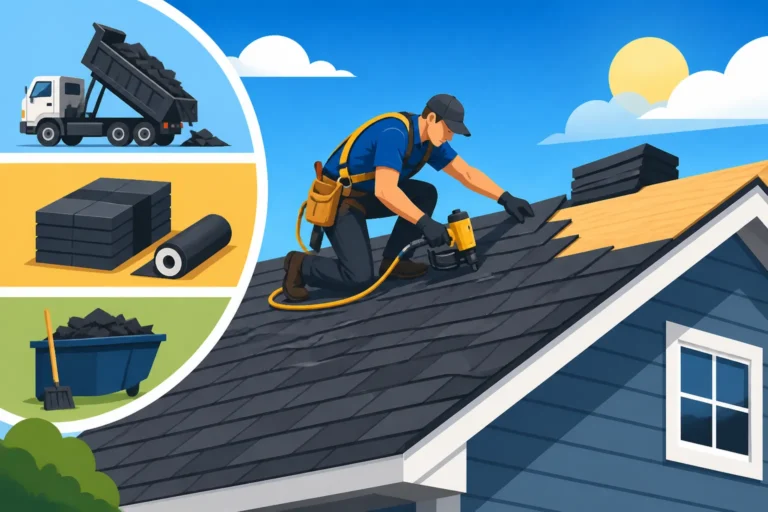
- Professional Project Management: They will handle the entire process, from obtaining necessary Roofing Permits Explained to managing material deliveries, coordinating the crew, and ensuring proper site cleanup. They have established processes for What Happens During a Roof Tear-Off and for making sure How Roofers Protect Your Yard During a Job.
- Clear Communication: Reputable contractors prioritize clear and consistent communication. They'll keep you informed about timelines, potential delays, and any unforeseen issues, helping you understand How a Roof Replacement Works: The Full Process. They will also provide a detailed, written contract outlining all aspects of the job, payment schedules, and warranty information.
- Safety Protocols: Licensed contractors prioritize safety, not only for their crew but also for your family and property. They adhere to OSHA guidelines, ensuring proper scaffolding, fall protection, and site management to minimize risks. This professional approach ensures that What Happens If a Roofer Gets Injured on Your Property is a question that their insurance, not yours, would address.
- Problem Resolution: Even with the best contractors, unexpected issues can arise. A professional will have mechanisms in place to address problems promptly and fairly, rather than leaving you in the lurch. This includes understanding How to Handle a Roofing Contractor Dispute should it ever come to that.
Navigating the Hiring Process: Making an Informed Decision
Knowing the "why" is half the battle; the other half is knowing the "how." Finding the right licensed and insured roofing contractor requires a methodical approach, asking the right questions, and being diligent in your research. It's a significant investment, so take your time and don't rush into a decision.
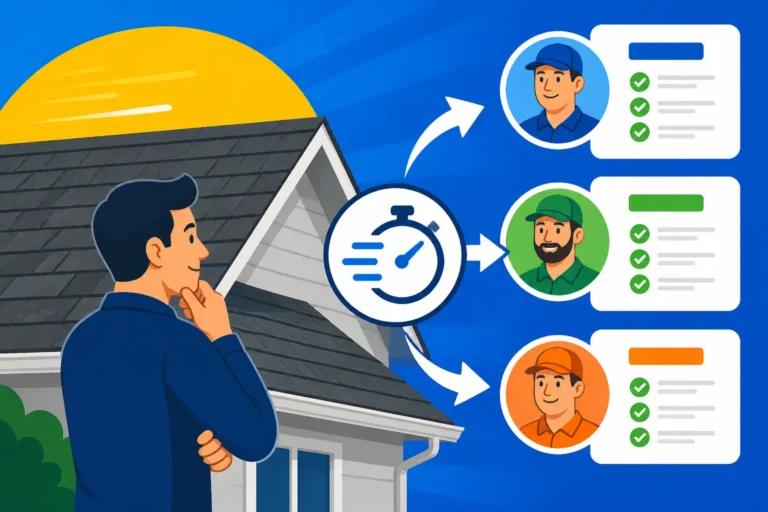
Getting Multiple Bids and Asking the Right Questions
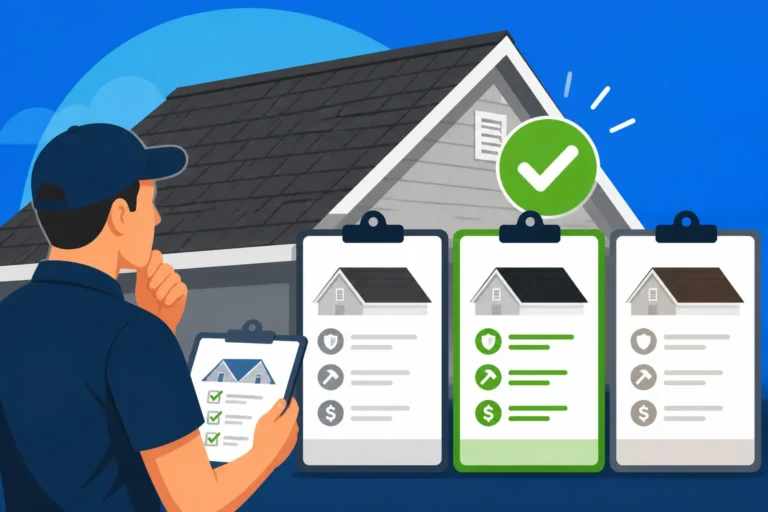
Never settle for just one estimate, no matter how good it seems. Getting at least three detailed bids from different contractors is crucial for several reasons. It allows you to:
- Compare Costs: You'll gain a better understanding of the average How Much Does an Asphalt Shingle Roof Cost in your area and spot any outliers that are either suspiciously low or excessively high.
- Compare Scope of Work: Each estimate should detail what's included. Does it cover the tear-off? Disposal? New flashing? Underlayment? Different contractors might include different components, affecting the total price. Make sure you compare apples to apples. This is part of learning How to Read and Compare Roofing Estimates.
- Assess Communication and Professionalism: Pay attention to how quickly they respond, how thoroughly they answer your questions, and their overall demeanor. This gives you a glimpse into what working with them will be like.
When you're meeting with potential roofers, don't be shy about asking pointed questions:
- "Can you provide your exact state/local license number, and where can I verify it online?"
- "Can you provide a current Certificate of Insurance (COI) that lists my property as a certificate holder, for both general liability and workers' compensation?"
- "Are you manufacturer certified by brands like GAF, Owens Corning, or CertainTeed? Can you show me proof?"
- "What is your project timeline, from start to finish?"
- "What type of warranty do you offer on your workmanship, in addition to the manufacturer's warranty?"
- "What is your payment schedule? How much deposit do you require upfront?" (A small deposit is normal, but avoid contractors asking for full payment upfront).
- "Who will be supervising the crew on-site daily?"
- "How do you protect my landscaping and property during the job?"
Asking these questions demonstrates you're an informed homeowner and helps you gauge the contractor's transparency and professionalism.
Red Flags to Watch Out For in Roofing Estimates
Even with multiple bids, some red flags can indicate a contractor might not be legitimate or trustworthy. Keep an eye out for these:
- Pressure Tactics: Any contractor who pressures you to sign a contract "today only" or claims a limited-time offer is likely trying to rush you before you can do your due diligence.
- Cash-Only Deals: While some legitimate contractors might offer a small discount for cash, an insistence on cash-only payments or a refusal to provide a detailed, written invoice is a huge red flag. It often indicates they're trying to avoid taxes, ignore regulations, or simply won't have a paper trail if something goes wrong.
- No Physical Address or Local Presence: Be wary of contractors who only have a P.O. box, use out-of-state phone numbers, or don't have a recognizable local presence. These could be "storm chasers" who disappear once the work is done (or poorly done). You want a contractor rooted in your community, someone who values their local reputation.
- Discrepancies in Information: If the contractor's business name on their estimate doesn't match their license or insurance documents, or if their license number can't be found or is expired, walk away.
- Poor Reviews or No References: While online reviews aren't the only factor, a consistent pattern of negative reviews, or a complete lack of any online presence, should raise concerns. Always ask for recent references and actually call them to ask about their experience. Checking How to Read Roofing Contractor Reviews is an important skill.
Leveraging Online Resources and Referrals
Once you've done your initial research, don't forget to tap into other valuable resources.
- Online Platforms: Websites like Modernize can connect you with pre-vetted, local roofing professionals who are already screened for licensing and insurance. Using such platforms can save you a lot of legwork in finding reputable contractors. They can streamline the process of getting multiple, competitive bids from qualified companies.
- Local Referrals: Ask friends, family, and neighbors who have recently had roofing work done for their recommendations. Word-of-mouth referrals from trusted sources can be incredibly valuable, as these individuals have firsthand experience with the contractor.
- Better Business Bureau (BBB): Check the contractor's rating and any complaints filed against them on the BBB website. While not a licensing authority, the BBB provides insights into a company's customer service and dispute resolution.
- Manufacturer Websites: If you're interested in a specific brand of shingles, visit that manufacturer's website (e.g., GAF.com, OwensCorning.com). They often have a "Find a Contractor" tool that lists their certified installers in your area. These contractors have met the manufacturer's stringent standards, offering an extra layer of confidence. This is how to find, for instance, a GAF Master Elite Contractors Explained.
By combining these strategies, you significantly increase your chances of finding a qualified, trustworthy, licensed, and insured roofer who will deliver a high-quality, stress-free roof replacement experience.
Manufacturer Certifications: An Added Layer of Trust
While being licensed and insured are fundamental, some contractors go above and beyond by earning manufacturer certifications. These aren't legally required, but they represent a significant commitment to excellence and offer additional benefits to homeowners. Think of them as advanced degrees in roofing.
What Manufacturer Certifications Signify
Manufacturer certifications, like GAF's Master Elite, Owens Corning's Platinum Preferred, or CertainTeed's SELECT ShingleMaster, are programs established by leading shingle manufacturers. To earn these designations, a roofing contractor must typically meet a rigorous set of criteria:
- Extensive Training: Contractors and their crews often undergo specialized training directly from the manufacturer on the proper installation techniques for their specific products. This ensures they are experts in working with that brand's entire roofing system.
- Proven Track Record: Manufacturers usually require contractors to have a strong business history, good credit ratings, and a proven track record of customer satisfaction and quality workmanship. They won't certify just any new company.
- Financial Stability: Many certifications require contractors to meet certain financial stability requirements, which reduces the risk of them going out of business mid-project.
- Commitment to Best Practices: Certified contractors commit to following the manufacturer's strict installation guidelines, which often exceed basic building code requirements, especially concerning crucial components like How Underlayment Is Installed or How Flashing Is Installed.
- Continuous Education: To maintain their certification, contractors often need to participate in ongoing training and adhere to the latest industry standards.
In essence, a manufacturer certification signifies that a third-party expert – the shingle manufacturer itself – has thoroughly vetted the contractor and vouches for their ability to properly install their products. It's an endorsement of quality and reliability.
Benefits of Hiring a Manufacturer-Certified Installer
Hiring a contractor with manufacturer certification offers several distinct advantages that can provide exceptional value and protection for your home:
- Enhanced Warranties: This is often the biggest draw. Manufacturer-certified contractors can offer exclusive, non-prorated, transferable warranties that cover both materials and the contractor's workmanship for an extended period, sometimes up to 50 years for certain high-end systems. These "system warranties" are far more comprehensive than standard manufacturer limited warranties, which often only cover material defects and prorate quickly. For example, a GAF Master Elite contractor can offer the Golden Pledge® Limited Warranty, which provides up to a 25-year workmanship warranty and a 50-year non-prorated material warranty. This peace of mind alone is invaluable, especially when considering the long-term investment in your roof. It's why knowing How GAF Shingle Warranties Work or How Owens Corning Shingle Warranties Work can make a big difference.
- Superior Installation: Because they've been trained and vetted by the manufacturer, certified contractors are generally more proficient in installing that brand's specific roofing system. They understand how all the components—shingles, underlayment, ventilation, flashing, and accessories—work together seamlessly, ensuring optimal performance and longevity. This often results in a higher quality, more durable roof that performs better against elements like wind and hail.
- Access to Premium Products: Certified contractors often have access to a manufacturer's full line of products, including specialized or premium options that might not be available to non-certified installers. This gives you more choices in terms of style, color, and performance features.
- Higher Standards and Accountability: The manufacturer has a vested interest in ensuring their certified contractors uphold their brand's reputation. If you experience issues with a certified installer, you often have an additional avenue for assistance through the manufacturer's program, which can help mediate disputes or enforce warranty obligations. This adds another layer of accountability beyond just their license.
Popular Manufacturer Programs to Look For
When you're searching for a certified contractor, keep an eye out for these well-known programs from some of the largest asphalt shingle manufacturers:
- GAF Master Elite® Contractor: GAF boasts that less than 2% of all roofing contractors nationwide achieve Master Elite status. This certification is a hallmark of excellence and allows contractors to offer GAF's most comprehensive warranties, including the Golden Pledge® Limited Warranty.
- Owens Corning Platinum Preferred Contractor: Owens Corning's highest level of certification, Platinum Preferred contractors are rigorously screened and can offer the brand's best warranties, such as the Platinum Protection Roofing System Limited Warranty, which includes a 50-year non-prorated material and up to a 25-year workmanship warranty.
- CertainTeed SELECT ShingleMaster™: This is CertainTeed's top certification, indicating a commitment to continued customer education and superior workmanship. SELECT ShingleMasters can offer SureStart™ PLUS 5-Star Coverage, providing extensive material and workmanship coverage.
- IKO ShieldPRO Plus+™ Contractor: IKO's program helps identify contractors who are committed to quality and ongoing training, allowing them to offer extended warranties on IKO roofing systems.
- AtlasPRO™ Contractor: Atlas's program ensures contractors are trained on their specific products, particularly important for their popular Atlas Pinnacle Pristine Roof Cost Installed shingles that feature Scotchgard Protector.
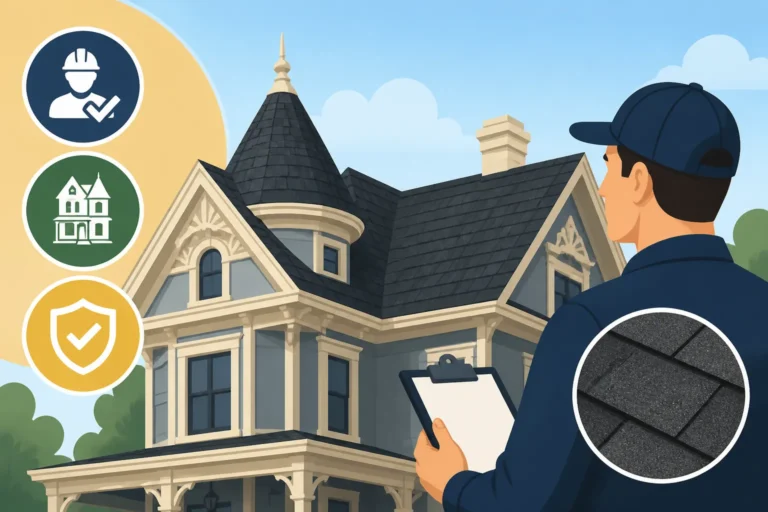
While manufacturer certification is an excellent indicator of a contractor's commitment to quality and professionalism, remember it's still supplementary to, not a replacement for, basic licensing and insurance. Always verify all three credentials for complete peace of mind.
Disclaimer
This article is for general informational purposes only and does not constitute professional advice. Laws, prices and regulations vary by location and change over time. Consult a qualified professional for guidance on your specific situation.