Roofing Red Flag: Pressure To Sign Today
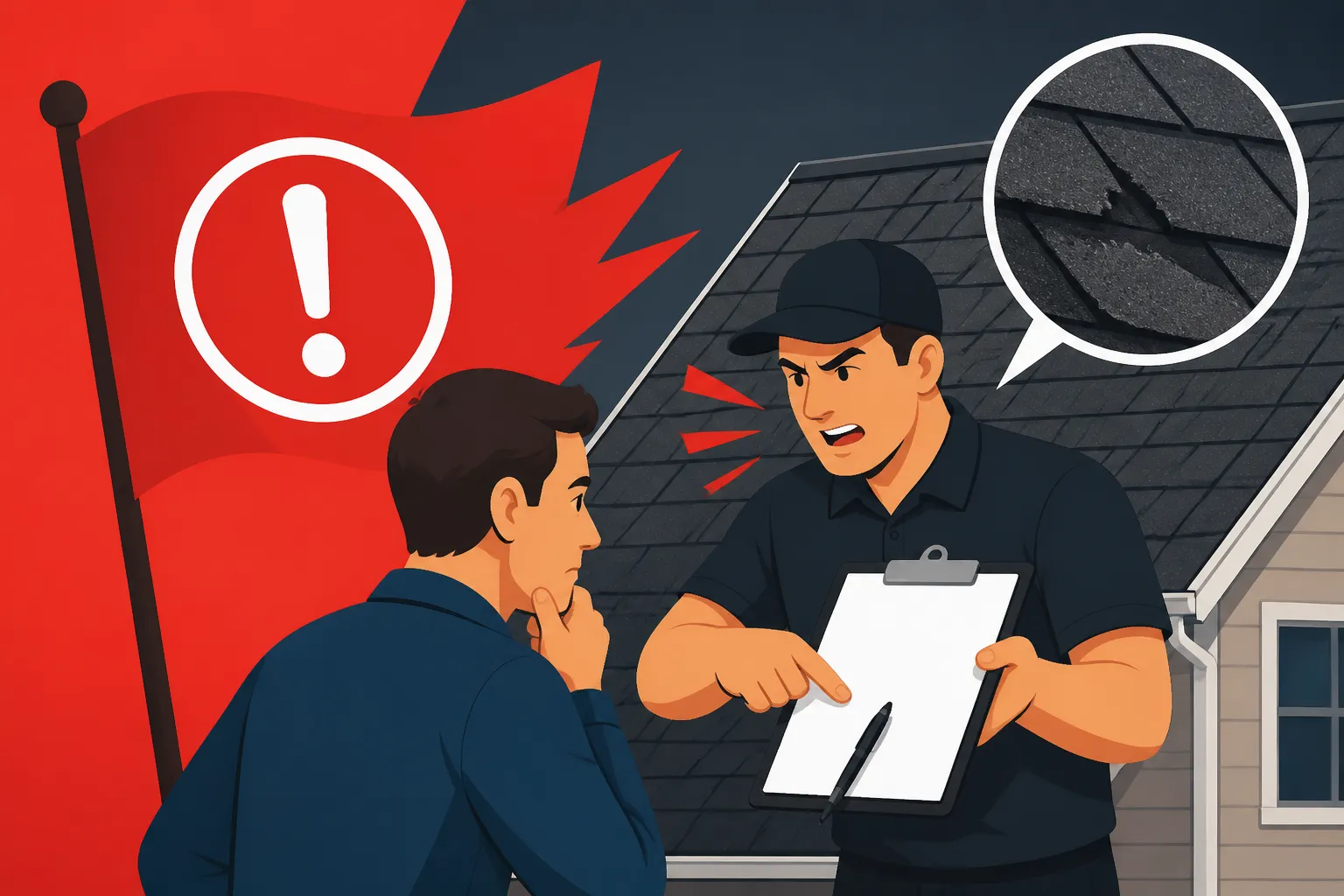
It’s a scenario many homeowners dread: you’ve got a roofing issue, maybe even significant storm damage, and a roofer is standing on your doorstep or in your living room, pushing hard for you to sign a contract right now. That immediate pressure to sign "today" can feel really uncomfortable and often leaves you wondering if you're making the right choice or if something's genuinely off. This guide is all about helping you understand why some roofers use these tactics, the potential dangers of giving in, and how to confidently navigate the roofing process without feeling forced into a decision you might regret.
Understanding Why Pressure Tactics Emerge
It's easy to feel overwhelmed when faced with a roofing problem. Your roof is a crucial part of your home's protection, and concerns about leaks, damage, or structural integrity can trigger a sense of urgency. Unfortunately, some contractors are all too willing to capitalize on this anxiety, using various high-pressure sales tactics to close a deal quickly. It's not always malicious, but it's rarely in your best interest.
One common reason for such urgency is the commission structure often in place for sales representatives. Many roofing sales reps are paid solely on commission, meaning they only make money when they get a signature on a contract. The faster they close a deal, the faster they get paid, leading to an aggressive "now or never" mentality. They might be competing with other salespeople within their own company or against other roofing companies for your business, driving them to push harder for an immediate commitment. This isn't inherently bad, but it means their incentive is often misaligned with your need for careful consideration.
Another factor, especially after a major weather event like a hailstorm or strong winds, is the phenomenon of "storm chasers." These contractors often arrive from out of state, following the path of destruction. They're looking to sign up as many homeowners as possible before moving on to the next disaster zone. Their business model relies on speed and volume, which naturally leads to pressure sales. They might tell you that materials are limited or that their crews will only be in the area for a short time, creating a false sense of scarcity to compel you to sign on the dotted line without much thought. While not all out-of-town contractors are bad, this rapid-fire approach is a significant red flag. You should always be wary of any company that shows up uninvited and tries to rush your decision.
The Risks of Rushing Your Roofing Decision
Signing a roofing contract under pressure can lead to a host of problems down the road, from financial headaches to shoddy workmanship. It's crucial to understand these risks so you can protect yourself and your home.
Choosing the Wrong Contractor
When you're pressured to sign immediately, you simply don't have the time to properly vet the contractor. You won't be able to check their license and insurance, look up their reviews, or ask for references from past clients. This dramatically increases your risk of hiring an unqualified, uninsured, or even fraudulent company. Imagine signing with a roofer who isn't properly insured, and then one of their crew members gets injured on your property. Without proper insurance, you could be held liable for their medical bills and lost wages. That’s a nightmare no one wants. This is why learning how to choose a roofing contractor and understanding why licensed and insured roofers are so important are non-negotiable steps.
Overpaying or Hidden Costs
A rushed estimate is often a vague estimate. High-pressure contractors might gloss over details or leave out crucial components to make their initial bid seem more attractive. Once you've signed, they can then hit you with "unforeseen" costs for things like roof decking replacement cost, drip edge, or proper ventilation, which were never fully explained upfront. A reputable contractor will provide a detailed, itemized quote, taking the time to explain every line item so you know exactly what you're paying for. If you're being pushed to sign without a clear, comprehensive breakdown, chances are you're not getting the full picture of the actual cost.
Inadequate Workmanship and Warranty Issues
A contractor who rushes the sales process might also rush the installation process. This can lead to critical errors in workmanship, such as improper shingle nailing patterns, insufficient flashing installation around chimneys or vents, or cutting corners on underlayment. These shortcuts can severely compromise your roof's integrity, leading to premature failure, leaks, and costly repairs within just a few years. Furthermore, a rushed contract might include a vague or non-existent workmanship warranty, leaving you with no recourse if problems arise. Understanding your roofing warranty: workmanship vs manufacturer is vital before any work begins. If a contractor rushes you, they are likely rushing these critical details too.
How to Effectively Handle High-Pressure Sales Tactics
It can feel awkward to push back against a persistent salesperson, especially when you're feeling vulnerable due to roof damage. However, standing firm is one of the best ways to protect your investment.
Just Say No (Or Not Yet)
The simplest and most effective strategy is to refuse to sign anything on the spot. You are the homeowner, and you have the right to take your time to make an informed decision. Don't be afraid to politely but firmly state that you need time to review the proposal, compare it with other quotes, and discuss it with family members. A phrase like, "Thank you for the detailed estimate, but I never sign contracts on the first visit. I need a few days to review everything and get other estimates," is perfectly acceptable. If they continue to pressure you, it’s a major one of the roofing contractor red flags to avoid. A truly professional contractor will respect your need for due diligence.
Always Get Multiple Quotes
This is perhaps the single most important step you can take. Never, ever settle for the first estimate you receive, especially if it comes with pressure to sign today. Reach out to at least three different, reputable roofing contractors. This allows you to compare not only pricing but also the scope of work, materials proposed, timelines, and the professionalism of each company. Websites like Modernize can be a helpful resource for connecting with pre-screened contractors in your area, making it easier to gather multiple estimates without feeling like you're starting from scratch. Comparing multiple bids will give you a realistic understanding of the average roof replacement cost this year in your area.
Here's a quick comparison of common high-pressure tactics versus legitimate contractor behavior:
| High-Pressure Tactic | Reputable Contractor Behavior |
|---|---|
| "Sign today for a special discount/price!" | Offers transparent pricing with clear explanations, no artificial deadlines. |
| "My crew is in the area right now and can start!" | Schedules work based on mutual availability and proper planning. |
| "Materials are running out, so you need to act fast!" | Discusses material availability realistically, without creating false urgency. |
| Vague contract details, focuses on the "deal" | Provides a detailed, itemized written estimate and contract. |
| Discourages you from getting other estimates | Encourages you to get multiple quotes and compare them. |
| Asks for a large upfront payment (50% or more) | Requests a reasonable deposit (often 10-20%) with a clear payment schedule. |
| Shows up uninvited, especially after a storm | Responds to your direct inquiry for an inspection or estimate. |
| No physical office, uses P.O. Box or temporary address | Has a verifiable physical business address and established local presence. |
Research and Verify Credentials
Before you commit to anything, take the time to do your homework. Check the contractor's licensing and insurance status with your state or local licensing board. Read online reviews on multiple platforms like the Better Business Bureau, Google, and Yelp. Ask for references and actually call them. Ask specific questions to a roofing contractor before hiring to ensure they are experienced and trustworthy. A legitimate contractor should be happy to provide this information, not deflect or get defensive.
Consult with Your Insurance Company (If Applicable)
If your roof damage is due to a storm or other covered event, contact your insurance company before signing any contracts. Your insurer can guide you through their claims process and inform you about what they typically cover. They might even send out an adjuster to assess the damage themselves. Some high-pressure contractors will try to get you to sign an "Assignment of Benefits" (AOB) form, which gives them the right to negotiate directly with your insurance company on your behalf. While this can sometimes be legitimate, it can also leave you out of the loop and potentially liable for costs the contractor agrees to without your full understanding. Be very cautious with AOBs.
What a Reputable Roofing Process Looks Like
A responsible, trustworthy roofing contractor follows a clear, homeowner-friendly process that prioritizes communication, transparency, and quality. Knowing what to expect can empower you to spot red flags and choose wisely.
Initial Contact and Thorough Inspection
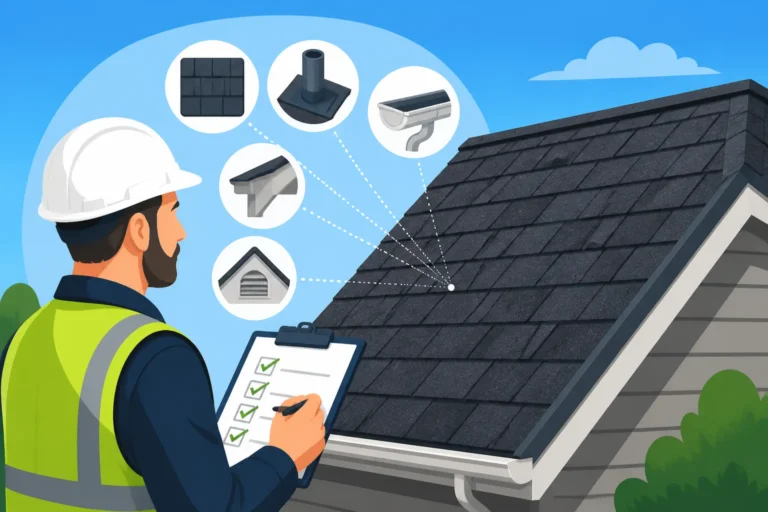
The process usually begins when you contact them for an estimate. A reputable roofer will schedule a time for an in-person, detailed inspection of your entire roofing system, not just the visible damage. This includes examining the shingles, flashing, gutters, and crucial components like the underlayment and roof decking. They’ll often go into your attic to check for leaks, ventilation issues, and structural integrity. This comprehensive assessment ensures that all potential problems are identified, not just the obvious ones. For instance, a small leak might hide significant underlying damage to your roof decking, and a good contractor will find that.
Detailed, Written Estimate and Contract
After the inspection, you should receive a professional, itemized written estimate that clearly outlines the scope of work. This document should detail everything: the type of asphalt shingles being used (e.g., GAF Timberline HDZ, Owens Corning Duration), the underlayment, new flashing, ice and water shield, ventilation upgrades (like ridge vent installation), and the labor costs. It should specify whether it's a full tear-off or a roof over existing shingles, and include provisions for debris removal. This level of detail allows you to accurately compare various proposals, helping you understand how much an asphalt shingle roof cost will genuinely be. The contract itself should mirror the estimate, clearly stating payment terms, project timeline, and warranty information. A reputable contractor will also handle obtaining any necessary roofing permits, as this is usually their responsibility.
Time for Review and No Upfront Demands
A professional contractor will give you ample time to review their proposal, ask questions, and compare it with other bids. They won't pressure you for an immediate signature. Instead, they'll encourage you to call them with any follow-up questions you might have. Regarding payment, they will typically ask for a reasonable deposit upfront, perhaps 10-20% of the total project cost, to cover initial material costs. Be very wary of any contractor who demands a large percentage, or even the full amount, upfront. This is one of the biggest roofing contractor red flags to avoid. A clear payment schedule, often tied to project milestones, is a sign of a well-managed business. For example, some might ask for 50% upon delivery of materials and the remainder upon satisfactory completion.
Clear Communication and Project Management
Throughout the project, you should expect clear and consistent communication. This includes updates on material delivery, scheduling of the work, and any unforeseen issues that might arise during the installation. For example, if rotted roof decking is discovered during the tear-off, they should stop work, inform you immediately, explain the issue, and provide a clear plan and cost for the repair before proceeding. A good project manager will be your point of contact, ensuring the work progresses smoothly and addressing any concerns you might have. They’ll also take steps to protect your property during the installation, such as covering landscaping and thoroughly cleaning up debris afterward.
Your Power to Choose Wisely
Ultimately, the power is in your hands. A new roof is a significant investment in your home's safety, value, and longevity. Rushing this decision under pressure can lead to immense stress, financial loss, and a compromised roof. By understanding pressure tactics, knowing the risks, and recognizing the signs of a reputable process, you can confidently choose a contractor who will deliver quality work and peace of mind. Remember, no legitimate business will penalize you for taking the necessary time to make an informed decision. If a roofer is pushing you to sign today, that's your cue to politely decline and explore other options. Tools like Modernize can help simplify finding trusted professionals who will respect your time and provide comprehensive, no-pressure estimates.
Disclaimer
Please remember that this article provides general information and guidance. Roofing practices, regulations, and costs can vary significantly by location and specific circumstances. Always consult with multiple qualified, licensed, and insured local roofing professionals for personalized advice and estimates for your specific project. It's also advisable to check local building codes and obtain necessary permits before commencing any roofing work.