Cost of Peel-and-Stick Underlayment
The moment you realize your roof needs attention, a cascade of questions usually follows, not least among them being about the various materials and their costs. When it comes to underlayment, the unsung hero beneath your shingles, navigating the options can feel overwhelming, especially with terms like "peel-and-stick" being thrown around. This guide is here to shed light on the cost of peel-and-stick underlayment, helping you understand its value, what influences its price, and if it's the right investment for your home.
Understanding Peel-and-Stick Underlayment and Why It Matters
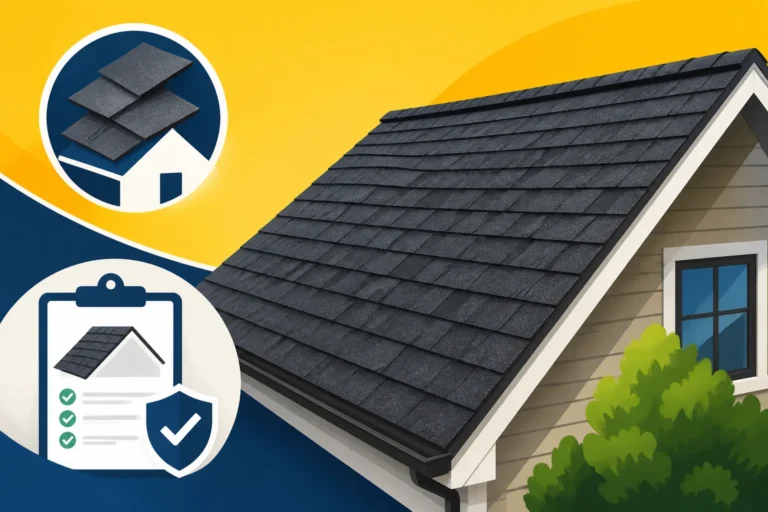
Let's face it, most homeowners don't spend a lot of time thinking about what lies under their shingles until it's time for a new roof. But the underlayment is crucial, acting as a secondary waterproof barrier that protects your home's structure from water intrusion, especially during heavy rains, ice dams, or if a shingle gets damaged. Peel-and-stick underlayment is a premium option that offers superior protection, and understanding it is the first step in appreciating its cost.
What Exactly Is Peel-and-Stick Underlayment?
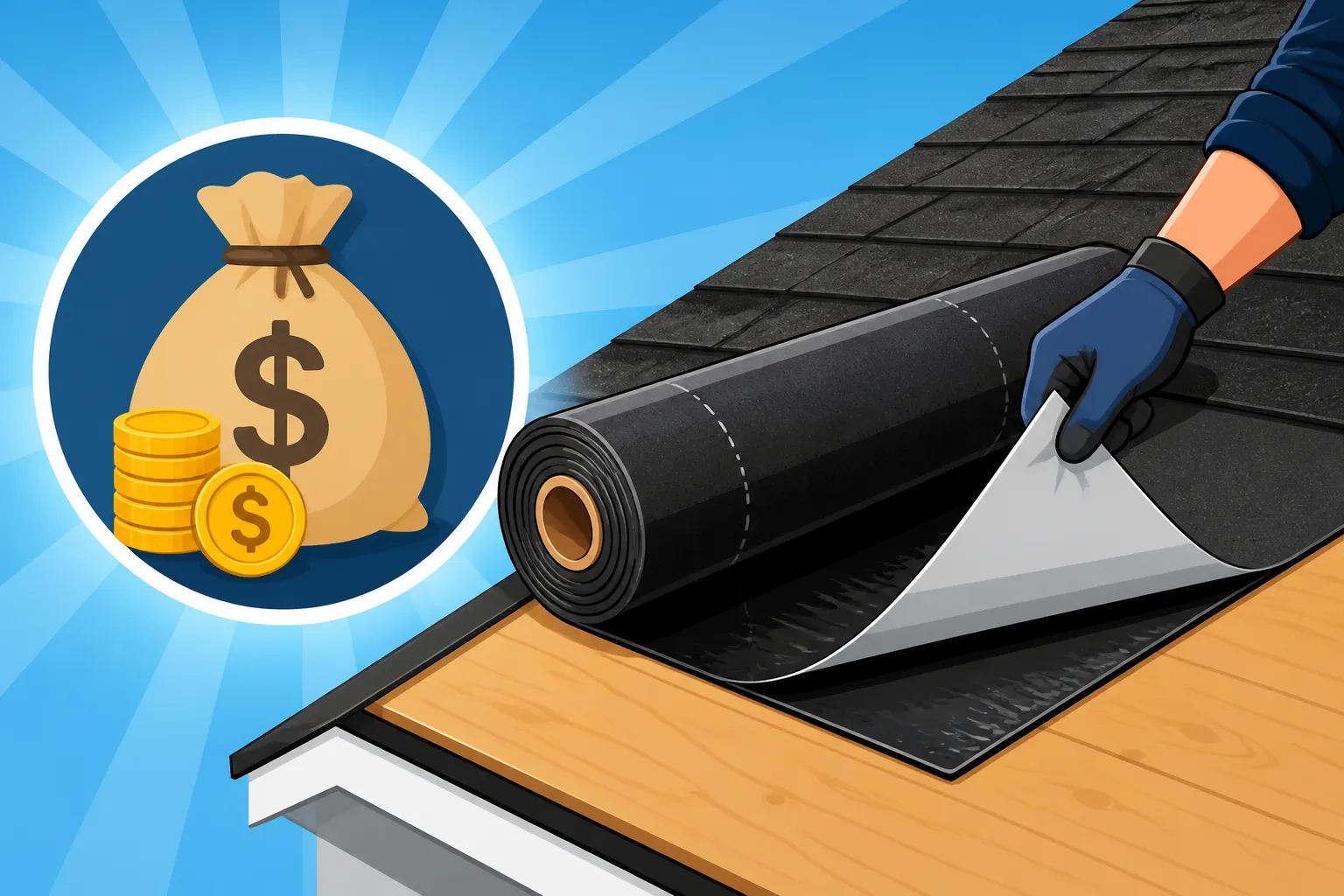
Imagine a giant, waterproof sticker for your roof. That's essentially what peel-and-stick underlayment is. Unlike traditional felt or synthetic underlayments that are mechanically fastened with nails or staples, peel-and-stick, also known as self-adhering or modified bitumen underlayment, has a sticky, adhesive backing covered by a release liner. Once that liner is removed, the material adheres directly to the roof decking, creating an incredibly tight, seamless, and watertight seal.
This type of underlayment is often used in critical areas prone to water pooling or ice dams, such as eaves, valleys, and around chimneys and skylights. In fact, many local building codes in colder climates require a certain amount of ice and water shield—which is precisely what peel-and-stick underlayment is—along the eaves to prevent water backup from ice dams. However, many homeowners are now opting to use it across the entire roof deck for maximum protection, especially in areas prone to severe weather. It's a significant upgrade from basic options, providing a robust second line of defense against Mother Nature.
The Benefits of Choosing This Advanced Underlayment
So, why would you invest in something that's hidden beneath your beautiful new asphalt shingles? The benefits of peel-and-stick underlayment are substantial and primarily revolve around superior protection and peace of mind.
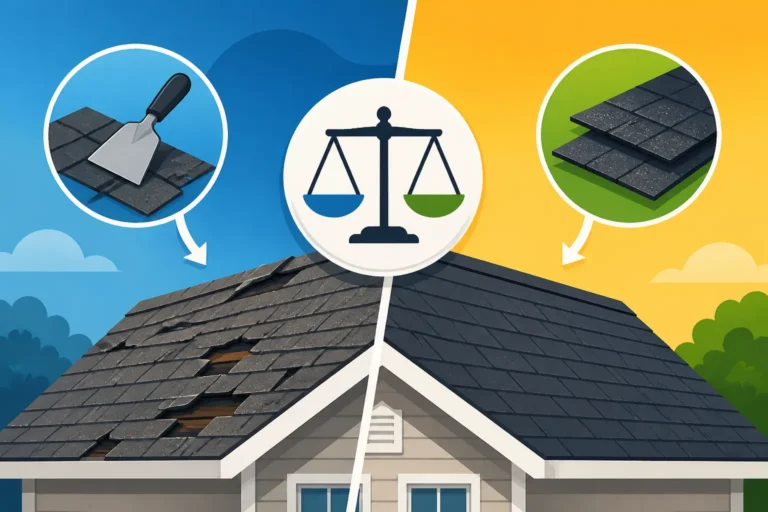
Firstly, its self-adhering nature means it seals around fasteners. When your roofers nail down the shingles, those nails penetrate the underlayment. With traditional felt or even some synthetic underlayments, these nail holes are potential entry points for water. Peel-and-stick, however, forms a watertight gasket around each nail, effectively self-sealing and preventing leaks. This feature alone makes it a formidable barrier, far surpassing the capabilities of a standard felt or even a basic synthetic product. If you're comparing Synthetic vs Felt Underlayment Cost, remember that peel-and-stick offers a different tier of performance.
Secondly, it offers exceptional protection against ice dams and wind-driven rain. In regions like the Northeast or the Great Lakes states, where heavy snow and ice are common, ice dams can be a homeowner's worst nightmare. When snow melts, refreezes at the colder eaves, and backs up under shingles, it can cause devastating water damage to your attic, walls, and ceilings. Peel-and-stick forms an impenetrable barrier in these vulnerable areas. Similarly, during fierce wind and rain storms, wind can drive water horizontally under shingles. This underlayment prevents that water from reaching your roof decking.
Finally, some peel-and-stick products offer added benefits like increased tear resistance during installation, extended roof life by protecting the decking, and even improved energy efficiency through reflective surfaces. While it adds to the Asphalt Roof Replacement Cost: Complete Breakdown, the enhanced durability and protection can be a wise long-term investment.
Factors That Influence Peel-and-Stick Underlayment Costs
Understanding the "why" is one thing, but the "how much" is often the big sticking point. The cost of peel-and-stick underlayment isn't a single, fixed number. It varies quite a bit depending on several key factors, much like the overall How Much Does an Asphalt Shingle Roof Cost. Knowing these variables can help you better interpret quotes and make informed decisions.
Material Quality and Brand Variations
Just like with asphalt shingles themselves, not all peel-and-stick underlayments are created equal. You'll find a range of manufacturers and product lines, each offering different thicknesses, material compositions, and warranty coverages. Some underlayments are composed of rubberized asphalt, offering excellent flexibility and adhesion, while others might be synthetic-based with an adhesive layer.
Premium brands, such as GAF's StormGuard or Owens Corning's WeatherLock, generally come with a higher price tag per square foot. These products often boast superior adhesion, durability, and better temperature flexibility, meaning they perform well in both scorching summers and freezing winters. They might also integrate into a complete roofing system warranty, which can be a huge benefit down the line. Budget-friendly options exist, but they might not offer the same level of self-sealing capabilities or long-term performance.
The difference in material cost between a basic peel-and-stick product and a top-tier one can be significant. For instance, a basic product might run you around $0.75-$1.25 per square foot, while a premium, heavy-duty option designed for extreme weather could be $1.50-$2.50 per square foot or more. These prices are for the material alone, before installation. When researching options, it's wise to consider the climate you live in and the longevity you expect from your roof.
Roof Size, Pitch, and Complexity
Naturally, the larger your roof, the more underlayment material you'll need, and therefore, the higher your total material cost will be. Roofing measurements are often done in "squares," with one square equaling 100 square feet. A 2,000 square foot roof, for example, would require 20 squares of underlayment.
However, it's not just about the raw square footage. The complexity of your roof plays a huge role in both material waste and labor costs. A simple gable roof with a moderate pitch is far easier and quicker to cover than a complex hip roof with multiple valleys, dormers, and skylights. Each of these features requires careful cutting, fitting, and sealing of the underlayment, which can increase material waste and significantly extend installation time.
A steep roof pitch also increases the difficulty and danger of the job, which translates to higher labor costs. Roofers often charge a Steep Roof Cost Premium because specialized safety equipment and extra time are needed to work on such surfaces. The more cuts and intricate work required, the more labor hours will be involved, impacting the overall cost of installing the peel-and-stick underlayment. This is particularly true for a product like peel-and-stick, where precise placement and firm adhesion are critical.
Regional Labor Rates and Project Scope
Where you live significantly impacts labor costs for any home improvement project, and roofing is no exception. Major metropolitan areas or regions with a high cost of living, like parts of California, New York, or New England, will typically have higher labor rates compared to more rural or lower-cost-of-living areas. Even within a state, prices can fluctuate; for example, Asphalt Roof Replacement Cost in California will likely differ between Los Angeles and a smaller central valley town.
The scope of your project also matters. If you're simply having peel-and-stick installed along the eaves and valleys as part of a full roof replacement, the labor cost for the underlayment will be integrated into the overall roofing project. If, by some rare chance, you were only having underlayment installed (perhaps during a major decking repair), the smaller scope might still carry a minimum service charge.
Reputable contractors, often found through platforms like Modernize, factor in things like crew size, project duration, disposal fees (especially if it's a Cost of Roof Tear-Off and Disposal), and overhead into their labor rates. Don't be afraid to ask for detailed breakdowns in your roofing estimates, which helps you understand the Roofing Material Cost vs Labor Cost components.
Breaking Down the Costs: Materials and Installation
When you get a quote for peel-and-stick underlayment, it won't usually be a standalone line item unless it's an add-on. More often, it's integrated into the total roof replacement cost. However, we can break down the typical material and labor components to give you a clearer picture.
Per Square Foot and Per Square Material Costs
As mentioned, peel-and-stick underlayment material generally ranges from $0.75 to $2.50 per square foot. Since roofing is measured in squares (100 square feet), this translates to approximately $75 to $250 per roofing square for the material itself.
Let's look at an example:
- Small Roof (15 squares / 1,500 sq ft):
- Basic material: 15 squares * $75/square = $1,125
- Premium material: 15 squares * $250/square = $3,750
- Medium Roof (25 squares / 2,500 sq ft):
- Basic material: 25 squares * $75/square = $1,875
- Premium material: 25 squares * $250/square = $6,250
- Large Roof (35 squares / 3,500 sq ft):
- Basic material: 35 squares * $75/square = $2,625
- Premium material: 35 squares * $250/square = $8,750
These figures represent the material cost only. Keep in mind that these are broad estimates, and actual prices can vary based on your specific location, the brand chosen, and current market conditions.
Here's a quick summary table for estimated material costs:
| Underlayment Type | Cost Per Square Foot (Material Only) | Cost Per Square (Material Only) |
|---|---|---|
| Basic Peel-and-Stick | $0.75 – $1.25 | $75 – $125 |
| Standard Peel-and-Stick | $1.25 – $1.75 | $125 – $175 |
| Premium Peel-and-Stick | $1.75 – $2.50+ | $175 – $250+ |
Labor Costs for Underlayment Installation
Installing peel-and-stick underlayment is more labor-intensive than rolling out felt paper. It requires meticulous preparation of the roof deck, precise alignment, and careful smoothing to prevent wrinkles and bubbles that could compromise its effectiveness. The self-adhesive nature means there's less room for error once it touches the deck.
Labor costs for underlayment installation are usually bundled into the overall roofing project, but if we were to isolate them, you might expect to pay an additional $0.50 to $1.00 per square foot for the labor specifically associated with this type of underlayment, beyond what you'd pay for a basic underlayment installation. This translates to $50 to $100 per roofing square.
Factors influencing this labor cost include:
- Roof Complexity: More cuts, valleys, and protrusions mean more time and skill.
- Roof Pitch: Steep roofs slow down the crew.
- Regional Rates: As mentioned, labor varies geographically.
So, for our example roofs:
- Small Roof (15 squares): $750 – $1,500 in additional labor
- Medium Roof (25 squares): $1,250 – $2,500 in additional labor
- Large Roof (35 squares): $1,750 – $3,500 in additional labor
These figures account for the incremental labor cost for choosing peel-and-stick over a less intensive underlayment option. Remember that the full How Much Roofers Charge Per Hour will cover all aspects of the roof replacement, not just the underlayment.
Total Project Cost Scenarios
Putting it all together, if you're opting for full deck coverage with peel-and-stick underlayment, the combined material and installation cost could range from $1.25 to $3.50+ per square foot, or $125 to $350+ per roofing square.
Let's revisit our roof sizes with combined material and labor estimates:
- Small Roof (15 squares / 1,500 sq ft):
- Total cost for peel-and-stick: $1,875 – $5,250
- This is an additional cost on top of the shingles and other roofing components.
- Medium Roof (25 squares / 2,500 sq ft):
- Total cost for peel-and-stick: $3,125 – $8,750
- Large Roof (35 squares / 3,500 sq ft):
- Total cost for peel-and-stick: $4,375 – $12,250
It's important to clarify that these are the costs specifically attributable to the peel-and-stick underlayment component of a larger roof replacement project. They do not include the cost of shingles, flashing, ventilation, or the primary labor for the entire roof installation. When you receive quotes from roofing contractors (and we always recommend getting multiple quotes, perhaps through a service like Modernize, to How to Read and Compare Roofing Estimates), ask for a clear breakdown of the underlayment type and its associated cost. This way, you can accurately How to Budget for a New Roof.
Is Peel-and-Stick Underlayment Worth the Investment?
After seeing the numbers, you might be thinking, "Is this extra cost really justified?" For many homeowners, especially those in regions prone to severe weather or who value maximum protection, the answer is a resounding yes. It's an investment in the long-term integrity and durability of your home.
Long-Term Protection and Energy Efficiency
The primary value proposition of peel-and-stick underlayment is its superior protection against water intrusion. This isn't just about preventing leaks; it's about safeguarding your entire roof system and the structure beneath it. By creating a watertight seal directly on the roof deck, it prevents moisture from rotting your decking, which could lead to far more expensive repairs down the line. It acts as an excellent complement to high-quality shingles, extending the overall lifespan of your roof.
Some advanced peel-and-stick products even offer reflective properties. These "cool roof" underlayments can help to reduce heat transfer into your attic, potentially lowering your cooling costs during hot summer months. While not all peel-and-stick options have this feature, it's an added benefit to consider, especially if you live in a hot climate like Florida or Arizona, where Asphalt Roof Replacement Cost in Florida can factor in energy efficiency upgrades. Even if the energy savings are modest, every little bit helps keep your home comfortable and your utility bills in check.
Think of it as an insurance policy for your home's most critical defense against the elements. A well-protected roof means a dry attic, healthy insulation, and no costly interior water damage, which often goes undetected until it's a significant problem.
Insurance Implications and Warranty Benefits
Another compelling reason to consider peel-and-stick underlayment is its potential impact on your homeowner's insurance. While not universally true, some insurance providers, particularly in areas prone to hurricanes, high winds, or severe hail, offer discounts or incentives for installing enhanced roofing components that exceed standard building codes. This includes advanced underlayments that provide superior wind uplift resistance and moisture protection. It's always worth checking with your insurance agent to see if installing peel-and-stick underlayment, especially if it's considered an "ice and water shield," could lead to lower premiums or better coverage terms. Investing in Class 4 Shingle Roof Cost or impact-resistant shingles, along with robust underlayment, can often result in significant insurance benefits in hail-prone regions.
Furthermore, manufacturer warranties for asphalt shingles often depend on the installation of a complete roofing system, which includes specific types of underlayment. Many shingle manufacturers like GAF, Owens Corning, and CertainTeed offer enhanced warranty coverage if their proprietary peel-and-stick underlayment is used in conjunction with their shingles. This means that not only are you getting superior physical protection, but you're also often securing a stronger, longer-lasting warranty for your entire roof system. A robust Roofing Warranty: Workmanship vs Manufacturer is crucial, and using approved underlayment is key to maximizing its benefits.
Ultimately, the cost of peel-and-stick underlayment, while higher upfront than traditional options, often pays for itself through enhanced protection, potential energy savings, and the peace of mind that comes with a truly robust roofing system. When you factor in the long-term benefits and reduced risk of costly repairs, it often proves to be an exceptionally smart investment for your home.
Disclaimer
Please remember that the cost estimates provided in this guide are general averages and can vary significantly based on your specific location, the chosen materials, the complexity of your roof, and the contractor you hire. Always obtain multiple detailed quotes from reputable local roofing professionals to get the most accurate pricing for your project.