Roof Repair vs Replacement: How to Decide
That feeling when you spot a dark stain on your ceiling or a rogue shingle in your yard? It's often followed by a wave of dread: Is this a small fix, or am I looking at a whole new roof? Deciding between a simple repair and a full roof replacement can feel like a monumental task, riddled with uncertainty about costs, timelines, and the sheer disruption it causes. This comprehensive guide is here to cut through that confusion, helping you understand the tell-tale signs, weigh your options, and make the best decision for your home and your peace of mind.
The Perennial Dilemma: Repair or Replace?
Every homeowner eventually faces this fork in the road, and it's rarely an easy choice. Your roof is arguably the most critical component of your home's exterior, safeguarding everything and everyone inside from the elements. When it shows signs of wear or damage, the stakes feel incredibly high, and the financial implications can be daunting. It’s natural to want the most cost-effective solution, but sometimes, what seems cheaper in the short term can lead to bigger headaches and expenses down the line.
Why This Decision Feels So Overwhelming
The sheer weight of the decision, coupled with the often opaque world of roofing terminology and pricing, can leave anyone feeling overwhelmed. You might worry about choosing the wrong path, spending too much, or not getting enough value for your money. Homeowners often grapple with conflicting advice from different contractors, the fear of hidden costs, and the disruption a major project entails. It's not just about fixing a problem; it's about protecting your most significant investment and ensuring your family's comfort and safety for years to come. This guide aims to empower you with the knowledge to navigate this complex decision with confidence.
Understanding Your Roof's Current State
Before you can even begin to lean towards repair or replacement, you absolutely need an accurate picture of your roof's current health. This isn't just about looking up from your driveway; it requires a more detailed examination. Are the issues isolated to one small area, or is there widespread deterioration? Is the damage recent, perhaps from a specific storm, or has it been accumulating over years as the roof ages gracefully (or not so gracefully)? Taking a moment to consider these initial questions will set the stage for a more informed assessment, helping you move past the initial panic and into a more proactive mindset.
Key Factors That Tip the Scales Towards Repair
Not every roof problem necessitates a complete overhaul. Sometimes, a targeted repair is not only sufficient but also the smartest financial and logistical choice. It’s about being pragmatic and understanding the specific nature of the damage. For instance, a few missing shingles after a strong gust of wind don't typically signal the demise of an entire roof, especially if the roof itself is still relatively young and otherwise in good shape.
Minor, Isolated Damage and Age
If your asphalt roof is under 15 years old and the damage is confined to a small, specific area, a repair is often the appropriate solution. Think about a tree branch falling and damaging a small section of shingles, or a single valley flashing starting to lift slightly, causing a localized leak. In these scenarios, replacing just the affected components can restore your roof's integrity without the massive undertaking of a full replacement. The key here is "isolated" – the surrounding shingles and the overall roof structure should be sound and show no signs of widespread deterioration. Trying to decide can often boil down to whether the issue is a symptom of old age or a random event. If you want to learn more about how long asphalt roofs last, you can read our guide on How Long Does an Asphalt Roof Last.
For example, imagine you live in a charming suburban home in Raleigh, North Carolina, and during a summer thunderstorm, a few shingles are torn off one section of your roof. Your roof is only 8 years old, and a quick glance around reveals the rest of the shingles are still lying flat, with good granule retention. In this case, patching in new shingles to match the existing ones (if possible) is a far more sensible and cost-effective approach than tearing off the entire roof. A skilled roofer can often perform such minor repairs quickly, preventing water intrusion and extending the life of your existing roof system.
Budget Constraints and Short-Term Solutions
Let's be realistic: a full roof replacement is a significant investment, often costing thousands of dollars. Sometimes, despite extensive damage, homeowners simply don't have the immediate funds for a complete overhaul. In such situations, a strategic repair might be the only viable short-term solution to mitigate further damage and buy time. This could involve patching a persistent leak, replacing a small section of severely damaged decking, or temporarily sealing problem areas until a more permanent solution can be financed.
While not ideal for the long term, these repairs can prevent catastrophic interior damage, giving you the breathing room needed to save up, explore financing options, or arrange for an insurance claim. It's crucial, however, to be fully transparent with your contractor about your situation and to understand that these short-term fixes are exactly that – temporary. They are a stop-gap measure, not a permanent resolution, and should always be followed by a plan for a full replacement when resources allow. For homeowners grappling with immediate financial concerns, understanding Roof Financing Options Explained can be incredibly helpful in planning for that eventual full replacement.
Repairing Specific Components
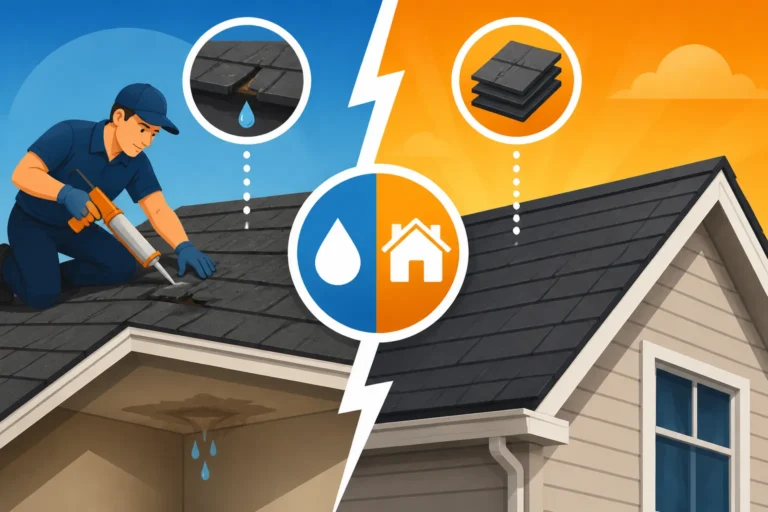
Sometimes, the issue isn't with the shingles themselves, but with other critical components of your roofing system. Things like damaged flashing around chimneys or skylights, worn-out pipe boots, or inadequate ventilation can lead to leaks and other problems, even on a relatively new roof. These are prime candidates for repair rather than replacement. Fixing these specific elements can restore the roof's functionality and prevent water intrusion without disturbing the main shingle field.
For instance, if you notice water stains around your chimney, the likely culprit is deteriorated flashing, not the entire roof. A professional roofer can carefully remove the old flashing, repair any underlying wood damage, and install new, robust flashing, often made of durable metals like copper or aluminum. Similarly, if your attic feels stifling hot, a ventilation upgrade, such as installing a new ridge vent, could drastically improve attic airflow and extend your shingle life without requiring a full reroof. These targeted repairs address specific vulnerabilities and are much less invasive and costly than a complete tear-off.
Compelling Reasons to Opt for a Full Roof Replacement
While repairs are suitable for isolated issues, there comes a point where patching up problems becomes a futile exercise, akin to putting a band-aid on a gaping wound. A full roof replacement, though a larger investment upfront, often proves to be the most prudent and economically sound decision in the long run. It's about looking beyond the immediate fix and considering the overall health and future of your home.
Widespread Damage and Advanced Age
When your asphalt roof has reached or exceeded its expected lifespan – generally 20-30 years for architectural shingles, less for 3-tab – and exhibits widespread damage, a replacement is almost always the answer. Signs like extensive granule loss (meaning bald spots on your shingles), widespread curling, cracking, or blistering across multiple slopes indicate that the shingles are no longer performing their core function. They've become brittle, lost their protective qualities, and are simply waiting for the next storm to fail entirely. At this stage, trying to repair individual sections is like playing whack-a-mole; you fix one leak only for another to pop up elsewhere.
Consider a home in Central Florida, where the intense sun and frequent storms put immense stress on roofing materials. After 25 years, the once vibrant shingles are now faded, brittle, and shedding granules with every rainfall. Patches of moss are taking hold in shaded areas, and you've had a persistent leak in the guest bathroom for months, despite multiple attempts at repair. In this scenario, the roof is clearly at the end of its functional life. Investing in a full replacement provides a complete, integrated system designed to withstand the local climate, giving you decades of worry-free protection. You can explore How Much Does an Asphalt Shingle Roof Cost for more detailed pricing.
Structural Issues and Underlying Problems
Sometimes, the issues go deeper than just the shingles. If you observe sagging in your roof deck, particularly between rafters, or have experienced persistent leaks that indicate rotting plywood or OSB, these are serious structural concerns that a simple shingle repair cannot address. Furthermore, if previous installations were poorly executed, perhaps with inadequate nailing, improper underlayment, or insufficient ventilation, these underlying flaws will continue to compromise the roof's performance, regardless of how many top-layer repairs you attempt.
A full replacement allows the contractor to strip the roof down to the rafters, thoroughly inspect the roof decking, and replace any compromised sections. This is also an opportunity to bring the entire roofing system up to current building codes, addressing ventilation deficiencies, adding proper ice and water shield, and installing new flashing. Ignoring these foundational problems will only lead to recurring leaks, potential mold growth in the attic, and an overall shorter lifespan for any new repairs. This is why a full Roof Decking Replacement Cost can be a necessary part of a comprehensive roof project.
Maximizing Home Value and Energy Efficiency
A new roof is one of the home improvements that offers a strong return on investment (ROI). Beyond just aesthetics, a brand-new roof significantly boosts your home's curb appeal and can be a major selling point. Potential buyers often view an old, patched-up roof as a future financial burden, potentially deterring them or leading to lower offers. A new roof, especially with a transferable warranty, signals quality and peace of mind.
Furthermore, modern roofing materials and installation techniques can vastly improve your home's energy efficiency. Upgrading to architectural shingles that come with cool roof technology, or simply ensuring proper attic ventilation and insulation during the replacement process, can lead to noticeable reductions in your heating and cooling bills. This long-term saving, combined with the enhanced durability and aesthetic appeal, makes a full replacement a wise investment for homeowners looking to secure their property's value and comfort. Understanding the Roof Replacement ROI Explained can help solidify this perspective.
Assessing the Damage: What to Look For
Before you call a professional, it can be incredibly helpful to conduct your own preliminary assessment. Knowing what to look for can help you communicate more effectively with contractors and better understand their recommendations. Remember, safety first: if you're uncomfortable on a ladder or if the roof is steep, stay on the ground and use binoculars.
The Visible Clues Outside Your Home
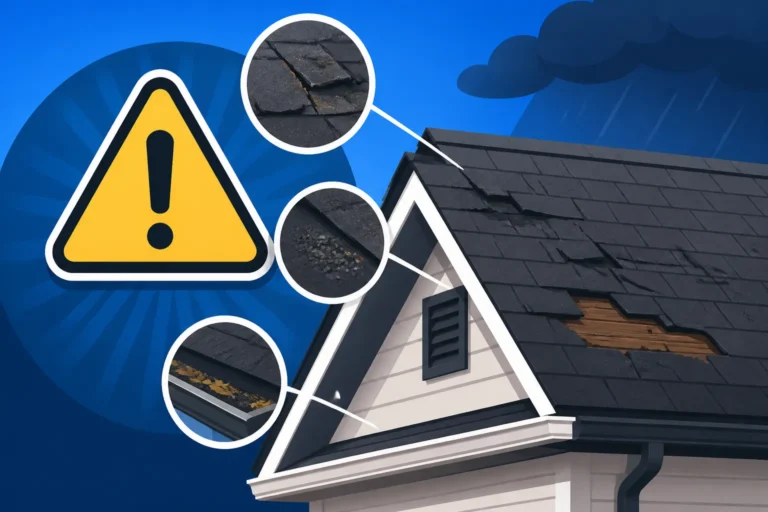
Many signs of roof damage are visible from the ground or a sturdy ladder. Start by looking for anything out of the ordinary. Missing shingles are an obvious red flag, exposing the underlayment to the elements. Curling or buckling shingles indicate that the shingles are drying out, losing their elasticity, and becoming more susceptible to wind damage and leaks. Cracked shingles, particularly across the middle or along the sealant strip, suggest brittleness and a failing material.
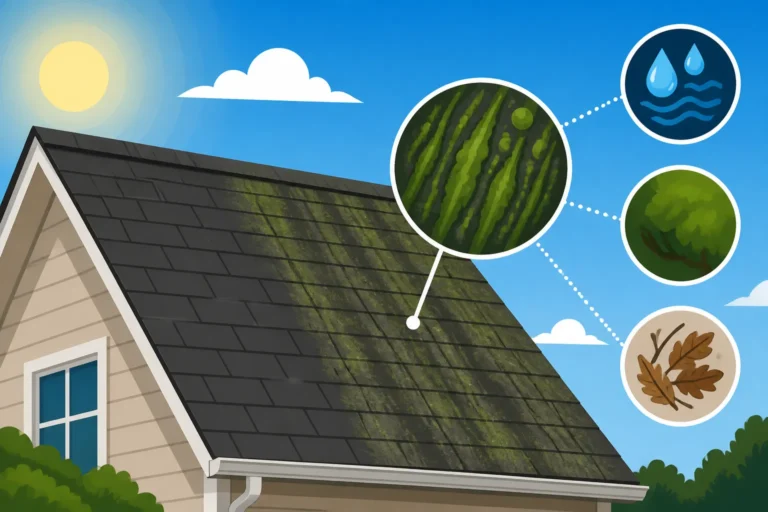
Beyond these, pay attention to granule loss. If you see significant amounts of shingle granules accumulating in your gutters or downspouts, it means your shingles are losing their protective top layer, making them vulnerable to UV rays and premature aging. Dark streaks or patches of moss/algae are also common. While often cosmetic, heavy moss can trap moisture against the shingles, leading to decay over time. Finally, check your flashing around chimneys, vents, and skylights for any lifting, buckling, or signs of rust, as this is a common entry point for water. Our guide on Signs You Need a New Roof goes into further detail on these issues.
Peeking into Your Attic and Interior Signs
The interior of your home, especially your attic, can offer critical clues about your roof's condition that aren't visible from the outside. Head up to your attic with a flashlight on a sunny day. Look for streaks of daylight shining through the roof boards or around flashing points – this is a clear sign that water can also get in. Even more telling are water stains on the underside of the roof deck, rafters, or insulation. These stains indicate past or present leaks, even if you haven't seen water dripping into your living space yet.
Pay attention to any musty or damp smells in the attic, which can be an early indicator of mold or mildew growth caused by chronic moisture issues. On a rainy day, specifically listen for the sound of dripping water or look for active leaks. Inside your living areas, water stains on ceilings or walls, peeling paint, or warped drywall are undeniable proof of a roof leak, and often point to a more significant problem that has already progressed past the attic. These interior signs mean the problem is no longer just cosmetic; it's actively compromising your home's structure.
Understanding Different Types of Damage
Not all roof damage is created equal, and understanding the cause can help you make a more informed decision about repair vs. replacement.
- Hail Damage: This often appears as random circular or irregular indentations on shingles, sometimes exposing the asphalt layer underneath. Hail can also bruise the matting of the shingle, making it more brittle over time. If the damage is extensive across a large area, a full replacement is usually necessary, and often covered by insurance.
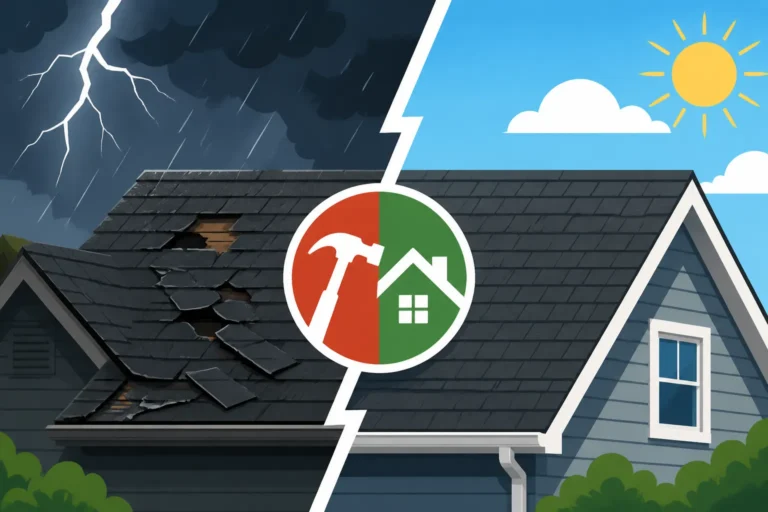
- Wind Damage: Strong winds can lift and tear off shingles, especially older ones where the sealant strip has failed. Look for missing shingles, creased shingles (where they've been bent back by wind), or lifted edges. If it's just a few shingles on one part of the roof, repair might be feasible. If entire sections are gone, or if you see evidence of widespread lifting across the roof, replacement becomes more likely.
- Age-Related Deterioration: This is characterized by widespread granule loss, brittleness, widespread cracking, and overall general wear. It's not usually caused by one event but by years of exposure to UV rays, temperature fluctuations, and natural weathering. This type of damage generally points towards a full replacement because the entire roof system is past its prime.
- Improper Installation: This can manifest in various ways, from incorrect nailing patterns that lead to premature shingle failure to inadequate flashing that causes leaks. Sometimes, multiple layers of shingles were installed without a proper tear-off, creating an uneven and unstable roof deck. These issues often require a full tear-off and replacement to correct the underlying installation flaws. Getting a thorough inspection by a reputable contractor is crucial here; they can often spot these issues that might not be obvious to the untrained eye.
The Role of Your Roof's Age and Material Type
When considering repair versus replacement, your roof's age isn't just a number; it's a critical indicator of its overall health and remaining lifespan. Just like people, roofs have a life cycle, and understanding where your roof is in that cycle is paramount. This is especially true for asphalt shingles, which are the most common roofing material in North America.
How Long Asphalt Shingles Really Last
The lifespan of an asphalt shingle roof can vary significantly based on the type of shingle, installation quality, climate, and maintenance. Generally, 3-tab asphalt shingles typically last between 15 to 20 years. They are a more economical choice but less durable. Architectural or dimensional shingles, which are thicker and have a more textured, layered appearance, usually last 25 to 30 years, with some premium versions offering warranties up to 50 years. Then there are designer or luxury shingles, which can push lifespans well beyond 30 years, even reaching 40 or 50 years in optimal conditions.
Factors like extreme weather (hail, high winds, intense UV radiation), poor attic ventilation leading to heat buildup, and insufficient maintenance can all shorten a roof's life. For instance, a roof installed in a hail-prone region like Dallas, Texas, might fail sooner than one in a milder climate, even if both are the same age. Knowing the typical lifespan of your specific shingle type and considering the environmental stressors it has faced will give you a good starting point for your decision.
The Telltale Signs of an Aging Asphalt Roof
As an asphalt roof approaches the end of its life, it begins to exhibit a series of characteristic symptoms. These aren't usually sudden problems but rather a gradual decline in performance and appearance across the entire roof surface. One of the most common and significant signs is widespread granule loss. These ceramic granules protect the asphalt from UV rays and provide color. When they wear away, the underlying asphalt becomes exposed, dries out, and degrades rapidly. You'll often see these granules collecting in gutters, indicating the roof is literally shedding its protective layer.
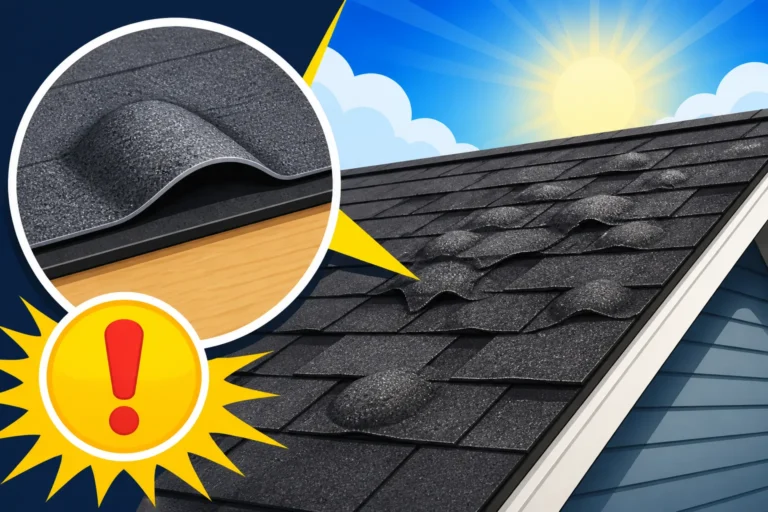
Another clear sign of an aging asphalt roof is brittleness and widespread cracking or tearing. Shingles lose their flexibility over time, becoming stiff and prone to cracking, especially in cold weather or during expansion and contraction cycles. You might also notice curling or cupping, where shingle edges either lift upwards or curl downwards, making them susceptible to wind and rain penetration. Blistering, appearing as small raised bumps, occurs when moisture or trapped air causes asphalt to separate within the shingle. These widespread indicators point to a roof that is no longer capable of providing adequate protection and is a strong candidate for a full replacement.
Beyond Asphalt: Other Roofing Materials and Their Lifespans
While asphalt shingles are incredibly popular and form the focus of our discussion, it's worth briefly acknowledging that other roofing materials have different characteristics and lifespans. For example, metal roofs are known for their exceptional durability, often lasting 40-70 years, and can be a significant upfront investment. Tile roofs (clay or concrete) can also last 50 years or more, providing a distinct aesthetic and excellent fire resistance. Wood shake or shingle roofs typically last 20-40 years, depending on maintenance and climate. Even flat roofs, often using TPO, EPDM, or modified bitumen, have varying lifespans from 15-30 years.
Each material comes with its own set of pros and cons, maintenance requirements, and, of course, cost implications. Understanding these differences, even if your current roof is asphalt, can help you appreciate the specific considerations for asphalt and, perhaps, inform your decision if you're considering a material upgrade during a full replacement. However, for most homeowners reading this, the focus remains on the tried-and-true asphalt shingle and how to best maintain or replace it.
The Financial Weigh-In: Cost Analysis and ROI
Money talks, and when it comes to your roof, it often shouts. The financial implications are a primary driver in the repair vs. replacement decision. It’s not just about the upfront cost, but also the long-term value, potential savings, and how your investment might affect your home’s market value.
Calculating Repair Costs vs. Replacement Estimates
Repairs can range from a few hundred dollars for minor fixes like replacing a handful of shingles or sealing a leaky pipe boot, to several thousand dollars for more extensive work involving flashing replacement, localized decking repair, or complex leak detection. The cost of a repair is usually based on the severity and location of the damage, the type of materials needed, and the labor involved.
A full roof replacement, on the other hand, is a much larger investment. The Roof Cost Per Square: What You'll Pay for an asphalt shingle roof in the US can range anywhere from $4.00 to $7.00 per square foot, or $400 to $700 per roofing square (a square is 100 square feet). So, for an average 2,000 square foot home, you could be looking at $8,000 to $14,000, and often more depending on factors like roof pitch, complexity, material choice (e.g., architectural vs. designer shingles), and your geographical location. When getting estimates, it's essential to compare them meticulously. Our guide on How to Read and Compare Roofing Estimates can help you ensure you're getting an apples-to-apples comparison, detailing everything from tear-off to final cleanup.
| Factor | Repair Scenario | Replacement Scenario |
|---|---|---|
| Damage Type | Isolated missing shingles, minor flashing leak | Widespread granule loss, multiple leaks, sagging deck |
| Roof Age | Under 15 years old | 20+ years old or significantly compromised |
| Cost Range | Typically $200 – $2,500 | Typically $8,000 – $25,000+ (depending on house size, material, complexity) |
| Lifespan Impact | Extends life of specific area, but not whole roof | 20-50 years added to entire roof |
| Home Value | Minimal immediate impact | Significant boost to curb appeal and resale value |
| Energy Impact | Minimal | Potential for improved insulation and ventilation savings |
| Warranty | Often limited to repair area, short term | Comprehensive new manufacturer and workmanship warranties |
Long-Term Savings and Property Value Boost
While the upfront cost of a replacement is higher, consider the long-term benefits. A new, properly installed roof comes with a fresh warranty, providing peace of mind against manufacturing defects and workmanship issues for decades. This eliminates the recurring costs and stress associated with patching up an old, failing roof every few months. Furthermore, modern roofing systems often include advanced underlayments and ventilation improvements that enhance energy efficiency, potentially lowering your utility bills month after month.
From a property value perspective, a new roof is a significant asset. It's a key feature that appeals to potential buyers, signaling a well-maintained home. Studies consistently show that a new roof can recoup a substantial portion of its cost in resale value, sometimes upwards of 60-70%. Compare this to repeated, smaller repairs on an old roof; while they might prevent immediate disasters, they don't add lasting value or confidence to your home's structure. Thinking about Roof Replacement and Home Value helps frame the decision as an investment rather than just an expense.
Understanding Insurance Coverage and Financing Options
It's absolutely critical to understand how your homeowner's insurance policy plays into the repair vs. replacement decision. If your roof damage is sudden and accidental – caused by events like hail, windstorms, or fallen trees – your insurance company might cover a significant portion, or even all, of the repair or replacement costs, minus your deductible. It's always worth contacting your insurer to file a claim and have them assess the damage. They might even recommend a full replacement if the damage is widespread. You can learn more about Does Insurance Cover Roof Replacement.
If the damage is due to old age, neglect, or wear and tear, insurance typically won't cover it. In such cases, you'll be responsible for the full cost. Don't despair, though; many reputable roofing contractors offer financing options, from same-as-cash loans to long-term payment plans, to help make a full replacement more manageable. Additionally, exploring options like home equity loans or lines of credit can provide the necessary funds. Services like Modernize can help homeowners connect with contractors who offer various financing solutions, making the path to a new roof a bit smoother. Always discuss these options thoroughly with your contractor and financial advisor.
Finding the Right Roofing Professional
Regardless of whether you choose to repair or replace, the quality of the work hinges entirely on the professionalism and expertise of your chosen contractor. This isn't a DIY project for most homeowners, and cutting corners here can lead to disastrous, costly consequences. Investing time in finding a reputable roofer is just as important as the decision itself.
The Importance of a Thorough Inspection
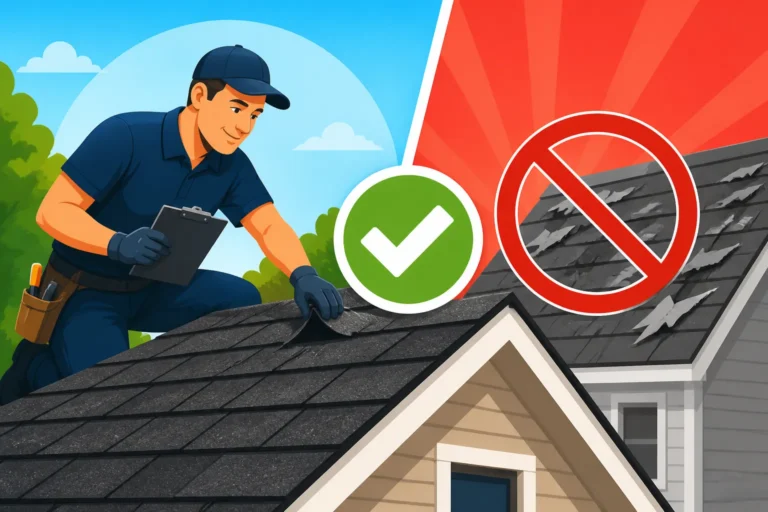
A truly professional roofing contractor won't just glance at your roof from the ground and give you a quote. They will perform a comprehensive, multi-point inspection, both on the roof and in your attic. This detailed assessment is crucial for accurately diagnosing the problem and recommending the correct course of action. They'll look for hidden damage, assess the condition of your underlayment, flashing, and decking, and evaluate your attic ventilation.
During this inspection, they should take photos or videos to show you exactly what they've found, explaining the issues in clear, understandable terms. A thorough inspection helps them provide an accurate estimate and helps you understand the scope of the work. Be wary of any contractor who provides a quote without a detailed inspection or pressures you into making an immediate decision. A good inspection will reveal everything from minor granule loss to compromised Roof Anatomy: Parts of an Asphalt Shingle Roof that needs attention.
Questions to Ask Potential Contractors
When you're interviewing potential roofing contractors, don't be shy about asking tough questions. This is your home, and you deserve to feel confident in your choice. Start by verifying their credentials: "Are you licensed and insured?" Ask for proof of liability insurance and workers' compensation coverage. A reputable contractor will be happy to provide this. Ask about their experience, specifically with asphalt roofing in your local climate. "How long have you been in business?" and "Can you provide references from recent clients?" are essential.
Inquire about the warranty they offer – both for manufacturer defects on materials and for their workmanship. A strong workmanship warranty is a sign of a confident contractor. Discuss the project timeline, cleanup procedures, and payment schedule. Don't forget to ask about permits; in many areas, even repairs require a permit, and the contractor should handle this. Platforms like Modernize can help you connect with vetted contractors, but always do your own due diligence. Our guide on Questions to Ask a Roofing Contractor Before Hiring can provide even more detail.
Getting and Comparing Multiple Bids
Getting at least three bids from different, reputable roofing contractors is a non-negotiable step. This isn't just about finding the cheapest price; it's about understanding the range of solutions, materials, and prices available. When you receive bids, don't just compare the bottom-line number. Look at what each estimate includes:
- Scope of Work: Does it clearly detail every step, from tear-off to cleanup?
- Materials: Are they specifying the exact shingle type, underlayment, and other components? Are they all using comparable quality materials?
- Warranties: What manufacturer and workmanship warranties are included?
- Exclusions: What's not included in the price that might become an extra later?
One contractor might have a higher bid but include superior materials and a longer warranty, making it a better value in the long run. Another might offer a lower price but plan to cut corners, like neglecting a full tear-off when it's needed or not replacing damaged decking. Using a service like Modernize can streamline the process of getting multiple bids from qualified professionals, allowing you to focus on comparing the details and making an informed choice. Be wary of unusually low bids, which can often be a red flag for shoddy work or hidden costs later on. For example, if one contractor suggests an Cost to Roof Over Existing Shingles while others insist on a tear-off, understand why and whether local codes permit it.
Making the Final Decision and Next Steps
By now, you've assessed the damage, considered your roof's age, weighed the financial implications, and talked to several professionals. It's time to pull all that information together and make a confident decision. This final step is about synthesizing what you've learned and aligning it with your personal priorities and circumstances.
Trusting Your Gut and Your Budget
Ultimately, the decision between repair and replacement will come down to a combination of objective facts and your personal comfort level. If your roof is clearly at the end of its life, showing widespread signs of failure, and multiple reputable contractors have recommended replacement, then it's time to trust the experts and make the investment. While the cost might sting initially, the peace of mind, improved energy efficiency, and enhanced home value will pay dividends over time.
However, if the damage is truly minor, isolated, and your roof is still relatively young, a well-executed repair can be an excellent, cost-effective choice. Don't let a contractor pressure you into a full replacement if it's not genuinely warranted. Your budget also plays a significant role; sometimes a repair is all that's feasible right now, and that's okay, as long as you understand it might be a temporary measure. Balance expert advice with your financial realities and your long-term goals for your home.
Planning for the Project Ahead
Once you've made your decision and chosen a contractor, the next phase is planning the actual project. This involves several practical considerations to ensure a smooth and efficient process. Your contractor should provide a detailed timeline, outlining when materials will arrive, when work will begin, and the estimated completion date. You'll need to prepare your property: clearing your driveway for material delivery, moving outdoor furniture, securing loose items, and protecting landscaping.
It's also a good idea to inform your neighbors, especially if the project will involve noise or temporary disruption. Discuss the cleanup process with your contractor; a good one will ensure your yard is meticulously cleared of nails and debris using magnetic sweepers. Understanding What Happens During a Roof Tear-Off will help you know exactly what to expect on installation day. Don't forget about securing necessary permits; your contractor should handle this, but it's always good to be aware of the Roofing Permit Cost and Process in your area. Open communication with your contractor throughout the process is key to a successful outcome.
Disclaimer
Please remember that the information provided in this guide is for general educational purposes only and should not be considered professional advice. Always consult with a qualified and licensed roofing contractor for specific assessments, recommendations, and quotes tailored to your individual property and local building codes. Roofing work can be dangerous and should be performed by experienced professionals.