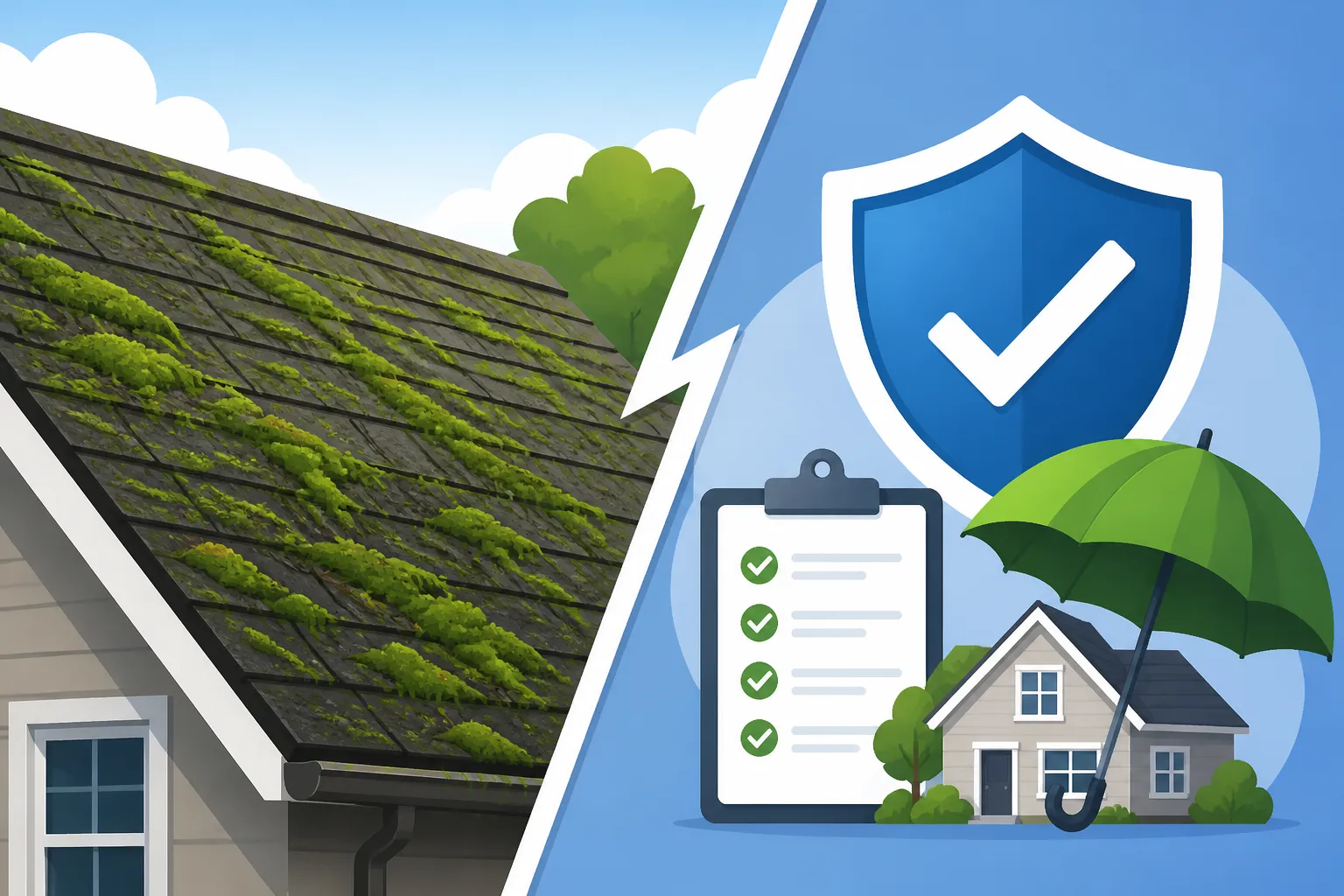
Is Moss Growth Covered by Insurance
Finding moss creeping across your asphalt roof can be unsettling, both for your home's curb appeal and your wallet. It's natural to wonder if your homeowner's insurance policy will step in to help with the cleanup or even a full roof replacement. The truth, unfortunately, is often more complicated than a simple yes or no, and it largely depends on the cause of the damage rather than the damage itself. This guide will thoroughly explore how insurance companies view moss growth and what homeowners can realistically expect.
Is Moss Growth Covered by Homeowners Insurance?
Let's cut right to the chase: in the vast majority of cases, standard homeowners insurance policies do not cover damage caused directly by moss growth. This often comes as a surprise, and it's a frustration many homeowners face when they discover their policy isn't the safety net they thought it would be for this particular issue. Insurance policies are generally designed to protect you from sudden, accidental, and unforeseen events, not from problems that develop over time due to a lack of maintenance or natural wear and tear. Moss growth, in the eyes of most insurance providers, falls squarely into the latter category.
Think of it this way: your car insurance won't pay to replace your tires when they wear out from normal driving, even though worn tires are a safety hazard. Similarly, your homeowner's insurance typically won't cover the gradual deterioration of your roof due to long-term issues like moss, algae, or even just old age. These are considered maintenance responsibilities of the homeowner. Insurance companies expect you to take reasonable steps to maintain your property, and keeping your roof clear of organic growth is part of that expectation.
Why Insurance Policies Typically Deny Moss Claims
The core reason for denial stems from how insurance policies define "perils" and "exclusions." Most policies clearly exclude damage caused by neglect, lack of maintenance, or gradual deterioration. Moss growth perfectly fits this description.
The "Gradual Deterioration" Clause
Insurance policies are meticulous about what they will and won't cover. A common exclusion found in most standard HO-3 (Homeowners 3) policies is for "gradual deterioration." Moss doesn't appear overnight; it grows slowly, over weeks, months, or even years, especially in damp, shaded environments. As it grows, it holds moisture against your shingles, causing them to break down prematurely. It can lift shingles, allow water to seep underneath, and contribute to granule loss. But because this is a slow, ongoing process, it's categorized as gradual deterioration, which is typically excluded.
Imagine a scenario where a homeowner in Portland, Oregon, known for its damp climate, notices a significant amount of moss on the north side of their roof after several years of ownership. They haven't had the roof professionally cleaned or treated. When a leak finally develops in that area, and they file a claim, the insurance adjuster will likely attribute the leak to the long-standing moss growth and the subsequent breakdown of the shingles, deeming it a maintenance issue rather than a sudden, covered event like a tree falling on the roof.
Maintenance Neglect and Preventative Action
Another major factor is "maintenance neglect." Insurance companies expect homeowners to perform routine maintenance to keep their homes in good condition. This includes cleaning gutters, trimming overhanging branches, and yes, addressing moss and algae growth. If an adjuster determines that the moss issue escalated due to a lack of regular care, they can deny the claim.
Consider a home in Asheville, North Carolina, surrounded by mature trees. If the homeowner never trims the branches shading the roof and never cleans the gutters, creating a perpetually damp environment ripe for moss, any resulting roof damage would likely be seen as a direct consequence of this neglect. Many policies outline specific homeowner responsibilities, and maintaining the roof's condition is almost always implied, if not explicitly stated. A reputable roofing contractor can provide an assessment and help you understand your roof's specific needs, and resources like Modernize can help you find one.
When Moss Damage Might Have an Insurance Angle
While direct moss damage is rarely covered, there are very specific, indirect circumstances where you might find some leverage with your insurance company. These situations are rare and often require a direct link to a covered peril.
Secondary Damage from a Covered Peril
This is the most common scenario where moss might play a role in an insurance claim, albeit indirectly. If the moss growth leads to another type of damage that is covered by your policy, you might have a case for the secondary damage.
For instance, let's say a severe windstorm (a covered peril) rips off a large section of your roof. During the inspection, the adjuster notes significant moss growth in the damaged area, which contributed to the shingles being weakened and more susceptible to wind uplift. In such a case, the primary damage (missing shingles due to wind) would likely be covered. The insurer might also cover aspects of the repair that involve replacing moss-affected areas if they were directly compromised by the covered event. However, they would still be scrutinizing whether the moss itself caused the initial weakness or if the wind was truly the primary and dominant cause of the damage.
It's a nuanced distinction. If the moss had already caused extensive damage and the wind merely finished the job on an already failing roof, the insurer might still push back, arguing the roof was at the end of its functional life regardless of the storm. This is why a clear distinction between what constitutes Wind Damage: Repair or Replace and pre-existing conditions is crucial.
Proving a Link: Documentation is Key
If you believe moss contributed to damage from a covered event, meticulous documentation is your best friend. Take clear photos and videos of the damage immediately after the covered event, showing how the moss intersects with the sudden damage. Get a professional roofing inspection from a qualified contractor who can provide an objective assessment of the primary cause of damage. Their report might highlight how existing moss worsened the impact of the storm.
Specific Policy Riders or Endorsements (Rare)
Some specialized or older policies might have unique clauses or endorsements, but these are incredibly rare for something like moss. It's always worth reviewing your specific policy language or speaking with your insurance agent. However, don't hold your breath for a "moss damage rider." Insurance companies are typically moving towards more restrictive policies regarding gradual damage, not less.
Understanding Moss and Its Impact on Your Asphalt Roof
Before we dive into prevention, it’s important to understand why moss is so detrimental to your asphalt roof, beyond just looking unsightly.
What is Moss and Why it Grows on Your Roof
Moss is a non-vascular plant that thrives in damp, shady, and cool environments. Your roof, especially the north-facing slopes or areas shaded by trees, offers the perfect habitat. Moss spores are airborne, constantly landing on surfaces. When they find an area with sufficient moisture, a bit of debris (like tree sap or leaf particles to hold moisture), and limited sunlight, they germinate and begin to grow. The tiny granules on asphalt shingles provide a rough surface for the moss to latch onto.
How Moss Damages Asphalt Shingles
The way moss damages shingles is insidious and gradual.
- Moisture Retention: Moss acts like a sponge, holding moisture against the surface of your shingles. This constant dampness prevents the shingles from drying out properly. Over time, this can lead to the deterioration of the asphalt material, making it soft and more susceptible to damage.
- Granule Loss: The roots (rhizoids) of moss can embed themselves into the shingle's surface, dislodging the protective granules as they grow and spread. These granules are vital for protecting the asphalt from UV rays and contributing to the shingle's fire resistance. Significant granule loss drastically shortens the lifespan of your roof. Losing granules can be a major sign that you need a new roof, and you might wonder Granule Loss: Should You Worry.
- Shingle Lifting and Curling: As moss grows and expands, it can physically lift the edges of your shingles. This compromises the watertight seal that shingles form when properly installed. Lifted shingles are vulnerable to wind and rain, making your roof more prone to leaks. This lifting can also lead to other issues like Curling Shingles: What They Mean.
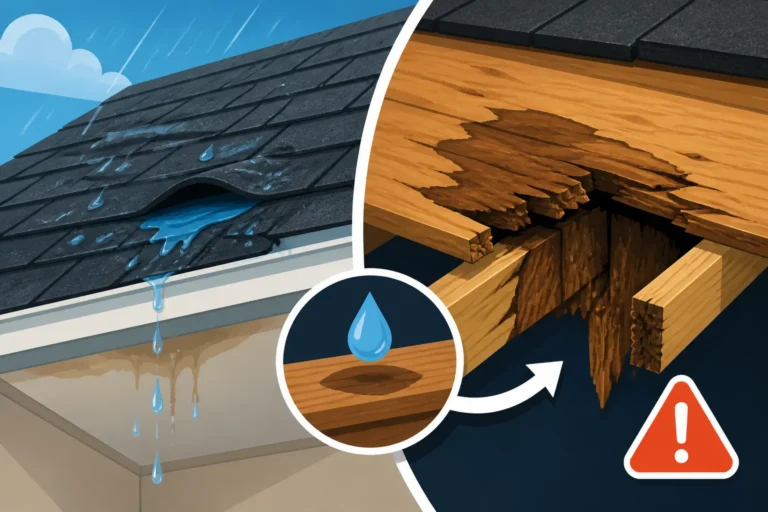
- Rotting Wood Components: If water is constantly held against the roof decking by thick moss, it can eventually seep through compromised shingles or underlayment. This can lead to rot in your roof decking, rafters, and even interior structural elements. Repairing or replacing roof decking is a costly endeavor.
Left unchecked, moss can significantly reduce the lifespan of your asphalt roof, turning a roof that should last 20-30 years into one that needs attention much sooner. Understanding How Long Does an Asphalt Roof Last can help put the impact of moss into perspective.
Preventing Moss Growth and Protecting Your Investment
Since insurance won't cover moss damage, prevention and regular maintenance are your best defense. Investing a little time and money now can save you thousands down the road.
Proactive Strategies to Keep Moss Away
- Trim Overhanging Branches: This is perhaps the most effective preventative measure. Branches that hang over your roof create shade, which keeps the roof damp, and drop leaves and debris, providing nutrients for moss. Regularly trim branches to allow sunlight to reach your roof and improve airflow.
- Clean Gutters Regularly: Clogged gutters cause water to back up and spill over onto your roof edges and fascia, creating constant dampness. Clean your gutters at least twice a year, especially in the fall after leaves drop, to ensure proper drainage.
- Install Zinc or Copper Strips: Installing strips of zinc or copper along your roof ridge can be a long-term solution. When it rains, trace amounts of metal ions wash down the roof, creating an environment that is toxic to moss, algae, and fungi. These strips are generally installed just below the ridge cap shingles.
- Maintain Proper Attic Ventilation: Good attic ventilation helps keep your roof deck cooler and drier, which can indirectly discourage moss growth by reducing condensation. Ensure your Roof Ventilation Works efficiently.
- Regular Roof Inspections: Performing a visual inspection of your roof from the ground (or from a ladder if you're comfortable and safe) annually can help you spot early signs of moss, algae, or other issues. Catching it early makes remediation much easier and cheaper.
Safe and Effective Moss Removal
If you already have moss, don't panic, but do address it promptly.
- Gentle Brushing: For light moss, a soft-bristle brush (never a wire brush!) can be used to gently sweep the moss off the shingles. Always brush downward with the grain of the shingles to avoid lifting them or dislodging granules. This is best done on a cool, overcast day when the moss is slightly damp but not saturated.
- Moss Cleaning Solutions: Several commercial moss and algae removers are available. Look for products that are specifically designed for asphalt shingles and are environmentally friendly. Always follow the manufacturer's instructions carefully. These typically involve spraying the solution and letting it work over time, with rain washing away the dead moss. Be cautious with bleach or harsh chemicals, as they can damage your shingles and surrounding landscaping.
- Professional Cleaning: For extensive moss growth or if you're uncomfortable working on your roof, hiring a professional roofing contractor for cleaning is the safest and most effective option. They have the right equipment and knowledge to remove moss without damaging your roof. When looking for someone trustworthy, Modernize can connect you with experienced roofers in your area.
Important Note: Never use a pressure washer on your asphalt shingles. The high pressure will strip away granules, compromise the shingle's integrity, and drastically shorten its lifespan, potentially voiding your warranty.
What to Do If You Have Extensive Moss Growth
If your roof is significantly covered in moss, it might be a symptom of deeper problems or a sign that your roof is nearing the end of its life.
Assess the Damage Beyond the Surface
A professional roofer can help you determine the extent of the damage. They'll look for:
- Granule Loss: How much of the protective surface has been eroded?
- Shingle Integrity: Are shingles brittle, cracked, or severely curled?
- Underlayment and Decking Issues: Has moisture penetrated to the underlying layers? Roof Decking Replacement Cost can be substantial if rot has set in.
- Signs of Leaks: Are there any interior water stains or dampness in your attic?
This assessment will help you decide between a repair and a full replacement. You might discover other Signs You Need a New Roof that are more pressing.
Repair, Replace, or Preventative Maintenance?
- Mild Moss: If the moss is superficial and caught early, professional cleaning and implementing the preventative measures discussed above can extend your roof's life. This is part of a good Roof Maintenance to Avoid Replacement strategy.
- Moderate Damage: If the moss has caused localized damage, such as a few lifted or softened shingles, a targeted repair might be possible. This could involve replacing a section of shingles and ensuring the underlying layers are sound. However, patching an old, moss-covered roof with new shingles can sometimes create an uneven appearance and highlights the age of the surrounding roof.
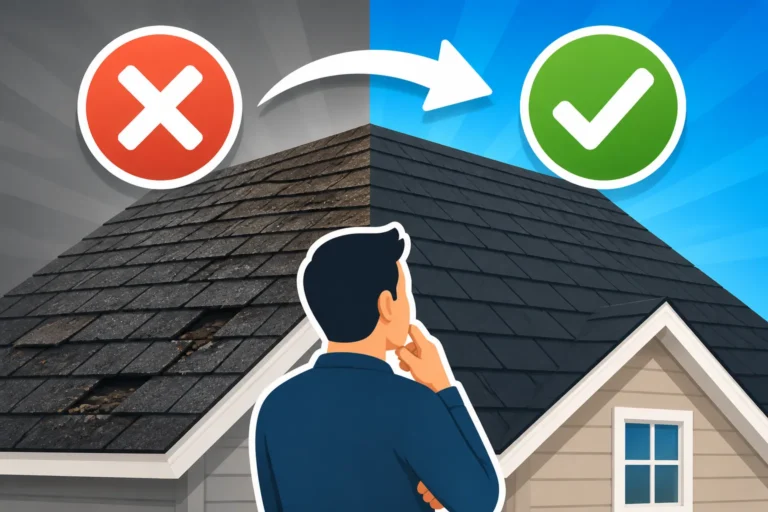
- Extensive Damage or Old Roof: If the moss growth is widespread, has caused significant granule loss, widespread shingle deterioration, or if your roof is already approaching its expected lifespan (typically 20-30 years for asphalt shingles), a full roof replacement is likely the most economical and prudent long-term solution. Trying to continually repair a failing roof can be a waste of money in the long run.
Remember, a healthy roof is crucial for the overall structural integrity of your home. If you're unsure about the best course of action, always consult with a few reputable local roofing contractors. They can provide estimates and recommendations. Resources like Modernize are excellent for finding trusted professionals in your area.
Typical Insurance Coverage for Roof Damage Scenarios
To help illustrate when insurance does and does not typically provide coverage for various roof issues, here's a table summarizing common scenarios:
| Type of Roof Damage | Typical Insurance Coverage | Explanation |
|---|---|---|
| Moss Growth (direct damage) | No Coverage | Considered gradual deterioration and a lack of maintenance. Homeowner's responsibility. |
| Algae Streaks | No Coverage | Cosmetic issue, not structural damage. Preventable with cleaning or algae-resistant shingles. |
| Missing Shingles (due to wind) | Yes (Covered Peril) | Damage from sudden, unexpected weather events like high winds is typically covered. |
| Hail Damage | Yes (Covered Peril) | Damage from hail, such as dents, cracks, and granule loss caused by impact, is generally covered. |
| Tree Falling on Roof | Yes (Covered Peril) | Damage from falling objects is typically covered, assuming the tree fell due to a storm or other covered event, not neglect (e.g., dead tree that should have been removed). |
| Roof Leak (from sudden event) | Yes | If a leak results from a covered peril (e.g., storm damage creating a hole), the damage from the leak (roof, interior) is typically covered. |
| Roof Leak (from old age/wear) | No Coverage | Leaks caused by a roof simply reaching the end of its lifespan, gradual deterioration, or lack of maintenance are typically excluded. |
| Rotted Roof Decking | No (direct cause) | If rot is caused by a long-term, unaddressed leak or moss growth, it's generally excluded. If it's secondary to a sudden, covered event (e.g., storm creates hole, then rot quickly develops), it may be. |
| Ice Dam Damage | Yes (often covered) | Damage from ice dams (e.g., water backing up under shingles and leaking inside) is often covered as a sudden event, but prevention is key. |
This table clearly highlights the distinction insurance companies make between sudden, unforeseen events and issues arising from ongoing conditions or lack of homeowner upkeep.
Moving Forward: Your Best Bet Against Moss Damage
The reality is that preventing moss growth, and dealing with it promptly if it does appear, falls squarely on your shoulders as a homeowner. Your insurance company will almost certainly view it as a maintenance issue, not an accidental loss.
The best strategy for protecting your home and your finances involves:
- Proactive Maintenance: Regularly cleaning gutters, trimming trees, and monitoring your roof's condition are non-negotiable. This is the foundation of protecting your investment.
- Regular Inspections: Consider getting a professional Roof Inspection: What They Check every few years, especially if your home is in a damp, shaded area. These inspections can identify issues like moss or early signs of shingle deterioration before they become major problems.
- Prompt Action: If you see moss, address it. Don't let it sit and spread. Small patches are much easier and cheaper to deal with than an entire roof overrun with growth.
- Know Your Policy: Take the time to read your homeowner's insurance policy, paying close attention to the "Exclusions" section, especially those related to maintenance, wear and tear, and gradual deterioration. If you have questions, talk to your insurance agent for clarity.
By being diligent and proactive, you can extend the life of your asphalt roof, maintain your home's value, and avoid the frustration of an uncovered insurance claim. Ultimately, the cost of preventative measures and timely cleaning is a small price to pay compared to the expense of a full roof replacement, or worse, dealing with leaks and interior damage that could have been avoided. Taking these steps is how you truly Extend the Life of an Asphalt Roof.
Disclaimer
This article is for general informational purposes only and does not constitute professional advice. Laws, prices and regulations vary by location and change over time. Consult a qualified professional for guidance on your specific situation.