Is Hail Damage Covered by Insurance
Finding hail damage on your roof is one of those gut-wrenching moments no homeowner ever wants to face. One minute you're just enjoying a normal day, the next, a storm rolls through, and you're left staring at a roof that suddenly looks like it's been pelted by a golf ball convention. The immediate thought? "Is hail damage covered by insurance?" It's a question that brings a mix of anxiety and urgency, and navigating the world of homeowners insurance can feel like trying to decipher an ancient scroll. This guide is here to break down exactly what you need to know about getting your hail-damaged asphalt roof covered by your policy, step by frustrating step.
Understanding Your Homeowners Insurance and Hail Damage
When those damaging hailstones fall, your first hope is that your insurance will swoop in and handle it. For most standard homeowners insurance policies, thankfully, damage from hail is typically covered. However, the devil is in the details, and understanding those details can make all the difference in a smooth claims process versus a headache-inducing battle.
The Basics of Peril Coverage for Your Roof
In the language of insurance, events like fires, theft, and wind or hail are called "perils." Most standard homeowners insurance policies, specifically the common HO-3 (special form) and HO-5 (comprehensive form) policies, are designed to protect your home from a broad range of these perils. Hail is almost universally listed among them. This means that if a sudden, unexpected hailstorm damages your asphalt shingles, your policy should, in principle, provide coverage for the necessary repairs or even a full roof replacement.
However, it's not always a blank check. Insurance policies are contracts, and they come with exclusions and conditions. For example, if your roof already had significant pre-existing damage, was neglected, or was simply at the very end of its lifespan, the insurance company might argue that the hail wasn't the sole cause of the damage or that the repair cost is disproportionate to the actual damage. This is why regular maintenance and inspections are crucial, even when everything seems fine. Also, some policies might have specific wind/hail deductibles, which can be higher than your standard deductible, something we'll discuss later.
Actual Cash Value vs. Replacement Cost Value (ACV vs. RCV)
This is one of the most critical distinctions in your policy when it comes to roof damage, and it can significantly impact the amount of money you receive. Many homeowners don't fully understand the difference until they're in the midst of a claim, and by then, it can be too late to change.
-
Actual Cash Value (ACV): If your policy covers your roof at Actual Cash Value, the insurer will pay for the cost of repairing or replacing your roof minus depreciation. Think of depreciation as the loss in value due to age, wear, and tear. For instance, if your asphalt roof is 15 years old and has an expected lifespan of 25 years, the insurance company might only pay you for 10 years' worth of a new roof's value. The older your roof, the less you'll get, leaving you with a larger out-of-pocket expense. This is particularly frustrating for older homes where a significant portion of the roof's value has already depreciated. When reviewing quotes, you'll need to know whether you're dealing with Actual Cash Value vs Replacement Cost Roof Claims to budget appropriately.
-
Replacement Cost Value (RCV): This is the gold standard for roof coverage. An RCV policy pays for the cost of repairing or replacing your roof with new materials of similar quality, without deducting for depreciation. Most RCV policies pay out in two stages: an initial payment based on ACV, and then a second payment for the remaining depreciation once the repairs are completed and invoices are submitted. This ensures you get the full cost to restore your roof to its pre-loss condition, or even better, if local building codes require upgrades. For example, if your 15-year-old asphalt roof needs full replacement after a hailstorm, an RCV policy will eventually cover the entire cost of a new roof, assuming it's within policy limits and deductible. Many homeowners choose to install impact-resistant shingles as an upgrade with RCV coverage, as these are designed to withstand hail better and can potentially lower future premiums.
Here's a quick comparison to illustrate the difference:
| Feature | Actual Cash Value (ACV) | Replacement Cost Value (RCV) |
|---|---|---|
| Payout Basis | Cost of repair/replacement minus depreciation | Cost of repair/replacement without depreciation |
| Age Impact | Significantly reduces payout for older roofs | Payout not reduced by roof age (for covered losses) |
| Out-of-Pocket | Higher, as you pay the depreciation difference | Lower, as depreciation is typically covered after repairs |
| Goal | Compensates for the current value of the damaged roof | Restores roof to new condition (or equivalent) |
| Process | Single payment | Two payments: initial ACV, then remainder upon completion/proof |
It's absolutely vital to know which type of coverage your policy provides. If you're unsure, pull out your policy documents or call your insurance agent immediately. This knowledge will set realistic expectations for your claim.
Identifying Hail Damage and Documenting Your Claim
The first step after a suspected hailstorm is to understand what you're looking for and then to meticulously document it. It's often the lack of clear evidence that trips up homeowners in the claims process.
What Hail Damage Looks Like on an Asphalt Roof
Hail damage isn't always immediately obvious, especially from the ground. While large hailstones can create undeniable holes or cracks, smaller hailstones or those falling at an oblique angle might cause more subtle, yet equally destructive, damage. Looking for Signs of Roof Hail Damage is crucial.
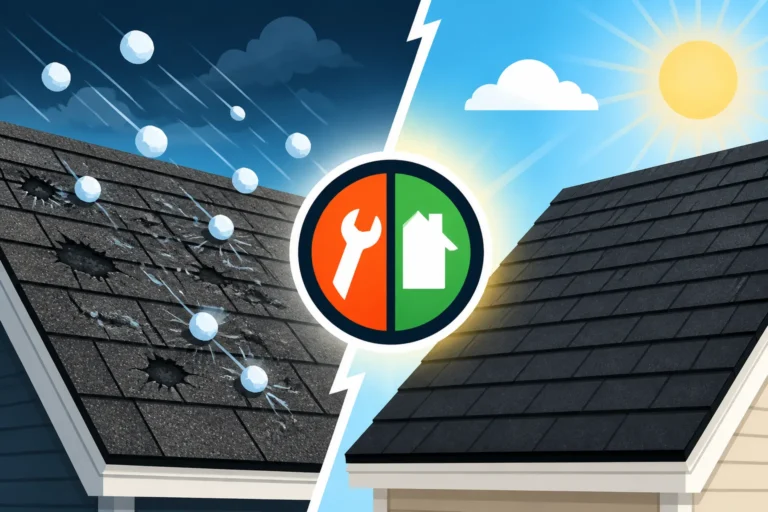
- Granule Loss: Asphalt shingles are coated with ceramic granules that protect the asphalt layer from UV rays and provide aesthetic appeal. Hailstones can dislodge these granules, leaving behind small, dark, circular spots where the asphalt is exposed. You might find these granules accumulating in your gutters or downspouts. While some granule loss is normal over time, concentrated areas of loss, especially in distinct patterns, are a strong indicator of hail impact.
- Bruising or Soft Spots: Hail impact can crush the asphalt mat beneath the granules, creating soft spots or indentations that feel spongy when pressed. These "bruises" compromise the shingle's integrity and can lead to premature aging and leaks, even if the granule loss isn't severe. These aren't always visible but can be felt by an experienced roofer.
- Cracks or Fractures: Larger, harder hail can crack or fracture the fiberglass mat of the shingle. These cracks often appear in irregular patterns and can lead to immediate leaks. On older, more brittle shingles, hail might cause cracks that radiate from the impact point.
- Pitting: Sometimes, the hail leaves small, crater-like depressions or indentations in the shingle surface. These pits expose the underlying asphalt to the elements, accelerating its deterioration.
- Damage to Other Elements: Remember, hail doesn't just hit shingles. Look for dings, dents, or broken elements on your gutters, downspouts, siding, window screens, outdoor light fixtures, AC units, and even your car. Consistent damage across multiple surfaces helps corroborate a hail claim.
It's worth noting that identifying hail damage can be tricky. What looks like hail damage to an untrained eye could sometimes be blistering (small bubbles that burst, exposing asphalt), general wear and tear, or even manufacturing defects. This is why safety is paramount: if you suspect damage, avoid climbing onto your roof yourself, especially if it's wet or steep. Instead, observe from the ground with binoculars and contact a reputable local roofing contractor for a professional inspection. They can safely get on your roof and provide an expert assessment.
Gathering Evidence for Your Insurance Claim
Once you suspect hail damage, documentation becomes your best friend. The more evidence you have, the stronger your claim will be. This is where you put on your detective hat.
- Take Photos and Videos: Get your phone or camera out! Take wide shots of your house, showing the roof and surrounding property. Then, zoom in on specific areas of damage on the roof, gutters, siding, and any other affected property. Capture the date and time, if possible, with your camera's timestamp. Make sure your pictures are clear, well-lit, and show the extent and nature of the damage. A photo showing dislodged granules in a gutter, for example, can be very compelling. For advice on what to document, check out our guide on How to Document Roof Damage for Insurance.
- Note the Date and Time of the Storm: This seems simple, but it's crucial. Insurance companies will want to verify the storm event. Knowing the precise date and approximate time helps them cross-reference weather reports for your specific area.
- Contact a Professional Roofer: Before you even call your insurance company, consider getting a free inspection from a local, reputable roofing company. A good contractor can provide a detailed assessment, often with photos, and help you understand the extent of the damage. They might even be able to offer insights into what the insurance adjuster will look for. Companies like Modernize can help you connect with vetted local contractors who specialize in hail damage assessment and repair. This expert opinion can be invaluable when dealing with an adjuster.
- Keep a Log: Maintain a record of everyone you speak to, including names, dates, times, and a summary of the conversation. This includes your insurance agent, the claims department, adjusters, and roofing contractors.
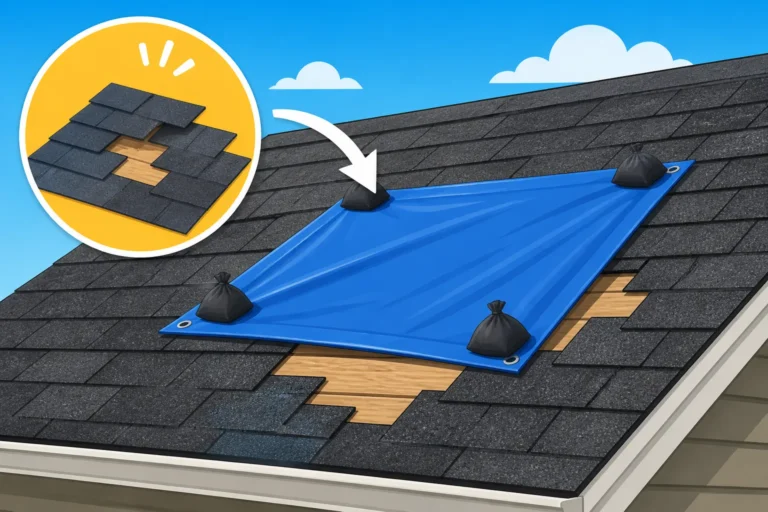
- Don't Make Permanent Repairs (Yet): Resist the urge to fix anything permanently until the insurance adjuster has had a chance to inspect the damage. Making major repairs beforehand could complicate your claim or lead to a denial. However, do undertake necessary temporary repairs to prevent further damage, like tarping a leaky section of the roof. Document these temporary fixes with photos and keep all receipts. Emergency Roof Tarping Explained can guide you through this process.
Navigating the Hail Damage Insurance Claim Process
Filing an insurance claim can feel daunting, but knowing the steps and what to expect can ease the stress considerably. Remember, this is a process, and being proactive and organized will serve you well.
Initial Steps After a Hailstorm
Once the storm has passed and you've completed your initial documentation, it's time to spring into action.
- Prioritize Safety First: Before anything else, ensure your family and home are safe. If there's severe structural damage, vacate the property and call emergency services. If there are exposed electrical wires or active leaks, address those with caution and professional help.
- Prevent Further Damage: Your policy typically requires you to take reasonable steps to prevent additional damage. This means placing buckets under leaks, covering broken windows, or, most importantly for roofs, temporarily tarping damaged areas. As mentioned, keep receipts for any materials you buy for these temporary fixes, as your insurance might reimburse you.
- Contact Your Insurance Provider Promptly: Don't delay! Most policies have a clause requiring you to report damage "as soon as reasonably possible." While there isn't usually a strict deadline like 24 hours, waiting too long (e.g., months) can lead to your claim being denied, as the insurer might argue it's difficult to determine when the damage occurred or if it was from a different, unreported event. You can typically file a claim by calling your agent, the insurance company's claims line, or sometimes even through an online portal or mobile app.
- Understand the Statute of Limitations: While "promptly" is vague, most states have a statute of limitations for filing property damage claims, often one to two years from the date of loss. However, it's always best to file much sooner than this, especially for hail, which can be difficult to pinpoint retrospectively.
Working with Your Insurance Adjuster and Roofer
This stage involves direct interaction with your insurer's representative and your chosen contractor. It's often the most critical phase for ensuring your claim is fully recognized and fairly compensated.
- The Adjuster's Visit: Once you file your claim, the insurance company will assign an adjuster to assess the damage. This person's job is to verify the damage, determine its cause, and estimate the cost of repairs. They will typically climb onto your roof, take photos, and make measurements. During this visit, point out all the areas you've identified as damaged, both on the roof and other parts of your property.
- Having Your Roofer Present: This is a crucial tip: whenever possible, have your chosen roofing contractor present during the insurance adjuster's inspection. A skilled roofer understands exactly what adjusters are looking for, can point out subtle damage the adjuster might miss, and can advocate on your behalf. They can speak the same technical language as the adjuster and ensure that all aspects of the damage are thoroughly documented. Many reputable companies, including those connected through platforms like Modernize, are experienced in working alongside adjusters. They can even provide a detailed estimate to compare against the adjuster's assessment. Our guide on How to Read and Compare Roofing Estimates can give you an edge in this step.
- Reviewing the Adjuster's Report: After their inspection, the adjuster will provide a report detailing the damage they found and their estimated cost of repair or replacement. Review this report carefully. Does it match what you and your roofer observed? Are all damaged components included (e.g., shingles, flashing, gutters, vents, decking)? If there are discrepancies, discuss them immediately with your adjuster and have your roofer provide additional documentation or a counter-estimate. Sometimes, a supplemental claim might be necessary if additional damage is found during the actual repair work.
- Getting a Roofing Permit: Depending on your local regulations, a roofing permit may be required for a full replacement or even significant repairs. Your contractor should handle pulling the permit. This is essential for ensuring the work meets local building codes and maintaining your home's insurability and resale value. Check out our detailed article, Do You Need a Permit to Replace a Roof, for more information.
Factors That Can Impact Your Hail Damage Coverage
Even with comprehensive RCV coverage, several variables can influence the final payout and your out-of-pocket expenses. Being aware of these can help you better prepare and manage your expectations.
Deductibles and Policy Limitations
While coverage for hail damage is common, what you actually pay out-of-pocket can vary greatly based on your policy's specifics.
- Standard Deductibles: Your basic homeowners insurance policy will have a deductible, often $500, $1,000, or more. This is the amount you pay before your insurance coverage kicks in. So, if your roof repair costs $10,000 and your deductible is $1,000, the insurance company will pay $9,000.
- Special Wind/Hail Deductibles: This is where things get tricky. In states prone to severe weather, especially those in the "Hail Alley" or hurricane zones like Texas, Florida, Colorado, or Oklahoma, insurers often impose separate, higher deductibles specifically for wind and hail damage. These are frequently expressed as a percentage of your home's insured value, typically 1%, 2%, or even 5%. For example, if your home is insured for $300,000 and you have a 2% wind/hail deductible, you would pay $6,000 out-of-pocket before your insurance covers anything. This can be a huge shock if you're not aware of it. Always confirm if your policy includes a special wind/hail deductible. If you're looking for ways to reduce this, consider installing Impact-Resistant Shingle Cost roofs, as some insurers offer discounts for these.
- Cosmetic Damage Exclusions: Some policies, particularly newer ones or those in high-risk areas, might have clauses excluding coverage for purely cosmetic damage from hail. This means if the hail causes granule loss that doesn't compromise the shingle's function but just makes it look unsightly, the insurer might deny the claim. This is a contentious area, so it's important to understand your policy's language regarding what constitutes "damage."
Roof Age, Condition, and Previous Claims
The current state of your roof plays a significant role in how your claim will be handled. An older, poorly maintained roof can present substantial challenges.
- Age and Depreciation: As discussed with ACV policies, the older your roof, the less financial payout you might receive. Even with RCV policies, if your roof is extremely old (e.g., 25+ years for a typical asphalt shingle roof, well beyond the expected How Long Asphalt Shingles Last), the insurer might argue that it was already at the end of its useful life and prorate the coverage, or even deny a full replacement, especially if damage is marginal. This is why our guide on Roof Age: When to Start Planning Replacement is so critical.
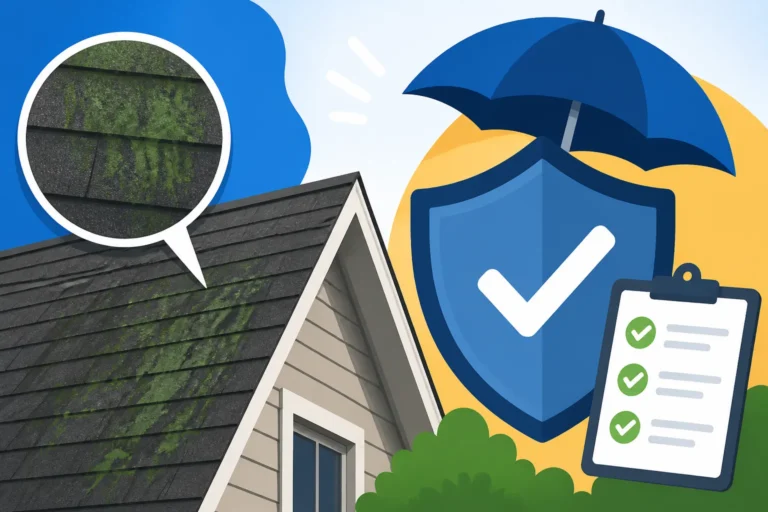
- Pre-existing Damage or Neglect: If your roof already had significant damage from previous storms that wasn't repaired, or if there's evidence of long-term neglect (e.g., widespread moss growth, missing shingles from an old storm), the insurance company might attribute current issues to those prior conditions rather than the recent hail. This underscores the importance of prompt repairs and regular maintenance.
- Multiple Claims: Filing multiple claims in a short period can raise red flags with your insurer. While legitimate claims should always be paid, a history of frequent claims can lead to higher premiums, a non-renewal of your policy, or even difficulty finding new coverage.
The Importance of Timely Action and Proper Documentation
Let's reiterate, because these points are truly essential for a successful claim.
- Don't Delay: Time is not your friend when it comes to insurance claims. The longer you wait, the harder it becomes to prove that the damage was caused by the specific hailstorm you're claiming for, and not by subsequent events or general wear and tear. A delay could be interpreted as neglecting your duty to mitigate further damage, which could also jeopardize your claim.
- Keep Everything Organized: From photos to communication logs to repair estimates and receipts for temporary fixes, having all your documentation neatly organized will make the process much smoother. Think of it as building a case for your roof! A professional roofing contractor, like those found via Modernize, will often assist you in compiling necessary documentation and communicating with your insurance company, easing a significant burden. Their expertise can truly pay off.
- Follow Up: Don't be afraid to follow up with your insurance company regularly. Sometimes claims can get bogged down due to heavy storm volume. A polite but persistent approach helps ensure your claim stays on track.
- Understand Your Warranty: A well-installed roof, particularly one installed by a manufacturer-certified contractor, comes with warranties. While your homeowners insurance covers sudden perils like hail, understanding How a Complete Roof System Qualifies for Warranty can be beneficial for knowing your full protection.
Navigating a hail damage claim can feel overwhelming, but by understanding your policy, meticulously documenting the damage, and working with knowledgeable professionals, you can significantly improve your chances of a successful outcome. Don't be afraid to ask questions, challenge decisions you believe are unfair, and seek expert advice.
Disclaimer
Please note that this content is intended for informational purposes only and does not constitute professional advice. Insurance policies vary widely, and coverage for hail damage can depend on your specific policy terms, endorsements, and state regulations. Always consult your insurance agent or provider for detailed information regarding your individual coverage and claims process. For roofing repair or replacement advice, always seek estimates and inspections from licensed and insured roofing contractors.