How Often to Inspect Your Roof
It's easy to forget about your roof until you're staring at a water stain on your ceiling or scrambling to find a bucket during a downpour. The truth is, many homeowners fall into the trap of "out of sight, out of mind" when it comes to their asphalt roofing. But neglect can lead to expensive, disruptive problems down the line. This comprehensive guide will walk you through exactly how often you should be inspecting your roof, what to look for, and when to bring in the professionals, helping you maintain peace of mind and protect your biggest investment.
Why Regular Roof Inspections are Non-Negotiable for Homeowners
Let's be honest, getting up on a ladder or even just walking around your house looking up at your roof probably isn't high on your list of fun weekend activities. But ignoring your roof is like ignoring the check engine light in your car – eventually, that small, nagging issue is going to turn into a major breakdown. Regular roof inspections, while seemingly a chore, are one of the smartest things you can do for your home.
Protecting Your Investment and Preventing Costly Surprises
Your roof isn't just a hat for your house; it's a complex system designed to protect everything underneath it: your family, your belongings, and the structural integrity of your home. Think about it: a roof replacement can easily be one of the most significant home expenses you'll face. The average asphalt roof replacement cost often runs into the tens of thousands of dollars. By proactively inspecting your roof, you're not just looking for problems; you're safeguarding that substantial investment.
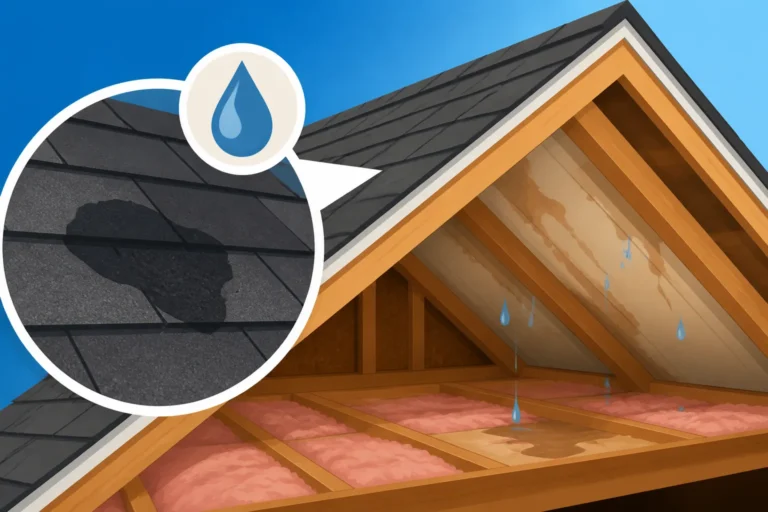
Imagine a small, seemingly innocent crack in a shingle. Left unchecked, that crack allows water to seep in, slowly at first, then more aggressively with each rainstorm. This moisture can rot your roof decking, compromise your attic insulation, and eventually damage your ceilings and walls. What started as a minor, inexpensive repair – perhaps a single shingle replacement – could escalate into needing extensive roof decking replacement cost, interior repairs, and even mold remediation. Regular inspections help you avoid these snowballing issues, saving you a fortune in the long run and preventing those gut-wrenching, costly surprises that no homeowner wants to deal with.
Catching Small Issues Before They Become Major Headaches
This is where the real magic of routine inspections lies. Most catastrophic roof failures don't happen overnight; they're usually the culmination of small, ignored problems. A missing shingle here, a loose piece of flashing there, a build-up of debris in a valley—these are all minor issues individually. But given enough time and exposure to the elements, they create pathways for water, wind, and even pests to wreak havoc.
Consider the common issue of granule loss. Those tiny, sand-like particles on your asphalt shingles are there for a reason: they protect the shingle from UV rays and add fire resistance. If you notice excessive granules accumulating in your gutters, it's a sign that your shingles are aging and losing their protective layer. An inspection might reveal a specific area where this is happening faster, perhaps on a south-facing slope that gets more sun exposure. Catching this early allows you to monitor the situation, perhaps apply a sealant or consider a targeted repair, rather than waiting until the shingle itself becomes brittle and cracks, leading to an immediate leak. Addressing these minor culprits quickly can drastically extend the life of your roof and prevent the kind of major headaches that keep you up at night.
Maintaining Warranty Compliance
Did you know that many manufacturer warranties for asphalt shingles often have clauses requiring regular maintenance and inspections? It's true! While the specifics vary between brands like GAF, Owens Corning, and CertainTeed, neglecting your roof entirely could potentially void parts of your warranty. These warranties are designed to protect you from defects in materials, but they assume a level of homeowner care.
For example, if a specific shingle product has a wind resistance warranty, but your roof sustains wind damage because loose shingles were never re-secured after a minor gust, the manufacturer might argue that lack of maintenance contributed to the failure. A consistent record of inspections, either DIY or professional, shows due diligence on your part. If a legitimate product defect does arise, having this documentation can be invaluable when filing a claim. It’s a proactive step that protects your investment in the long term, ensuring that if something does go wrong due to a manufacturing issue, you’re covered.
How Often Should You Really Inspect Your Asphalt Roof?
There’s no one-size-fits-all answer here, and anyone who tells you otherwise might be oversimplifying things. While there's a baseline recommendation, the frequency of your roof inspections really depends on a few key factors unique to your home and environment.
The Baseline Recommendation: Twice a Year
For most homeowners with an asphalt shingle roof, a good rule of thumb is to conduct a thorough inspection at least twice a year. Think of it like a dental check-up – prevention is always better than emergency surgery.
The ideal times for these routine checks are typically in the spring and fall. Why these seasons?
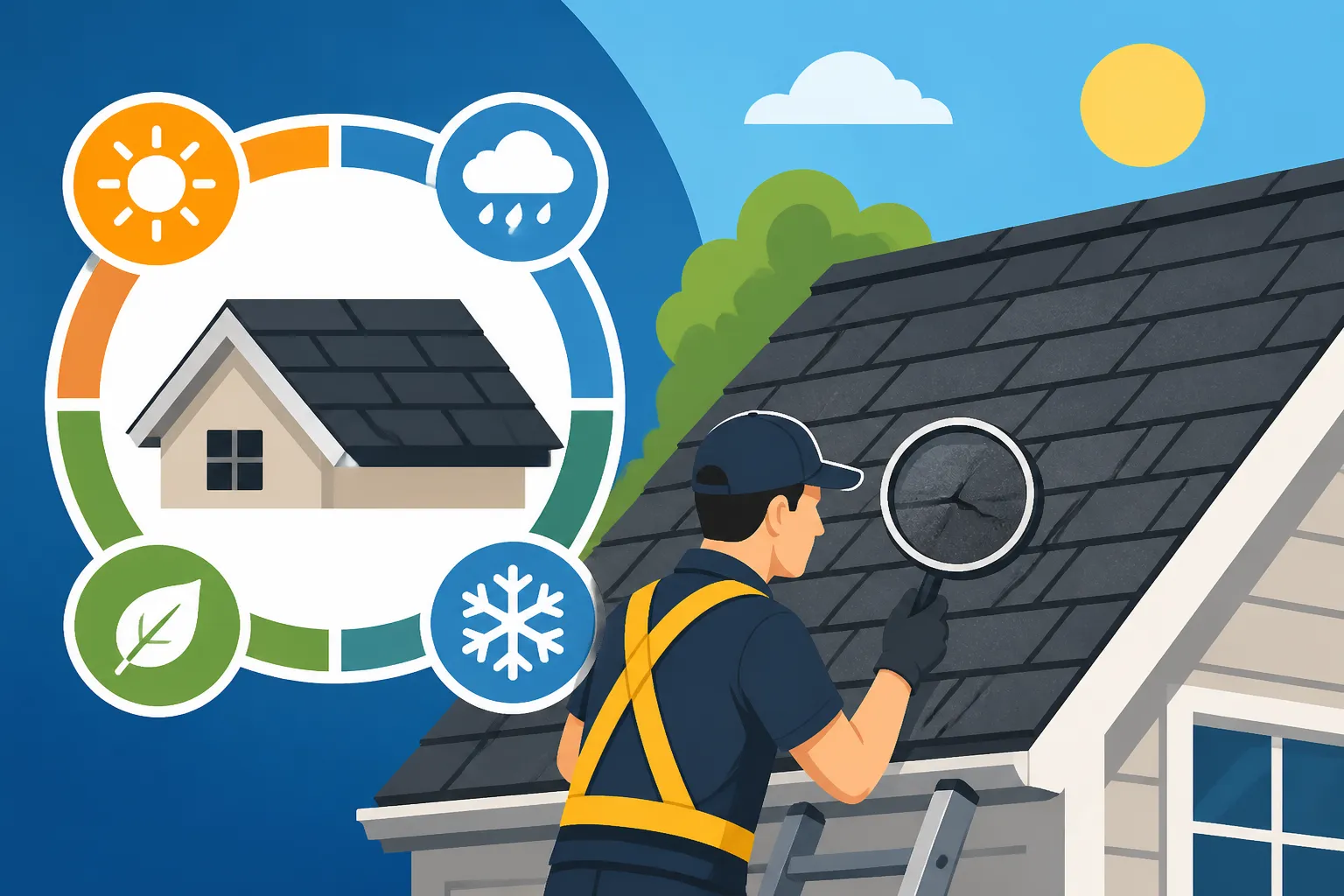
- Spring Inspection: After the harshness of winter, with its freezing temperatures, snow, and ice dams, a spring inspection allows you to assess any damage that might have occurred. Ice can lift shingles, snow load can stress the structure, and thawing cycles can reveal leaks. It’s a chance to address any winter-related wear and tear before the summer storm season kicks in.
- Fall Inspection: Before winter hits, a fall inspection is crucial. You want to ensure your roof is in optimal condition to withstand the upcoming cold, moisture, and potential heavy snowfall. Clearing debris that has accumulated over summer and checking for any sun damage or loosened shingles from autumn winds can prevent major issues when the weather turns truly nasty. This twice-yearly cadence provides consistent oversight, helping to identify emerging problems before they become significant and costly repairs.
Factors That Demand More Frequent Checks
While twice a year is a solid starting point, certain circumstances warrant a more vigilant approach. Your home isn't in a vacuum, and the environment it exists in plays a huge role in how much wear and tear your roof experiences.
- Local Climate and Weather Patterns: If you live in an area prone to severe weather, like the tornado alley in the Midwest, hurricane zones in Florida or Texas, or regions with frequent hailstorms in Colorado, you should absolutely increase your inspection frequency. After any significant weather event – a strong windstorm, a heavy hail shower, or even just an unusually intense rainstorm – you need to perform an immediate assessment. Even if you don't see obvious Signs of Roof Hail Damage or Signs of Roof Wind Damage, it's worth a quick check. The subtle impacts can compound over time.
- Presence of Nearby Trees: Beautiful trees provide shade and curb appeal, but they are also a roof's silent enemy. Overhanging branches can drop leaves, twigs, and sap onto your roof, especially into valleys and around chimneys. This debris traps moisture, promotes moss and algae growth, and can even scratch or dislodge granules from your shingles. If you have large, mature trees close to your home, consider checking your roof and cleaning your gutters quarterly, or even more frequently after heavy winds or autumn leaf fall.
- Age of Your Roof: As your asphalt roof approaches the latter half of its expected lifespan – generally around 15-20 years for a typical architectural shingle, though it can vary for a How Long Does an Asphalt Roof Last – it becomes more susceptible to damage. Shingles become more brittle, sealants lose their efficacy, and the overall system simply isn't as robust as it once was. If your roof is nearing the 15-year mark, you might want to start doing more frequent, perhaps quarterly, quick checks, and definitely increase the regularity of professional inspections. You'll want to be on the lookout for Roof Age: When to Start Planning Replacement options.
- Previous Damage or Ongoing Issues: If your roof has had a history of leaks, repairs, or has been impacted by prior storm damage, it might have weakened areas. These spots need closer attention. For instance, if you had a repair done around a chimney, you should specifically check that area more often to ensure the flashing remains sealed and watertight.
Seasonal Considerations for Inspections
Beyond the twice-a-year baseline, it's helpful to tailor your inspection habits to the seasons and local weather patterns. Each season brings its own set of challenges for your roofing system.
- Winter: While it's often too dangerous and cold to perform a full roof inspection during winter, especially with snow and ice, keep an eye out for tell-tale signs of trouble from inside. Look for unusual icicle formations, which can indicate poor insulation or ventilation. After a heavy snowfall, check your attic for condensation or moisture. Once the snow melts, pay close attention to drainage and look for any new signs of leaks. Early spring is when you'll perform your detailed post-winter assessment.
- Summer: Intense summer heat can cause shingles to expand and contract, potentially stressing the sealant strips. UV radiation is also a major factor in shingle degradation, leading to granule loss over time. If you live in a particularly hot climate, a mid-summer ground-level check for curling or blistering shingles can be beneficial. Also, keep an eye out for increased storm activity – pop-up thunderstorms can bring high winds and hail, necessitating an immediate post-storm check.
- Spring and Fall: As mentioned, these are prime inspection times. The milder weather makes it safer and more comfortable to be outdoors, and these seasons often mark the transition between extreme weather periods, making them ideal for assessing the roof's readiness for the next challenge. For instance, after spring rains, you might notice areas where water pools or where moss has started to grow more aggressively, which you can then address before it becomes entrenched.
What You Can Check Yourself During a DIY Roof Walk-Around
You don't always need a professional to get a good sense of your roof's condition. A DIY inspection can be incredibly insightful, helping you catch problems early and decide if it's time to call in a pro. The key is to be thorough, methodical, and above all, safe.
Ground-Level Observations: The Easiest Starting Point
Before you even think about a ladder, start with the safest and easiest method: a good old-fashioned walk-around your property. Grab a pair of binoculars and slowly circle your house, looking up at your roof from every angle. This seemingly simple step can reveal a surprising amount.
What should you be looking for?
- Missing or Damaged Shingles: Can you see any shingles that are obviously gone, curled, cracked, or discolored? Pay special attention to the edges of the roof, around chimneys, and along valleys where shingles can be more vulnerable.
- Granules in Gutters: Check your gutters for an accumulation of asphalt granules. A few are normal, but excessive amounts could indicate your shingles are deteriorating.
- Sagging or Uneven Areas: Does any part of the roof look like it's dipping or sagging? This could be a sign of compromised decking or a structural issue that needs immediate attention.
- Flashing Issues: Look at the metal flashing around chimneys, skylights, and vent pipes. Does it appear bent, rusty, or pulled away from the roof surface?
- Moss, Algae, or Lichen Growth: While not always immediately damaging, extensive growth can trap moisture and accelerate shingle deterioration. Black streaks are usually algae, while green, fuzzy patches are moss, and flat, crusty growths are lichen.
- Debris Build-up: Are there leaves, twigs, or other debris accumulated in valleys or behind chimneys? This can trap moisture and cause premature wear.
- Gutter Condition: Are your gutters clogged? Are they pulling away from the fascia? Proper drainage is crucial for roof health.
These ground-level checks are easy to perform and don't require any special equipment, making them an excellent first step in your routine inspection process.
Attic Inspections: Signs of Trouble from Within
The attic is your roof's internal report card. Even if your roof looks perfect from the outside, issues can often manifest themselves first in the attic. This is a crucial, yet often overlooked, part of a thorough DIY inspection.
When you head into the attic, bring a flashlight and look for:
- Water Stains or Drips: The most obvious sign of a leak. Look for water stains on the underside of the roof decking, rafters, or insulation. Pay particular attention after a rainstorm. Remember that water can travel, so a stain might not be directly below the leak's entry point. Learning How to Spot a Roof Leak can give you specific areas to check.
- Mold or Mildew: Any signs of mold or mildew indicate excessive moisture, which could be from a leak or poor ventilation. Mold often has a musty smell and can appear as black, green, or white fuzzy patches.
- Daylight: Can you see any pinholes of light coming through the roof? If so, that's a direct pathway for water, and it needs to be sealed.
- Sagging Decking: Similar to the exterior check, look for any areas where the roof decking seems to be bowing or sagging, which could point to water damage or structural weakness.
- Ventilation Issues: Is your attic excessively hot and humid, or does it feel stuffy? Poor attic ventilation can lead to moisture build-up, premature shingle aging, and higher energy bills. Ensure soffit and ridge vents aren't blocked.
Inspecting your attic provides invaluable information about your roof's performance and the effectiveness of your insulation and ventilation systems. It's often the first place hidden problems reveal themselves.
Safely Assessing Your Roof from a Ladder (or not)
Now, here's where safety becomes paramount. For a closer look, you might need a ladder. However, only attempt a ladder inspection if you are completely comfortable, have a stable ladder, and ideally, a spotter. If you have any doubts, or if your roof is particularly steep, high, or has complex features, stop here and consider calling a professional. No amount of money saved on an inspection is worth a serious injury.
If you proceed with a ladder:
- Secure the Ladder: Ensure it's placed on solid, level ground and extends at least three feet above the gutter line. Have someone hold it for you.
- Inspect Gutters and Downspouts: Clear any debris that has accumulated. Ensure water can flow freely. Clogged gutters are a primary cause of fascia and soffit damage, and can lead to water backing up under your shingles.
- Check Drip Edge: Ensure the drip edge is firmly attached and directing water away from the fascia boards.
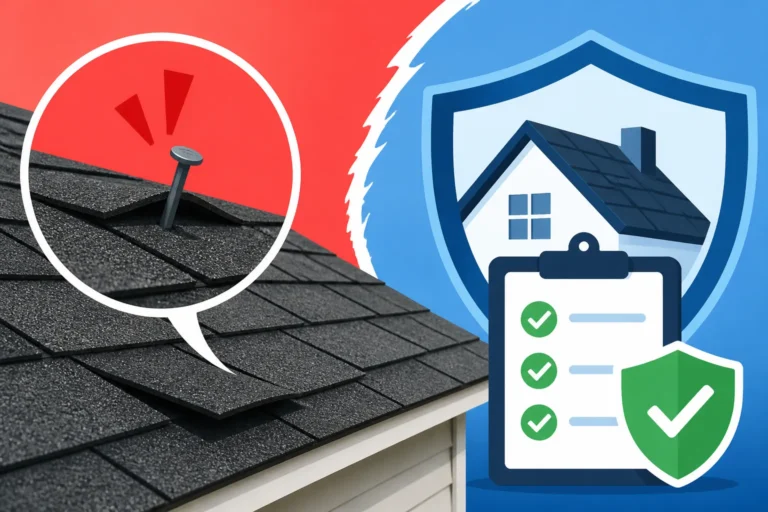
- Look for Loose Fasteners: Sometimes, you can spot nail pops or loose fasteners that aren't properly securing shingles.
- Examine Shingle Edges and Valleys Up Close: From the ladder, you can get a better view of shingle condition, especially along the rake edges and in the valleys, where water runoff is concentrated. You can check for minor cracks or lifted tabs that might be hard to see from the ground.
Crucial Safety Note: Never walk on a wet or icy roof. Never walk on a steep roof if you're not equipped with proper safety gear. If you identify any significant damage or feel uncomfortable at any point, climb down and call a reputable local roofing contractor. Many will offer free initial inspections or consultations. You can also use services like Modernize to connect with pre-vetted contractors in your area who can provide professional assessments.
When It's Time to Call in the Pros for a Detailed Roof Inspection
While DIY inspections are fantastic for routine checks and catching obvious issues, there are definitely times when you absolutely need to bring in a professional. These aren't just "nice-to-haves"; they're critical moments when an expert eye can make all the difference.
After Major Storms or Significant Weather Events
This is perhaps the most critical time to call a professional. You might walk around your house after a severe thunderstorm or a hail event and think everything looks fine. But what you can't see can definitely hurt you.
- Hail Damage: Hail damage isn't always obvious to the untrained eye. It can bruise shingles, dislodge granules in subtle patterns, or compromise the integrity of the shingle mat without causing immediate leaks. A professional can identify these impacts, especially Do Class 4 Shingles Lower Insurance Premiums for potential insurance claims. Hail damage can be tricky because it might not leak for months or even years, but it shortens the lifespan of your roof considerably.
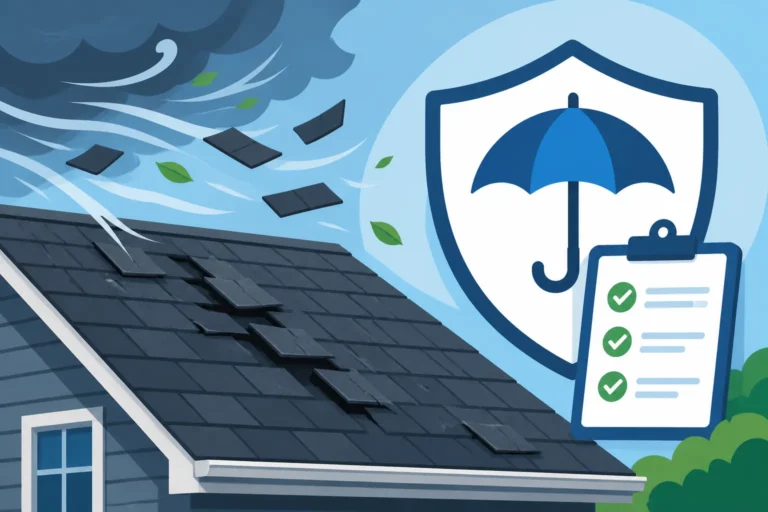
- Wind Damage: Strong winds can lift shingles, crack their sealant, or even tear them off entirely. Even if shingles aren't missing, they might have been stressed to the point where their protective seal is broken. A professional knows where to look for these subtle signs, especially along ridge lines, eaves, and rake edges. They can also tell if the wind has compromised your flashing or other roof components. If you've experienced severe weather, a professional assessment is crucial to determine if you need a Storm Damage: Repair or Replace evaluation.
- Fallen Debris: Even if it's just a large branch, the impact can cause localized damage that isn't immediately visible from the ground, such as fractured decking or a small puncture that's obscured by other debris.
After any significant weather event, especially one that included high winds, heavy rain, or hail, schedule a professional roof inspection as soon as possible. This is often covered by your homeowner's insurance if damage is found.
Dealing with Visible Damage or Persistent Leaks
If your DIY inspection has revealed clear signs of trouble – a significant patch of missing shingles, widespread granule loss, noticeable sagging, or worse, an active leak – it's time to call in the experts. Don't try to play superhero with tarps and sealants if you're not absolutely sure what you're doing.
- Active Leaks: A persistent leak, even a small one, indicates that water has found a direct path into your home. Pinpointing the exact source of a leak can be incredibly challenging for a homeowner. Water can travel along rafters or pipes, making the entry point far from where you see the drip. Professionals have the experience and tools to trace leaks effectively and understand what causes leak on a roof, whether it's faulty flashing, a cracked shingle, or an issue with a vent pipe seal.
- Widespread Damage: If you notice several areas of concern during your walk-around, such as multiple curling shingles, significant moss growth, or extensive granule loss across multiple slopes, this usually points to systemic issues with your roof's aging or overall health. A professional can provide a comprehensive Roof Damage Assessment: A Homeowner's Guide and advise you on the best course of action, whether it's a targeted repair or a full roof replacement. They can help you determine the severity and the best approach for long-term solutions.
- Pest Infestation: If you notice signs of pests, like squirrels or raccoons, entering your attic through the roof line, a professional can assess the damage and ensure any entry points are properly sealed with durable materials.
Preparing for a Home Sale or Insurance Claim
When certain life events happen, a professional roof inspection becomes more than just a good idea; it's often a requirement or a strategic move.
- Selling Your Home: A pre-listing roof inspection can give you a clear picture of your roof's condition, allowing you to address any issues proactively. This can be a huge selling point and prevent last-minute negotiations or delays once a buyer's inspector finds problems. Having a clean bill of health for your roof can offer peace of mind to potential buyers and even increase your home's perceived value.
- Buying a Home: Before you finalize the purchase of a new home, a professional roof inspection (separate from a general home inspection) is highly recommended. The general inspector might point out obvious issues, but a roofing specialist can delve deeper into the system's condition, estimated lifespan, and potential future costs. This can save you from inheriting a costly problem right after closing.
- Insurance Claims: If you suspect storm damage or other covered events, a professional inspection is the first step in filing a claim. A reputable roofing contractor can provide the detailed documentation, photos, and expert assessment your insurance company will need. They often understand the nuances of insurance claims and can help you navigate the process. Furthermore, some specialized contractors, particularly those found through services like Modernize, have experience working directly with insurance adjusters, making the claim process smoother for you.
What a Professional Roof Inspection Entails
So, you've decided to call in the pros. What exactly happens during a professional roof inspection, and what kind of value are you getting from their expertise? It's much more than just a quick glance.
Comprehensive Assessment of All Roof Components
A thorough professional inspection goes far beyond what you can see from the ground or a simple ladder peek. A qualified roofing contractor will systematically examine every critical component of your roofing system. This includes:
- Shingles: They'll meticulously check for signs of aging, such as curling, blistering, cracking, granule loss, and missing tabs. They'll also look for manufacturing defects, improper installation, or damage from foot traffic or debris. They understand the differences between 3-Tab vs Architectural Shingle Cost Compared and how each type ages differently.
- Underlayment and Decking: While not directly visible, signs of compromised underlayment or roof decking (like sagging or soft spots) are carefully identified. This often involves inspecting the attic space to confirm the integrity of the underlying structure. They'll also check for proper fastening of the decking and look for any signs of water penetration through nail holes or seams.
- Flashing: This is a common area for leaks. Professionals will inspect all flashing around chimneys, skylights, vent pipes, valleys, and wall junctures. They look for corrosion, separation, tears, or improper installation that could allow water intrusion.
- Gutters and Downspouts: Beyond just cleanliness, they'll check for proper slope, secure attachment, and any signs of damage or deterioration that could impede drainage.
- Ventilation: They'll assess your attic ventilation system, including soffit, ridge, gable, and static vents, to ensure they are clear, properly sized, and functioning effectively to prevent heat and moisture build-up. Adequate ventilation is crucial for the longevity of your shingles and the energy efficiency of your home.
- Drip Edge: Ensuring that the drip edge is correctly installed and preventing water from running behind the fascia boards is a key detail a professional won't miss.
- Soffit and Fascia: These often get overlooked, but damage to the soffit and fascia can lead to water intrusion into the attic or behind exterior walls. Professionals will check for rot, holes, or signs of animal entry.
This holistic approach ensures that no stone is left unturned and provides a true picture of your roof's health.
Advanced Tools and Techniques for Hidden Issues
Professional roofers bring more than just keen eyes to the table. They often utilize specialized tools and techniques that allow them to detect problems that are invisible to the average homeowner.
- Thermal Imaging: For persistent, elusive leaks, some advanced inspectors use thermal cameras. These cameras can detect temperature differences within the roof structure, revealing hidden moisture that might not yet be visible as a stain. This can be particularly useful in areas with multiple layers of roofing or extensive insulation.
- Moisture Meters: Handheld moisture meters can be used to check for elevated moisture levels in questionable areas of the roof deck or attic insulation, confirming the presence of water damage even before mold or stains appear.
- Drone Inspections: For multi-story homes or roofs with extremely steep pitches, drones equipped with high-resolution cameras allow for a safe and detailed aerial inspection. This prevents risks to the inspector and provides unique perspectives on hard-to-reach areas.
- Manufacturer Specifications Knowledge: Certified roofers, especially those who are GAF Master Elite Contractors Explained or Owens Corning Platinum Preferred Explained, have deep knowledge of manufacturer installation guidelines and warranty requirements. They can spot improper nailing patterns, incorrect shingle overlaps, or other installation errors that might void a warranty or lead to premature failure. This expertise helps them identify not just what is wrong, but why it's wrong, which is crucial for proper remediation.
These advanced methods allow professionals to provide a diagnostic level of detail that a DIY inspection simply can't match, uncovering potential issues before they escalate.
The Value of a Detailed Report and Recommendations
After their thorough assessment, a reputable roofing contractor won't just tell you what they found; they'll provide you with a detailed, actionable report. This report is one of the most valuable aspects of a professional inspection.
Typically, a comprehensive inspection report will include:
- Condition Assessment: A summary of the overall condition of your roof, often rating different components from excellent to poor.
- Photographic Evidence: Pictures of specific areas of concern, clearly showing the damage or issues identified. This visual documentation is incredibly helpful for understanding the problems and for insurance claims.
- Detailed Findings: A breakdown of each issue, its location, and its potential implications. For instance, "Loose flashing around the west chimney stack, observed water staining on attic decking below. Risk of immediate leak during heavy rain."
- Recommendations: Clear, prioritized recommendations for repair or replacement, along with estimated costs. This might include specific shingle repairs, flashing replacement, gutter cleaning, or a recommendation for a full roof replacement if the damage is extensive or the roof is nearing its end of life. They can also explain the potential Roof Repair vs Replacement: How to Decide considerations.
- Warranty Information: If applicable, information regarding your current warranty and how the identified issues might affect it.
- Maintenance Advice: Tips for future maintenance to help extend your roof's lifespan.
This detailed report is invaluable for making informed decisions about your roof. It provides transparency, empowers you with knowledge, and serves as a roadmap for any necessary actions. It's also an excellent document to have when you're comparing roofing quotes or dealing with an insurance company. For homeowners looking to connect with reliable professionals and get detailed reports, platforms like Modernize can be a great resource for finding contractors who prioritize comprehensive assessments.
Proactive Maintenance: The Best Defense for Your Asphalt Roof
Regular inspections are fantastic, but they're only one piece of the puzzle. The true secret to extending the life of your asphalt roof and minimizing unexpected costs is proactive maintenance. Think of it like taking care of your car – regular oil changes and tune-ups keep it running smoothly and prevent major breakdowns.
Addressing Minor Issues Promptly
One of the biggest advantages of regular inspections is the ability to spot minor issues before they morph into major, costly disasters. The moment you notice a problem, no matter how small it seems, addressing it quickly is key.
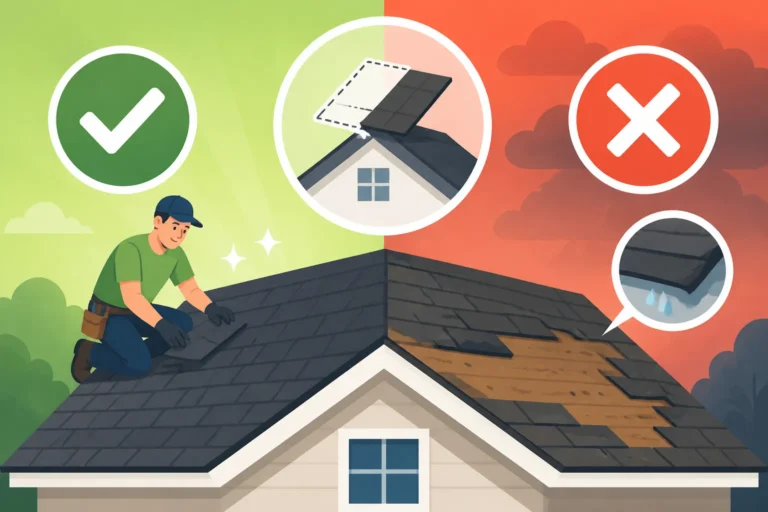
- Re-securing Loose Shingles: A shingle that's slightly lifted by wind isn't a problem until it's completely torn off, leaving your roof deck exposed. If you spot a loose shingle during a ground-level inspection, a professional can often re-seal or re-nail it quickly and affordably. Waiting could mean water penetration or further wind damage spreading to adjacent shingles.
- Sealing Small Cracks: Minor cracks or deteriorated sealant around flashing can often be remedied with a high-quality sealant. This is a much simpler and cheaper fix than repairing extensive water damage caused by a leak.
- Replacing Individual Shingles: If one or two shingles are severely damaged by a fallen branch or hail, they can often be replaced individually without the need for an entire roof section repair. Matching new shingles to an old roof might be a slight aesthetic challenge, but it's a practical and cost-effective solution for localized damage.
- Clearing Minor Debris: Small accumulations of leaves or grit in valleys can easily be cleared before they turn into moisture-trapping dams that degrade your shingles and lead to organic growth.
The cost to fix a few missing or damaged shingles is minimal compared to the Cost of Roof Tear-Off and Disposal and full replacement that might be necessary if you ignore those small signs. Taking swift action on minor repairs is perhaps the most impactful way to extend your roof's lifespan and avoid expensive surprises.
Gutter Cleaning and Debris Removal
This might sound like a mundane chore, but keeping your gutters clean and your roof free of debris is absolutely vital for its longevity. Clogged gutters are a silent killer of roofs, often leading to hidden damage that only becomes apparent when it's severe.
- Preventing Water Backup: When gutters are full of leaves, twigs, and shingle granules, rainwater has nowhere to go. It backs up, sitting against the edge of your roof and potentially seeping under your shingles. This standing water can saturate the fascia boards, rot the roof decking, and lead to leaks into your attic or walls.
- Avoiding Ice Dams: In colder climates, clogged gutters are a primary cause of ice dams. When warm air from your attic melts snow on the upper part of your roof, the water flows down and refreezes at the colder, clogged eaves. This creates a dam of ice that forces water back up under the shingles, leading to severe leaks and interior damage. Preventing ice dams by maintaining clean gutters is crucial.
- Reducing Moss and Algae Growth: Debris on your roof, especially in valleys or shaded areas, traps moisture and provides a nutrient source for moss, algae, and lichen. These growths can hold moisture against your shingles, degrade their surface, and even lift their edges, shortening their lifespan. Regular removal of leaves and branches, especially after fall and spring, keeps your roof surface dry and inhospitable to these growths.
Make gutter cleaning a part of your regular home maintenance routine, ideally in late fall after all the leaves have dropped, and again in late spring to clear any spring debris. It's a simple task that offers huge protective benefits for your roof.
Understanding Your Roof's Lifespan and Planning Ahead
Even with meticulous inspections and proactive maintenance, every roof has a finite lifespan. Asphalt shingles, depending on their type and quality (e.g., Architectural Shingle Roof Cost vs. 3-Tab Shingle Roof Cost), can last anywhere from 15 to 30 years, or even more for high-end designer shingles. Understanding where your roof stands in its lifecycle is crucial for long-term financial planning and avoiding last-minute panic.
- Knowing the Signs of Aging: Beyond obvious damage, understanding the subtle signs that your roof is nearing its end of life is important. Widespread granule loss, brittle or severely curled shingles across the entire roof, and consistent minor leaks that keep reappearing are all indicators. Our guide on Signs You Need a New Roof details these issues thoroughly.
- Budgeting for Replacement: If your roof is approaching the 20-year mark, even if it looks okay, start setting aside funds or exploring roof financing options. Knowing that a major expense is on the horizon allows you to save without stress, rather than scrambling when a sudden failure forces your hand. Services like Modernize can help connect you with contractors who offer financing solutions.
- Considering Upgrades: When it's time for a replacement, you'll have the opportunity to consider upgrades. Perhaps you live in an area prone to hail and want to explore Class 4 Shingle Roof Cost for increased impact resistance and potential insurance savings. Or maybe you're in a hot climate and want to look into Cool-Roof Shingle Cost to improve energy efficiency. Planning ahead gives you the luxury of researching these options and making the best choice for your home and budget.
By staying informed about your roof's age and potential lifespan, you can transition from reactive emergency repairs to proactive, well-planned replacements, ensuring your home remains protected and your finances are prepared.
Disclaimer
This article is intended for informational purposes only and does not constitute professional advice. Always consult with a licensed and insured roofing contractor for specific recommendations regarding your roof's condition, repair, or replacement needs. Attempting DIY roof repairs or inspections can be dangerous; prioritize safety and seek professional assistance when necessary.