Missing Shingles: Repair or Replace
Finding those first few missing shingles after a wild storm or even just noticing them disappear over time can send a jolt of anxiety right through you. It's a common, incredibly frustrating problem that leaves many homeowners wondering, "Is this a quick fix, or am I looking at a much bigger, more expensive project?" This comprehensive guide is here to walk you through the complexities of missing shingles, helping you understand when a simple repair will suffice and when it's truly time to consider a full roof replacement.
Why Missing Shingles Are Such a Big Deal
It might seem like just a few pieces of roofing material gone astray, but missing shingles are far more than a cosmetic issue. They represent a significant breach in your home's first line of defense against the elements, and ignoring them can lead to a cascade of costly problems down the road. It’s not just about the visible gap; it's about the entire system being compromised.
Understanding the Vulnerabilities Missing Shingles Create
Imagine your roof as a meticulously crafted suit of armor for your home. Each shingle overlaps the next, creating a continuous, water-shedding surface. When even one shingle goes missing, that overlapping protection is broken. Suddenly, areas of your roof that were designed to be completely shielded are exposed to rain, wind, and UV rays. This exposure is particularly problematic for the underlayment beneath, which, while designed to be water-resistant, is not meant for prolonged, direct exposure to the elements.
This vulnerability doesn't just invite water; it also allows wind to get a better grip on the surrounding shingles. What starts as one missing shingle can quickly escalate into two, three, or an entire section being peeled back or blown off in subsequent storms. It's a domino effect, where each missing piece weakens the integrity of its neighbors. Moreover, the exposed sections of your roof deck – typically plywood or OSB – are now susceptible to moisture absorption, leading to potential warping, rot, and even mold growth within your attic space. This is why addressing missing shingles promptly is never just about aesthetics; it's about safeguarding the structural health of your entire home.
The Silent Damage That Begins Instantly
The moment a shingle detaches, your home's interior environment becomes vulnerable to a range of silent, insidious damages. Rainwater, even a small amount, can seep through the exposed underlayment and begin to saturate your roof deck. Over time, this moisture can cause the wooden decking to swell, warp, and eventually rot, compromising its structural integrity. You might not see these issues immediately, but they're happening right above your head. This could lead to a situation where you not only need a new roof but also significant and costly repairs to the roof decking itself, adding considerably to your Roof Decking Replacement Cost.
Beyond the structural concerns, this moisture can become a breeding ground for mold and mildew in your attic. These aren't just unpleasant; they can contribute to poor indoor air quality, potentially triggering allergies and respiratory issues for your family. Furthermore, the loss of shingles impacts your roof's insulation effectiveness. The entire roofing system works together to maintain your home's internal temperature. Gaps allow heat to escape in winter and enter in summer, forcing your HVAC system to work harder, which translates directly into higher energy bills. So, while you might only see a small gap, what's happening underneath is a much larger, and often unseen, problem.
Common Causes of Missing Shingles
It's natural to wonder why your shingles decided to take flight. Understanding the common culprits can help you not only identify the problem but also potentially prevent future occurrences. Sometimes it’s an act of nature, other times it’s a sign of underlying issues.
Wind: The Most Frequent Culprit
Hands down, wind is the number one reason homeowners find themselves dealing with missing shingles. Even shingles that are properly installed and relatively new can succumb to severe gusts. Modern architectural shingles are designed with strong adhesive strips that activate with the sun's heat, creating a powerful seal to the shingle below. However, persistent winds, especially those sustained at high speeds or during cyclonic events, can rip these seals apart. Once a shingle's seal is broken, it acts like a sail, catching the wind and eventually tearing free from its nails.
Factors like the roof's pitch and exposure play a huge role here. A steep roof, for example, can be more susceptible to wind uplift in certain areas. Homes in regions prone to hurricanes or strong derechos, like those often seen in the Midwest, know this battle all too well. While modern shingles from brands like GAF and Owens Corning come with impressive wind warranties, even the best materials have their limits against Mother Nature's fury. High-wind zones often require specific nailing patterns, known as High-Wind Nailing Cost Premium, to enhance resistance, but even then, extreme weather can still cause damage.
Improper Installation and Aging Shingles
While wind is often the visible cause, underlying issues can make your shingles more susceptible. One of the biggest silent contributors is improper installation. If shingles aren't nailed correctly – perhaps too few nails, nails placed too high, or angled improperly – they won't hold up as intended. These small errors during installation can create weak points that strong winds will exploit with ease. A reputable contractor, certified by manufacturers, understands the precise nailing patterns and techniques required to ensure maximum wind resistance and warranty coverage.
Then there's the inevitable march of time. As asphalt shingles age, they begin to lose their flexibility and the effectiveness of their adhesive strips. The granules that protect the asphalt from UV rays start to shed, making the shingles brittle. This process naturally weakens their grip on the roof deck and on each other. A 20-year-old roof, for instance, even if it was perfectly installed, simply won't have the same resilience as a newer roof against the same wind forces. This is a common Signs You Need a New Roof indicator, especially when minor wind events start causing significant shingle loss.
Other Factors: Foot Traffic, Tree Branches, and More
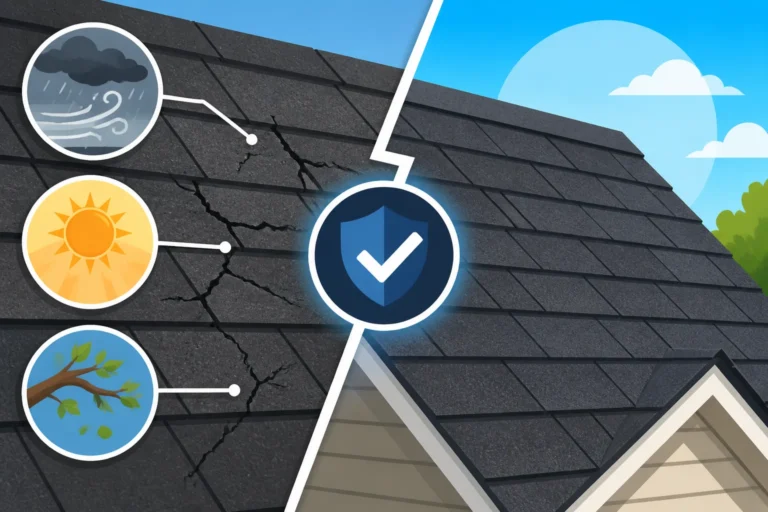
Beyond wind and age, several other factors can contribute to missing shingles, though perhaps less dramatically. Heavy foot traffic on your roof, whether from chimney sweeps, solar panel installers, or even ambitious DIYers, can crack or dislodge shingles, especially if they’re older or brittle. Each step can loosen the granular surface or the seal. Similarly, overhanging tree branches can be a menace, constantly scraping against the roof surface during windy conditions, gradually eroding the granular coating and weakening the shingles over time. In a major storm, a falling branch can directly impact and rip away entire sections.
Another, less common, but still impactful cause can be animal activity. Squirrels, raccoons, or even birds can sometimes cause damage trying to access your attic, chewing or pulling at shingles. Even localized manufacturing defects, though rare, can lead to individual shingles failing prematurely. It's a good reminder that your roof is constantly interacting with its environment, and wear and tear can come from many directions, making regular Roof Damage Assessment: A Homeowner's Guide essential.
Assessing the Damage: When is Repair an Option?
Once you’ve spotted those rogue shingles, the next logical question is: can I just get it repaired, or am I in for a full replacement? This is where careful assessment, often by a professional, comes into play. It's about looking beyond the immediate problem to the overall health of your roof.
The "Spot Repair" Sweet Spot
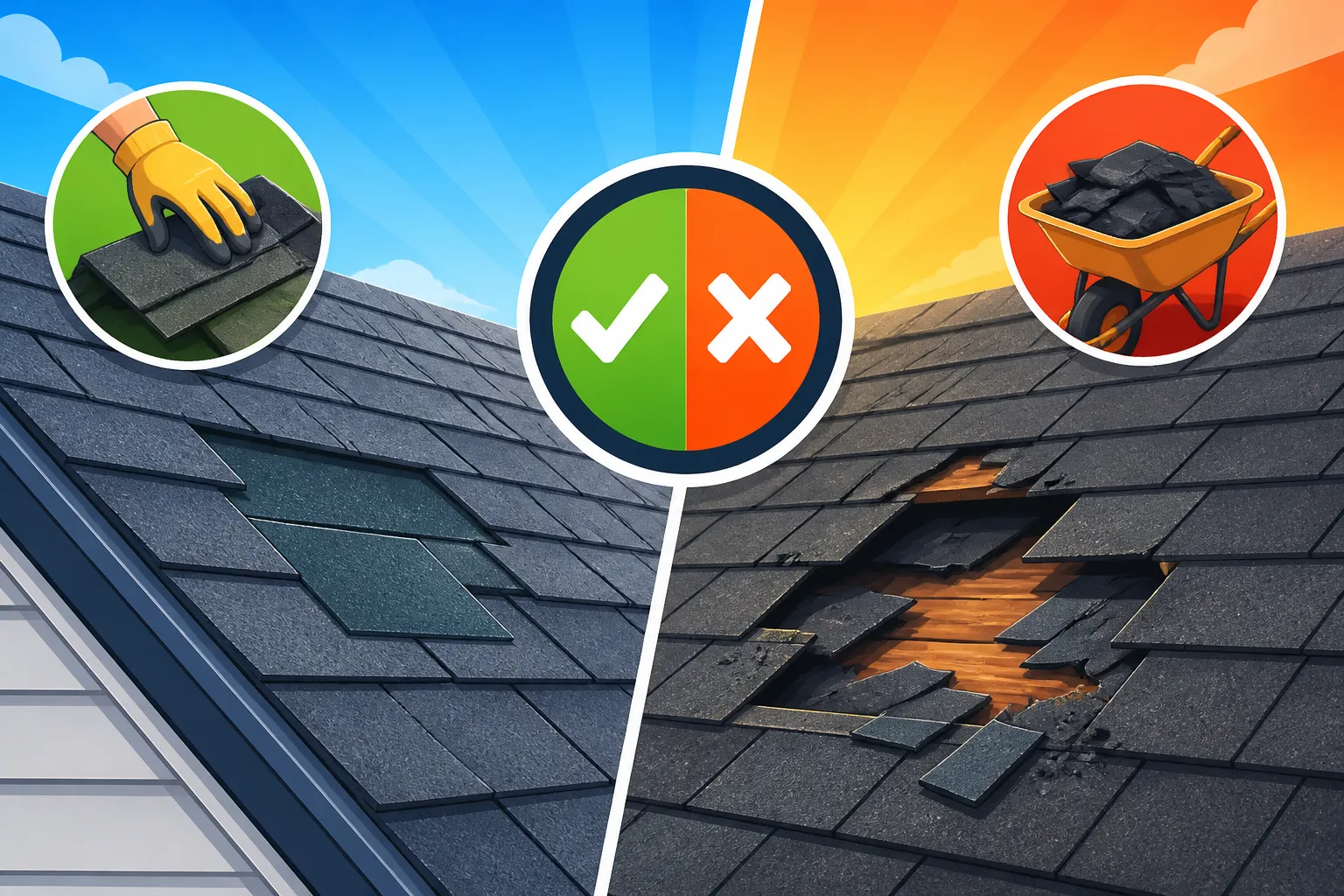
A spot repair is typically a viable, cost-effective solution when the missing shingles are isolated incidents on an otherwise healthy, relatively young roof. Think of it this way: if your roof is less than 15 years old (and many asphalt roofs last How Long Does an Asphalt Roof Last for 20-30 years, depending on the shingle type and climate), and only a handful of shingles have been lost due to a single, identifiable event like a strong gust of wind or a falling tree branch, then a targeted repair makes perfect sense. The surrounding shingles should still be in good condition – firm, well-sealed, and not showing excessive granule loss, curling, or cracking.
In such cases, a skilled roofer can carefully remove the damaged or compromised shingles, inspect the underlayment and roof deck for any minor water damage, and then install new shingles, properly nailed and sealed, to blend seamlessly with the existing roof. The key is that the rest of the roof needs to have plenty of life left in it. If you're in a situation where the missing shingles are truly an anomaly rather than a symptom of widespread wear, a repair can save you a significant amount compared to a full replacement. However, it's always wise to get an expert opinion to ensure there aren't hidden issues.
Matching New Shingles to Old: Challenges and Solutions
One of the practical challenges with spot repairs, especially on older roofs, is matching the new shingles to the existing ones. Shingles, like any outdoor material, weather over time. They fade, collect dust, and their granules can lighten or darken. This means that a brand-new shingle, even if it's the exact same make, model, and color as your existing ones, will likely stand out like a sore thumb for a while. Manufacturers like CertainTeed and IKO produce consistent products, but natural aging is a powerful force.
Roofers often try to source shingles from areas of the roof that are less visible, like a low-slope side, to blend new shingles in. Sometimes, the best solution involves slightly older stock from a supplier, or a roofer might suggest replacing a larger, less conspicuous section to minimize the contrast. For very old roofs, finding an exact match can be nearly impossible, as colors get discontinued. In these situations, homeowners have to weigh the aesthetic discrepancy against the cost savings of a repair. If the difference is too stark, or if you're planning to sell your home soon, a partial replacement of a slope might be considered for better curb appeal, but it comes at a higher cost than a simple spot repair.
Factors Influencing Repair Feasibility
Deciding whether a repair is genuinely feasible goes beyond just counting the missing shingles. Several critical factors come into play:
- Age of Your Roof: This is perhaps the most significant determinant. A roof nearing the end of its typical lifespan (generally 20-30 years for asphalt shingles) is a poor candidate for extensive repairs. Patching an old roof is often throwing good money after bad, as other areas are likely to fail soon.
- Extent of Damage: Is it truly just a few missing shingles, or is there widespread granule loss, curling, or cracking across large sections of the roof? If more than 20-25% of the roof shows signs of significant wear, even if only a small portion has missing shingles, a repair becomes less sensible.
- Availability of Matching Shingles: As discussed, finding an exact match can be tricky. If the original shingles are discontinued, you might be stuck with a noticeable color difference, which impacts curb appeal and potentially home value.
- Underlying Damage: Have the missing shingles led to water infiltration and damage to the roof decking, insulation, or even interior ceilings? If the structural components beneath the shingles are compromised, a simple shingle replacement won't address the root problem.
- Warranty Considerations: Does your existing roof still have a valid manufacturer warranty? Sometimes, attempting repairs yourself or with an uncertified contractor can void parts of your warranty, especially if it's an extended system warranty like those offered by GAF Master Elite contractors or Owens Corning Platinum Preferred.
A professional inspection, often offered for free by local roofing companies, is crucial here. They can provide an objective assessment, looking at the entire roofing system to give you the clearest picture. Consider using a service like Modernize to find reputable local roofers who can conduct these detailed assessments.
When Replacement Becomes Inevitable
There comes a point when repairs are no longer a viable or financially sound option. This isn't just about the number of missing shingles, but about the overall health and future performance of your entire roofing system. Recognizing these signs early can save you from bigger headaches down the line.
Widespread Damage and Advanced Roof Age
If your roof is showing more than just a few isolated missing shingles, and instead, you're seeing signs of widespread damage, it’s a strong indicator that replacement is the smarter choice. This includes extensive granule loss across multiple slopes, significant curling or clawing of shingles, widespread cracking, or numerous sections where the adhesive seals have failed. When these issues are prevalent, it means the entire roofing system is deteriorating. Attempting to patch one area will only lead to another section failing soon after, creating a never-ending cycle of repairs that ultimately costs more than a full replacement.
Moreover, if your roof has reached or exceeded its expected lifespan – generally 20-25 years for 3-tab shingles or 25-30+ years for architectural shingles – missing shingles become a symptom of old age. At this stage, the materials have simply worn out. Even if you repair the missing sections, the remaining shingles are brittle, less protective, and highly susceptible to future damage. Investing in a full replacement provides a fresh start, ensuring your home is protected for decades to come. This is especially true if you're dealing with a 25-year-old asphalt roof that's showing widespread granule loss and brittle shingles.
Underlying Issues and Structural Compromises
Sometimes, missing shingles are just the tip of the iceberg, hinting at deeper, more serious problems. If a professional inspection reveals that the underlying roof deck, which is typically plywood or oriented strand board (OSB), has sustained significant water damage, rot, or structural compromise due to prolonged leaks from those missing shingles, then a full replacement is almost certainly necessary. You can't just slap new shingles over a rotten deck; it won't provide a secure base and will lead to premature failure of the new shingles. The cost of Roof Decking Replacement Cost can be substantial if not addressed in time.
Furthermore, issues with the roof's ventilation system, which often go hand-in-hand with an aging roof, can contribute to heat and moisture buildup in the attic, accelerating shingle deterioration from the underside. If your current roof doesn't meet modern building codes for ventilation or requires extensive repairs to the flashing around chimneys, skylights, or vents, integrating these fixes into a complete replacement often makes more sense than piecemeal repairs. A comprehensive replacement allows you to address all these underlying issues simultaneously, bringing your entire roofing system up to current standards and maximizing its longevity.
The Long-Term Cost-Benefit Analysis
When facing the repair vs. replace dilemma, it’s crucial to perform a long-term cost-benefit analysis. While a repair might seem cheaper upfront, consider the cumulative costs if you have to call a roofer out every few months for new leaks or more missing shingles. If your roof is old and failing in multiple areas, these recurring repair bills can quickly add up to, or even exceed, the cost of a full replacement over a few years.
| Factor | Repair Scenario | Replacement Scenario |
|---|---|---|
| Roof Age | Under 15 years | Over 15-20 years (nearing end of life) |
| Damage Extent | Few isolated missing shingles | Widespread granule loss, curling, cracking, many missing shingles |
| Underlying Deck | Intact, no water damage | Significant rot, water damage, compromised sections |
| Cost (Initial) | Lower, usually a few hundred to a thousand | Higher, typically thousands to tens of thousands |
| Cost (Long-term) | Potentially recurring if underlying issues exist | One-time significant investment |
| Warranty | Often no new warranty, original may be limited | Full new manufacturer and workmanship warranty |
| Home Value | Minimal impact, might maintain | Significant increase in curb appeal and resale value |
| Energy Efficiency | No significant change | Improved with new materials and proper ventilation |
| Peace of Mind | Temporary if roof is old | Long-lasting for 20-30+ years |
A new roof not only provides superior protection and peace of mind for the next 20-30 years, but it can also significantly increase your home’s curb appeal and resale value. In contrast, potential buyers are often wary of an old roof with visible patches, viewing it as an immediate expense. A new roof can also lead to lower homeowners insurance premiums, especially if you opt for modern, impact-resistant shingles or those with enhanced wind ratings. Considering the true Is an Asphalt Shingle Roof Worth the Money means looking at the total picture, not just the initial sticker shock.
Navigating the Repair vs. Replace Decision
Making the right choice between repairing and replacing your roof can feel like a daunting task, riddled with financial implications and long-term consequences. It's a significant home improvement decision that requires careful consideration of various factors.
Getting Professional Assessments
The absolute best first step when you find missing shingles is to get several professional assessments. Don't rely solely on your own observations, as a roofing professional has the trained eye to spot subtle damage, assess the condition of the entire roofing system, and identify potential underlying issues that might not be visible from the ground or even from a casual climb onto the roof. A reputable contractor will provide a thorough inspection, often including photos or videos of problem areas. They can differentiate between localized Wind Damage: Repair or Replace and widespread deterioration.
It's wise to get at least three estimates from different, well-vetted companies. This not only gives you a range of pricing but also different perspectives on the necessary scope of work. Some might push for a full replacement, while others might suggest a repair first. Be sure to ask specific questions about the age of your roof, the extent of granule loss, the condition of the underlayment, and whether they found any roof deck damage. Tools like Modernize can help connect you with pre-screened local contractors, streamlining the process of getting reliable quotes. Always ensure the contractors are licensed and insured for your protection.
Considering Your Budget and Future Plans
Of course, your budget is a major player in this decision. A spot repair for a few missing shingles might cost a few hundred dollars, whereas a full roof replacement can easily range from $8,000 to $25,000 or more, depending on the size of your home, the pitch of your roof, and the type of shingles you choose. For a clearer picture on what to expect, check out our guide on How Much Does an Asphalt Shingle Roof Cost. If you have limited funds, a repair might be the only immediate option, but if the roof is old, this could mean budgeting for a full replacement in the very near future. Explore options like roof financing or home equity loans if a replacement is truly needed and out of pocket reach.
Beyond immediate finances, think about your long-term plans for the home. Are you planning to sell in the next few years? A new roof can be a huge selling point and often offers a good return on investment, while a patched-up old roof might deter buyers or lead to demands for credits. Is this your forever home? Then investing in a quality, durable roof system that will protect your family for decades makes even more sense. If you're staying put, consider upgrading to architectural or designer shingles during replacement for enhanced durability and curb appeal.
Understanding Insurance Implications
The question of insurance coverage is paramount when dealing with missing shingles, especially after a storm. Homeowners' insurance typically covers damage caused by sudden, unforeseen events like wind, hail, or falling trees. If your missing shingles are a direct result of a recent storm, you likely have a strong case for a claim. However, insurance generally does not cover damage due to normal wear and tear or neglect. If your roof is old and the shingles simply deteriorated and blew off, a claim might be denied.
When filing a claim, prompt action is key. Document the damage extensively with photos and videos before any repairs are made. Your insurance company will send an adjuster to assess the damage, and their findings will dictate whether your roof is repaired or replaced and how much they will cover. It's common for adjusters to offer partial repairs, but if the surrounding shingles are also significantly aged or damaged, a strong case can be made for a full replacement, often referred to as "matching" if only a section is damaged but matching materials are unavailable. Understanding your specific policy, including your deductible and whether you have actual cash value (ACV) or replacement cost value (RCV) coverage, is crucial for navigating this process. Our article on Does Insurance Cover Roof Replacement provides more detailed insights.
Steps to Take When You Discover Missing Shingles
Finding missing shingles can be stressful, but acting quickly and methodically can prevent further damage and make the repair or replacement process much smoother. Don't panic; follow these steps.
Temporary Measures for Immediate Protection
Once you’ve spotted missing shingles, your first priority is to prevent more water from entering your home, especially if a storm is still active or another is on the horizon. The most effective temporary solution is to tarp the damaged area. A heavy-duty waterproof tarp, secured tightly over the affected sections and extending well beyond the damage, can provide crucial interim protection. You can purchase tarps at most hardware stores. Make sure it's larger than the exposed area to allow for proper overlap.
Securing the tarp safely is key. Use heavy-duty rope or bungee cords, anchoring them to sturdy points on your roof or around the perimeter of your house. Avoid nailing through the tarp itself directly into your roof, as this creates new holes. Instead, roll the edges of the tarp around a 2×4 piece of lumber and secure that lumber to the roof using screws, ensuring the tarp is taut. Always prioritize safety: if your roof is steep, high, or the weather conditions are unsafe, do not attempt to tarp it yourself. Call an emergency roofing service or a professional for immediate assistance. Many contractors, like those found through Modernize, offer emergency tarping services.
Documenting the Damage for Pros and Insurance
Thorough documentation is absolutely critical, especially if you plan to file an insurance claim. Before any temporary fixes or professional repairs begin, take clear, well-lit photos and videos of the damaged areas from multiple angles. Get close-up shots of the missing shingles, the exposed underlayment, and any visible damage to the roof deck or fascia. Also, take wider shots that show the overall condition of your roof and your home.
Don't forget to document any interior damage as well – water stains on ceilings, wet insulation in the attic, or damp spots on walls. Date your photos and videos. This evidence will be invaluable for both your roofing contractor, helping them accurately quote the necessary repairs, and for your insurance adjuster, proving the extent and cause of the damage. A detailed record ensures a smoother process and helps you advocate for appropriate coverage. Keep a log of all communications with contractors and insurance agents, including dates and names.
Finding a Reputable Roofing Contractor
The final, and perhaps most important, step is to find a reputable, trustworthy roofing contractor. This isn't the time to hire the cheapest option or the first "storm chaser" who knocks on your door. Look for local companies with a solid track record, positive reviews, and proper licensing and insurance. Checking their credentials with your state's licensing board and looking at reviews on platforms like the Better Business Bureau or Google are good starting points. You need to know How to Choose a Roofing Contractor who prioritizes quality and customer service.
Ask for references and check them. Request multiple written estimates that detail the scope of work, materials to be used, timelines, and payment schedules. Make sure they clearly outline whether they recommend repair or replacement and why. A good contractor will explain their assessment in a way that makes sense to you, providing options and transparent pricing. They should also be knowledgeable about local building codes and permitting requirements, as these are crucial for a compliant and successful project. Don't hesitate to ask about their manufacturer certifications, such as GAF Master Elite or Owens Corning Platinum Preferred, as these indicate a higher level of training and often unlock better warranty options.
Disclaimer
Please remember that the information provided in this guide is intended for general informational purposes only and does not constitute professional roofing, legal, or financial advice. Always consult with a qualified and licensed roofing contractor for an accurate assessment of your specific roof's condition and to discuss appropriate repair or replacement solutions. For insurance-related questions, contact your insurance provider directly.