How Roofers Fix Rotted Decking
It’s a truly disheartening experience to discover your roof is failing, and often, that failure isn't just about a few missing shingles or a leaky spot. Sometimes, the core structure of your roof – the decking – has fallen victim to moisture, leading to rot. This can feel like a major setback, creating worries about structural integrity and costly repairs. This guide will walk you through exactly how skilled roofers approach and fix rotted roof decking, giving you a clear understanding of the process and what to expect.
Understanding Why Roof Decking Rots in the First Place
Before we dive into the fix, let's understand why roof decking, usually sturdy plywood or oriented strand board (OSB), succumbs to rot. It’s almost always a battle lost to moisture, but that moisture can infiltrate your roof in various ways, often subtly at first, making it a hidden menace.
Common Causes of Moisture Intrusion
Roof decking rot doesn't just happen overnight; it's a slow, insidious process driven by persistent moisture. Think of your roof as a complex system designed to shed water. When any part of that system fails, water finds a way in, and the decking is often the first structural component to suffer.
One of the most obvious culprits is a leaky roof. This could be due to shingles that are missing, cracked, or severely worn, allowing rainwater to penetrate the underlayment and saturate the wood beneath. Flashing, the metal or plastic seals around chimneys, skylights, and vent pipes, is another common failure point. If flashing is poorly installed, bent, or has deteriorated over time, it creates direct pathways for water to seep onto the decking. Imagine a heavy downpour in, say, Atlanta, Georgia. If your chimney flashing is compromised, that water isn't just running off your roof; it's streaming directly onto your decking, day after day, week after week. This is why addressing even small leaks immediately is crucial, as even a slow drip can lead to significant rot over time.
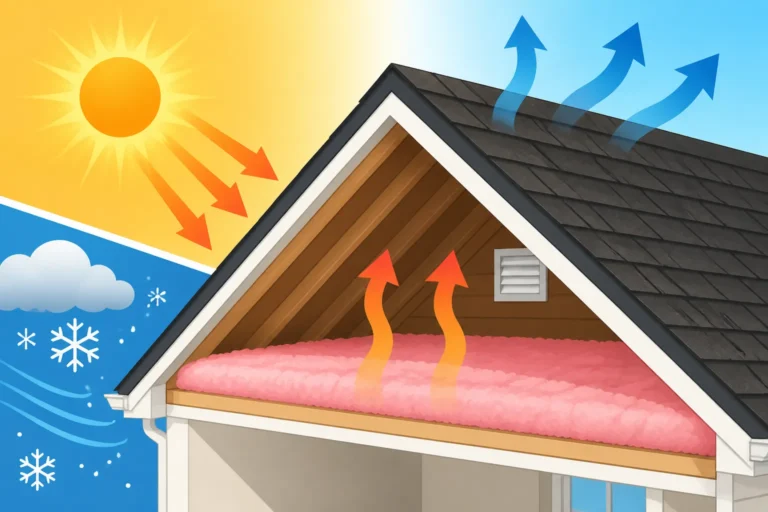
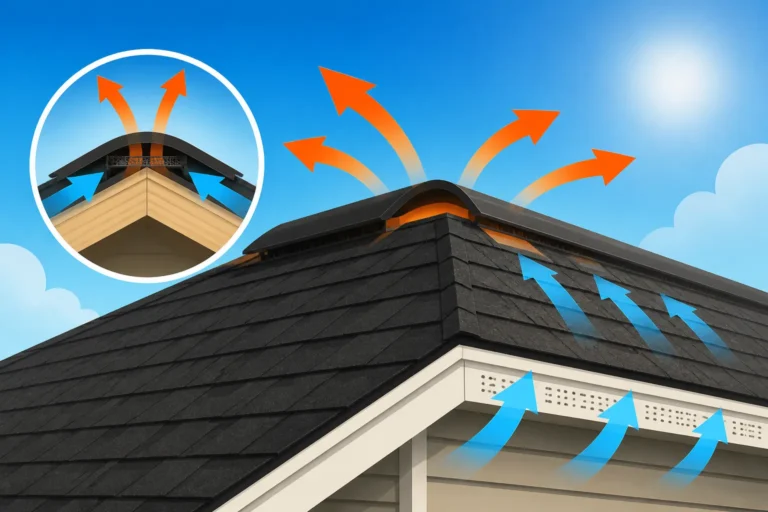
Beyond direct leaks, poor attic ventilation is a massive contributor. Your attic needs to breathe. Without adequate airflow, warm, moist air from your home rises into the attic and gets trapped. This can lead to condensation forming on the underside of your roof deck, especially during colder months. Over time, this constant dampness creates a perfect environment for mold and rot to flourish. It's like having a perpetual fog machine running in your attic, and your decking is soaking it all up. This is a common issue in older homes where ventilation systems weren't as sophisticated or in newer homes where vents might have been accidentally blocked during insulation upgrades. Understanding how roof ventilation works is key to preventing this kind of insidious damage.
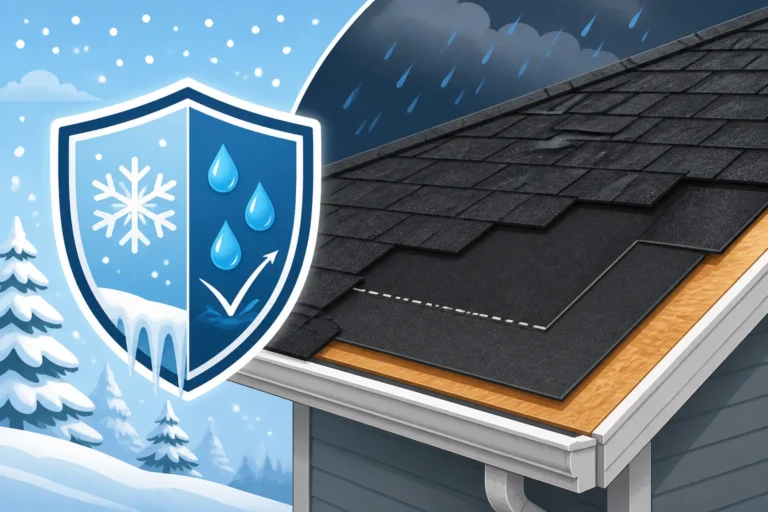
Then there are ice dams. If you live in a colder climate, like upstate New York or Minnesota, you know the frustration of ice dams. These ridges of ice form at the edges of your roof, preventing melting snow from draining properly. When the water gets trapped behind these dams, it backs up under the shingles, often infiltrating the attic and saturating the roof decking. This freeze-thaw cycle can wreak havoc on your roof structure, leading to significant water damage and rot.
Finally, improper installation practices can set your roof up for failure from day one. If shingles aren't nailed correctly, if underlayment isn't overlapped sufficiently, or if sealants aren't applied properly, water can find its way through the roofing layers far sooner than it should. Even small gaps or misaligned components create vulnerabilities that eventually lead to moisture reaching the decking. For instance, if the starter shingles aren't installed correctly, the exposed edge of the underlayment can wick water directly to the decking.
The Hidden Dangers of Rotted Decking
The consequences of rotted roof decking extend far beyond just an unsightly spot in your attic. This isn't just a cosmetic problem; it's a structural and systemic one that can compromise the very integrity of your home.
Firstly, and most critically, rotted decking leads to structural weakness. Wood that has rotted loses its strength and becomes soft, spongy, and brittle. If large sections of your roof deck are compromised, it means the entire roofing system – the shingles, underlayment, and even the weight of snow or high winds – is no longer adequately supported. This significantly increases the risk of sagging, collapse, or blow-offs during severe weather. Imagine the immense weight of a foot of snow on a compromised roof. This is not just a theoretical risk; it’s a real, tangible threat to your family's safety and your home's structure.
Secondly, rotted decking severely compromises shingle adhesion. Shingles are designed to be nailed securely into solid wood decking. When the decking is soft or crumbling, nails lose their grip, causing shingles to lift, curl, or even detach entirely, especially in high winds. This creates a vicious cycle: damaged shingles lead to more moisture intrusion, which leads to more rot, and so on. An asphalt shingle roof relies on a strong, consistent surface for proper installation and longevity. Without it, even the best shingles, like those from GAF or Owens Corning, can't perform their best.
Lastly, and often overlooked, is the impact on energy efficiency. A rotted roof deck can lead to gaps and openings that allow conditioned air (heated in winter, cooled in summer) to escape your home, driving up your energy bills. It also means that your insulation isn't performing optimally. When the attic environment is damp and compromised, the effectiveness of your attic insulation diminishes, turning your home into a sieve for costly conditioned air. It’s an invisible drain on your wallet, year after year.
How Roofing Professionals Identify Rotted Decking
When you suspect an issue, or perhaps your roof is simply aging, the first step is a thorough inspection. You might notice subtle signs, but a professional roofer has the experience and tools to pinpoint hidden problems, especially those lurking within the decking. It’s more than just a quick look; it's a systematic investigation.
The Visual and Physical Inspection Process
A qualified roofer will conduct a two-pronged inspection: from the inside (your attic) and from the outside (on the roof itself). This comprehensive approach allows them to connect the dots between external damage and internal structural issues.
In the attic, they're looking for tell-tale signs of moisture and decay. This includes water stains or discoloration on the underside of the roof deck, often appearing as dark, irregular patches. They'll also check for mold or mildew growth, which thrives in damp, poorly ventilated spaces. Sometimes, you might even notice a musty odor, indicating a long-standing moisture problem. Crucially, they’ll look for any noticeable sagging or bowing of the decking between the roof trusses. If you see light coming through a small hole where there shouldn't be one, that's a definite red flag.
On the exterior of the roof, the signs can be more subtle but equally important. The roofer will carefully walk the roof, paying close attention to how the roof surface feels underfoot. This is what we call the "bounce test." A soft, springy, or spongy feeling in certain areas indicates that the underlying decking has lost its rigidity and is likely rotted. They’ll also look for unevenness or dips in the shingle courses. If shingles in one area look significantly lower or more "depressed" than surrounding areas, it often points to a compromised deck beneath. Obvious signs like widespread Missing Shingles: Repair or Replace or Curling Shingles: What They Mean often lead directly to checking the decking below.
Tools and Techniques for Accurate Assessment
While visual cues and tactile sensations are critical, modern roofing professionals also employ specialized tools to confirm their suspicions and accurately map out the extent of the damage.
One of the most valuable tools is a moisture meter. This handheld device can detect moisture levels deep within the wood, even if the surface appears dry. By strategically probing different areas of the decking, a roofer can pinpoint hidden pockets of moisture that are not yet visible to the naked eye. This is especially helpful in situations where there's been intermittent leakage or condensation, as it helps determine if the wood is merely wet or has begun to rot. It's like an X-ray for your roof deck, revealing the invisible threats.
Ultimately, the most important "tool" is the experience of a qualified roofer. Years of inspecting roofs across various climates, like those dealing with humid summers in Florida or harsh winters in Colorado, teach a professional what to look for, how to interpret subtle signs, and where rot is most likely to occur (e.g., around valleys, skylights, or low-slope sections). Reputable contractors often have certifications from manufacturers like GAF or CertainTeed, meaning they're trained to spot issues and apply solutions that meet rigorous standards. When seeking someone to evaluate your roof, consider reaching out to services like Modernize to connect with experienced professionals who can provide a thorough Roof Inspection: What They Check. Their expertise is invaluable in accurately assessing the condition of your roof decking.
The Step-by-Step Process for Repairing Rotted Roof Decking
Once rotted decking is identified, the next step is the actual repair. This isn't a simple patch-and-seal job; it's a precise process that requires careful execution to ensure the integrity of your new roof. A good roofer will treat this as a surgical procedure, meticulously addressing the damage and rebuilding stronger.
Preparation and Safe Removal of Damaged Sections
The repair process always begins with careful preparation and the methodical removal of the compromised material. This isn't just about ripping things up; it's about precision and safety.
First, the roofer will undertake a controlled tear-off of the existing roofing materials directly above the rotted area. This involves removing shingles, cap shingles, and the underlying felt or synthetic What Is Underlayment and Why It Matters to expose the damaged deck. If your roof has How Many Layers of Shingles Are Legal and is an older system, this process might involve removing multiple layers to get to the original deck. For larger sections, they might need to clear a wider area to ensure they expose the full extent of the rot and have ample working space. This is often done carefully to minimize damage to surrounding, healthy roofing components if a full replacement isn't necessary.
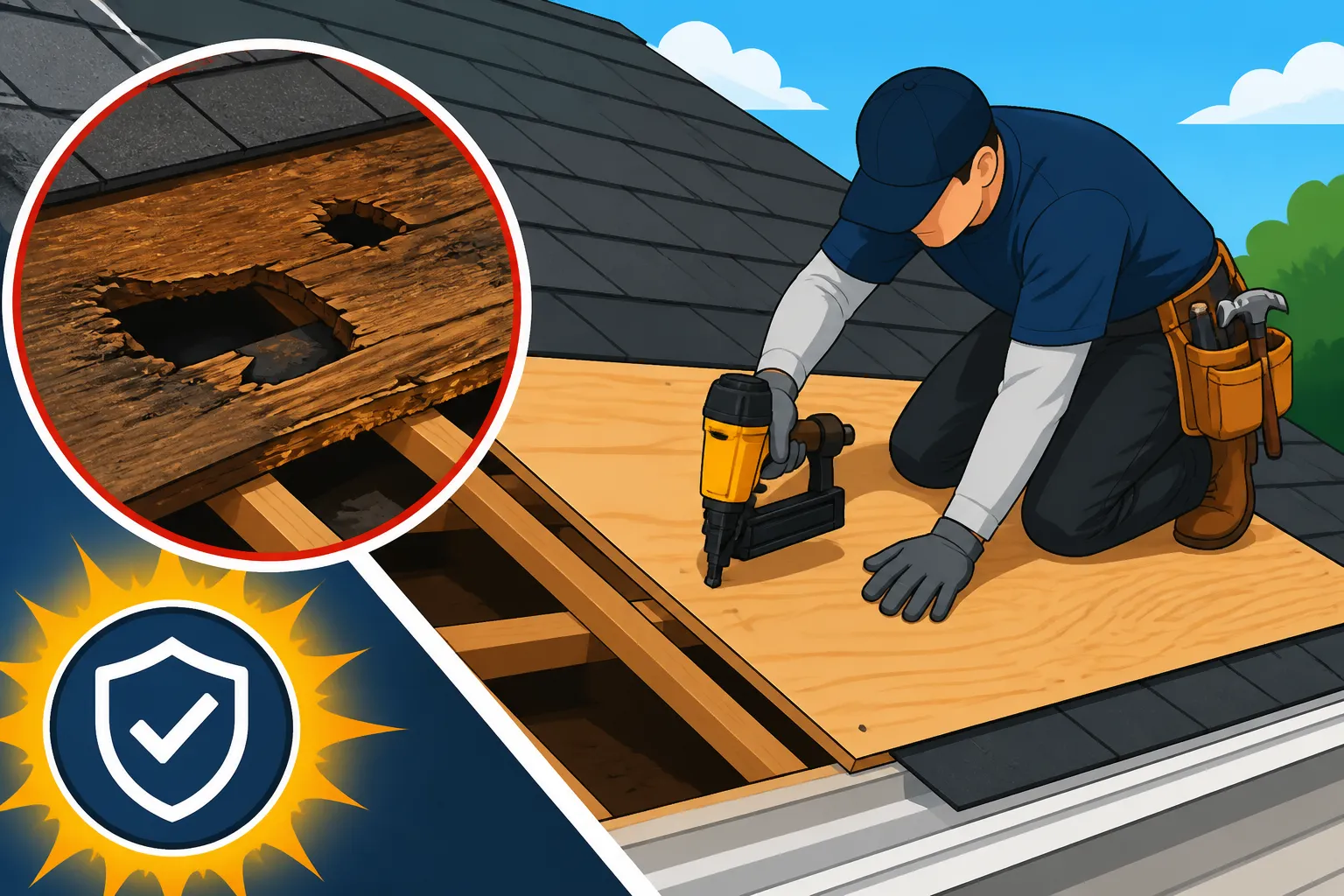
Once the decking is exposed, the roofer will meticulously cut out all affected areas. This is where precision truly matters. They’ll use circular saws or reciprocating saws to cut along the center of the roof trusses or rafters, ensuring that the cut extends into sound, healthy wood. This creates a clean, square or rectangular opening where new decking can be seamlessly installed. It’s crucial that all rotted wood is removed; leaving even a small, compromised section can lead to continued decay. In some cases, if the rot has spread extensively, this localized repair can expand significantly, impacting the overall Roof Decking Replacement Cost.
Throughout this removal process, ensuring structural support is paramount. For larger cutouts, temporary bracing might be installed to maintain the roof's structural integrity while the old decking is removed and before the new pieces are fastened. This prevents any sagging or shifting of the roof structure during the repair. It's an essential safety measure for both the crew and the home.
Installing New Decking Materials
With the damaged sections removed, the focus shifts to installing robust new decking that will last for decades. The choice of material and the installation technique are critical here.
Roofers typically use either OSB (Oriented Strand Board) or plywood for decking replacement. Both are viable options, but there are differences. Plywood, made from cross-laminated wood veneers, offers excellent strength and moisture resistance, often preferred in areas with higher humidity or harsher weather. OSB, made from compressed wood strands and resin, is typically more affordable and widely used. For a deeper dive into their properties, you can read more about OSB vs Plywood Roof Decking. The decision often comes down to local building codes, contractor preference, and your budget, but a good roofer will advise you on the best choice for your specific situation, considering factors like expected snow loads or wind uplift requirements in your region.
The new decking panels are carefully cut to fit precisely into the openings created. Then comes proper nailing and sealing. The new panels are fastened securely to the underlying roof trusses or rafters using appropriate roofing nails or screws, adhering to local building codes regarding spacing and penetration. This ensures the new deck is structurally sound and won't lift or creak. All seams and edges of the new decking are often sealed with approved caulk or tape to create a more airtight and moisture-resistant surface, providing an extra layer of protection.
The goal is seamless integration. The new decking should sit flush with the existing healthy decking, creating a uniform surface. A skilled roofer will ensure there are no uneven transitions or gaps that could affect the performance or appearance of the finished roof. This meticulous attention to detail is what separates a professional, long-lasting repair from a shoddy, temporary fix.
Reinstalling the Roofing System
With the new decking firmly in place, the final phase involves rebuilding the protective layers of your roofing system to shield the fresh wood from the elements.
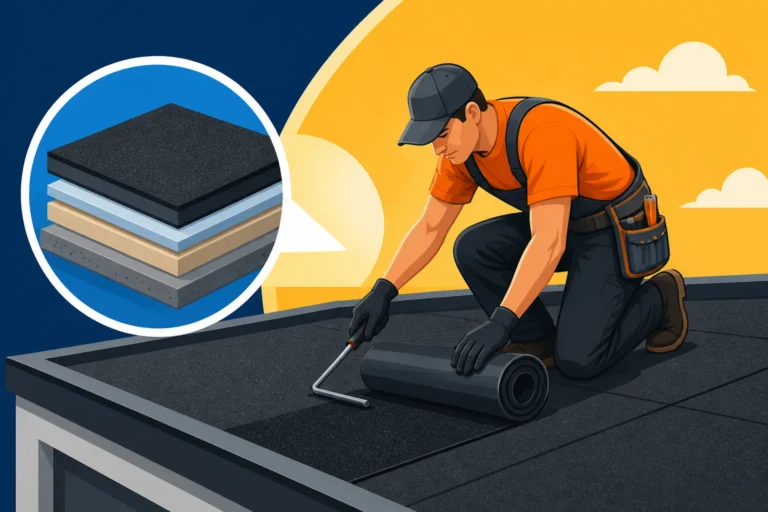
This process starts with the installation of new underlayment and flashing. A high-quality underlayment, typically synthetic or felt, is rolled out and fastened over the new decking and overlapping existing underlayment. This acts as a secondary barrier against water penetration, an absolutely critical component. Around any penetrations, such as vent pipes or chimneys, new flashing is installed or existing flashing is carefully re-seated and sealed to create a watertight seal. This is where leaks often start, so meticulous attention to these areas is non-negotiable. How Flashing Is Installed correctly is vital for preventing future water intrusion.
Finally, the shingle installation begins. New asphalt shingles are carefully laid down, starting from the eaves and working up towards the ridge, ensuring proper overlap and nailing patterns. The goal is to integrate the new shingles seamlessly with the existing roof, both aesthetically and functionally. If only a small section of decking was replaced, the roofer will make every effort to match the new shingles to the existing ones, though some color variation might be noticeable if your original shingles have faded over time. If the damage was extensive enough to warrant a full roof replacement, then the entire roof system, including new What Is Ridge Vent and Why It Matters and Drip Edge: What It Does, will be installed from scratch. This complete overhaul offers the benefit of a brand new, uniform roof and a fresh, long-lasting defense against the elements.
Preventing Future Roof Decking Rot and Ensuring Longevity
Repairing rotted decking is a significant investment, both in time and money. The last thing any homeowner wants is to face the same issue again a few years down the line. Thankfully, there are proactive steps you can take to safeguard your roof and ensure its longevity. Prevention truly is the best medicine here.
The Role of Proper Ventilation
We touched on poor ventilation as a cause of rot, and it’s worth reiterating its importance for prevention. An efficiently ventilated attic is your roof's best friend.
Your attic needs balanced airflow – meaning cool, dry air enters through lower vents (like soffit vents) and warm, moist air exits through higher vents (like ridge vents or box vents). This continuous air movement prevents heat and moisture from building up, which are the primary drivers of condensation and, ultimately, rot. Think of it as your attic taking a deep, healthy breath. Without proper ventilation, that trapped heat and humidity will literally cook your shingles from below and condense on your decking, leading to rot and premature aging of your entire roof. If you’re unsure about your current ventilation setup, a roofing professional can assess it during an inspection, sometimes even using thermal imaging to identify heat and moisture buildup. Getting your roof ventilation upgrades right is an investment that pays dividends in roof longevity and energy savings.
It’s also crucial to avoid over-insulation that blocks vents. While insulation is vital for energy efficiency, if it's pushed too far into the eaves, it can block the soffit vents, choking off the crucial intake air. This creates dead air pockets and defeats the purpose of your ventilation system. Make sure there are baffles or channels that keep insulation away from the soffit vents, allowing for an uninterrupted flow of air.
Regular Maintenance and Prompt Repairs
Even with perfect ventilation, a roof is constantly exposed to the elements. Regular vigilance and timely intervention are crucial to catching small problems before they escalate into major decking rot.
Annual inspections by a qualified professional are a homeowner's secret weapon. These aren't just for when you suspect a problem; they're preventative check-ups. A roofer can spot early signs of wear and tear, such as Granule Loss: Should You Worry, Cracked Shingles: Causes and Fixes, or minor flashing issues, long before they lead to water intrusion and decking rot. Catching a loose piece of flashing and re-sealing it costs a fraction of replacing a section of rotted deck. Services like Modernize can help you find local, reputable contractors who offer comprehensive inspection services.
Most importantly, address any leaks immediately. If you notice a drip in your attic, a water stain on your ceiling, or even just a damp spot, don't delay. What seems like a small leak can quickly saturate the decking and lead to extensive, costly damage. The longer water sits on or soaks into wood, the more severe the rot will become. Ignoring a leak, even for a few weeks, can turn a minor repair into a major headache, especially if the leak means When a Leak Means Deck Damage.
Finally, don't forget gutter maintenance. Clogged gutters prevent water from draining away from your roof and home properly. This can cause water to pool along the eaves, soak into fascia boards, and eventually back up under the shingles, leading to damaged decking. Regularly cleaning your gutters, especially after heavy storms or leaf-shedding seasons, is a simple, inexpensive task that provides a huge return in roof protection.
By understanding the causes of rot, trusting professionals to accurately diagnose and repair the damage, and then committing to ongoing maintenance, you can ensure your roof decking remains strong and provides the solid foundation your asphalt roof needs to protect your home for many years to come.
Disclaimer
Please remember that this article is intended for informational purposes only and should not be considered professional advice. Always consult with a qualified and licensed roofing contractor for any assessments, repairs, or replacements related to your roof. They can provide accurate evaluations and ensure work is done safely and to code.