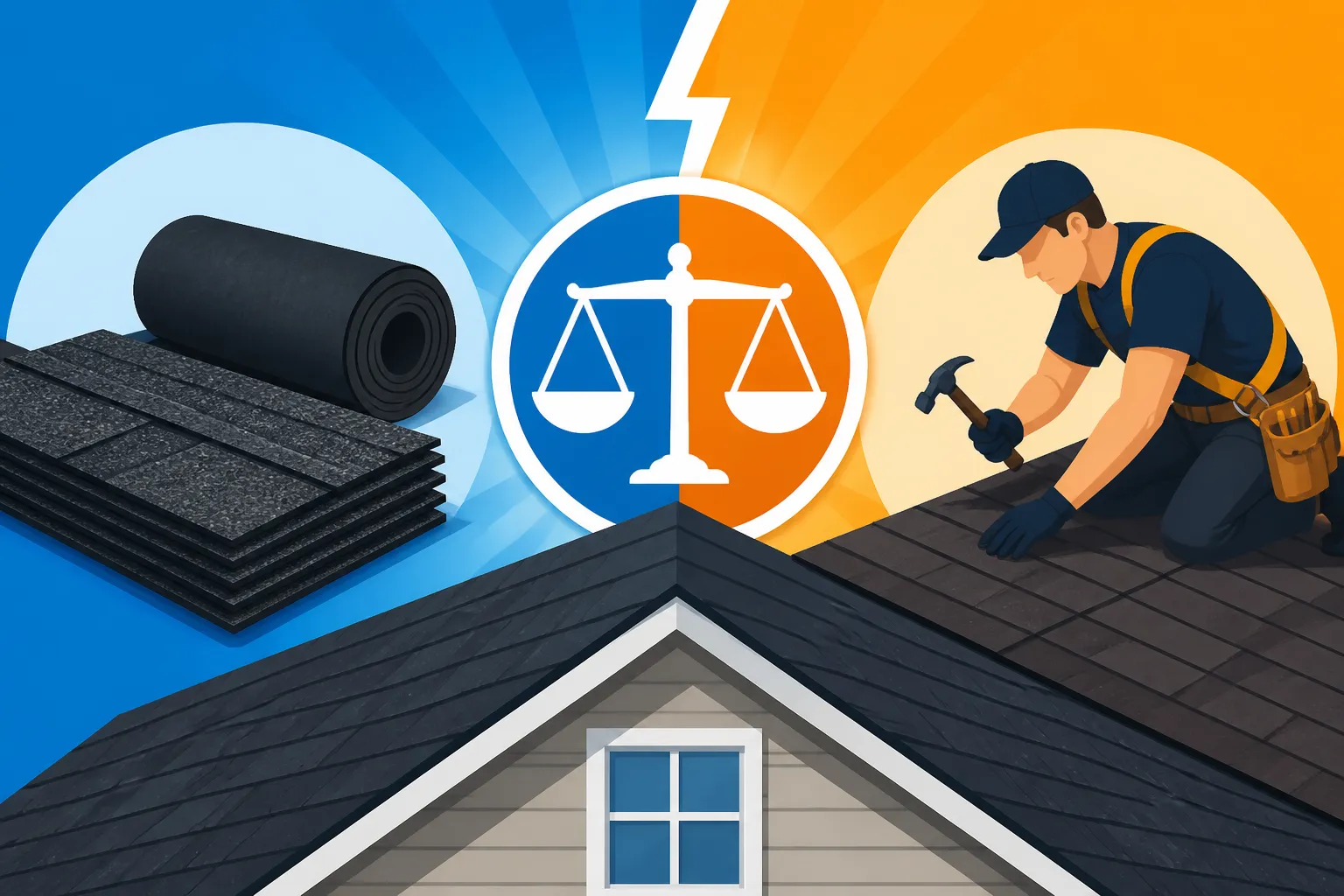
Roofing Material Cost vs Labor Cost
One of the most perplexing parts of undertaking a major home project, like getting a new asphalt roof, is deciphering the quote. You see a lump sum, or maybe a few line items, but trying to understand exactly how much you're paying for the physical shingles versus the expertise of the crew can feel like a guessing game. It's frustrating when you don't know where your money is truly going, and this guide is here to shed light on the often-confusing breakdown of roofing material costs versus labor costs.
Understanding the Two Pillars of Roofing Expense: Materials and Labor
When you receive an estimate for a new roof, it's essentially split into two major categories: the cost of the materials and the cost of the labor. While they are intertwined – you can't have one without the other for a complete installation – understanding them separately is key to budgeting and making informed decisions. Many homeowners are surprised to learn that these two components can sometimes be nearly equal, or even flip-flop depending on various factors. It's not always just about the fancy shingles; the people putting them on play a huge role in the final price tag.
The Material Component: What You're Actually Buying
This is often the most straightforward part to grasp because it involves tangible products. Material costs encompass everything that will physically go onto your roof and into its structure. This isn't just the asphalt shingles you see from the curb; it's a whole system designed to protect your home. Think of it like building a car: you need the engine, the frame, the tires, the seats, and all the little bits and pieces that make it functional and safe. For a roof, this includes not only the shingles themselves but also the underlayment, starter strips, ridge caps, flashing, ventilation, nails, and sometimes even new decking if the existing one is compromised. These are the items that arrive on pallets and are hoisted onto your roof.
The quality, type, and brand of these materials will significantly impact this portion of the cost. For instance, opting for premium architectural shingles over standard 3-tab shingles will naturally push material costs higher, but they also offer a longer lifespan and better curb appeal. Furthermore, specific performance features, like those found in Impact-Resistant Shingle Cost or Cool-Roof Shingle Cost, will come with a higher price point due to specialized manufacturing processes and enhanced durability.
The Labor Component: The Human Element of Installation
The labor cost is what you pay for the expertise, time, and physical effort of the roofing crew. It's not just about nailing down shingles; it involves a whole host of skilled tasks, from the initial tear-off of the old roof to the meticulous installation of new components and the final cleanup. These are the wages for the project manager, the experienced roofers, and the support staff who make the entire operation run smoothly and safely.
A significant portion of labor costs accounts for the technical skill required. Roofers need to know local building codes, manufacturer specifications for proper installation (which often dictates warranty validity), and best practices for creating a watertight seal. This component also covers things like liability insurance for the crew, workers' compensation, and the operational overhead of the roofing company. These are essential protections for both the contractor and you, the homeowner. Without proper insurance, a severe accident on your property could leave you in a very difficult financial and legal situation. Labor also covers the crucial, often underestimated, task of thorough site preparation and meticulous cleanup, ensuring your yard is just as it was before the project began – minus the old roof debris, of course.
A Deeper Dive into Material Costs for Asphalt Roofing
When you're comparing bids, it’s vital to understand that "materials" isn't a single line item. It's a comprehensive list of components, each playing a critical role in your roof's integrity and longevity. The choice of each individual material contributes to the overall How Much Does an Asphalt Shingle Roof Cost. Thinking of it as just "shingles" is like thinking of a car as just "the engine" – it misses all the interconnected parts that make it a reliable system.
Shingles: The Star of the Show
Of course, the shingles themselves are typically the most significant part of your material cost. Asphalt shingles come in various types, each with its own aesthetic, durability, and price point.
- 3-Tab Shingles: These are the most basic and economical option, characterized by their flat, single-layer appearance. They typically have a shorter lifespan, often around 15-20 years, and offer less wind resistance compared to other types. Their 3-Tab Shingle Roof Cost is usually the lowest per square.
- Architectural (Dimensional) Shingles: These are a significant upgrade, offering a multi-layered, textured look that mimics natural wood shakes or slate. They are more durable, have better wind resistance, and come with longer warranties (often 30 years to lifetime). Their Architectural Shingle Roof Cost is moderately higher but offers excellent value for the money, enhancing curb appeal and protection. Brands like GAF Timberline HDZ and Owens Corning Duration are popular architectural options.
- Designer (Luxury) Shingles: These are the premium choice, designed to replicate the high-end appearance of slate or cedar shakes with exceptional realism and depth. They are the heaviest and most durable, often offering superior wind and impact resistance, and come with the longest warranties. The Designer Shingle Roof Cost is the highest, but they can dramatically boost your home's curb appeal and resale value.
The specific brand, style, color, and performance features (like algae resistance or cool roof technology) will all influence the final shingle price. For instance, a Class 4 impact-resistant shingle, while more expensive upfront, could potentially lead to insurance savings in hail-prone areas.
Essential Underlayment and Accessory Materials
Beyond the visible shingles, there's a crucial layer of protection underneath: the underlayment and other accessories. These components are non-negotiable for a long-lasting, watertight roof system.
- Underlayment: This protective layer is installed directly over the roof decking before the shingles. Historically, felt paper was used, but modern synthetic underlayments are now common. Synthetic vs Felt Underlayment Cost differs, with synthetic options generally being more expensive but offering superior tear resistance, water protection, and easier installation. This layer acts as a secondary barrier against moisture in case water breaches the shingles.
- Ice and Water Shield: This specialized, self-adhering membrane is critical in cold climates prone to ice dams. It's installed along eaves, in valleys, and around penetrations (like chimneys and vents) to create an extra-strong waterproof seal where water is most likely to pool. While it adds to the material cost, the protection it offers against damaging ice dams is invaluable, and in many regions, it's a building code requirement.
- Starter Shingles: These are specialized strips of shingles installed along the eaves and rake edges of the roof. They provide a continuous adhesive strip to seal down the first course of shingles, preventing wind uplift and water infiltration at the most vulnerable edges. They're a small but mighty component that's often overlooked.
- Ridge Cap Shingles: These are specifically designed, thicker shingles that cover the peaks and hips of your roof, providing a finished look and another layer of protection at these high-stress areas. They often have a distinct, dimensional appearance that complements the main shingles.
When you're looking at a roofing estimate, don't just scan for the shingle type; ensure these critical accessory materials are listed. A reputable contractor will always include them, as they are integral to a complete and warrantable roofing system.
Other Critical Components and Their Costs
The roof system is more than just shingles and underlayment. Several other components, often made of metal or specific plastics, are essential for proper water management and ventilation.
- Flashing: This is perhaps one of the most vital unsung heroes of a roof. Flashing involves thin pieces of metal (often aluminum or galvanized steel) used to create watertight seals around roof penetrations and transitions. This includes chimney flashing, skylight flashing, step flashing where the roof meets a wall, and valley flashing where two roof planes meet. The Cost of New Flashing and Drip Edge can vary based on the complexity and number of these features on your roof. Incorrectly installed or missing flashing is a primary cause of roof leaks, so quality materials and expert installation here are non-negotiable.
- Drip Edge: This L-shaped metal strip is installed along the eaves and rakes of your roof. It guides water off the roof and into the gutters, protecting the fascia board from rot and preventing water from getting underneath the shingles at the edge. It's a relatively inexpensive material but offers significant long-term protection.
- Ventilation: Proper roof ventilation is crucial for extending the life of your roof and maintaining energy efficiency in your home. This includes soffit vents (intake), and exhaust vents like ridge vents, box vents, or turbine vents. A balanced ventilation system allows hot, moist air to escape the attic, preventing heat buildup in summer and moisture condensation in winter. The Cost of Ridge Vent Installation or other ventilation types will be part of your material cost, along with the labor to install them. This aspect is often regulated by building codes to ensure adequate airflow.
- Roof Decking (Plywood/OSB): While not always replaced, if your existing roof decking is damaged, rotted, or not up to code, it will need to be replaced. This is an additional material cost that can add significantly to the overall project. Roof Decking Replacement Cost will depend on the square footage affected and the material used (plywood is often preferred for its superior strength and moisture resistance, though OSB is a common alternative).
It’s easy to overlook these smaller details when fixated on the shingle price, but they are absolutely critical to a functional and durable roof. Don't let a contractor skimp on these areas to give you a lower quote; it will cost you much more in the long run.
| Component Group | Typical % of Material Cost | Key Factors Affecting Cost | Examples of Impact |
|---|---|---|---|
| Shingles | 50-70% | Type (3-tab, arch., luxury), brand, features | Architectural shingles cost more but offer better curb appeal and warranty. |
| Underlayment/Barrier | 5-10% | Synthetic vs. Felt, Ice & Water Shield usage | Required in colder climates; adds critical moisture protection. |
| Flashing & Drip Edge | 3-8% | Material (aluminum, copper), roof complexity | More chimneys, skylights, or valleys increase flashing needs. |
| Vents & Accessories | 5-10% | Type (ridge, box), number, specialized parts | Upgrading to a continuous ridge vent improves attic health. |
| Decking (if needed) | Variable (5-20%+) | Condition of existing deck, material choice | Widespread rot could add thousands to the overall cost. |
Deconstructing Roofing Labor Costs: What Drives the Price
Just as material costs aren't uniform, labor costs also fluctuate widely based on a multitude of factors. It's not simply a flat rate per square foot; the intricacies of your specific roof and local market conditions play a massive role in determining How Much Roofers Charge Per Hour and for the overall project.
Project Complexity and Roof Characteristics
The biggest influencer on labor costs, aside from raw hourly rates, is the complexity of the roofing job itself. Not all roofs are created equal, and some require significantly more skill, time, and safety precautions than others.
- Roof Pitch (Steepness): A steep roof is inherently more challenging and dangerous to work on. Roofers move slower, require specialized safety equipment (like ropes and harnesses), and may need additional staging. This directly translates to higher labor costs, often referred to as a Steep Roof Cost Premium. A very low-slope roof might also require specialized installation techniques that can increase labor.
- Roof Design (Complexity): A simple gable roof with two slopes is far easier and quicker to shingle than a multi-faceted roof with numerous valleys, hips, dormers, skylights, and chimneys. Each penetration and transition point requires careful cutting, flashing, and sealing, demanding more time and precision. For instance, a roof with many dormers will have numerous tricky areas where shingles meet vertical walls, all requiring specialized step flashing installation.
- Number of Stories: Working on a single-story ranch home is generally less labor-intensive than a two or three-story house. Multi-story homes require more effort to transport materials and dispose of debris, often necessitating specialized equipment like lifts or chutes. This often results in a Multi-Story Roof Cost Premium. Safety considerations also become more pronounced at greater heights.
- Accessibility: Is your roof easily accessible, or are there significant landscaping challenges, tight property lines, or other obstacles that make it difficult for crews to set up, maneuver, and remove debris? Limited access can add hours to a job, increasing labor expenses.
A roofing company, when providing an estimate, will factor in these elements meticulously, as they directly impact the time commitment and risk level for their crew.
Regional Labor Rates and Crew Expertise
Where you live significantly impacts the cost of labor. Just like housing prices, labor rates for skilled trades vary dramatically from one region to another, and even between cities within the same state.
- Geographic Location: Labor costs in a high cost-of-living area like Southern California or New York City will be considerably higher than in, say, rural Arkansas or parts of the Midwest. This is due to local economic conditions, prevailing wages, cost of living for workers, and demand for skilled labor. For instance, the Asphalt Roof Replacement Cost in California might be substantially higher than the Asphalt Roof Replacement Cost in Ohio due to these regional differences.
- Demand for Services: In areas experiencing rapid growth or following a major storm (which unfortunately attracts less reputable "storm chasers"), the demand for roofing services can temporarily inflate labor prices. When roofers are busy, their rates tend to climb.
- Contractor Reputation and Experience: Highly experienced, reputable roofing companies with certified crews (e.g., GAF Master Elite, Owens Corning Platinum Preferred) often charge more for labor. This isn't just about overhead; it reflects the higher skill level, adherence to best practices, robust insurance coverage, and superior warranties they offer. While it might seem like a higher upfront cost, investing in a skilled, licensed, and insured contractor often saves money in the long run by preventing costly mistakes and ensuring a long-lasting roof. You wouldn't want to entrust your home's primary defense to an inexperienced crew, after all.
The Impact of Tear-Off and Disposal
The removal of your old roof layers is a dirty, labor-intensive, and critical part of the process that often gets underestimated by homeowners. This isn't just a quick scrape; it requires significant manual effort and careful handling.
- Number of Existing Layers: Building codes generally limit the number of shingle layers to two, sometimes even one, depending on the municipality. If your roof has multiple layers of old shingles, the tear-off process becomes more time-consuming and strenuous. Each additional layer means more weight to remove, more debris to handle, and a greater risk of finding underlying decking issues. The Cost to Remove Two Layers of Shingles will naturally be higher than removing just one.
- Condition of the Old Roof: A roof that's literally falling apart can be quicker to tear off, but also creates more scattered debris and potential hazards. Conversely, a roof with stubborn, well-adhered shingles can take extra effort to remove.
- Disposal Fees: Once the old shingles and underlayment are torn off, they become waste. Roofing debris is heavy, bulky, and requires specialized disposal. Labor costs include the time it takes to gather, load, and transport this debris, as well as the actual dump or landfill fees. These fees, part of the Cost of Roof Tear-Off and Disposal, vary by locality and weight. Some materials might even require specific recycling or disposal methods, adding to the complexity and cost. A single-layer tear-off on a 2,000 sq ft home can easily generate several tons of waste.
- Roof Deck Inspection and Repair: Once the old roof is off, the underlying roof decking is exposed. This is when the contractor can properly inspect it for rot, water damage, or structural issues. If decking repair or replacement is needed, this adds both material (new plywood/OSB) and significant labor costs. It's a crucial step that ensures the new shingles have a solid, stable surface to be nailed to, which impacts their longevity and warranty.
Therefore, when you're looking at an estimate, remember that tear-off and disposal aren't just an afterthought; they're a substantial part of the labor budget and a necessary component of a proper roof replacement.
The Dynamic Relationship Between Material and Labor Costs
It's tempting to view material and labor costs as completely separate entities, but in reality, they are constantly influencing each other. Choices made in one area can have ripple effects on the other, ultimately impacting the total Asphalt Roof Replacement Cost: Complete Breakdown. Understanding this interplay is key to optimizing your budget and achieving the best long-term value.
How Material Choices Influence Labor Requirements
The type of materials you choose can have a surprising impact on the labor involved in installation. It's not just about the upfront cost of the product.
- Complexity of Installation: Some materials are simply more difficult or time-consuming to install. For example, installing intricate designer shingles that mimic natural slate might require more precise cutting and placement than standard 3-tab shingles, increasing the labor hours. Likewise, specific manufacturer requirements for advanced warranties (such as a 6-nail pattern instead of 4, or using all proprietary accessory products) can add to the labor time, even for seemingly standard architectural shingles like GAF Timberline HDZ Roof Cost Installed.
- Weight of Materials: Heavier, thicker shingles, like luxury asphalt shingles, require more effort to lift, carry, and maneuver on the roof. This can slow down the installation process, especially on multi-story homes, indirectly increasing labor costs due to extended project duration.
- Specialized Tools or Techniques: Certain advanced roofing materials or systems might require specialized tools or installation techniques that not all crews are familiar with. Contractors who are certified to install these systems might charge a premium for their expertise, but they also ensure the warranty is valid. For instance, some Class 4 impact-resistant shingles have specific nailing patterns or sealants.
While you might be focused on the aesthetic appeal or durability of a premium shingle, remember that its installation can be more labor-intensive, contributing to a higher overall project cost. It's a trade-off that often pays off in terms of performance and longevity, but it's important to be aware of it.
When Labor Costs Can Outweigh Material Costs
There are specific scenarios where the cost of the crew's time and expertise can actually surpass the price of the physical materials. This often catches homeowners by surprise, especially those who only focus on shingle prices.
- Highly Complex Roofs: If your roof has an unusually steep pitch, numerous dormers, complex valleys, or a very irregular shape, the increased labor required for precise cutting, flashing, and safety measures can easily become the dominant cost factor. A small, but incredibly steep, roof on a historic home, for example, might have labor costs that are 60-70% of the total.
- Extensive Decking Replacement: If a significant portion of your existing roof decking is found to be rotted or damaged during tear-off, replacing it involves substantial labor in removing the old wood, cutting new sheets to fit, and securely nailing them in place. Even if the plywood sheets themselves are not exorbitantly expensive, the labor to perform this structural repair can be substantial.
- Multiple Existing Layers & Difficult Tear-Off: When a roof has two or more layers of old shingles that need to be completely removed, the sheer manual labor of tearing off, hauling, and disposing of all that heavy debris can be immense. This is especially true if access to the roof is difficult or if the old shingles are particularly stubborn to remove.
- High Regional Labor Rates: In metropolitan areas with very high costs of living and a strong demand for skilled trades, the hourly rates for roofers can be so elevated that even for a relatively straightforward roof, labor costs can quickly overtake material expenses. If you live in a booming city like Nashville or Phoenix, you'll likely see this phenomenon.
In these situations, it's not that the materials are cheap; it's that the human effort required to properly prepare, install, and clean up is extraordinarily high. This is where Roofing Material Cost vs Labor Cost truly diverges.
The Balancing Act for Homeowners
For homeowners, the goal is often to find the sweet spot between material quality and installation cost. It’s a balancing act that requires careful consideration of your budget, desired aesthetics, and long-term goals for your home.
- Budgeting Realistically: Don't just budget for the shingles you want. Understand that the other components and, critically, the labor, will represent a significant portion of the total. A good rule of thumb for How Much Does an Asphalt Shingle Roof Cost is that materials typically make up 40-60% of the total, with labor accounting for the remaining 40-60%. However, as discussed, this can shift. How to Budget for a New Roof often starts with understanding these proportions.
- Prioritizing Value: Sometimes, spending a bit more on high-quality materials (e.g., architectural shingles with enhanced wind resistance) can actually reduce future labor costs related to repairs, or even lead to insurance discounts. Conversely, trying to save money by opting for the absolute cheapest labor can backfire spectacularly if the installation is shoddy, leading to premature roof failure and expensive re-dos.
- Getting Itemized Quotes: To truly understand the balance, insist on itemized quotes. A detailed breakdown allows you to see the cost of each material component and the estimated labor for different phases of the project. This transparency is crucial for comparing bids accurately. You can use platforms like Modernize to connect with contractors who provide detailed estimates, ensuring you're not just getting a vague lump sum.
Ultimately, the best approach is to seek a balance: invest in quality materials appropriate for your climate and home style, and always prioritize experienced, reputable labor to ensure those materials are installed correctly.
Getting a Transparent Roofing Estimate
One of the most anxiety-inducing parts of getting a new roof is navigating the estimates. It feels like every contractor has a different way of presenting their numbers, and comparing them can be like comparing apples to oranges, or even apples to moon rocks! But with a little knowledge, you can cut through the confusion and ensure you're getting a clear picture of your investment. This is where understanding How to Read and Compare Roofing Estimates becomes invaluable.
Itemized vs. Lump Sum Estimates
The format of your estimate makes a huge difference in transparency.
- Lump Sum Estimates: These are the simplest but least informative. A contractor might give you a single price for the entire job: "$20,000 for a new roof." While this number might be easy to digest initially, it tells you nothing about where your money is going. You can't see the cost of the shingles, the underlayment, the flashing, or the labor breakdown. This lack of detail makes it impossible to compare bids accurately, as you don't know if one contractor is quoting higher-quality materials or more comprehensive services. It also makes it easy for "hidden costs" to emerge later if not explicitly outlined.
- Itemized Estimates: This is the gold standard. An itemized estimate breaks down the cost of every major component and service. You'll see line items for:
- Shingle type and quantity (e.g., 25 squares of GAF Timberline HDZ)
- Underlayment type and quantity
- Ice and water shield (specify areas like eaves, valleys)
- Starter strips and ridge caps
- Flashing materials (for chimney, vents, valleys)
- Ventilation components (ridge vents, baffles)
- Tear-off and disposal fees (often by weight or complexity)
- Decking repair/replacement (either an allowance or a per-sheet price)
- Labor costs (either as a separate line item or distributed among component installations)
- Permit fees
- Warranty information
An itemized estimate from a reliable contractor helps you understand the true Asphalt Roof Replacement Cost: Complete Breakdown. It also allows you to compare different material options (e.g., the difference in price between two shingle brands) and ensures that nothing critical, like proper flashing, is being omitted. Many homeowners use services like Modernize to find contractors who are known for providing such detailed and transparent bids.
Questions to Ask Your Contractor for Clarity
Even with an itemized estimate, don't hesitate to ask questions. A reputable contractor will be happy to explain every detail.
- "Can you break down the material costs versus labor costs explicitly?" This is the core question. They might provide percentages or separate totals. Understanding this split is fundamental to our discussion here.
- "What specific brands and models of materials are you quoting?" Don't just accept "architectural shingles." Ask for the exact brand (e.g., Owens Corning, CertainTeed) and model (e.g., Duration, Landmark Pro). This impacts both quality and cost.
- "What is included in the 'labor' portion? Does it cover tear-off, disposal, cleanup, and project management?" Clarify the scope of their labor. Ensure everything from removing the old roof to cleaning up nails with a magnet is accounted for.
- "What happens if you find unexpected damage to my roof decking?" Get clarity on how they handle unforeseen issues. Will they stop work and provide a change order? What's the typical cost per sheet for plywood replacement? This is a common area for Hidden Costs in a Roof Replacement.
- "What kind of warranty is included, both for materials and workmanship?" Understand the specifics. Is it a standard manufacturer warranty, or an enhanced system warranty that covers labor for defects? What about their own workmanship warranty? Ask to see samples of both.
- "Is the cost of permits included in this quote, and who will pull them?" In almost all areas, a permit is required for a full roof replacement. Ensure the contractor handles this, as it's part of their responsibility. If they suggest you pull it, that's a major red flag.
By asking these questions, you demonstrate that you're an informed homeowner, which encourages contractors to be more thorough and transparent in their dealings.
Avoiding Hidden Costs
Nobody likes surprises, especially when it comes to home repair bills. Unfortunately, hidden costs can sometimes sneak into roofing projects if you're not vigilant.
- Unspecified Materials: A vague estimate might omit critical components like new drip edge, specific types of flashing, or sufficient ventilation. These items will then be added as "necessities" later, driving up the final price. Always ensure every component of the Roof Anatomy: Parts of an Asphalt Shingle Roof is explicitly mentioned.
- Incomplete Tear-Off: Some less scrupulous contractors might try to "roof over" an existing roof without proper tear-off, especially if there are already two layers. While Cost to Roof Over Existing Shingles can sometimes be cheaper upfront, it's often against code, voids warranties, and can lead to premature roof failure due to excessive weight or trapping moisture. Always confirm a full tear-off is included unless explicitly discussed and permitted.
- Substandard Cleanup: A cheap quote might skimp on cleanup. Ensure the contract explicitly states thorough cleanup, including magnet sweeping for nails, debris removal, and protection of landscaping. You don't want to find roofing nails in your tires or flowerbeds months later.
- Unforeseen Decking Damage: This is the most common "hidden" cost. While a contractor can't predict rot until the old roof is off, a good estimate will include a clear process and cost for decking replacement, or at least a specific allowance. If they don't mention it at all, ask.
- Permit and Inspection Fees: As mentioned, permits are usually required. Make sure these costs and the responsibility for pulling the permit are clear in the contract.
- Additional Work: If there's any other work needed, such as gutter replacement or fascia repair, discuss this upfront. Combining these projects (like Cost to Replace Roof and Gutters Together) can sometimes offer efficiencies, but should be clearly itemized.
To avoid these pitfalls, get everything in writing, insist on a detailed contract, and thoroughly review all documentation before signing anything. Don't be rushed, and use resources like Modernize to find reputable contractors who prioritize transparency.
Making Smart Decisions for Your Roofing Budget
Deciding on a new roof is a significant financial commitment, but it’s also one of the most important investments you'll make in your home's protection and value. Making smart choices isn't just about finding the lowest price; it's about understanding value, prioritizing quality where it matters most, and thinking about the long-term impact on your property.
Prioritizing Quality Where It Counts
While everyone loves a good deal, cutting corners on your roof can be a costly mistake. There are specific areas where investing in higher quality materials and workmanship will pay dividends down the road.
- Shingles that Match Your Climate and Home: Don't just pick the cheapest shingle. Consider your local climate. If you live in a hail-prone area, investing in Class 4 impact-resistant shingles could save you from significant repair costs and potentially lower your insurance premiums. If you're in a hurricane-prone region like Florida, high-wind rated shingles are a must, often featuring advanced adhesive strips and specific nailing patterns. Selecting GAF Timberline UHDZ Roof Cost Installed or similar premium architectural shingles from reputable brands like Owens Corning or CertainTeed often provides superior durability and longer warranties.
- Underlayment and Flashing: These are the unsung heroes that prevent leaks. Skimping on high-quality synthetic underlayment or robust metal flashing around chimneys, skylights, and valleys is a recipe for disaster. These components are relatively small in the overall budget but have a monumental impact on your roof's waterproofing capabilities. A small leak from compromised flashing can lead to extensive damage to your attic, ceilings, and walls, costing far more than the initial savings.
- Experienced, Certified Labor: This is arguably the most crucial area for quality. The best materials in the world won't protect your home if they're installed incorrectly. An experienced, licensed, and insured contractor with manufacturer certifications (like a GAF Master Elite Contractors Explained or Owens Corning Platinum Preferred Explained) will ensure your roof is installed to the highest standards, maximizing its lifespan and validating your warranty. They understand How Asphalt Shingles Are Installed: Step by Step and will ensure every component is properly integrated. This expertise reduces the risk of future leaks and premature roof failure, ultimately saving you money and stress.
Remember, a roof is a system. The strength of that system is only as good as its weakest link. Prioritize quality in those critical links.
Leveraging Technology for Fair Pricing
The roofing industry, like many others, has benefited from technological advancements that can help homeowners get fair pricing and connect with reputable contractors.
- Online Platforms and Tools: Websites and apps allow homeowners to get multiple quotes, read reviews, and verify contractor credentials more easily than ever before. Platforms such as Modernize can help you streamline the process of getting quotes from vetted local roofers, making it easier to compare their material and labor cost breakdowns. This increased transparency and competition can lead to fairer pricing.
- Satellite Measurement Technology: Many contractors now use satellite imagery and software (like EagleView or Hover) to accurately measure your roof dimensions without even stepping foot on your property. This technology provides precise square footage, pitch measurements, and counts of hips, valleys, and penetrations. This accuracy helps in calculating material quantities and assessing labor complexity, leading to more consistent and reliable estimates. It helps to ensure that your Roof Cost Per Square: What You'll Pay is accurate from the start.
- Digital Communication and Documentation: Modern contractors often use digital tools for communication, contract signing, and project management. This can improve efficiency, reduce errors, and provide you with clear documentation of every step, including material specifications and warranty information.
Leveraging these technologies empowers you as a homeowner to be more informed and confident in your decision-making, helping you understand both the Roofing Material Cost vs Labor Cost and the overall value.
The Long-Term Value of Your Investment
A new roof is not just an expense; it's an investment in your home's future. Understanding how material and labor costs contribute to this long-term value is essential.
- Increased Home Value: A new, high-quality asphalt roof significantly boosts your home's curb appeal and resale value. Buyers appreciate a recent roof replacement because it's a major maintenance item they won't have to worry about for years. The return on investment (ROI) for a roof replacement is often quite high, making it a smart financial move.
- Energy Efficiency: A well-insulated and properly ventilated roof system can improve your home's energy efficiency. Modern roofing materials and proper ventilation prevent heat buildup in the attic during summer and reduce heat loss in winter, leading to lower utility bills. How Roof Ventilation Works is a key aspect here.
- Protection and Peace of Mind: The primary function of a roof is to protect your home and its contents from the elements. Investing in quality materials and expert labor provides unparalleled protection against rain, wind, hail, and UV damage. This translates directly into peace of mind, knowing your family and belongings are safe under a durable, well-installed roof. You won't be constantly worrying about Signs You Need a New Roof or the next big storm.
- Warranty Coverage: Reputable contractors and quality materials come with robust warranties, covering both manufacturing defects and installation workmanship. These warranties protect your investment for decades, offering recourse if issues arise. Understanding the specifics of Roofing Warranties: Manufacturer vs Workmanship is vital.
By understanding the nuanced relationship between roofing material cost and labor cost, and by focusing on overall value rather than just the lowest price, you can make a decision that protects your home and enhances its value for many years to come.
Disclaimer
Please remember that the information provided in this guide is for general informational purposes only and should not be considered professional advice. Roofing costs and requirements can vary significantly based on location, specific contractor, material choices, and the unique characteristics of your home. Always consult with multiple licensed and insured roofing professionals for accurate estimates and tailored advice for your specific roofing project. Prices and market conditions are subject to change.