When a Roofer Recommends Replacement Unnecessarily
The thought of needing a new roof can send shivers down any homeowner's spine, especially when a roofer insists on a full replacement you didn't see coming. It's a huge investment, and it's natural to wonder if you're being oversold or if a less drastic, more affordable repair would actually suffice. This comprehensive guide will equip you with the knowledge to discern legitimate replacement needs from unnecessary upsells, empowering you to make the best decision for your home and your wallet.
Understanding Why a Roofer Might Suggest Replacement
It's easy to feel overwhelmed and distrustful when a contractor immediately jumps to a full roof replacement. While sometimes it's genuinely the best course of action, other times there can be underlying reasons why a roofer might lean towards a bigger job, even when a repair could be perfectly adequate.
Financial Incentives and Sales Tactics
Let's be real: a full roof replacement is a significantly larger project than a repair, and with that comes a higher price tag and, naturally, a larger profit margin for the roofing company. Some companies operate on models that heavily incentivize their sales representatives to push for full replacements. They might even have quotas or bonus structures tied to replacement sales. This isn't necessarily malicious, but it can create a bias.
You might encounter high-pressure sales tactics like "today-only discounts" or scare tactics about imminent roof failure. For instance, a salesperson might say, "Your asphalt shingles are at their absolute limit; if you don't replace them now, you're looking at major interior water damage next season." While a sense of urgency can be valid in certain situations, an ethical contractor will provide clear, objective evidence and allow you ample time to consider your options without feeling rushed. Always be wary of anyone demanding an immediate decision or a deposit on the spot.
Misdiagnosis or Lack of Expertise
The truth is, not all roofers are created equal. Some companies specialize almost exclusively in full replacements, meaning their crews might not be as proficient or experienced in diagnosing and performing intricate repairs. A newer roofer, or one working for a company that prioritizes volume over nuanced problem-solving, might genuinely misinterpret minor damage as a sign of widespread failure.
For example, a small, localized leak caused by a faulty pipe boot or damaged flashing around a chimney might be mistakenly attributed to overall shingle degradation, leading to a recommendation for a full replacement. A skilled repair specialist would be able to pinpoint the exact source of the leak and propose a targeted repair, like replacing the pipe boot and surrounding shingles or re-flashing the chimney, rather than dismantling the entire roof. This difference in expertise can significantly impact the advice you receive and the cost you're quoted.
Risk Aversion and Warranty Concerns
It's also important to consider the roofer's perspective regarding risk. When a contractor performs a repair, they're often implicitly taking on some liability for that repair's longevity. If they fix a small leak and another leak pops up a few months later in a different spot, the homeowner might blame the original repair, even if it was unrelated. To mitigate this risk, some reputable roofers might suggest a full replacement, especially if the roof is older or shows multiple signs of age. This way, they can offer a comprehensive warranty on a brand-new system, which gives them and you more peace of mind.
Furthermore, manufacturer warranties for asphalt shingles often depend on the entire roofing system being installed correctly according to their specifications. A patchwork repair might not be covered under these robust system warranties, which typically cover not just the shingles, but also the underlayment, starter strips, and ridge caps. A roofer might recommend replacement to ensure that the entire system qualifies for the manufacturer's best warranty, like those offered by GAF or Owens Corning, which can be a significant benefit to you in the long run.
Common Scenarios Where Repair is Often Sufficient
It's empowering to know that many roofing issues, even seemingly significant ones, don't always demand a complete overhaul. Understanding these common scenarios can help you challenge an unnecessary replacement recommendation.
Isolated Leaks and Minor Damage
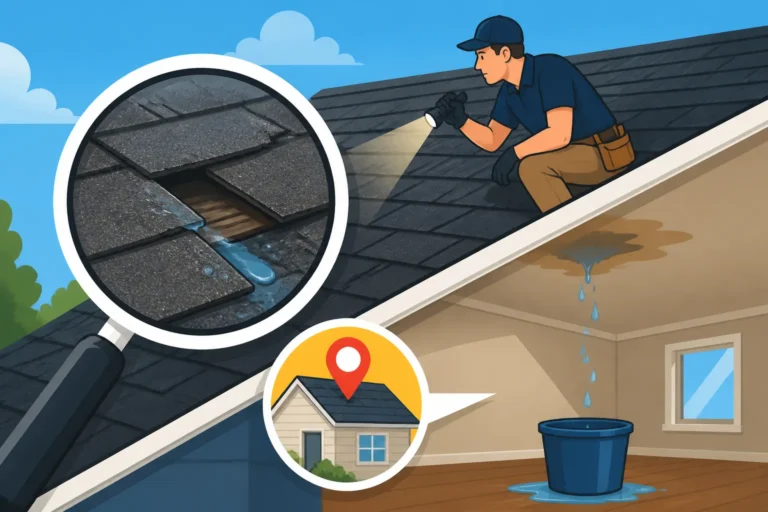
One of the most frequent reasons homeowners call a roofer is for a leak. Often, these leaks are isolated and stem from specific weak points on your roof, not a wholesale failure of your entire roofing system. Think about it: a small branch might fall during a storm and dislodge a handful of asphalt shingles, or the seal around a vent pipe might degrade over time. These are typically localized problems.
For instance, if you notice a water stain on your ceiling directly beneath a bathroom vent or a chimney, the culprit is very likely compromised flashing in that specific area. A skilled roofer can often perform a targeted Flashing Leak Repair by replacing or resealing the flashing and any damaged shingles nearby. Similarly, a severe windstorm might rip off shingles from one section of your roof. Unless the underlying decking is extensively damaged and the rest of the roof is severely compromised, replacing those missing shingles and checking for loosened ones elsewhere is a much more cost-effective solution than a full replacement. This falls under the category of When to Repair a Roof Leak vs Replace the Roof.
Cosmetic Issues Without Structural Problems
Sometimes, a roof might look a little rough around the edges, but its structural integrity remains sound. These cosmetic concerns don't always warrant a full replacement.
- Granule Loss: As asphalt shingles age, they naturally lose some of their protective granules. If you see some granules in your gutters, it's normal. However, if you're experiencing severe, widespread granule loss that exposes the asphalt backing, it's a sign of significant wear. But moderate granule loss, especially on an otherwise functional roof, might just be a cosmetic issue. It's worth understanding Granule Loss: Should You Worry before panicking.
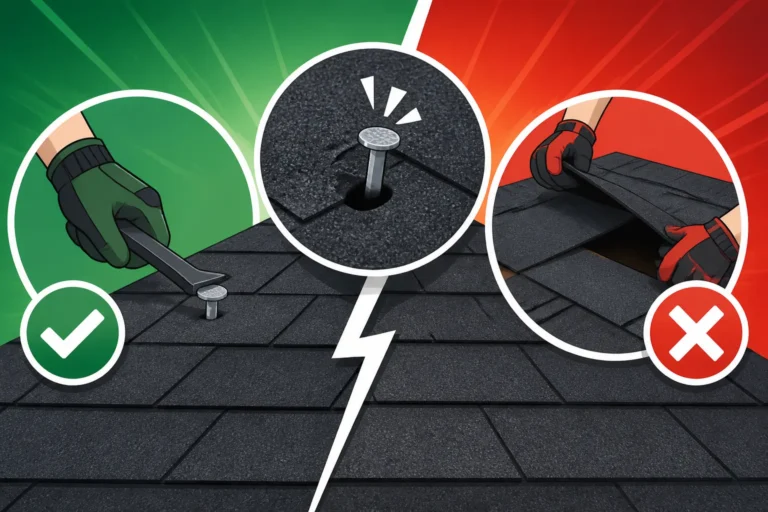
- Curling or Blistering: Shingles can curl or blister due to aging, poor ventilation, or manufacturing defects. If only a few shingles are affected and the issue isn't causing leaks or exposing the underlying layers, a repair or even just monitoring might be sufficient. If the entire roof is a sea of curled and cracked shingles, that's a different story.
- Algae or Moss Growth: Those dark streaks or green patches on your roof? That's usually algae or moss. While it can look unsightly and, if left unchecked, can trap moisture and degrade shingles, it's often a treatable problem. Cleaning your roof or installing zinc strips can often resolve these issues without needing a full replacement. You can learn more about managing this in Moss and Algae: Clean or Replace.
Roofs Under 15-20 Years Old (Depending on Material)
Asphalt shingles are designed to last a good while. Most standard architectural asphalt shingles come with warranties ranging from 25 to 30 years, and some premium options can last even longer. If your roof is relatively young, say under 15-20 years old, a recommendation for a full replacement should definitely prompt further investigation.
Factors like the quality of the original installation, the type of asphalt shingle used (e.g., 3-tab vs. architectural), and your local climate (extreme heat, heavy snow, frequent hail, or strong winds) all play a role in how long your roof will truly last. However, even with some wear and tear, a well-maintained asphalt roof shouldn't typically need replacing before its expected lifespan is nearing its end. It's crucial to know How Long Does an Asphalt Roof Last and understand Roof Age: When to Start Planning Replacement to gauge if the replacement recommendation aligns with realistic expectations for your roof's lifespan.
How to Evaluate a Roofer's Recommendation
When faced with a significant roofing decision, empowering yourself with knowledge and proactive steps is key. You don't have to simply accept the first recommendation you receive.
Get Multiple Opinions and Detailed Estimates
This is perhaps the single most important piece of advice: always get at least three detailed estimates from different, reputable roofing contractors. Don't stop at just comparing the bottom-line price. Dive into the specifics. A good estimate should break down costs for materials, labor, tear-off, disposal, and any other components like new flashing or underlayment. If one roofer is recommending replacement and another repair, ask both to explain their reasoning thoroughly.
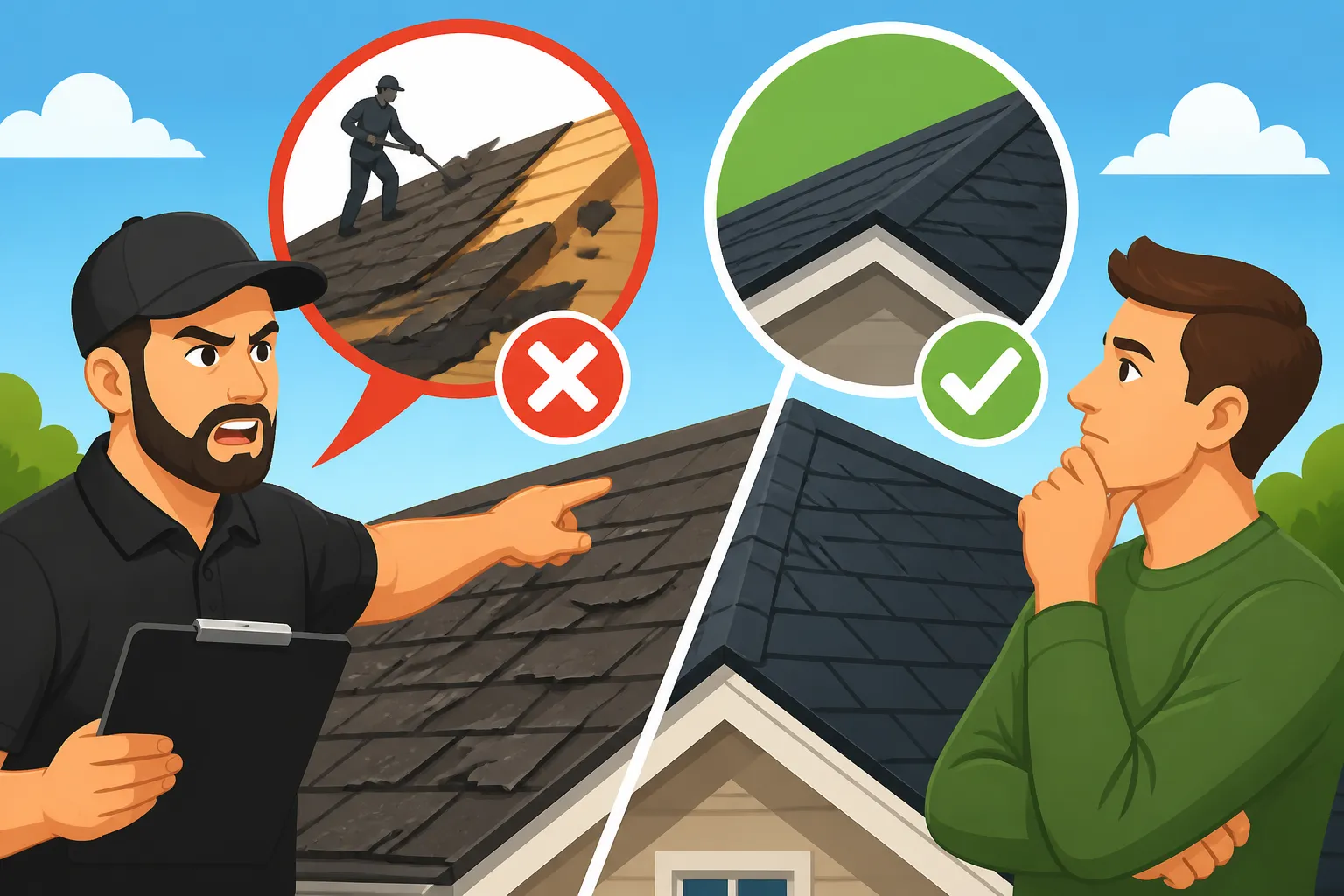
For example, if Roofer A says your roof needs replacing due to "extensive shingle blistering," but Roofer B suggests a repair for a localized leak, ask Roofer A to show you the extensive blistering. Where is it? How widespread is it? Does it truly compromise the entire roof? Similarly, ask Roofer B for their prognosis on the remaining lifespan of your entire roof if you only perform the repair. This level of detail helps you compare apples to apples and understand the nuances of each proposal. Tools like Modernize can help you find and connect with multiple qualified roofing professionals in your area, making the process of getting competitive bids much easier. Understanding How to Get Roofing Quotes and Compare Them and knowing What a Roofing Estimate Should Include are vital steps here.
Conduct Your Own Visual Inspection (Safely!)
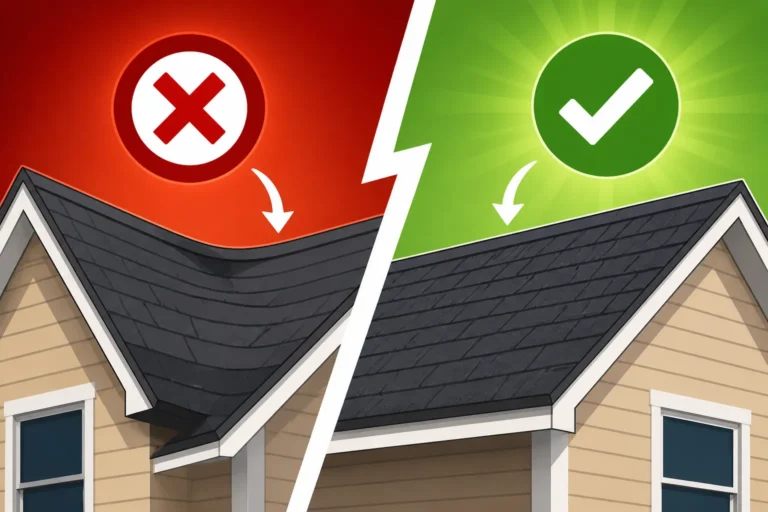
While you're not a roofing expert, you can and should perform your own safe, ground-level visual inspection. Walk around your house and look for obvious signs of damage. Can you see missing shingles? Are there large piles of granules in your gutters? Do any shingles appear visibly cracked, curled, or lifting? From your yard, you might also spot sagging areas, which are a serious red flag.
Don't forget to check your attic, if accessible. Look for water stains on the underside of the roof decking or insulation, which are clear indicators of a leak. If you see daylight coming through the roof, that's another undeniable sign of a problem. Knowing Signs You Need a New Roof and having a basic understanding of Roof Damage Assessment: A Homeowner's Guide can help you feel more confident in assessing the situation. If you're uncomfortable or unsure, consider hiring a separate, independent home inspector (not a roofer) to give you an unbiased assessment of your roof's condition.
Verify Credentials and Ask Key Questions
Before you even get to the estimate phase, vet your contractors thoroughly. Ensure they are licensed and insured in your state or local municipality. Always ask for proof of both liability insurance and workers' compensation insurance. This protects you in case of accidents or damage during the project. A reputable company will provide these documents without hesitation. Learn why Licensed and Insured Roofers: Why It Matters.
Don't be afraid to ask direct questions like:
- "How long have you been in business?"
- "Do you specialize in repairs, replacements, or both?"
- "Are your crews employees or subcontractors? Are they experienced?"
- "What manufacturer certifications do you hold?" (e.g., GAF Master Elite, Owens Corning Platinum Preferred, CertainTeed SELECT ShingleMaster) These certifications often mean the contractor has met rigorous standards and can offer enhanced warranties.
- "Can you provide references from recent clients?"
Asking these kinds of Questions to Ask a Roofing Contractor Before Hiring can reveal a lot about a company's professionalism and capability.
Empowering Yourself for an Informed Decision
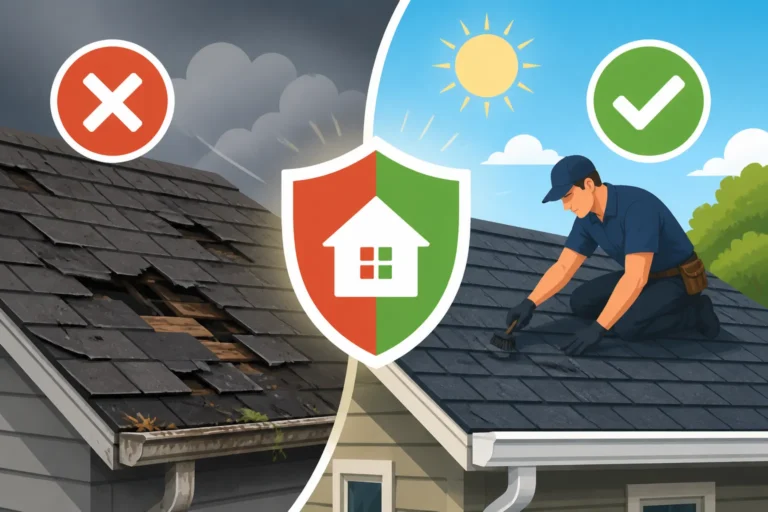
Ultimately, the decision to repair or replace your asphalt roof rests with you. By taking an informed and proactive approach, you can feel confident that you're making the best choice for your home and your financial situation.
Understanding Your Roof's True Condition
The key to making an informed decision is accurately understanding the extent and nature of your roof's problems. Is it truly a systemic failure, or a localized issue? True systemic failure usually means the entire roof's protective capabilities are compromised. This could manifest as widespread cracking, brittle shingles, significant granule loss across most of the roof, or multiple leaks in different areas. These are all definitive How to Tell If Your Roof Is Failing.
On the other hand, a few missing shingles, a single leak around a vent, or even some hail damage concentrated in one area might be perfectly manageable with a targeted repair. Think about how long the roof has been installed and what kind of weather it has endured. For instance, a roof in an area prone to severe hailstorms, like parts of Colorado or Texas, might experience significant damage after just a few years, warranting a replacement, whereas a roof in a milder climate might last much longer. When dealing with unexpected severe weather, understanding Storm Damage: Repair or Replace can be crucial.
Here's a quick comparison of common repair vs. replacement scenarios:
| Scenario | Likely Action (Initial Recommendation) | Factors Leaning Towards Replacement | Factors Leaning Towards Repair |
|---|---|---|---|
| Localized Leak | Repair (e.g., flashing, pipe boot) | Multiple leaks, extensive decking rot, entire roof nearing end-of-life | Single, identifiable leak source; relatively new roof |
| Few Missing Shingles | Repair (patching) | Widespread wind damage across multiple slopes, underlying decking exposed and damaged | Small number of shingles missing from one area; otherwise sound roof |
| Moderate Granule Loss | Monitor or Repair (coatings) | Severe, widespread granule loss exposing asphalt; shingles brittle and easily broken | Granule loss is moderate, localized, or part of normal aging; no leaks |
| Moss/Algae Growth | Cleaning or Prevention (zinc strips) | Extensive, deep moss growth causing shingle lifting or deterioration; persistent moisture issues | Primarily cosmetic; surface-level growth; easily cleaned |
| Curling/Blistering | Monitor or Repair (individual shingles) | Widespread, severe curling/blistering leading to cracks and leaks; entire roof is old | Limited to a few shingles; no current leaks; roof is relatively young |
| Major Storm Damage | Replacement (if extensive) | Severe, widespread damage (e.g., multiple holes, widespread shingle fracture from hail); insurance adjuster totals roof | Isolated damage to one section; minor cosmetic dings; repair estimate is significantly lower than replacement |
Calculating the True Cost of Repair vs. Replacement
Sometimes, a repair might seem like the obvious choice due to its lower upfront cost. However, it’s essential to consider the long-term financial implications. If your asphalt roof is already 20-25 years old and experiencing multiple issues, investing in several repairs might not be the most economical decision. Those repair costs can quickly add up, and you might find yourself needing a full replacement just a few years down the line anyway. This is where Cost to Replace vs Repair an Old Roof comes into play.
A new roof is not just a protective barrier; it's also a significant boost to your home's value and curb appeal. If you're planning to sell your home in the next 5-10 years, a new roof can be a major selling point and a good return on investment. Furthermore, a full replacement often comes with a robust warranty covering both materials and labor, which can save you from future unexpected expenses. Weigh the immediate savings of a repair against the long-term benefits and peace of mind a new roof offers. Understanding Roof Repair vs Replacement: How to Decide involves looking beyond just the sticker price.
Trusting Your Gut and Avoiding Pressure
Finally, and perhaps most importantly, trust your instincts. If a roofing contractor makes you feel uncomfortable, pressured, or if their pitch seems too good to be true, it’s a major red flag. Ethical contractors will educate you, answer your questions patiently, and allow you ample time to make a decision without resorting to high-pressure sales tactics.
Be wary of door-to-door solicitations after a storm, especially from companies not local to your area. These "storm chasers" are notorious for pushing unnecessary replacements and disappearing once the work is done, leaving you without recourse for warranty issues. If a contractor insists you sign something on the first visit or discourages you from getting other estimates, consider that a serious warning sign. You are in control of your home and your investment. Don't be afraid to politely decline, get more information, and take your time. Learning about Roofing Contractor Red Flags to Avoid can help you spot these issues early, and knowing How to Negotiate with a Roofing Contractor can empower you to advocate for yourself.
Disclaimer
Please remember that this guide provides general information and is not a substitute for professional advice. Always consult with multiple licensed and insured roofing professionals for inspections and estimates specific to your property before making any decisions.