What Happens If It Rains During Roofing
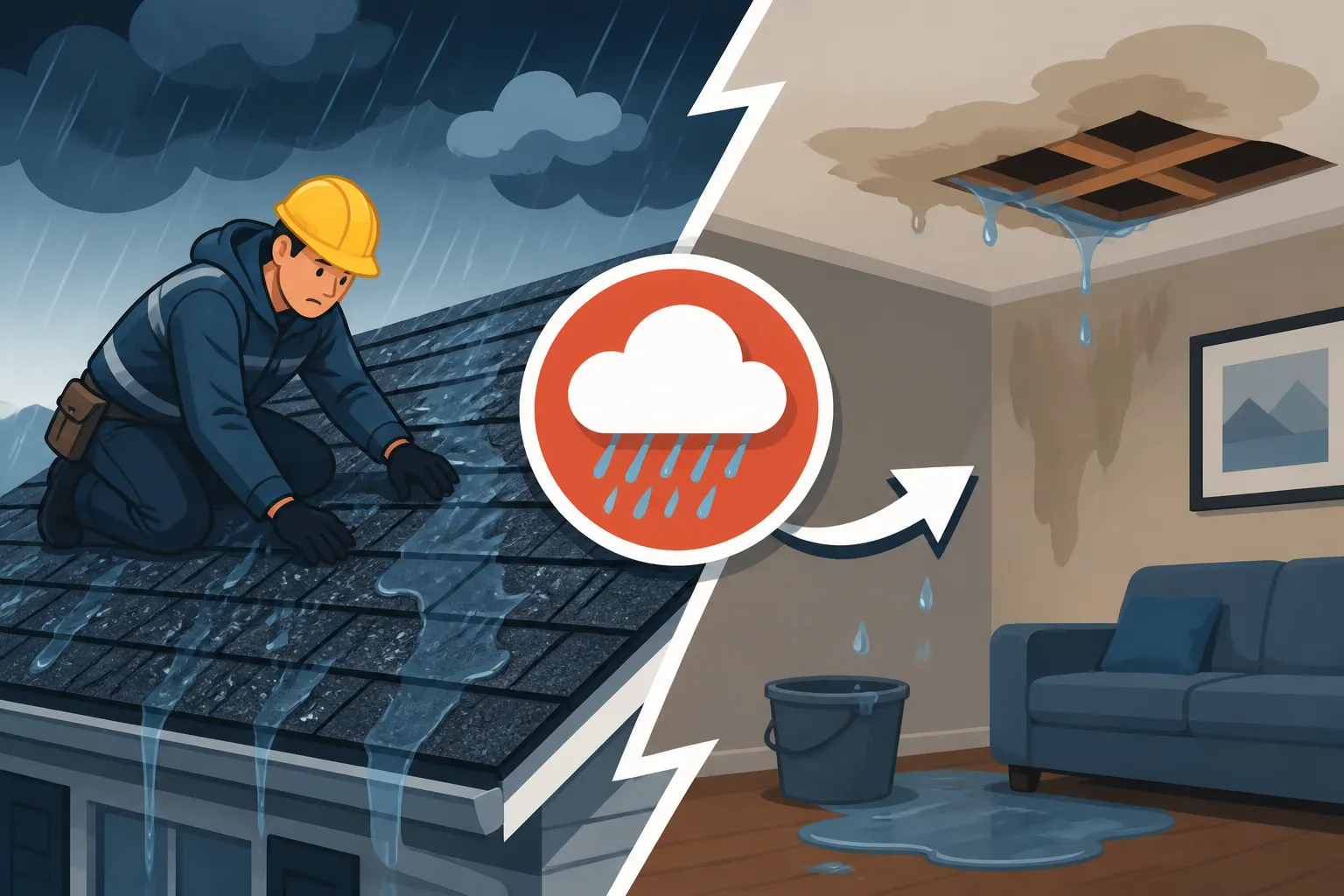
The crew has stripped half your roof down to the wood, and the sky over the backyard is turning the color of a bruise. The forecast said “slight chance,” but now you are staring at bare decking and wondering whether water is about to pour into the attic. This guide explains what really happens when rain hits a roof job, how good crews prevent damage, and what to do if water gets in.
Why Rain Is a Real Risk During a Reroof
A finished asphalt shingle roof is a layered system built to shed water. During a replacement, that system is temporarily taken apart. Understanding which stage your roof is in tells you how worried you should be when the clouds roll in.
The Most Vulnerable Stage Is Bare Decking
On a typical tear-off, the crew strips the old shingles, underlayment and nails down to the roof deck, which is usually plywood or OSB. At that moment, there is nothing between the sky and the wood except the wood itself. OSB in particular can swell along its edges when soaked, and both plywood and OSB can let water through at seams, nail holes and gaps around vents and chimneys. If you want to see what that stage involves, What Happens During a Roof Tear-Off walks through it step by step.
The good news is that bare decking is supposed to be a short stage. Professional crews tear off only as much as they can cover the same day, and they cover it quickly.
Underlayment Buys Time, Not Permanent Protection
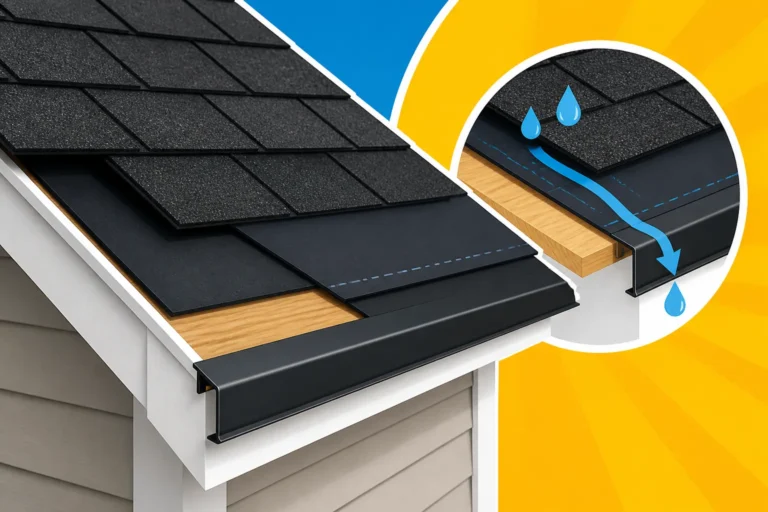
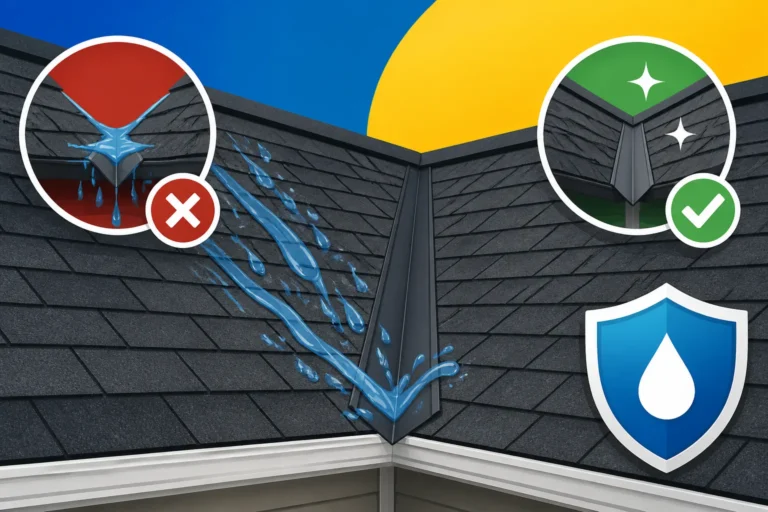
Once the deck is exposed, the next layer is underlayment, either traditional felt or a synthetic sheet, plus ice and water shield in valleys, eaves and around penetrations. Properly installed and fastened underlayment sheds a fair amount of rain. Synthetic underlayment in particular resists tearing and holds up well when exposed for a short period. Underlayment Explained: Synthetic vs Felt covers the differences in detail.
Underlayment is not designed to be the final roof surface, though. It has nail holes, overlaps that can lift in wind, and edges that rely on the shingles to hold them down. A shower on a fully underlaid roof is usually fine. Days of wind-driven rain on underlayment alone is a different story.
Shingled Sections Are Generally Safe
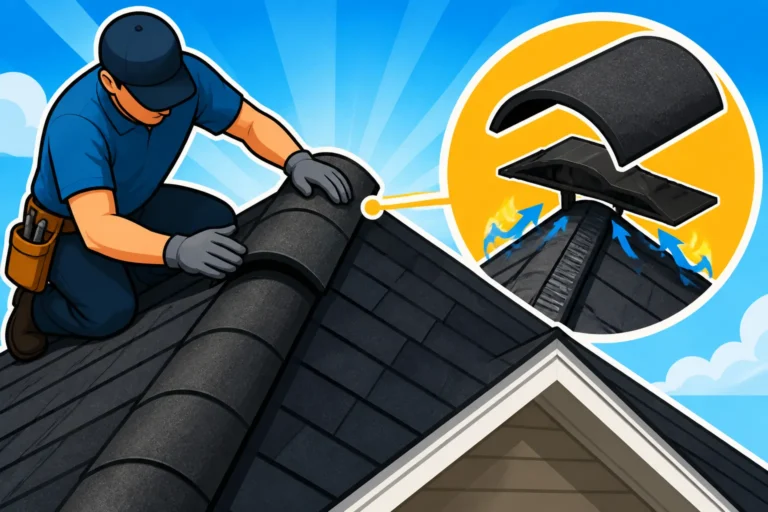
Sections where shingles, flashing and ridge caps are complete behave like a finished roof. The main risk on those sections is the seam where new work meets the area still being stripped, which is where a careful crew will focus its temporary protection.
| Roof Stage | Exposure to Rain | Typical Risk |
|---|---|---|
| Old roof still intact | Same as before the job | Low |
| Bare decking | Fully exposed wood | High |
| Underlayment installed | Water-shedding layer, no shingles | Moderate for short showers, higher for long storms |
| Shingled but not finished at edges | Mostly protected | Low to moderate at transitions |
| Completed sections | Finished roof | Low |
How Professional Roofers Manage Weather
Experienced roofers deal with weather on almost every job. The difference between a minor delay and a damaged ceiling usually comes down to planning.
Planning Around the Forecast
A well-run crew watches the forecast closely before starting a tear-off. If heavy rain is likely, many contractors push the start date rather than risk opening the roof. On a day with only a slight chance of showers, they may proceed but tear off smaller sections at a time so that any exposed area can be dried in within an hour or two. Some crews start early in the morning to avoid afternoon storms, which is common practice in regions where summer thunderstorms build after lunch.
It helps to know how long the job should take, since a two-day job leaves more room for weather surprises than a one-day job. How Long a Roof Replacement Takes explains what affects that timeline.
Drying In Each Section
The key phrase to listen for is “dried in.” It means the deck has been covered with underlayment and any necessary ice and water shield, so the section can shed water even before the shingles go on. A good crew follows this sequence for each section:
- Tear off only the area that can be dried in before the end of the work period or before rain is expected.
- Inspect the exposed decking and replace any rotted or damaged boards.
- Install drip edge and ice and water shield where required.
- Roll out and fasten underlayment over the remaining deck.
- Shingle the section, or if weather is closing in, secure underlayment edges and add tarps.
Tarping When Rain Arrives Mid-Job
When rain shows up unexpectedly, crews stop tearing off immediately and cover any exposed areas with heavy tarps, weighted or fastened at the edges and lapped so water runs downhill over them rather than under them. Tarps should extend well past the edges of the exposed area and over the ridge if possible. For more on proper technique, see Emergency Roof Tarping Explained.
What you should not see is a crew leaving the site with bare decking uncovered, or loose tarps flapping on a windy evening. If that happens, call the contractor immediately.
Why Crews Stop Working in Rain
Homeowners sometimes wonder why a crew does not simply keep shingling through a light shower. Wet decks and underlayment are slippery and dangerous for workers. Shingles installed over wet underlayment can trap moisture against the deck. Many manufacturers also recommend against installing over wet surfaces, which can affect warranty eligibility. Stopping is the right call, even if it pushes your completion date. The weather also matters in other ways, as Roof Installation in Cold Weather explains for the colder months.
What to Do if Water Gets Inside
Even with good planning, sometimes water finds its way in. Acting quickly limits the damage and makes it easier to sort out who pays.
Immediate Steps for Homeowners
If you notice water dripping into the attic or through a ceiling during the job:
- Call the roofing contractor right away so they can return and secure the roof.
- Move furniture, electronics and valuables away from the leak.
- Place buckets or containers under drips and lay towels or plastic sheeting on floors.
- If a ceiling is bulging with water, keep people away from it; a professional may need to release the water safely.
- Turn off power to affected light fixtures or outlets if water is near them.
- Take photos and video of the leak, the roof, and any damage, with timestamps.
- Keep notes of when you contacted the contractor and what they said.
Checking the Attic and Decking
After the storm, check the attic for wet insulation, damp rafters, or stains on the underside of the decking. Wet insulation loses its effectiveness and can hold moisture against wood, so it may need to be dried or replaced. Decking that was soaked should be inspected before shingles go on; if it is swollen, delaminating or soft, it should be replaced. Signs Your Roof Decking Is Rotted describes what to look for.
Who Pays for Rain Damage During a Job
In most cases, the contractor is responsible for protecting your home during the work. If water gets in because the roof was left open or poorly covered, the contractor’s liability insurance typically comes into play. This is one of the strongest reasons to hire a roofer who carries general liability coverage and can prove it before the job starts. Licensed and Insured Roofers: Why It Matters covers what to ask for.
Check your contract too. A good roofing contract describes how weather delays are handled, who is responsible for protecting the home, and how damage during the work is resolved. If the contract is silent, ask for those terms in writing before work begins.
Warranty Implications
Rain during a job does not automatically affect your warranty, but installation over wet decking or underlayment can. Manufacturer warranties often require installation according to their instructions, and workmanship warranties cover the installer’s errors. If there was significant rain mid-job, it is reasonable to ask the contractor to confirm in writing that wet materials were dried or replaced before shingling. Roofing Warranty: Workmanship vs Manufacturer explains how the two types of coverage differ.
Choosing a Contractor Who Handles Weather Well
The best protection against rain damage is choosing a roofer who plans for it. When you are comparing contractors, ask how they handle weather:
- How much of the roof do you tear off at once?
- Do you check the forecast before starting, and will you reschedule if heavy rain is expected?
- What tarps and temporary protection do you keep on the truck?
- Who will be responsible if water gets in during the job?
- Can you provide proof of liability insurance?
- How do you handle wet decking or underlayment before installing shingles?
If you are gathering quotes from several local roofers, services such as Modernize can connect you with contractors in your area, which makes it easier to compare how each one approaches weather risk. When you use Modernize or any similar matching service, treat it as a starting point and still ask each contractor the questions above directly. Check Modernize’s own pages for how its service works in your area. Knowing what a normal installation day looks like also helps you spot when something is off; What to Expect on Roof Installation Day covers that.
| Question to Ask | Good Answer | Warning Sign |
|---|---|---|
| How much do you tear off at once? | Only what can be dried in the same day | “We strip the whole roof first” |
| What if rain is forecast? | Reschedule or work in small sections | “A little rain never hurt anything” |
| What temporary protection do you carry? | Heavy tarps and fasteners on every truck | No clear answer |
| Who pays for water damage? | The contractor, backed by liability insurance | Vague or shifts blame to the homeowner |
| How do you handle wet decking? | Dry it or replace damaged boards before shingling | Shingles go straight on regardless |
Disclaimer
This article is for general informational purposes only and does not constitute professional advice. Laws, prices and regulations vary by location and change over time. Consult a qualified professional for guidance on your specific situation.