How Roofers Handle Multiple Roof Layers
One of the most common anxieties homeowners face when contemplating a new roof is the dreaded thought of discovering multiple layers of old shingles. It’s a moment that can make your heart sink because you know it likely means a more complex, messier, and potentially more expensive project. This guide is here to demystify the process, explain why those layers are there, and detail exactly how professional roofers handle this challenge to ensure your new asphalt roof is installed correctly and lasts for decades.
Understanding the Challenge of Multiple Roof Layers
It's a common scenario, especially in older homes: you get a roofing estimate, and the contractor mentions finding two, maybe even three, layers of existing shingles. You might wonder, "How did that even happen, and why is it a problem?" Well, you're not alone in that confusion, and understanding it is the first step.
The "Overlay" Dilemma and Its Risks
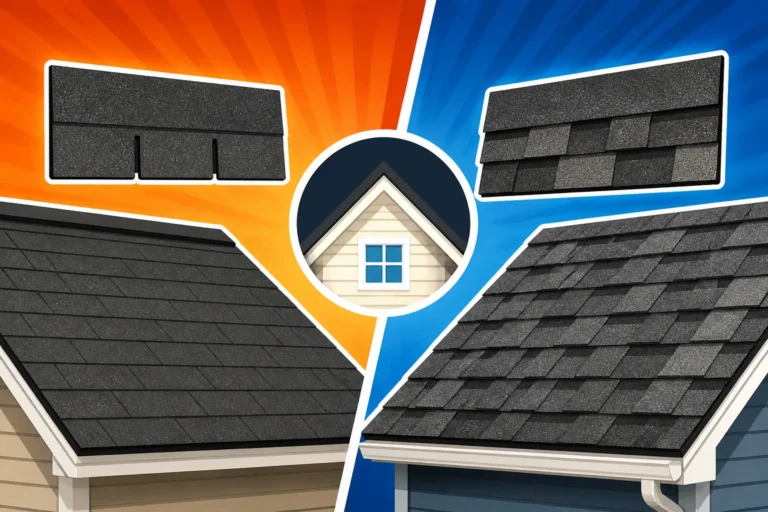
Many years ago, and even in some less reputable scenarios today, a common practice was to simply install new shingles directly over the old ones. This is often referred to as an "overlay" or "reroofing" rather than a full tear-off. The appeal is obvious: it saves time, labor, and disposal costs, making the initial bid seem much more attractive. However, this shortcut often leads to significant problems down the line. When you put new shingles over old ones, you're essentially building on an uneven, compromised foundation. The old shingles might already be brittle, curled, or damaged, and they can telegraph these imperfections directly through your shiny new roof, causing it to buckle, warp, or wear out much faster than it should.
Beyond aesthetics and lifespan, there are practical risks. An overlay adds considerable weight to your roof deck and underlying structure. This extra load can cause sagging, especially if your roof decking wasn't designed to handle it. Furthermore, a layered roof makes it incredibly difficult, if not impossible, to properly inspect the roof deck for rot, water damage, or structural issues before installing the new material. Any existing problems are simply covered up, only to worsen silently until a major leak or structural failure occurs. You can read more about the pros and cons in our guide on Overlay vs Tear-Off: Which to Choose.
Why Multiple Layers Accumulate
So, why would anyone do this in the first place? Historically, building codes were less stringent, and the practice of reroofing over existing shingles was often permissible, sometimes even encouraged as a cost-saving measure. A homeowner trying to cut corners or an inexperienced contractor might suggest it, especially if the original roof seemed relatively intact.
Another reason for multiple layers might simply be regional practices or the age of a home. For example, in some areas with less severe weather, two layers were often tolerated by local codes for a time. If a home built in the 1960s had its roof replaced in the 1990s, and then again in the 2010s, it's quite possible that at least one of those replacements was an overlay. Over time, these layers stack up, each adding more weight and trapping more moisture, which can accelerate the deterioration of the underlying structure. The general rule of thumb today, especially with modern asphalt shingles, is that one layer is ideal, and most codes will only permit two layers at most, and that's usually only under specific conditions.
The Standard Approach: Full Tear-Off and Removal
For virtually every reputable roofing contractor today, when multiple layers are discovered or suspected, the gold standard is a complete tear-off. This process, while more involved and initially more costly, is the only way to ensure a lasting, high-quality roof system.
The Tear-Off Process Explained
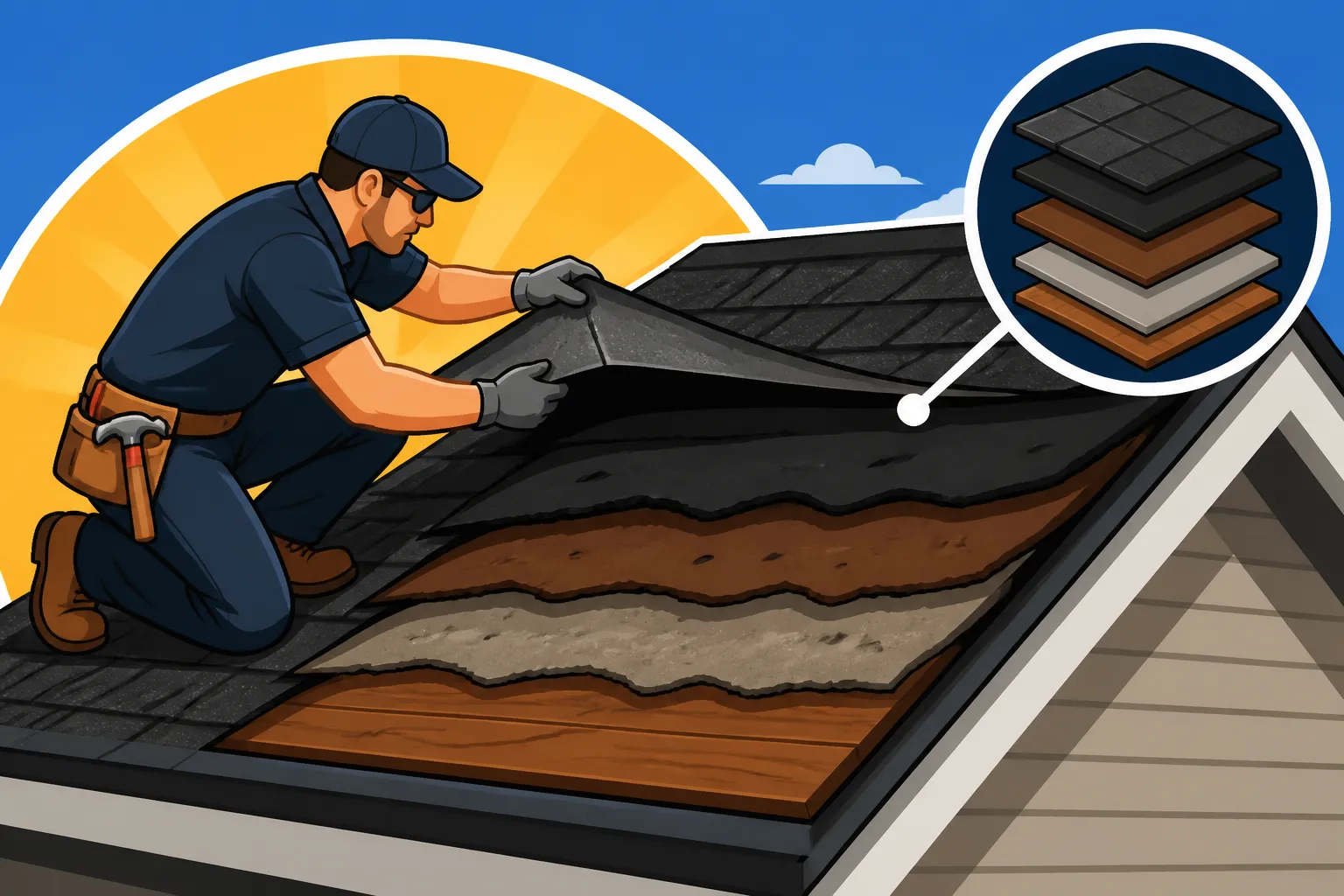
A full tear-off is exactly what it sounds like: every single layer of old roofing material, from the cap shingles all the way down to the roof deck, is removed. This isn't just a quick scrape-off. It’s a meticulous, labor-intensive process that involves:
- Preparation: The roofing crew will protect your property, covering landscaping, driveways, and often creating a perimeter to catch falling debris. They might use specialized dump trailers or chutes to direct the old material efficiently.
- Shingle Removal: Using specialized tools like roof shovels or tear-off forks, workers systematically strip off all existing shingles, underlayment, and flashing down to the bare roof decking. This part of the job can be noisy and dusty, but it’s crucial. For a deeper dive into this stage, check out What Happens During a Roof Tear-Off.
- Debris Management: All removed materials are collected and hauled away. This can amount to tons of waste, especially with multiple layers. Reputable companies will have a plan for responsible disposal, often including recycling where available. This is a significant part of your Cost of Roof Tear-Off and Disposal.
- Deck Inspection: Once the deck is bare, the roofing team can thoroughly inspect every square inch of the plywood or OSB sheeting. They look for soft spots, water damage, rot, or any fasteners that have come loose. This inspection is vital because it reveals issues that would remain hidden under an overlay, issues that could compromise your new roof's integrity.
- Decking Repairs/Replacement: If damaged decking is found, it will be repaired or replaced. This ensures your new roof has a solid, stable foundation. For more on this, see Roof Decking Replacement Cost.
- Installation of New Components: With a clean, solid deck, the crew can begin installing your new roofing system, starting with drip edge, ice and water shield, and underlayment, followed by the shingles themselves. This ensures everything adheres properly and performs as intended. Our guide on How a Roof Replacement Works: The Full Process walks you through all the steps.
Benefits of a Complete Tear-Off
While the thought of a full tear-off might seem daunting, the benefits far outweigh the initial disruption and cost.
- Proper Foundation: You get a completely clean, inspected, and repaired roof deck, which is the absolute best foundation for your new shingles. This drastically reduces the risk of future problems like sagging or premature shingle wear.
- Enhanced Longevity: A new roof installed on a sound deck, with all components working together, will last significantly longer. Most manufacturers' warranties are often conditional on proper installation, which typically means a clean deck. You want your asphalt roof to live up to its expected lifespan, which you can learn about in How Long an Asphalt Roof Lasts.
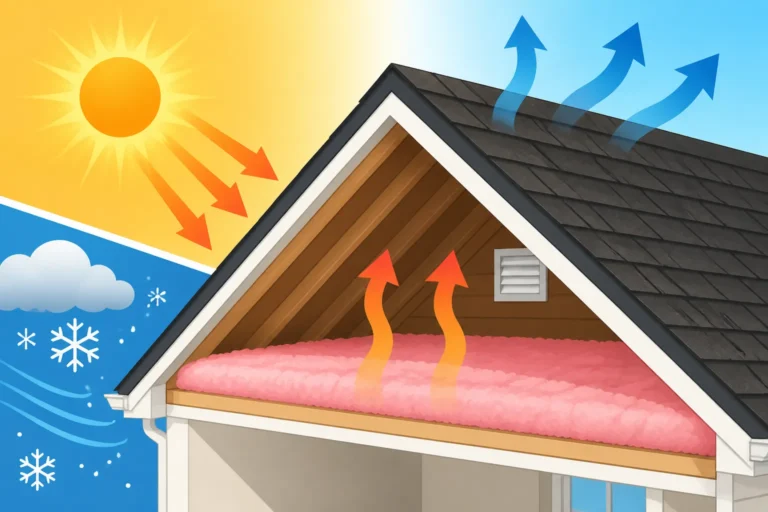
- Optimal Performance: Proper ventilation, a crucial element for roof health, works best when all layers are correctly installed and integrated. A multi-layered roof can sometimes impede airflow, leading to heat and moisture buildup in the attic, which can shorten shingle life and increase energy bills.
- Code Compliance: Most modern building codes across the U.S. either mandate a full tear-off for multiple layers or have strict limits on the number of layers allowed. A tear-off ensures your new roof is fully compliant, which is important for permits, inspections, and potential resale. This is especially relevant in states like Florida, where hurricane codes are very strict, or Colorado, known for hail.
- Warranty Validity: Many roofing material manufacturers, like GAF, Owens Corning, and CertainTeed, require installation on a clean deck for their top-tier warranties to be valid. Skipping the tear-off could void crucial aspects of your warranty, leaving you unprotected.
When an Overlay Might Be Considered (and Why It's Rare)
While a full tear-off is almost always the recommended and safest route, there are extremely rare instances where an overlay might be discussed. However, it’s critical to understand the caveats, as this path is fraught with potential issues and is increasingly restricted by local regulations.
Code Compliance and Local Regulations
The primary hurdle for considering an overlay is adherence to local building codes. In many jurisdictions across the country, particularly in areas prone to severe weather like high winds or heavy snow, it’s simply illegal to install more than two layers of asphalt shingles. Some areas, like those along the Gulf Coast, might even mandate a single layer and a full tear-off every time due to stringent hurricane resistance requirements.
Before any work begins, your chosen contractor will need to pull the necessary permits. This process usually involves an inspection to verify the current roof condition and ensure the proposed work meets all local standards. If your home already has two layers and the code limits it to two, a tear-off is mandatory. Attempting to bypass these regulations can lead to fines, stop-work orders, and even requiring you to tear off a brand-new, non-compliant roof. Always ask your contractor about Do You Need a Permit to Replace a Roof and make sure they handle the permitting process correctly. You can delve into more detail about these regulations by reading Roofing Building Codes: What to Know.
Structural Integrity and Weight Limits
Even if local codes hypothetically allowed for a third layer, the structural integrity of your home's roof system becomes a major concern. Asphalt shingles are heavy. A single square (100 square feet) of architectural shingles can weigh between 240 and 400 pounds. Imagine doubling or even tripling that weight across your entire roof.
| Factor | Full Tear-Off | Overlay (Rarely Recommended) |
|---|---|---|
| Initial Cost | Higher (labor, disposal, potential decking repair) | Lower (less labor, no disposal) |
| Longevity | Maximized, foundation inspected & sound | Potentially compromised, shorter lifespan |
| Warranty Validity | Typically fully honored by manufacturers | Often voided or limited by manufacturers |
| Code Compliance | Ensures adherence to modern building codes | High risk of violating local codes & regulations |
| Roof Deck Condition | Fully visible for inspection, repair, or replacement | Hidden, potential for underlying damage to persist |
| Weight on Structure | Minimal, only new roof weight | Significantly increased, potential for sagging |
| Waste & Disposal | Higher volume, but properly managed | Lower volume, but often a temporary deferral of waste |
| Curb Appeal | Smoother, flatter, more uniform appearance | Potential for unevenness, "wavy" look |
Adding significant weight can stress your rafters, trusses, and load-bearing walls, potentially leading to sagging roofs, interior cracks, and even structural failure over time. An experienced roofer, perhaps one from a company like Modernize that connects homeowners with pre-screened professionals, would conduct a thorough assessment to determine if your existing structure can safely bear additional weight. In almost all cases, they would advise against an overlay if multiple layers are already present because the risks are simply too high for both the homeowner and the contractor.
What to Expect During the Project
So, you've decided on a full tear-off—great choice! Knowing what to expect during the actual roofing project can help ease your mind and prepare your home for the transformation.
Planning and Permitting Considerations
Once you've selected a reputable contractor, the first step is often the administrative one: permits. Your contractor should handle all aspects of obtaining the necessary permits from your local building department. This isn't just a formality; it ensures the work meets local safety and construction standards. For instance, in a city like Raleigh, North Carolina, or Atlanta, Georgia, permit requirements might differ slightly, but the core process is similar. The permit often requires an inspection before, during, and/or after the work is completed. This critical step confirms that all phases, including the tear-off and deck inspection, are done correctly. Our guide on Roofing Permits Explained provides an excellent overview of this process.
It’s also during this planning phase that your contractor will solidify the project timeline, discuss material delivery, and outline payment schedules. This is a great time to ask about how they plan to protect your property and manage debris, especially given the extra volume from multiple layers.
Site Preparation and Debris Management
The day the roofing crew arrives, they'll typically begin with extensive site preparation. Think of it as preparing for a minor construction zone around your house. They'll lay down tarps or heavy-duty netting to protect your landscaping, gardens, and any outdoor furniture. They’ll also make sure your driveways and walkways are clear to allow for dumpsters or dump trailers.
With multiple layers to remove, debris management becomes a much bigger task. You can expect a larger volume of old shingles, felt paper, and possibly old flashing coming off your roof. A good crew will have a clear system for collecting and disposing of this material quickly and efficiently, minimizing scattered debris. They’ll use dumpsters or trailers strategically placed to catch the material as it’s removed. This systematic approach is crucial not only for keeping your property tidy but also for safety.
The Installation Phase
After the old layers are completely removed and the roof deck is meticulously inspected and repaired (if needed), the exciting part begins: the installation of your new roof system. This isn't just slapping shingles on. It's a multi-component process designed to provide maximum protection and longevity.
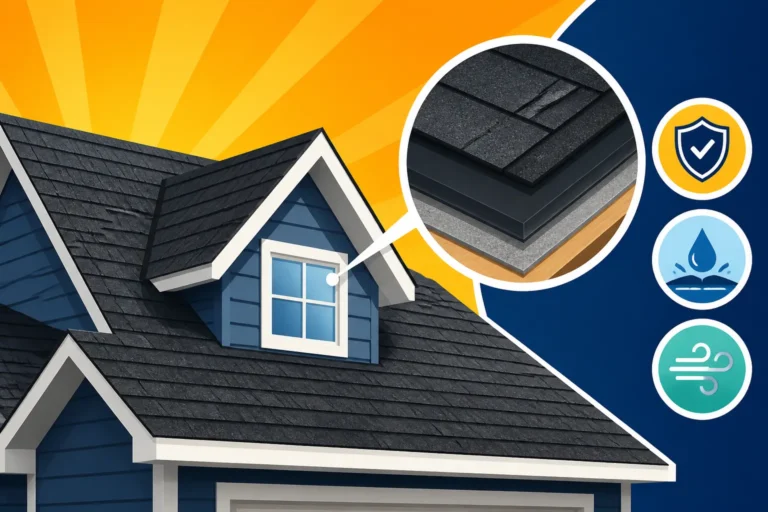
- Underlayment: First, a new layer of underlayment (either traditional felt or modern synthetic material) is rolled out over the entire roof deck. This acts as an extra barrier against water penetration.
- Ice and Water Shield: In vulnerable areas like eaves, valleys, and around chimneys or skylights, specialized ice and water shield membranes are installed. These self-adhering membranes provide superior protection against water backup from ice dams or heavy rain.
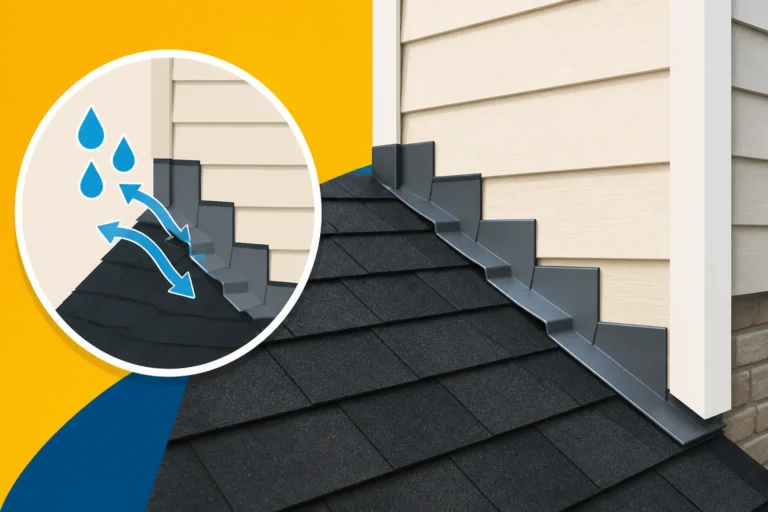
- Drip Edge and Flashing: New drip edge is installed along the eaves and rake edges to direct water away from the fascia. All flashing around chimneys, skylights, vents, and wall transitions will be new, ensuring these critical areas are watertight.
- Starter Shingles: These are installed along the eaves to properly secure the first row of main shingles and provide crucial wind resistance.
- Field Shingles: The main body of your roof, the asphalt shingles, are then carefully installed, row by row, following manufacturer specifications for nailing patterns and overlap.
- Hip and Ridge Caps: Finally, specialized cap shingles are installed on the hips and ridges of your roof, providing a clean, finished look and completing the weatherproofing.
Throughout this entire installation, a truly professional roofing company, perhaps one found through services like Modernize, will ensure meticulous attention to detail. This includes proper nailing, sealing, and alignment, all of which contribute to the lifespan and performance of your new roof.
Cost Implications of Multiple Roof Layers
Let's be real: cost is almost always the biggest concern for homeowners, and discovering multiple roof layers can definitely impact your budget. It's a key factor in your overall How Much Does an Asphalt Shingle Roof Cost.
Labor and Disposal Costs
The most immediate and significant impact of multiple roof layers on your budget comes from increased labor and disposal costs. Removing one layer of shingles is already labor-intensive; removing two or three layers means significantly more manual labor hours for the crew. They have to work harder and longer to strip off all that material.
Then there's the disposal. Each layer adds considerable weight and volume to the waste stream. Old asphalt shingles are heavy, and specialized dumpsters or trailers are needed to haul them away. Landfill fees or recycling charges are typically based on weight, so more layers mean higher disposal costs. In metropolitan areas like Dallas-Fort Worth or Phoenix, Arizona, these disposal fees can be particularly high due to transportation costs and local regulations. A reputable contractor will factor these costs transparently into your estimate, rather than surprising you later. Remember to ask for a detailed breakdown when you get How to Read and Compare Roofing Estimates.
Unexpected Discoveries: Decking Repairs
Perhaps the most anxiety-inducing cost associated with multiple roof layers is the potential for unexpected discoveries once the old materials are removed. Because multiple layers can trap moisture and hide problems for years, it's not uncommon to uncover rotten or damaged roof decking underneath.
When a roofer performs a full tear-off, they will inspect the existing plywood or OSB decking. If they find sections that are soft, delaminated, water-stained, or structurally unsound, those sections must be replaced before the new roofing system can be installed. This is a non-negotiable step to ensure the integrity of your new roof.
These decking repairs are usually charged per sheet of plywood or OSB, including both material and labor. While a good contractor will typically include a contingency for a few sheets of decking replacement in their initial bid, extensive damage can add several hundred to several thousand dollars to the total project cost. It’s important to budget for this possibility and discuss with your contractor how they handle such unforeseen circumstances. Being prepared for this potential expense is crucial for How to Budget for a New Roof.
Disclaimer
Please remember that the information provided in this guide is for general informational purposes only and does not constitute professional advice. Roofing projects are complex and vary greatly depending on location, specific home conditions, and local building codes. Always consult with a qualified, licensed, and insured roofing contractor for an accurate assessment and personalized recommendations for your specific situation.