Red Flags in a Roofing Estimate
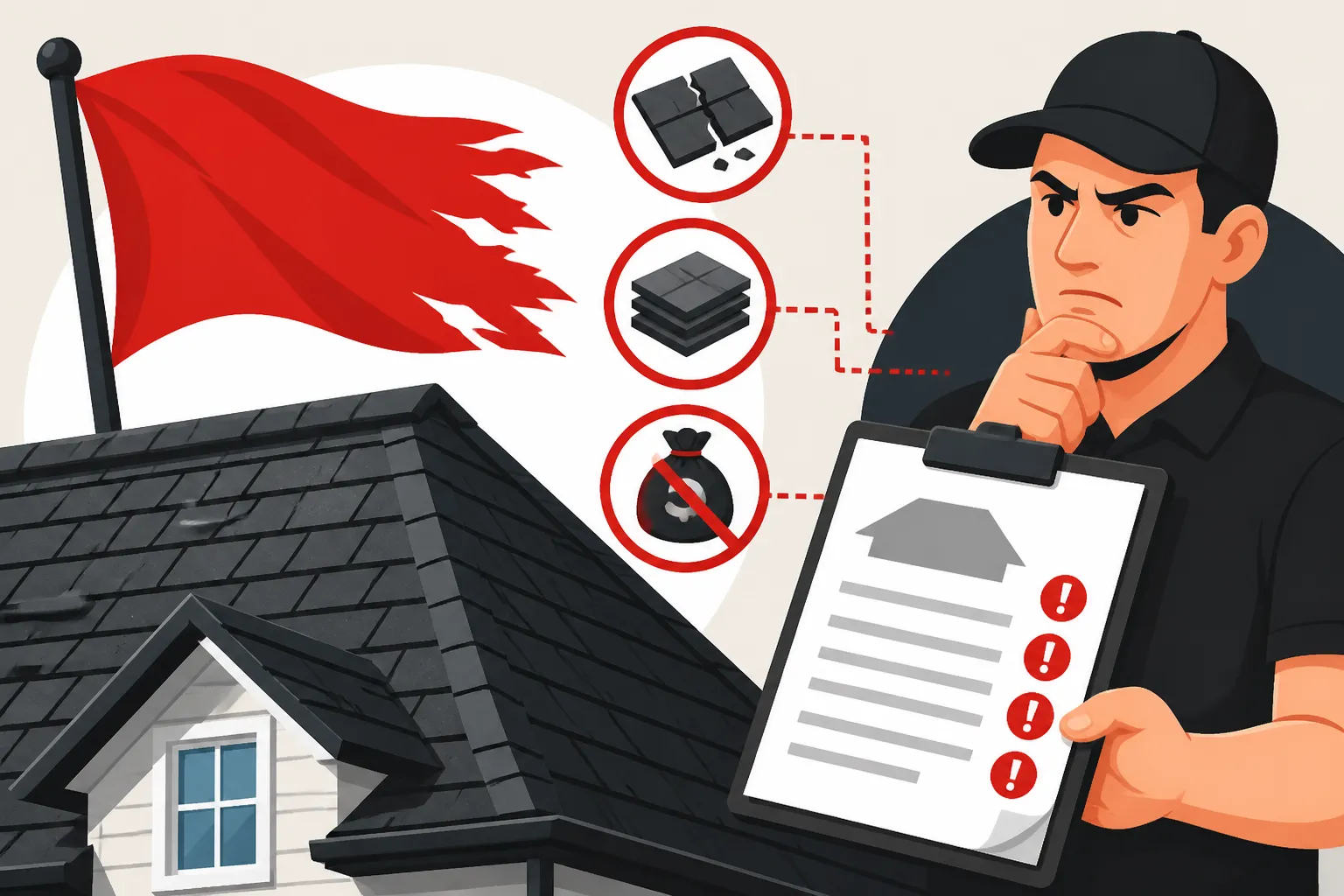
Getting a new roof is one of the biggest investments you'll make in your home, and the process can feel overwhelming, especially when you're staring at multiple roofing estimates that all look different. It's easy to feel confused, pressured, or even suspicious when you're not sure what you're looking for. This comprehensive guide is here to help you cut through the jargon, understand what a solid estimate should include, and, most importantly, identify those crucial red flags that signal it might be time to walk away.
Understanding the Basics of a Good Roofing Estimate
Before we dive into what goes wrong, let's talk about what a good roofing estimate looks like. A reliable contractor wants you to understand every single line item, not just the bottom dollar. They see the estimate as a foundational document for a successful project, building trust and clarity from the get-go. It's not just a quote; it's a blueprint for the work they're proposing to do on your home.
What Should Always Be Included
A truly professional roofing estimate should be as detailed as possible, leaving very little to guesswork. Think of it as a clear instruction manual for your roof replacement, outlining every step and material involved. It should clearly itemize all costs, covering both materials and labor, so you can see exactly where your money is going. Anything less than this level of detail is a disservice to you, the homeowner, and can lead to costly misunderstandings down the line. It's not just about the final price, but how that price is reached.
First and foremost, a good estimate will list the contractor's full business name, contact information, and crucially, their license number and proof of insurance. Without these basic credentials, you're already in murky waters. Beyond that, it should specify the type of asphalt shingles, the manufacturer (like GAF or Owens Corning), and the color. It's not enough to say "architectural shingles"; it needs to be specific. The total square footage of the roof should be clearly stated, often broken down into "squares" (a roofing square is 100 square feet). You should also see line items for things like tear-off and disposal of old materials, underlayment type (synthetic or felt), ice and water shield, flashing, drip edge, and ventilation components. A reputable contractor will outline the entire system, ensuring you understand the full scope of work.
The Importance of a Detailed Breakdown
A high-quality estimate isn't just a single number; it's a transparent breakdown of every component and service. This level of detail isn't just for show; it's essential for comparing offers from different companies accurately and understanding the true scope of your investment. When you're looking at various estimates, a detailed breakdown allows you to compare apples to apples, making sure each contractor is proposing the same quality and quantity of materials and services. This transparency builds confidence and helps you make an informed decision about one of your home's most vital systems.
Imagine two estimates: one is a single page with a lump sum, and the other is several pages long, detailing everything from the specific shingle model (e.g., GAF Timberline HDZ) down to the type of nails and the cost of plywood decking replacement. Which one gives you more confidence? The latter, of course! A detailed breakdown ensures that things like the cost of roof tear-off and disposal or the fees for a Steep Roof Cost Premium are clearly delineated, preventing surprise charges later. It should itemize the cost of all primary materials, supplementary components like Cost of New Flashing and Drip Edge or Cost of Ridge Vent Installation, and labor. Furthermore, any permits required by your local municipality should be included, along with a schedule for when the work will be completed. This clarity is paramount for protecting your interests as a homeowner.
Common Financial Red Flags
Money matters are usually where homeowners feel the most vulnerable, and unfortunately, it's also where less scrupulous contractors often try to take advantage. Being aware of these financial red flags can save you a significant amount of stress, time, and money in the long run. Trust your instincts if something feels off regarding pricing or payment demands.
Unusually Low Bids
It's tempting to jump at the lowest price, especially when a roof replacement can be a significant expense. However, an estimate that comes in dramatically lower than all others is a giant red flag that homeowners often overlook, only to regret it later. While everyone loves a bargain, roofing isn't an area where cutting corners typically works out well. These bids often signal hidden problems, like a contractor who plans to use inferior materials, cut corners on labor, or simply doesn't understand the full scope of the job.
If you've received several estimates ranging from, say, $15,000 to $20,000, and then one comes in at $9,000, hit the brakes. That kind of discrepancy almost always means something is missing. Perhaps they're planning to skip necessary steps like Roof Decking Replacement Cost if dry rot is found, or they might not be including proper insurance or worker's compensation, leaving you liable if an accident occurs. Sometimes, these low-ballers will give you a cheap initial quote and then hit you with a barrage of "unexpected" costs and change orders once the work has begun, effectively making the final price much higher than the initial "bargain." Always be wary of the cheapest option; it rarely proves to be the best value in roofing.
Demanding Full Payment Upfront
This is perhaps one of the most significant and immediate financial red flags you can encounter. No reputable contractor should ever demand the full payment for a roofing project upfront. A standard practice often involves an initial deposit to cover material costs and secure a place on their schedule, typically ranging from 10-30% of the total project cost. Anything more than that should make you seriously question their intentions.
If a contractor insists on 50% or even 100% of the payment before any work has even begun, it's a huge warning sign. This behavior can indicate that they are struggling financially, intend to take your money and disappear, or lack the necessary credit with suppliers to purchase materials themselves. Imagine handing over tens of thousands of dollars only to have the contractor vanish or leave your roof half-finished. This scenario is, unfortunately, not uncommon with fly-by-night operations. A reasonable payment schedule typically includes a deposit, progress payments tied to completed milestones, and a final payment upon satisfactory completion of the entire project. Always remember the advice given in Should You Pay a Roofer Upfront: don't do it!
Vague or Missing Cost Breakdowns
We touched on this earlier, but it bears repeating: a vague estimate is a dangerous estimate. If your roofing estimate only gives you a single, lump-sum figure without detailing the materials, labor, and other associated costs, you're looking at a major red flag. This lack of transparency makes it impossible to understand what you're actually paying for or to compare estimates effectively.
For example, an estimate that simply says "New Roof: $X" tells you nothing about the quality of shingles, the type of underlayment, the necessity of new flashing, or even if old materials will be properly disposed of. You won't know if you're getting cheap 3-tab shingles or durable architectural shingles, or if critical elements like ice and water barrier are included. This vagueness leaves ample room for a contractor to use lower-grade materials than you expect, cut corners on installation, or later tack on "extra" charges for things you assumed were included. Without a clear breakdown, you're signing a blank check, giving the contractor full control over the project's scope and quality without your informed consent. This is why learning How to Read and Compare Roofing Estimates is so vital.
High-Pressure Sales Tactics and Price Gouging
Encountering high-pressure sales tactics is a definite red flag, regardless of the industry, but it's particularly concerning in home improvement projects like roofing. If a contractor tries to rush you into signing a contract today with offers that "expire" by the end of the meeting, or claims to have a limited-time deal that's too good to pass up, be extremely wary. Reputable businesses don't need to strong-arm clients; their quality of work and fair pricing speak for themselves.
These tactics often go hand-in-hand with price gouging, especially after a major storm. "Storm chasers" are notorious for knocking on doors, preying on homeowners' immediate needs and anxieties, and pushing them into signing contracts on the spot without allowing time for careful consideration or getting other bids. They might inflate prices significantly, knowing you're desperate for repairs. Remember, you should always take your time to get multiple quotes, even when dealing with storm damage. A trustworthy contractor will give you space to review their estimate, compare it with others, and ask Questions to Ask a Roofing Contractor Before Hiring before making a decision. Don't let anyone pressure you into a quick, uninformed choice that could cost you thousands or leave you with a subpar roof.
Contractual and Professional Red Flags
Beyond the financial aspects, the professionalism of a contractor and the clarity of their contract are equally critical. A contractor's ability to provide clear documentation and adhere to professional standards is a strong indicator of their reliability and the quality of work you can expect. Don't underestimate the importance of scrutinizing these details; they protect you legally and ensure a smooth project.
Lack of Specificity in the Contract
Just like with the estimate, a contract that lacks specificity is a massive red flag. The contract is a legally binding document, and it should mirror the detail of the estimate, clearly outlining everything that was discussed and agreed upon. If the contract uses vague language, omits important details, or seems rushed and incomplete, it puts you at a significant disadvantage. This is where potential disputes often arise, because if it's not in writing, it's hard to prove it was part of the deal.
A strong roofing contract will include the full scope of work, specifying material brands, colors, and models (e.g., CertainTeed Landmark Pro shingles in Weathered Wood). It should detail the removal of existing roofing, any necessary decking repairs, and the installation of all roofing system components, including underlayment, flashing, vents, and drip edge. Furthermore, the contract should clearly state the total cost, the payment schedule, and the expected start and completion dates. It should also address waste disposal, property protection during the job, and cleanup. If any part of the conversation or the estimate isn't reflected clearly in the contract, insist on revisions before you sign.
Missing Licensing or Insurance Information
This is non-negotiable. Any contractor you consider hiring for your asphalt roofing project must be properly licensed and fully insured. If their estimate or contract doesn't explicitly state their license number and provide proof of general liability and worker's compensation insurance, consider it a blaring siren. Many states and localities have specific licensing requirements for roofing contractors, and operating without one is a sign of an unprofessional and potentially illegal operation.
Why is this so important? A contractor's license means they've met certain qualifications, passed examinations, and are registered with the state or local authority. Without it, you have little recourse if something goes wrong. More critically, insurance protects you. If an uninsured worker falls off your roof and gets injured, you could be held liable for their medical bills and lost wages. If the contractor damages your property during the job, their general liability insurance should cover it. Always verify their licensing and insurance by checking with your state's contractor board and requesting certificates of insurance directly from their providers. This is a core reason why understanding Licensed and Insured Roofers: Why It Matters is so crucial for homeowners.
No Clear Project Timeline or Milestones
A well-managed roofing project has a clear beginning, middle, and end. If a contractor's estimate or contract doesn't provide a concrete project timeline or at least outlines key milestones for completion, it's a significant red flag. While unforeseen circumstances like weather can cause delays, a professional contractor should still be able to give you a reasonable expectation for how long the project will take. This helps manage your expectations and provides a benchmark for holding them accountable.
Without a timeline, you might find your roof replacement dragging on for weeks longer than necessary, causing inconvenience and potential exposure to weather elements. A good contract will specify the estimated start date, the number of days or weeks expected for completion, and possibly a schedule for key phases of work, especially if progress payments are tied to these milestones. For instance, a milestone might be "tear-off and decking inspection complete" or "new shingles installed and inspected." This level of planning demonstrates organization and commitment, ensuring that How Long a Roof Replacement Takes is a mutually understood expectation, not a perpetual mystery.
Avoiding Permits or Building Codes
Any reputable roofing project involves adherence to local building codes and, more often than not, requires a permit. If your contractor tells you a permit isn't necessary, or worse, suggests that you should pull the permit, it's a major red flag that should prompt immediate concern. Permits are not just bureaucratic hurdles; they ensure that the work performed on your home meets safety standards and local regulations, protecting your investment and your family.
Local building codes dictate everything from the type of materials that can be used to the proper installation techniques, especially in areas prone to specific weather events like hurricanes or heavy snow. For example, specific nailing patterns for shingles or requirements for ice and water shield might be mandated. The contractor is responsible for knowing and adhering to these codes, and typically, they are also responsible for pulling the necessary Roofing Permits: Who Pulls Them. If they try to bypass this process, it could indicate they intend to perform substandard work that wouldn't pass inspection, or they're simply operating outside the law. This could lead to serious problems down the road, including issues with your homeowner's insurance, difficulty selling your home, or even fines from your municipality.
Material and Installation Red Flags
The quality of materials and the method of installation are paramount to the longevity and performance of your new roof. Pay close attention to these details within the estimate, as cutting corners here can lead to premature roof failure and costly repairs down the road. A roof is only as good as its weakest link, whether that's a cheap shingle or a rushed installation.
Generic or Unspecified Materials
As we touched on earlier, a vague description of materials is a significant concern. If an estimate simply lists "new shingles" or "standard underlayment" without specifying the brand, model, or even the type (e.g., 3-tab vs. architectural), you're not getting enough information. This allows the contractor to swap in lower-quality, cheaper materials without your knowledge, boosting their profit margin at your expense.
A top-tier contractor will proudly detail the specific materials they plan to use. They'll tell you if they're installing Owens Corning Duration shingles, a synthetic underlayment like ProArmor, or GAF starter strips. They'll explain the benefits of each component and why they've chosen them for your project. If an estimate from a company like Modernize mentions only generic terms, it’s worth asking for clarification before proceeding. Without this specificity, you can't be sure you're getting a durable, long-lasting asphalt roof, and it makes it impossible to compare the true value of different bids. Always ask for brand names, model numbers, and material specifications for every major component of your new roof.
Skipping Essential Components
A complete asphalt roofing system involves more than just shingles and nails. There are several critical components that work together to protect your home. If an estimate seems unusually low, it might be because the contractor is planning to skip or skimp on some of these essential elements, which is a major red flag. Omitting these components, while saving money upfront, drastically compromises the integrity and lifespan of your entire roof.
Essential components include high-quality underlayment (synthetic is often preferred over felt), ice and water shield in vulnerable areas (like eaves and valleys), drip edge along the roof perimeter, proper ventilation (ridge vents are highly effective), and robust flashing around chimneys, skylights, and vent pipes. An estimate that doesn't explicitly list these items, or glosses over them with vague terms, suggests corners might be cut. For instance, skipping proper ice and water shield installation, especially in colder climates, can lead to severe Ice Dam Damage: Repair Options and leaks during winter months. A truly professional estimate will detail each of these protective layers, ensuring your home is fully shielded from the elements.
Rushing the Inspection or Measurement
The accuracy of your roofing estimate hinges entirely on a thorough initial inspection and precise measurements of your roof. If a contractor provides you with a quote after a very brief, cursory glance at your roof from the ground, or relies solely on satellite imagery without a physical inspection, it’s a significant red flag. While satellite tools can be helpful for initial estimates, they cannot reveal critical underlying issues.
A proper inspection involves someone getting up on your roof to check for signs of hidden damage like soft spots in the decking, insufficient ventilation, or compromised flashing that aren't visible from the ground. They should also go into your attic to check for leaks, proper insulation, and ventilation. An accurate measurement considers not just the flat surface area but also roof pitch, dormers, valleys, and other complexities that affect material needs and labor costs. Rushing this crucial step can lead to an inaccurate estimate that either underprices the job (resulting in costly change orders later) or overprices it because they're simply guessing. Always insist on a comprehensive, in-person inspection as a prerequisite for any detailed quote. This allows the contractor to fully understand the project's scope and give you an accurate Roof Cost Calculator: How to Estimate the cost.
Warranty and Communication Red Flags
A roof replacement is a long-term investment, and the warranty and ongoing communication with your contractor are vital for peace of mind. Red flags in these areas can indicate a contractor who isn't committed to standing behind their work or prioritizing customer satisfaction.
Vague or Non-Existent Warranty Details
When you invest in a new roof, you're not just buying shingles; you're buying assurance that your investment will last. A clear, comprehensive warranty is a cornerstone of this assurance. If an estimate or contract is vague about the warranty, or if the contractor seems hesitant to discuss it, consider it a serious red flag. There are typically two types of warranties to consider: the manufacturer's warranty on the materials and the contractor's workmanship warranty.
A reputable contractor will provide detailed information on both. The manufacturer's warranty (from brands like CertainTeed or IKO) covers defects in the roofing materials themselves, often for 25-50 years, or even a lifetime. The contractor's workmanship warranty covers the quality of the installation, typically ranging from 2 to 10 years, though some premium installers offer longer periods. Be especially wary if a contractor offers only a short, vague workmanship warranty, or worse, none at all. Without a robust workmanship warranty, you could be on the hook for costly repairs if the roof fails due to faulty installation soon after the job is complete. Always ask for a written warranty that clearly outlines coverage, duration, and what specific issues are covered. This knowledge is key to understanding Roofing Warranty: Workmanship vs Manufacturer.
Poor Communication or Unresponsiveness
Your relationship with your roofing contractor should be built on trust and clear communication from the very first interaction. If you experience poor communication or unresponsiveness during the bidding process, it's a huge red flag for what the project itself might be like. If they're hard to reach, slow to respond to your questions, or consistently fail to show up for appointments before they even have your business, imagine how difficult it will be once they have your money and are actively working on your home.
This includes difficulty getting a clear answer about specific line items on the estimate, struggling to schedule a follow-up meeting, or their inability to articulate the project plan. A professional contractor understands that this is a significant undertaking for you and will make themselves available to address your concerns promptly and thoroughly. They should be transparent about their process and happy to answer all your Questions to Ask a Roofing Contractor Before Hiring. A lack of reliable communication can lead to misunderstandings, delays, and a frustrating experience overall. Don't settle for a contractor who makes you feel like an afterthought before the project even begins.
Refusal to Provide References
A trustworthy contractor, proud of their work and their satisfied customers, will readily provide you with references. If a contractor balks at your request for recent customer references, it's a significant red flag. They might claim privacy concerns or say they're "too busy," but these are often excuses to avoid putting you in touch with potentially unhappy clients or clients who had issues they'd rather not disclose.
Talking to past clients is one of the best ways to gauge a contractor's reliability, professionalism, and the quality of their work. You can ask about their experience with the contractor, if the project stayed on budget and schedule, how any issues were handled, and if they would hire them again. While online reviews (like those you might find through a service like Modernize) are helpful, direct references offer a more personal and often more candid insight. A refusal to provide this basic level of transparency suggests they have something to hide. Always seek out references and actually call them as part of your vetting process when learning How to Choose a Roofing Contractor.
What to Do When You Spot a Red Flag
Spotting a red flag isn't necessarily a death sentence for a potential contractor, but it should certainly give you pause and prompt further investigation. Your home is too important to rush into a decision, especially with something as critical as your roof. Being proactive and informed is your best defense.
Asking for Clarification
The first step when you encounter a red flag in an estimate is always to ask for clarification. Don't assume the worst immediately, but don't ignore your gut feeling either. A genuine misunderstanding or an oversight in their documentation is possible. A reputable contractor will welcome your questions and be able to clearly explain any ambiguities or seemingly missing information. For instance, if the estimate is light on detail, ask for a full, itemized breakdown of all materials and labor. If the warranty seems vague, request a written copy of both the manufacturer's and their workmanship warranty.
For example, if an estimate mentions "standard flashing" but doesn't specify the material or installation method, you could ask, "What kind of flashing do you typically use around chimneys, and how is it installed to prevent leaks?" Their answer should be confident, detailed, and align with industry best practices. If they become defensive, evasive, or can't provide clear, concise answers to your questions, that's another red flag stacked on top of the first. This is an opportunity for them to demonstrate their expertise and commitment to transparency, and if they fail, it's a sign to proceed with caution.
Getting Multiple Estimates
This is perhaps the single most important piece of advice when embarking on a roofing project. Never settle for just one estimate, even if it seems fantastic. By getting How Many Roofing Quotes to Get, typically at least three, you create a baseline for comparison. This allows you to identify outliers, both too low and too high, and to better understand the fair market value for a roof replacement in your area. Modernize is a great resource for connecting with multiple local contractors to ensure you have several competitive bids.
Comparing multiple estimates allows you to cross-reference material specifications, labor costs, timelines, and warranty details. You'll quickly see if one contractor is significantly undercutting prices (a red flag for quality) or significantly overcharging. Moreover, the process of getting multiple bids gives you a chance to interact with various contractors, assess their communication styles, and gauge their professionalism. If you find one estimate full of red flags, having others on hand makes it much easier to simply discard the problematic one and move forward with a more reliable option. This due diligence is crucial for making an informed and confident decision.
Trusting Your Gut
Ultimately, while all the technical details and contractual language are important, sometimes the most reliable indicator is your gut feeling. If something about a contractor or their estimate just doesn't sit right with you, even if you can't pinpoint a specific red flag, listen to that intuition. This is a significant investment and a long-term relationship, and you need to feel comfortable and confident in the people working on your home.
Perhaps the contractor seemed rushed, made you feel unintelligent for asking questions, or their sales pitch just felt too slick. Maybe their office looked disorganized, or their online reviews had a few concerning comments, even if you couldn't verify them fully. These subtle cues, when combined with any of the more concrete red flags we've discussed, should empower you to walk away. There are many reputable roofing contractors out there who will be transparent, patient, and professional. Don't feel pressured to settle for someone who makes you feel uneasy. Your peace of mind throughout the project and for the lifespan of your roof is invaluable.
A Comparative Look at Estimates
To help you visualize the difference between a good estimate and one with red flags, here's a simplified comparison:
| Feature/Component | Reputable Contractor's Estimate (Green Flags) | Questionable Contractor's Estimate (Red Flags) |
|---|---|---|
| Contractor Info | Full business name, address, phone, email, license #, proof of insurance | Just a phone number or P.O. Box, no license #, no mention of insurance |
| Scope of Work | Itemized list: tear-off, decking, underlayment (type), shingles (brand/model), flashing, vents, drip edge | Vague: "New Roof Installation" or "Roof Repair" |
| Materials | Specific brands (e.g., GAF Timberline HDZ, Owens Corning Duration), color, quantity | Generic: "Asphalt Shingles," "Standard Underlayment" |
| Cost Breakdown | Detailed line items for materials, labor, permits, disposal, contingency, taxes | Lump sum price only, no itemization |
| Payment Schedule | Reasonable deposit (10-30%), progress payments tied to milestones, final payment on completion | Demands 50%+ or full payment upfront |
| Project Timeline | Estimated start date, expected duration (e.g., "3-5 days"), key milestones | "We'll get to it when we can," no firm dates |
| Warranty Details | Clear outline of manufacturer's and workmanship warranty coverage and duration | Vague mention of "warranty" or "guarantee," no specifics or written documentation |
| Communication | Responsive, clear answers to questions, professional demeanor | Evasive, high-pressure sales, slow to respond, dismissive of concerns |
| Permits | Contractor states they will pull all necessary permits | "Permit not needed" or asks homeowner to pull it |
Disclaimer
The information provided in this article is for general informational purposes only and does not constitute professional advice. While we strive to offer accurate and up-to-date content, roofing projects can be complex and vary significantly based on location, specific home conditions, and material choices. Always consult with multiple licensed and insured roofing professionals in your area for personalized advice, detailed estimates, and to ensure compliance with local building codes and regulations before making any decisions related to your roof.