Impact-Resistant Roofing Requirements in Oklahoma
Oklahoma homeowners know the undeniable anxiety that comes with every severe weather alert. The relentless onslaught of hail and high winds can turn a perfectly good roof into a sieve in a matter of minutes, leaving you frustrated and facing expensive repairs. This comprehensive guide is designed to cut through the confusion, explaining the nuances of impact-resistant roofing requirements in Oklahoma, detailing relevant local building codes, and illuminating how these robust roofing solutions can provide critical protection for your home and even offer significant financial advantages.
Oklahoma's Battle with Extreme Weather
Living in Oklahoma means embracing a certain level of unpredictability when it comes to the weather. From powerful thunderstorms to devastating hail events, our homes are constantly put to the test, and the roof often bears the brunt of nature's fury.
The Relentless Assault of Hail and High Winds
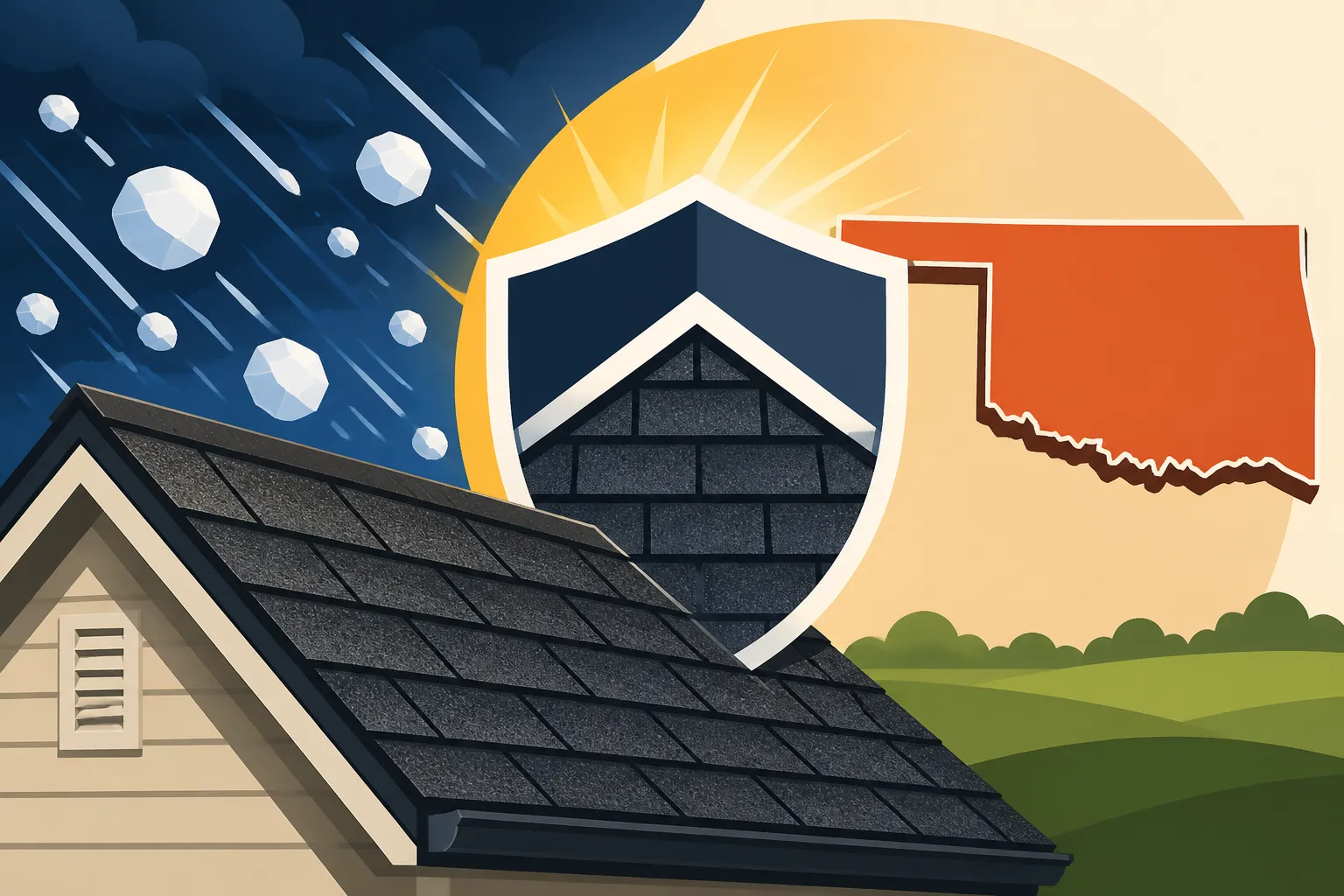
If you've lived here for any length of time, you've likely experienced the aftermath of an Oklahoma hailstorm. It's not uncommon for storms to drop hail the size of golf balls, or even softballs, causing widespread devastation across communities. Take, for instance, the spring storms that often sweep through areas like Oklahoma City, Norman, and Tulsa, leaving behind a trail of dented cars and pockmarked roofs. The sheer force of these ice missiles can crack, bruise, and even puncture standard asphalt shingles, leading to immediate leaks or accelerated deterioration that shows up months later.
Beyond hail, Oklahoma is also known for its formidable winds. From straight-line winds in derechos to tornadic activity, these forces can tear shingles right off your roof, lift entire sections of decking, and compromise your home's structural integrity. Even if the wind doesn't cause outright missing shingles, continuous buffeting can loosen the sealant, allowing water to infiltrate and cause damage over time. This constant exposure means that simply replacing a damaged roof with the same type of material often feels like preparing for the next inevitable disaster, a cycle of frustration and expense. For more on what to look for, you might find our guide on Signs of Roof Hail Damage helpful.
The Limitations of Standard Shingles
Traditional 3-tab asphalt shingles, and even many architectural shingles, are designed to offer basic weather protection under normal conditions. However, "normal" is a relative term in Oklahoma. These shingles typically feature a fiberglass mat saturated with asphalt and topped with ceramic granules. While effective for shedding water and resisting UV degradation, they weren't engineered to withstand repeated direct impacts from large hailstones or the extreme uplift forces of high winds.
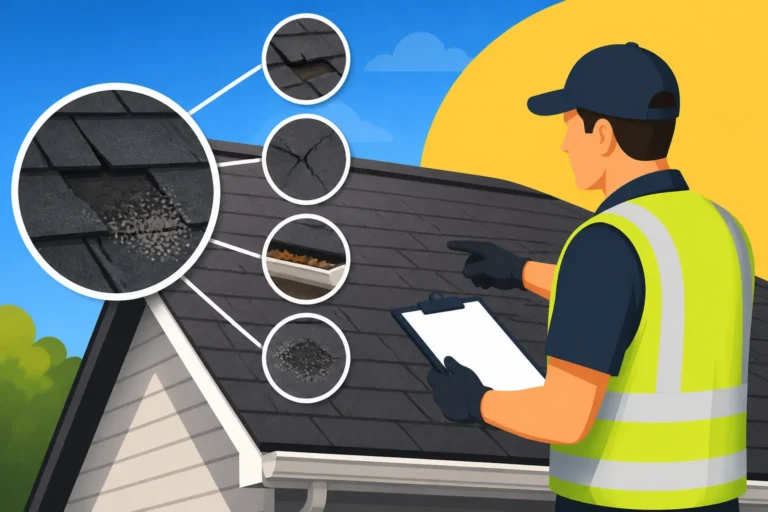
When a large hailstone strikes a standard shingle, it often creates a soft spot, bruising the asphalt mat underneath and dislodging granules. These dislodged granules expose the underlying asphalt to the sun's harsh UV rays, accelerating the aging process and leading to further material breakdown. Over time, these bruised areas can crack, allowing water to seep in and compromise the roof deck. Similarly, standard nailing patterns and sealant strips might be adequate for average winds, but they can be no match for the gusts seen in a typical Oklahoma thunderstorm, leading to lifted or torn-off shingles and exposing your home to the elements. This vulnerability leads many homeowners to seek out more durable options.
Understanding Oklahoma's Roofing Regulations and Recommendations
When considering a roof replacement or upgrade in Oklahoma, it's natural to wonder what the "rules" are. While there isn't a blanket statewide mandate for impact-resistant roofing on every single home, specific building codes, local ordinances, and perhaps most significantly, insurance incentives, strongly encourage their use.
Building Codes and the Push for Resilient Roofing
Oklahoma, like most states, largely adopts versions of the International Residential Code (IRC) as the basis for its building regulations. The IRC provides a baseline for residential construction, including roofing. While the state building code doesn't explicitly mandate Class 4 impact-resistant shingles for every single roof replacement, it certainly permits and encourages the use of more resilient materials. Many local municipalities, especially those frequently hit by severe weather, have adopted amendments or local ordinances that either recommend or, in some cases, require higher standards for roofing materials or installation practices.
For example, communities in "Hail Alley" within Oklahoma might have stricter requirements for how shingles are fastened (e.g., six nails per shingle instead of four) or require specific underlayment types to enhance wind resistance. While an impact-resistant shingle might not be a direct code requirement for every re-roofing project, understanding the broader context of Roofing Building Codes: What to Know can help you make an informed decision. Contractors working in these areas are usually well-versed in local expectations and best practices for creating a more durable roof system, even if a particular material isn't explicitly mandated. The trend is definitely towards more robust construction, and many homeowners wisely choose to exceed minimum code requirements for greater peace of mind.
The Power of Insurance Incentives: Class 4 Shingles
This is where impact-resistant roofing truly shines in Oklahoma. While a new Class 4 impact-resistant roof might have a higher upfront cost (check out Impact-Resistant Shingle Cost for an idea), the long-term savings from insurance premium discounts are often substantial, making it an incredibly smart investment. Many major insurance carriers, including large players like State Farm, Farmers, Allstate, and local favorites like Shelter Insurance, offer significant discounts—often ranging from 15% to 30% or even more—on your annual homeowners insurance premiums if you install a Class 4 rated roof. These discounts are a direct acknowledgment of the reduced risk of future hail damage claims.
Think about it: if your roof is less likely to be damaged by hail, your insurance company is less likely to pay out a claim. This translates into tangible savings for you, year after year. For a homeowner in Oklahoma, where hail damage claims are incredibly common, these savings can quickly offset the initial increased cost of the shingles. Many homeowners have reported saving hundreds of dollars annually, which adds up to thousands over the lifespan of the roof. To truly understand the financial benefit, it’s worth asking your insurance agent directly about their specific discounts for Class 4 shingles. Our article Do Class 4 Shingles Lower Insurance Premiums delves deeper into this topic.
The Science Behind Class 4 Impact Resistance
So, what exactly makes a shingle "Class 4" impact-resistant? It's all about rigorous testing. The standard for impact resistance in roofing materials is set by Underwriters Laboratories (UL) and is known as UL 2218, "Impact Resistance of Residential Roofing Materials." This test simulates hail impact by dropping steel balls of various sizes from different heights onto the roofing material.
For a shingle to achieve a Class 4 rating, it must withstand the impact of a 2-inch steel ball dropped from a height of 20 feet, twice in the same spot, without any evidence of cracking or tearing on the backside of the shingle. This means the shingle effectively dissipates the energy of the impact, protecting the underlying roofing components. Standard shingles typically pass only Class 1 or 2, if at all. The advanced design of Class 4 shingles often involves a modified asphalt formula, reinforced fiberglass matting, and sometimes a rubberized polymer layer that allows the shingle to flex and absorb impact rather than crack. Manufacturers like Owens Corning with their Duration Storm® series or GAF with their Timberline® AS II shingles utilize these technologies to achieve superior impact resistance. This enhanced durability is precisely what makes them so valuable in hail-prone regions like Oklahoma. For a deeper dive into how these advanced shingles work, check out Impact-Resistant Shingles: How They Work.
Practical Steps for Your Impact-Resistant Roof Project
Deciding to invest in an impact-resistant roof is a smart move for any Oklahoma homeowner. But knowing where to start can feel overwhelming. Let's break down the practical steps to ensure your project goes smoothly, from choosing the right materials to navigating the local requirements.
Choosing the Right Impact-Resistant Shingles
When you're ready to upgrade to impact-resistant shingles, you'll find a variety of options from leading manufacturers. The most crucial factor is ensuring the shingles carry the Class 4 UL 2218 rating. This certification is your assurance that the product has undergone the stringent testing required to stand up to significant hail.
Beyond the Class 4 rating, consider the aesthetic and warranty aspects. Architectural or dimensional shingles are generally preferred for their enhanced curb appeal and often come with better wind resistance ratings in addition to impact resistance. Brands like GAF offer their Timberline Armorshield II, CertainTeed has its Landmark TL IR, and Owens Corning provides the Duration Storm series—all popular choices that combine durability with attractive designs. You'll also want to compare the specific warranties offered by manufacturers. Many Class 4 shingles come with robust limited lifetime warranties, offering extended protection against manufacturing defects, and some even include enhanced wind ratings up to 130 mph, which is a huge plus for Oklahoma's unpredictable weather. While the initial Class 4 Shingle Roof Cost might be higher than standard options, remember the long-term benefits in terms of protection and insurance savings.
Selecting a Trusted Oklahoma Roofing Contractor
This step cannot be overstated. Installing an impact-resistant roof, particularly one designed for extreme weather, requires precision and expertise. You need a contractor who understands Oklahoma's unique climate challenges, local building codes, and how to properly install these advanced materials to ensure their performance and warranty validity. Don't just pick the first name you see online; this is a decision that impacts your home's protection for decades.
Look for a contractor who is licensed, bonded, and insured in Oklahoma. Ask for proof of these credentials, and don't hesitate to call their references. A reputable company will be transparent about their certifications, perhaps even holding special certifications from shingle manufacturers like GAF Master Elite or Owens Corning Platinum Preferred. These certifications mean the contractor has undergone additional training and meets high standards set by the manufacturers, which can often lead to extended warranty options. Always get multiple estimates and compare them thoroughly. A good contractor will explain the full scope of work, including underlayment, flashing, and ventilation, not just the shingles. Our guide on How to Choose a Roofing Contractor offers a wealth of tips for this critical decision, and always make sure your chosen contractor is Licensed and Insured Roofers: Why It Matters.
Navigating Permits and Inspections
Yes, even for an upgrade to a more resilient roof, a roofing permit is almost always required in Oklahoma for a full roof replacement. This is a critical step that ensures your new roof meets local building codes and safety standards. The good news is that a reputable roofing contractor will handle the permit process for you, pulling the necessary permits from your local municipality (e.g., Oklahoma City Planning Department, Tulsa Planning Department, etc.) before any work begins. This is an important detail to confirm during your contractor selection process, as neglecting permits can lead to fines, difficulties with insurance claims, and even issues when selling your home.
Once the permit is pulled, your local building department will typically schedule an inspection during or after the installation. The inspector will verify that the roofing system components (like underlayment, flashing, and proper shingle nailing) meet code requirements. For impact-resistant roofs, they will also confirm that the correct Class 4 rated shingles have been installed as specified in the permit. This inspection process, while sometimes viewed as a bureaucratic hurdle, is actually a crucial safeguard for homeowners, ensuring the job is done correctly and safely. Understanding Roofing Permits Explained can help demystify this process.
Here's a quick overview of what to expect during a typical Class 4 shingle installation project:
| Phase | Description | Key Considerations |
|---|---|---|
| Initial Assessment | Contractor inspects existing roof, measures, identifies damage, and provides estimate. | Confirm Class 4 recommendation, discuss insurance implications. |
| Permit Acquisition | Contractor applies for and obtains necessary roofing permits from local authorities. | Ensure permits are secured before work begins. |
| Material Delivery | Shingles, underlayment, flashing, and other components are delivered to your property. | Confirm materials match specifications, protect landscaping. |
| Tear-Off | Existing shingles and underlayment are removed down to the roof deck. | Contractor should protect property, manage debris efficiently. Cost of Roof Tear-Off and Disposal |
| Decking Inspection | Roof deck (plywood or OSB) is inspected for damage; repairs made if necessary. | Crucial for structural integrity and shingle adhesion. Roof Decking Replacement Cost |
| Underlayment Install | New synthetic or felt underlayment and ice & water shield are installed. | Proper overlap and fastening are vital for moisture barrier. Synthetic vs Felt Underlayment Cost |
| Flashing & Vents | New drip edge, valley flashing, step flashing, and ventilation (ridge vents, etc.) are installed. | Proper sealing prevents leaks. Cost of Ridge Vent Installation |
| Shingle Installation | Class 4 impact-resistant shingles are installed according to manufacturer specifications. | Correct nailing patterns (often 6 nails for high wind areas) and staggering are key. |
| Cleanup | Entire property is cleared of debris, including magnetic sweep for nails. | Thorough cleanup prevents hazards. |
| Final Inspection | Local building inspector verifies compliance with codes and permit requirements. | Ensures quality and code adherence. |
The Long-Term Value of an Impact-Resistant Roof in Oklahoma
Choosing an impact-resistant roof for your Oklahoma home isn't just about meeting codes or getting a discount; it's a strategic investment in your property's future, offering tangible benefits that extend far beyond the initial installation.
Superior Protection and Enhanced Durability
The most immediate and obvious benefit of an impact-resistant roof is the unparalleled protection it offers against Oklahoma's notoriously severe weather. Imagine a powerful hailstorm rolling through your neighborhood, battering homes with large chunks of ice. While your neighbors might be scrambling to find tarps and call their insurance adjusters, you can have a greater sense of security knowing your roof is designed to withstand such punishment. This isn't just about avoiding a full roof replacement after every major storm, though that's a huge benefit; it's also about preventing the smaller, insidious damage that can accumulate over time, leading to leaks, rot, and structural issues.
Impact-resistant shingles are engineered to absorb and dissipate the energy of hail impacts, significantly reducing the likelihood of bruising, cracking, and granule loss. This translates to a longer lifespan for your roof, delaying the need for costly repairs or a full replacement. In a state where the average asphalt roof might last 15-20 years under constant assault, a Class 4 roof can push that lifespan closer to its potential 25-30 years or more, offering incredible peace of mind and saving you money in the long run.
Potential Home Value and Resale Appeal
Beyond the direct protection, an impact-resistant roof can significantly boost your home's value and appeal to potential buyers. In a market where buyers are increasingly savvy about long-term maintenance costs and insurance implications, a relatively new Class 4 roof is a major selling point. When a prospective buyer sees that your home is equipped with a roof designed to withstand the local climate, it instills confidence and differentiates your property from others with standard, more vulnerable roofs.
Real estate agents in Oklahoma often highlight these types of upgrades during showings, emphasizing the peace of mind, reduced insurance costs, and lower maintenance burden for the new homeowner. It's not just about a pretty roof; it's about a resilient asset that adds tangible value. While specific ROI can vary, investing in a high-quality, durable roof is often cited as one of the home improvements with the best return on investment. Our article on Roof Replacement ROI Explained delves into how such upgrades positively impact your home's financial standing.
When a Roofing Upgrade Makes Financial Sense
Considering all factors, upgrading to an impact-resistant roof almost always makes financial sense for Oklahoma homeowners. The immediate upfront cost might be slightly higher than a standard asphalt shingle roof, but this difference is quickly recouped through several avenues:
- Insurance Premium Discounts: As discussed, the significant annual savings on your homeowners insurance premiums can offset the increased material cost within a few years.
- Reduced Repair Costs: Less frequent hail damage means fewer calls to the roofer, fewer deductibles paid, and less disruption to your life.
- Extended Roof Lifespan: By resisting damage more effectively, your roof will likely last longer, pushing back the timeline for a full replacement and spreading your investment over more years. This effectively lowers your annual "cost of ownership" for the roof.
- Avoided Damage to Interior: A durable roof prevents leaks, protecting your attic, ceilings, walls, and personal belongings from water damage, which can be incredibly costly and disruptive to repair.
- Enhanced Resale Value: A resilient roof is a desirable feature that can command a better price and quicker sale when you decide to move.
When you look at the total cost of ownership over the lifetime of your roof, including insurance premiums, potential repairs, and the value added to your home, a Class 4 impact-resistant roof is often the more economical choice in the long run for homeowners in Oklahoma. It’s a proactive step that pays dividends in both protection and peace of mind. If you're planning for a full overhaul, considering the overall How Much Does an Asphalt Shingle Roof Cost is a good place to start your budgeting.
Disclaimer
Please note that roofing requirements, building codes, and insurance policies can change. While this guide provides comprehensive, up-to-date information, it is always recommended to consult with local Oklahoma building authorities and your insurance provider for the most current and specific requirements applicable to your property and situation.