Roofing Permit Cost in Pennsylvania
Feeling overwhelmed by the sheer thought of replacing your roof is completely understandable, and one of the biggest headaches often comes from navigating the murky waters of local permits. Many homeowners in Pennsylvania find themselves scratching their heads, wondering not just if they need a permit, but how much it's actually going to cost them. This guide is here to shed some light on the reality of roofing permit costs across the diverse landscape of Pennsylvania, helping you understand the fees and factors at play so you can budget and plan with confidence.
The Head-Scratching World of Roofing Permits in Pennsylvania
Let's be real: permits can feel like an unnecessary hurdle, an extra layer of bureaucracy just designed to slow things down and cost you money. But when it comes to your roof, a permit is actually there to protect you, ensuring the work done on your home meets safety standards and local building codes. In a state like Pennsylvania, though, the "local" part is where things get interesting, and sometimes, a little confusing.
Why Roofing Permits are a Necessary Evil
You might be thinking, "It's just shingles, what's the big deal?" But a roof is much more than just shingles. It's a critical structural component that protects your entire home from the elements, and improper installation can lead to leaks, structural damage, and even safety hazards. That's where permits come in. Local municipalities require them to ensure that any major work, like a roof replacement, adheres to established safety guidelines and building codes. This isn't just about making sure the new shingles are put on correctly; it also covers things like the condition of your roof decking, proper ventilation, and even the type of fasteners used.
Imagine a scenario where a storm rolls through your neighborhood in Bucks County, and suddenly everyone needs a new roof. Without permits and inspections, you could have inexperienced or fly-by-night contractors cutting corners, leaving you with a faulty roof that fails prematurely. Permits also provide a paper trail, which can be invaluable if you ever need to file an insurance claim or sell your home down the line. A properly permitted and inspected roof replacement offers peace of mind that the job was done right and up to code, protecting your investment and your family. Want to know more about the big picture? We've got a detailed guide on what exactly is involved in the process of getting an entire home roof replacement in our article, "How a Roof Replacement Works: The Full Process."
How Pennsylvania's Local Control Affects Permit Costs
Unlike some states that have a more uniform statewide building code and permitting process, Pennsylvania operates under what's called the Uniform Construction Code (UCC), but local municipalities often have significant control over how it's enforced and what fees they charge. This means that the cost of a roofing permit can vary dramatically from one borough to another, or even between neighboring townships within the same county.
For example, a roofing permit in a densely populated city like Philadelphia might have a different fee structure and application process compared to a sprawling rural township in Lancaster County. Some municipalities might base their fees on the estimated value of the project, while others might have a flat fee, or even calculate it based on the square footage of your roof. This patchwork system means that you can't just assume the permit cost will be the same if your cousin in Pittsburgh just got their roof done as it would be for your home outside Scranton. This local variability is often the most frustrating part for homeowners trying to plan their budget.
Typical Roofing Permit Costs Across Pennsylvania
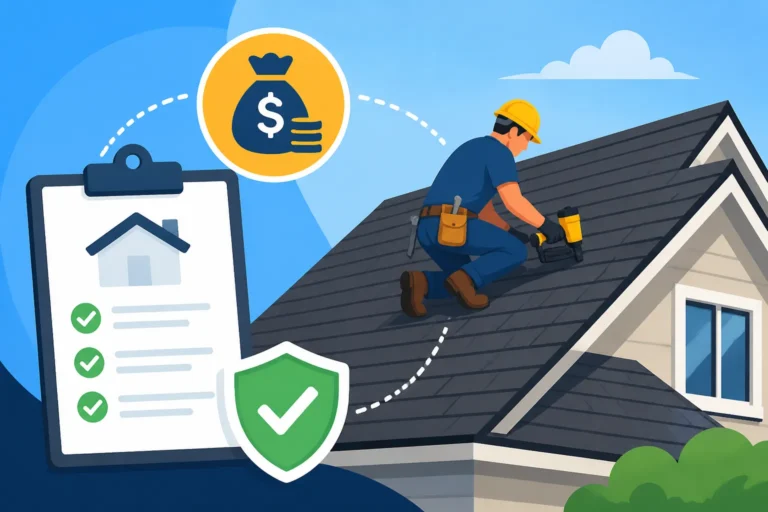
So, what can you expect to pay? Pinpointing an exact statewide average for a roofing permit in Pennsylvania is tough because of that local control we just discussed. However, we can break down the common fee structures and give you a general idea of what to anticipate in different regions. Most roofing permits for a standard residential replacement in Pennsylvania typically fall within a range of $75 to $500, but some areas and more complex projects can certainly push that higher.
Breakdown of Common Fee Structures
When you apply for a roofing permit, the fee you pay is generally calculated in one of a few ways:
- Flat Fee: This is the simplest approach. Some municipalities charge a fixed amount for any residential roofing permit, regardless of the size or cost of the project. This makes budgeting easy, but it might feel unfair if you have a small roof and pay the same as someone with a much larger one.
- Project Valuation Percentage: Many areas base the permit fee on a percentage of the total project cost. For instance, if your new roof is estimated to cost $15,000, and the permit fee is 1% of the valuation, you'd pay $150. This method tends to be more equitable, as larger, more expensive roofs will naturally incur a higher permit fee. This system is often implemented in larger cities with more detailed project oversight.
- Square Footage or Square Count: Less common for roofing, but some places might calculate fees based on the actual square footage of the roof or the "roofing squares" (a roofing square equals 100 square feet) being installed. This is a fairly straightforward method once you know your roof's dimensions.
- Tiered Fees: Some municipalities use a tiered system, where the fee increases at certain project value or square footage thresholds. For example, a roof project under $10,000 might have one fee, while a project between $10,000 and $25,000 has a higher one.
It's also worth noting that some permits might include a base application fee, plus additional charges for subsequent inspections if the initial one fails. This is a common practice designed to encourage adherence to codes from the get-go.
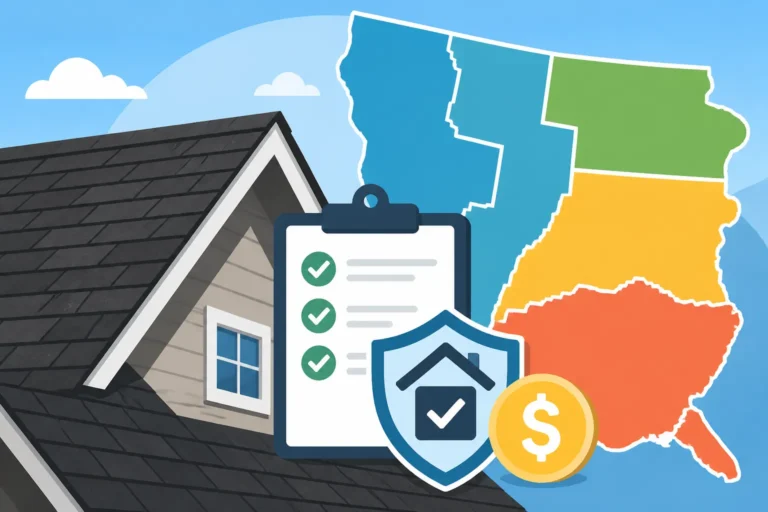
Regional Cost Variations
Let's dive into some hypothetical, yet realistic, regional differences you might encounter across Pennsylvania. Keep in mind, these are illustrative and you'll always need to check with your specific local building department.
- Southeastern Pennsylvania (e.g., Philadelphia, Montgomery County, Bucks County): In denser, more affluent areas like Philadelphia or the surrounding suburbs, permit fees can be on the higher end due to more stringent regulations, higher administrative costs, and potentially more frequent inspections. In Philadelphia, for instance, a residential roofing permit might range from $150 to $400 or more, depending on the scope and valuation. Surrounding counties might see similar costs, perhaps slightly lower in some townships. For a look at how this impacts the overall budget, check out our guide on "How Much Does an Asphalt Shingle Roof Cost".
- Western Pennsylvania (e.g., Pittsburgh, Allegheny County): Pittsburgh and its environs also tend to have robust building departments. Permit costs here could mirror those in the southeast, often falling in the $100 to $350 range. Again, it heavily depends on the specific borough or township within Allegheny County.
- Central Pennsylvania (e.g., Harrisburg, Lancaster, York): In the more central parts of the state, you might find slightly lower costs, with permits typically ranging from $75 to $250. These areas might have a mix of flat fees and valuation-based systems.
- Northeastern Pennsylvania (e.g., Scranton, Wilkes-Barre): Similar to Central Pennsylvania, costs in the Northeast tend to be moderate, often in the $80 to $200 range.
- Rural Areas: In very rural townships across Pennsylvania, where populations are sparse, you might find the lowest permit costs, sometimes as little as $50-$100 for a simple roof replacement, or even less in rare cases where local oversight is minimal. However, it's crucial not to assume "minimal oversight" means "no permit needed." Always confirm!
Here's a simplified table illustrating potential permit cost ranges in different Pennsylvania regions. Please remember these are estimates and local ordinances rule supreme!
| Region/City (Example) | Common Fee Structure | Estimated Permit Cost Range (Residential Roof Replacement) | Notes |
|---|---|---|---|
| Philadelphia (City) | Valuation-based, tiered | $150 – $400+ | Higher administrative costs, more detailed reviews. |
| Pittsburgh (City) | Valuation-based | $100 – $350+ | Similar to Philadelphia, depends on project size. |
| Suburban SE PA (e.g., Bucks County) | Flat fee, or valuation | $100 – $300 | Varies significantly by township within the county. |
| Central PA (e.g., Harrisburg) | Flat fee, or valuation | $75 – $250 | Generally moderate costs. |
| Rural PA (e.g., Potter County) | Flat fee | $50 – $150 | Simpler process, potentially lower fees. |
What Influences Your Specific Permit Cost
Beyond the general regional variations, several specific factors can make your permit cost higher or lower. Understanding these can help you anticipate the final figure.
Project Scope and Complexity
The type of roofing project you're undertaking is a huge determinant of the permit fee. A simple shingle replacement is one thing; a complete structural overhaul is another.
- Full Roof Replacement vs. Repair: Generally, a full roof replacement will always require a permit, and the cost will be higher than for a minor repair. Many municipalities don't require permits for small repairs (e.g., replacing a few missing shingles), but if you're replacing a significant portion of the roof or the roof decking, a permit is usually mandatory. Check your local ordinances carefully.
- Tear-Off vs. Overlay: If your contractor plans to remove all existing layers of shingles (a "tear-off"), which is usually recommended and often required by code, the permit might reflect the more extensive labor and disposal involved. If they're simply roofing over existing shingles (an "overlay"), which is less common now and often disallowed if there are already two layers, the permit might be slightly less, though again, check local rules carefully on "How Many Layers of Shingles Are Legal". The cost for a tear-off and disposal is its own line item, which you can learn more about in "Cost of Roof Tear-Off and Disposal."
- Structural Changes: If your roofing project involves any structural changes to the roofline, adding dormers, or altering the pitch, the permit process will become much more complex and expensive. These projects require more detailed engineering plans and multiple inspections, driving up the permit cost significantly. This moves beyond a simple roofing permit into a more comprehensive building permit.
- Materials Used: While typically not a direct factor in the permit fee itself, using specialty materials like Class 4 impact-resistant shingles or cool-roof shingles might trigger specific inspection requirements or documentation, indirectly affecting the administrative effort and thus, potentially the cost. However, these shingles do come with their own unique cost considerations, which you can explore in "Impact-Resistant Shingle Cost" and "Cool-Roof Shingle Cost."
Consider a homeowner in York, Pennsylvania, who is just doing a straight replacement of their existing asphalt shingles on a standard ranch home. Their permit cost will likely be on the lower end of the spectrum. Now, imagine a homeowner in Center City Philadelphia who is not only replacing their roof but also adding a new rooftop deck and modifying the existing roof structure to support it. Their permit fees will be substantially higher, involving multiple departments and approvals.
The Role of Your Contractor
The contractor you choose also plays a role in the permit process and, indirectly, the cost.
- Who Pulls the Permit: In almost all cases, a reputable roofing contractor will handle pulling the necessary permits for you. This is highly recommended because they are familiar with the local building department's requirements, paperwork, and inspection schedules. In fact, our article "Who Pulls the Roofing Permit: You or the Contractor" emphasizes why this is crucial. If a contractor suggests you pull the permit, consider it a red flag, as it often means they don't want to be held responsible for the work.
- Contractor's Administrative Fees: While the permit fee itself goes to the municipality, your contractor might include a small administrative fee in their overall quote for the time and effort spent applying for and managing the permit. This is usually a legitimate charge, covering their team's time for trips to the building department, filling out forms, and coordinating inspections. This isn't a profit center for them, but rather a recovery of their operational costs. Always ask for a transparent breakdown of all costs in your roofing estimate, including permit fees. Learning to do this is key, as highlighted in "How to Read and Compare Roofing Estimates."
- Avoiding Contractors Who Suggest Skipping Permits: Be extremely wary of any contractor who tells you a permit isn't necessary or suggests "just doing the work" without one. Skipping a permit can lead to serious headaches down the road. If the unpermitted work is discovered, you could face hefty fines, be forced to tear off the new roof and redo it, and potentially have issues with your home insurance or when selling your home. It's simply not worth the risk. Read more about the repercussions in "What Happens If You Skip a Roofing Permit."
Navigating the Permit Application Process
While your contractor should handle the heavy lifting of the permit application, understanding the process can empower you as a homeowner. It helps you ask the right questions and ensure everything is above board.
Steps to Obtain a Permit
The general steps for obtaining a roofing permit in Pennsylvania typically follow this pattern:
- Initial Consultation with Contractor: Your chosen contractor will assess your roof, discuss the scope of work, and prepare a detailed estimate. At this stage, they should inform you about the need for a permit and factor its cost into their quote.
- Application Submission: The contractor (or you, if you choose) will submit a permit application to your local municipal building department. This application usually requires detailed information about your property, the scope of work, materials to be used, and sometimes even a site plan or drawings.
- Plan Review: The building department will review the application and any submitted plans to ensure they comply with local building codes, including the Pennsylvania Uniform Construction Code (UCC). This review ensures that the proposed work meets structural, safety, and energy efficiency standards.
- Permit Issuance: Once approved, the permit is issued. This permit must typically be displayed prominently at the job site, usually in a window or on a sign post, for the duration of the project.
- Inspections: This is a critical step. During and/or after the roofing work, a municipal inspector will visit your home to verify that the work is being performed according to the approved plans and code requirements. For roofing, there's usually a final inspection, but sometimes an initial tear-off inspection might be required before new materials are laid down, especially if there's concern about the existing decking. Our article on "Roofing Inspection: What Inspectors Check" provides more detail.
This process ensures that from start to finish, your roofing project adheres to professional standards and keeps your home safe.
Potential Hidden Costs or Delays
Even with careful planning, sometimes unforeseen costs or delays can pop up during the permitting process.
- Expedited Fees: In some bustling municipalities, if you're in a hurry and need a permit faster than the standard processing time, there might be an option for an expedited review, which comes with an additional fee. This isn't universally available, but it's worth asking if time is of the essence.
- Re-inspection Fees: If the initial inspection reveals issues or non-compliance, the inspector will typically issue a correction notice. Once the contractor rectifies the problems, a re-inspection is required. Some municipalities charge a fee for each re-inspection, adding to the overall cost if the job isn't done right the first time. This emphasizes the importance of hiring a qualified and experienced contractor who knows the codes.
- Unforeseen Issues: During a tear-off, the inspector might discover significant issues with your roof decking, such as widespread rot or damage not visible from above. While not a permit fee per se, these discoveries can lead to increased material and labor costs, and sometimes require an amended permit if the scope of work changes substantially. This is why a thorough initial inspection by your contractor is so vital. If your roof decking does need replacement, check out our guide on "Roof Decking Replacement Cost" for more information.
- Code Updates: Building codes are periodically updated. If there was a recent code change in your area regarding roofing, your project might need to incorporate new requirements (e.g., enhanced ventilation, specific ice and water shield requirements, or even new nailing patterns), which could add costs or require permit revisions if not initially accounted for.
Understanding these potential hiccups can help you have a more realistic expectation of the entire roofing permit process and costs in Pennsylvania. It's rarely as simple as paying a flat fee and forgetting about it, but by being prepared and working with a reputable contractor, you can navigate it smoothly.
Disclaimer
Please remember that building codes and permit requirements are subject to change and vary significantly by specific municipality within Pennsylvania. This information is intended for general guidance only and does not constitute legal or professional advice. Always consult with your local municipal building department or a qualified, licensed roofing contractor in your area for the most accurate and up-to-date information regarding your specific project.