Roofing Wind Warranty Requirements
It’s a truly gut-wrenching feeling to wake up after a big storm, look up at your roof, and spot those tell-tale missing shingles or ragged edges. The immediate thought is often, "Is my roof still protecting my home? And more importantly, is this damage covered?" The world of roofing warranties, especially wind warranties, can feel like navigating a maze blindfolded. This comprehensive guide is here to shed light on exactly what roofing wind warranty requirements entail, helping you understand your coverage and what you need to do to protect your investment.
Understanding Asphalt Shingle Wind Warranties
When you invest in a new asphalt shingle roof, you're not just buying materials and labor; you're also buying peace of mind. A significant part of that peace of mind comes from the manufacturer's warranty, particularly the wind warranty. This isn't just a fancy phrase; it's a critical assurance that your roof is designed to withstand certain weather conditions.
What Exactly is a Wind Warranty?
At its core, a wind warranty is a guarantee from the shingle manufacturer that their product will resist damage from wind up to a specified speed, provided it's installed correctly. Think of it like this: your car has a warranty that covers mechanical failures under normal driving conditions. A wind warranty for your roof covers damage from wind events up to a certain force, assuming the shingles were put on the right way. This coverage typically extends to the cost of replacing the damaged shingles and, in some cases, the labor to install them, though labor coverage can vary widely.
These warranties usually have two main tiers: a standard wind warranty and an enhanced or high-wind warranty. A standard warranty might cover wind gusts up to 60 or 80 miles per hour (mph), which is sufficient for many inland areas with less severe weather. However, if you live in a region prone to strong winds, like the coastal areas of Florida or the tornado alley states, an enhanced wind warranty, often covering gusts up to 130 mph, becomes incredibly important. The specifics of these warranties are almost always tied to the shingle product line itself and the installation method used. For instance, a basic 3-tab shingle might only offer a lower wind rating compared to a premium architectural shingle.
Why Wind Ratings and Warranties Matter
Living in an area that experiences strong winds, whether from seasonal storms, derechos, or even localized squalls, makes understanding your roof's wind rating paramount. A strong wind warranty is your first line of defense against the financial burden of unexpected repairs or even a full roof replacement. Imagine a scenario where a sudden microburst hits your neighborhood in Ohio, tearing off a section of your roof. Without an adequate wind warranty, you'd be looking at significant out-of-pocket expenses. But if your roof was installed with shingles rated for high winds and the installation met the warranty requirements, you'd have recourse with the manufacturer.
Beyond the immediate financial protection, these ratings and warranties contribute to your home's overall resilience and value. Homes with robust, warrantied roofing systems are often viewed more favorably by insurance companies and potential buyers, especially in areas with increasing climate volatility. Knowing your roof is certified to withstand high winds gives you genuine peace of mind during stormy seasons, which, let's be honest, is invaluable.
The Difference Between Manufacturer and Workmanship Warranties
It's crucial to understand that a wind warranty is primarily a manufacturer's warranty. This means it covers defects in the shingle materials themselves or their ability to perform as advertised under specific wind conditions. However, the best shingles in the world won't stand a chance if they're not installed correctly. That's where the workmanship warranty comes in.
A workmanship warranty is provided by your roofing contractor and guarantees the quality of their installation. If shingles blow off because they weren't nailed properly, for instance, that falls under workmanship, not a material defect. Many top-tier manufacturers offer enhanced warranties that combine both material and workmanship coverage, but only if the roof is installed by one of their certified contractors. These programs ensure that the installation adheres to strict manufacturer specifications, which often exceed basic building codes. For homeowners, this means double protection: your shingles are guaranteed by the manufacturer, and their installation is backed by the contractor and often indirectly by the manufacturer through special programs. Understanding this distinction is key to a successful Roofing Warranty: Workmanship vs Manufacturer claim.
Key Factors Influencing Wind Warranty Coverage
Understanding the general concept of a wind warranty is one thing, but knowing the specific factors that dictate its coverage and validity is another entirely. Several critical elements come into play, from the type of shingle you choose to the meticulousness of the installation process.
Shingle Type and Classification
Not all asphalt shingles are created equal, especially when it comes to their ability to stand up to fierce winds. This difference in resilience is a primary factor in the wind warranty coverage you receive.
- 3-Tab Shingles: These are the most basic and typically offer the lowest wind resistance, often warranted for winds up to 60-80 mph. They have a flat appearance and a single layer, making them more susceptible to lifting in strong gusts. While they are the most budget-friendly option, their lower wind rating might not be suitable for all climates.
- Architectural (Dimensional) Shingles: These are multi-layered, heavier, and designed to provide a more dimensional look. Their construction inherently offers better wind resistance, with many lines carrying standard wind warranties of 110-130 mph. Brands like GAF Timberline HDZ and Owens Corning Duration are prime examples, with the latter often featuring specific technologies like its SureNail strip designed to enhance wind performance.
- Designer (Luxury) Shingles: These are the thickest and heaviest asphalt shingles, often mimicking slate or wood shake. Their substantial weight and advanced construction provide superior wind resistance, almost always coming with the highest wind ratings, frequently up to 130 mph, sometimes even without special nailing patterns.
- Impact-Resistant and Class 4 Shingles: While primarily designed to resist hail damage, many impact-resistant shingles also boast exceptional wind ratings due to their robust construction. These shingles are often required in hail-prone states like Colorado or Texas and can even lead to insurance premium reductions. Their ability to withstand physical impact often translates to superior wind uplift resistance.
The choice of shingle directly impacts your initial wind warranty, so it's vital to select a product appropriate for your local weather patterns. For a deeper dive into the cost implications, you might want to look into 3-Tab vs Architectural Shingle Cost Compared.
Installation Specifications and Nailing Patterns
This cannot be stressed enough: the quality and method of installation are paramount to activating and maintaining your shingle's wind warranty. Even the highest-rated shingle will fail if it's not installed according to the manufacturer's precise specifications.
- Nailing Quantity and Placement: Most manufacturers specify a certain number of nails per shingle (typically 4 or 6) and, crucially, the exact location where those nails should be placed. Nailing too high, too low, or at an angle can compromise the shingle's integrity and its ability to seal, instantly voiding the wind warranty for that shingle, or even an entire section of your roof. For example, the Owens Corning Duration shingle line often highlights its wide, highly visible SureNail® Technology fabric strip, which acts as a guide to ensure correct nail placement and maximum holding power.
- High-Wind Nailing: In areas prone to hurricanes or high winds, manufacturers often require a "high-wind nailing" pattern, which typically involves using 6 nails per shingle instead of the standard 4. This extra security drastically increases the shingle's resistance to uplift. Your contractor should be well-versed in these specific requirements, and local building codes may even mandate them. Knowing the High-Wind Nailing Cost Premium can help you budget for this essential upgrade.
- Starter Strips and Proper Sealing: The first course of shingles, known as the starter strip, is crucial. It provides a sealed edge along the eaves and rake edges, preventing wind from getting underneath the field shingles. Proper application of these strips, along with the activation of the shingle's self-sealing adhesive strips (which rely on sunlight and heat to bond), are non-negotiable for wind warranty validation. If these strips don't properly adhere due to cold weather installation or insufficient exposure to heat, your roof becomes far more vulnerable.
A reputable contractor will meticulously follow these guidelines. It’s always a good idea to ask your contractor to explain their installation process and how it adheres to the manufacturer's warranty requirements.
The Role of the Complete Roofing System
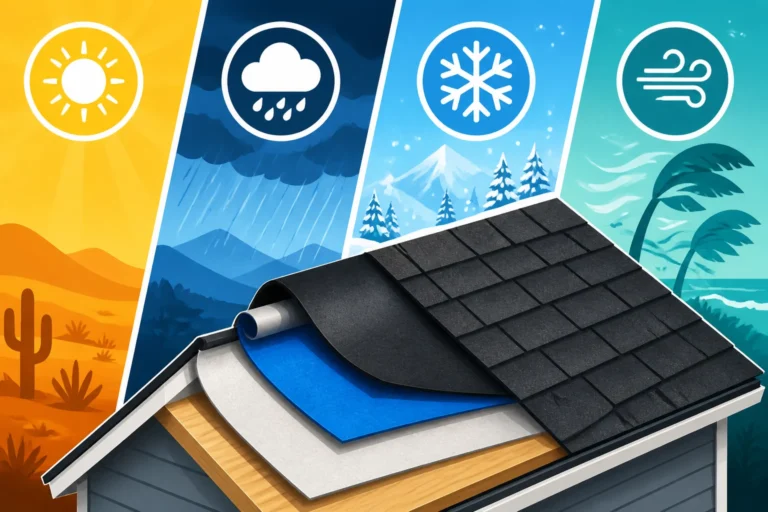
Modern asphalt roofing is not just a collection of shingles; it's a sophisticated system of integrated components designed to work together to protect your home. Many manufacturers now offer "system warranties" that provide enhanced coverage, including superior wind resistance, but only if all components of the roof are from the same brand.
- Underlayment: Beyond basic felt paper, synthetic underlayments like GAF's Shingle-Mate or CertainTeed's RoofRunner are designed to provide an additional layer of protection against water intrusion and can contribute to the overall wind performance of the system by creating a more unified deck surface.
- Ice and Water Shield: Critical in colder climates and vulnerable areas like valleys and around penetrations, ice and water shield prevents water backup from ice dams or extreme wind-driven rain. While its primary role is water protection, its tenacious adhesion can also add to the roof's wind resistance, especially at the eaves.
- Ridge Caps and Vents: The hip and ridge caps, which cover the peaks of your roof, are exposed to some of the highest wind stresses. Using manufacturer-matched ridge caps ensures they are designed to perform with the field shingles. Proper ventilation, often integrated into the ridge, also helps prevent moisture buildup in the attic, which can prematurely degrade roof decking and shingle adhesion.
- Manufacturer Certification: Many of the best wind warranties are only offered when the roof is installed by a contractor certified by the manufacturer (e.g., a GAF Master Elite Contractor or an Owens Corning Platinum Preferred Contractor). These certifications often involve extensive training and require the contractor to install the "complete roofing system" using all compatible components. This ensures that the entire roof works synergistically to achieve the advertised wind rating. For a truly comprehensive understanding, see How a Complete Roof System Qualifies for Warranty.
Common Wind Warranty Requirements from Major Manufacturers
While the general principles of wind warranties apply across the board, specific requirements can vary significantly between manufacturers. It’s helpful to understand the approaches taken by some of the industry's leading brands to truly appreciate the nuances of their offerings.
GAF's Wind Coverage Tiers
GAF, one of the largest roofing manufacturers in North America, offers a range of asphalt shingles known for their durability and aesthetic appeal. Their wind warranty coverage is robust, but it's often tied to the specific shingle product and the installation method.
For popular architectural shingles like the GAF Timberline HDZ series, GAF typically provides a standard wind warranty for speeds up to 130 mph when installed with 4 nails per shingle and GAF starter strip products along the eaves and rakes. This is a very strong standard offering, exceeding many competitors' base warranties. However, to truly lock in this coverage and often receive a longer duration for the "SmartChoice Protection Period" (their non-prorated coverage), homeowners usually need to ensure their roof is installed as a "GAF Lifetime Roofing System." This means using GAF underlayment, starter strips, ridge cap shingles, and attic ventilation components.
Furthermore, if your contractor is a GAF Master Elite or President's Club Contractor, and they install a qualifying GAF Lifetime Roofing System, you might be eligible for their enhanced warranty options, like the Golden Pledge or System Plus warranties. These extended warranties not only offer increased material defect coverage but often provide non-prorated labor coverage for many years, giving you an extra layer of confidence in case a wind event causes damage. The integrity of the nailing pattern is non-negotiable for these warranties to remain valid.
Owens Corning's SureNail Technology and Wind Resistance
Owens Corning is another powerhouse in the asphalt shingle market, renowned for its innovative technologies. Their Duration® series shingles, with their distinctive SureNail® Technology, are a prime example of their commitment to wind resistance.
The SureNail® Technology is a unique fabric strip embedded in the nailing area of each shingle. This strip provides a triple-layer of reinforcement, creating an exceptionally strong bond. Owens Corning leverages this technology to offer a 130 mph wind resistance limited warranty for most of their Duration series shingles when installed with 4 nails in the SureNail area. This is a factory-tested, robust wind rating that gives homeowners in high-wind zones significant assurance.
Similar to GAF, Owens Corning offers enhanced warranty options through their network of Platinum Preferred Contractors. When a Platinum Preferred Contractor installs an Owens Corning Total Protection Roofing System®—which includes not just the shingles but also their Hip & Ridge shingles, VentSure® ventilation products, and various underlayments—homeowners can often qualify for extended warranties like the Platinum Protection Limited Warranty. This warranty can provide up to 50 years of material defect coverage and up to a lifetime for workmanship (depending on the specific warranty chosen), and it requires adherence to strict installation guidelines, particularly concerning nail placement within that SureNail strip.
CertainTeed's StreakFighter and High-Wind Options
CertainTeed is another major player, offering a wide array of asphalt shingles, from traditional 3-tab to luxury designer styles. They focus on delivering both performance and aesthetic appeal. Their wind warranties are also robust and often depend on the shingle line and the installation method.
Many CertainTeed architectural shingles, such as the Landmark® series, come with a standard wind resistance warranty of 110 mph when installed with 4 nails per shingle. For enhanced protection and a 130 mph wind warranty, CertainTeed often requires a 6-nail per shingle application. This higher nailing pattern is crucial in regions that experience more severe wind events and is a common upgrade option for contractors working in those areas.
CertainTeed also has a strong contractor certification program, including their SELECT ShingleMaster™ and Master Shingle Applicator™ credentials. When a roof is installed by one of these certified contractors, and often when using a "CertainTeed Integrity Roof System™" (which incorporates starter shingles, underlayment, flashing, and ventilation products), homeowners can qualify for enhanced warranties like the SureStart™ PLUS coverage. This extended protection provides a longer non-prorated period for material defects and, with the higher-tier warranties, also includes labor costs for replacement. Their commitment to precise manufacturing tolerances and a properly installed system ensures the shingles, including those featuring their StreakFighter® algae resistance, can stand up to the elements, including high winds.
| Manufacturer | Shingle Series (Example) | Standard Wind Rating | Enhanced Wind Rating (Conditions Apply) | Key Technology/Requirement |
|---|---|---|---|---|
| GAF | Timberline HDZ | 130 mph (4 nails) | N/A (130 mph is standard with GAF starter) | LayerLock™ Technology, GAF Master Elite Contractor for system warranties |
| Owens Corning | Duration® | 130 mph (4 nails) | N/A (130 mph is standard with SureNail) | SureNail® Technology, Platinum Preferred Contractor for system warranties |
| CertainTeed | Landmark® Pro | 110 mph (4 nails) | 130 mph (6 nails) | Integrity Roof System™, SELECT ShingleMaster for system warranties |
Note: Specific warranty details can change. Always consult the latest warranty documents from the manufacturer and discuss with your contractor.
What Voids Your Wind Warranty (and How to Avoid It)
A warranty is only as good as its validity. Unfortunately, many homeowners unknowingly take actions or overlook details that can completely void their wind warranty, leaving them without protection when they need it most. It's vital to be aware of these pitfalls and understand how to steer clear of them.
Improper Installation and Code Violations
This is arguably the most common culprit for voided wind warranties. Manufacturers design their shingles to perform optimally under specific installation conditions, and deviating from these can severely compromise the roof's ability to resist wind.
- Incorrect Nailing: As discussed, the number and placement of nails are paramount. Using fewer nails than required, or placing them outside the designated nailing strip, means the shingle doesn't have the secure grip it needs. A common mistake is "high nailing," where nails are driven above the sealing strip, preventing the shingle from properly adhering to the one below it. This allows wind to easily lift and tear the shingle. If a roofer cuts corners on this, even the best shingles won't withstand a stiff breeze.
- Failure to Use Starter Strips: Skipping manufacturer-approved starter shingles along the eaves and rake edges is a huge no-no. These strips are designed to seal the perimeter of the roof, preventing wind uplift from getting under the first course of main shingles. Without them, the roof's edge becomes a vulnerable entry point for strong gusts.
- Mixing Components: While tempting to save a few bucks, using underlayment, flashing, or ridge caps from a different manufacturer than your shingles can often void the system warranty. Many premium wind warranties require the installation of a complete system using compatible components from a single brand to ensure optimal performance and warranty coverage.
- Local Building Code Violations: Your local building department sets minimum standards for roofing, which may include specific wind resistance requirements based on your region's climate. If your roof installation fails to meet these codes—perhaps by not using a required high-wind nailing pattern or specific underlayment—the manufacturer could deny a warranty claim, arguing the installation was not up to standard. Always ensure your contractor pulls the necessary Roofing Permits Explained and passes all inspections. What happens if you skip a roofing permit? You could be in for a lot of trouble, including potential warranty issues and forced reinstallation.
To avoid these issues, always choose a reputable, manufacturer-certified contractor. They understand the specific requirements for each shingle system and will ensure compliance. When you're learning How to Choose a Roofing Contractor, look for those who prioritize manufacturer training and certifications.
Lack of Maintenance and Subsequent Damage
While a wind warranty covers issues related to wind resistance, it doesn't absolve homeowners of their responsibility to maintain their roof. Neglect can lead to conditions that compromise the roof's integrity, making it more susceptible to wind damage and potentially voiding your claim.
- Debris Accumulation: Allowing leaves, branches, or other debris to sit on your roof for extended periods can trap moisture, promote moss and algae growth, and even physically damage the shingles. This can prevent the shingle's sealant strips from bonding effectively or degrade the shingle surface, making it weaker and more prone to wind lift. A roof full of decaying leaves is an invitation for trouble.
- Untrimmed Trees: Tree branches overhanging or touching your roof can cause constant abrasion, scraping off protective granules and weakening shingles. In a windstorm, these branches become dangerous weapons, not only directly damaging the roof but also potentially compromising shingle adhesion in the surrounding areas. If a branch impacts your roof, causing damage that then allows wind to lift shingles, the manufacturer might argue the initial damage wasn't due to their product's failure.
- Improper Cleaning Methods: While it's important to keep your roof clean, using high-pressure washers or harsh chemicals can strip granules, damage the shingle's asphalt layer, and severely shorten its lifespan. Such aggressive cleaning methods can undoubtedly void your warranty, as they inflict damage beyond normal wear and tear.
- Poor Ventilation: While not directly related to wind resistance, inadequate attic ventilation can lead to excessive heat buildup. This heat can cook the shingles from below, causing them to dry out, curl, and become brittle prematurely. Brittle shingles are far more likely to crack or blow off in a wind event, and the manufacturer could point to the ventilation issue as the root cause, denying a warranty claim. Understanding How Roof Ventilation Works is key to a long-lasting roof.
Regular roof inspections, at least once a year and after any major storm, can help you catch these issues early. Addressing minor problems promptly can help How to extend the life of an asphalt roof and prevent costly future repairs that aren't covered by your warranty.
Unauthorized Repairs or Alterations
When it comes to your roof, it's best to leave major work to the professionals. Attempting DIY repairs or hiring an uncertified handyman can lead to unexpected consequences for your warranty.
- DIY Repairs: While you might be tempted to re-nail a loose shingle yourself, improper repair techniques can do more harm than good. Incorrectly driving nails, using the wrong sealant, or damaging adjacent shingles can create new vulnerabilities. Manufacturers typically require repairs to be performed by qualified professionals to maintain warranty validity. If your DIY fix causes further issues, your warranty won't cover it.
- Uncertified Contractors: If a repair is needed, always hire a licensed and insured roofing contractor. If you hire a handyman who isn't properly trained or certified by the shingle manufacturer, any repair work they do that doesn't meet manufacturer specifications could compromise the warranty on that section of the roof, or even the entire system. Remember, many enhanced warranties are tied directly to the use of manufacturer-certified installers.
- Adding Non-Compatible Systems: Installing new features like solar panels, satellite dishes, or even certain types of skylights without proper integration and flashing can sometimes affect your roof's warranty. If these additions require penetration of the shingles or decking, and they are not installed in a manner approved by the shingle manufacturer, any resulting leaks or wind damage could be deemed outside the warranty's scope. Always consult with your roofing contractor and the manufacturer before undertaking such projects.
- Painting or Coating Shingles: While there are some specialized cool roof coatings designed for performance, applying standard paint or non-approved coatings to your asphalt shingles is almost guaranteed to void your warranty. These products can interfere with the shingle's natural sealing process, alter its fire rating, and cause premature degradation of the asphalt and granules.
To prevent any warranty complications, always consult your original roofing contractor or another manufacturer-certified professional for any repairs or alterations to your roof. When dealing with storm damage, homeowners often wonder if their insurance covers a Roof replacement and insurance claims, but remember that warranty issues can complicate these claims.
Navigating the Wind Warranty Claim Process
Even with the best shingles and professional installation, extreme weather can sometimes test the limits of your roof. When wind damage occurs, navigating the warranty claim process can seem daunting. Knowing the steps to take can make a significant difference in a successful outcome.
Documenting Damage and Initial Steps
The moment you suspect wind damage, documentation becomes your best friend. This initial phase is crucial for building a strong case for your warranty claim.
- Safety First: Before doing anything else, prioritize safety. If you believe your roof has suffered significant damage, especially if there's structural compromise or active leaks, stay off the roof and call a professional. Never put yourself at risk.
- Visual Documentation: As soon as it's safe, take copious photos and videos of the damage. Capture wide shots of your roof showing the affected areas, and then get close-up photos of individual missing, torn, or lifted shingles. If possible, take pictures of the underside of shingles that have lifted, showing the nailing pattern (or lack thereof). Also, document any interior damage, like water stains on ceilings or walls, that clearly resulted from the roof damage. Make sure your photos are date-stamped. This visual evidence will be invaluable for both your insurance company and the shingle manufacturer.
- Contact Your Insurance Company: Your first call after documenting should be to your homeowners' insurance provider. Explain the situation and provide your initial documentation. They will likely send out an adjuster to assess the damage. Remember, many insurance policies require timely reporting of damage. For comprehensive advice on this, you can learn about Does Insurance Cover Roof Replacement.
- Temporary Repairs: If there's an active leak, you might need to perform temporary tarping to prevent further interior damage. Keep receipts for any materials used for temporary repairs, as these costs might be reimbursable by your insurance. Always try to use methods that won't further damage the roof or void warranties, if possible.
Having a clear timeline of events, including the date of the storm and when you discovered the damage, will also be helpful. A thorough Roof Damage Assessment: A Homeowner's Guide can also assist you in this initial documentation stage.
Working with Your Contractor and Manufacturer
Once you've documented the damage and contacted your insurance, the next step involves bringing in your trusted roofing professional and, if necessary, the shingle manufacturer.
- Contact Your Original Installer: The best place to start is with the contractor who originally installed your roof, especially if they are manufacturer-certified. They will have access to your installation records, know the specific shingle system used, and understand the warranty details. They can perform a professional assessment, confirm if the damage is warranty-related, and help you file the claim.
- Contractor's Role in Claim Filing: A reputable contractor will be your advocate. They can prepare detailed estimates, help you navigate the paperwork for both insurance and warranty claims, and speak directly with adjusters and manufacturer representatives. They understand the language of warranties and can effectively communicate why the damage should be covered. They can also explain the implications of different types of coverage, such as Actual Cash Value vs Replacement Cost Roof Claims.
- Manufacturer Claim Process: If the damage appears to be a manufacturing defect related to wind resistance, your contractor will help you initiate a claim directly with the shingle manufacturer. This typically involves filling out a specific claim form, providing proof of purchase and installation (receipts, contract), and submitting the damage documentation you collected. The manufacturer may send out their own representative to inspect the roof. It's helpful if your contractor, especially if they are certified by that manufacturer, is present during this inspection. Remember, timely Manufacturer Warranty Registration is essential to ensure your warranty is on file.
Don't hesitate to ask your contractor questions throughout this process. Their expertise is invaluable in ensuring your claim is handled correctly. If your original contractor is no longer in business, you'll need to find another qualified, manufacturer-certified professional.
Understanding Exclusions and Limitations
Even with a strong wind warranty, it's vital to understand that there are always exclusions and limitations. No warranty covers every possible scenario.
- Acts of God (Beyond Rating): Most wind warranties specify a maximum wind speed they cover. If your area experiences a catastrophic hurricane or tornado with sustained winds exceeding your warranty's rated speed (e.g., a 150 mph gust when your shingles are rated for 130 mph), the damage might not be covered. These extreme events are often considered "acts of God" beyond the manufacturer's liability.
- Normal Wear and Tear: Warranties do not cover general aging or deterioration of the roof over time. As shingles near the end of their lifespan, they naturally become more brittle and less adherent. If an older roof experiences minor wind damage, it might be attributed to wear and tear rather than a manufacturing defect. This is why it's important to know the Roof Age: When to Start Planning Replacement.
- Damage from Other Sources: If the wind damage is secondary to another issue, such as a falling tree, improper satellite dish installation, or significant foot traffic, the warranty may not apply. The manufacturer will likely argue that the wind did not cause the initial failure of the shingle's adhesion or integrity.
- Failure to Maintain: As mentioned earlier, neglect, such as allowing debris to accumulate or failing to address minor issues promptly, can be cited as a reason to deny a claim. Manufacturers expect homeowners to take reasonable steps to maintain their roof.
- Non-Transferable Warranties: While some enhanced warranties are transferable to a new homeowner, many standard warranties are not, or they require specific actions (like a transfer fee) within a limited timeframe after a property sale. If you've recently bought a home, verify the transferability of the existing roof warranty.
Always thoroughly read your specific warranty document to understand its full terms, conditions, and exclusions. Don't rely solely on what you think it covers. If you find yourself facing a denied claim, it may be beneficial to seek a Second Opinion on Roof Replacement or further advice from your contractor or even a public adjuster.
Disclaimer
Please remember that the information provided in this guide is intended for general informational purposes only. Roofing warranties are complex legal documents, and their terms and conditions can vary significantly by manufacturer, product line, and even specific geographic location. Always consult the official warranty documents provided by your shingle manufacturer and speak directly with a licensed, certified roofing professional and your insurance agent for advice tailored to your specific situation and local building codes.