Signs Your Roof Decking Is Rotted
Few things are as unsettling as discovering your roof might be compromised, especially when the damage isn't just on the surface but deep within its structural integrity. Rotted roof decking is a silent, insidious problem that can weaken your home's most vital protection, leading to costly repairs down the line. This guide is dedicated to helping you recognize the often-missed signs of decaying roof decking, understand what causes it, and equip you with the knowledge to address it effectively before a small issue becomes a full-blown catastrophe.
The Critical Role of Roof Decking in Your Home's Health
When we talk about roofing, most people immediately think of shingles – the visible layer that gives your home curb appeal and the first line of defense against the elements. But beneath those shingles, acting as the bedrock of your entire roofing system, is the roof decking, also known as sheathing. This is typically made of plywood or oriented strand board (OSB) panels, nailed directly to your roof trusses or rafters. It's an unsung hero, really, constantly holding up the weight of shingles, snow, and even you (or your roofer!) during maintenance.
Without sound roof decking, your asphalt shingles wouldn't have a stable surface to attach to. They wouldn't lay flat, their seals wouldn't properly adhere, and their ability to shed water would be severely compromised. Think of it like the foundation of your house; if it's weak, everything built upon it is vulnerable. The decking also contributes significantly to your home's overall structural stability, tying the roof system together and helping it withstand wind uplift. A robust roof deck also provides a crucial barrier, protecting your attic and the interior of your home from moisture, pests, and extreme temperatures. Understanding Roof Anatomy: Parts of an Asphalt Shingle Roof really helps you appreciate how all these components work together.
What Exactly Is Roof Decking?
Roof decking primarily consists of large sheets of wood composite material. For decades, plywood was the go-to, known for its strength and moisture resistance. However, in more recent times, Oriented Strand Board (OSB) has become very common. OSB is engineered wood made from compressed layers of wood strands and adhesives, often a more cost-effective option. Both materials serve the same purpose: to provide a continuous, rigid surface over your roof's framework. They come in various thicknesses, typically 7/16-inch or 1/2-inch, chosen based on local building codes and the spacing of your roof rafters.
The integrity of this decking is absolutely paramount. It's what keeps your roof from sagging, what allows your shingles to perform as they should, and what ultimately protects your home's interior from the wrath of Mother Nature. When it rots, it loses its structural strength, becomes spongy, and can no longer reliably support the roofing materials above it. This is why paying close attention to any signs of compromise is so vital.
Unmistakable Signs of Rotted Roof Decking from the Attic
For many homeowners, the attic is a forgotten space, a dusty repository for holiday decorations and old sentimental items. However, it's often the first place where signs of roof decking rot become apparent, long before they show up on the exterior. Regular attic inspections, perhaps once a year, especially after major storms or periods of heavy rain, can be incredibly telling. This proactive step can save you a world of headaches and expense down the road.
Peeking Up: Discoloration, Stains, and Visible Mold Growth
One of the most obvious red flags you'll find when you venture into your attic is any form of discoloration on the underside of your roof decking. We're talking about dark streaks, water stains, or even larger patches that look like an unwanted topographical map of moisture intrusion. These stains typically appear brownish, yellowish, or even black, and they often spiderweb out from areas where water has seeped through. If you notice these, it's a strong indicator that water has made its way past your shingles and underlayment, and the decking itself is likely getting wet.
Beyond simple staining, actual mold or mildew growth is another serious sign. Mold spores love damp, dark environments, and a leaky attic is their ideal breeding ground. You might see fuzzy green, black, or white patches clinging to the wood. While some surface mold might just indicate high humidity, extensive mold growing on the decking itself points directly to a persistent moisture problem. Don't just dismiss it as surface mold; mold on wood means the wood is staying wet, which is the perfect recipe for rot. Furthermore, a musty, earthy odor in your attic, even without visible signs, can be a tell-tale sign of hidden mold or rot that's still in its early stages. This is often the first thing people notice before they even see the actual damage.
The "Spongy" Sensation and Soft Spots
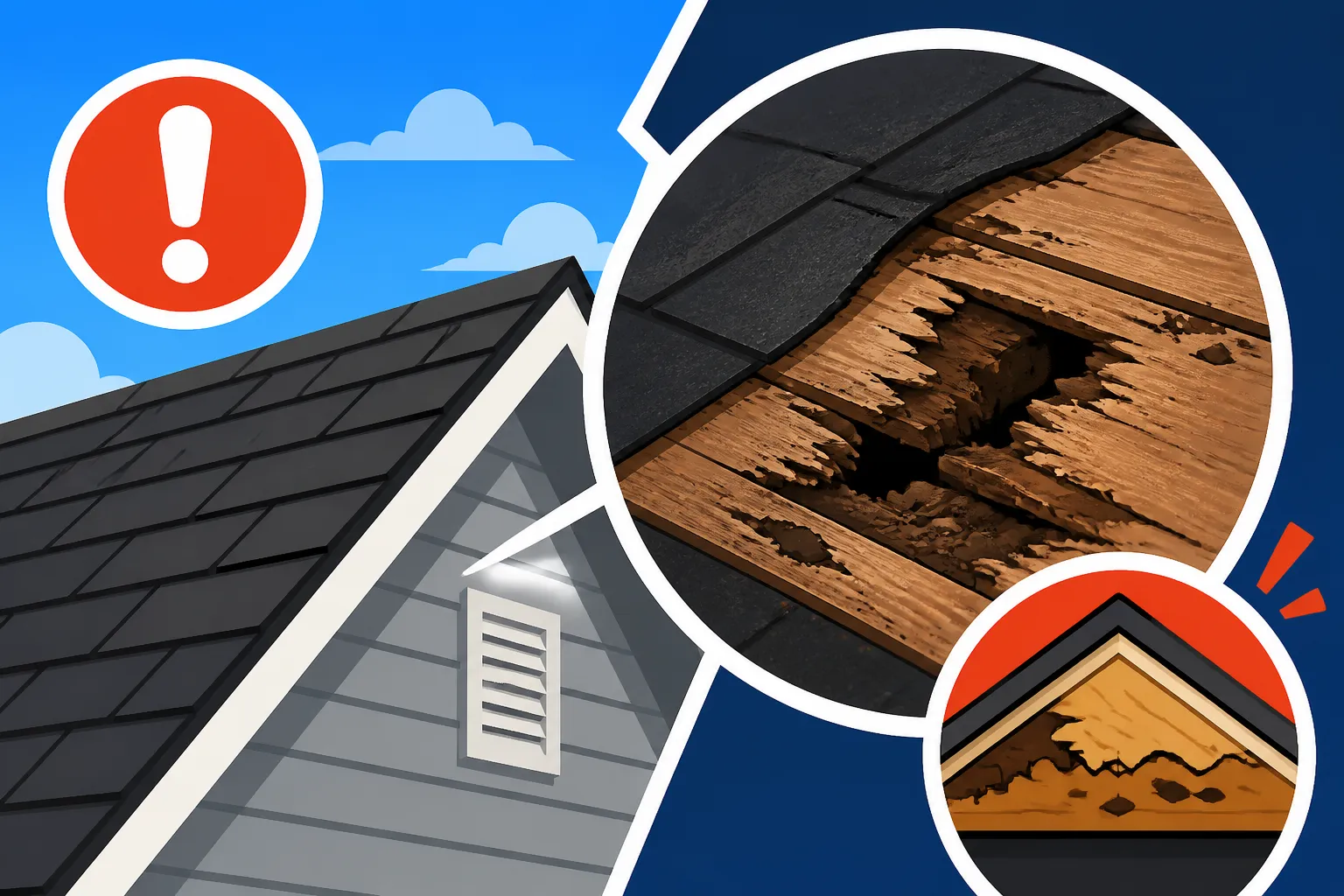
Perhaps the most direct evidence of rot comes from a tactile inspection. If you can safely access the decking from within your attic – standing on joists or sturdy platforms, never on the decking itself between joists – you might be able to gently press on areas of the wood with a screwdriver or poke at it with a blunt object. Healthy roof decking should feel solid and unyielding. If you encounter areas that feel soft, spongy, or even crumble slightly under light pressure, that's almost certainly rot.
These soft spots occur because the wood fibers have begun to decay due to prolonged exposure to moisture. They lose their structural integrity, becoming weak and incapable of supporting weight. If you're walking on your roof and feel a "bounce" or a soft spot underfoot, that's another strong indication of compromised decking, confirming what you might have already felt from the attic. Addressing such issues swiftly is critical, as a weakened deck can lead to catastrophic failure, especially under heavy snow loads or high winds. Finding the source of the water causing this rot is equally important, as just replacing the decking without fixing the leak is a wasted effort. This is often linked to issues addressed in articles like What Causes Leak on a Roof or When a Leak Means Deck Damage.
Visible Indicators of Decking Damage on Your Roof's Exterior
While the attic often provides the earliest warnings, signs of rotted roof decking can also manifest on the exterior of your home, albeit usually after the problem has progressed significantly. These external clues are often more noticeable to the casual observer, making them crucial indicators that something serious is happening beneath your shingles. Don't ignore these subtle hints, as they are your roof's way of crying out for help.
Sagging, Uneven, or Bouncy Roof Surfaces
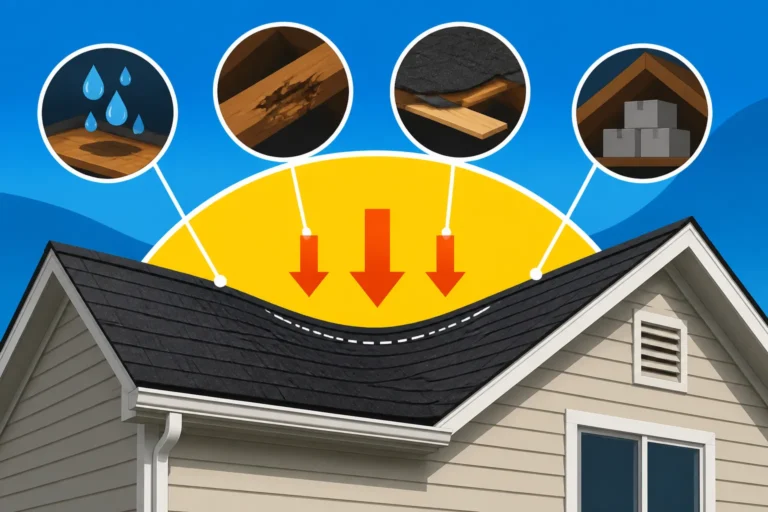
Take a good look at your roofline from the ground, or even from a neighbor's yard if you have a multi-story home. Does it look straight and even, or do you notice any dips, sags, or uncharacteristic waves? These visual distortions are classic indicators of structural issues, and rotted roof decking is a prime suspect. When decking becomes saturated and begins to rot, it loses its rigidity and can no longer maintain its flat plane. This causes the overlying shingles to sag along with it, creating an uneven appearance.
This sagging isn't just an aesthetic problem; it creates areas where water can pool instead of draining properly, accelerating further damage to the roof system. If you or a professional walk on the roof, soft, spongy areas or a distinct "bounce" underfoot are undeniable evidence of weakened decking. Imagine walking on a trampoline compared to solid ground – that's the kind of difference you might feel. This "bouncy" sensation confirms that the structural integrity of the wood panels has been compromised, making it unsafe and signaling an urgent need for inspection and repair.
Distorted or Damaged Shingles That Don't Add Up
Shingles rely on a perfectly flat and stable surface to perform their job effectively. When the underlying decking begins to rot and warp, it inevitably impacts the appearance and functionality of your shingles. You might see shingles that are mysteriously curling, buckling, or even blistering in localized areas, even if they're relatively new and don't show widespread signs of wear and tear typical of an aging roof. These distortions are the shingles conforming to the uneven, compromised surface beneath them.
Furthermore, if you observe shingles that seem to be coming loose, lifting, or even blowing off in specific sections, but not across the entire roof, it could be due to rotted decking. The nails securing the shingles to the decking simply don't have enough sound wood to grip, causing them to pull out easily. This is particularly noticeable after strong winds, where some areas might show excessive shingle loss while others remain intact. If you're experiencing repeated shingle failure in the same spot, even after repairs, it's a strong hint that the problem lies deeper than just the shingles themselves. This could mean it's time to consider a Roof Decking Replacement Cost as part of a larger repair.
Understanding the Causes and What to Do Next
Identifying the signs of rotted roof decking is just the first step. Understanding why it's happening is crucial for preventing future recurrence, and then knowing the proper steps to take is paramount to protecting your home. It’s a process that often requires a blend of keen observation and professional expertise.
Common Culprits: The Root Causes of Decking Rot
Roof decking rot almost always boils down to one primary factor: persistent moisture exposure. Here are the most common ways water can infiltrate and damage your roof deck:
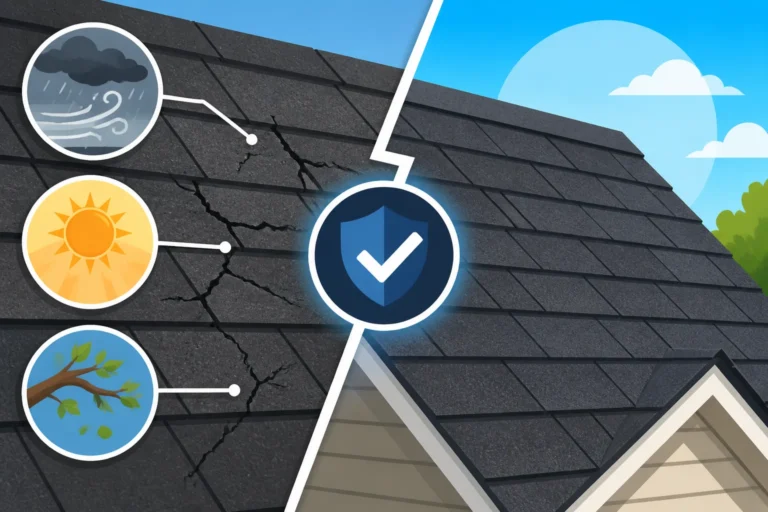
- Leaky Roofs: This is the most straightforward cause. Any breach in your roofing system – whether it's cracked or missing shingles, deteriorated flashing around chimneys or vents, old sealants, or compromised valleys – can allow water to seep through. Once water gets past the top layers, it often travels along the underlayment until it finds a nail hole or seam to penetrate the decking. Over time, even small, slow leaks can lead to significant rot.
- Poor Attic Ventilation: Believe it or not, an improperly ventilated attic can create conditions ripe for rot. Without adequate airflow, hot, moist air gets trapped in the attic space. During colder months, this warm, moist air condenses on the cooler underside of the roof decking, creating a constant damp environment that encourages mold growth and, eventually, wood rot. This is especially true if you have insufficient roof ventilation upgrades or a blocked ridge vent.
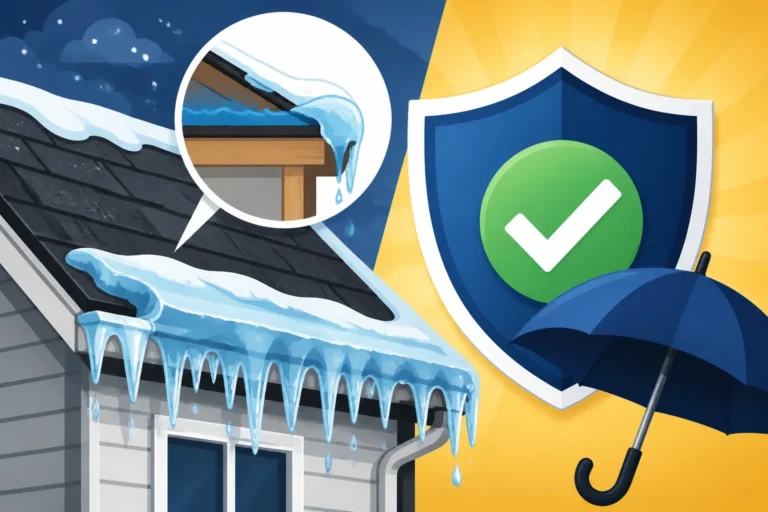
- Ice Dams: In colder climates, ice dams form when heat escapes from your home, melts snow on the roof, and the water then refreezes at the colder eaves. These dams prevent melting snow from draining off the roof. The trapped water backs up under the shingles, saturating the underlayment and decking, leading to rot.
- Improper Installation or Existing Damage: Sometimes, decking was installed incorrectly, or perhaps a previous repair wasn't done thoroughly. If the initial decking wasn't properly dried before installation or if it suffered damage that was merely covered up, it can accelerate the rotting process. Poorly installed underlayment can also leave the decking vulnerable.
Pinpointing the exact cause is essential. If you simply replace the rotted decking without addressing the underlying leak or ventilation issue, you're merely putting a band-aid on a gushing wound.
Prioritizing Professional Inspection and Action
If you've noticed any of the signs we've discussed, the absolute next step is to call in a qualified roofing professional for a thorough inspection. While your observations are valuable, a seasoned expert has the tools, experience, and trained eye to identify the extent of the damage, locate the source of the moisture, and assess the overall condition of your roof system. They can safely access the roof, inspect all components, and provide an accurate diagnosis. You definitely want to ensure your home is protected during this potentially vulnerable time.
During their inspection, they'll check everything from your shingles to your flashing, your vents, and the integrity of the decking itself. They'll also typically examine your attic space. Once they've completed their assessment, they'll give you a detailed report, usually including photos, explaining their findings and recommending the necessary repairs.
Finding a reputable contractor is key. Companies like Modernize can help connect you with vetted professionals in your area who specialize in roofing issues. When considering who to hire, don't just go for the cheapest bid. Look for licensed, insured, and experienced roofers who offer clear communication and transparent pricing. You can learn more about this by reading How to Choose a Roofing Contractor.
Understanding Your Options: Repair vs. Replacement
The solution for rotted roof decking typically falls into two categories: localized repair or full roof replacement. The decision hinges on the extent of the rot and the overall condition and age of your existing roof.
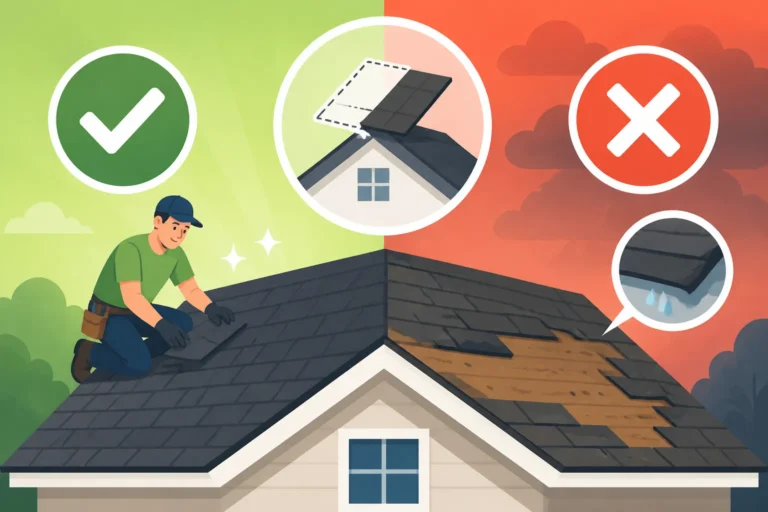
- Localized Decking Repair: If the rot is confined to a small, isolated area – perhaps around a single vent pipe or a specific valley – a contractor might be able to remove just the damaged sections of decking and replace them with new, sound wood. This often involves carefully lifting the shingles in the affected area, cutting out the rotted wood, installing new decking, and then reinstalling the existing or new matching shingles. This is a more cost-effective solution if the damage is truly minor and your roof has plenty of life left. The process for How Roofers Fix Rotted Decking is quite specific to ensure proper structural integrity is restored.
- Full Roof Replacement: In cases where the rot is widespread, affecting multiple sections of the decking, or if your roof is already nearing the end of its lifespan (typically 20-25 years for asphalt shingles), a full roof replacement is often the most practical and economical long-term solution. During a complete tear-off, all existing shingles and underlayment are removed, exposing the entire roof deck. This allows the contractor to identify and replace all damaged decking panels, ensuring a completely solid and stable foundation for your new roofing system. While a larger upfront investment, a full replacement addresses all underlying issues and provides you with a brand new, warrantied roof that will protect your home for decades. This includes the Cost of Roof Tear-Off and Disposal, which adds to the overall project but is essential. For many, a full replacement is a chance to upgrade to higher quality shingles or improve ventilation, increasing the roof's longevity and performance.
Regardless of whether you go for a repair or a full replacement, remember that permitting is usually required for any structural roof work or full replacement. Your chosen contractor should be able to guide you through the Roofing Permit Cost and Process for your local municipality.
Here's a quick reference table to help summarize the signs and their implications:
| Sign Category | Specific Indicator | Location to Check | Potential Implication | Urgency |
|---|---|---|---|---|
| Attic Interior | Dark, brown, or black water stains | Underside of roof deck | Active leak, prolonged moisture | High |
| Musty, earthy smell | Attic air | Hidden mold/mildew or early rot | Medium | |
| Visible mold (green, black, white patches) | Underside of roof deck, rafters | Persistent moisture, likely rot | High | |
| Soft, spongy areas when poked | Underside of roof deck | Advanced wood rot, significant structural damage | Critical | |
| Roof Exterior | Sagging, dips, or wavy areas in roofline | Entire roof surface (visible from ground) | Compromised decking, structural weakening | High |
| Bouncy or soft spots when walked on | Specific areas of roof | Advanced wood rot, unsafe walking surface | Critical | |
| Localized curling, buckling, blistering shingles | Specific sections of roof | Underlying decking issues affecting shingle adhesion | Medium | |
| Repeatedly loose or missing shingles in one area | Specific sections of roof | Decking unable to hold nails, likely rot | High |
Ultimately, detecting rotted roof decking early can prevent extensive damage to your home's structure and interior, saving you a substantial amount of money and stress. Don't hesitate to seek professional help from trusted sources like Modernize if you suspect a problem. After all, your roof is your home's shield, and keeping that shield in top condition is paramount. Remember that getting a regular Roof Inspection: What They Check can catch these issues before they escalate. It might also be worth reviewing Signs You Need a New Roof if you're unsure whether a repair will be enough.
Disclaimer
Please remember that this article provides general information and should not be considered professional advice. Always consult with a qualified and licensed roofing contractor for any inspections, repairs, or replacements to your roof. Roofing work can be dangerous and should only be performed by experienced professionals.