Roofing Codes and Regulations in California
Replacing your roof can feel like a daunting task, and one of the biggest sources of stress for homeowners is often the confusing maze of local rules and regulations. If you're tackling an asphalt roofing project in California, you're not alone in wondering about permits, building codes, and what exactly you need to do to stay on the right side of the law. This guide will cut through the jargon and clearly explain the key roofing codes and regulations you need to know about in the Golden State.
The Essential Role of Roofing Codes and Regulations in California
When you're thinking about a new roof, it's easy to get caught up in the aesthetics – what color shingles, what style will look best? But before you get to the fun stuff, understanding the underlying codes and regulations is absolutely crucial. These aren't just bureaucratic hurdles; they are the bedrock of a safe, durable, and properly functioning roof system. Especially in a state like California, where we face everything from intense sunshine to wildfires and seismic activity, these rules are designed with your safety and long-term investment in mind.
Why Codes Exist: Protecting Your Investment and Safety
Imagine you've just invested thousands into a beautiful new roof, only to discover a few years down the line that it wasn't installed correctly. Perhaps the shingles weren't fastened adequately, leading to blow-offs in the first big windstorm, or maybe the wrong underlayment was used, causing leaks. These are exactly the kinds of costly, heartbreaking scenarios that building codes aim to prevent. They set minimum standards for materials, installation techniques, and overall structural integrity.
Think about it this way: a roofing code is essentially a guidebook, developed by experts, to ensure that every roof built or replaced can withstand the elements, protect your home's structure, and keep your family safe. In California, this protection is amplified. We live in a state prone to earthquakes, and while your roof won't prevent shaking, its proper attachment and structural soundness are vital during such events. Similarly, the increasing threat of wildfires means fire-resistant roofing is not just a good idea, it's often a legal requirement in many areas. Adhering to these codes means your roof isn't just pretty, it's a fortress against potential hazards. It also ensures that your home retains its value and that you won't run into issues when it comes time to sell, as future buyers will appreciate a properly permitted and inspected roof.
Navigating the Golden State's Unique Requirements
One of the trickiest parts about roofing regulations in California is that it's not a one-size-fits-all situation. While there's a statewide building code, known as the California Building Standards Code (Title 24), individual cities and counties often adopt their own amendments and more stringent requirements. What might be acceptable for a roof replacement in San Diego could be different in, say, a mountainous region of Lake Tahoe or a wildfire-prone area in Sonoma County.
This layered approach means that you can't just assume what applies to your cousin's house in Orange County will apply to yours in Sacramento. You absolutely have to check with your local building department. They are the ultimate authority on the specific codes and permit requirements for your property. This can feel like a headache, but it’s a necessary step to avoid costly fines, rework, or even legal issues down the road. Local jurisdictions might have specific wind uplift requirements based on proximity to the coast, unique cool roof mandates for energy efficiency in hotter inland areas, or stricter fire-resistant material rules in what are designated Wildland-Urban Interface (WUI) zones. It's truly a localized game, and a reputable contractor will be your best guide through these specific nuances.
Key Building Codes and Regulations for California Asphalt Roofs
California’s roofing codes cover a wide array of aspects, all designed to ensure that your roof is built to last and performs optimally under the state's diverse environmental conditions. From the moment you decide to replace your roof, these regulations will influence everything from the paperwork you file to the type of shingles you can choose.
Understanding Permit Requirements in California
This is probably the first question that pops into every homeowner's mind: "Do I need a permit?" The short answer for most roof replacements in California is a resounding yes. Generally, if you're undertaking a full roof replacement – meaning tearing off the old roof and installing a new one – a permit is required by your local city or county building department. This also typically applies if you are adding a new roof over an existing one, though in many cases, this practice of "overlaying" is limited or even prohibited, as outlined in guides like How Many Layers of Shingles Are Legal.
Why the permit? It's not just about collecting a fee. The permit triggers a series of inspections by local building officials to ensure that the work being done on your roof meets current safety and building codes. For instance, the inspector will check the condition of your roof decking, verify that the correct underlayment is being installed, and ensure proper shingle fastening. Minor repairs, such as replacing a few missing shingles or patching a small leak, might not require a permit. However, the definition of "minor repair" can vary locally, so it's always safest to consult with your contractor or your local building department directly. Skipping a permit can lead to significant problems, including fines, the requirement to tear off your new roof, or difficulties when you try to sell your home. It’s important to understand Roofing Permits Explained before you begin any major work.
Energy Efficiency and Cool Roof Standards
California is at the forefront of energy efficiency, and your roof plays a significant role in your home's overall energy performance. The state's Title 24, Part 6, Energy Efficiency Standards, mandates specific requirements for roofing materials. The goal is to reduce energy consumption by minimizing the heat absorbed by your roof, which in turn reduces the need for air conditioning. This is where "cool roof" technology comes into play.
A cool roof is essentially one that has a high solar reflectance (meaning it reflects a large percentage of the sun's energy) and high thermal emittance (meaning it radiates absorbed heat efficiently). While these standards initially focused heavily on low-slope roofs on commercial buildings, they have increasingly impacted residential steep-slope roofs. Depending on your home’s climate zone in California, you might be required to install specific cool roof rated shingles or coatings. For asphalt roofing, this often means selecting lighter-colored shingles or those treated with special reflective granules. Many manufacturers like GAF, Owens Corning, and CertainTeed offer asphalt shingles that meet these stringent cool roof requirements. This isn't just about compliance; a cool roof can significantly lower your utility bills, especially during California's hot summers. You can learn more about these specialized materials in our guide on Cool-Roof Shingles Explained.
Fire Safety and Wildfire Urban Interface (WUI) Zones
Given California's unfortunate history with wildfires, fire safety in roofing is not just a recommendation; it's a critical legal mandate, especially in Wildland-Urban Interface (WUI) zones. WUI zones are areas where homes and other human developments meet or intermingle with undeveloped wildland vegetation. If your home is located in a WUI zone, you will face much stricter requirements for your roofing materials and installation.
The primary requirement is often the use of Class A fire-rated roofing materials. Asphalt shingles can achieve a Class A fire rating, but it typically depends on the specific shingle product and the underlying roof assembly, which often includes a fire-resistant underlayment. These ratings are determined by rigorous testing standards (ASTM E108). For homeowners in areas like the hills of Oakland, parts of Santa Rosa, or the brush-filled canyons of Southern California, understanding these WUI regulations is paramount. Your local building department will have maps indicating WUI zones and the specific fire-resistive construction requirements for those areas. Failing to comply can lead to serious legal ramifications and, more importantly, could put your home and community at greater risk during a wildfire event.
Structural Integrity and Wind Resistance
Beyond fire, California's roofs must also be built to withstand the forces of nature, particularly wind. Building codes address the structural integrity of your roof system, from the decking materials to how the shingles are fastened. The California Building Code, referencing the International Residential Code (IRC), specifies requirements for roof sheathing (plywood or OSB), its thickness, and the nailing schedule for attachment. This is to ensure your roof deck can handle the weight of the roofing materials and any environmental loads (like snow, though less common for most of California, or wind uplift).
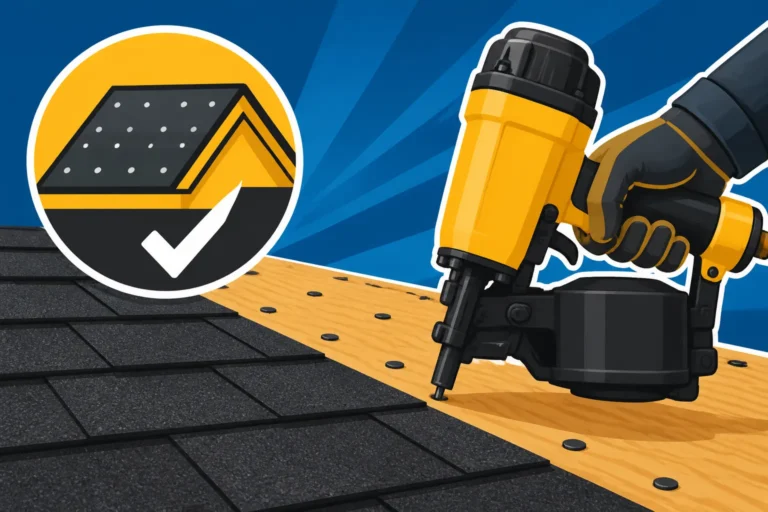
For asphalt shingles, proper nailing is critical for wind resistance. Codes typically specify the number of fasteners (nails) per shingle and their precise placement. In areas prone to high winds, such as coastal regions or open plains, even stricter fastening requirements (often called "High-Wind Nailing Explained") may apply, sometimes requiring six nails per shingle instead of the standard four. This meticulous approach to installation ensures that your shingles will stay put during strong gusts, protecting your home from water intrusion and further damage. It's a crucial detail that a skilled installer, following the manufacturer's guidelines and local codes, will always adhere to, as detailed in our guide on How Shingles Are Nailed and Sealed.
Practical Steps for Homeowners: Ensuring Code Compliance
Navigating California's roofing codes and regulations might seem overwhelming, but with the right approach and the right team, it doesn't have to be. As a homeowner, your proactive involvement can make all the difference in ensuring your new roof is compliant, safe, and built to last.
Finding and Working with a Licensed California Contractor
This is hands-down the most important step you can take. In California, any contractor performing work on your home that exceeds $500 in labor and materials must be licensed by the Contractors State License Board (CSLB). For roofing specifically, you'll want a contractor with a C-39 Roofing classification. This license indicates that they've met the state's experience and examination requirements, proving their competency in roofing.
A truly reputable and licensed California roofing contractor will be intimately familiar with the state's building codes, including Title 24, WUI regulations, and any local amendments in your specific city or county. They know the permit process inside and out and will typically handle pulling the necessary permits for your project. Asking about their CSLB license number and verifying it online is a non-negotiable step. Furthermore, ensure they carry adequate liability insurance and workers' compensation insurance. If a contractor gets injured on your property and doesn't have workers' comp, you could be held liable. This is why our guide on Licensed and Insured Roofers: Why It Matters is so important. A good contractor acts as your expert guide through the regulatory maze, ensuring every aspect of your roof replacement is up to code. You can find more comprehensive advice on How to Choose a Roofing Contractor.
The Roofing Permit Application and Inspection Process
Once you've selected a licensed contractor, they will usually take the lead on the permit application process. Here's a general idea of what to expect:
- Application Submission: Your contractor will submit the permit application to your local city or county building department. This application will include details about the scope of work, materials to be used, and possibly architectural drawings if the project involves structural changes or unique designs.
- Plan Review: The building department will review the application to ensure it complies with all relevant local and state codes, including energy efficiency, fire safety, and structural requirements. This review process can take a few days to a few weeks, depending on the jurisdiction's workload.
- Permit Issuance: Once approved, a permit will be issued. This document must be posted visibly at the job site, typically in a front window or on a stake in the yard.
- Scheduled Inspections: The permit will outline the required inspections. For a typical asphalt roof replacement, these often include:
- Roof Sheathing/Dry-in Inspection: After the old shingles are torn off and any necessary repairs to the roof decking are made, but before new underlayment and shingles are applied, an inspector may check the decking's condition and the installation of the underlayment.
- Final Inspection: Once the new roof is completely installed, a final inspection will be conducted. The inspector will verify that all work complies with the approved plans and codes, checking everything from shingle placement and fastening to flashing details and ventilation.
It's critical that these inspections occur. If an inspection fails, the contractor will be required to correct the issues and schedule a re-inspection before proceeding or finalizing the project. This back-and-forth might seem like a delay, but it's a vital quality control step that protects your investment. Knowing Roofing Permits: Who Pulls Them is a good first step in preparing for this process.
What to Expect During a Roof Inspection
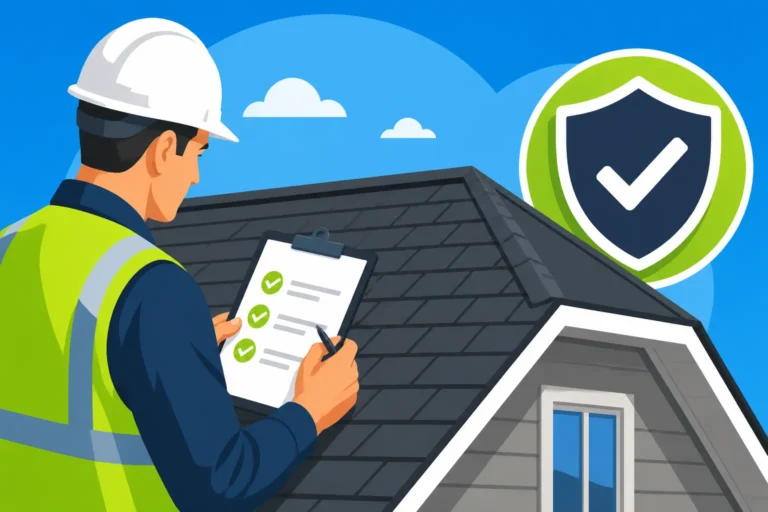
When the inspector arrives, their primary goal is to ensure your new roof meets all the minimum safety and performance standards set by local and state building codes. They are not there to nitpick or cause trouble, but to verify that the work is done correctly. Here's what they'll typically be looking for:
- Underlayment: They'll confirm the correct type and weight of underlayment (e.g., felt or synthetic, per Underlayment Explained: Synthetic vs Felt) was used and installed properly, overlapping correctly and secured. In some regions, they'll check for ice and water shield in critical areas like valleys and eaves.
- Drip Edge and Flashing: Proper installation of drip edge along the eaves and rakes, and all flashing around chimneys, vents, skylights, and wall-to-roof transitions, will be thoroughly checked. These components are crucial for preventing water intrusion.
- Shingle Installation: The inspector will examine the shingles themselves – checking for proper alignment, correct exposure, and most importantly, the number and placement of fasteners (nails) per shingle. They'll also verify that the correct starter shingles were used along the eaves.
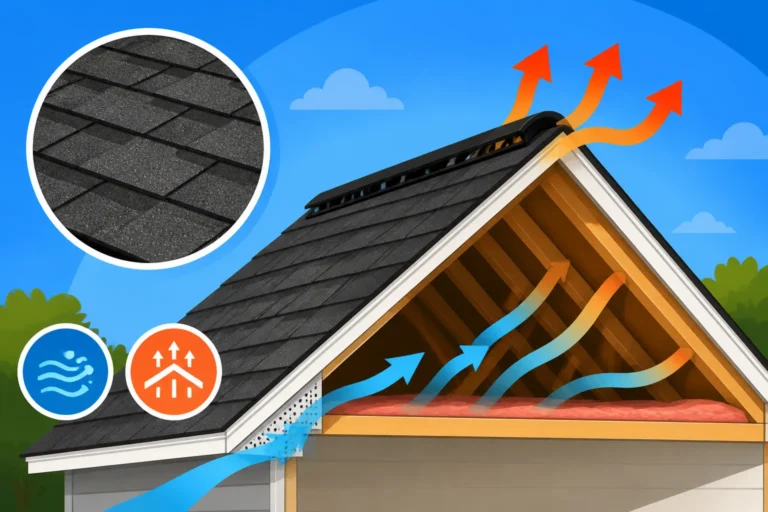
- Ventilation: Adequate attic ventilation is vital for roof longevity and energy efficiency. The inspector will ensure that ridge vents, soffit vents, or other ventilation components meet code requirements for airflow.
- Material Compliance: They'll confirm that the shingles installed are the approved type and meet any specific requirements, such as Class A fire rating in WUI zones or cool roof standards for energy efficiency.
- Decking Condition: During the dry-in inspection, if applicable, they'll assess the condition of the roof decking for any damage, rot, or inadequate fastening that would compromise the new roof system.
It’s completely normal for a contractor to be present during inspections, as they can answer any specific questions the inspector may have. As a homeowner, you're welcome to observe, but it's generally best to let the professionals handle the direct communication. A smooth inspection process is a strong indicator of a job well done and a compliant roof. Our article on Roof Inspection: What They Check offers more specific details about the inspection process.
Here's a quick reference guide for some key California roofing code considerations:
| Feature/Requirement | General California State Code (Title 24) | Common Local/Regional Variations & Considerations |
|---|---|---|
| Permit | Required for most full replacements. | Definition of "minor repair" may vary. |
| Energy Efficiency | Mandatory cool roof standards in many climate zones for specific roof types. | Specific Solar Reflectance/Thermal Emittance values may differ by city/county based on climate zone. |
| Fire Safety | Class A rated roofing generally required in WUI zones. | WUI zone boundaries and specific material requirements are highly localized and regularly updated. |
| Structural | Minimum sheathing thickness & fastening schedule. | Increased wind load requirements in coastal/high-wind areas (e.g., 6 nails/shingle instead of 4). |
| Underlayment | Code specifies type and installation. | Ice and water shield may be required at eaves/valleys in specific colder/snow-prone regions. |
| Ventilation | Minimum net free area for attic ventilation. | May be stricter in hot inland areas to reduce cooling loads. |
Remember, this table provides a general overview. Always confirm specific requirements with your local building department and a licensed, reputable contractor.
Disclaimer
This article is for general informational purposes only and does not constitute professional advice. Laws, prices and regulations vary by location and change over time. Consult a qualified professional for guidance on your specific situation.