Roofing Codes and Regulations in Florida
Trying to navigate a roof replacement or even a significant repair in Florida can feel like a maze, full of seemingly endless rules and regulations that change constantly. It's enough to make your head spin, especially when all you want is a sturdy roof over your head that will protect your home from the next big storm. This guide is here to untangle the complexities of Florida's roofing codes, helping you understand what you need to know to ensure your project meets all requirements and keeps your home safe and sound.
Why Florida's Roofing Codes Are So Strict
If you've ever felt like Florida has some of the most stringent building codes, especially when it comes to roofing, you're not wrong. It's a common frustration for homeowners, but there's a very good reason behind all those rules: protection. The Sunshine State sits squarely in the path of some of nature's most powerful forces, and the codes are designed to ensure your home can stand up to them.
A History of Hurricanes and High Winds
Florida's unique geographical position makes it a hotspot for tropical storms and hurricanes. Year after year, these massive weather events sweep across the state, bringing with them torrential rain and, more importantly for roofs, incredibly destructive high winds. Think back to Hurricane Andrew in 1992, which devastated South Florida, or more recently, Hurricane Ian in 2022, which caused widespread destruction across the Gulf Coast. Each time a major storm hits, building codes are reviewed, strengthened, and updated based on lessons learned from real-world performance.
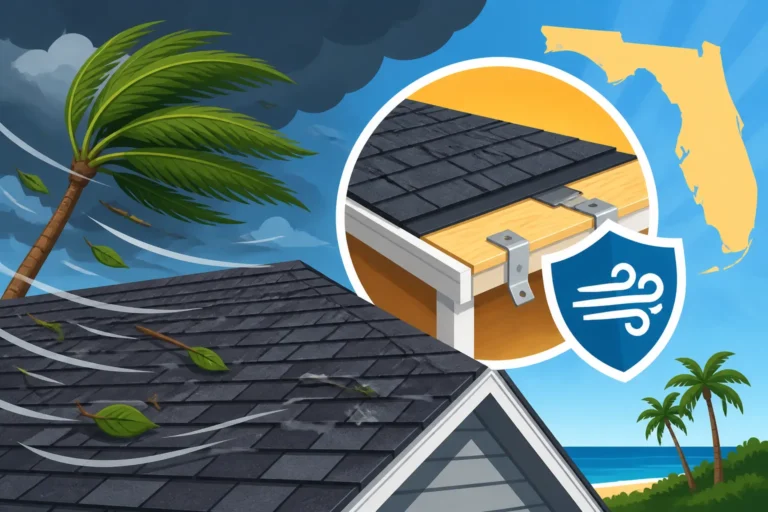
This continuous cycle of damage and improvement has led to the Florida Building Code (FBC), which is updated every three years. The FBC is a comprehensive set of regulations, and the sections pertaining to roofing are particularly robust. These codes aren't just suggestions; they are legally mandated minimum standards designed to prevent catastrophic failures when those 100+ mph winds come howling through. For example, homes in coastal areas or High-Velocity Hurricane Zones (HVHZ), like Miami-Dade and Broward counties, face even stricter requirements than inland regions. It's all about ensuring that your roof, the primary shield for your entire home, is as resilient as possible.
Protecting Your Investment and Your Family
While strict codes might add to the initial cost or complexity of a roofing project, they ultimately serve to protect your most valuable asset: your home, and more importantly, the people inside it. A roof built to current Florida codes is significantly more resistant to wind uplift, water intrusion, and general wear and tear from our intense sun and humidity.
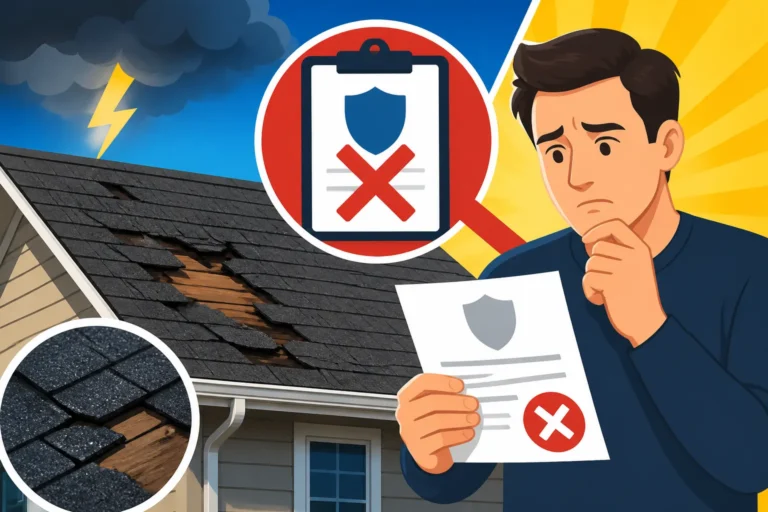
Imagine a scenario where a contractor cuts corners or ignores specific code requirements. When the next hurricane rolls in, that roof is far more likely to fail. A failing roof doesn't just mean a few missing shingles; it can lead to massive structural damage, widespread water intrusion into your attic and living spaces, mold growth, and a devastating loss of personal property. The emotional and financial toll of such an event is immense. By adhering to the FBC, you're investing in peace of mind, knowing that your roof has been constructed to withstand the specific challenges of the Florida climate. This also translates to a longer lifespan for your roof and potentially lower homeowner's insurance premiums, as insurers recognize the reduced risk associated with code-compliant construction.
Key Florida Roofing Regulations You Need to Know
When it comes to the specifics of Florida's roofing codes, there are a few critical areas that stand out. These aren't just minor details; they are fundamental requirements designed to bolster your roof's integrity against the unique environmental stressors of our state.
Wind Resistance and Shingle Requirements
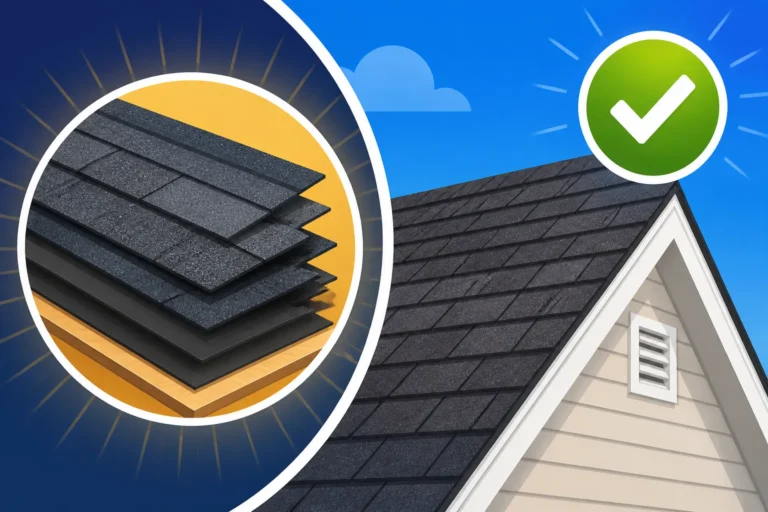
This is perhaps the most talked-about aspect of Florida's roofing codes, and for good reason. Given the constant threat of hurricanes and high winds, asphalt shingles and their attachment methods are under intense scrutiny. The FBC mandates specific wind resistance ratings for roofing materials, often requiring shingles rated for higher wind speeds than what might be common in other parts of the country.
For instance, many areas in Florida will require asphalt shingles to be rated for at least 130 mph wind resistance, and even higher in HVHZ. This isn't just about the shingle itself, but how it's fastened. The code often specifies enhanced nailing patterns, moving from the standard four nails per shingle to six nails per shingle, placed in a very precise location, to maximize uplift resistance. Some manufacturers, like GAF and Owens Corning, produce shingles specifically designed for high-wind areas, often with wider nailing zones or reinforced strips. When considering your new roof, asking about these wind ratings and nailing patterns is crucial. You might also want to look into Class 4 Shingles, which offer superior impact resistance against hail, though wind resistance is the primary concern here in Florida. The goal is to create a monolithic roof system where each shingle is securely anchored, working together to shed wind and water.
Underlayment and Flashing Standards
While shingles are the visible protection, what lies beneath them is just as vital for waterproofing, especially in a state known for its heavy rainfall. Florida's codes have strict requirements for roof underlayment and flashing.
Typically, you'll need a synthetic underlayment that meets specific ASTM standards, providing a robust secondary barrier against moisture intrusion. But it gets more specific: many areas require self-adhering polymer modified bitumen (often called "peel-and-stick") underlayment in vulnerable areas. This includes the eaves (where ice dams can theoretically form, though it's rare in Florida, but more importantly, where wind-driven rain can easily penetrate), valleys, around dormers, chimneys, and other roof penetrations. This "ice and water shield" equivalent, though primarily used for wind-driven rain protection here, creates a waterproof seal that prevents leaks even if shingles are blown off.
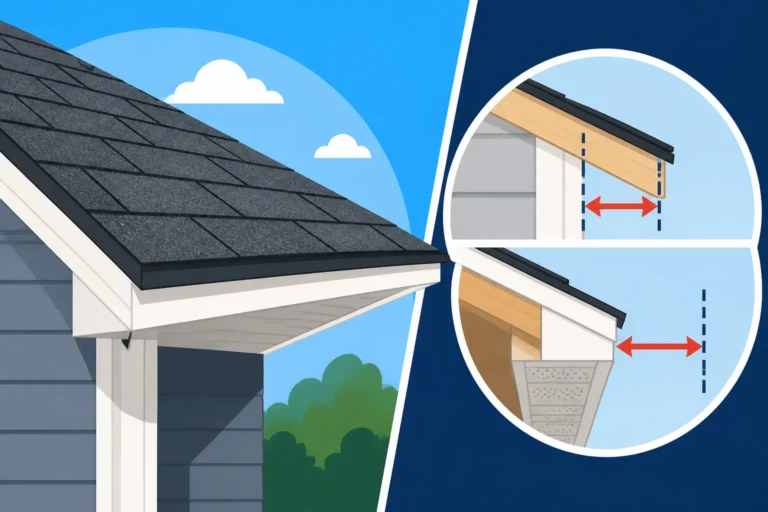
Beyond underlayment, proper flashing is non-negotiable. Step flashing around walls and chimneys, apron flashing at the base of chimneys, and carefully integrated valley flashing are all critical components that must be installed according to code to prevent water from seeping into your home at these vulnerable points. This attention to detail in the underlying layers is what truly makes a roof waterproof, not just the shingles themselves.
Ventilation Requirements
In Florida's hot and humid climate, proper roof ventilation isn't just about comfort; it's a code requirement designed to protect your roof and your home. The FBC specifies minimum ventilation requirements for attics to prevent heat and moisture buildup.
Poor attic ventilation can lead to a host of problems:
- Premature Shingle Deterioration: Excessive heat in the attic can literally cook your shingles from the underside, causing them to crack, curl, and degrade much faster than their intended lifespan.
- Increased Energy Bills: A super-heated attic radiates heat into your living space, making your air conditioning work overtime.
- Moisture Damage and Mold: Humidity trapped in the attic can condense, leading to rot in your roof decking and framing, and creating a perfect breeding ground for mold and mildew.
- Warranty Issues: Many shingle manufacturers' warranties can be voided if proper ventilation standards aren't met.
The code typically requires a certain ratio of net free vent area (NFVA) to the attic floor area, often 1/150 or 1/300, with a balanced distribution of intake (soffit vents) and exhaust (ridge vents, box vents, or turbine vents). A continuous ridge vent coupled with adequate soffit ventilation is often considered the most effective system. When getting a new roof, ensure your contractor addresses the existing ventilation system and makes any necessary upgrades to meet current codes. Understanding how roof ventilation works is key to a long-lasting and efficient roof.
The Roofing Permit Process in Florida
For many homeowners, the thought of dealing with permits conjures up images of endless bureaucracy and delays. While it's true that permits add a layer of administration, in Florida, they are a vital part of ensuring your roofing project is done correctly and safely. Skipping this step can lead to serious headaches down the line.
When a Permit is Required
In Florida, a roofing permit is almost always required for any significant work done on your roof. This isn't just for full replacements; it also applies to many repairs. Generally, if you are replacing more than a certain percentage of your roof (often 10% or 25%, depending on the local jurisdiction and the nature of the repair) or if you are performing a full tear-off and replacement, a permit is mandatory. Even if you're only repairing a section, if the work involves structural changes or replacing a significant amount of decking, you'll likely need one. The purpose of the permit is to allow local building officials to inspect the work at various stages, ensuring it complies with the latest Florida Building Code.
Minor repairs, such as replacing a few missing shingles or patching a small leak that doesn't involve structural elements, usually do not require a permit. However, it's always best practice to check with your local county or city building department before any work begins, as local ordinances can sometimes vary or be stricter than the state minimum. Your roofing contractor should be well-versed in these requirements and typically handles pulling the permit on your behalf. This is one of the important questions to ask a roofing contractor before hiring them.
What the Permit Inspection Covers
Once a permit is issued, your roofing project will likely undergo several inspections by a local building official. These inspections are crucial checkpoints to verify code compliance at different stages of the work.
Common inspection stages include:
- Decking/Sheathing Inspection (Tear-Off Inspection): After the old roofing materials are removed, but before new underlayment is installed, an inspector will check the condition of the roof decking. They'll look for any rot, damage, or improper fastening and ensure that any necessary repairs or replacements of the roof decking are completed to code. This is also where they'll confirm that existing fasteners are compliant or if upgrades are needed.
- Dried-In Inspection: This happens after the underlayment, drip edge, and flashing are installed, but before the final shingles are laid down. The purpose here is to ensure the primary waterproofing layers are properly installed and sealed, creating a weather-tight envelope. This is particularly important for preventing leaks from wind-driven rain, a common Florida problem.
- Final Inspection: Once all the shingles are installed, and the project is complete, the final inspection ensures that the entire roof system, including vents, caps, and any other components, meets all applicable codes and specifications.
Passing these inspections is a green light that your roof has been installed correctly and is up to par. If an inspection fails, the contractor will need to correct the deficiencies, and a re-inspection will be required.
Consequences of Skipping a Permit
You might be tempted to skip the permit process to save time or money, but in Florida, this is a risky gamble with potentially severe consequences.
- Legal Penalties: If local authorities discover unpermitted work, you could face hefty fines. You might also be required to stop all work immediately and go through the permit process retroactively, which can be more complicated and costly than doing it upfront.
- Forced Removal and Reinstallation: In the worst-case scenario, if the unpermitted work doesn't meet code, you could be forced to tear off the entire roof and have it reinstalled correctly, which means paying for the job twice.
- Insurance Issues: Most homeowners' insurance policies require work to be done to code and with proper permits. If you need to file a claim due to storm damage on an unpermitted roof, your insurer could deny coverage, leaving you to pay for repairs out of pocket.
- Resale Problems: When you go to sell your home, unpermitted work will almost certainly come up during the buyer's inspection or title search. This can significantly delay or even derail the sale, as buyers will be wary of potential code violations and the associated costs. You might have to retroactively permit the work or offer significant concessions to the buyer.
- Warranty Invalidation: Many manufacturer warranties require proof of professional installation and adherence to local building codes. An unpermitted job could void your valuable warranty protection.
It's clear that the short-term "savings" of skipping a permit are rarely worth the long-term risks and potential costs. Always insist that your contractor pulls the necessary permits.
Navigating Insurance and Code Upgrades
One of the unique aspects of Florida's roofing landscape is the significant interplay between building codes and homeowner's insurance. Understanding these connections can save you money and headaches in the long run, especially after a storm.
Insurance Incentives for Code-Compliant Roofs
Insurance companies in Florida are acutely aware of the risks associated with inadequate roofing, particularly in the face of hurricanes. Because roofs built to current, stricter codes are more resilient, many insurers offer discounts or incentives for homes with code-compliant or upgraded roofing systems.
For example, installing impact-resistant shingles, often classified as Class 3 or Class 4, can lead to significant premium reductions. These shingles are designed to withstand hail and debris impact better than standard shingles, a major concern in many parts of the state. Furthermore, a "wind mitigation" inspection can identify features that make your home more resistant to wind damage, like proper roof-to-wall attachments and code-compliant roof geometry. Upgrading your roof to meet higher wind-resistance standards or having a secondary water barrier installed can result in credits on your insurance policy. It's always worth discussing these potential savings with your insurance agent before starting a roofing project. Investing in a more resilient roof not only protects your home but can also help reduce the ongoing cost of homeownership.
The "25% Rule" and Full Replacement
A particularly impactful regulation in Florida is often referred to as the "25% Rule." This rule, part of the Florida Building Code, states that if more than 25% of your roof covering is damaged, removed, or replaced within a 12-month period, then the entire roof system must be brought up to current Florida Building Code standards. This means that even if only 30% of your roof was damaged in a storm, your insurance company might be required to cover the cost of replacing the entire roof to current code, not just the damaged section.
This rule is often triggered after significant storm damage where a large section of shingles has been blown off or otherwise compromised. It aims to prevent a patchwork of old and new roofing materials on the same structure, ensuring that when substantial work is done, the entire roof benefits from the latest safety and performance standards. While it can sometimes lead to disputes with insurance companies, it ultimately serves as a powerful consumer protection measure, guaranteeing that your home gets a fully code-compliant roof when extensive repairs are needed. Understanding this rule is crucial for homeowners dealing with storm damage, as it can significantly impact the scope and cost of their roofing project, ensuring they get the full roof replacement that protects their home. This rule plays a significant role in determining when a roof repair is a waste of money versus opting for a full replacement.
Local Variations and HOA Considerations
While the Florida Building Code provides a statewide baseline, it's important to remember that roofing regulations aren't a one-size-fits-all situation. Local jurisdictions and homeowner associations can—and often do—add their own layers of rules and requirements.
How Local Ordinances Impact Your Project
Every county and municipality in Florida has the authority to adopt amendments to the Florida Building Code, provided those amendments are more stringent than the state code, not less. This means that while the state sets the minimum standards, your local city or county might have even tougher requirements for certain aspects of roofing.
For example, one city might have a stricter wind uplift requirement for certain roof pitches, while another county might mandate specific types of underlayment in all areas, not just the eaves. They might also have different interpretations of what constitutes a "repair" versus a "replacement" regarding permits. It's not uncommon for permit fees and processes to vary considerably from one jurisdiction to another, too. This is why working with a local, reputable roofing contractor is so important. They should be intimately familiar with the specific codes and regulations in your immediate area, not just the broader state mandates. Always ask your prospective contractor about their experience with local codes and permitting in your specific city or county. This due diligence ensures your project proceeds smoothly and is fully compliant.
Homeowners Association (HOA) Rules
Beyond the governmental building codes, if your home is part of a Homeowners Association (HOA), you'll likely have another set of rules to contend with. HOAs often have covenants, conditions, and restrictions (CC&Rs) that dictate the aesthetic and material choices for your home's exterior, including the roof.
These rules can specify:
- Shingle Color: HOAs frequently have approved color palettes to maintain a uniform appearance throughout the community. You might be restricted to certain shades of gray, brown, or black.
- Shingle Style/Type: While you might want a specific architectural shingle, your HOA could require a certain style or even prohibit certain types of materials (e.g., they might not allow 3-tab shingles if the community standard is architectural).
- Material Manufacturers: Some HOAs might even specify preferred manufacturers or product lines.
- Approval Process: Before any work can begin, you'll almost certainly need to submit your roofing plans, including material choices and color, to your HOA's architectural review board for approval. This process can take time, so factor it into your project timeline.
Failing to get HOA approval can lead to fines, injunctions to stop work, or even a demand to replace a newly installed roof if it doesn't conform to their rules. Always review your HOA documents thoroughly and secure written approval before you sign a contract or start any work. Your contractor should also be aware of these restrictions and help guide you through the process. It's another layer of complexity, but one that's essential to respect in communities governed by HOAs.
Understanding Florida's roofing codes and regulations, from statewide mandates to local variations and HOA rules, is crucial for any homeowner embarking on a roofing project. These rules, born out of necessity in a storm-prone state, are designed to protect your investment and your family. By choosing a knowledgeable, licensed, and insured contractor who is well-versed in these specific requirements, you can navigate the process with confidence, ensuring your new roof provides lasting protection and peace of mind.
Disclaimer
This information is for general guidance only and does not constitute legal or professional advice. Roofing codes and regulations in Florida are complex and subject to change. Always consult with a qualified, licensed roofing contractor and your local building department to confirm the specific requirements applicable to your property and project before beginning any work.