How Tamko Shingle Warranties Work
Navigating the world of roof warranties can feel like deciphering a secret language, full of jargon and fine print that leaves many homeowners scratching their heads. It’s a frustrating experience when you're making such a significant investment, especially when you want to feel secure in your decision. This guide aims to pull back the curtain on Tamko shingle warranties, breaking down exactly what they cover, what you need to do to keep them valid, and what to expect should you ever need to make a claim, ensuring you understand your protection from the top down.
Understanding Tamko's Core Shingle Warranties
When you choose Tamko shingles for your home, you're investing in a product known for its durability and aesthetic appeal. But beyond the beauty and strength of the shingles themselves lies the peace of mind offered by their warranty. It's crucial to understand that a warranty isn't a blanket guarantee against all roof-related issues, but rather a specific promise from the manufacturer about the quality and performance of their materials.
Tamko, like other major manufacturers, provides a limited warranty on its shingle products. This warranty is designed to protect you, the homeowner, against defects in the manufacturing process that could lead to premature failure of the shingles. Think of it as an assurance that the shingles were made correctly and will perform as intended under normal conditions. It's not uncommon for homeowners to misunderstand the scope of these warranties, often assuming they cover everything from storm damage to poor installation, which isn't typically the case. Understanding these distinctions from the outset can save a lot of heartache down the road.
The Basics of Tamko's Limited Warranty
Tamko's core warranty, often referred to as their Limited Warranty, primarily covers manufacturing defects. This means if the shingles themselves were faulty when they left the factory, Tamko will stand behind them. For instance, if the shingles start to delaminate prematurely, or if the asphalt begins to break down far sooner than its expected lifespan due to an inherent flaw in the material, that's typically something the warranty would address. However, it's vital to remember that this warranty doesn't cover issues arising from external factors.
Common exclusions from Tamko's Limited Warranty, and indeed most roofing material warranties, include damage from severe weather events like hail, hurricanes, or tornadoes. These "acts of God" are generally the domain of your homeowners insurance, not the shingle manufacturer. Similarly, issues stemming from improper installation, lack of adequate ventilation in the attic, or damage caused by other trades (like a careless satellite dish installer) are also typically not covered. This is a key distinction that often catches homeowners off guard, highlighting why understanding the nuances of a roofing warranty is so important. When evaluating potential issues, it's about determining if the problem is a fault of the material itself or something external that has impacted it.
Different Warranty Tiers for Tamko Shingles
Tamko offers a range of asphalt shingles, each with its own characteristics and, consequently, its own warranty structure. Their product lines, such as the popular Heritage series, the advanced Heritage Vintage, or the high-performance Titan XT, come with varying levels of coverage that reflect their design and expected durability. It's not a one-size-fits-all approach, and the specific shingle you choose will dictate the terms of your warranty. For example, a premium architectural shingle like the Heritage series might come with a longer non-prorated period compared to a basic 3-tab shingle, reflecting the greater initial investment and expected performance.
The non-prorated period is particularly important, as it represents the initial timeframe during which Tamko will cover 100% of the material costs (and sometimes labor, depending on the specific warranty and system installed) if a manufacturing defect occurs. After this period, the coverage typically becomes prorated, meaning the amount Tamko covers decreases over time based on the age of the roof. It’s a common feature of asphalt shingle warranties, acknowledging the natural depreciation of materials over decades. For instance, a Heritage shingle might boast a 30-year limited warranty with a "Full Start" or "Algae Relief" period of 10-15 years, during which coverage is most robust. Knowing these specifics for your chosen shingle is paramount when you're looking into how much do Tamko shingles cost, as the warranty is a significant part of the overall value.
To illustrate, here's a general overview of Tamko's common shingle lines and their typical warranty durations:
| Tamko Shingle Series | Typical Warranty Length | Non-Prorated "Full Start" Period | Algae Relief (if applicable) | Wind Resistance (Standard) |
|---|---|---|---|---|
| Heritage | 30-Year Limited | 10-15 Years | 10 Years | Up to 110 mph |
| Heritage Vintage | 50-Year Limited | 15 Years | 10 Years | Up to 130 mph |
| Titan XT | Limited Lifetime | 10 Years | 25 Years | Up to 160 mph (Enhanced) |
| Elite Glass-Seal | 25-Year Limited | 5 Years | N/A | Up to 60 mph |
Note: Warranty specifics can change, and it's always essential to consult the most current Tamko warranty documents for your exact product. The "Limited Lifetime" warranty typically applies as long as the original individual homeowner owns the property.
The Critical Role of Proper Installation and Registration
It’s one thing to buy quality shingles, but it’s another to ensure they’re installed correctly and that your warranty is properly activated. Many homeowners focus solely on the product itself, overlooking the crucial steps that validate the manufacturer's promise. The truth is, even the best shingles, like those from Tamko, won't perform to their full potential or be fully covered by their warranty if they aren't installed according to the manufacturer's strict guidelines and local building codes.
This is where the distinction between a roofing warranty: workmanship vs manufacturer becomes incredibly important. Tamko's warranty covers the material, but it won't cover problems that arise because a contractor cut corners or didn't follow the correct installation procedures. This is a common point of contention and why homeowners often get frustrated when a claim is denied. Understanding that both a good product and excellent installation are necessary for long-term protection is fundamental to avoiding future headaches.
Why Professional Installation Matters for Your Warranty
The phrase "installation is everything" truly applies to roofing. Tamko, like other reputable shingle manufacturers, specifies precise installation methods. These aren't just suggestions; they are requirements that must be followed for the warranty to remain valid. If a contractor doesn't use the correct nailing pattern, installs shingles outside of the recommended temperature ranges, or fails to properly prepare the roof deck, any resulting issues might be deemed an installation error rather than a material defect. This could leave you, the homeowner, holding the bag for repairs.
This is why selecting a qualified and reputable roofing contractor is paramount. When looking for a pro, you want someone who is not only experienced but also familiar with Tamko's specific installation requirements. Many manufacturers offer certification programs for contractors, signifying that they have received training on proper installation techniques for that brand's products. While Tamko doesn't have the same tiered certification program as some competitors (like GAF's Master Elite or Owens Corning's Platinum Preferred), they do emphasize adherence to their published instructions. A good contractor will also be licensed and insured, protecting you against potential issues like property damage or worker injuries, which are separate from a material warranty but equally important considerations. It’s always smart to ask potential contractors about their experience with specific shingle brands and their commitment to following manufacturer guidelines before you sign a contract. For instance, a skilled roofer will know the nuances of installing shingles in different climates, understanding the impact of roof installation in cold weather versus hot.
The Importance of Warranty Registration
You've got your beautiful new Tamko roof installed, the crew has left, and everything looks fantastic. Your job isn't quite over, though! One of the most critical, yet often overlooked, steps in securing your investment is registering your warranty with Tamko. It might seem like a small detail, but failing to register can significantly impact your coverage, sometimes even voiding certain aspects or limiting the transferability of the warranty down the line.
Most manufacturer warranties, including Tamko's, require registration within a specific timeframe after installation – often 30 to 60 days. This registration process formally records your purchase and installation with the manufacturer, linking your home's roof to their warranty coverage. It’s their way of ensuring they have all the necessary information should you ever need to file a claim. To register, you'll typically need information from your contractor, like the installation date, the specific Tamko products used, and sometimes even the contractor's details. Many homeowners find it easiest to have their contractor assist with or complete the registration, as they have all the precise product codes and installation data readily available. Always get proof of registration for your records. This small step solidifies your long-term protection and ensures that if something goes wrong due to a manufacturing defect, you’ll be able to activate the coverage you paid for.
The Value of a Complete Roofing System
Modern roofing isn't just about shingles; it's about a complete system of integrated components working together. Tamko, like other leading brands, designs its shingles to function optimally when installed with their proprietary accessory products. This includes components like synthetic underlayment, starter shingles, and coordinating hip and ridge cap shingles. While you might be tempted to mix and match components from different brands to save a few dollars, doing so can sometimes compromise your overall roof performance and, crucially, your warranty coverage.
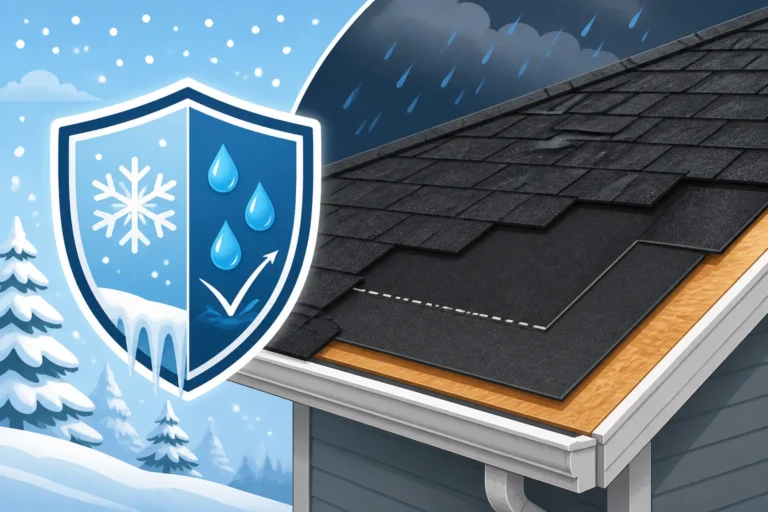
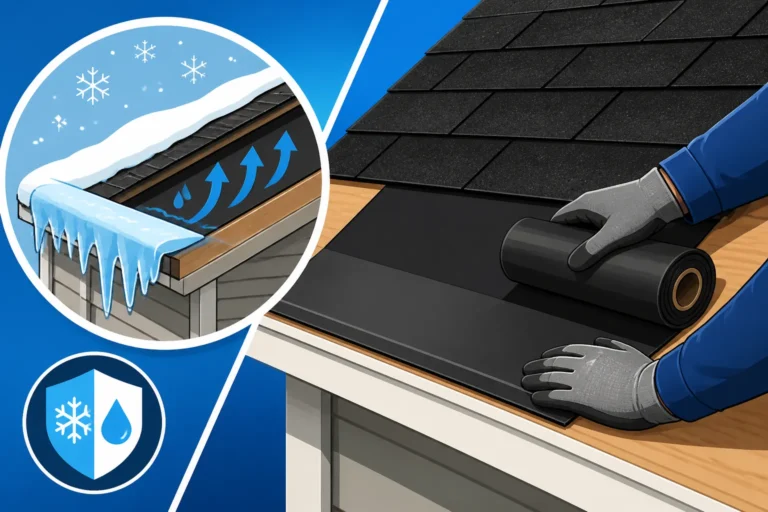
When you install a full Tamko roofing system—meaning you use Tamko shingles, Tamko underlayment (like their Tamko Moisture Guard Plus), and Tamko starter and ridge products—you often qualify for enhanced warranty protection. This is because the manufacturer knows that all components are designed to work together seamlessly, maximizing the roof's durability and weather resistance. For example, using a compatible underlayment is key to how shingles protect against water, creating a critical secondary barrier. This system approach not only helps your roof perform better against the elements but also often unlocks longer non-prorated periods or more comprehensive coverage for labor costs in the event of a material defect. It demonstrates to the manufacturer that you've invested in their entire ecosystem, and they, in turn, offer greater assurance. Always discuss the benefits of a complete system with your chosen roofing contractor, as they can help you understand these advantages and guide you through the process, potentially finding you better deals on quality materials through their partnerships with suppliers. Many reliable contractors you find through services like Modernize will emphasize the importance of using a complete system for optimal performance and warranty benefits.
Navigating Coverage, Claims, and Transfers
Even with the best materials and installation, life happens. Understanding the specifics of what your Tamko warranty actually covers, how to go about making a claim, and what to do if you sell your home are all critical pieces of the puzzle. This knowledge empowers you to confidently assert your rights as a homeowner and ensure you get the protection you're entitled to.
Dealing with a potential roof issue can be stressful enough without the added confusion of deciphering warranty terms. This section aims to demystify the process, from identifying issues that might fall under warranty to the practical steps of filing a claim. It's about turning that complicated fine print into actionable information that helps you navigate potential problems with ease.
What's Covered and For How Long
Tamko's warranties are generally quite specific about what constitutes a "manufacturing defect." This typically includes things like premature granule loss beyond a certain acceptable level, which can reduce the shingle's protection against UV rays and impact. Another common defect covered is delamination, where the layers of the shingle separate. Serious cracking or blistering that occurs uniformly across the roof and isn't attributable to environmental factors or foot traffic might also be covered. The key here is "manufacturing defect" – the issue must originate from how the shingle was made, not how it was treated or installed.
The duration of coverage depends on your specific shingle type, as we discussed earlier. The "Full Start" or non-prorated period is where you receive the most comprehensive coverage, often including the cost of replacement materials and the reasonable cost of labor to install them. Once this period ends, the warranty typically becomes prorated, meaning Tamko will cover a percentage of the material cost based on how much life is estimated to be left in the shingle. For example, if your 30-year warranty is prorated after 10 years, and a defect appears in year 15, Tamko might cover 50% of the shingle material cost. These terms are crucial when deciding if when a roof repair is a waste of money, because if your roof is past its full coverage period, the financial benefit of a warranty claim diminishes significantly. Always keep a copy of your specific Tamko warranty document, as it outlines these details explicitly.
Making a Warranty Claim: Step-by-Step
If you suspect your Tamko shingles are experiencing a manufacturing defect, the process of making a claim can feel daunting, but it's manageable if you follow a clear path.
- Document the Issue: As soon as you notice a problem, thoroughly document it. Take clear, well-lit photos and videos from different angles. Note the exact date you observed the issue and any details like the weather conditions at the time. This visual evidence is invaluable.
- Contact Your Installer (Optional but Recommended): Often, your original roofing contractor can provide an initial assessment. They might be able to tell if it's an installation issue (which they might be liable for under their workmanship warranty) or a potential material defect. They can also assist with the claim process, as they are familiar with the products. Many homeowners start with a contractor found through platforms like Modernize.
- Notify Tamko: You'll need to formally notify Tamko of the claim. Their website usually has a dedicated section for warranty claims, or you can call their customer service number. Be prepared to provide your personal details, the installation date, the specific Tamko shingle product, and a description of the problem, along with your documentation.
- Cooperate with Inspection: Tamko may send a representative or an independent inspector to evaluate your roof. Be cooperative and provide all requested information. The inspector will assess whether the issue is indeed a manufacturing defect or falls under an exclusion.
- Review the Decision: Tamko will inform you of their decision. If the claim is approved, they will outline the coverage, whether it's for materials only or includes labor, and the specific monetary amount or product replacement they will provide. If denied, they will usually explain why. If you feel the denial is unjust, you can typically appeal the decision by providing further evidence or a second professional opinion. Understanding how to get a roofing warranty honored often comes down to clear documentation and persistence.
Transferring Your Tamko Warranty When Selling Your Home
Thinking of selling your house? A transferable roof warranty can be a significant selling point, offering peace of mind to potential buyers. Tamko understands this and generally allows for the transfer of their limited warranties, though there are usually specific conditions and timelines you need to meet.
Typically, Tamko allows a one-time transfer of the remaining warranty coverage to the first subsequent owner of the property. This means if you sell your home, the new buyer can benefit from the unexpired portion of your Tamko shingle warranty. However, this transfer isn't automatic. You, as the original homeowner, are usually required to notify Tamko in writing within a specified period after the sale of the home – often 30 to 60 days. There might also be a small transfer fee involved. Failing to complete the transfer process correctly and within the designated timeframe can result in the warranty becoming void for the new homeowner, effectively eliminating that selling point.
It's important to note that the terms of the transferred warranty might also change slightly. For instance, a "Limited Lifetime" warranty, which usually applies only as long as the original individual homeowner owns the property, often reverts to a standard 30-year or 50-year non-prorated limited warranty for the subsequent owner. Always check your specific Tamko warranty document for the exact transferability clauses and requirements. Providing clear documentation of your roof replacement and the warranty details to potential buyers, along with guidance on how to complete the transfer, can make your home more attractive in the competitive real estate market. This added layer of protection can make a difference in a buyer's decision, just like understanding the roof replacement and home value impact.
Common Warranty Exclusions and What to Watch Out For
Understanding what's not covered by your Tamko warranty is just as important as knowing what is covered. Many homeowners face disappointment when their claim is denied, often because the issue falls under a standard exclusion. These exclusions aren't unique to Tamko; they're common across the roofing industry and are designed to differentiate between manufacturing defects and other types of damage or neglect. Being aware of these common pitfalls can help you maintain your roof properly and manage your expectations.
It’s easy to assume your shingle warranty is an all-encompassing shield for your roof. However, the reality is more nuanced. Manufacturers, including Tamko, draw clear lines between defects they are responsible for and issues that are either environmental, accidental, or a result of homeowner or installer negligence. Recognizing these boundaries upfront is crucial. Knowing what voids a shingle warranty is key to keeping your protection intact.
Acts of Nature and External Damage
This is perhaps the most frequent point of confusion and frustration for homeowners. Your Tamko shingle warranty is a promise about the material's integrity, not its ability to withstand every force of nature or external impact. Therefore, damage caused by "acts of nature" such as hail, high winds (exceeding the shingle's wind rating), hurricanes, tornadoes, lightning, or even extreme ice and snow loads are typically excluded from a manufacturer's material warranty.
For example, if a severe hailstorm rattles through Dallas, Texas, causing widespread dents and granule loss on your Tamko Heritage shingles, this damage would almost certainly fall under your homeowners insurance policy, not Tamko's warranty. The shingles didn't fail due to a manufacturing defect; they were impacted by an external force. Similarly, if a large tree branch falls onto your roof, causing punctures and broken shingles, that's an insurable event, not a warranty claim. It's vital to have robust homeowners insurance to cover these unpredictable events, as relying solely on your shingle warranty for such damages will lead to disappointment. Your insurance policy is your primary defense against sudden and accidental damage, while the Tamko warranty protects against inherent material flaws.
Improper Ventilation and Maintenance Issues
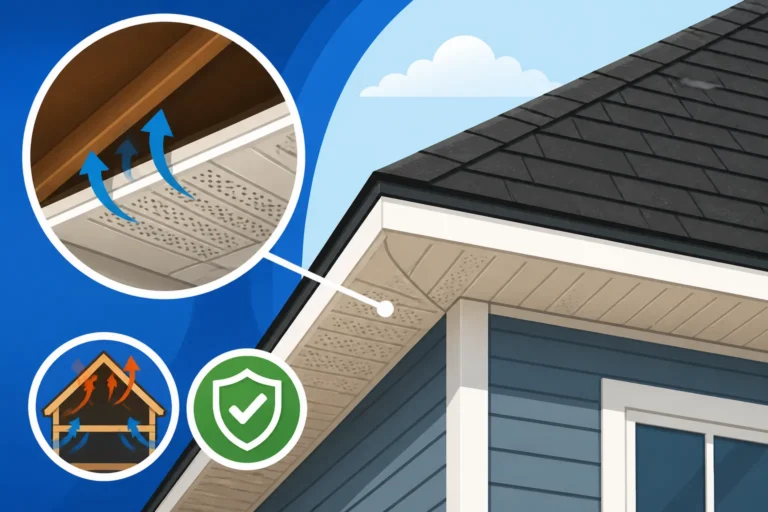
Your roof is part of a larger system, and one of the most critical elements for its longevity and warranty validity is proper attic ventilation. Inadequate ventilation can lead to a host of problems, many of which can prematurely age your shingles and are specifically excluded from Tamko's warranty coverage. If your attic isn't properly vented, trapped heat and moisture can bake the underside of your roof deck and shingles, causing them to curl, crack, or blister prematurely. This isn't a manufacturing defect; it's a consequence of an improperly functioning roof system. This is why knowing how roof ventilation works is so critical for homeowners.
Likewise, neglecting basic roof maintenance can also jeopardize your warranty. While Tamko doesn't expect you to be up on your roof every week, ignoring issues like excessive moss, algae, or debris accumulation can contribute to shingle degradation. For example, if moss growth lifts shingles, allowing water penetration, and you haven't taken steps to clean it, Tamko might argue that the damage wasn't due to a defect but rather a lack of maintenance. While Tamko offers shingles with Algae Relief features that inhibit blue-green algae, extreme or long-term neglect can still cause issues. Regular inspections, clearing gutters, and promptly addressing minor repairs can go a long way in preserving your roof's health and your warranty coverage. A trustworthy contractor like those found on Modernize can perform these routine checks.
Unauthorized Repairs or Alterations
Homeowners are often tempted to tackle small roof repairs themselves, or hire a general handyman for quick fixes. While DIY projects can be rewarding for some home tasks, roofing is generally not one of them, especially when it comes to maintaining your warranty. Tamko's warranties typically include clauses that exclude damage caused by, or resulting from, unauthorized repairs, alterations, or modifications to the roof.
This means if you try to repair a few missing shingles yourself, or if you hire someone who isn't a professional roofer and they inadvertently damage the surrounding shingles or use improper materials, any subsequent issues might not be covered by your Tamko warranty. The same applies to significant alterations like adding skylights, solar panels (without professional removal and reinstallation of shingles, which affects roof replacement cost with solar panels), or other roof penetrations performed incorrectly. These actions can compromise the integrity of the shingle system, introduce new leak points, and ultimately void your manufacturer's warranty for the affected areas, if not the entire roof. Always use a qualified, experienced roofing professional for any repairs or modifications to your Tamko roof to ensure your warranty remains intact.
Disclaimer
Please remember that this article provides general information about Tamko shingle warranties and is not a substitute for reviewing the specific warranty documentation provided by Tamko for your particular product. Warranty terms can vary by product, date of manufacture, and region, and they are subject to change by the manufacturer. Always consult the official Tamko warranty documents and, if necessary, speak with a certified roofing professional or Tamko representative for precise, up-to-date information regarding your roof's coverage.