How Atlas Shingle Warranties Work
Choosing a new roof is a huge decision, and let's be honest, it's a big investment. The last thing you want is to spend all that money only to find yourself scratching your head about what happens if something goes wrong down the line. Understanding your roof's warranty, especially for a prominent brand like Atlas, is absolutely crucial. This guide is here to walk you through the ins and outs of Atlas shingle warranties, helping you feel confident and informed about protecting your home for years to come.
Understanding the Basics of Atlas Shingle Warranties
When you're looking at roofing, the warranty isn't just a piece of paper; it's your peace of mind. It's the manufacturer's promise to stand behind their product. With Atlas, like many major shingle manufacturers, there are different levels of coverage, and it's essential to understand what each one entails.
What is Covered by a Standard Atlas Warranty?
Atlas's standard shingle warranties primarily focus on protecting you from manufacturing defects. Imagine you've just had a beautiful new roof installed, and a year later, you notice a section of shingles is cracking or delaminating prematurely, not because of weather, but because of an inherent flaw in how they were made. That's where a manufacturing defect warranty comes in.
For example, Atlas offers various shingle lines like the popular Atlas Pinnacle® Pristine and StormMaster® Slate. Each shingle line comes with a specific warranty that details the coverage period for material defects. Typically, this includes protection against issues like premature granule loss (beyond normal wear and tear), delamination, or other manufacturing-related failures that compromise the shingle's integrity. These standard warranties usually cover the cost of replacing the defective materials. However, they might not cover the labor costs associated with the removal and reinstallation, especially as the roof ages. This is a common point of confusion for many homeowners, who assume "full coverage" means everything, always. It's not always the case, which is why it's so important to dig into the details.
The Difference Between Prorated and Non-Prorated Coverage
This is perhaps one of the most critical distinctions in any roofing warranty, and Atlas is no exception. Understanding prorated versus non-prorated coverage can save you a significant headache (and a lot of money) if you ever need to file a claim.
- Non-Prorated Coverage: This is the golden standard. During the non-prorated period, if a manufacturing defect occurs, the manufacturer typically covers 100% of the material costs and, in some cases, the labor costs for repair or replacement. This means you don't lose value on your coverage as the roof ages within this specific timeframe. Atlas shingles, especially those part of a complete system and installed by a certified contractor, often come with a substantial non-prorated period, sometimes up to 50 years or even for the lifetime of the original homeowner. This robust initial coverage is a huge benefit, offering genuine peace of mind, especially when you consider that a roof is designed to last for decades. This is one of the key factors that can drive the value of your roof replacement.
- Prorated Coverage: Once the non-prorated period expires, the warranty often shifts to a prorated basis. Under prorated coverage, the manufacturer's responsibility for materials decreases over time. For instance, if your shingles have a 50-year warranty with a 10-year non-prorated period, and a defect appears in year 15, the manufacturer might only cover a percentage of the material cost, calculated based on how much of the roof's expected life has passed. The longer you own the roof past the non-prorated period, the less the manufacturer will pay. This can sometimes lead to significant out-of-pocket expenses for homeowners who weren't aware of this transition. It's truly a scenario where "buyer beware" applies if you don't read the fine print.
Why Workmanship Matters Even with a Manufacturer Warranty
You might think, "If my shingles are covered by a great manufacturer warranty, I'm good, right?" Not entirely. The manufacturer's warranty, like those from Atlas, primarily covers the product itself. It doesn't typically cover issues arising from poor installation. This is where the importance of finding a reputable, experienced roofing contractor truly comes into play.
Imagine this scenario: you've purchased top-of-the-line Atlas Pinnacle® Pristine shingles, which have a fantastic warranty. But if your contractor cuts corners, perhaps uses insufficient nails, installs them improperly around a skylight, or doesn't follow the manufacturer's specific installation guidelines, any resulting leaks or shingle failures would likely not be covered by Atlas. The manufacturer can, and often will, deny a claim if they determine the issue was due to faulty installation rather than a product defect. This is a common and frustrating situation for homeowners who assume their warranty is a blanket protection. This is why when you're comparing bids, it's not just about the cheapest price; it's about the quality of the installation and the contractor's own workmanship warranty. Reputable contractors understand that their expertise is key, and they'll offer their own guarantee on their work, often for several years. Asking about a contractor's workmanship warranty is one of the important questions to ask a roofing contractor before hiring.
Diving Deeper: Atlas Enhanced Warranty Programs
Atlas doesn't just offer standard product warranties; they also have comprehensive system warranties that provide significantly more protection when you invest in their complete roofing system. These enhanced warranties are where you truly unlock the full potential of your roofing investment.
The Atlas Signature Select® Roofing System
The Atlas Signature Select® Roofing System is more than just shingles; it's a complete, integrated approach to roofing. This system includes Atlas shingles, underlayment (like Summit® 60 or Alpine® 40), hip and ridge shingles, and often a starter strip. When all these components are installed together by a certified Atlas contractor, you become eligible for an enhanced warranty that goes above and beyond the standard product coverage.
This integrated system is designed to work together, creating a robust, weather-resistant barrier for your home. By ensuring every layer, from the underlayment to the final ridge cap, is an Atlas product and installed correctly, the company can offer a much stronger guarantee. It's similar to how car manufacturers give a better warranty when you use all their recommended parts and certified service centers. It builds confidence that the system will perform as intended because all components are engineered to be compatible and optimized for maximum performance and longevity.
Benefits of Upgrading to an Enhanced Warranty
Opting for an Atlas enhanced warranty through the Signature Select® Roofing System brings several significant advantages that a basic shingle warranty just can't match.
One of the biggest benefits is the extended non-prorated period. While a standard shingle might have a shorter non-prorated phase, an enhanced warranty can extend this to 50 years, or even a lifetime for the original homeowner. This means that for a much longer time, you're protected against manufacturing defects without worrying about the value of your coverage diminishing.
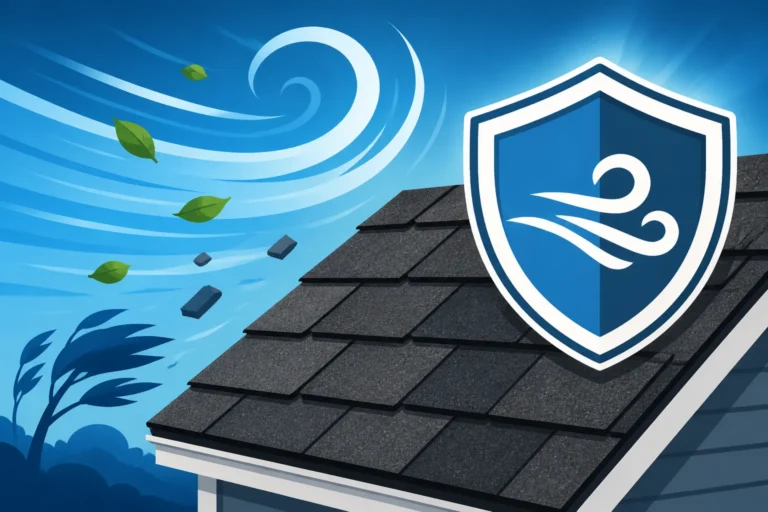
Another key advantage is superior wind resistance coverage. Many standard warranties cover shingles up to a certain wind speed, but in areas prone to severe weather, that might not be enough. Atlas's enhanced warranties, especially with their HP4M™ technology and four-nail per shingle installation guidelines, can offer wind coverage up to 130 mph with no maximum wind speed warranty for certain products when installed as part of the Signature Select® system. This is a massive boost for homeowners in regions that experience strong winds or even hurricanes, like coastal Florida or parts of Texas. Knowing your roof can stand up to extreme conditions and is backed by such a strong warranty is incredibly reassuring.
Furthermore, enhanced warranties often include coverage for labor and disposal costs, which is a significant departure from basic material-only warranties. If a defect occurs during the extended non-prorated period, Atlas may cover not just the new shingles, but also the cost to remove the old ones and install the new ones. This eliminates a huge potential out-of-pocket expense for the homeowner. They also often provide "non-prorated material and labor coverage with removal and disposal for up to 50 years," which is the gold standard of protection.
Here's a quick comparison of typical Atlas warranty features:
| Feature | Standard Shingle Warranty (Example) | Atlas Signature Select® Enhanced Warranty |
|---|---|---|
| Material Defects | Covered (Prorated after initial term) | Covered (Extended Non-Prorated Period) |
| Workmanship | Not covered | Covered (by contractor, often backed by Atlas) |
| Non-Prorated Period | Shorter (e.g., 5-10 years) | Longer (e.g., 50 years, Lifetime for original owner) |
| Wind Resistance | Standard (e.g., 60-110 mph) | Enhanced (e.g., 130 mph, no max wind speed for HP4M™ products) |
| Labor Costs | Generally not covered | Often included during non-prorated period |
| Disposal Costs | Generally not covered | Often included during non-prorated period |
| Algae Resistance | Specific shingle lines | Broader coverage with Scotchgard™ Protector |
| Transferability | Limited | Often easier to transfer to new owner |
This table clearly illustrates why investing in the full system and the associated enhanced warranty makes a lot of sense for long-term peace of mind and protection.
How to Ensure You Qualify for the Best Coverage
To take advantage of Atlas's most comprehensive warranties, there are a few key steps you need to follow diligently. Skipping these steps could inadvertently limit your coverage or even void parts of your warranty.
First and foremost, you must choose an Atlas-certified contractor. Atlas has programs for roofers who meet specific training and installation standards. These certified contractors are trained on the proper installation of the entire Atlas Signature Select® Roofing System. This ensures that the installation meets Atlas's stringent requirements, which is a prerequisite for the enhanced warranties. You can often find certified contractors through platforms like Modernize, which can connect you with pre-screened professionals who understand these detailed manufacturer requirements.
Secondly, you need to install the complete Atlas Signature Select® Roofing System. This means using Atlas shingles, Atlas underlayment, Atlas starter strips, and Atlas hip and ridge caps. Using a mix-and-match approach with products from different manufacturers will likely disqualify you from the top-tier warranty coverage. The system is designed to perform as a cohesive unit, and introducing non-Atlas components can compromise that integrity.
Finally, and perhaps most importantly, you must register your warranty after installation. This isn't automatic! Your contractor should guide you through this process, but as the homeowner, it's ultimately your responsibility to ensure it's done. Registration typically involves filling out a form, either online or by mail, with details about your new roof and the certified contractor who installed it. Failing to register your warranty can mean that even if you have a claim, the manufacturer might have no record of your enhanced coverage, leaving you with only the basic product warranty, or worse, no coverage at all. Make sure to keep all your paperwork, including the contract, proof of purchase, and the warranty registration confirmation.
Navigating the Warranty Process and Protecting Your Investment
Even with the best products and installation, understanding how to manage your warranty and what to do if an issue arises is vital. It's not just about having the warranty; it's about knowing how to use it.
Registering Your Atlas Warranty
As we touched on, registering your warranty is a non-negotiable step. Think of it like buying a new appliance; you might get a basic warranty automatically, but to get extended coverage or activate certain benefits, you often have to register it. The same principle applies here.
Your Atlas-certified contractor should provide you with the necessary forms and information for warranty registration. Many contractors will even handle the registration on your behalf as part of their service, but it's crucial to confirm this and get proof of registration. Typically, you'll need to provide your name, address, installation date, the contractor's information, and details about the Atlas products installed. Most manufacturers offer an online registration portal, which is usually the quickest and most efficient way to get it done. Don't procrastinate on this; there's usually a timeframe within which registration must occur (e.g., 60 days after installation) to activate the full benefits. Once registered, you should receive a confirmation or a copy of your official warranty document. Keep this in a safe place with your other important home documents. This process is similar to how you would register for other manufacturer warranties.
What Can Void Your Atlas Shingle Warranty
This is a critical section that many homeowners overlook, often to their detriment. Several actions, or inactions, can inadvertently void or severely limit your Atlas shingle warranty. Being aware of these can save you from a very unwelcome surprise down the road.
One of the biggest culprits is improper installation. As mentioned before, if the shingles aren't installed according to Atlas's strict guidelines – for example, if the nailing pattern is incorrect, if flashings are done poorly, or if the roof pitch requirements aren't met – then any failure resulting from this poor workmanship can void the manufacturer's warranty on those specific components. This underscores why hiring a certified, reputable contractor is paramount.
Another common issue is altering the roof after installation. This could include things like installing solar panels without proper care, adding a satellite dish, or making repairs using non-compatible materials or unqualified personnel. If these alterations damage the shingles or the underlying roofing system, Atlas could argue that the damage wasn't due to a manufacturing defect but rather an external factor introduced after installation. It's always best to consult with your original roofing contractor or another certified professional before making any significant changes to your roof.
Neglecting proper maintenance can also be a factor. While shingles are durable, they aren't maintenance-free. Allowing excessive debris buildup, moss, or algae growth (unless your shingles specifically have a strong algae resistance warranty like Scotchgard™ Protector), or failing to address minor issues promptly can sometimes be cited as contributing factors to premature failure, potentially limiting warranty coverage. Regular roof inspections, perhaps every 3-5 years, can help identify and address issues before they become warranty-voiding problems. For more detail, learn about what voids a shingle warranty.
What to Do If You Need to File a Warranty Claim
Finding an issue with your roof and thinking you might need to file a warranty claim can be stressful. But don't panic! Here's a step-by-step approach to navigate the process effectively:
- Document Everything: As soon as you notice an issue, start documenting. Take clear photos and videos of the damage. Note the date you discovered the problem. If you suspect a leak, document any interior damage as well. The more evidence you have, the better.
- Contact Your Contractor First: If the issue appears to be related to installation, your first call should be to the contractor who installed your roof. Many reputable contractors offer their own workmanship warranty, which might cover labor and material replacement for a certain period. They can often diagnose the problem and rectify it much faster than going directly through the manufacturer.
- Review Your Warranty Documentation: Before contacting Atlas directly, pull out your warranty documents. Re-read them carefully, paying close attention to the specific terms, coverage periods (especially non-prorated vs. prorated), and the claims process outlined by Atlas. This will help you understand what you're entitled to and prepare for the conversation.
- Initiate a Claim with Atlas: If your contractor is unable to resolve the issue (or if it's clearly a material defect), contact Atlas's customer service or warranty department. They will guide you through their specific claims process, which will likely involve submitting your documentation, details of the installation, and potentially a visit from an Atlas representative or a third-party inspector. Be prepared to provide all the information you gathered in step 1.
- Be Patient and Persistent: Warranty claims can sometimes take time to process, especially if an inspection is required. Follow up politely but persistently, ensuring you keep a record of all communications, including dates, names of people you spoke with, and what was discussed.
- Understand the Outcome: Atlas will inform you of their decision. If the claim is approved, they will detail what is covered (materials, labor, disposal, etc.) and the next steps. If denied, they should provide a reason. If you disagree with the denial and believe the evidence supports your claim, you might be able to appeal the decision, though this can be a more involved process. Knowing how to get a roofing warranty honored can feel like a labyrinth, but taking these steps will give you the best chance.
Comparing Atlas Warranties to Other Brands
When you're making a significant investment in a new roof, it's natural to compare options. Atlas isn't the only player in the asphalt shingle market, and understanding how their warranties stack up against competitors like GAF, Owens Corning, and CertainTeed can help you make an informed decision.
Key Differences in Coverage and Terms
While all major manufacturers offer comprehensive warranties, the nuances in their coverage, especially concerning non-prorated periods, wind ratings, and system-level protection, can vary significantly.
- Non-Prorated Period: Atlas, with its Signature Select® system, offers very competitive non-prorated periods, often for 50 years or even a lifetime for the original homeowner, which includes materials, labor, and disposal. Brands like GAF (e.g., with their Golden Pledge® Warranty via a Master Elite Contractor) and Owens Corning (with their Platinum Protection Limited Warranty via a Platinum Preferred Contractor) also offer similar robust "lifetime" (50-year) non-prorated coverage on their complete systems. CertainTeed's SureStart™ Plus coverage also provides extended non-prorated periods. The key is always to check the length of that non-prorated period and what it includes (materials, labor, tear-off, disposal).
- Wind Resistance: Atlas stands out with its HP4M™ (High-Performance Four-Mile) technology and certain products offering no maximum wind speed limited warranty when installed correctly. This is a very strong offering, especially in storm-prone regions. Competitors also have excellent wind ratings, with many systems offering 130 mph wind resistance, but few explicitly state "no maximum wind speed." This specific wording can be a differentiator for Atlas.
- Algae Resistance: Many Atlas shingles incorporate Scotchgard™ Protector by 3M, which is renowned for its algae-resistant properties, often backed by a 20-year warranty. Other brands use copper granules or other proprietary methods for algae resistance, which also work effectively. If you live in a humid climate where black streaks (algae) are common, the strength and duration of the algae resistance warranty can be a significant factor.
- Workmanship Coverage: This is where the certified contractor programs shine. Atlas, GAF, Owens Corning, and CertainTeed all offer enhanced workmanship coverage through their certified contractor networks. This means if you hire a contractor certified by these brands, the manufacturer may back the contractor's workmanship warranty for an extended period, providing an extra layer of protection beyond the contractor's own guarantee. This is a huge benefit because, as we discussed, installation errors are not typically covered by a standard manufacturer product warranty.
Ultimately, the "best" warranty depends on your specific needs, location, and the product lines available to you. Always request detailed warranty information from your chosen contractor and compare it thoroughly across different brands and their certified installation systems. When you're looking at different roofing estimates, make sure the warranty details are clearly outlined, so you can make a truly informed decision about your home's protection.
Disclaimer
The information provided in this article is for general informational purposes only and does not constitute professional roofing or legal advice. Warranty terms and conditions can change, and specific coverage may vary based on your location, the specific Atlas products purchased, and the details of your installation. Always consult the official Atlas warranty documentation provided with your product and installation, and speak with a certified roofing professional for advice tailored to your specific situation.