Roof Installation in Hot Weather
Extreme hot weather creates unique challenges for asphalt shingle installation, worker safety, and material performance during roofing projects.
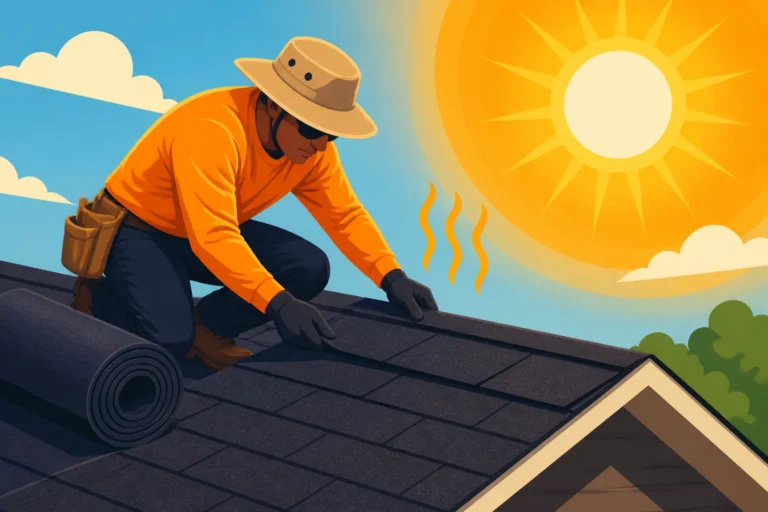
Extreme hot weather creates unique challenges for asphalt shingle installation, worker safety, and material performance during roofing projects.
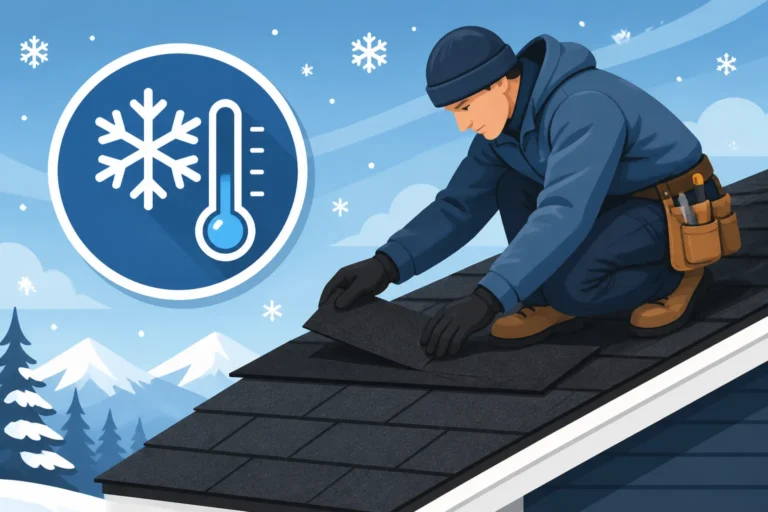
Cold weather roof installation requires specialized materials, careful shingle handling, and adjusted adhesive techniques to prevent leaks.
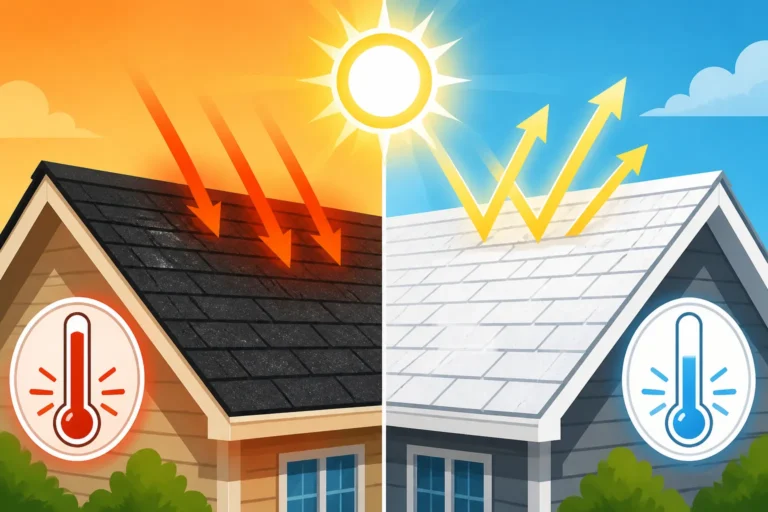
Roof colors affect temperature by absorbing or reflecting solar radiation, which directly impacts home cooling and heating costs.
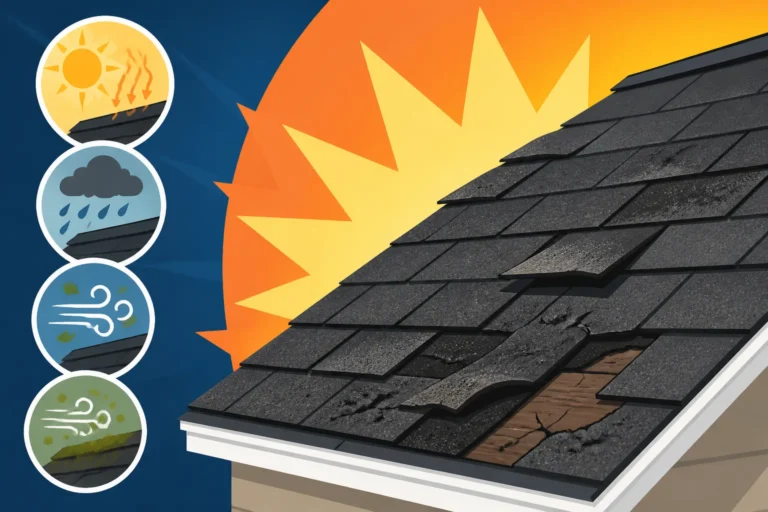
Improper installation errors, extreme weather events, and inferior shingle composition cause asphalt roofs to fail prematurely.
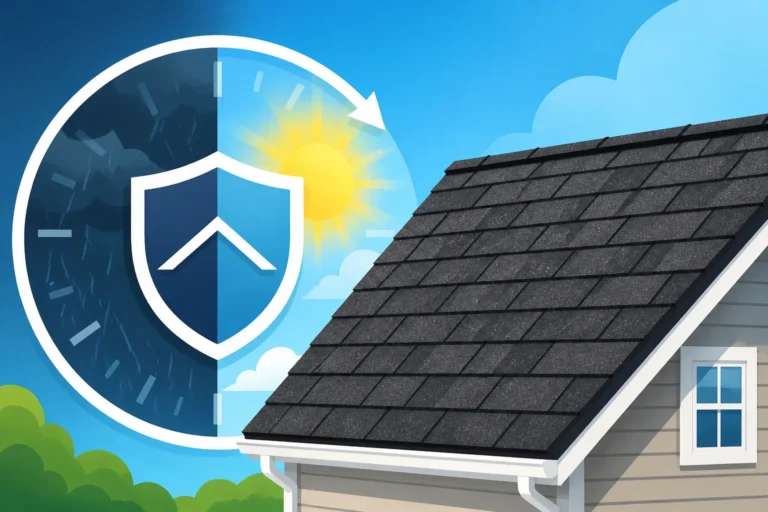
Asphalt shingle lifespans generally range from fifteen to thirty years, depending heavily on local climate and shingle types.
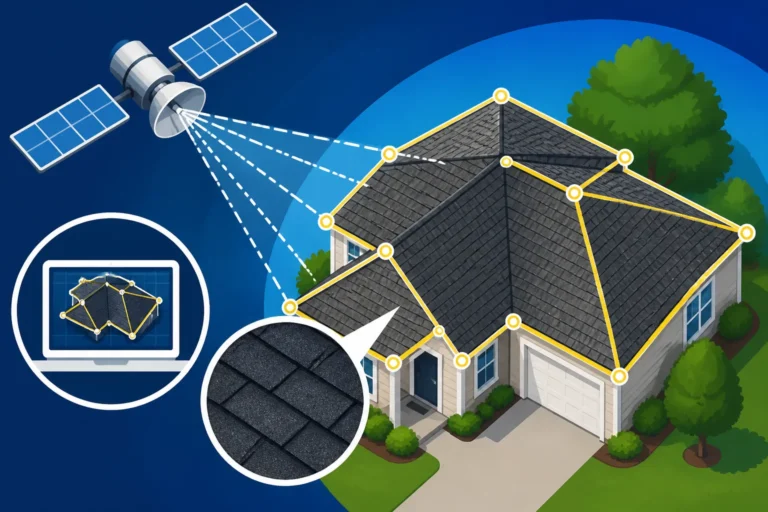
Satellite roof measurement uses high-resolution aerial imagery and software algorithms to generate precise three-dimensional models of roofs.
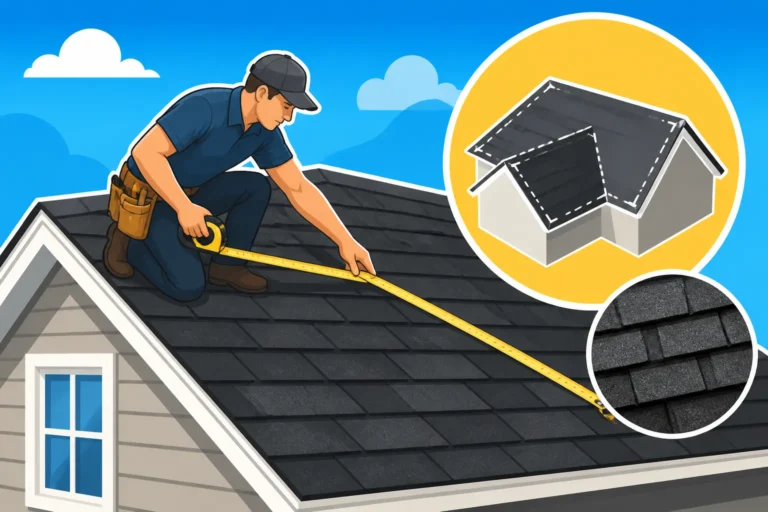
Accurate roof measurement prevents costly material waste, ensures fair labor estimates, and streamlines every roofing project.
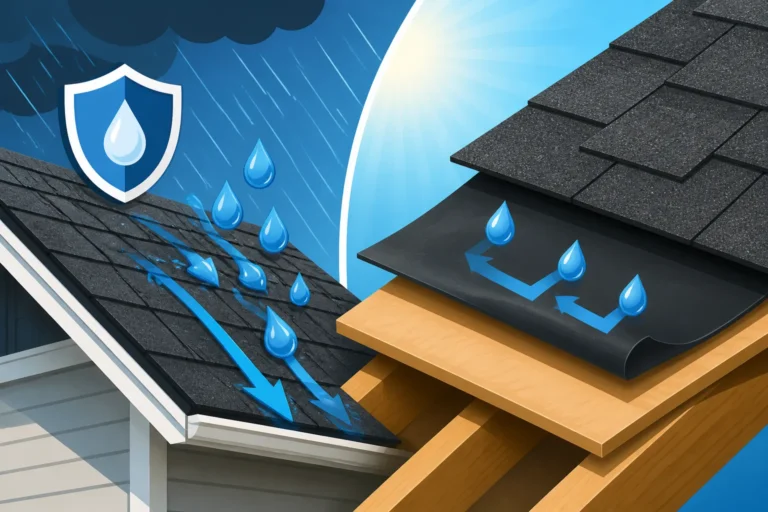
Roofing underlayment acts as a secondary waterproof barrier that protects your home and roof deck from water leaks during storms.
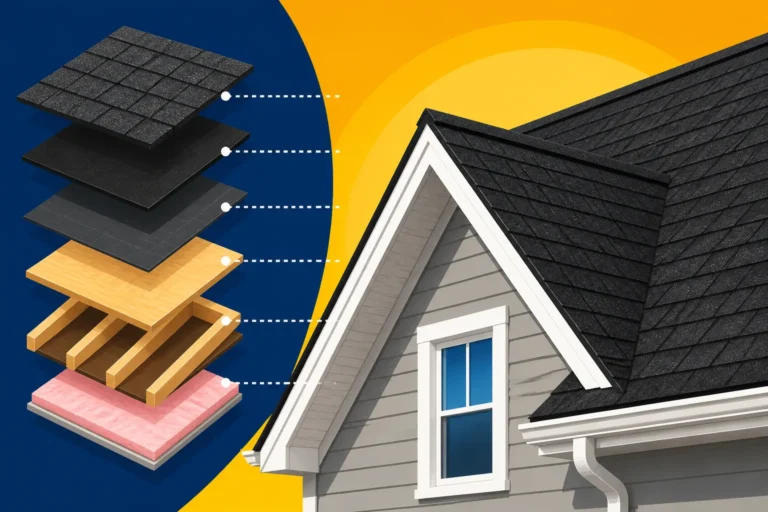
Roof components and installation, including shingles, underlayment, flashing, and ventilation, explained for homeowners.
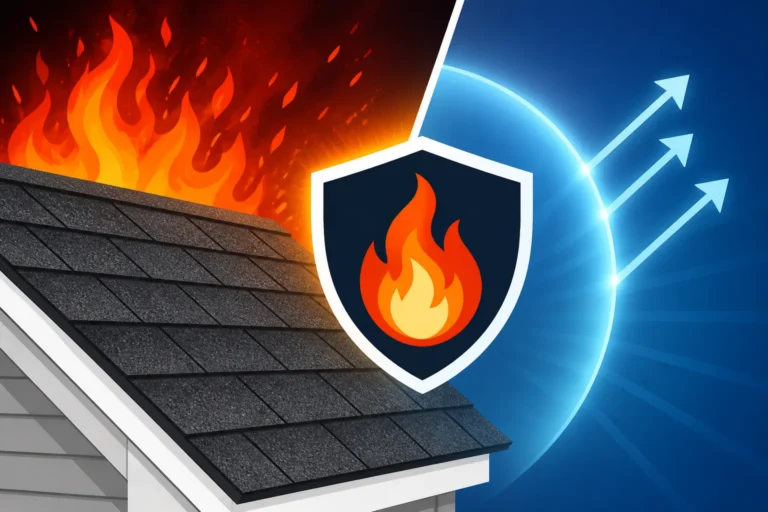
Asphalt shingle fire ratings use the A, B, and C classification system to measure external fire resistance and performance.