Roof Installation in Hot Weather
Installing a new asphalt shingle roof can be a complex undertaking, but when the scorching summer sun beats down, it adds an entirely new layer of challenges. Homeowners often worry about how the extreme heat will impact the longevity of their new roof, the safety of the workers, and the overall quality of the installation. This comprehensive guide is designed to demystify the process of roof installation in hot weather, shedding light on the unique considerations, best practices, and what you, as a homeowner, need to know to ensure a successful project.
Why Hot Weather Poses Unique Challenges for Roof Installation
When temperatures soar, the environment on a rooftop becomes incredibly harsh, creating a unique set of challenges that can impact both the materials and the crew. Understanding these challenges is the first step in ensuring your roofing project proceeds smoothly and effectively. It’s not just about discomfort; it’s about the very integrity of your new roof.
Impact on Roofing Materials
Extreme heat can dramatically alter the physical properties of asphalt roofing materials, making them harder to work with and potentially compromising their long-term performance. It's a delicate balance to get everything just right when the mercury climbs.
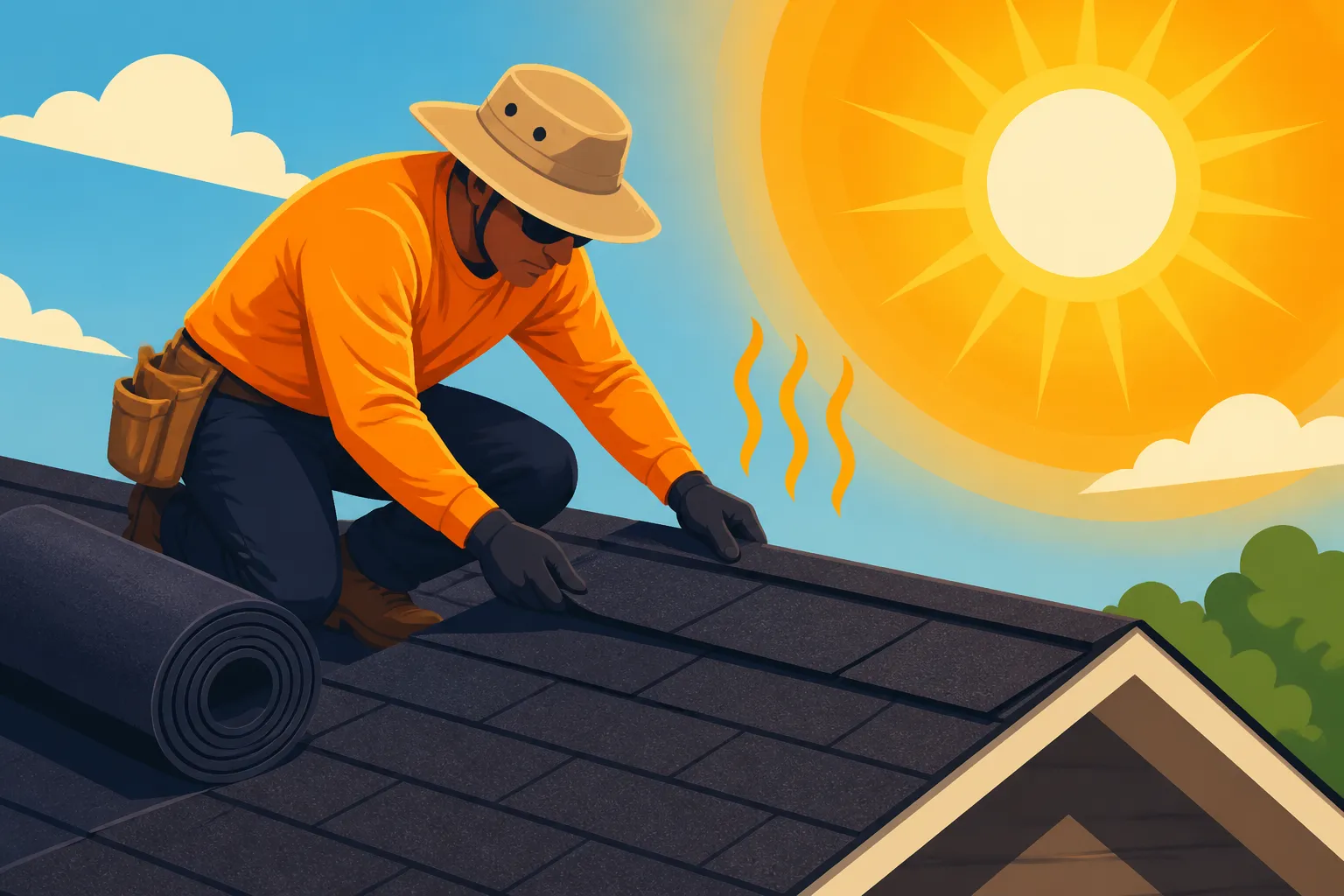
Asphalt shingles, for instance, are designed to be somewhat pliable, allowing them to conform to the roof deck and seal properly over time. However, in intense heat, they can become excessively soft and almost rubbery. This pliability, while sometimes beneficial for initial adhesion, makes them incredibly vulnerable to damage during handling and installation. Imagine a roofer trying to walk across a deck covered in softened shingles; each step can leave scuffs, indentations, or even crack the shingle's mat if twisted. Nails might embed too deeply, or worse, tear through the softened material, reducing the shingle's wind resistance. The self-sealing adhesive strips on the underside of shingles, which activate with the sun's heat to bond layers together, can become hyper-active too quickly, leading to premature sealing before they are properly aligned, or even bonding to unintended surfaces. This rapid activation can be tricky for roofers who need to slide shingles into place accurately. You can learn more about How Shingle Sealant Strips Activate and why precise application is key, especially in varying temperatures.
Beyond the shingles, the underlayment and various sealants and adhesives used in a complete roofing system are also susceptible to heat's effects. Synthetic underlayments, while generally more robust, can become slick or develop wrinkles if exposed to direct, intense sun for too long before shingle installation. Traditional felt underlayment, on the other hand, can become brittle and crack, or conversely, overly flexible and prone to tearing. Flashings, such as those around chimneys or in valleys, made of metal can become incredibly hot, making them a burn hazard for installers. Even the caulks and sealants used around penetrations can cure far too rapidly in high temperatures, leaving little time for adjustment and potentially resulting in a weaker, less watertight seal if not applied with speed and precision.
Risks to Roofing Crew Health and Safety
The physical demands of roofing are immense on any given day, but when combined with extreme heat, the job becomes significantly more hazardous for the crew. These aren't just minor inconveniences; they're serious health and safety concerns that contractors must actively manage.
The most immediate and pervasive risk is heat-related illness. Working under the direct sun, often on a dark, heat-absorbing roof surface, can quickly lead to dehydration, heat exhaustion, and in severe cases, life-threatening heatstroke. Roofers are constantly moving, lifting heavy bundles of shingles, and operating power tools, all of which elevate body temperature. Symptoms like dizziness, nausea, headaches, and muscle cramps are common warning signs. Reduced physical and mental alertness due to heat fatigue can also increase the risk of accidents, falls, or mistakes in installation, compromising the quality of the work and the safety of the team. A reputable roofing company will have strict protocols in place to mitigate these risks, understanding that a healthy crew is a productive and safe crew.
Furthermore, the materials themselves become a source of danger. Dark-colored asphalt shingles, especially newer architectural styles, can absorb solar radiation and reach temperatures well over 150 degrees Fahrenheit, even exceeding 180 degrees on a 90-degree day. Metal components like flashing and drip edge can become similarly hot, posing a significant burn risk upon contact. Tools left in the sun can also become too hot to handle. Contractors should provide appropriate personal protective equipment (PPE), including gloves, long sleeves, and safety glasses, to protect against these thermal hazards. Taking frequent, shaded breaks, ensuring constant hydration, and rotating tasks to minimize direct sun exposure are not just recommendations but essential practices for any responsible roofing crew working in hot weather.
Preparing Your Home and Property for Hot Weather Roofing
A successful roofing project in hot weather isn't just about what happens on the roof; it also involves thoughtful preparation of your surrounding property. Extreme temperatures can amplify potential damage risks, making pre-job precautions even more critical for homeowners.
Protecting Landscaping and Exterior Elements
The challenges of roofing in the heat extend beyond the roof itself, impacting your yard and the exterior of your home. High temperatures, combined with the nature of roofing work, demand careful attention to protecting your property.
Standard practice for roofers includes laying down tarps to catch debris, but in scorching heat, these tarps can become a double-edged sword. While effective at collecting nails and shingle scraps, black or dark-colored tarps absorb sunlight and can superheat the ground beneath them. If left in place for extended periods, especially over delicate plants, flowers, or even sections of your lawn, this concentrated heat can scorch and kill vegetation surprisingly quickly. Imagine a homeowner in Phoenix, Arizona, having their prized rose bushes wither under a tarp in a single afternoon. It's a real concern. Discuss with your contractor about using lighter-colored tarps or adjusting their placement frequently to avoid prolonged heat exposure for your landscaping. You can also explore How Roofers Protect Your Yard During a Job for more insights on what to expect.
Beyond the heat, the dry conditions often associated with hot weather mean that dust and debris can become more pervasive. Shingle granule loss, saw dust from cutting roof decking, and general construction dust can spread further on dry, windy days. This dust can settle on outdoor furniture, vehicles, and even seep into open windows if not properly sealed. Furthermore, the intense heat can make certain exterior materials more vulnerable to accidental damage. Vinyl siding, for instance, can warp or melt if exposed to direct heat from a roofer's torch (used for certain types of flashing or repairs) or even from excessively hot shingle scraps falling against it. Plastic lawn ornaments, garden hoses, and even pool covers can be susceptible to melting or damage from dropped hot materials. Before the crew arrives, homeowners should consider moving sensitive items, ensuring windows are closed, and discussing specific concerns about vulnerable landscaping or siding with their roofing contractor.
Ensuring Proper Material Storage and Handling
The integrity of your new roof begins long before the first shingle is nailed down. How materials are stored and handled, particularly in hot weather, plays a crucial role in their performance and your roof's longevity.
Improper storage of shingles can lead to significant problems. Shingle bundles, often stacked on pallets, can become soft and stick together if left in direct sunlight on hot pavement for too long. Imagine trying to separate individual shingles from a melted block – it's not only frustrating for the crew but can also damage the shingles, leading to tearing or granule loss even before installation. To prevent this, reputable contractors will ensure shingles are delivered and stored in a shaded area, if possible, or covered with breathable tarps to reduce direct solar exposure. They might also keep the bundles slightly elevated off hot surfaces to allow for air circulation. Staging shingles on the roof itself also needs careful consideration; leaving large stacks of shingles baking in the sun for hours can cause them to soften, making them more difficult to handle without damage and prone to scuffing once laid.
Other materials, like rolls of underlayment, adhesive cartridges, and flashing materials, also require mindful handling in the heat. Adhesive tubes, if overheated, can become too viscous or cure prematurely, making proper application impossible. Rolls of synthetic underlayment can unroll too quickly and become difficult to manage if their core softens, or they can become excessively sticky, adhering to themselves before installation. Metal flashing should be handled with caution due to high surface temperatures. A professional crew will typically bring materials onto the roof in smaller, manageable batches, prioritizing shaded areas for temporary staging, and following manufacturer recommendations for storage temperature ranges. This diligent approach to material handling ensures that every component of your roofing system is in optimal condition for installation, regardless of the challenging weather conditions.
Key Considerations for Shingles and Underlayment in the Heat
When the sun is blazing, the very components of your roof system, particularly shingles and underlayment, need special attention. Their interaction with high temperatures can influence both the installation process and the long-term performance of your roof.
Choosing the Right Shingle Type for Your Climate
Not all asphalt shingles are created equal, especially when it comes to resisting the relentless assault of extreme heat. Making an informed choice about shingle type can have a profound impact on your home's energy efficiency and your roof's lifespan.
For homeowners in consistently hot climates like Texas or Florida, or those experiencing increasingly severe summer heatwaves, the choice of shingle color and type becomes paramount. Lighter-colored shingles naturally absorb less solar radiation than darker ones, keeping the roof surface and, consequently, your attic cooler. This isn't just an aesthetic choice; it translates directly into lower air conditioning bills and less stress on your HVAC system. Beyond color, specialized "cool-roof" shingles are designed with granules that reflect more sunlight and absorb less heat. These are often Energy Star rated and can significantly reduce the transfer of heat into your attic. You can delve deeper into Cool-Roof Shingles Explained to understand how they work and if they're a good fit for your home. While often carrying a slightly higher upfront cost, the long-term energy savings and potential extended roof life can make them a worthwhile investment.
Many leading manufacturers, such as GAF and Owens Corning, offer advanced shingle lines that are engineered to withstand harsh weather conditions, including extreme heat. These may feature enhanced granule adhesion to prevent premature granule loss from heat exposure, or stronger mats to resist softening and scuffing during hot installations. When discussing your roofing options with a contractor, it's crucial to inquire about shingles specifically designed or recommended for hot climates. A good contractor will understand the local climate challenges and guide you towards products that offer superior heat resistance and durability, ensuring your investment stands up to the local weather patterns for years to come.
Underlayment Selection and Installation in High Temperatures
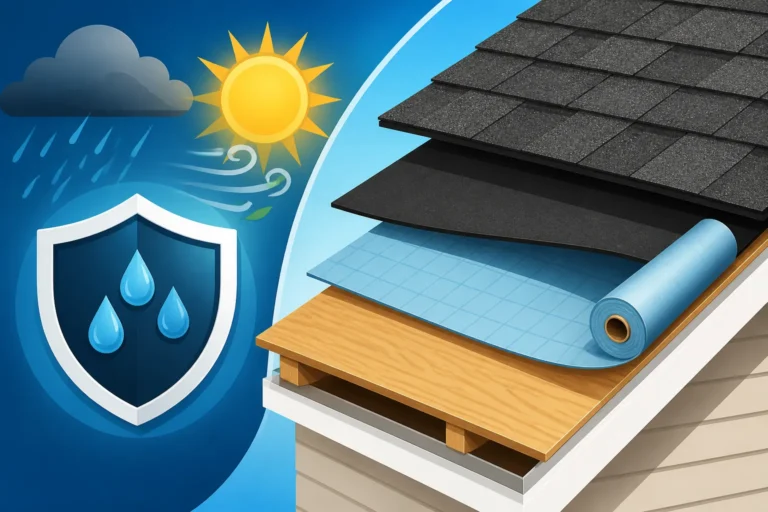
Underneath your shingles lies the underlayment, a critical protective layer that shields your roof deck from moisture. Its performance during a hot weather installation, and throughout its life, is significantly affected by high temperatures.
When it comes to underlayment, synthetic and felt options each react differently to intense heat. Traditional asphalt-saturated felt paper can become brittle and crack when exposed to extreme UV and heat, especially if left uncovered for too long. Conversely, it can also become very pliable and wrinkle if not installed tautly, creating an uneven surface for shingles. Synthetic underlayments, generally made from woven polypropylene or polyester, tend to be more resilient in varying temperatures. They are less prone to wrinkling, tearing, or becoming brittle, making them a more stable substrate for shingle application in hot conditions. Many synthetic underlayments also offer better traction for roofers, which is an important safety consideration on a hot, potentially slippery roof. Learning about the Synthetic vs Felt Underlayment Cost can help you understand the potential investment for this critical layer.
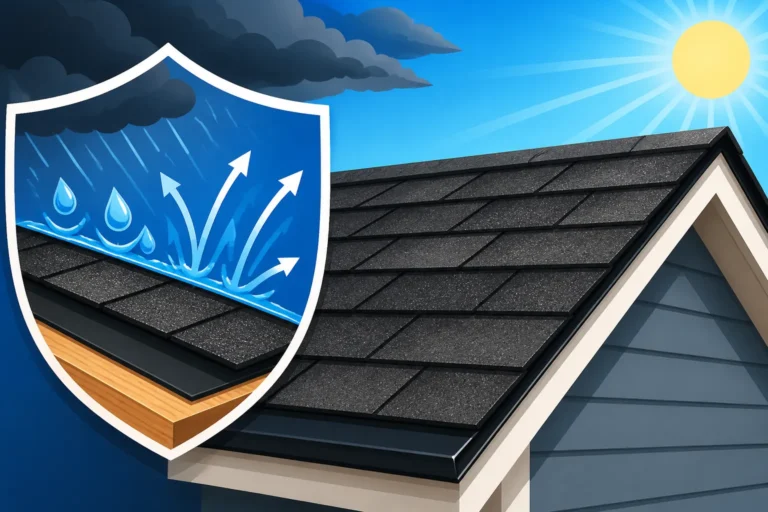
Ice and water shield, a self-adhering modified bitumen membrane typically installed at eaves, valleys, and around penetrations, is particularly sensitive to heat. While its adhesive backing is designed to bond aggressively, in extreme heat, it can become so sticky that it's difficult to handle without it folding in on itself or adhering to unintended surfaces. Once it touches, it's often difficult to reposition without damaging the material. This requires meticulous care and often a two-person team to install smoothly and without wrinkles or air pockets, which could compromise its effectiveness. The intense sun can also cause the surface of ice and water shield to become extremely hot, creating a burn hazard for installers. Proper planning, efficient installation, and minimizing its exposure time to direct sun are key strategies to ensure this vital component performs as intended, providing an extra layer of waterproofing where your roof needs it most.
Installation Best Practices for Roofing in Hot Climates
Successfully installing a roof in hot weather demands more than just hardy materials; it requires a strategic approach to scheduling, meticulous attention to adhesion, and a comprehensive understanding of how heat interacts with the entire roofing system.
Scheduling and Workload Management
The blazing sun doesn't just make work uncomfortable; it dictates how and when roofing crews can safely and effectively do their job. Smart scheduling is paramount to protecting both the workers and the quality of the installation.
One of the most effective strategies for roofing in hot climates is an early start. Many professional roofing companies in areas like Arizona or Florida will begin work at dawn, often as early as 5 or 6 AM, to take advantage of the cooler morning temperatures. This allows the crew to complete a significant portion of the tear-off and initial shingle laying before the sun reaches its peak intensity in the late morning and early afternoon. By maximizing these cooler hours, workers are more productive, less prone to heat-related fatigue, and the materials are more cooperative. Often, these early starts mean longer, more frequent breaks as the day heats up, or even a shorter workday overall, with crews knocking off by early afternoon when temperatures become unbearable. This method, while sometimes meaning the project takes slightly longer in calendar days than a cooler-weather install, ensures safety and quality remain uncompromised. For a broader perspective on project duration, you might be interested in How Long a Roof Replacement Takes.
Workload management also extends to crew rotation and task distribution. Instead of having one team performing all tasks throughout the day, a smart contractor might rotate workers between more physically demanding tasks (like tear-off or carrying materials) and lighter duties, or rotate them into shaded breaks more frequently. This helps prevent any single individual from becoming overexposed or overly fatigued. Having sufficient manpower is also crucial, as a larger crew can complete tasks more quickly, minimizing exposure time for both workers and vulnerable materials. A reliable contractor understands that pushing a crew too hard in extreme heat is a recipe for mistakes, accidents, and a subpar finished product, which is why investing in strategic scheduling and proper crew support is a mark of professionalism.
Adhesion and Sealing Techniques
In hot weather, the very mechanisms by which shingles bond to the roof deck and to each other are put to the test. Ensuring proper adhesion and sealing requires careful technique to prevent issues down the line.
The self-sealing adhesive strips on asphalt shingles, which activate with solar heat, work rapidly in hot conditions. While this can be beneficial for quick bonding, it also means roofers have less time to adjust shingles once they've been placed. If a shingle is laid slightly askew and the adhesive bonds immediately, attempting to lift and reposition it can damage the shingle or tear the underlying material. This demands extreme precision and speed from the installation crew. Moreover, if shingles become excessively hot before installation, the adhesive may start to activate prematurely, making bundles difficult to separate or causing shingles to stick to tools or hands. Proper nailing patterns become even more critical when shingles are pliable and the adhesive is aggressively activating. Nails must be driven squarely, at the correct depth, and in the designated nailing zone to secure the shingle properly without over-driving or tearing through the softened mat. Incorrect nailing can compromise the shingle’s wind resistance and void manufacturer warranties. For more details on this, see How Shingles Are Nailed and Sealed.
Another vital consideration is "walkability" on the roof. Freshly installed asphalt shingles, especially darker colors, can become very soft and hot underfoot. Walking on them too soon, or with heavy or twisting movements, can scuff the granule surface, leave boot marks, or even disrupt the initial seal before it's fully set. Reputable contractors instruct their crews to walk carefully, minimize foot traffic on recently laid shingles, and distribute their weight evenly. While the hot sun helps the sealant strips bond quickly, the shingles themselves need time to fully settle and cool before heavy loads or significant traffic. After the installation, homeowners might notice very minor scuffs or impressions, which are sometimes an unavoidable consequence of hot weather installation, but major damage indicates an issue with the contractor's practices. The goal is to achieve a uniform, fully sealed roof that performs optimally without compromising its aesthetic appeal or structural integrity.
Ventilation and Attic Considerations
The relationship between your roof and your attic's ventilation system becomes even more critical when installing in hot weather. Proper ventilation isn't just about comfort; it's about the very lifespan of your new roof and the energy efficiency of your home.
An attic that lacks adequate ventilation can become an oven, with temperatures soaring well above the outside air. When the sun bakes a new roof, this superheated attic air can exert pressure on the underside of the shingles, essentially cooking them from both directions. This accelerated heat exposure can cause the asphalt to degrade faster, leading to premature curling, cracking, and granule loss. It can also cause the shingle adhesive to fail prematurely, making your roof more vulnerable to wind damage. Furthermore, excessive heat buildup in the attic can lead to the formation of mold and mildew, structural damage to roof decking, and can even compromise the effectiveness of your insulation. A well-designed roof system incorporates a balanced ventilation strategy—typically with continuous soffit vents for intake and ridge vents for exhaust—to ensure a constant flow of air, expelling hot, humid air from the attic. Understanding How Roof Ventilation Works is crucial for any homeowner.
When installing a new roof in a hot climate, a professional contractor will not only focus on the shingles but also evaluate your existing ventilation system. They might recommend upgrades, such as installing a continuous ridge vent system instead of less efficient box vents, or adding more soffit ventilation to improve airflow. You can learn more about the differences and benefits in Ridge Vent vs Box Vent vs Turbine. These upgrades, while an additional cost, are an investment in the longevity of your new roof and the energy efficiency of your entire home. By ensuring your attic can breathe, you protect your new shingles from premature aging caused by heat, reduce the load on your air conditioning unit, and create a more comfortable indoor environment. Neglecting attic ventilation during a hot weather installation is a missed opportunity that can lead to significant problems and expenses down the road.
What Homeowners Should Expect and Do During Hot Weather Roofing
As a homeowner, being prepared and proactive during a hot weather roof installation can make a big difference in the smoothness of the project and your peace of mind. Clear communication and understanding the process are your best tools.
Communication with Your Contractor
Open and honest communication with your roofing contractor is always important, but it's especially critical when dealing with the added variables of hot weather. This dialogue ensures everyone is on the same page regarding expectations, safety, and project specifics.
Before the work even begins, sit down with your contractor and ask direct questions about their hot weather protocols. Inquire about their plans for crew hydration, scheduled breaks, and how they manage material storage to prevent damage from the heat. A responsible contractor will readily share their safety plan and demonstrate an understanding of the challenges. This is also a good opportunity to ask about specific concerns you might have regarding your landscaping or exterior elements that could be vulnerable to heat or debris. For a list of comprehensive questions, check out Questions to Ask a Roofing Contractor Before Hiring. For example, if you have a sensitive flower bed near the drip line, ask if they can use specialized lighter tarps or move them frequently. Discuss their communication plan if unforeseen delays occur due to extreme temperatures, such as a mid-day shutdown. Modernize, a platform that connects homeowners with contractors, often emphasizes the importance of vetting contractors for these types of details, ensuring you hire someone who prioritizes safety and quality.
Once the project is underway, continue to maintain an open line of communication. If you observe anything concerning, such as prolonged exposure of materials to direct sun or workers appearing overly fatigued, don't hesitate to politely bring it to the attention of the site supervisor. Likewise, be responsive if the crew needs access to water, power, or needs to adjust schedules due to unexpected heat spikes. Preparing your property by clearing access paths, moving vehicles, and covering outdoor furniture (if not already done by the crew) can significantly help the process. Remember, a professional contractor values your input and aims to make the experience as positive as possible for both parties.
Post-Installation Care and Monitoring
The work isn't entirely done once the last shingle is laid. Hot weather can influence the initial settling and sealing of your new roof, making post-installation monitoring an important step for any homeowner.
Immediately after installation in hot weather, expect your new shingles to feel somewhat soft and pliable. The intense sun will quickly activate the self-sealing adhesive strips, causing the shingles to bond together. This process, known as "thermo-sealing," can happen quite rapidly, sometimes within hours on a really hot day. You might even notice a faint asphaltic odor for a few days as the materials off-gas and settle. Avoid walking on the roof yourself during this initial period, as the shingles are still very susceptible to scuffing and dislodgement until the seal is fully cured and the shingles have cooled and hardened. While the crew takes care during installation, minor scuffs or very slight indentations from footsteps can sometimes occur due to the softness of the shingles in extreme heat. These are usually cosmetic and don't affect performance, but anything more significant should be noted.
Over the next few weeks and months, especially after a few hot days and cool nights, the shingles will continue to fully bond and flatten out. It’s a good idea to periodically, and safely, inspect your roof from the ground with binoculars, looking for any lifted edges, unsealed tabs, or areas where granules might be excessively loose. While some initial granule loss is normal, especially after a Roof Tear-Off and Disposal, significant patches of missing granules or persistent lifted shingles should be brought to your contractor's attention. A good contractor will offer a workmanship warranty and will be responsive to any post-installation concerns. Remember that a complete roofing system, when installed correctly by a manufacturer-certified contractor, often qualifies for enhanced warranties, so understanding How a Complete Roof System Qualifies for Warranty can provide additional peace of mind. Addressing any issues promptly ensures that your new roof will provide optimal protection and longevity for years to come.
Hot Weather Roofing Pros and Cons
Choosing to install a roof during the summer months, while common, comes with a distinct set of advantages and disadvantages. Weighing these factors can help you prepare and manage expectations for your project.
Here's a quick overview of the pros and cons:
| Feature/Aspect | Pros of Hot Weather Installation | Cons of Hot Weather Installation |
|---|---|---|
| Shingle Sealing | Rapid activation of self-sealing adhesive strips, quick initial bond. | Shingles can become too soft, prone to scuffs, improper alignment. |
| Material Handling | Shingles are more pliable, easier to shape in some instances. | Materials can become excessively hot, difficult to handle, stick together. |
| Crew Comfort/Safety | Generally longer daylight hours for work. | High risk of heat exhaustion, dehydration, burns for crew. |
| Project Speed | Can often proceed quickly if weather holds, no rain delays. | Crew may need more breaks, shorter days, potentially extending timeline. |
| Curing Time | Sealants and adhesives cure faster, reducing wait times. | Fast curing can mean less adjustment time for precision work. |
| Attic Impact | Good ventilation crucial for long-term roof health. | Accelerated degradation of shingles from intense attic heat if ventilation is poor. |
| Homeowner Impact | Potential for lower AC bills if cool roof shingles installed. | Risk to landscaping, exterior elements from concentrated heat/debris. |
| Scheduling | Wider window for scheduling due to less rain than spring/fall. | Early morning starts, mid-day breaks may affect daily routine. |
Disclaimer
Please remember that this article is intended for informational purposes only and should not be considered professional advice. Always consult with a qualified and licensed roofing contractor for specific recommendations and services related to your home's roofing needs. Local building codes, climate conditions, and individual property characteristics can vary, requiring personalized expert assessment.