How PABCO Shingle Warranties Work
Navigating the world of roof warranties can feel like trying to decipher an ancient scroll written in a language you don't quite understand. It's frustrating to invest so much in a new roof, only to feel lost when trying to understand the promises made by the manufacturer. This guide is here to demystify PABCO shingle warranties, breaking down exactly what they mean for you, what they cover, and how to ensure your investment is truly protected.
Understanding the Basics of PABCO Shingle Warranties
When you're choosing shingles for your home, the warranty offered by the manufacturer is just as important as the aesthetic appeal or the durability rating. It's essentially the company's promise to stand behind their product, offering peace of mind against defects or premature failure. However, these promises aren't always straightforward. Many homeowners feel a sense of unease or confusion when trying to compare one brand's warranty to another's, and PABCO, like other manufacturers, has its own specific terms and conditions.
PABCO Roofing Products has been around for a long time, known for producing a wide range of shingles, from traditional 3-tab designs to their more robust architectural and designer lines. Their warranties reflect their commitment to quality, but it's crucial to understand the nuances. A warranty isn't just a piece of paper; it's a critical component of your roofing system's value, dictating what happens if something goes wrong years down the line. It's the ultimate safety net, but only if you know how to use it.
The Different Types of PABCO Warranties
PABCO typically offers different levels of warranties, which vary depending on the specific shingle product you choose and, crucially, who installs them. It's not a one-size-fits-all situation, and understanding these distinctions is key to knowing your coverage.
For most homeowners, you'll encounter two main tiers: a standard limited warranty that comes with the shingles themselves, and potentially an enhanced or extended system warranty if certain criteria are met, often involving a PABCO-certified contractor and a complete PABCO roofing system. The standard limited warranty usually covers manufacturing defects for a set period, which might range from 20 years for a basic 3-tab shingle to a lifetime for a high-end architectural product. This is your baseline protection, ensuring that if the shingles themselves were flawed coming out of the factory, PABCO will address it.
On the other hand, an enhanced system warranty, if available for your chosen product and installation method, can offer a significantly broader and longer-lasting safety net. These warranties often extend the non-prorated period (we'll get to that important term next) and might cover not just the shingles but other PABCO components used in the roofing system, and sometimes even the workmanship if installed by a certified professional. For instance, if you're installing a premium shingle like PABCO Cascade, the warranty terms will likely be more robust than those for a standard 3-tab shingle, particularly when installed by a contractor who meets PABCO's stringent certification requirements. This comprehensive approach is designed to give homeowners maximum confidence in their entire roofing investment.
Key Terms You'll Encounter and What They Mean
Warranty documents are often filled with jargon that can be confusing. Let's break down some of the most important terms you'll see in a PABCO shingle warranty, so you can read yours with confidence.
First up is the distinction between prorated and non-prorated coverage. This is perhaps the most critical element of any roofing warranty. A non-prorated period means that for a certain number of years (often 10-15 years, sometimes longer with enhanced warranties), if a manufacturing defect occurs, PABCO will cover 100% of the material and labor costs to repair or replace the affected shingles. This is the "full coverage" period. After this non-prorated period expires, the warranty typically becomes prorated. This means the amount PABCO will cover decreases over time, based on the age of your roof. For example, if your roof is 18 years old and has a 50-year prorated warranty, PABCO might only cover a small percentage of the replacement cost, reflecting the remaining useful life of the shingles. Understanding this timeline is crucial for planning any future repairs or replacements.
Next, you'll see references to material defects vs. workmanship errors. PABCO's core warranty covers material defects – flaws in the shingles themselves that occurred during manufacturing. This could be anything from poor adhesion to premature cracking or excessive granule loss that isn't due to normal wear and tear. What it typically doesn't cover, under a basic limited warranty, are problems arising from how the shingles were installed. That's where workmanship coverage comes in, and it's usually provided by your roofing contractor directly. However, with some enhanced PABCO system warranties, if installed by a PABCO-certified contractor, there might be an extended workmanship warranty backed by the manufacturer for a certain period. This is why vetting your contractor carefully is so important, as even the best shingles can fail if installed improperly. When you're seeking quotes, ask about both the manufacturer's warranty and the contractor's workmanship warranty. Many homeowners turn to services like Modernize to connect with reputable, certified contractors who offer comprehensive guarantees on their work.
Finally, there's transferability. Most PABCO warranties are transferable, meaning if you sell your home, the remaining warranty coverage can often be transferred to the new homeowner. This is a significant selling point, as a transferable warranty adds value and peace of mind to potential buyers. However, there are usually specific conditions and timelines for transfer, such as notifying PABCO within a certain number of days of the sale and sometimes paying a transfer fee. Make sure to review these conditions in your specific warranty documentation.
What PABCO Warranties Typically Cover and What They Don't
It's easy to assume a "lifetime" warranty means your roof is covered forever, no matter what. In reality, while PABCO offers robust warranties, they, like all manufacturer warranties, come with specific coverage parameters and, just as importantly, exclusions. Knowing these details upfront can prevent a lot of headaches and disappointments down the road.
Material Defect Coverage
PABCO's primary commitment through its warranties is to cover defects in the manufacturing of its asphalt shingles. This means if the shingles themselves are faulty, for example, if they don't adhere properly, crack prematurely, or lose an unusual amount of granules without external causes, PABCO will step in. The company aims to ensure its products meet a certain standard of quality and performance for their intended lifespan.
When a material defect is confirmed, PABCO will typically provide the materials necessary for repair or replacement of the defective shingles. In many cases, especially during the crucial non-prorated period, they will also cover the reasonable labor costs associated with removing the defective product and installing the new ones. Imagine your PABCO Paramount shingles, installed just five years ago, suddenly showing widespread blistering not attributable to attic ventilation issues. If an inspection confirms a manufacturing defect, PABCO would likely cover the cost of new shingles and the labor to replace that section of your roof, ensuring you're not out of pocket for a faulty product. This aspect of the warranty is designed to protect your investment from issues that are truly the fault of the product itself.
Workmanship Coverage and Why It's Often Separate
Here's where many homeowners get tripped up. A manufacturer's warranty, including PABCO's, fundamentally covers the product, not the installation. This is a crucial distinction. If your roof leaks because the shingles were nailed incorrectly, the flashing around your chimney wasn't installed properly, or the underlayment was compromised, that's typically a workmanship issue, not a material defect.
For basic limited warranties, PABCO itself won't cover these installation errors. Instead, the responsibility falls squarely on the roofing contractor who performed the work. This is why choosing a reputable, experienced, and insured roofing contractor is absolutely paramount. They should provide their own workmanship warranty, detailing how long they'll stand behind their installation and what remedies they offer if an issue arises due to their work. This is one of the key questions to ask a roofing contractor before hiring.
However, PABCO does offer an avenue for enhanced workmanship coverage through its certified contractor programs. For instance, if you choose a PABCO Preferred Contractor to install a complete PABCO roofing system (using their shingles, underlayment, and other accessories), your installation might qualify for an extended workmanship warranty that is backed by PABCO. This gives you an extra layer of protection, as the manufacturer essentially stands behind their certified installer's work for a longer period, often up to 25 years or more. This type of program highlights the benefit of seeking out a manufacturer-certified roofer, as it significantly broadens your safety net beyond just material defects.
Exclusions and Limitations to Be Aware Of
Just as important as knowing what's covered is understanding what isn't. PABCO warranties, like all others, have specific exclusions and limitations. These are not hidden clauses meant to trick you but rather necessary boundaries that define the scope of the manufacturer's responsibility.
- Acts of Nature: Damage caused by severe weather events like hurricanes, tornados, extreme hail, or earthquakes is generally not covered by the shingle manufacturer's warranty. This kind of damage typically falls under your homeowner's insurance policy. While PABCO shingles are designed to be durable and often carry high wind ratings, the warranty won't pay for an entire roof replacement if a tornado rips it off. Similarly, while impact-resistant shingles can withstand hail better, the warranty won't cover every single dent from an unusually severe hailstorm. You might need to know when insurance will total your roof for these kinds of damages.
- Improper Installation or Related Components: As mentioned, if the damage is clearly due to poor installation techniques or the failure of non-PABCO components used on your roof, the shingle warranty likely won't apply. This also extends to inadequate ventilation, which can cause shingles to blister, curl, or degrade prematurely. Proper roof ventilation is crucial not only for your home's energy efficiency but also for the longevity and warranty validity of your shingles.
- Lack of Maintenance or Alterations: Failing to maintain your roof (e.g., clearing debris, ensuring gutters are clean) or making unauthorized alterations (like installing solar panels without proper care or directly adhering satellite dishes to shingles) can void parts of your warranty. Always consult with a professional and check your warranty terms before making any significant changes to your roof.
- Color Variations: While PABCO strives for consistency, slight color variations between shingle batches are often considered normal and typically not covered under warranty. If you're doing a partial repair, matching new shingles to an old roof can sometimes be challenging, but it's rarely a warranty issue.
- Cosmetic Wear and Tear: Over time, shingles will naturally age, fade, and show some granule loss. This normal wear and tear is not a defect and won't be covered by the warranty. The warranty is for premature failure or defects that compromise the performance of the shingle.
How to Maximize Your PABCO Warranty Protection
Understanding the ins and outs of your PABCO shingle warranty is one thing, but actively taking steps to ensure you're fully protected is another. It's not enough to simply have a warranty; you need to make sure you're doing everything necessary to keep it valid and in force.
The Importance of Certified Installation
This cannot be stressed enough: the quality of your installation directly impacts the validity and extent of your PABCO warranty. PABCO, like other leading manufacturers, offers enhanced warranties only when their products are installed by contractors who have met their specific certification criteria. These certifications mean the contractor has undergone training on PABCO's installation best practices, understands their specific roofing system components, and is committed to quality workmanship.
When you choose a PABCO Preferred Contractor, for example, you're not just getting skilled labor; you're unlocking the potential for a more comprehensive warranty package. This often includes longer non-prorated periods, coverage for other PABCO roofing system components like underlayment and starter shingles, and, crucially, manufacturer-backed workmanship coverage. This significantly reduces your risk, as you have the backing of both the contractor and the manufacturer if an installation-related issue arises. For peace of mind and maximum warranty benefits, always inquire about their certifications when hiring a roofing contractor. Finding a contractor certified by PABCO through platforms like Modernize ensures you're working with professionals who meet high industry standards and can offer the best warranty options.
Registering Your Warranty and Keeping Records
Once your PABCO roof is installed, your work isn't quite done. You absolutely must register your warranty with PABCO. This is a critical step, as failure to register often limits your coverage to the most basic terms or, in some cases, can even void certain aspects of the enhanced warranty. Your contractor should typically help you with this, but it's your responsibility to ensure it's completed.
The registration process usually involves providing details about your project, the type of shingles installed, the installation date, and information about your contractor. You can often do this online through PABCO's website. Once registered, PABCO will send you confirmation, which you should keep safe.
Beyond registration, meticulous record-keeping is vital. Create a dedicated file for all your roofing documents. This should include:
- Your signed contract with the roofing company: This outlines the scope of work, materials used, and the contractor's workmanship warranty.
- Proof of purchase for the PABCO shingles: Often provided by your contractor.
- Your official PABCO warranty certificate: This is what you receive after successful registration.
- Any invoices or receipts: Especially important if you purchased optional upgrades or additional components.
- Photos of your new roof: A visual record can be helpful, especially if you ever need to document an issue.
- Contact information for your installer.
These documents are your proof of purchase and installation, and they will be essential if you ever need to file a claim. Think of it like keeping your car's service records; they prove you've done your part in maintaining your investment.
Understanding Transferability and Maintenance
Life happens, and sometimes you sell your home with a relatively new roof. A transferable warranty can be a huge asset in the real estate market. PABCO warranties are generally transferable to the subsequent homeowner, but there's a catch: you usually have a limited window to initiate the transfer and often a small fee involved. Make sure you understand the specific terms in your warranty document regarding how to transfer a roof warranty. It typically requires notifying PABCO within a certain timeframe (e.g., 60 or 90 days) of the property's sale. Neglecting this step means the new homeowner won't benefit from the remaining warranty, which could be a lost opportunity.
Beyond transferability, proper roof maintenance is not just good practice for extending the life of your asphalt roof; it's often a prerequisite for keeping your warranty valid. While PABCO doesn't expect you to climb on your roof every week, they do expect reasonable care. This includes:
- Keeping gutters clean: Clogged gutters can lead to water backing up, potentially damaging fascia, soffits, and even the roof decking, which could negate warranty coverage for related shingle issues.
- Removing debris: Leaves, branches, and other organic matter can trap moisture and accelerate shingle degradation.
- Addressing moss or algae: While some PABCO shingles have algae-resistant granules, severe growth not only looks unsightly but can also lift shingles and trap moisture. Regular, gentle cleaning (following manufacturer guidelines) can prevent this.
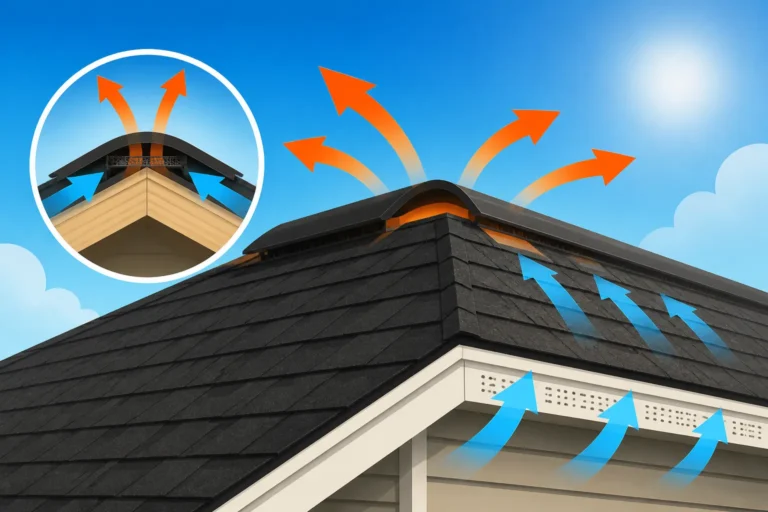
- Ensuring proper attic ventilation: Poor attic ventilation can lead to excessive heat buildup, causing shingles to prematurely age, blister, or curl. This is often a major cause of warranty denials, as the issue stems from the home's structure, not the shingle itself. Regularly check your soffit and ridge vents to ensure they're clear and functioning.
By taking these proactive steps, you're not just protecting your PABCO shingles; you're safeguarding your warranty and the long-term health of your entire roofing system.
Navigating a PABCO Warranty Claim
Even with the best shingles and installation, sometimes issues arise. When you suspect a problem with your PABCO roof that might be covered by the warranty, knowing how to proceed can save you time and stress.
Identifying a Potential Warranty Issue
The first step is figuring out if what you're seeing is actually a warranty-covered defect or just normal wear and tear, or perhaps damage from other sources. Here are some signs that might indicate a material defect:
- Widespread premature cracking or splitting: If shingles are cracking or splitting across large sections of your roof well before their expected lifespan, especially if it's not due to impact damage or extreme weather.
- Excessive and rapid granule loss: While some granule loss is normal, particularly with new shingles, significant and widespread loss that exposes the asphalt matting shortly after installation could indicate a defect. You should be concerned if you see large patches of exposed asphalt, not just a dusting in your gutters.
- Blistering or curling: If shingles are blistering (small craters or bubbles) or curling (edges lifting) uniformly across the roof without obvious signs of poor ventilation or extreme heat, it could point to a manufacturing flaw.
- Shingle discoloration or uneven fading: While some fading is natural, severe, uneven discoloration that goes beyond normal weathering might be a sign of a defect.
It's important to differentiate these from signs of age (like generalized granule loss on an old roof), storm damage (missing shingles after a high wind event), or installation errors (improperly sealed flashing leading to a leak). If you're unsure, it's always best to consult with a professional roofing contractor. They can provide an objective assessment and help determine the root cause of the problem. Many experienced roofers can quickly tell you if a problem looks like a manufacturing defect or something else.
The Claims Process Step-by-Step
If you've identified an issue and believe it's a PABCO warranty claim, here’s a general outline of the steps you'll typically follow:
- Initial Contact: Your first call should generally be to the PABCO-certified contractor who installed your roof, especially if you have an enhanced warranty that includes workmanship. They can inspect the roof, confirm the issue, and often help facilitate the claim with PABCO. If you don't have a certified installer or if your contractor is no longer in business, you would contact PABCO directly. You can find their contact information on their website or your warranty documentation.
- Gather Documentation: Before you call, have all your records ready: your original contract, proof of warranty registration, installation date, photos of the damage, and any previous communications. This will streamline the process.
- PABCO's Investigation: PABCO will likely open a claim file and might request additional information or send a representative to inspect your roof. This inspection is crucial, as their expert will determine if the issue is indeed a manufacturing defect covered by your warranty. They will assess the shingle product, installation, and environmental factors.
- Claim Resolution: If the claim is approved, PABCO will inform you of the resolution. This could involve providing new shingles, covering a portion or all of the labor costs (depending on the warranty type and its prorated status), or a cash settlement based on the prorated value. For instance, if you have a non-prorated period remaining on your PABCO shingles, they would likely cover materials and labor for the affected areas. If it's a prorated warranty, they would likely offer a percentage of the current value of the shingles.
- Repair or Replacement: Once the claim is resolved, you'll coordinate with a contractor to perform the necessary repairs or replacement using the materials provided or funded by PABCO. Ensure that any new materials match your existing roof as closely as possible, especially if only a section is being replaced.
It's important to be patient during this process. Warranty claims can sometimes take time, especially if inspections are needed or if there's a dispute over the cause of the damage. However, by being organized and understanding the process, you can navigate it much more smoothly.
Comparing PABCO Warranty Tiers
To help visualize the differences, here's a general comparison between a basic PABCO Limited Warranty and a potential Enhanced System Warranty (specific terms can vary by product and current offerings).
| Feature | Basic PABCO Limited Warranty | Enhanced PABCO System Warranty (e.g., through PABCO Preferred Contractor) |
|---|---|---|
| Coverage Focus | Manufacturing defects in shingles only | Manufacturing defects in entire PABCO roofing system components |
| Non-Prorated Period | Typically 10-15 years (materials & labor) | Often 20-30+ years (materials & labor), sometimes lifetime |
| Prorated Period | Extends beyond non-prorated, covers decreasing % of materials | Extends beyond non-prorated, covers decreasing % of materials |
| Workmanship Coverage | Typically not included (contractor's responsibility) | Often includes manufacturer-backed workmanship coverage (e.g., 25+ years) |
| Eligibility | Any PABCO shingle installation | Installation by PABCO-certified contractor using complete PABCO system |
| Transferability | Usually transferable (with conditions) | Usually transferable (with conditions, often more appealing to buyers) |
| Initial Cost | Standard shingle cost | Potentially higher due to certified installation and full system components |
| Peace of Mind | Good | Excellent |
This table illustrates why investing in a full PABCO roofing system installed by a certified professional often provides a much higher level of protection and long-term value, even if the initial investment is a bit higher. It’s an aspect of your roof replacement cost that truly pays off in the long run.
Disclaimer
Please remember that the information provided in this guide is for general informational purposes only and does not constitute professional advice. PABCO's warranty terms and conditions can vary by product, region, and may change over time. Always refer to your specific PABCO warranty document and consult with a qualified, certified roofing professional for advice tailored to your situation.