How Roof Decking Works
Roof decking serves as the structural foundation of a home roof, distributing weight and supporting materials like plywood and OSB.
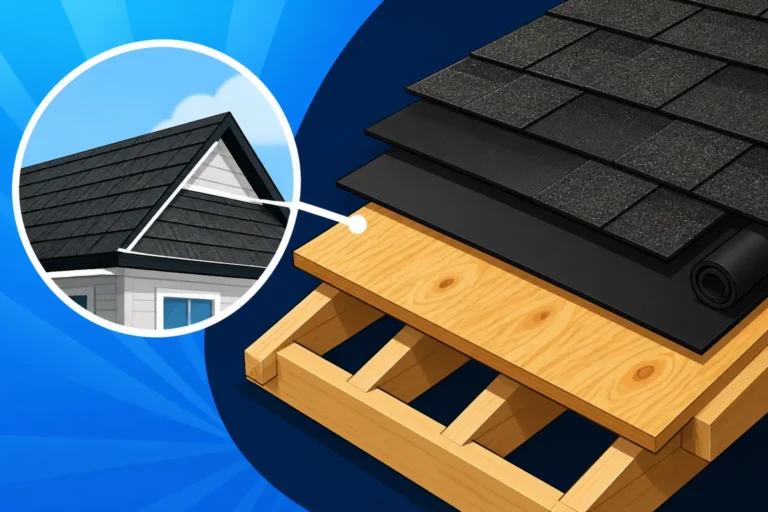
Roof decking serves as the structural foundation of a home roof, distributing weight and supporting materials like plywood and OSB.
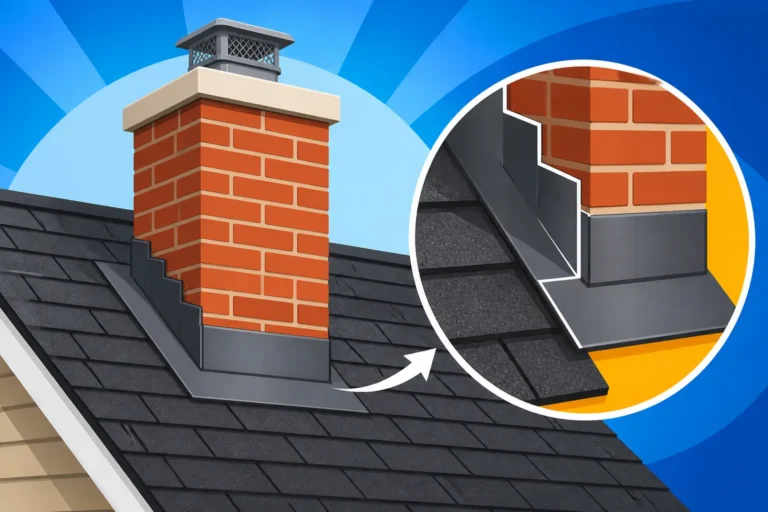
Chimney flashing components like base, step, and counter flashing protect homes from roof leaks and costly water damage.
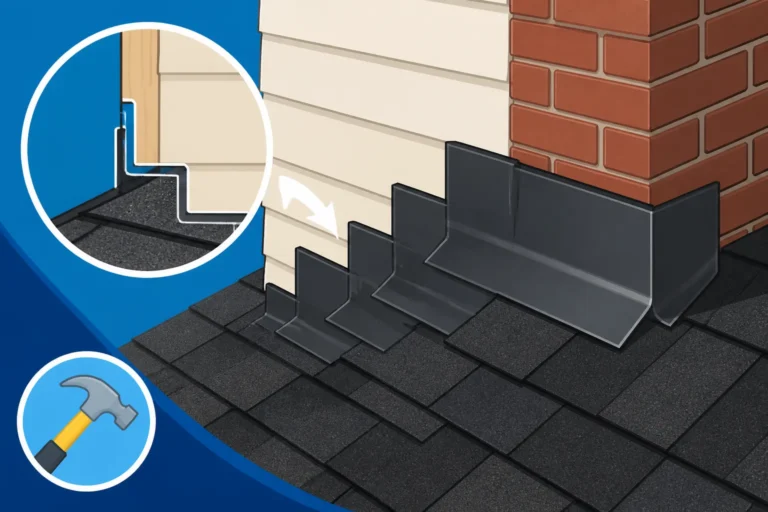
Step flashing uses L shaped metal pieces interleaved with shingles along walls to stop leaks and direct water down into gutters.
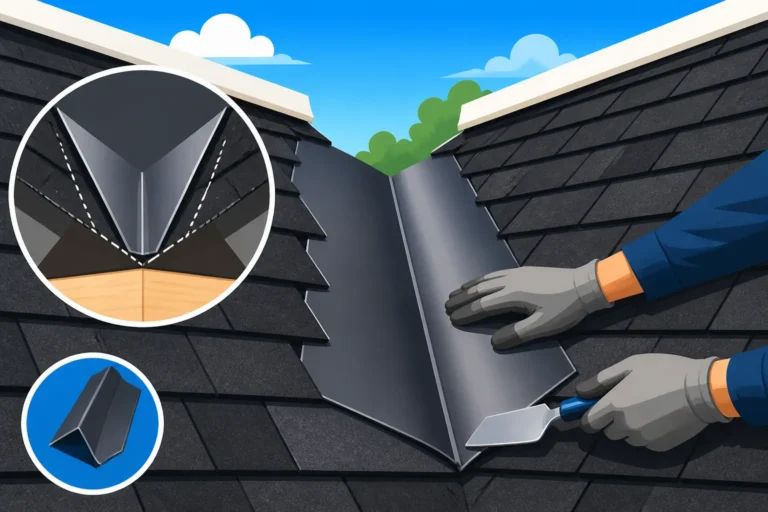
Roof valley flashing methods, including open metal strips and closed shingle designs, protect your home from water damage.
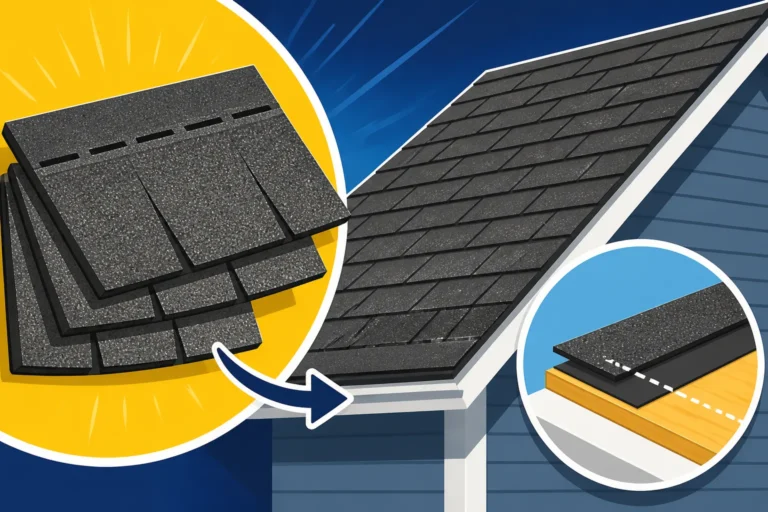
Starter shingles provide asphalt roofs with a foundational layer along eaves and rakes that prevents wind uplift and water infiltration.
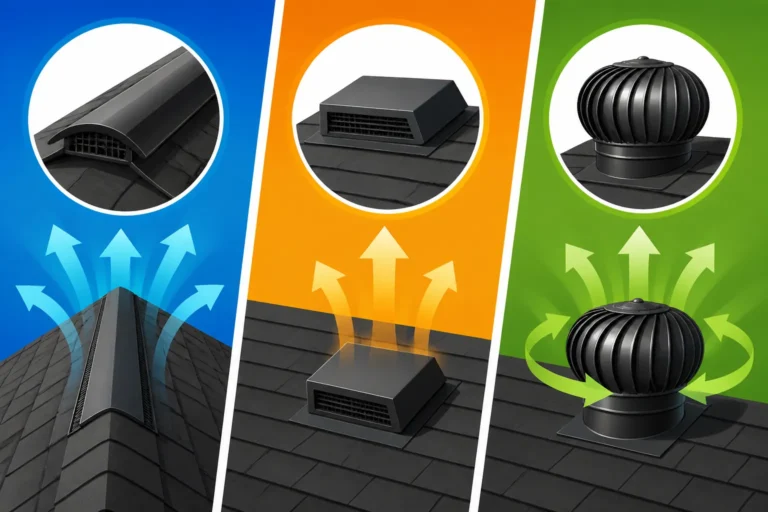
Proper attic ventilation protects your home by regulating temperatures and managing moisture, using intake and exhaust vents.
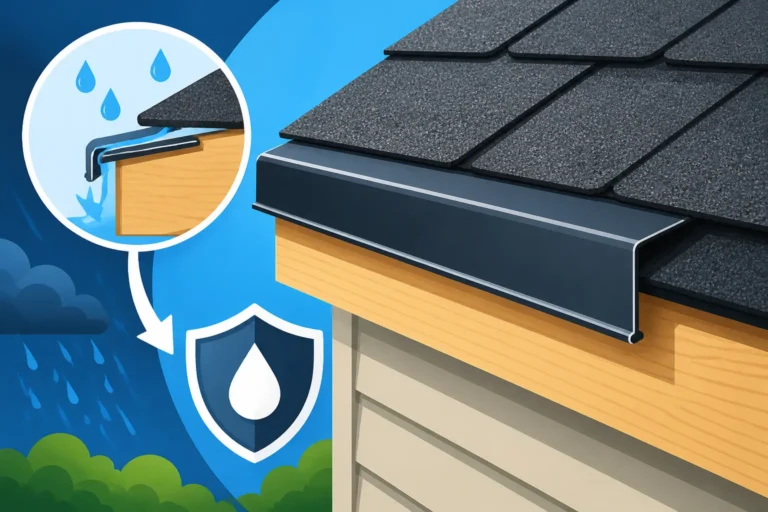
Drip edge metal flashing controls water flow along roof eaves to prevent fascia rot and protect your home from water damage.
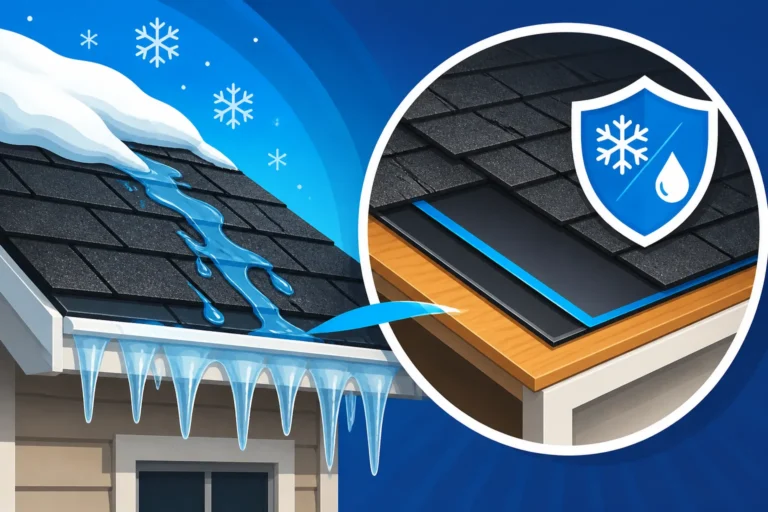
Ice and water shield prevents roof leaks by sealing around nails and protecting eaves, valleys, and vulnerable penetrations.
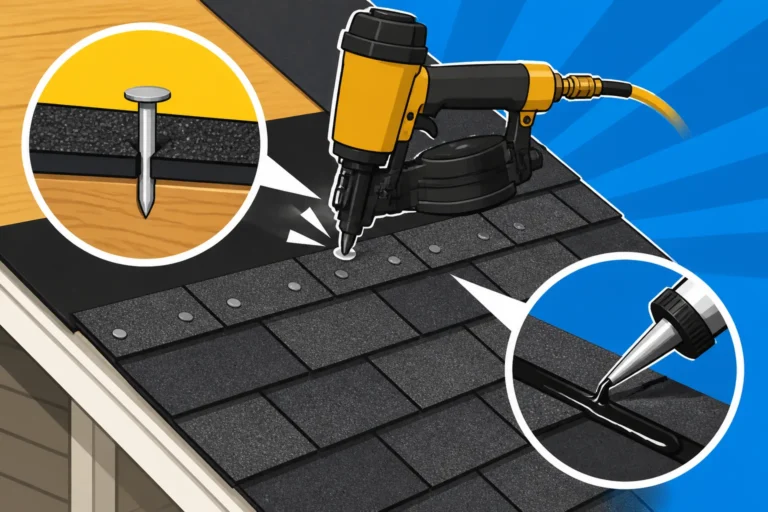
Proper shingle nailing and sealing explain how asphalt roof shingles use thermoplastic adhesive strips and four nails for wind resistance.
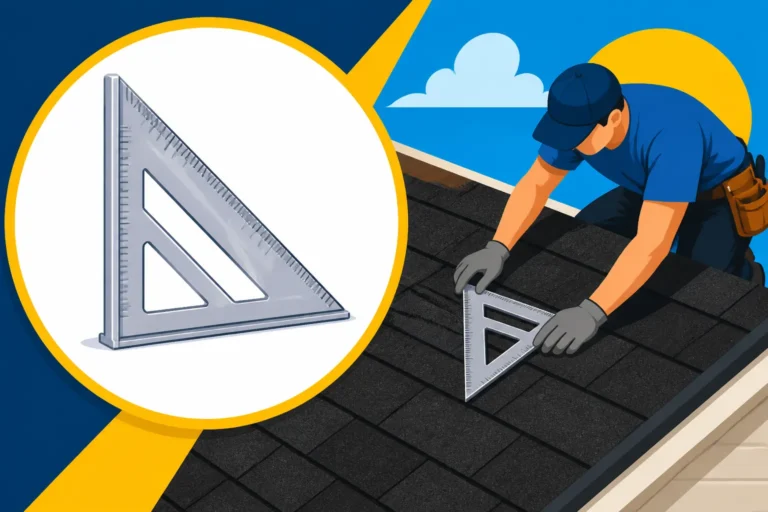
A roofing square represents one hundred square feet of surface area, helping contractors accurately calculate material needs and labor costs.