Why Tear-Off Is Usually Better Than Overlay
It's an age-old dilemma for homeowners staring down a roof replacement: do you go for the full, often intimidating, tear-off, or can you save a few bucks and just add new shingles right on top of the old ones? The idea of a "re-roof" or "overlay" can sound incredibly appealing, promising less disruption and a smaller upfront bill. But the truth is, while a roof overlay might seem like an easy fix, it often introduces a host of hidden problems that cost far more in the long run. This guide will meticulously break down why a complete roof tear-off is almost always the superior, more responsible choice for your home's integrity, longevity, and your ultimate peace of mind.
Understanding the Core Difference: Tear-Off vs. Overlay
Let's clear up exactly what we're talking about when we discuss these two common roofing approaches. The distinction is crucial, as it fundamentally impacts the quality and lifespan of your new roof.
What Exactly is a Roof Tear-Off?
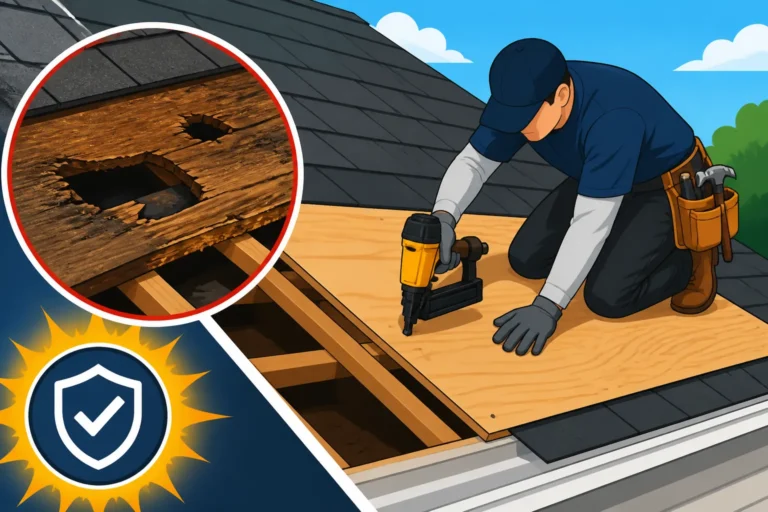
A full roof tear-off, as the name suggests, involves completely stripping down every single layer of your existing roofing material until the bare roof decking is exposed. This means removing all old shingles, underlayment, flashing, and any other components that are part of the old system. Once the deck is bare, the roofing contractor can thoroughly inspect it for any damage, rot, or weakness. This allows for necessary repairs to the roof decking before any new materials are installed.
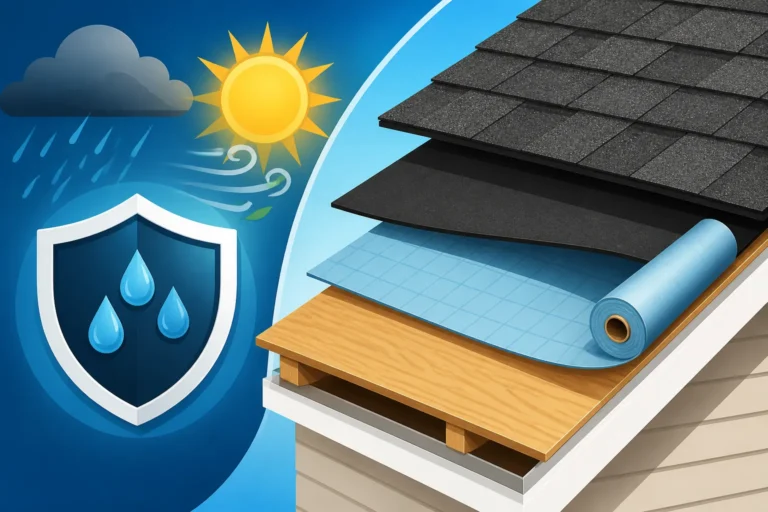
After the inspection and repairs, a brand-new roofing system is built from the ground up. This includes installing fresh underlayment, new flashing around chimneys, vents, and skylights, and then finally, the new asphalt shingles. This method provides a clean, solid foundation for your new roof, ensuring optimal performance and maximum lifespan. It’s the gold standard for a reason, addressing potential issues proactively rather than just covering them up. The comprehensive nature of this process is why a full How a Roof Replacement Works: The Full Process is generally recommended.
The Allure and Reality of an Overlay (or Re-roof)
An overlay, sometimes called a "re-roof" or "roofing over," involves installing a new layer of asphalt shingles directly on top of your existing layer of shingles. The primary appeal here is often cost and time. Homeowners envision saving money on labor for removal and disposal, and a quicker installation process. It sounds like a win-win situation, doesn't it?
However, the reality is far more complex and often fraught with compromise. While it might offer a temporary aesthetic improvement, an overlay rarely provides the long-term protection and value of a full tear-off. Most building codes permit only two layers of asphalt shingles, and even then, there are significant drawbacks. The savings on the Cost to Roof Over Existing Shingles rarely justify the potential for future headaches and expenses.
The Hidden Dangers of a Roof Overlay
When you choose to roof over existing shingles, you're not just adding a new topcoat; you're often setting yourself up for a series of problems that remain unseen until they become critical. These aren't minor inconveniences; they can compromise the structural integrity of your home and lead to costly repairs down the line.
Concealing Existing Problems and Adding Weight
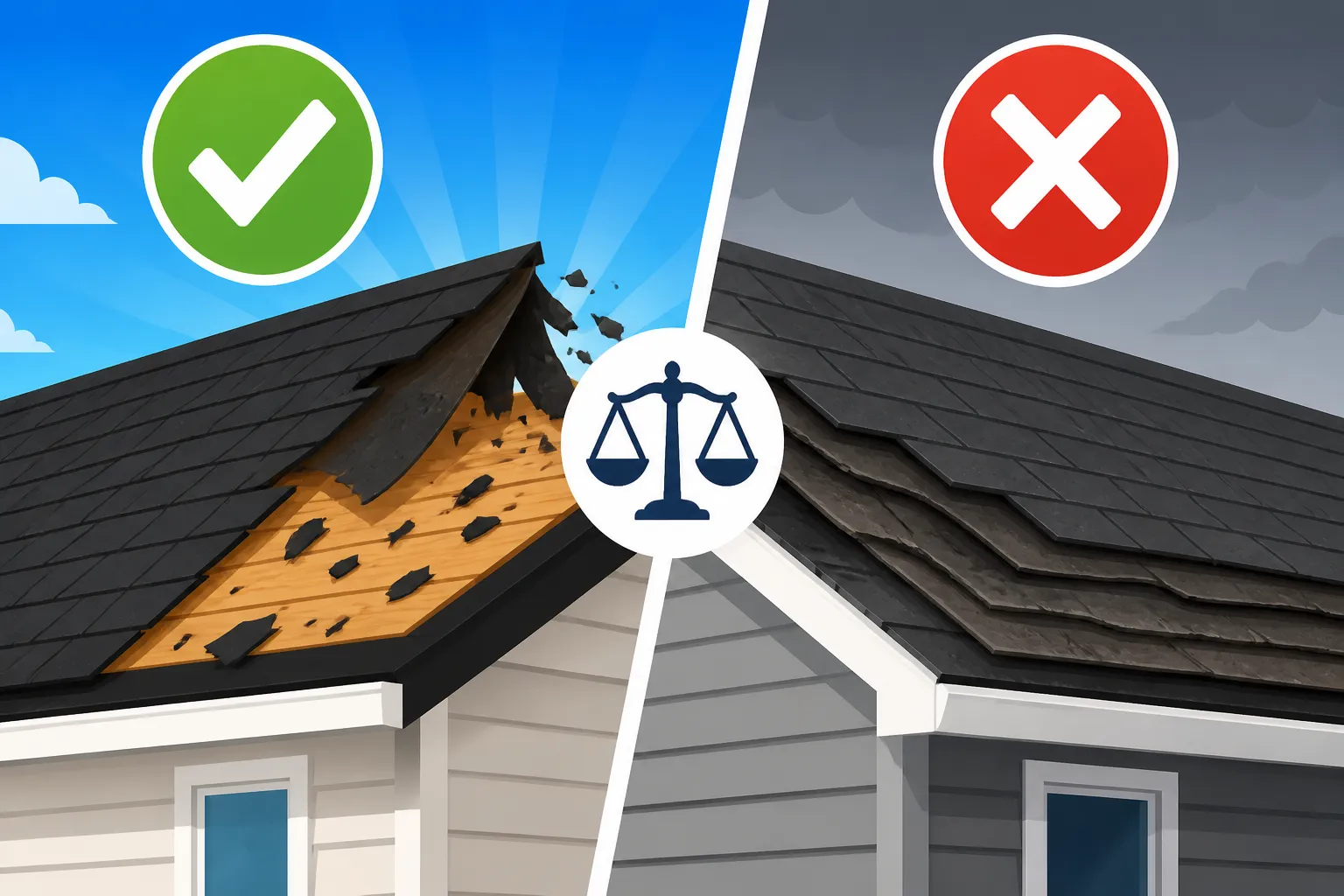
One of the most significant drawbacks of an overlay is that it completely bypasses the crucial inspection of your roof deck. Your existing roof likely needs replacement for a reason – maybe there are soft spots, areas of rot from old leaks, or even damage from pests. With an overlay, all these issues are simply covered up. A skilled contractor performing a full Roofing Inspection: What Inspectors Check would identify and fix these problems, but an overlay offers no such opportunity. You're essentially building a new house on a shaky foundation, and those underlying issues will continue to fester, potentially leading to widespread damage that could have been easily addressed.
Beyond concealed damage, there's the issue of weight. An average square of asphalt shingles (100 square feet) weighs anywhere from 200 to 400 pounds. Adding a second layer means doubling that weight. Imagine a 2,000 square foot roof suddenly carrying an extra 4,000 to 8,000 pounds! While most roof structures are built to withstand considerable load from snow and wind, they are typically designed for one layer of roofing material. This excessive, continuous weight can place undue stress on your roof trusses, rafters, and overall home structure, potentially leading to sagging and structural compromise over time. This extra burden not only reduces the overall lifespan of your roof but can also lead to issues with your home's framing and foundation.
Compromised Installation and Reduced Lifespan
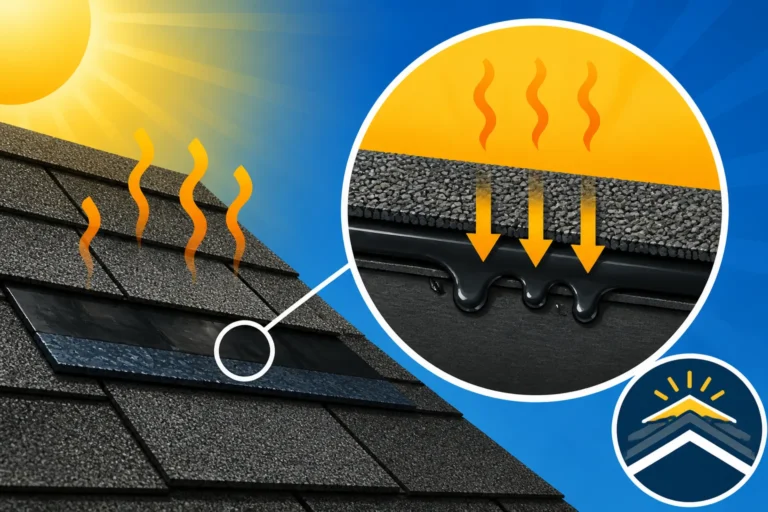
Another critical danger of an overlay is the impact on the installation quality of your new shingles. Asphalt shingles are designed to be installed on a smooth, flat surface for proper adhesion and sealing. When you install new shingles over an old, uneven, and potentially curled or buckled layer, the new shingles cannot lay flat. This immediately compromises their ability to seal properly, especially the vital sealant strips that activate with sun exposure.
A poor seal makes your new roof far more susceptible to wind uplift and water penetration. Missing or lifted shingles are much more common on overlaid roofs because they simply don't have the clean, consistent surface to bond to. This significantly reduces the new roof's resistance to harsh weather, meaning you won't get the full protective capabilities or the expected How Long Asphalt Shingles Last. What you thought was a 20-30 year roof might only perform optimally for half that time, forcing you into another, more expensive, replacement much sooner. This also almost always voids your manufacturer's warranty, as most shingle manufacturers, including major brands like GAF and Owens Corning, explicitly require installation on a clean, solid deck for their warranties to be valid.
Why a Full Tear-Off is the Superior Choice for Longevity and Performance
While the initial thought of a tear-off might feel overwhelming, the benefits it offers in terms of long-term protection, performance, and overall value far outweigh the perceived drawbacks of an overlay. It's an investment in your home's future, not just a quick fix.
A Fresh Start for a Healthy Roof System
The most compelling reason for a tear-off is the opportunity for a truly fresh start. When the old shingles are removed, your contractor gains full visibility of the roof deck. This is a critical moment for inspecting the How Roof Decking Works. Any damaged or rotten plywood or OSB can be identified and replaced, ensuring a solid, stable foundation for your new roof. Without this step, you might install beautiful new shingles over wood that's already compromised, leading to premature failure of your entire roof system. Repairing or replacing Roof Decking Replacement Cost during a tear-off is much easier and more effective than discovering hidden issues later.
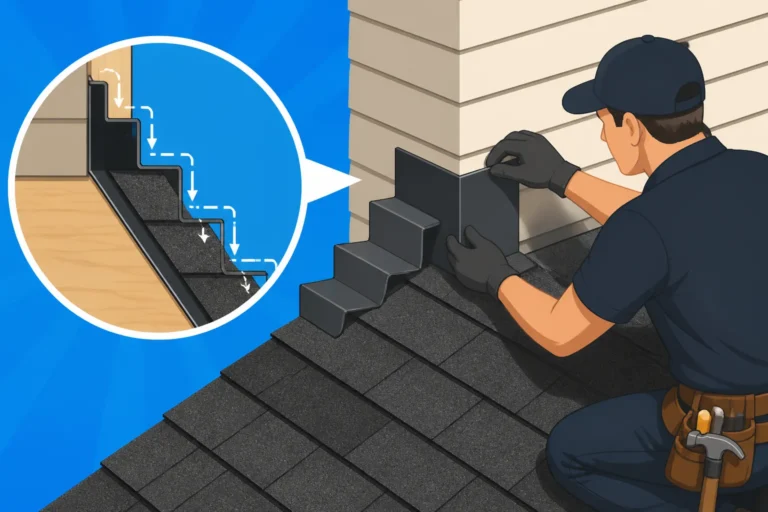
A full tear-off also allows for the proper installation of all new roofing components. This includes a high-quality underlayment, which acts as an extra barrier against moisture, especially crucial during extreme weather. Modern synthetic underlayments offer superior protection compared to traditional felt, and a tear-off ensures you can upgrade to the best option. Similarly, proper installation of new flashing around all penetrations – chimneys, skylights, and vent pipes – is vital for preventing leaks. Old, degraded flashing is a common source of leaks, and a tear-off ensures all new, properly sealed flashing is installed, providing continuous, watertight protection. This meticulous approach guarantees that every element of your roof system is working together as intended.
Maximizing Performance, Curb Appeal, and Warranty Coverage
With a full tear-off, your new asphalt shingles will be installed on a perfectly smooth and uniform surface. This allows them to lay flat, seal correctly, and function at their absolute best. You'll get optimal wind resistance, superior water shedding, and the full expected lifespan from your chosen shingles. This leads to a more durable, resilient roof that provides true peace of mind. Moreover, a new roof installed with a tear-off looks absolutely pristine. The crisp, clean lines and uniform appearance significantly boost your home's curb appeal, adding real value to your property.
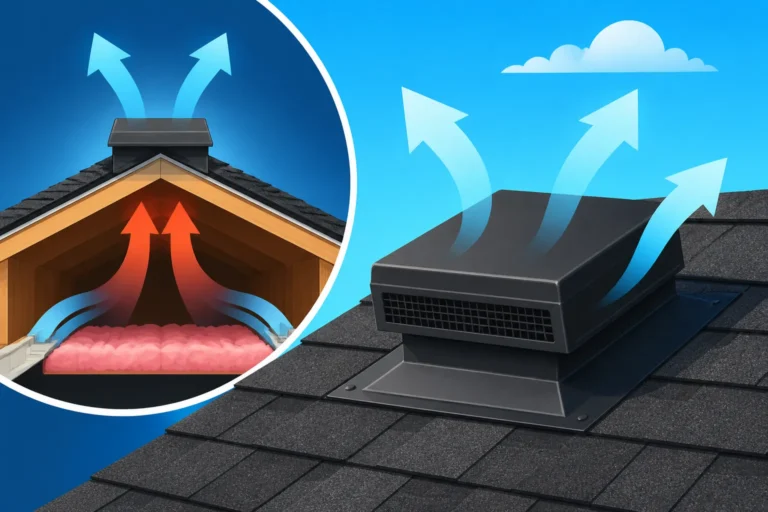
Crucially, a full tear-off ensures that your new roof will qualify for the full manufacturer's warranty. Most top shingle manufacturers, like CertainTeed, Malarkey, and Atlas, stipulate that their products must be installed on a clean, dry, and structurally sound roof deck to validate their comprehensive warranty coverage. This means if you opt for an overlay, you could be unknowingly sacrificing valuable protection against defects. With a tear-off, you'll be able to register your warranty confidently, knowing your investment is fully protected. It also opens the door to installing advanced shingle types, such as Impact-Resistant Shingle Cost or making ventilation upgrades like a new Cost of Ridge Vent Installation, all part of a truly robust roofing system.
Practical Considerations and When an Overlay Might Be an Option
While the case for a tear-off is overwhelmingly strong, it's worth acknowledging the practicalities and very rare scenarios where an overlay could theoretically be considered. However, even in these niche situations, significant caution is advised.
Building Codes, Structural Integrity, and Permitting
Local building codes are your first line of defense against poor roofing practices, and they often dictate what's permissible. While some municipalities might allow a single overlay (meaning a maximum of two shingle layers total on the roof), many are moving towards stricter regulations that mandate a full tear-off for a residential roof replacement. This is especially true in areas prone to severe weather, like Florida or Colorado, where enhanced wind or hail resistance is crucial. Exceeding the allowed number of layers is a serious code violation that can lead to fines, difficulties with home sales, and insurance coverage issues. For example, if you live in an area with strict rules on How Many Layers of Shingles Are Legal, an overlay simply won't be an option.
Before considering any roofing work, always check with your local building department about permitting requirements. Almost all roof replacements, including overlays, require a permit. This process typically involves an inspection to ensure the work adheres to current building codes. Failing to pull a Do You Need a Permit to Replace a Roof can result in penalties and potentially having to tear off the new roof and start over, which is a nightmare scenario no homeowner wants to face. A qualified contractor, ideally one found through a service like Modernize, will always handle the permitting process for you.
The Rare Scenarios Where an Overlay Could Be Considered (and Why It's Still Risky)
In an ideal, almost mythical scenario, an overlay might be considered if and only if:
- The existing roof is perfectly flat: This means no curling, buckling, or significant granule loss on the current shingles. The surface must be as smooth as possible to allow the new shingles to lay correctly.
- It's the absolute first overlay: You must be certain that your existing roof is only one layer deep. If there are already two layers, adding a third is almost universally prohibited by code and dangerously overloads your roof structure.
- There is absolutely no underlying damage: No leaks, no soft spots in the decking, no signs of rot, and proper ventilation already in place. This is incredibly difficult to ascertain without a tear-off.
- Budget is an extreme constraint, and it's a very temporary fix: If you're selling the house very soon and absolutely need a cosmetic fix with minimal expense, and you fully disclose the nature of the overlay to potential buyers, this might be a desperate option.
Even in these highly specific and rare circumstances, an overlay remains risky. You're still foregoing the critical opportunity to inspect and address the roof deck, which is the true foundation of your roof system. You're still risking a compromised warranty, and the new roof's lifespan will likely be significantly shorter than a full tear-off. Most reputable roofing professionals, like those connected through Modernize, will strongly advise against an overlay, understanding that the short-term savings are rarely worth the long-term headaches. They can provide detailed quotes comparing the How Much Does an Asphalt Shingle Roof Cost with the Cost to Roof Over Existing Shingles to help you see the value in a full replacement.
Ultimately, while the thought of an overlay can be tempting, the consensus among roofing experts and the long-term benefit for your home firmly point towards a full tear-off as the vastly superior option. It ensures a healthy, long-lasting roof, provides critical peace of mind, and truly protects your most valuable asset.
| Feature | Full Tear-Off | Roof Overlay (Re-roof) |
|---|---|---|
| Old Material Removal | All existing layers removed | Old layers remain underneath new ones |
| Roof Deck Inspection | Yes, allows for full inspection and repair of decking | No, existing damage remains hidden |
| New Underlayment | Yes, installed directly on the clean deck | Often installed over old underlayment/shingles, or skipped |
| Flashing | All new flashing installed for optimal seal | Existing flashing often reused or partially updated |
| Shingle Installation | Smooth, flat surface for optimal adhesion and seal | Uneven surface can compromise seal and wind resistance |
| Weight on Structure | No additional strain beyond original design | Adds significant extra weight to roof structure |
| Warranty Coverage | Full manufacturer warranty typically valid | Manufacturer warranty often voided or limited |
| Lifespan | Maximized, as designed by manufacturer | Potentially significantly reduced lifespan for new layer |
| Code Compliance | Best chance for full compliance with current codes | May violate local codes, especially with multiple layers |
| Cost (Initial) | Higher due to labor for removal and disposal (Cost of Roof Tear-Off and Disposal) | Lower initially |
| Long-Term Value | Higher, better ROI, fewer future problems | Lower, potential for hidden issues and premature failure |
| Curb Appeal | Pristine, fresh appearance | May show unevenness from underlying layers |
| Ventilation Assessment | Yes, allows for inspection and improvement of attic ventilation | No, underlying ventilation issues often persist |
| Addressing Leaks | Source of leaks directly addressed and repaired | Old leak paths may remain, leading to future leaks |
Disclaimer
Please remember that roofing information can vary significantly based on your specific location, local building codes, and the unique characteristics of your home. Always consult with multiple qualified, licensed, and insured roofing professionals for a thorough inspection and personalized recommendations. This article provides general information and should not be considered a substitute for professional advice.