How to Avoid Roofing Change Order Surprises
There’s almost nothing more frustrating than getting a quote for a big home project like a roof replacement, feeling like you’ve got everything squared away, and then—BAM!—an unexpected "change order" lands on your lap. It feels like a surprise fee, a sudden bump in the road, and often leaves homeowners feeling blindsided and suspicious. This guide is here to unravel the mystery behind roofing change orders, explain why they happen, and arm you with the knowledge and strategies to either prevent them or handle them like a pro.
Understanding Roofing Change Orders
When you embark on a roof replacement, you sign a contract based on an initial assessment. But what happens if the roofing crew uncovers something completely unexpected once they start tearing off the old shingles? That's often where a change order comes into play. It's not always a malicious attempt to squeeze more money out of you, though it can certainly feel that way.
What Exactly is a Change Order?
At its core, a change order is a written amendment to the original roofing contract. It outlines any deviations from the agreed-upon scope of work, materials, or timeline, along with the associated cost adjustments. Think of your initial contract as the blueprint for the project. A change order is like redrawing a section of that blueprint because something unforeseen popped up or a decision was made to alter the original plan. It’s supposed to be a formal process to ensure both parties agree to new terms before additional work is done or extra costs are incurred.
For instance, you might have signed a contract assuming a single layer of shingles and perfectly sound roof decking. But once the crew gets up there and starts the Cost of Roof Tear-Off and Disposal, they might discover two layers of old shingles or widespread rot in the plywood underneath. That's a significant departure from the original plan, and it directly impacts labor, materials, and disposal. A good roofing contractor will immediately halt work, present a detailed change order, and discuss the implications with you before proceeding. It protects them from doing work for free and protects you from unforeseen charges if you don't agree.
Common Reasons They Pop Up
Change orders aren't always a sign of a bad contractor or a flawed estimate, though those can certainly be factors. Often, they arise from circumstances that are genuinely difficult to foresee until work is underway.
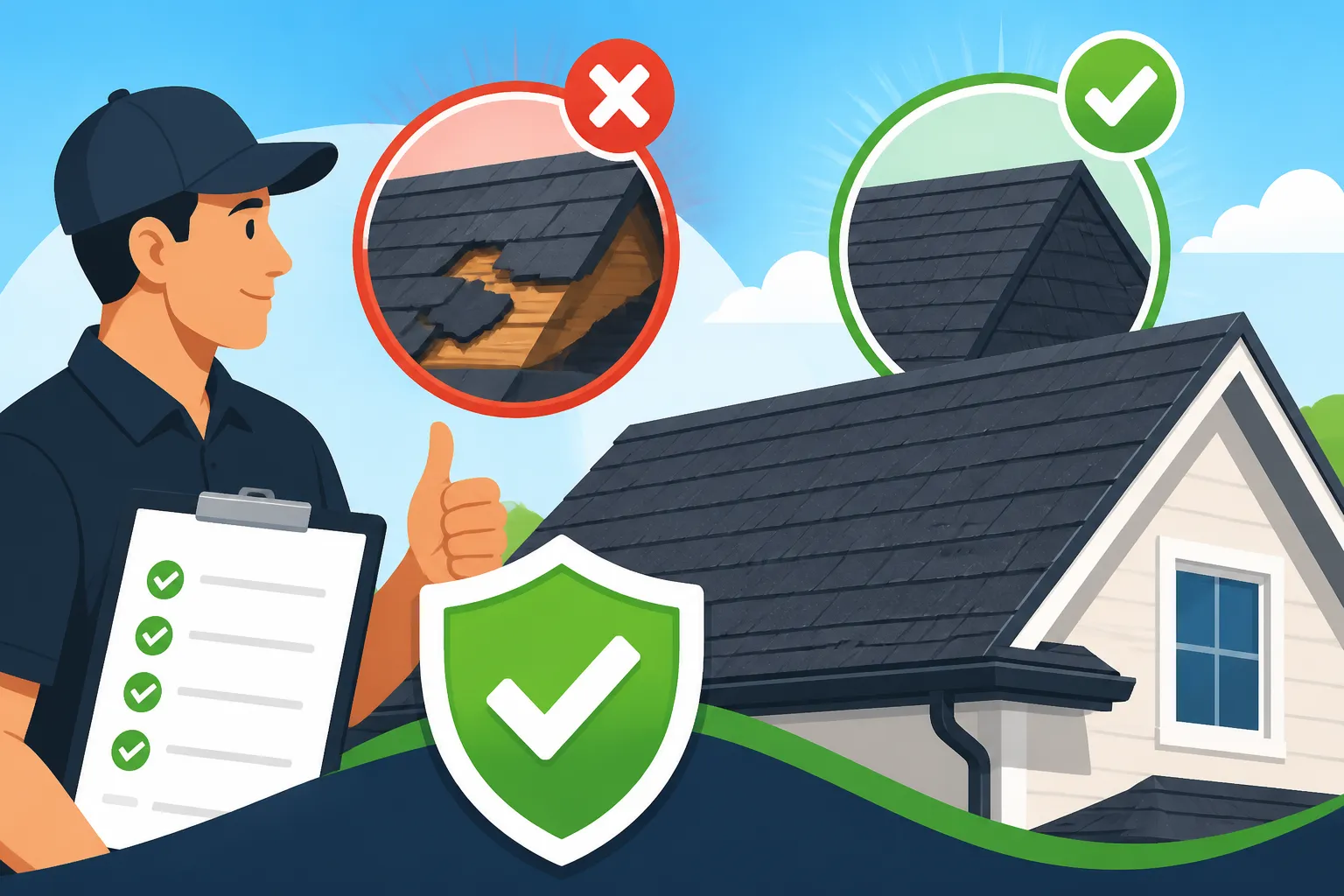
One of the most frequent culprits is unforeseen structural damage. You can inspect a roof visually from the ground, or even walk on it, but you can't truly see the condition of the roof deck or underlying supports until the old roofing materials are removed. Water damage, rot, pest infestation, or even fire damage hidden beneath shingles can all necessitate Roof Decking Replacement Cost, which wasn't in the original quote. It's an unpleasant discovery, but essential to address for the integrity of your new roof.
Another common reason is homeowner-initiated changes. Maybe you initially opted for standard architectural shingles, but after seeing some samples or driving by a house with premium designer shingles, you decide you want an upgrade. Or perhaps you decide to add a skylight, install a new attic vent, or even change the color of the shingles at the last minute. While these are perfectly legitimate requests, they fall outside the original agreement and will trigger a change order to reflect the new materials, labor, and any necessary adjustments to the project timeline.
Finally, unexpected code requirements or local permitting issues can also lead to change orders. Building codes can change, and sometimes a municipality will require an upgrade that wasn't standard when your original roof was installed. For example, some areas now require enhanced Ice and Water Shield Explained coverage or specific Roof Ventilation Code Requirements that weren't part of the initial plan. While a good contractor should be up-to-date on codes and pull the necessary Roofing Permits Explained beforehand, unforeseen interpretations or last-minute requirements from an inspector can still occur.
Proactive Steps to Minimize Surprises
While you can't eliminate every single possibility of a change order, you can significantly reduce the chances of unwelcome surprises by being diligent upfront. The key lies in thorough preparation, clear communication, and a robust contract.
The Power of a Detailed Contract
Your roofing contract is your best friend when it comes to avoiding change order shocks. It should be a comprehensive document that leaves little room for ambiguity. Don't rush through it; read every line.
Look for a contract that explicitly details the scope of work. This means specifying every single component: what type of shingles (e.g., GAF Timberline HDZ Roof Cost Installed vs. Owens Corning Duration Roof Cost Installed), underlayment type, flashing, drip edge, ventilation, and even the exact number of layers to be removed. It should also state what happens if additional layers are found or if decking replacement is needed – does it specify a per-sheet cost, or is it estimated? A good contract will also clearly outline payment terms, including the deposit, milestone payments, and final payment. It should also include provisions for change orders themselves, describing the process for how they will be presented, approved, and priced.
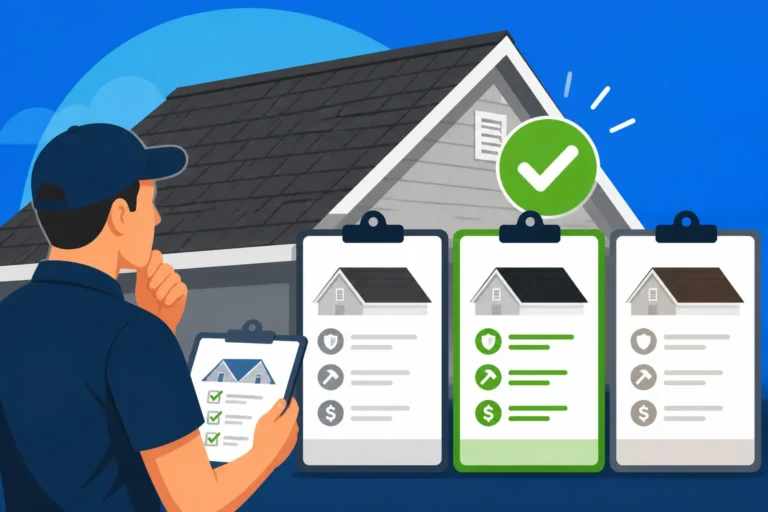
Many homeowners feel overwhelmed by the technical jargon in contracts. This is where How to Read and Compare Roofing Estimates becomes crucial. Don't be afraid to ask your contractor to explain anything you don't understand. If a contractor tries to gloss over details or gives you a contract that's vague, consider it a red flag. A reputable company will be happy to walk you through every item and ensure you're comfortable.
Thorough Pre-Inspection and Communication
Before any work begins, a comprehensive inspection of your existing roof and attic is absolutely non-negotiable. This isn't just a quick look from the ground; it should involve a detailed assessment by the contractor, ideally with you present.
During this inspection, the contractor should be looking for potential issues that could lead to change orders. This includes checking for signs of rot or water damage in the attic, assessing the number of existing shingle layers, inspecting flashing around chimneys and vents, and noting any unusual roof complexities like multiple valleys or steep pitches. This is also your opportunity to ask every single question you have. "What happens if you find rot?" "Is removing two layers of shingles included?" "What if the original estimate for lumber is off?"
Transparent communication throughout this process is paramount. Don't assume anything. If you have specific concerns about hidden damage because of an old leak, bring it up. If you're considering upgrading certain materials, discuss it before the contract is signed. Platforms like Modernize can help you connect with highly-rated roofing professionals who are known for their clear communication and thorough estimating processes. They understand that a well-informed homeowner is a happier client, even if an unexpected issue does arise.
Setting Clear Expectations
Beyond the contract, setting clear expectations with your contractor about the entire project timeline, scope, and potential contingencies can prevent many misunderstandings. This isn't just about the written word; it's about the conversations you have.
Discuss what defines "unforeseen damage" and how it will be handled. Will they stop work immediately? Will they take photos? How quickly will they provide a revised estimate? Knowing these protocols upfront helps manage your stress if such a situation occurs. Also, be explicit about your desired outcome. Do you want the absolute cheapest roof possible, or are you prioritizing durability and a comprehensive warranty? Your priorities can influence the contractor's recommendations and how they prepare for contingencies.
For example, if you explicitly state that you want a roof that will last 30 years and are willing to invest in high-quality materials, the contractor might proactively include a small contingency line item for potential decking repairs or suggest a robust underlayment system, reducing the likelihood of a surprise change order for these items later. This kind of open dialogue builds trust and ensures everyone is on the same page from the beginning.
Navigating a Change Order When It Happens
Even with the best preparation, sometimes a change order is unavoidable. When it happens, the way you react and proceed can significantly impact the outcome and your overall satisfaction. Don't panic, but don't blindly agree either.
Document Everything
The first rule of handling a change order is get it in writing. Never agree to verbal changes. A legitimate change order will be a formal document, usually signed by both you and the contractor, outlining the additional work, materials, costs, and any impact on the project timeline. It should clearly reference the original contract and explain why the change is necessary.
Before signing, review the document carefully. Does it accurately reflect what was discussed? Are the new costs itemized and justified? For instance, if Roof Decking Replacement Cost is suddenly needed, the change order should specify the type of decking material, the quantity (e.g., "10 sheets of 7/16" OSB"), the cost per sheet, and the labor associated with installing it. Don't be shy about asking for an itemized breakdown. This transparency is key to understanding where your money is going. If you're using a service like Modernize to find contractors, they often emphasize the importance of detailed, written estimates and change orders to protect both homeowners and contractors.
Negotiating Fairly
Just because a change order is presented doesn't mean you have to accept the first price given. There's often room for negotiation, especially if the new work is substantial.
Start by understanding the reason for the change. Is it truly unforeseen, or was it something that could have been identified during the initial inspection? If it's the latter, you might have grounds to negotiate the price down. If it's genuinely hidden damage, the contractor is justified in charging for it, but you can still question the fairness of the pricing. Research average costs for the specific materials and labor being added. For example, if they're charging for extra plywood, check local lumberyard prices. You can also get a Second Opinion on Roof Replacement if the change order feels exorbitant. Ask for bids from other reputable roofing companies for just the additional work specified in the change order. This gives you leverage and ensures you're not being overcharged.
Remember, the goal isn't to nickel-and-dime your contractor, but to ensure you're paying a fair price for legitimate extra work. A good contractor will be transparent and willing to discuss pricing openly, especially if they value their reputation.
Knowing When to Walk Away
While rare, there might be situations where a change order is so significant, so unreasonable, or so poorly justified that you need to consider walking away. This is usually a last resort, as terminating a contract can have its own financial and legal implications.
Red flags for a truly problematic change order include:
- Verbal-only requests: No written documentation, just a demand for more money.
- Vague explanations: "We just need more money for materials" without specifics.
- Excessive cost increases: An increase that seems wildly disproportionate to the added work.
- Pressure tactics: Being rushed into signing without time to review or ask questions.
- New work not tied to original problem: The change order includes items completely unrelated to any unforeseen issues.
If you encounter these red flags, pause the project. Consult with a legal professional if the amount is substantial. Review your original contract for clauses related to termination or disputes. Sometimes, the threat of legal action or simply expressing your clear unwillingness to be taken advantage of can bring a contractor back to the table with a more reasonable offer. It's tough, but sometimes knowing When to Walk Away from a Roofing Contractor is the smartest move to protect your investment.
The Role of Transparency and Communication
Ultimately, avoiding roofing change order surprises boils down to transparency and robust communication channels between you and your chosen contractor. A good roofing experience is built on trust, and that trust is forged through openness at every stage.
Choosing the Right Contractor
This cannot be overstated: the single best way to avoid change order surprises is to How to Choose a Roofing Contractor carefully. Don't just go with the cheapest bid. Invest time in vetting potential contractors.
Look for a contractor with a proven track record of transparency and excellent customer reviews. Ask them directly about their process for handling unforeseen issues and change orders. A reputable company will have a clear, written policy for this and be able to explain it to you in simple terms. Check their licensing, insurance, and manufacturer certifications (like GAF Master Elite Contractors Explained or Owens Corning Platinum Preferred Explained) – these often indicate a higher standard of professionalism and adherence to best practices. During your initial consultations, pay attention to how well they communicate, how thoroughly they inspect your roof, and how detailed their initial What a Roofing Estimate Should Include is. These are all indicators of how they'll handle any unexpected bumps down the road.
Utilizing Digital Tools and Platforms
In today's digital age, there are many tools and platforms designed to make the roofing process smoother and more transparent. Services like Modernize can be incredibly helpful in connecting you with pre-vetted, local roofing contractors who are committed to good communication and fair practices. They allow you to get multiple quotes, compare bids, and review contractor profiles and customer feedback.
Many modern roofing companies also leverage technology like drone inspections or satellite measurement tools (like Satellite Roof Measurement Explained) to provide more accurate initial estimates, reducing the likelihood of basic measurement errors leading to change orders. Some even use project management software that allows homeowners to track progress, view photos of issues found, and formally approve digital change orders, streamlining the process and ensuring everything is documented.
By embracing these tools and prioritizing contractors who use them, you can build a robust paper trail and ensure that if a change order does arise, it's handled professionally, transparently, and without unnecessary stress or financial shock.
Here's a quick overview of how proactive steps lead to fewer surprises:
| Aspect | Less Proactive Approach (Higher Surprise Risk) | Proactive Approach (Lower Surprise Risk) |
|---|---|---|
| Initial Estimate | Quick look from the ground, vague "all-inclusive" price. | Detailed inspection (including attic), itemized line items, potential contingency mentioned. |
| Contract Detail | Short, generic contract; relies heavily on verbal agreements. | Comprehensive, specific contract outlining scope, materials, process for changes. |
| Communication | Minimal questions asked/answered; assumptions made on both sides. | Open dialogue, all questions answered, clear expectations set about possibilities. |
| Unforeseen Issues | Discovered mid-project, presented verbally as a surprise extra cost. | Protocols for discovery (stop work, photos, written change order) are discussed beforehand. |
| Change Order | Verbal agreement, lump sum added to bill without explanation. | Formal, written document with itemized costs, clear justification, and approval process. |
| Contractor Choice | Based solely on lowest price; little vetting. | Vetted for transparency, reviews, licenses, and clear communication history. |
Disclaimer
The information provided in this article is for general informational purposes only and does not constitute professional advice. Always consult with a qualified and licensed roofing contractor for specific advice regarding your roofing project. Roofing costs and regulations can vary significantly by location and project complexity.