How Many Squares of Shingles for a 3,000 sq ft Roof
Realizing you need a new roof, or even just planning for one, often brings a wave of questions, and figuring out how much material you actually need is usually at the top of the list. It's frustrating to hear terms like "squares" when you're used to thinking in square feet for your home's living space, leading to confusion and worry about ordering too much or, worse, too little. This guide is here to clear up that mystery, specifically for homeowners looking to understand how many roofing squares are needed for a 3,000 square foot roof, helping you plan your project with confidence and accuracy.
Deciphering the Roofing Square: More Than Just Simple Math
One of the first things that trips up homeowners when budgeting for a new roof is the industry term "square." It sounds straightforward, right? But it's not quite as simple as your home's interior square footage. Understanding what a roofing square truly means and how it relates to your actual roof size is the foundational step in getting an accurate material estimate.
What Exactly Is a Roofing Square?
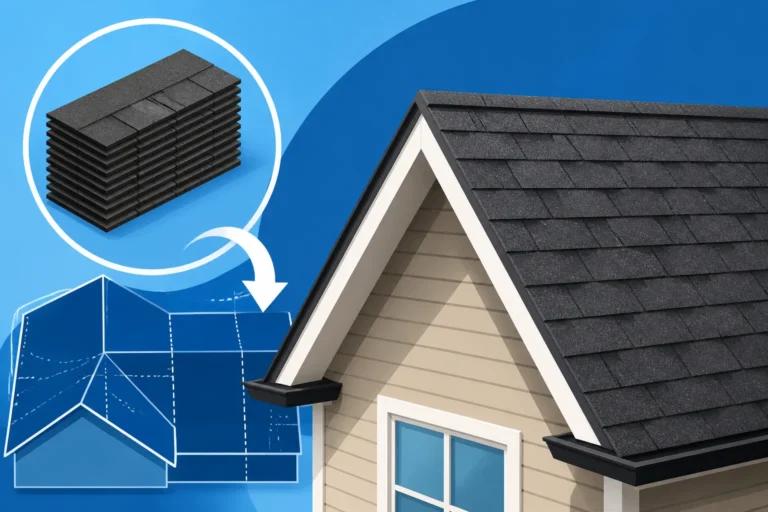
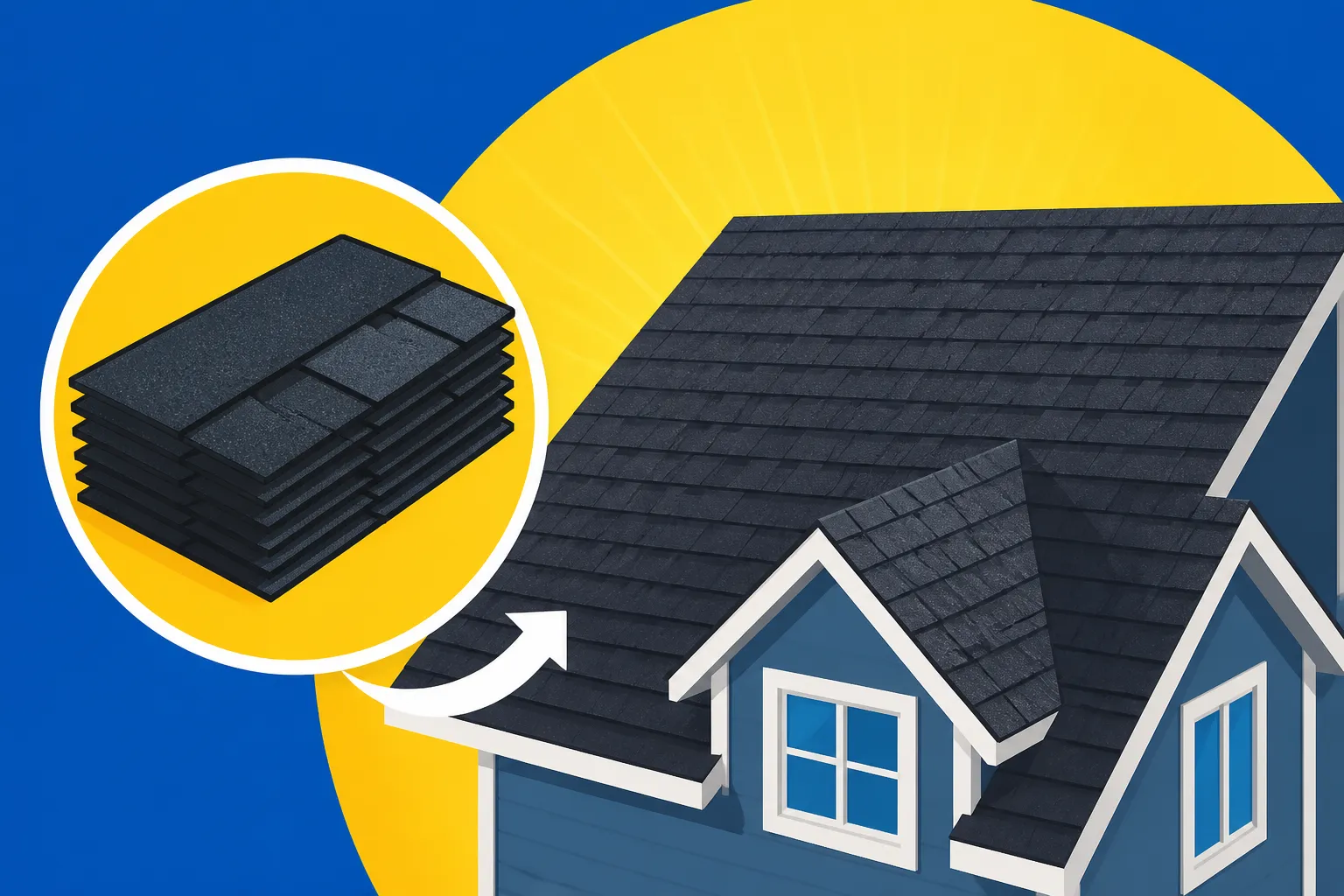
In the roofing world, a "square" isn't a shape; it's a unit of measurement. Specifically, one roofing square is equal to 100 square feet of roof surface area. Think of it like a convenient bundle. Manufacturers and contractors alike use this unit to price materials and estimate labor, making it a standard term across the industry. So, when a contractor talks about installing a "30-square roof," they're referring to a roof with an actual surface area of 3,000 square feet. This standardized unit helps simplify the ordering process for large quantities of materials.
It's also important to remember that shingles themselves are packaged in "bundles," and it typically takes 3 to 5 bundles to make up one roofing square, depending on the type of shingle. For example, standard 3-tab shingles often come 3 bundles to a square, while thicker architectural shingles might take 4 or even 5 bundles per square due to their weight and dimensions. This distinction between bundles and squares is crucial when looking at material costs and comparing options. Knowing this can help you better understand the nuances of your Asphalt Roof Replacement Cost: Complete Breakdown.
House Square Footage vs. Roof Surface Area
Here's where many homeowners get confused. The 3,000 square feet you might think of for your house likely refers to its living space footprint, not the actual, measurable surface area of your roof. Your roof's surface area is almost always larger than your home's footprint for several key reasons:
- Pitch (Slope): This is the most significant factor. A roof isn't flat; it rises at an angle. The steeper the pitch, the more surface area it covers for the same house footprint. Imagine trying to cover a ramp versus a flat floor – the ramp requires more material. A moderate pitch can easily add 20-30% to the total surface area compared to the flat footprint.
- Overhangs: Eaves and gable overhangs extend beyond the house walls, adding to the total roof surface that needs covering. While they might seem minor, these extensions collectively add a considerable amount of square footage.
- Complexities: Features like dormers, multiple gables, valleys, hips, and chimneys all add to the overall surface area and also contribute to a higher waste factor during installation. Each turn and angle requires careful cutting and fitting of shingles, which uses more material than a simple, flat plane.
Because of these factors, a house with a 3,000 square foot footprint could easily have a roof surface area ranging from 3,600 square feet to over 4,500 square feet, or even more for a home with a very steep pitch or intricate design. This is why having a professional measure your roof is always the most accurate approach, often using tools like aerial measurement software or drones, as detailed in how roofers measure a roof.
Calculating Shingles for a 3,000 Square Foot Roof
Alright, now let's get down to the numbers. If your actual roof surface area has been professionally measured or estimated at 3,000 square feet, calculating the base number of squares needed is quite simple. However, the final number of shingle bundles you'll need will also include an essential "waste factor."
The Core Calculation: Surface Area to Squares
As we've established, one roofing square covers 100 square feet. So, for a roof with an actual surface area of 3,000 square feet, the initial calculation is:
Total Roof Surface Area / Square Footage per Square = Number of Squares
3,000 sq ft / 100 sq ft per square = 30 squares
So, your starting point is 30 squares of shingles. Easy enough, right? But don't stop there. This number represents the perfect amount of material needed if every single shingle piece were used without any cuts or mistakes, which, as any seasoned roofer will tell you, is simply not how roofing works.
Incorporating the Waste Factor
The "waste factor" is absolutely critical. Even the most skilled roofers will have some material waste due to cutting shingles to fit around valleys, hips, eaves, rake edges, chimneys, skylights, and other penetrations. It's an unavoidable part of the process. For a straightforward, simple gable roof, a waste factor of 5-10% might be sufficient. However, for more complex roofs with many angles, dormers, or valleys, that waste factor can easily jump to 15-20%, or even higher in extreme cases.
Let's assume a typical waste factor for a moderately complex roof, somewhere in the range of 10-15%.
Example Calculation with Waste Factor:
If your roof is 3,000 actual surface square feet:
- Base squares needed: 30 squares
- Scenario 1: Simple Roof (10% Waste Factor)
- 30 squares * 0.10 (10%) = 3 squares of waste
- Total squares needed: 30 + 3 = 33 squares
- Scenario 2: Moderately Complex Roof (15% Waste Factor)
- 30 squares * 0.15 (15%) = 4.5 squares of waste
- Total squares needed: 30 + 4.5 = 34.5 squares (always round up to 35 squares as you can't buy half a square)
- Scenario 3: Very Complex Roof (20% Waste Factor)
- 30 squares * 0.20 (20%) = 6 squares of waste
- Total squares needed: 30 + 6 = 36 squares
So, for a 3,000 sq ft roof, you're looking at needing anywhere from 33 to 36 squares of shingles. This also doesn't account for other necessary roofing components like starter shingles, ridge cap shingles, underlayment, drip edge, or flashing, all of which are essential for a complete roofing system. Remember, a comprehensive roofing estimate, like those discussed in How to Read and Compare Roofing Estimates, will break down these components clearly.
Roofing Squares to Shingle Bundles
Once you have the total number of squares, you'll need to convert that into bundles to figure out how much material to order. As mentioned, the number of bundles per square varies by shingle type:
| Shingle Type | Bundles per Square (Approx.) | Total Bundles for 35 Squares (Example) |
|---|---|---|
| 3-Tab Shingles | 3 | 35 * 3 = 105 bundles |
| Architectural Shingles | 3 – 4 | 35 * 3 = 105 bundles (minimum) |
| 35 * 4 = 140 bundles (maximum) | ||
| Designer/Luxury Shingles | 4 – 5 | 35 * 4 = 140 bundles (minimum) |
| 35 * 5 = 175 bundles (maximum) |
As you can see, the exact number of bundles can vary quite a bit, making it even more important to consult with your roofing contractor or supplier for the specific shingles you plan to use. This information is typically listed on the shingle manufacturer's specifications. Leading brands like GAF, Owens Corning, and CertainTeed will clearly state their coverage rates per bundle or square.
Factors That Influence Shingle Quantity Beyond Square Footage
While the raw square footage of your roof provides the basic calculation, several other elements significantly influence the final number of shingles you'll need. These factors directly impact the waste factor and, consequently, your overall material costs. Ignoring them can lead to frustrating delays or unexpected expenses.
Roof Complexity and Design
The architectural design of your home's roof is probably the biggest determinant of waste. A simple, two-plane gable roof is far less complex than a sprawling home with multiple hips, valleys, dormers, and intersecting rooflines.
- Valleys: These are the internal angles where two roof planes meet, channeling water downwards. Valleys require shingles to be cut at an angle, and often, those cut pieces are too small to be used elsewhere, resulting in waste. A roof with many valleys will inherently require more waste material.
- Hips: These are the external angles where two roof planes meet and slope away from the ridge. While not as wasteful as valleys for the main shingles, hip roofs require specialized hip and ridge cap shingles, which are packaged separately and add to the material count.
- Dormers and Skylights: Any penetration or protrusion from the main roof plane, such as a dormer or a skylight, means the main shingles need to be cut precisely around it. This again generates unusable scrap pieces. The more of these features you have, the higher your waste factor will climb.
- Steep Pitches: While steep roofs increase the overall surface area as discussed earlier, they can also increase the waste factor slightly due to the difficulty of cutting and maneuvering materials safely. Specialized safety equipment is often needed, and the process can be slower. This can also affect Steep Roof Cost Premium.
When getting a quote, a reputable contractor will consider these complexities. They know that a basic 3,000 sq ft roof is vastly different from an elaborate 3,000 sq ft roof with ten dormers and five valleys.
Shingle Type and Installation Method
Believe it or not, the type of shingle you choose and how it's installed can also impact the required quantity and waste.
- Shingle Size and Cut Pattern: Different shingle styles, like 3-tab versus architectural, have varying dimensions and installation patterns. Architectural shingles, for instance, are thicker and have a more random, dimensional appearance. While they often cover the same 100 sq ft per square, the way they interlock and are cut can subtly affect waste.
- Underlayment and Starter Strips: These essential components of a complete roofing system are typically not included in the "squares of shingles" calculation but are vital. Starter shingles, installed along the eaves and rake edges, are specifically designed to protect the vulnerable edges and often come in separate bundles. A knowledgeable contractor ensures these are accounted for. This relates to topics such as How Asphalt Shingles Are Installed: Step by Step for a full understanding of the process.
- Local Building Codes and Nailing Patterns: Some local building codes, especially in high-wind zones, may require a six-nail pattern per shingle instead of the standard four, or mandate specific starter shingle applications. While this doesn't directly change the number of squares, it can influence how materials are used and if extra specific shingle types are needed. Always ensure your contractor is familiar with Roofing Building Codes: What to Know in your area.
For example, if you live in a hurricane-prone area of Florida, your roof might require a more robust nailing pattern and specific shingle types that resist high winds. This could mean slightly less flexibility in using cut pieces, bumping up the effective waste. Modernize can connect you with experienced roofers who understand these local nuances.
The Critical Importance of Accurate Shingle Calculation
Under-ordering or over-ordering shingles might seem like minor inconveniences, but in the context of a major home project like a roof replacement, the ripple effects can be substantial, leading to delays, increased costs, and even warranty issues. Getting it right from the start saves you a lot of headaches.
The Pitfalls of Under-Ordering
Imagine your roof is halfway torn off, and the crew suddenly realizes they're short on shingles. This is a nightmare scenario that can easily happen if the initial calculation was off.
- Project Delays: Work grinds to a halt while additional materials are ordered and delivered. This could mean days or even a week of downtime, leaving your home exposed to the elements or simply extending the disruption to your daily life.
- Increased Costs: Expedited shipping for emergency shingle orders can be pricey. You might also face minimum order fees or higher per-bundle costs if you're buying a small quantity.
- Dye Lot Issues: This is a big one. Shingles, like paint or fabric, are manufactured in "dye lots" or batches. There can be subtle color variations between different production runs. If you have to order more shingles later, there's a risk they won't perfectly match the ones already installed, leading to noticeable patches of mismatched color on your new roof. This unsightly issue can significantly detract from your home's curb appeal and even affect its value.
- Warranty Concerns: Some manufacturers require a complete roofing system, including specific types of starter and ridge cap shingles, for their full warranty to be valid. If parts of the system are missing or mismatched due to under-ordering, it could potentially void portions of your warranty.
The Downsides of Over-Ordering
While seemingly less severe, ordering too many shingles also comes with its own set of problems.
- Wasted Money: Roofing materials are expensive. Paying for extra squares you don't need is simply throwing money away. While some suppliers might allow returns for unused, unopened bundles, they often come with restocking fees, and you'll have to arrange for transportation of heavy bundles back to the supplier. This impacts your overall Roof Cost Per Square: What You'll Pay.
- Storage Issues: Unused bundles take up valuable space in your garage, yard, or shed. They're heavy, bulky, and an eyesore, especially if they sit there for months or years.
- Disposal Costs: If returns aren't an option, you're left with the burden of disposing of the extra materials, which can add to your waste disposal fees. This is an additional consideration on top of the Cost of Roof Tear-Off and Disposal.
The Value of Professional Expertise
This is precisely why working with a professional and experienced roofing contractor is so important. They have the tools and expertise to accurately measure your roof's actual surface area, factor in its unique complexities, and calculate the appropriate waste factor. They understand the intricacies of Roofing Material Cost vs Labor Cost and can provide a precise estimate that minimizes waste without risking shortages.
When getting quotes, pay close attention to how different contractors estimate material quantities. A clear, detailed estimate that breaks down materials, labor, and waste factor is a sign of a reputable company. Don't hesitate to ask questions about their measurement process and how they account for waste. Platforms like Modernize can help connect you with experienced local roofers who prioritize accurate estimates. Ensuring precision in this early stage sets the foundation for a smooth and successful roof replacement project.
Final Preparations and Considerations
Getting your new roof is a significant investment, and ensuring you're fully prepared, from understanding the material costs to choosing the right contractor, can make all the difference. Beyond the number of squares, there are a few more things you should keep in mind as your project approaches.
Beyond Shingles: Other Essential Materials
Remember that your roof is a system, not just a layer of shingles. When calculating your total materials, or more likely, reviewing a contractor's estimate, ensure these critical components are included:
- Underlayment: This protective layer goes directly over the roof decking before the shingles are installed. It acts as an extra barrier against water intrusion. You'll often see options like synthetic underlayment or felt paper.
- Ice and Water Shield: Especially important in cold climates, this self-adhering membrane provides superior protection in vulnerable areas like eaves, valleys, and around chimneys where ice dams are common.
- Drip Edge: Installed along the eaves and rake edges, drip edge helps direct water off the roof and into the gutters, protecting the fascia and preventing water from getting underneath the shingles.
- Flashing: Essential around chimneys, skylights, vents, and wall intersections, flashing creates a watertight seal. This often includes step flashing, counter flashing, and valley flashing.
- Ridge Vents and Other Ventilation: Proper attic ventilation is crucial for your roof's longevity and your home's energy efficiency. Ridge vents are a popular, low-profile option installed at the peak of the roof.
- Fasteners: Nails are a small but mighty part of the system. Ensuring enough high-quality roofing nails are factored in is essential.
All these components play a vital role in protecting your home and maximizing the lifespan of your asphalt roof. When working with a contractor, they should provide a comprehensive breakdown, as outlined in articles like What a Roofing Estimate Should Include. This will help you understand the full scope of your How Much Does an Asphalt Shingle Roof Cost.
Choosing the Right Roofing Contractor
Ultimately, the most accurate material calculation and the smoothest project execution come from choosing an experienced and trustworthy roofing contractor. They'll handle the precise measurements, material ordering, and skilled installation, taking the burden off your shoulders.
Here are a few tips:
- Get Multiple Estimates: Don't settle for the first quote. Get at least three detailed estimates from different reputable contractors. This allows you to compare not just price, but also material breakdown, warranties, and proposed timelines.
- Check Credentials: Ensure your contractor is licensed, insured, and has a strong track record. Ask for references and check online reviews. Verify their manufacturer certifications (e.g., GAF Master Elite, Owens Corning Platinum Preferred) if you're opting for a specific brand of shingle, as these often unlock enhanced warranties. You can find more tips in How to Choose a Roofing Contractor.
- Ask About Their Measurement Process: A good contractor will explain how they measure your roof, whether it's through drone technology, satellite imagery, or a physical inspection. They should be able to clearly articulate how they arrive at the total square footage and waste factor.
- Understand the Warranty: Discuss both the material warranty from the manufacturer and the workmanship warranty from the contractor. A strong warranty provides peace of mind for years to come.
Working with a reliable professional is your best defense against miscalculations, unforeseen issues, and the stress that can come with a major home renovation. They're equipped to handle all the complex variables, ensuring your 3,000 sq ft roof (or whatever its true surface area might be!) gets the high-quality treatment it deserves.
A Note on Budgeting and Unexpected Costs
Even with a detailed estimate, it’s always wise to factor in a contingency budget, typically 10-15% of the total project cost. Sometimes, during the tear-off of old shingles, unexpected issues like rotted roof decking or damaged fascia are discovered. These need to be addressed promptly to ensure the integrity of your new roof, and they will add to your overall cost. Articles like Hidden Costs in a Roof Replacement can shed more light on these potential surprises.
By taking the time to understand these calculations and partnering with a trustworthy professional, you're setting yourself up for a successful roofing project, free from the guesswork and unexpected expenses that can often plague homeowners. Modernize can be a valuable resource for finding qualified contractors in your area who can guide you through this process with transparency and expertise.
Disclaimer
Please remember that this guide offers general information and estimates. Roofing projects are highly specific to each home, location, and chosen materials. Always consult with a qualified, licensed roofing professional for precise measurements, a detailed quote, and advice tailored to your specific situation and local building codes.