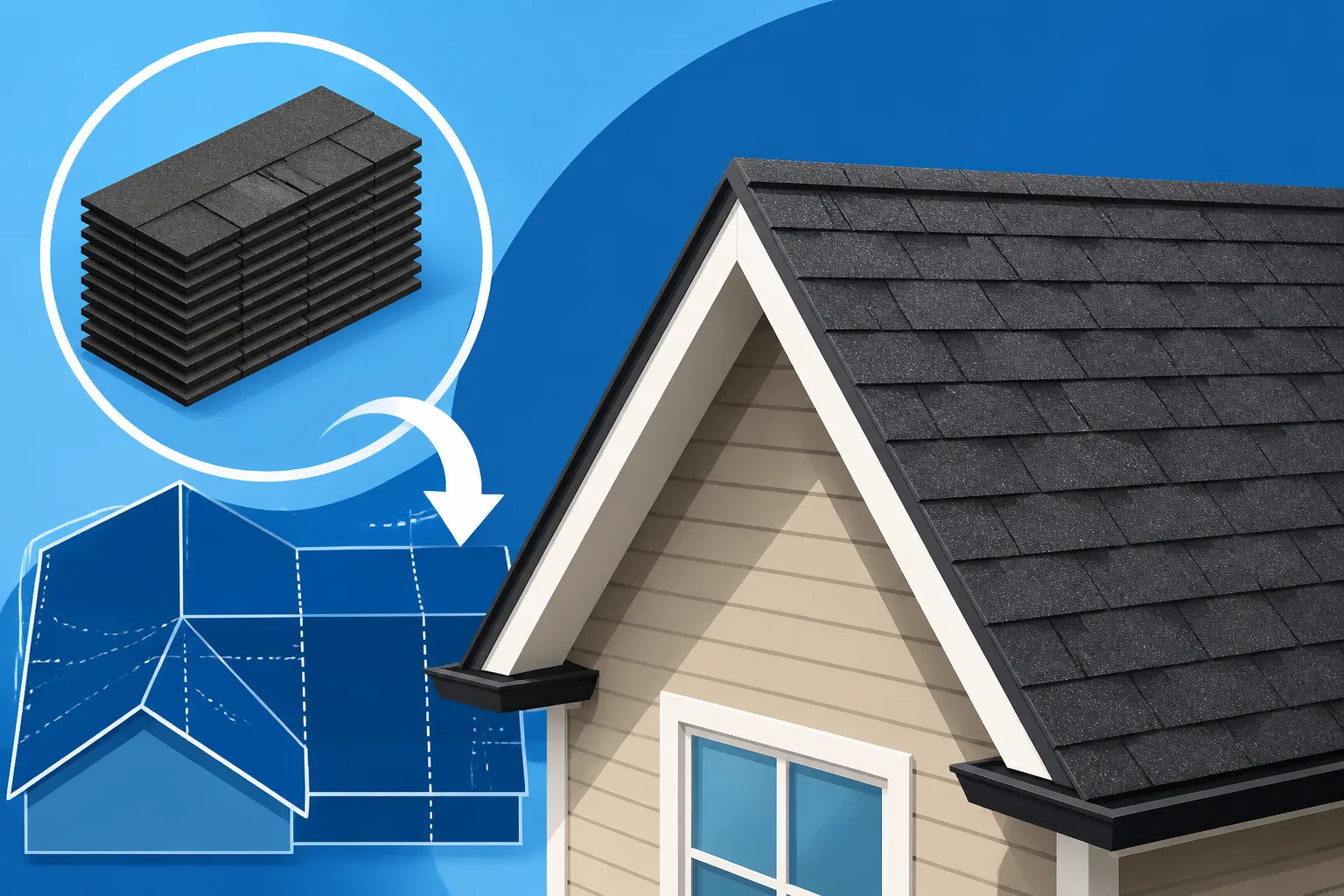
How Many Squares of Shingles for a 1,000 sq ft Roof
Deciphering roofing terminology can feel like learning a whole new language, especially when you hear phrases like "roofing square" and try to reconcile them with your home's actual square footage. Many homeowners get tripped up right at the start, wondering how their 1,000 square foot house translates into the amount of shingles they need. This guide is here to untangle that confusion, explaining precisely what a roofing square is and how to accurately calculate the number of shingle squares required for a 1,000 sq ft roof, making your planning much smoother.
Unpacking the Roofing Square Terminology
Before we dive into calculations, let's clear up the most common point of confusion: the difference between your home's footprint in square feet and the roofing industry's "square." It's easy to assume that if your house is 1,000 square feet, your roof is also 1,000 square feet, but that's rarely the case. Understanding this fundamental distinction is the first step to accurately estimating your roofing material needs.
What is a Roofing Square?
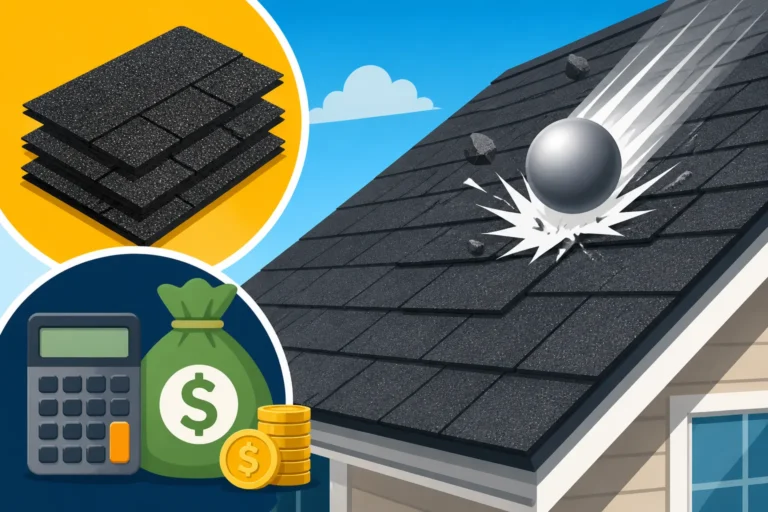
In the roofing world, a "square" isn't just a shape; it's a unit of measurement. Specifically, one roofing square equals 100 square feet of roof surface. This standardized unit has been used for generations to simplify estimating material quantities for large roofing projects. So, if a roofer talks about a "ten square roof," they're referring to a roof with a surface area of 1,000 square feet. It's an industry shorthand that helps manufacturers package shingles and contractors quote jobs.
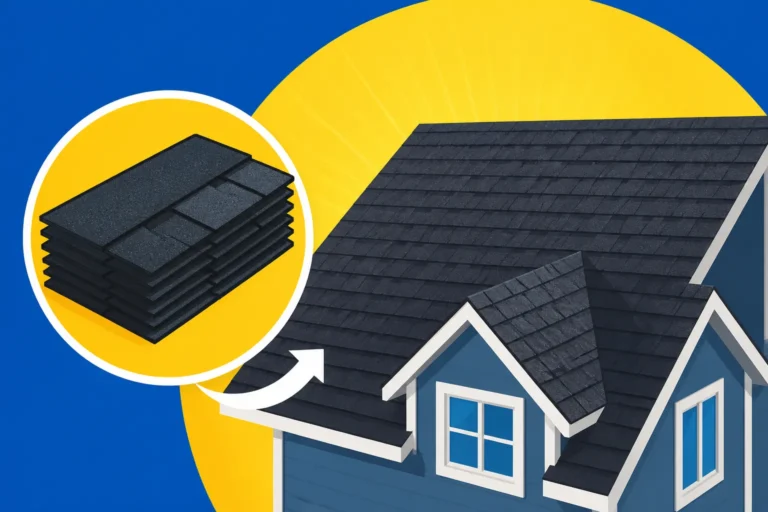
Think of it like this: Shingles are often packaged in bundles, and typically, three bundles make up one roofing square. This can vary slightly by manufacturer and shingle type, so it's crucial to always check the product specifications. For instance, some premium architectural shingles might require four or five bundles per square due to their larger size or different stacking patterns. This is why just guessing based on your home's footprint can lead to significant miscalculations, leaving you either short on materials in the middle of a job or with a mountain of expensive leftovers.
Why Your Home's Footprint Isn't Your Roof's Surface Area
It’s tempting to think that a 1,000 sq ft house means a 1,000 sq ft roof. Unfortunately, it's rarely that simple. Your home's heated living space, what most people refer to as its square footage, is the area inside the walls at ground level. Your roof, however, has overhangs (eaves), slopes, and often multiple facets. All these elements add to the total surface area.
Consider a simple ranch-style home with a 1,000 sq ft footprint. Even this relatively straightforward roof will have a larger surface area than 1,000 sq ft due to the pitch (slope) of the roof and the overhangs. The steeper the pitch, the more surface area it covers for the same footprint. Additionally, features like dormers, chimneys, and skylights all impact the total area and the complexity of installation, which indirectly affects material needs due to increased waste. This is why a professional measurement, sometimes using advanced tools like satellite imagery for a Satellite Roof Measurement Explained, is almost always necessary for an accurate estimate, and why simply using your house's internal square footage will almost always result in a severe underestimation of the true roof surface.
Calculating Shingles for a 1,000 Sq Ft Roof
Now that we understand what a roofing square is, let's get down to brass tacks: how many shingles you'll truly need for a roof with a surface area of 1,000 square feet. The process involves a straightforward calculation, but it's crucial to factor in one very important element: waste.
The Basic Calculation for a 1,000 Sq Ft Roof Surface
If your roof surface area measures exactly 1,000 square feet, the basic calculation is simple:
1,000 sq ft / 100 sq ft per square = 10 roofing squares.
This means you would need 10 "squares" worth of shingles. However, this is just the theoretical minimum. Roofing projects, by their very nature, involve cutting, trimming, and dealing with imperfections, which inevitably leads to some material loss. You're not going to use every single shingle piece perfectly.
Accounting for Waste Factor
The waste factor is arguably the most critical part of this calculation that many DIYers or inexperienced homeowners overlook. No matter how simple your roof's design, you will generate waste. Shingles need to be cut to fit valleys, hips, ridges, and around obstacles like chimneys or vent pipes. Even on a perfectly rectangular, low-slope roof, some waste occurs during starter course installation and final trimming at the edges.
The typical waste factor can range from 10% to 15% for a standard, moderately complex roof. For roofs with a lot of angles, dormers, valleys, or steep pitches, the waste factor can easily climb to 20% or even 25%. A very simple, low-pitch gable roof might see waste closer to 7-8%, but it's safer to plan for at least 10%.
Let's apply this to our 10-square roof:
- 10% Waste: 10 squares * 0.10 (10%) = 1 extra square. Total needed: 10 + 1 = 11 squares.
- 15% Waste: 10 squares * 0.15 (15%) = 1.5 extra squares. Total needed: 10 + 1.5 = 11.5 squares.
- 20% Waste: 10 squares * 0.20 (20%) = 2 extra squares. Total needed: 10 + 2 = 12 squares.
Since you can't buy half a square of shingles (you typically buy them by the bundle, and bundles comprise a square), you'll always round up to ensure you have enough. So, for a 10-square roof with 15% waste, you'd effectively need to purchase 12 squares of material. It's always better to have a little extra than to run out mid-project, especially if your chosen shingle color or style is discontinued or hard to find.
The Role of Bundles per Square
Remember we mentioned that typically, three bundles make up one roofing square? This is where that information becomes practical. Once you determine the total number of squares you need (including waste), you can easily calculate the number of bundles.
Using our example of 12 squares:
12 squares * 3 bundles/square = 36 bundles of shingles.
This is the number you'd give to your supplier or contractor. Always confirm the "bundles per square" with your specific shingle product, as this can vary. For instance, if you're installing a robust architectural shingle like the Owens Corning Duration Roof, you might find that the bundles are slightly different.
Here's a quick table to visualize the calculation with different waste percentages for a 1,000 sq ft roof surface:
| Roof Surface Area (sq ft) | Basic Roofing Squares Needed | Waste Factor | Additional Squares (Rounded Up) | Total Squares to Order (Rounded Up) | Bundles to Order (assuming 3 bundles/square) |
|---|---|---|---|---|---|
| 1,000 | 10 | 10% | 1 | 11 | 33 |
| 1,000 | 10 | 15% | 2 | 12 | 36 |
| 1,000 | 10 | 20% | 2 | 12 | 36 |
| 1,000 | 10 | 25% | 3 | 13 | 39 |
Remember, the starting point of 1,000 sq ft here refers to the actual measured roof surface, not your home's footprint. This distinction is paramount to avoid material shortages or overspending.
Factors That Influence Shingle Quantity and Waste
While the basic calculation provides a good starting point, many elements can subtly, or not so subtly, increase the actual amount of shingles you'll need. These factors are critical to discuss with your roofing professional, as they can significantly impact both material costs and labor.
Roof Complexity and Pitch
A roof isn't just a flat surface; its design plays a huge role in material requirements. A simple gable roof with two slopes will have a much lower waste factor than a complex hip roof with multiple valleys, dormers, and intricate angles. Each cut shingle along a valley or hip line contributes to waste. A steeper roof pitch also often requires more careful cutting and handling, which can lead to more waste.
For instance, if your 1,000 sq ft roof surface includes three prominent valleys and four dormers, the cuts required to properly flash and seal these areas will generate substantially more waste than a straightforward design. Some contractors might even add an extra half-square or full square just for hip and ridge cap shingles, especially on complex roofs, as these specialized shingles are often sold separately or come in a more limited quantity per bundle. This is also why Roof replacement cost by pitch can vary so much, as steeper roofs require more labor and often more material.
Shingle Type and Installation Method
The kind of shingle you choose can also affect waste. Standard 3-tab shingles, while generally more uniform, still require careful cutting. Architectural shingles, like GAF Timberline HDZ, are thicker and more dimensional, sometimes leading to slightly different cutting patterns and potentially more waste if not handled expertly. Luxury or designer shingles, often with unique shapes or sizes, might also have specific installation instructions that could influence waste.
Beyond the shingle type, the installation method itself can play a role. Some roofing systems require specific starter courses or specialized components that might mean you need additional bundles beyond the standard calculation for field shingles. For example, some manufacturers recommend specific "starter shingles" for enhanced wind resistance, which are applied along the eaves and rake edges. The way your roofers plan their layout can also minimize or maximize waste – experienced crews are adept at optimizing cuts to use as much material as possible. Understanding How Asphalt Shingles Are Installed: Step by Step can give you insights into these complexities.
Local Building Codes and Climate Considerations
Did you know that local building codes can dictate how your shingles are installed, potentially influencing material usage? For example, in high-wind zones, codes might require a specific nailing pattern, such as six nails per shingle instead of the standard four. While this doesn't directly increase the number of shingles, it emphasizes the importance of proper installation. Furthermore, in areas prone to ice dams, building codes often mandate the installation of ice and water shield along eaves and valleys, which is an additional material cost and installation step.
Some climates might also influence the choice of shingle, leading to different material requirements. For example, in hot climates, homeowners might opt for Cool-Roof Shingle Cost options designed to reflect more sunlight. These specialized shingles may have slightly different dimensions or packaging. Always check with your local municipality or a contractor like one found through Modernize to understand specific Roofing Building Codes: What to Know that might apply to your area, as non-compliance can lead to issues down the road.
Ordering and Delivery Considerations
Once you've done the math and accounted for all the variables, you're ready to place your order. But the job isn't quite done yet! There are a few practical considerations related to ordering and delivery that can make a big difference in the smoothness of your roofing project.
Why Ordering a Little Extra Is Smart
It's almost always a better idea to order slightly more material than your absolute minimum calculation suggests. Running out of shingles in the middle of a project is a nightmare. Not only does it halt progress, but it can also be expensive if you need to pay for a special rush delivery or if the specific shingle batch is no longer available. Color matching can be a significant issue if you have to buy shingles from a different dye lot later on. Even the same brand and color can look slightly different if manufactured at different times.
Having a few extra bundles also comes in handy for future repairs. A stray tree branch, a severe hailstorm, or unexpected damage could necessitate replacing a few shingles down the line. If you have matching spares stored in your garage or shed, you'll save yourself the headache and expense of trying to find a perfect match years later. This small upfront investment can save you a lot of grief and money in the long run.
Understanding Packaging and Delivery
Shingles are heavy! A single bundle can weigh anywhere from 60 to 80 pounds, and a full square (3 bundles) will be between 180-240 pounds. For a 12-square roof, you're looking at well over a ton of material. Most roofing suppliers deliver shingles in bulk, often on pallets, and will use a boom truck to lift them directly onto your roof for easier access by the installation crew. This is a common practice and helps streamline the job, reducing manual labor and the risk of damage.
However, make sure your contractor coordinates the delivery to minimize disruption. Shingles stacked on the roof need to be distributed evenly to avoid putting too much stress on one section of the roof decking. If you're doing a DIY project, consider renting appropriate lifting equipment or having plenty of help to get the materials onto the roof safely. Discussing logistics with your contractor, especially those found via platforms like Modernize, will ensure a smooth process. They can typically manage these arrangements, from coordinating delivery times to ensuring proper placement on the roof.
What to Do with Leftover Shingles
If you did your calculations right and accounted for waste, you'll likely have some leftover bundles. Don't fret! As mentioned, these are invaluable for future repairs. Store them in a cool, dry place, ideally off the ground and away from direct sunlight, to maintain their integrity. A shed, garage, or even a covered area of your yard works well. If you have a significant amount of excess (e.g., several full squares), you might be able to return unopened, undamaged bundles to your supplier, though this depends on their return policy and if the shingles are a standard stock item. Always check return policies before making a large purchase.
For smaller quantities, you could also offer them to a neighbor who might be doing minor repairs or dispose of them properly. Roofing debris, including leftover shingles, is considered construction waste and must be handled according to local regulations, often requiring disposal at a specialized landfill or recycling facility. Be aware of the Cost of Roof Tear-Off and Disposal to properly budget for waste management.
Navigating the world of roofing materials, especially when it comes to understanding "squares" and calculating quantities, can be daunting for any homeowner. By breaking down the terminology and walking through the process of calculating shingles for a 1,000 sq ft roof (surface area), we hope to have provided you with a clear roadmap. Remember to factor in that crucial waste percentage, consider your roof's unique characteristics, and don't be shy about asking your contractor for detailed explanations on their material estimates. Planning ahead will not only save you stress but also help you manage your How Much Does an Asphalt Shingle Roof Cost more effectively.
Disclaimer
Please remember that this article provides general information and estimates. Roofing projects are complex and can vary significantly based on location, specific materials, labor rates, and unexpected issues that may arise during installation. Always consult with multiple qualified, local roofing professionals to obtain accurate, personalized quotes for your specific project. Do not make purchasing or installation decisions solely based on the information presented here.