Designer Shingle Cost Per Square
The thought of replacing your roof can be daunting enough, but when you start delving into the world of asphalt shingles, the options—and their associated costs—can feel overwhelming. Many homeowners are intrigued by the stunning aesthetics of designer shingles but get stuck trying to understand the actual price tag per square. This guide aims to demystify the cost of designer shingles, breaking down what influences their price and helping you decide if they're the right investment for your home.
What Are Designer Shingles, Anyway?
When we talk about designer shingles, we're not just talking about any old roof covering. These are the premium, high-end options in the asphalt shingle family, often mimicking the look of natural slate, wood shakes, or tile, but without the hefty price tag or maintenance requirements of those materials. They offer a significant aesthetic upgrade over traditional 3-tab or even architectural shingles, and often come with enhanced performance features.
The Allure of Aesthetics and Performance
Homeowners often choose designer shingles because they want their roof to be more than just a functional covering; they want it to be a key architectural feature that enhances their home's curb appeal. Imagine a home with the rich, varied texture of slate tiles or the rustic charm of cedar shakes, but made from durable, low-maintenance asphalt. That's the visual magic designer shingles bring to the table. They come in a vast array of colors, cuts, and dimensional profiles that create a stunning, multi-layered effect.
Beyond their beauty, these shingles often boast superior performance. Many are engineered with advanced technology for better wind resistance, impact protection, and algae resistance. For instance, some designer lines feature Scotchgard™ Protector from 3M for added algae and stain resistance, keeping your roof looking cleaner longer, a huge plus in humid climates. This blend of beauty and brawn makes them a compelling choice for many, even with the higher initial investment.
How Designer Shingles Differ from Regular Asphalt Shingles
The roofing world generally breaks down asphalt shingles into three main categories: 3-tab, architectural (or dimensional), and designer (or luxury). Each step up in category typically means a thicker, heavier shingle with a more pronounced aesthetic and enhanced features.
- 3-Tab Shingles: These are your most basic, flat shingles, characterized by distinct cutouts that make them appear as three separate tabs. They are the most affordable but also the least durable and aesthetically varied.
- Architectural Shingles: Also known as dimensional shingles, these are a step up. They feature multiple layers of asphalt and granules to create a thicker, more dimensional appearance, often mimicking wood shakes. They offer better wind and hail resistance than 3-tab shingles and a much more appealing look. You can find out more about their pricing in our guide on Architectural Shingle Roof Cost.
- Designer Shingles: These are the pinnacle of asphalt shingle design and performance. They are typically much thicker and heavier than architectural shingles, with highly sculpted designs that replicate natural materials with incredible fidelity. They often offer the highest wind ratings, impact resistance (Class 4 is common), and longest warranties. Their construction is often more complex, sometimes involving specialized blends of asphalt and reinforcement layers, all contributing to their premium feel and performance.
This inherent difference in materials, manufacturing processes, and design sophistication is a major driver behind their higher cost per square compared to their less opulent counterparts.
Breaking Down the Cost: Designer Shingles Per Square
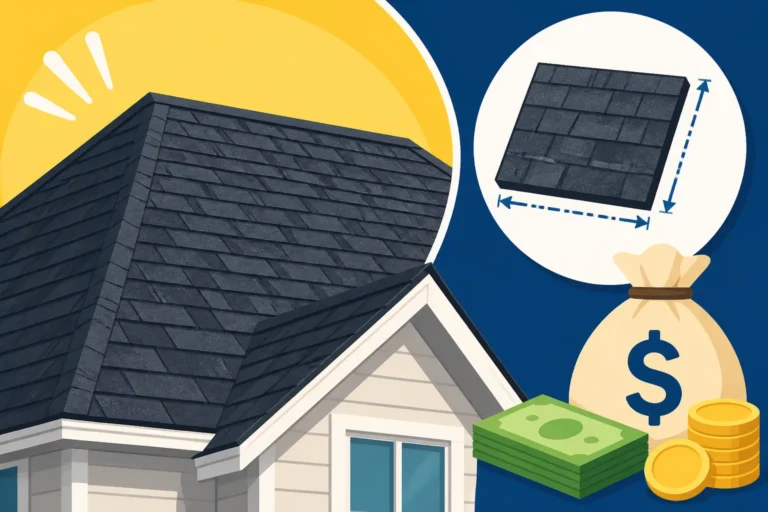
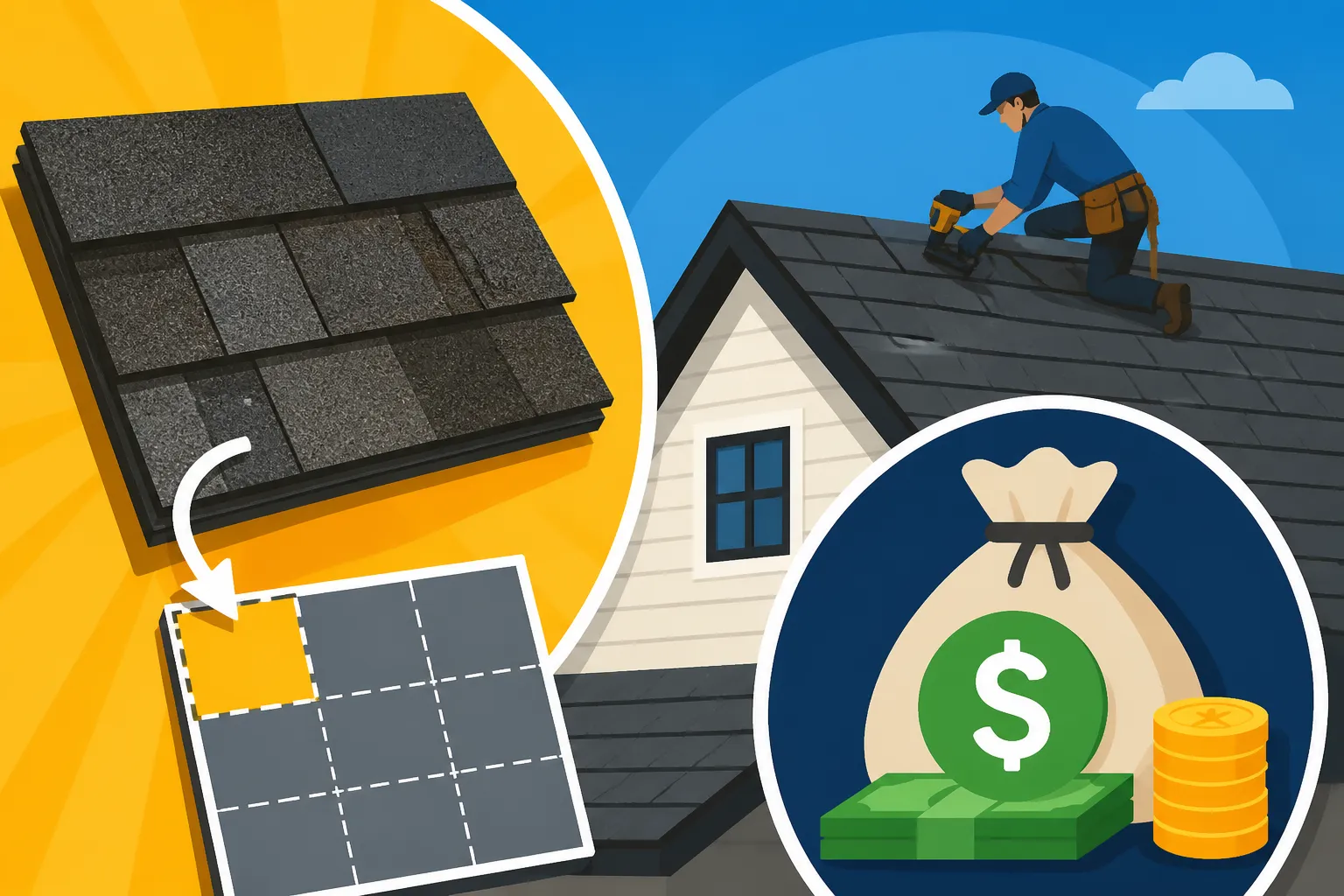
Understanding the cost of designer shingles isn't as simple as looking up a single price. The "per square" cost usually refers to a "roofing square," which is a unit of measurement equal to 100 square feet. This is how roofers and suppliers typically quote material quantities. However, the final price you pay will encompass more than just the shingles themselves. Let's delve into what contributes to that total.
Material Costs: The Shingle Itself
The cost of the designer shingle material alone can vary quite dramatically, generally ranging from $400 to $800 per roofing square, but can even go higher for the most exclusive lines. This wide range accounts for differences in brand reputation, shingle thickness, specific design complexity, color choices, and included technologies (like impact resistance or algae protection). For instance, a basic designer shingle from a reputable brand might be on the lower end, while a top-tier luxury shingle from a manufacturer like CertainTeed's Presidential Shake TL or GAF's Grand Sequoia may push towards the higher end of this scale.
It's crucial to remember this is for the shingles only, not including any other roofing components like underlayment, flashing, or ventilation, nor the labor to install them. When you're comparing quotes, always clarify if the material cost is separate from the installation cost to ensure you're getting a clear picture of Roofing Material Cost vs Labor Cost.
Installation Labor and Complexity
Labor is a significant portion of any roofing project, and designer shingles often demand more skilled labor and longer installation times, which translates to higher costs. Because these shingles are thicker, heavier, and designed for a specific aesthetic, their installation can be more intricate than that of standard shingles. Roofers need to be more precise with alignment and placement to achieve the intended visual effect, especially when mimicking the staggered look of slate or wood shakes.
Factors influencing labor cost include:
- Roof Pitch and Complexity: A steep roof or one with multiple dormers, valleys, and hips requires more effort, time, and safety measures. This will always incur a Steep Roof Cost Premium or a Cost of a Roof with Multiple Valleys.
- Number of Layers to Tear Off: If your old roof has multiple layers that need to be removed, this adds to the labor and disposal costs. A full Cost of Roof Tear-Off and Disposal is usually necessary for designer shingles to ensure a flat, proper base.
- Location: Labor rates vary significantly by region. Cities with a higher cost of living, such as Boston or San Francisco, will naturally have higher roofing labor rates compared to more rural areas.
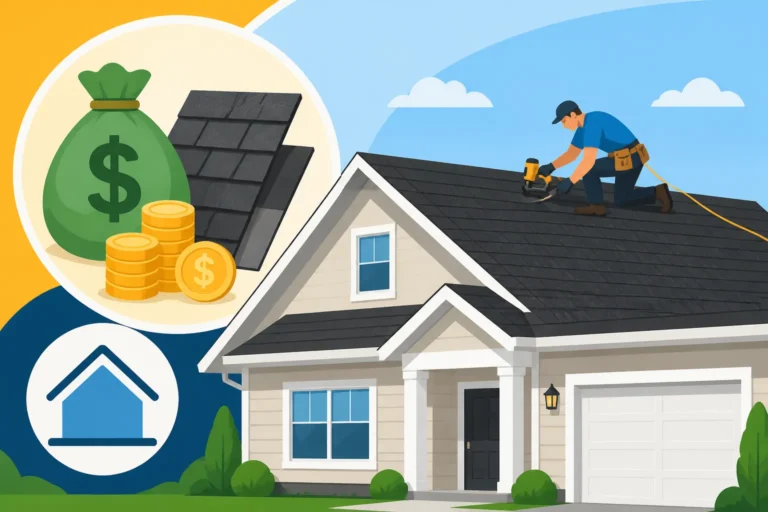
On average, you can expect installation labor for designer shingles to add another $400 to $700 per square, possibly more for very complex roofs or high-cost areas. This brings the total installed cost, including materials and labor, to a range of $800 to $1,500+ per square.
Additional Materials and Project Scope
A roof replacement is rarely just about shingles and labor. There are several other essential components that contribute to the overall project cost. These items are critical for a durable, watertight, and code-compliant roofing system.
- Underlayment: This protective layer goes directly over the roof deck before the shingles are installed. High-quality synthetic underlayments, often recommended with designer shingles, offer superior water resistance and tear strength compared to traditional felt. The cost of synthetic underlayment can range from $0.25 to $0.75 per square foot. Our article on Synthetic vs Felt Underlayment Cost can provide more details.
- Ice and Water Shield: Critical in colder climates, this self-adhering membrane is installed along eaves, valleys, and around penetrations to prevent water intrusion from ice dams or wind-driven rain. It's often required by building codes in certain areas and adds to the overall material cost.
- Flashing: This metal or composite material is used around chimneys, skylights, vent pipes, and wall intersections to prevent water leaks. High-quality, custom flashing can add to the material and labor costs. Knowing the Cost of New Flashing and Drip Edge is vital for accurate budgeting.
- Ventilation: Proper attic ventilation, including ridge vents, soffit vents, and sometimes powered vents, is crucial for your roof's longevity and your home's energy efficiency. Upgrading or replacing your ventilation system will add to the overall project cost. You can learn more about the Cost of Ridge Vent Installation for example.
- Dumpster Rental and Disposal: Removing old roofing materials requires a dumpster, and the cost of renting one and disposing of the debris is factored into the total. Given the heavier nature of designer shingles, disposal costs for the old roof can sometimes be a bit higher.
- Permits: Most localities require a roofing permit for a full replacement to ensure the work meets local building codes. The cost varies but is typically a few hundred dollars. Ignoring this can lead to serious headaches down the line.
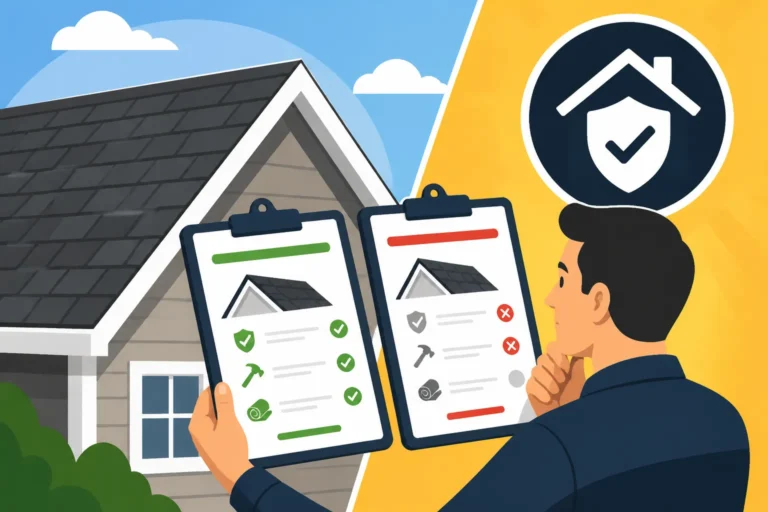
When requesting quotes, ensure the contractor provides a detailed breakdown of all these components. A reliable contractor will outline everything, helping you understand How to Read and Compare Roofing Estimates.
| Shingle Type | Material Cost per Square (Avg.) | Installed Cost per Square (Avg.) | Aesthetics | Durability/Warranty (Avg.) |
|---|---|---|---|---|
| 3-Tab Shingles | $70 – $120 | $200 – $400 | Flat, uniform, basic | 15-25 years |
| Architectural Shingles | $150 – $350 | $350 – $700 | Dimensional, mimics wood shake/slate | 30-50 years |
| Designer Shingles | $400 – $800+ | $800 – $1,500+ | High-definition, luxury look of slate/tile | 50+ years (Lifetime) |
Note: Costs are estimates and can vary significantly based on location, brand, specific product line, and contractor.
Factors That Influence Designer Shingle Pricing
The price you ultimately pay for designer shingles isn't a fixed number; it's a dynamic figure influenced by a multitude of variables. Understanding these factors will empower you to make more informed decisions and better interpret contractor quotes.
Shingle Brand and Specific Product Line
Just like with cars or appliances, the brand name and the specific product line play a huge role in the cost of designer shingles. Premium manufacturers often invest more in research and development, advanced manufacturing processes, and rigorous testing, all of which contribute to higher material costs.
- Top Brands: Companies like GAF, Owens Corning, and CertainTeed are industry leaders known for their extensive range of high-quality asphalt shingles, including luxury designer lines. For instance, CertainTeed's Presidential Shake line or GAF's Slateline shingles are highly regarded for their authentic appearance and performance, naturally coming with a higher price tag. Owens Corning also offers stunning options that replicate natural materials beautifully. These brands often offer superior warranties, which can be a significant benefit over the long term. When looking for quotes, you might want to specifically ask about the Average Cost of a GAF Timberline Roof or the Average Cost of an Owens Corning Duration Roof as a baseline for premium options.
- Material Composition and Features: Within a brand, different product lines offer varying levels of thickness, weight, dimensional complexity, and integrated technologies. Shingles with advanced impact resistance (Class 4 for hail), enhanced wind ratings (up to 130 mph), or specialized coatings for algae protection will typically be more expensive than those without these features. These innovations improve durability and longevity but add to the initial material cost.
When seeking estimates, don't be afraid to ask your contractor to explain the differences between various designer shingle options. A good contractor will walk you through the pros and cons of each, helping you understand why one might be more expensive than another. If you're looking for local professionals who can provide detailed options, platforms like Modernize are a great resource for connecting with experienced roofers in your area.
Roof Complexity and Home Style
The architectural design of your home and the inherent complexity of your roof structure are major determinants of installation costs, regardless of the shingle type. However, for designer shingles, this impact can be even more pronounced because of the meticulous installation required.
- Pitch and Angles: A very steep roof (high pitch) or one with numerous varying angles is more challenging and dangerous to work on. It requires more safety equipment, more time, and often specialized scaffolding, all of which drive up labor costs. Roofing a two-story home, for example, will almost always cost more than a single-story ranch due to height and accessibility. You might find our article on Roof Replacement Cost by Pitch helpful for understanding this better.
- Features and Obstructions: Dormers, skylights, chimneys, valleys, and intricate roof lines all add complexity. Each of these features requires careful cutting, fitting, and flashing of shingles, which takes more time and skill. The more penetrations and changes in plane your roof has, the higher the labor cost will be per square. Imagine a charming Victorian home with multiple turrets and peaks versus a simple gable roof; the installation effort is vastly different.
- Accessibility: If your home is difficult to access, requiring special equipment to deliver materials or remove debris, this will also contribute to higher labor and logistical costs. Tight property lines or significant landscaping around the house can also add to the installation challenge.
For contractors, accurately assessing roof complexity is key to providing a fair and accurate estimate. When you have a professional evaluate your roof, they'll be looking at all these elements to determine the scope of work and the associated labor hours.
Geographic Location and Local Market Conditions
Where you live significantly impacts the cost of a new roof, including designer shingles. Roofing costs are not uniform across the country; they are highly localized.
- Labor Rates: The prevailing labor rates in your region or city will directly influence the installation cost. Areas with a higher cost of living, like metropolitan areas in California or the Northeast, typically have higher labor costs than areas in the Midwest or Southeast. For instance, the Asphalt Roof Replacement Cost in California will likely be higher than the Asphalt Roof Replacement Cost in Georgia.
- Material Supply and Demand: The availability of specific designer shingle brands and colors can vary by region. If a particular shingle is in high demand or has limited local distribution, its cost might be higher due to freight and scarcity.
- Local Regulations and Building Codes: Some areas have stricter building codes, especially related to wind resistance (like in hurricane-prone Florida or coastal areas) or fire ratings. Meeting these codes might necessitate specific, higher-grade designer shingles or additional installation requirements, which can increase the overall cost. For example, Impact-Resistant Roofing Requirements by State can drive up costs in hail-prone regions.
- Competition Among Contractors: The number of roofing contractors in your area and the level of competition can also affect pricing. In areas with many reputable contractors, prices might be more competitive. Conversely, in areas with fewer options, prices could be higher. It's why getting multiple quotes from different contractors is always a good idea. To help with this, many homeowners rely on services that connect them to local pros, and Modernize is a platform that simplifies finding qualified roofers.
These geographic and market-specific factors are often beyond your control, but being aware of them helps you understand why estimates might differ from national averages or from what a friend in another state paid.
Is the Investment in Designer Shingles Worth It?
After seeing the price tag, many homeowners ponder whether designer shingles are truly worth the extra investment. It's a valid question, and the answer often depends on your priorities, your home's value, and your long-term plans.
Weighing the Pros and Cons
Let's look at the advantages and disadvantages to help you make an informed decision:
Pros of Designer Shingles:
- Superior Aesthetics: This is often the primary draw. Designer shingles offer unparalleled beauty, curb appeal, and the ability to mimic premium natural materials like slate or cedar at a fraction of the cost. They can truly elevate the look of your home.
- Enhanced Durability and Performance: Most designer shingles come with higher impact resistance ratings (often Class 4, which can sometimes lead to Do Class 4 Shingles Lower Insurance Premiums), better wind resistance, and advanced algae protection. This means they can withstand harsh weather better and maintain their appearance longer.
- Longer Lifespan: Due to their robust construction, designer shingles typically have a longer lifespan, often carrying a "lifetime" limited warranty (which usually means 50 years for residential applications). This means less frequent roof replacements over the life of your home.
- Stronger Warranties: Manufacturers often back their luxury lines with more comprehensive warranties, covering both materials and, when installed by certified contractors, workmanship. Understanding How Shingle Warranties Work is crucial.
- Increased Home Value: The stunning appearance and proven durability of a designer shingle roof can significantly boost your home's curb appeal and resale value. Potential buyers often see a high-quality roof as a major asset, understanding that they won't have to worry about a major expense for decades.
Cons of Designer Shingles:
- Higher Upfront Cost: This is the most obvious drawback. The material and installation costs are substantially higher than 3-tab or architectural shingles, which can be a barrier for some budgets.
- Heavier Weight: Designer shingles are heavier, which generally isn't an issue for modern homes with robust roof decking. However, if your roof decking is older or less robust, it might require reinforcement, adding to the overall Roof Decking Replacement Cost.
- Specialized Installation: While a pro should install any roof, designer shingles often require more experienced and meticulous roofers, which can slightly limit your choice of contractors or add a premium to labor.
Ultimately, the choice comes down to whether the benefits outweigh the costs for your specific situation.
Long-Term Value and Curb Appeal
When considering the cost of designer shingles, it's easy to focus solely on the immediate expense. However, it's often more beneficial to look at it as a long-term investment. A new roof, especially one with designer shingles, is a significant home improvement that offers substantial return on investment (ROI).
- Enhanced Curb Appeal: An attractive roof dramatically impacts your home's first impression. If you're planning to sell your home in the future, a beautiful, high-performance designer shingle roof can be a huge selling point, setting your property apart in a competitive market. It suggests a well-maintained home where no expense was spared on critical components. For more on this, you can check out our article on Roof Replacement and Home Value.
- Protection and Peace of Mind: The superior durability of designer shingles means better protection against the elements, translating to fewer worries about leaks, storm damage, and costly repairs down the road. This peace of mind is invaluable, especially in regions prone to severe weather.
- Energy Efficiency: While not a primary factor, a well-installed designer shingle roof, especially if paired with proper attic ventilation, contributes to better insulation and can slightly improve your home's energy efficiency over time by reducing heating and cooling loads.
- Insurance Benefits: As mentioned, Class 4 impact-resistant designer shingles can sometimes lead to discounts on homeowners insurance premiums, particularly in hail-prone areas. This long-term saving can help offset the initial investment.
So, while the initial How Much Does an Asphalt Shingle Roof Cost for designer options might seem steep, many homeowners find that the combination of elevated aesthetics, enhanced protection, and long-term value makes them a worthwhile investment for their most important asset. When you're ready to explore options and connect with contractors for designer shingles, services like Modernize can streamline the process of getting competitive quotes.
Disclaimer
Please remember that all cost estimates and timelines provided in this article are general averages. Actual costs for your specific roofing project will vary based on your geographic location, the specific materials chosen, the complexity of your roof, the contractor you hire, and prevailing market conditions. Always obtain multiple detailed quotes from licensed and insured roofing professionals before making any decisions.