Cost to Replace a Roof on a 2,500 sq ft House
Facing the daunting prospect of replacing your roof can feel overwhelming, especially when you're trying to figure out how much it's actually going to cost for a house the size of yours, say around 2,500 square feet. It's not just a simple calculation; there are so many variables that can swing the price wildly, leaving you scratching your head. This comprehensive guide is here to demystify the process, breaking down the factors that influence the cost to replace a roof on a 2,500 sq ft house, so you can approach your project with confidence and a clear budget in mind.
What a 2,500 Sq Ft House Roof Replacement Actually Costs
When you start to think about the cost of a new roof, one of the biggest initial hurdles is understanding how your home's square footage relates to the actual size of the roof itself. It's not a one-to-one conversion, and this often trips homeowners up right from the start.
Distinguishing House Size from Roof Size
It’s a common misconception that if your house is 2,500 square feet, your roof is also 2,500 square feet. That's rarely the case! The square footage of your home refers to the living space, while the roof's surface area is almost always larger. Think about it: your roof extends beyond the walls, covering eaves, overhangs, and often includes pitches and slopes that increase its total surface area.
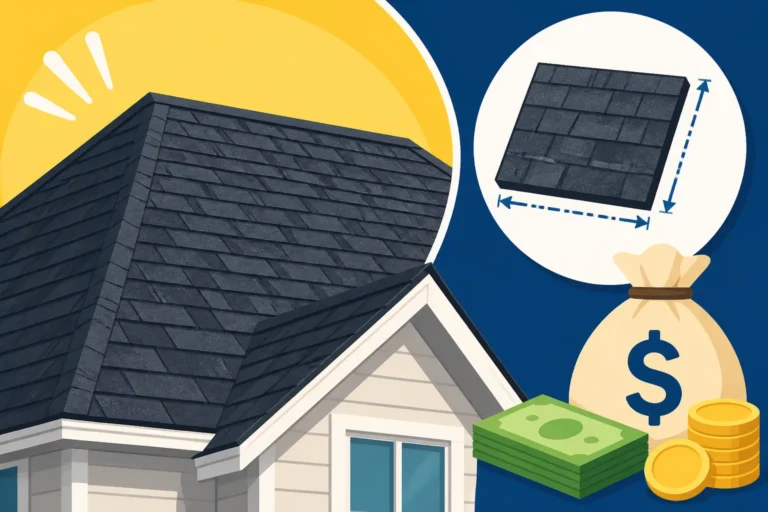
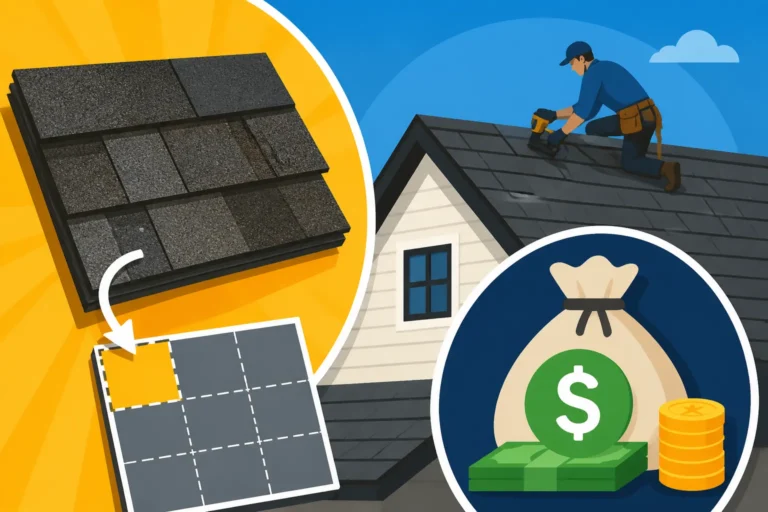
Typically, you can estimate that the actual roof surface area will be anywhere from 1.2 to 1.5 times the heated living space of your home. So, for a 2,500 sq ft house, your roof might actually be closer to 3,000 to 3,750 square feet. In roofing terms, this translates to 30 to 37.5 "squares," where one roofing square equals 100 square feet. This distinction is crucial because roofing contractors base their material and labor estimates on the actual roof squares, not your home's footprint. For instance, if you have a simple ranch-style home, your multiplier might be closer to 1.2, but a two-story home with a complex design, multiple gables, and a steeper pitch could easily push that multiplier towards 1.5 or even higher.
When we talk about average costs, a standard architectural asphalt shingle roof can range anywhere from $300 to $700 per roofing square, installed. Applying this to our 2,500 sq ft house example, which could have a roof spanning 30 to 37.5 squares, you're looking at a broad estimated range of about $9,000 to $26,250 for the asphalt shingle portion alone. This is a wide range, of course, and it illustrates just how much variability there is before even diving into other critical factors. These figures also don't account for potential unforeseen costs, such as extensive roof decking replacement, which can significantly impact your Roof Decking Replacement Cost.
Regional Cost Variations Across the US
Just like the price of real estate, the cost of roof replacement can differ dramatically depending on where you live. What you pay in a bustling metro area in California or the Northeast, like Boston, will likely be quite different from the costs you'd encounter in a smaller town in the Midwest or parts of the South.
These regional differences are largely driven by local labor rates, material supply chain costs, and even local building codes and permitting fees. For example, if you're in a high-cost-of-living area, roofers typically charge more per hour to cover their own operational expenses, insurance, and the higher wages needed to retain skilled crews. Conversely, areas with a lower cost of living often have more competitive labor rates. Beyond labor, the cost of materials can fluctuate based on shipping distances, local distributor pricing, and even state-specific taxes. Furthermore, some states or counties have stricter building codes, particularly in areas prone to hurricanes or severe weather, which might necessitate more expensive materials or installation techniques. For instance, coastal areas in Florida might require specific high-wind nailing patterns or advanced underlayment systems that aren't mandatory in, say, central Arizona. Understanding these localized impacts is key to getting a realistic handle on your potential Asphalt Shingle Roof Cost by State. It's always a good idea to research typical costs in your specific zip code when planning for a new roof.
Major Factors Driving Your Roofing Bill Up (or Down)
Beyond the basic size calculation and geographical differences, there are a host of other elements that play a pivotal role in the final price tag of your 2,500 sq ft home's new roof. These are the choices and inherent characteristics of your roof that a contractor will assess to provide an accurate estimate.
Your Choice of Shingle: Beyond Basic Protection
The type of asphalt shingle you choose is arguably one of the biggest determinants of your overall roof replacement cost. It's not just about aesthetics; different shingle types offer varying levels of durability, wind resistance, energy efficiency, and warranty coverage.
At the lower end of the spectrum are 3-tab shingles, which are a very basic, single-layer option. While they are the most economical choice upfront, they typically have the shortest lifespan and offer less protection against severe weather compared to their counterparts. Stepping up, you have architectural, also known as dimensional, shingles. These are a popular choice for most homeowners today. They're multi-layered, giving them a thicker, more textured look that mimics wood shakes or slate. Brands like GAF Timberline HDZ and Owens Corning Duration are incredibly popular in this category, offering enhanced durability, better wind resistance, and often a longer warranty. They cost more than 3-tab but provide significantly better performance and curb appeal. For those looking for top-tier performance and a premium aesthetic, luxury or designer shingles are available. These are the heaviest and most durable asphalt shingles, often designed to replicate natural slate or cedar shakes with remarkable realism. They come with the highest price tag but also offer superior protection, the longest lifespans, and can significantly boost your home's value. Beyond these primary categories, you can also opt for specialized shingles, such as impact-resistant (Class 4) shingles, which are designed to withstand hail, or cool-roof shingles that reflect solar heat, potentially lowering your energy bills. While these advanced options come with a higher Impact-Resistant Shingle Cost or Cool-Roof Shingle Cost, they can sometimes qualify you for insurance discounts or energy rebates, offsetting some of the initial investment.
The Intricacies of Your Roof's Design and Condition
The geometry and current state of your roof are critical factors that directly influence the labor and material requirements, and thus, the overall cost. A simple, low-pitch roof on a rectangular house will be far less expensive to replace than a complex, multi-gabled roof with a steep incline.
Roofs with a steeper pitch require more safety precautions, specialized equipment, and simply take longer for roofers to work on, leading to a Steep Roof Cost Premium. Imagine carrying bundles of shingles up to a two-story roof with a 10/12 pitch versus a single-story ranch with a 4/12 pitch – it's a huge difference in effort and time. The presence of numerous features like valleys, dormers, chimneys, and skylights also adds complexity. Each of these elements requires meticulous flashing and sealing to prevent leaks, which means more skilled labor and specialized materials. For instance, a roof with multiple valleys will incur a Cost of a Roof with Multiple Valleys due to the additional flashing work. Beyond design complexity, the existing condition of your roof plays a huge role. If your old roof has multiple layers of shingles, a full tear-off will be required, and the Cost to Remove Two Layers of Shingles will be higher due to increased labor and disposal fees. Discovering extensive rot or damage to the roof decking during the tear-off process will also add unexpected expenses, as the damaged sections must be replaced before new shingles can be installed. These unforeseen issues highlight the importance of thorough inspections and a contingency fund in your budget.
Decoding Your Roofing Estimate: What Every Line Item Means
When you receive an estimate for a roof replacement, it can look like a long list of numbers and technical terms. It's easy to feel lost and wonder what each item actually means and why it's necessary. Understanding these components is crucial to comparing bids effectively and ensuring you're getting a complete, quality job.
Material Costs: The Foundation of Your New Roof
The largest portion of your roofing bill will typically be dedicated to materials. This category goes far beyond just the shingles themselves and includes everything that forms a protective, durable roofing system.
Naturally, the shingles are the star of the show. As discussed, whether you choose economical 3-tab, popular architectural, or premium designer shingles will significantly impact this line item. However, beneath those visible shingles, there's an entire system of protective layers that are absolutely essential. This includes the underlayment, which acts as a secondary barrier against water penetration. You'll often see options for traditional felt underlayment or more advanced synthetic underlayments. Synthetic options, while a bit more expensive, offer superior tear resistance, water resistance, and often last longer. The Synthetic vs Felt Underlayment Cost is an important consideration. In areas prone to ice dams or heavy rain, an ice and water shield membrane will be installed along eaves, valleys, and around penetrations, providing an extra layer of waterproofing. Proper flashing, made of metal, is critical around chimneys, skylights, vent pipes, and wall intersections to prevent leaks. The Cost of New Flashing and Drip Edge includes these crucial components, along with drip edge, which directs water away from your fascia boards. Finally, a robust ventilation system, often involving ridge vents, soffit vents, or box vents, is vital for attic health and extending the life of your shingles. The Cost of Ridge Vent Installation ensures proper airflow, preventing heat and moisture buildup that can degrade your roof from the inside out. A reputable contractor will always itemize these components, helping you understand the value of a complete roofing system.
Labor and Project Management: The Human Touch
While materials form the physical structure of your roof, it's the skilled labor and careful project management that bring it all together, ensuring a watertight and long-lasting installation. This portion of your estimate covers everything from the physical removal of the old roof to the meticulous installation of the new one, as well as the administrative and logistical aspects of the project.
The labor cost encompasses the wages for the tear-off crew, who are responsible for safely removing existing layers of shingles and debris, and the installation crew, who expertly apply the new roofing system. Skilled roofers are crucial for proper installation, as incorrect nailing patterns or flashing techniques can void warranties and lead to premature roof failure. Their expertise in handling different roof pitches and complexities directly impacts the efficiency and quality of the job. Beyond the hands-on work, this category also accounts for project management – the person overseeing the schedule, material delivery, quality control, and communication with you. This person ensures the project runs smoothly, on time, and within budget. Then there are the often-overlooked logistical expenses, such as the cost of renting a dumpster for debris disposal, fuel for transportation of crews and materials, and the necessary permits required by your local municipality. For example, in many jurisdictions, a roofing permit is mandatory, and the cost and process for obtaining it are usually factored into the contractor's overhead. Understanding the split between Roofing Material Cost vs Labor Cost is helpful; generally, labor makes up a significant portion, sometimes 40-60% of the total cost, depending on the complexity of the job and regional rates.
Smart Strategies to Manage Your Roof Replacement Budget
Getting a new roof is a significant investment, and it's natural to want to ensure you're getting the best value for your money. Fortunately, there are proactive steps you can take to manage your budget effectively and avoid unnecessary expenses.
Securing the Best Price with Multiple Bids and Vetting
One of the most powerful tools you have as a homeowner is the ability to get multiple estimates. It might sound obvious, but it's astonishing how many people only get one or two bids. For a major investment like a roof replacement, you should aim to get at least three to five detailed estimates from different reputable contractors. This isn't just about finding the cheapest price; it's about understanding the scope of work, material quality, and warranty offerings across various companies.
When comparing these estimates, make sure you're looking at "apples to apples." Does each contractor propose the same type of shingle? Are they all including the same underlayment, flashing, and ventilation components? If one bid is significantly lower, it's crucial to understand why – sometimes it means they're cutting corners or using lower-grade materials. Don't be afraid to ask detailed questions about their proposals. You can also leverage online platforms like Modernize, which connects you with pre-vetted local roofing contractors, making the process of finding reliable professionals much easier. They can help you find roofers who are experienced with homes similar to your 2,500 sq ft property and can provide competitive quotes. Refer to How to Read and Compare Roofing Estimates to ensure you're making an informed decision. Remember, a thorough vetting process also includes checking references, verifying licenses and insurance, and reading online reviews.
Understanding Financing and Insurance Options
The upfront cost of a new roof can be substantial, but you don't always have to pay for it all out of pocket. Exploring various financing and insurance options can make the project much more manageable.
Many homeowners opt for financing their roof replacement. Common options include home equity loans or lines of credit, which can offer lower interest rates because they're secured by your home. Some roofing contractors also offer their own financing plans, often through third-party lenders, which might include special promotions like 0% APR for a limited period. It's always wise to compare these options and understand the terms and interest rates before committing. You can read more about Roof Financing Options Explained to find what best suits your situation. In certain circumstances, your homeowner's insurance might cover a portion of the roof replacement cost. This typically happens if your roof has suffered damage from a sudden, unexpected event like a severe hailstorm, strong winds, or a fallen tree. It's essential to document any damage thoroughly and contact your insurance provider as soon as possible to file a claim. However, normal wear and tear or age-related deterioration are usually not covered. For a 2,500 sq ft house, understanding Does Insurance Cover Roof Replacement after a storm can be a huge relief. Additionally, always inquire about the warranties offered – both the manufacturer's warranty on the materials and the contractor's workmanship warranty. A comprehensive Roofing Warranty: Workmanship vs Manufacturer provides long-term peace of mind and protection for your investment.
Cost Comparison Table for a 2,500 Sq Ft House Roof
To give you a clearer picture, let's break down estimated costs based on shingle type for a 2,500 sq ft house, assuming an average roof surface area of 3,500 sq ft (35 squares). Please note, these are average ranges and will vary significantly based on location, complexity, and other factors mentioned above.
| Shingle Type | Average Cost Per Square (Installed) | Estimated Total Cost (35 Squares) | Typical Lifespan | Key Benefits |
|---|---|---|---|---|
| 3-Tab Asphalt | $250 – $450 | $8,750 – $15,750 | 15-20 years | Most economical upfront, basic protection. |
| Architectural (Standard) | $350 – $700 | $12,250 – $24,500 | 25-30 years | Popular choice, dimensional look, good durability, better wind resistance. |
| Architectural (Premium) | $500 – $850 | $17,500 – $29,750 | 30-40 years | Enhanced durability, improved aesthetics, stronger warranties. |
| Designer/Luxury | $700 – $1,200+ | $24,500 – $42,000+ | 30-50+ years | Mimics slate/shake, superior protection, highest aesthetic appeal. |
| Impact-Resistant (Class 4) | $450 – $900 | $15,750 – $31,500 | 25-50 years | Superior hail resistance, potential insurance discounts. |
Remember, these figures are just a starting point. Your specific project could fall outside these ranges due to factors like extreme roof complexity, extensive decking repair, or highly specialized material choices.
Disclaimer
The information provided in this guide is intended for general informational purposes only and does not constitute professional advice. Roofing costs can vary significantly based on location, contractor, materials chosen, and the specific characteristics of your home and roof. Always obtain multiple detailed estimates from licensed and insured roofing contractors and consult with them directly for an accurate assessment of your specific project.