Cost to Replace a Roof on a 1,000 sq ft House
The thought of replacing your roof can feel like a monumental task, especially when you’re staring at an aging asphalt roof and trying to figure out how much this crucial home improvement is actually going to cost you. For homeowners with a 1,000 sq ft house, the good news is that you're often looking at a more manageable project compared to larger homes, but that doesn't mean the costs are always straightforward. This guide is here to walk you through every aspect of replacing the roof on a 1,000 sq ft home, from understanding the square footage specifics to breaking down material and labor costs, and even uncovering those pesky hidden fees, so you can budget with confidence.
Decoding What a "1,000 Sq Ft House" Means for Your Roofing Project
When you tell a roofer your house is 1,000 square feet, they’re not usually thinking about the living space inside. They’re thinking about the actual surface area of your roof, which is almost always a significantly larger number. This distinction is one of the first and most important things to grasp when trying to estimate your roof replacement cost.
The Critical Difference: House Footprint vs. Roof Surface Area
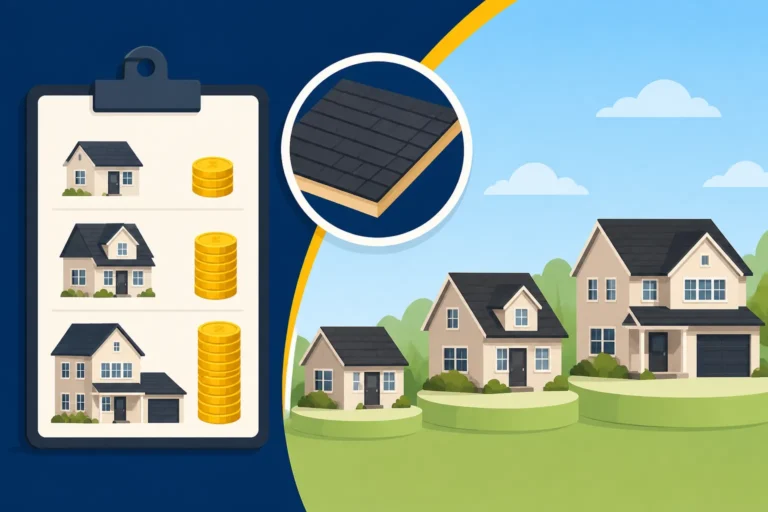
It's a common misconception that if your home has a 1,000 square foot footprint, your roof will also be 1,000 square feet. Unfortunately, that's rarely the case, and assuming so can lead to a serious underestimation of costs. Think about it: your roof extends beyond the exterior walls of your house, forming eaves and overhangs to protect your siding and foundation. This alone adds extra surface area.
Beyond the overhangs, the pitch or slope of your roof is another major factor. A flat roof or a very low-sloped roof might have a surface area very close to your home's footprint, but most residential roofs have a significant pitch. This slope means that the actual linear distance covered by shingles from the ridge to the eaves is longer than the horizontal measurement of your house. Imagine unfolding a triangular prism; the surface area of the slanted sides will be greater than the area of its base. For a typical single-story, 1,000 sq ft house with a moderate pitch, the actual roof surface area could easily be anywhere from 1,200 to 1,500 square feet, sometimes even more if it has a complex design with multiple gables or dormers. This difference is fundamental to understanding your actual material and labor needs.
For instance, consider a simple rectangular ranch home that's 25 feet wide by 40 feet long, giving it a 1,000 sq ft footprint. If it has a standard 6/12 pitch (meaning it rises 6 inches for every 12 inches of horizontal run) and modest overhangs, the actual roof surface area will be considerably larger. The steeper the pitch, the more material is needed, and often, the higher the labor cost due to safety precautions and increased installation difficulty.
Understanding Roofing "Squares" and How They Relate to Your Home
In the roofing world, contractors don't usually talk about square feet; they talk about "squares." A roofing square is a unit of measurement equivalent to 100 square feet of roof surface area. This means if your roof has a surface area of 1,200 square feet, you'll need 12 squares of roofing materials. This industry-standard measurement is crucial because all material costs and often labor costs are quoted per square. You can learn more about this standard unit by checking out What Is a Roofing Square.
For a 1,000 sq ft house footprint, as we discussed, your actual roof surface area is likely between 1,200 and 1,500 square feet. This translates to roughly 12 to 15 squares of roofing materials. This range is a good starting point for your estimations. The exact number of squares will be determined by a precise measurement of your roof's dimensions, including all slopes, gables, valleys, and dormers. Professional roofers often use advanced satellite measurement tools or conduct thorough on-site inspections to get an accurate square count, ensuring they don't over-order materials or underquote the job. This precision is essential for a fair and accurate bid.
The Complete Breakdown of Roof Replacement Costs for a 1,000 Sq Ft Home
Replacing a roof isn't just about nailing down some shingles. It's a complex project involving materials, labor, and a host of other expenses that contribute to the overall Asphalt Roof Replacement Cost: Complete Breakdown. For a 1,000 sq ft house (which, remember, translates to about 12-15 roofing squares), these components all add up to your final bill.
Core Material Costs: Shingles, Underlayment, and Accessories
The lion's share of your material budget will go towards the shingles themselves. Asphalt shingles come in a few main types, each with a different aesthetic, lifespan, and price point.
- 3-Tab Shingles: These are the most basic and economical option. They are flat, single-layer shingles designed to look like three separate tabs. While affordable, they generally offer the shortest lifespan (15-20 years) and the lowest wind resistance. For a 12-square roof, you might expect to pay roughly $600 – $900 for the shingles alone.
- Architectural (Laminate or Dimensional) Shingles: These are the most popular choice today. They are thicker, multi-layered, and designed to mimic the appearance of wood shakes or natural slate, offering a more dimensional look. They are more durable, with lifespans often exceeding 25-30 years, and come with better wind warranties. You can find a detailed comparison in 3-Tab vs Architectural Shingle Cost Compared. For a 12-square roof, architectural shingles might cost between $900 – $1,500 for materials. Popular options include GAF Timberline HDZ and Owens Corning Duration.
- Designer (Luxury) Shingles: At the top end, these shingles are heavy, multi-layered, and designed for a premium aesthetic, often replicating slate or cedar shakes with exceptional realism. They offer the longest lifespans (30-50+ years) and superior protection against extreme weather. Expect to pay $1,500 – $3,000 or more for the shingles for a 12-square roof.
Beyond the shingles, you have other crucial components:
- Underlayment: This protective layer is installed directly over the roof decking before shingles. Traditional felt paper is cheaper, while synthetic underlayment offers superior tear resistance, water protection, and a longer lifespan. Synthetic can add $50-$150 per square.
- Ice and Water Shield: This self-adhering, waterproof membrane is critical in vulnerable areas like valleys, eaves, and around penetrations, especially in colder climates prone to ice dams. It's often required by code in certain regions.
- Drip Edge: Metal flashing installed along the eaves and rake edges to direct water away from the fascia and prevent damage.
- Flashing: Metal (or sometimes synthetic) pieces installed around chimneys, skylights, vents, and wall intersections to prevent water intrusion.
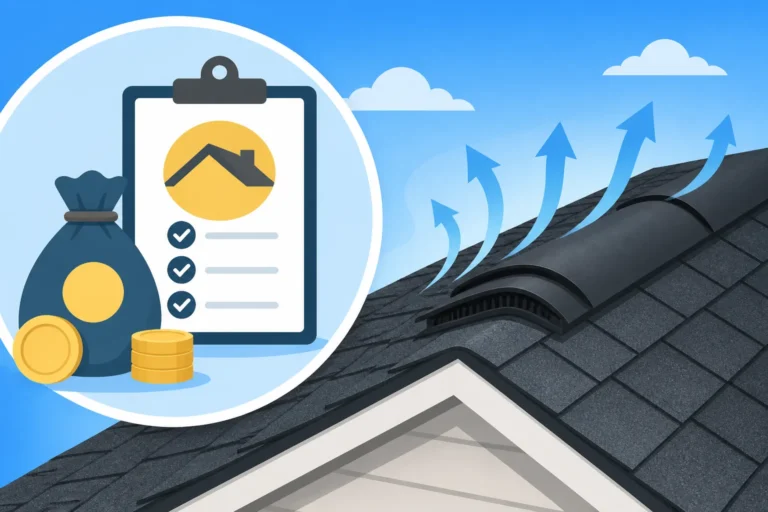
- Ventilation: Ridge vents, soffit vents, and other attic ventilation components are vital for proper airflow, which extends the life of your roof and improves energy efficiency.
- Starter Shingles and Ridge Cap Shingles: These specialized shingles are installed at the eaves and ridges/hips for enhanced protection and a finished look.
When you factor in all these necessary accessory materials, the total material cost for a 1,000 sq ft house could range anywhere from $1,500 to $4,500+, depending heavily on your shingle choice and the quality of other components. Keep in mind that for a total project cost, you'll want to understand the Roof Cost Per Square: What You'll Pay for both materials and labor.
Labor Expenses: What You're Really Paying For
Labor is typically the other half of your roof replacement equation, often making up 40-60% of the total project cost. For a 1,000 sq ft house (12-15 squares), labor can run anywhere from $2,500 to $6,000+, depending on numerous factors. This includes everything from removing the old roof to preparing the deck and installing the new roofing system components.
Here’s what influences labor costs:
- Roof Pitch and Complexity: A simple, low-pitch gable roof is much easier and safer to work on than a steep, multi-level roof with numerous dormers, valleys, and skylights. Steep roofs often require extra safety equipment and more careful installation, leading to higher labor charges. You can anticipate a Steep Roof Cost Premium if your roof isn't easily walkable.
- Tear-Off: If your existing roof needs to be removed (which is almost always recommended for asphalt shingles), the labor involved in tearing off the old layers and disposing of them adds to the cost. The Cost of Roof Tear-Off and Disposal will be factored into labor or a separate line item.
- Number of Layers: If you have two layers of shingles that need removal, the tear-off process becomes more extensive and costly.
- Local Labor Rates: Just like everything else, the cost of labor varies significantly by geographic region. A roofer in a high cost-of-living area like California or New York will charge more per hour than one in a less expensive area like Oklahoma or Alabama. You can get an idea of How Much Roofers Charge Per Hour in your area by looking at regional averages.
- Experience and Reputation: Highly skilled, experienced roofing crews who are certified by manufacturers (e.g., GAF Master Elite, Owens Corning Platinum Preferred) often charge a bit more, but their quality workmanship can prevent costly issues down the line and ensure your warranty is valid.
Hidden Fees and Unexpected Surprises to Budget For
Nobody likes surprises, especially when it comes to home repair bills. Unfortunately, roof replacements can sometimes come with unforeseen expenses that aren't always obvious at first glance. Being aware of these potential Hidden Costs in a Roof Replacement allows you to budget more realistically.
- Permit Costs: Almost every municipality requires a permit for a full roof replacement to ensure the work adheres to local building codes. These costs vary widely, from a few hundred dollars to sometimes over $1,000, depending on your location. Your contractor should handle pulling the permit, but the cost will be passed on to you.
- Dumpster Rental/Disposal Fees: The old shingles and other debris need to go somewhere. Most contractors will arrange for a dumpster, and the cost of rental and disposal is typically included in your estimate or listed as a separate line item. For a 1,000 sq ft house (12-15 squares), this can run $300-$700.
- Roof Decking Repair or Replacement: Once the old shingles are removed, the plywood or OSB roof decking underneath is exposed. If there’s any rot, water damage, or structural issues, these pieces will need to be replaced before new materials can be installed. This is a common "unforeseen" cost, with replacement typically costing $75-$150 per sheet of plywood, plus labor. You can learn more about Roof Decking Replacement Cost if this becomes necessary.
- Gutter Replacement: While not strictly part of the roof, many homeowners opt to replace their gutters when getting a new roof, as old gutters can be damaged during tear-off or simply be at the end of their lifespan. This can add $500-$1,500 for a 1,000 sq ft house.
- Contingency Fund: It's always a smart idea to set aside an extra 10-15% of your total estimated cost as a contingency fund for any truly unexpected issues. This buffer can save you a lot of stress if, for example, more decking needs replacing than initially thought.
Considering all these variables, a full asphalt roof replacement for a 1,000 sq ft house typically falls within the range of $4,000 to $10,000, with many homeowners finding themselves closer to the middle of that range for a quality architectural shingle roof. However, extremely complex roofs with high-end materials and extensive repairs in a high-cost area could push this higher.
Here's a quick comparison table for estimated costs for a typical 1,000 sq ft house (approximately 12-15 roofing squares):
| Shingle Type | Material Cost (12-15 Squares) | Labor Cost (12-15 Squares) | Additional Costs (Permits, Disposal, Minor Repairs) | Total Estimated Range |
|---|---|---|---|---|
| 3-Tab Shingles | $600 – $900 | $2,500 – $4,000 | $700 – $1,500 | $3,800 – $6,400 |
| Architectural | $900 – $1,500 | $3,000 – $5,000 | $700 – $1,500 | $4,600 – $8,000 |
| Designer/Luxury | $1,500 – $3,000+ | $3,500 – $6,000+ | $700 – $2,000 | $5,700 – $11,000+ |
Note: These are estimated ranges. Actual costs will vary based on location, contractor, roof complexity, and specific material choices.
Key Factors That Will Shape Your Final Roofing Bill
Beyond the raw material and labor numbers, several overarching factors significantly influence the final price tag for replacing the roof on your 1,000 sq ft home. Understanding these can help you make more informed decisions and prepare your budget effectively.
The Impact of Roof Pitch and Architectural Complexity
Imagine trying to install shingles on a nearly flat surface versus a roof so steep it requires ropes and harnesses. The difference in difficulty, time, and safety measures is immense, and these factors directly translate into cost. The "pitch" or "slope" of your roof is essentially how steep it is. A low-slope roof is generally less expensive to work on because it’s easier to navigate, requires less specialized equipment, and can be completed faster. However, a roof with a higher pitch, say 8/12 or more, will inherently increase labor costs because it's more dangerous, more physically demanding, and often requires more meticulous installation techniques to ensure shingles adhere properly and resist wind.
Beyond pitch, the overall architectural complexity of your roof also plays a massive role. A simple gable roof (two sloped sides meeting at a ridge) is the most straightforward and economical. But many homes, even 1,000 sq ft ones, have more intricate designs. Think about homes with multiple gables, dormer windows protruding from the roof, skylights, chimneys, or complex valleys (where two roof sections meet). Each of these features adds:
- More Cutting and Fitting: Shingles need to be precisely cut and fitted around these obstacles, which is time-consuming and creates more material waste.
- Specialized Flashing: Each penetration (chimney, skylight, vent pipe) requires custom flashing to prevent leaks, adding both material and labor costs.
- Increased Safety Measures: Working around these features on a steep roof demands extra caution and safety protocols, slowing down the process.
For example, two 1,000 sq ft homes could have drastically different roof replacement costs if one is a simple ranch and the other is a Cape Cod with several dormers and a steeper pitch. The more cuts, angles, and transitions your roof has, the more it will cost in both labor and materials. This is why a precise measurement and assessment of your roof's unique characteristics is so important when getting an estimate, as discussed in Roof Replacement Cost by Pitch.
Choosing Your Shingle: Aesthetics, Durability, and Price Points
The type of asphalt shingle you choose has a monumental impact on your budget, not just upfront but also in terms of long-term value. We've touched on the basic categories – 3-tab, architectural, and designer – but let's dive a little deeper into what each truly offers and why their price points differ so significantly.
- 3-Tab Shingles: These are your entry-level option, prized mainly for their affordability. They're typically rated for wind speeds up to 60 mph and have a relatively short warranty period (often 20-25 years, but performance may decline sooner). While they provide basic protection, they don't offer much in terms of visual appeal beyond a flat, uniform look.
- Architectural Shingles: These are the sweet spot for most homeowners. They're thicker, heavier, and offer a much more dynamic, textured appearance that can significantly boost your home's curb appeal. Architectural shingles are usually rated for higher wind speeds (110-130 mph) and come with longer, often transferable warranties (30-50 years). Brands like GAF (Timberline HDZ, Timberline UHDZ), Owens Corning (Duration), and CertainTeed (Landmark Pro) offer a wide range of styles and colors in this category. They often feature technology for enhanced sealing or algae resistance, adding to their value. For many homeowners, the jump from 3-tab to architectural shingles is a worthwhile investment given the improved durability and aesthetic.
- Designer (Luxury) Shingles: If you're looking for the pinnacle of asphalt roofing, designer shingles are it. These are heavy, multi-layered, and engineered to flawlessly mimic premium materials like natural slate or cedar shakes, without the high maintenance. They offer exceptional durability, often rated for the highest wind speeds, and come with the longest, most comprehensive warranties (often lifetime limited warranties). Examples include GAF Grand Sequoia, Owens Corning Berkshire, and CertainTeed Presidential Shake. While the most expensive upfront, they provide unparalleled protection, curb appeal, and can enhance your home's resale value significantly.
Your choice of shingle isn't just about initial cost; it’s about balancing your budget with desired aesthetics, performance, and the expected lifespan of your roof. Investing in higher-quality architectural or designer shingles can reduce the frequency of repairs and replacements over time, offering better long-term value for your 1,000 sq ft home.
Geographic Location and Local Market Dynamics
Where you live can have a surprisingly large impact on the cost of your roof replacement. It’s not just about the specific features of your house; it’s about the economic landscape of your region.
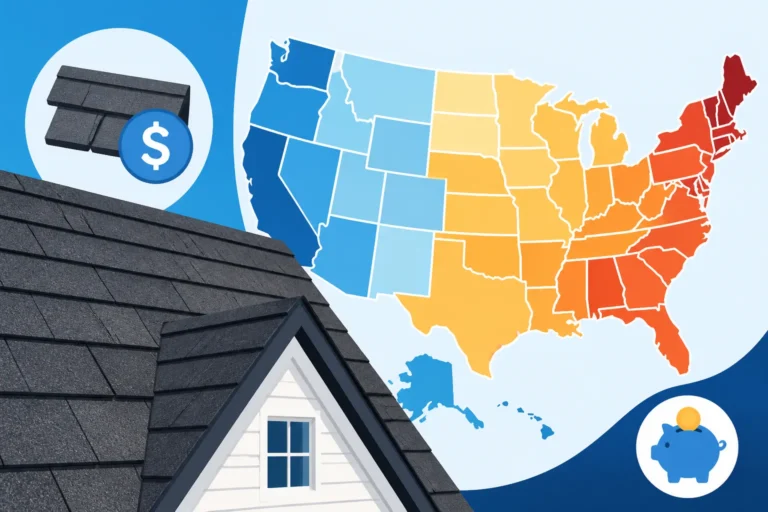
- Labor Costs Vary: As mentioned earlier, the cost of living and average wages differ dramatically across the country. A roofer in San Francisco, California, for example, will likely charge significantly more per hour than a roofer in a smaller town in the Midwest. This is a major driver of overall cost differences. You can see how much this impacts your wallet in Asphalt Shingle Roof Cost by State.
- Material Shipping and Availability: Proximity to manufacturing plants and major distribution centers can affect material costs. If shingles need to be shipped long distances to your area, the freight charges will be reflected in your contractor's pricing. In regions with high demand, materials might also see price fluctuations.
- Local Building Codes: Some areas have stricter building codes due to climate conditions. For example, coastal regions prone to hurricanes (like Florida) or areas with frequent hail (like Texas and Colorado) may require specific high-wind nailing patterns or impact-resistant Class 4 shingles. While these add to the cost, they also provide superior protection and can sometimes lead to insurance premium reductions.
- Contractor Competition: In areas with many reputable roofing companies, competition can help keep prices fair. In regions with fewer options, pricing might be less competitive.
- Economic Factors: General economic conditions, such as inflation or supply chain issues, can influence material and labor costs nationwide, but these effects can be amplified or lessened depending on local market conditions.
So, while a 1,000 sq ft house is generally a smaller project, its location in an expensive metropolitan area or a region with demanding weather conditions could push the cost higher than a larger home in a more affordable, less-regulated locale.
Smart Strategies to Approach Your 1,000 Sq Ft Roof Replacement
Getting a new roof is a significant investment for any homeowner, even for a smaller 1,000 sq ft house. Approaching the process strategically can save you money, stress, and ensure you get a high-quality, durable roof that protects your home for decades.
Navigating Estimates and Choosing the Right Contractor
This is arguably the most critical step in the entire process. The quality of your contractor directly impacts the quality and longevity of your roof. Here’s how to navigate getting estimates:
- Get Multiple Bids: Never settle for just one estimate. Contact at least three to four reputable roofing contractors in your area. This allows you to compare pricing, scope of work, material recommendations, and contractor professionalism. Remember that How Many Roofing Quotes to Get isn't just about price; it's about finding the best value.
- Demand Detailed Estimates: A good estimate won't just be a single number. It should break down costs for materials (shingle type, underlayment, flashing, etc.), labor, tear-off and disposal, permits, and any other specific line items. It should also clearly state the square footage of the roof being replaced and the specific shingle product chosen. This allows you to truly understand How to Read and Compare Roofing Estimates. Be wary of vague quotes that don't provide specifics.
- Check Credentials: Verify that contractors are licensed and insured in your state or municipality. Ask for proof of liability insurance and worker's compensation coverage. This protects you in case of accidents or damage during the project.
- Look for Manufacturer Certifications: Many top shingle manufacturers like GAF, Owens Corning, and CertainTeed offer certification programs for contractors. These certifications often mean the contractor is factory-trained, committed to quality, and can offer enhanced manufacturer warranties that an uncertified roofer cannot.
- Read Reviews and Ask for References: Online reviews on platforms like Google, Yelp, and the Better Business Bureau can offer insights into a contractor's reputation. Don’t hesitate to ask for local references from previous clients and follow up on them.
- Consider a Professional Matching Service: If finding reliable contractors feels overwhelming, services like Modernize can help. They connect homeowners with pre-vetted local roofing professionals, streamlining the process of getting multiple quotes from trusted sources without you having to cold-call a dozen companies. This can save you a ton of time and introduce you to reputable roofers you might not have found otherwise.
Understanding Warranties and Long-Term Value
A new roof is a long-term investment, and understanding its warranty is paramount. There are typically two types of warranties you need to consider:
- Manufacturer's Warranty: This covers the materials themselves (the shingles, underlayment, etc.) against defects. The length and coverage can vary significantly depending on the shingle type and manufacturer. For example, architectural shingles often come with a 30-year or lifetime limited warranty.
- Workmanship Warranty: This covers the installation of the roof and guarantees that the contractor has installed it correctly according to industry standards and manufacturer specifications. This is provided by your roofing contractor, and its length can range from a few years to 10-25 years.
It’s crucial to understand what voids a warranty (like improper installation or unauthorized repairs) and to ensure your contractor offers a strong workmanship warranty. Many top manufacturers offer enhanced system warranties (e.g., GAF's Golden Pledge, Owens Corning's Platinum Protection) that cover both materials and labor for a longer period, but these often require installation by a manufacturer-certified contractor. Choosing a quality roofing system and a certified installer ensures you're protected for the long haul and maximizes the Is an Asphalt Shingle Roof Worth the Money factor, as a well-installed roof significantly adds to your home's value.
Financial Planning and Potential Assistance
For many, the cost of a new roof, even for a 1,000 sq ft home, requires careful financial planning.
- Save Up: The most straightforward approach is to save enough to pay for the roof replacement outright, avoiding interest charges.
- Home Equity Loans or Lines of Credit: If you have equity in your home, these can be good options, often offering lower interest rates.
- Contractor Financing: Many roofing companies, particularly larger ones, offer their own financing plans, sometimes with promotional interest rates. Be sure to compare these terms carefully with other financing options. Explore different Roof Financing Options Explained to find what best suits your situation.
- Insurance Claims: If your roof damage is due to a sudden event like a severe storm (hail, high winds), your homeowner's insurance might cover a significant portion, or even the entire cost, of replacement. It's vital to document the damage thoroughly and understand your policy's specifics. Knowing Does Insurance Cover Roof Replacement can save you thousands. If your roof is old and failing due to wear and tear, insurance typically won't cover it.
- Local Programs: Check with your local government or utility companies for any energy efficiency rebates or home improvement grants, as a new, properly insulated and ventilated roof can sometimes qualify.
By taking the time to research, gather multiple quotes through reliable services like Modernize, understand warranty specifics, and explore your financing options, you can make the process of replacing your 1,000 sq ft home's roof much smoother and more affordable in the long run.
Disclaimer
Please remember that the cost estimates provided in this article are general averages and can vary significantly based on your specific location, the chosen materials, the complexity of your roof, and the individual contractor. Always obtain multiple detailed quotes from licensed and insured roofing professionals in your area for the most accurate pricing. This content is for informational purposes only and should not be considered professional financial or construction advice.