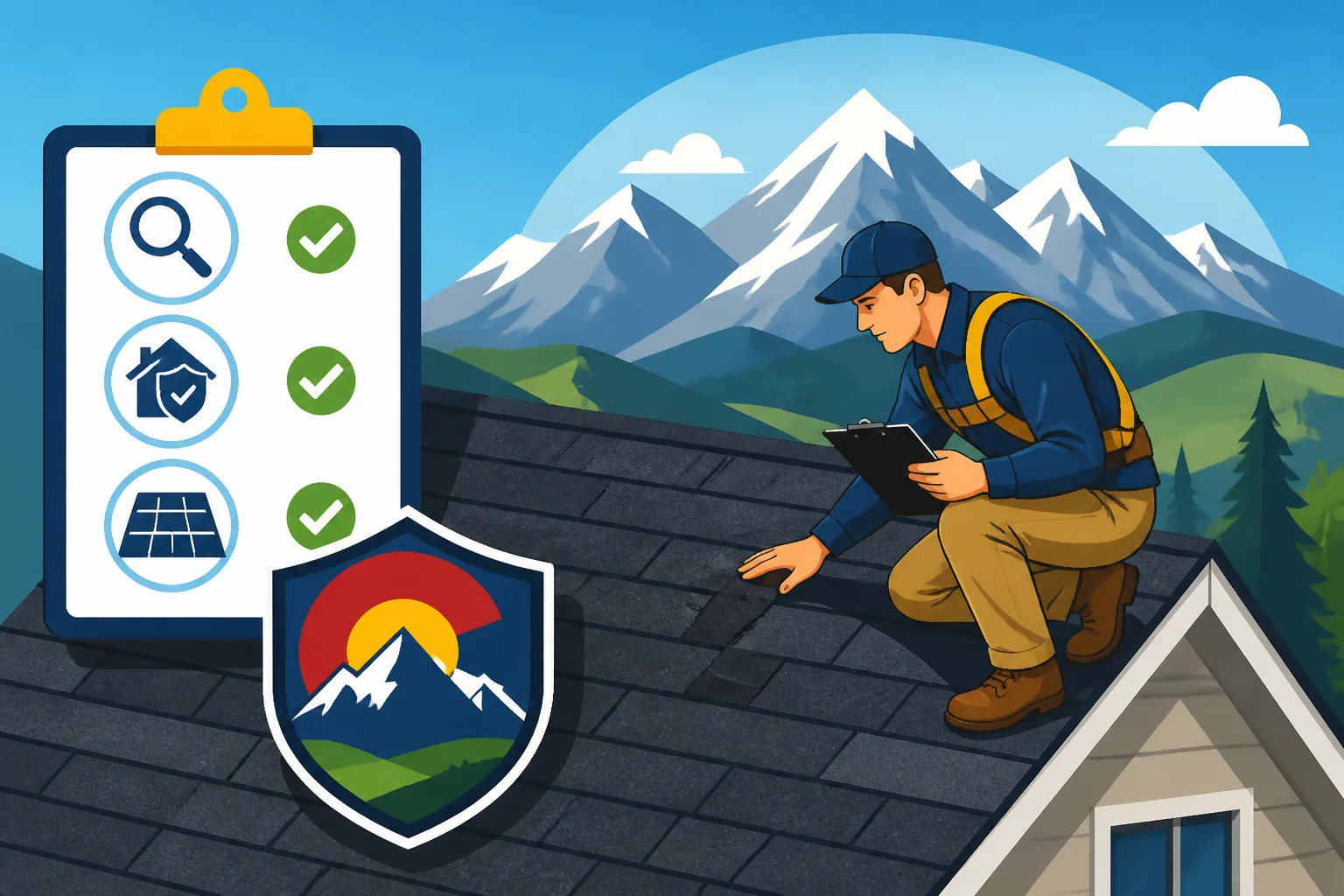
Roofing Inspection Requirements in Colorado
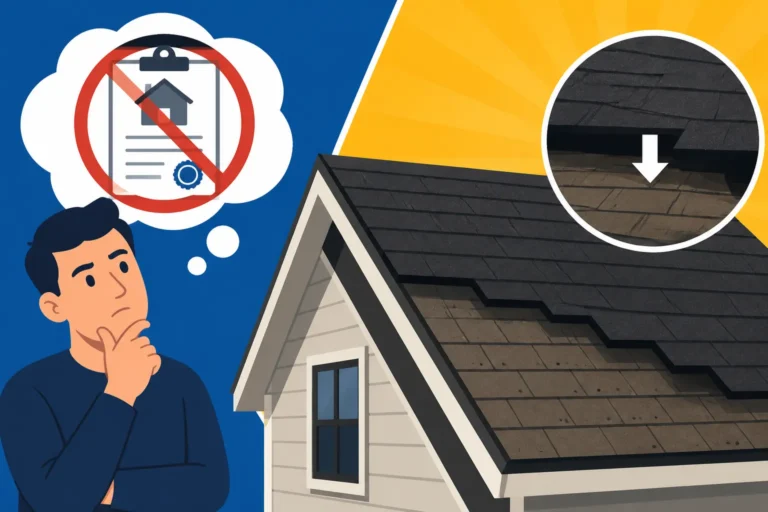
Getting a new roof in Colorado can feel like navigating a maze, especially when you start hearing about permits and inspections. It's frustrating to think you've planned everything, only to worry if you're missing a crucial step that could cause headaches down the line. This guide is here to untangle the specific roofing inspection requirements you'll encounter in Colorado, helping you understand why they exist and what to expect so your project goes smoothly.
Colorado's Approach to Roofing Permits and Inspections
When you’re planning a roof replacement here in Colorado, it's easy to assume that all the rules are the same across the state. However, Colorado operates with a significant degree of local control, meaning that while there are overarching state guidelines, the specifics of permits and inspections are largely handled by individual cities and counties. This can be a bit of a curveball for homeowners, as what's required in Denver might be slightly different than what's needed in Colorado Springs or Fort Collins. It’s a system designed to allow communities to tailor regulations to their specific environmental challenges and local needs, but it places the onus on homeowners (or their contractors) to do their homework.
Why Permits and Inspections are Crucial for Your Roof
You might wonder why you need a permit just to put new shingles on your house. It’s not about bureaucracy for the sake of it; it's about safety, compliance, and long-term protection for your home and investment. Imagine replacing your roof only to find out later that it wasn't installed according to modern safety standards, leaving your home vulnerable to Colorado's notoriously harsh weather.
First and foremost, permits ensure that your roofing project meets current building codes. These codes are in place to guarantee the structural integrity and safety of your roof, protecting your family and your property. Given Colorado's unique climate, with its intense hailstorms, heavy snow loads, and high winds, these codes often include specific requirements that are vital for a roof's longevity and performance. An inspection verifies that these standards are met during installation. Without proper inspections, you could end up with a shoddy installation that compromises your home's safety and significantly reduces your roof's lifespan, costing you far more in repairs down the road.
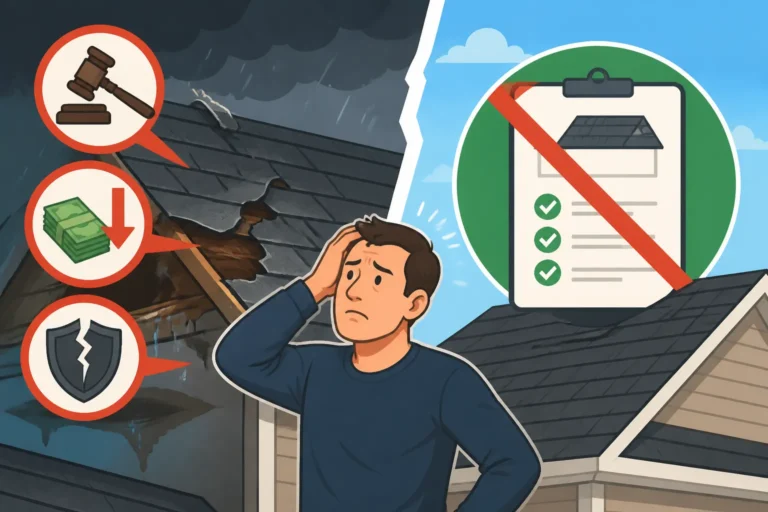
Secondly, proper permitting and inspection are often required by your homeowner's insurance policy. If you have a claim related to your roof and it's discovered that the work was done without a necessary permit or failed to pass inspection, your insurance company could deny coverage. This could leave you footing the bill for extensive repairs or even a full replacement. You can learn more about this by reading about Does Insurance Cover Roof Replacement. From a property value standpoint, if you decide to sell your home, buyers and their inspectors will scrutinize permit records. An unpermitted roof replacement can raise red flags, delay a sale, or even force you to rectify the situation at your own expense before closing. Getting a permit is usually the first step, and understanding Roofing Permits Explained is key.
The Local Control Factor: It's All About Your Municipality
As mentioned, Colorado is a home rule state, meaning that cities and counties have significant authority to establish their own building codes and inspection processes, often based on the International Residential Code (IRC) but with local amendments. This means that if you're undertaking a roof replacement, the specific steps and requirements will depend entirely on where your property is located.
For example, homeowners in Denver will interact with the Denver Department of Community Planning and Development, which has its own permitting portal and specific inspection criteria. In Colorado Springs, you'd be working with the Pikes Peak Regional Building Department, which serves several jurisdictions in El Paso and Teller counties. Meanwhile, in cities like Fort Collins, the Building Services Department sets the rules. Each of these entities might have slightly different fee structures, application processes, and even interpretations of code. This is why when you're looking into Do You Need a Permit to Replace a Roof, the answer almost always comes with a "check your local municipality" caveat.
A reputable roofing contractor will be intimately familiar with the requirements of the areas they serve. They'll know the specific forms, fees, and inspection schedules for Denver, Aurora, Boulder, or any other municipality. It's a critical question to ask when you're interviewing roofers: "Are you familiar with the specific permitting and inspection requirements for my address?"
Key Aspects of a Roofing Inspection in Colorado
So, once you've secured your permit and the work begins, what exactly are inspectors looking for when they climb onto your roof? It's not just a quick glance; it's a thorough examination of how the new roofing system has been installed, ensuring every component adheres to the established building codes. This detailed review is crucial, especially in Colorado, where roofs are subjected to significant weather extremes year after year.
What Building Inspectors Look For
A roofing inspector’s job is to ensure that the work completed by your contractor meets both the local building codes and the manufacturer’s specifications. They're looking for quality workmanship and proper installation of every layer of your roofing system. You might find it helpful to review What a Roof Inspector Looks For before your inspection.
Here’s a breakdown of common elements they'll scrutinize:
- Roof Decking: Before new materials go on, the inspector might check the condition of the existing roof decking (plywood or OSB). If there was any damage or rot discovered during tear-off, any replaced sections must meet code for material type and nailing pattern.
- Underlayment: This crucial barrier, whether it's felt or synthetic, must be installed correctly. Inspectors check for proper overlap, secure fastening, and coverage across the entire roof deck. In colder regions of Colorado, the installation of an ice and water shield is particularly important, often required at eaves and in valleys to prevent leaks from ice dams. Underlayment Explained: Synthetic vs Felt provides more details on types.
- Flashing: This is where many leaks originate if not installed correctly. Inspectors meticulously examine flashing around chimneys, skylights, vent pipes, and in valleys. They ensure it's properly interwoven with shingles, watertight, and extends adequately to divert water.
- Shingle Installation: This is perhaps the most visible part of the inspection. The inspector will check the shingle type (ensuring it matches the permit), the nailing pattern (number of nails per shingle, their placement, and whether they are properly seated – not over or under-driven), shingle alignment, and overhangs at the eaves and rakes. They also verify that starter shingles are used at the eaves.
- Ventilation: Proper attic ventilation is critical for extending the life of your roof and preventing issues like mold or ice dams. Inspectors ensure that adequate intake (soffit) and exhaust (ridge or box) vents are installed and properly sized for your attic space. Understanding How Roof Ventilation Works can highlight its importance.
- Drip Edge: This metal flashing along the eaves and rake edges protects the fascia board and helps direct water into the gutters. Inspectors confirm its presence and correct installation.
Common Code Requirements in Colorado
Because of Colorado’s unique climate, certain code requirements are especially emphasized. Local municipalities often adopt the International Residential Code (IRC) but then add amendments to address regional concerns. Roofing Building Codes: What to Know provides a great general overview, but for Colorado specifically, these often include:
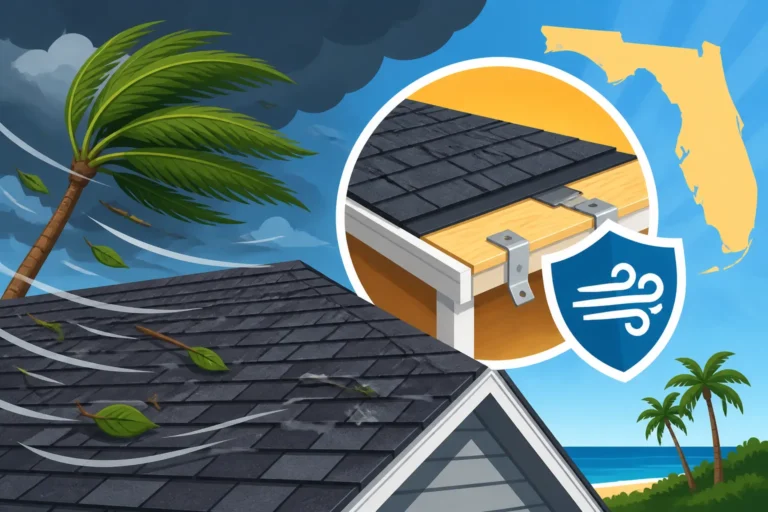
- High-Wind Nailing: Many areas, especially those prone to strong winds like parts of the Front Range and eastern plains, will require specific high-wind nailing patterns for asphalt shingles. This usually means six nails per shingle instead of the standard four, or particular fastening techniques designed to withstand gusts. This helps prevent shingles from blowing off in severe storms.
- Ice Barrier Requirements: In regions with significant snowfall and freezing temperatures, like much of Colorado, ice and water shield is a mandatory requirement. This is typically required at the eaves, extending a specific distance up the roof deck, and in valleys to protect against water backup from ice dams. The exact distance can vary by local jurisdiction, but often it's at least 24 inches inside the exterior wall line.
- Impact Resistance: While not universally mandated, some areas in Colorado, particularly those frequently hit by hail (which is most of the state!), may encourage or offer incentives for installing Class 4 impact-resistant shingles. These shingles are more durable and can lead to insurance premium reductions. Although usually not a mandated code, it's a strong recommendation in hail-prone areas.
- Ventilation Standards: Ensuring proper attic ventilation is critical for preventing moisture buildup and heat accumulation, which can prematurely age your roof and increase energy costs. Local codes will specify minimum net free area for ventilation, often requiring a balanced system of both intake and exhaust.
Table: Common Roofing Inspection Checkpoints in Colorado
| Component | Inspector Focus | Colorado Specific Consideration |
|---|---|---|
| Roof Decking | Condition, material type, proper fastening for repairs. | Especially critical after hail/wind damage; structural integrity for snow load. |
| Underlayment | Full coverage, correct overlap, proper fastening. | Mandatory ice & water shield at eaves/valleys due to freezing. |
| Flashing | Watertight seals around penetrations, correct material. | Essential for heavy snowmelt and wind-driven rain prevention. |
| Shingles | Nailing pattern, alignment, overhang, proper starter. | High-wind nailing often required (6 nails per shingle) in many areas. |
| Ventilation | Proper intake/exhaust balance, sufficient net free area. | Crucial for preventing ice dams and extending roof life in diverse climates. |
| Drip Edge | Presence, correct installation at eaves and rakes. | Protects fascia and directs water away from sensitive areas. |
Navigating the Inspection Process
Understanding what inspectors look for is one thing, but knowing how the process unfolds is another. It’s a common point of anxiety for homeowners, especially if you’ve never gone through a major home renovation project before. Rest assured, with a competent contractor, this part of your roof replacement should be a routine step.
Who is Responsible for Scheduling and Presence
Typically, your roofing contractor is responsible for pulling the necessary permits and scheduling the inspection. They should handle all the administrative legwork, from submitting the application to coordinating with the local building department. This is part of the service you pay for when you hire a professional. Good contractors in Colorado know the system inside and out, making the process seamless for you.
While the contractor schedules the inspection, it's often a good idea for the homeowner to be present, or at least available, especially if you have questions or want to understand what the inspector is reviewing. The contractor or their project manager should also be on-site during the inspection to answer any questions the inspector might have and to immediately address minor issues if they arise. This collaborative approach ensures transparency and efficiency. Remember, the contractor typically pulls the permit, not you. Knowing Who Pulls the Roofing Permit: You or the Contractor clarifies this.
What Happens if Your Roof Fails Inspection
Hearing that your roof "failed inspection" can be disheartening, but it's important not to panic. It’s actually not uncommon for inspectors to find minor issues that need correction. Sometimes it’s a shingle nail that wasn’t perfectly seated, a small section of flashing that needs adjustment, or an overlooked detail. The inspector isn't there to pass judgment on your contractor; they're there to ensure your roof meets safety and code standards.
If your roof fails, the inspector will provide a detailed report outlining the deficiencies. Your contractor is then responsible for making the necessary corrections. Once the issues are addressed, the contractor will typically schedule a re-inspection. There might be additional fees for re-inspections, which your contractor should cover if the failure was due to their workmanship. This is why choosing a reputable and experienced contractor is so important – they minimize the chances of a failed inspection and are quick to remedy any issues. For a deeper dive into this scenario, consider reading Failed Roof Inspection: What Next. It's a testament to a good contractor's professionalism if they handle these setbacks smoothly and without hassle for the homeowner.
Regional Specifics and Additional Considerations
While we've discussed the general framework, Colorado's vast and varied landscape means that "regional specifics" aren't just minor differences; they can represent significant adaptations in roofing requirements and considerations. From the high plains to the mountain towns, your roof is built to withstand different pressures.
Differences Between Major Colorado Cities
Let's look at how things might vary depending on where you are in the Centennial State:
- Denver Metro Area: As the largest metropolitan area, Denver and its surrounding suburbs (Aurora, Lakewood, Thornton, etc.) generally follow the latest versions of the International Building Code (IBC) and International Residential Code (IRC), often with specific amendments. Given the frequent hail events, you'll find a strong emphasis on proper shingle fastening (like the aforementioned six-nail pattern) and diligent flashing installation. The permit process is typically digitized and quite streamlined, but strict adherence to codes is expected.
- Colorado Springs Area (Pikes Peak Regional Building Department): This region, covering El Paso and Teller counties, pools resources under the Pikes Peak Regional Building Department. Their codes are comprehensive, focusing heavily on resistance to hailstorms and high winds, given the area's exposure. They have a well-defined permit application and inspection process, and their inspectors are highly experienced with the unique challenges of the local climate.
- Mountain Communities (e.g., Summit County, Vail, Aspen): If your home is in a high-altitude area, the inspection requirements will be even more stringent regarding snow load, ice dam protection, and sometimes even fire resistance (especially near forested areas). You'll see mandatory heavy-duty ice and water shield applications, specific ventilation requirements to combat persistent moisture, and sometimes stricter material choices that can handle extreme temperature fluctuations and UV exposure at elevation. Permits in these areas might also consider aesthetic guidelines to maintain the local architectural character, though less directly tied to inspection itself.
- Eastern Plains (e.g., Sterling, Limon): These areas are known for fierce winds. Building codes will heavily emphasize wind resistance, likely requiring enhanced fastening for all roofing components, not just shingles. The focus shifts slightly from sheer snow load to preventing uplift and blow-offs during intense gusts.
These examples illustrate why a contractor with local experience is invaluable. They don't just know how to install a roof; they know how to install one that will pass muster with your specific local building department and stand up to your local weather.
When a Permit Might Not Be Required (Rarely for Full Replacements)
It’s tempting to think you can skirt the permit process for minor repairs, and in some very limited instances, you might be able to. However, for any significant roofing work, especially a full asphalt roof replacement, a permit is almost universally required across Colorado.
Generally, a permit is needed when the scope of work involves:
- Tearing off and replacing existing roofing materials.
- Adding a new layer of shingles over an existing one (if permitted by code – many municipalities only allow two layers total, and tear-off is often preferred or required). You can read more about the Two-Layer Shingle Rule Explained.
- Any structural changes to the roof.
Minor repairs, such as replacing a handful of missing shingles, patching a small leak, or routine maintenance that doesn't involve altering the roof structure or replacing a significant portion of the roof surface, might not require a permit. However, the definition of "minor repair" can vary. Some jurisdictions define it as replacing less than 100 square feet (one square) of roofing.
It's always best to err on the side of caution and check with your local building department or ask your contractor to do so. A quick phone call or website check can save you a lot of grief and potential fines down the road. An unpermitted roof replacement can lead to complications with insurance, home sales, and even forced removal and reinstallation at your own expense if discovered by the authorities. Don't let the desire to save a little on Roofing Permit Cost and Process lead to much larger problems.
Disclaimer
Please remember that building codes and regulations are subject to change and can vary significantly by specific municipality. The information provided here is for general guidance only and does not constitute professional advice. Always consult with your local building department or a licensed, reputable roofing contractor for the most current and accurate information pertaining to your specific project and location in Colorado.