Roofing Inspection Requirements in Florida
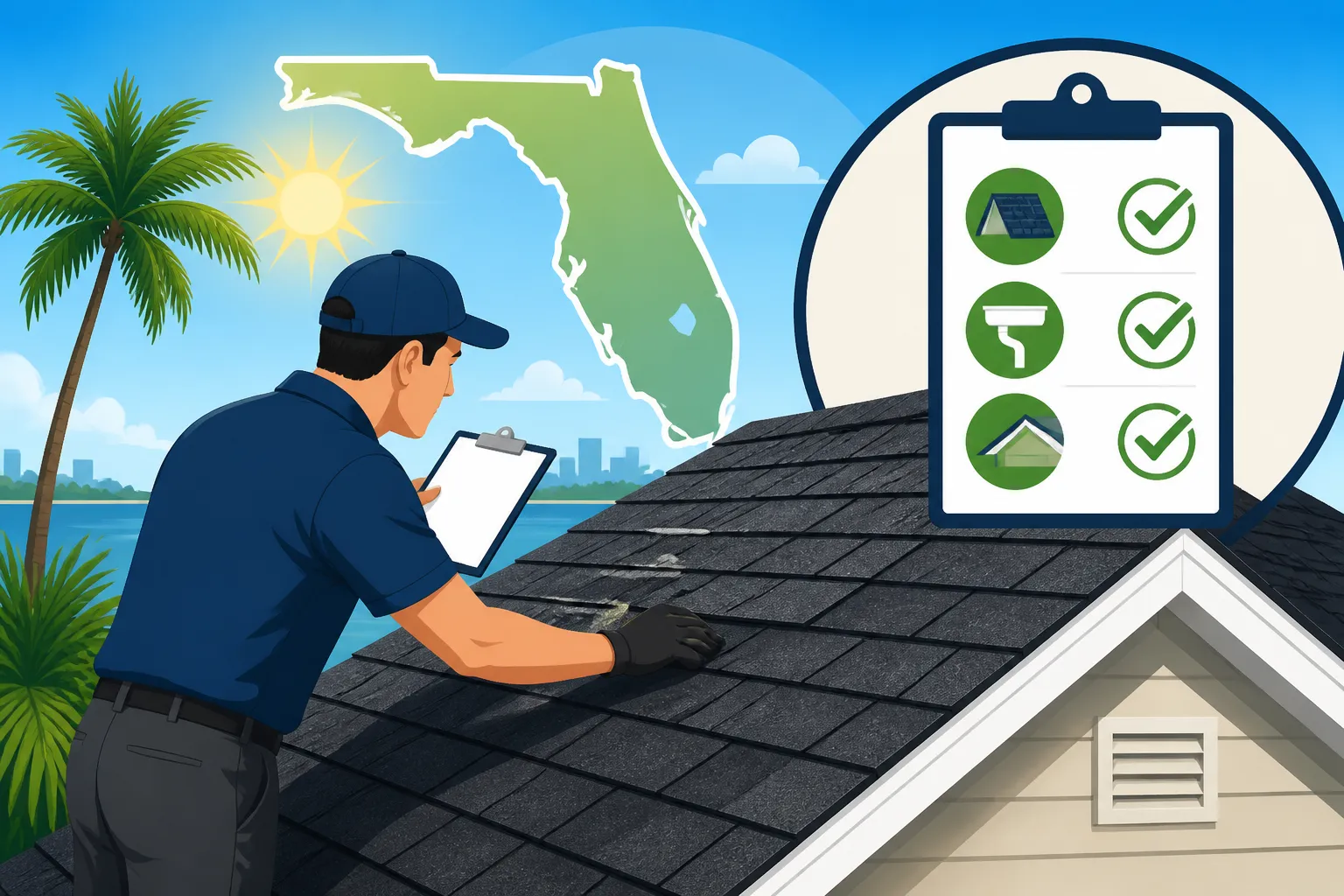
Trying to understand the labyrinth of roofing inspection requirements in Florida can feel like navigating a maze blindfolded. With the Sunshine State's unique climate and ever-evolving building codes, knowing what inspections are necessary, why they're needed, and what inspectors are looking for is critical, whether you're replacing your roof, filing an insurance claim, or simply buying a home. This guide will cut through the confusion and explain exactly what you need to know about roofing inspections in Florida.
Why Florida's Roofing Inspection Requirements Are Unique
Florida isn't just another state when it comes to roofs; it's a hotbed of specific challenges that have led to some of the most stringent and detailed roofing regulations in the country. From the scorching sun to the constant threat of hurricanes, roofs here take a beating, and the rules reflect that harsh reality. Understanding this context is the first step in making sense of the inspection landscape.
Hurricane and Wind Mitigation Concerns
Let's be honest, living in Florida means living with the looming possibility of a hurricane. This isn't just a weather forecast; it’s a fundamental factor driving almost every aspect of roofing, including inspections. The Florida Building Code, particularly sections related to high-velocity hurricane zones, mandates specific construction and installation methods designed to help your roof withstand extreme winds. When an inspector comes out, they aren't just checking for leaks; they're meticulously verifying that your roof's entire system is built to resist uplift, shedding, and penetration from wind-driven rain.
This means they'll be looking at everything from the type of fasteners used for your shingles to the specific nailing patterns, the integrity of your roof decking, and the installation of critical components like drip edge and Ice and Water Shield Explained. These aren't suggestions; they're code. If your roof isn't installed to these standards, it won't pass inspection, and you could face significant issues down the line, including having your insurance claim denied after a storm. It's a tough standard, but it's there to protect your home and your family when the worst weather hits.
Insurance Implications of Roof Inspections
If you own a home in Florida, you know how tricky homeowners insurance can be, especially when it comes to your roof. Insurance companies in Florida are particularly keen on knowing the condition and resilience of your roof due to the high risk of hurricane and storm damage. This is where specialized inspections, beyond just permit-related ones, become vital. Without proper documentation of your roof's condition and its wind mitigation features, you might find it difficult to get coverage, or your premiums could be astronomically high.
A 4-point inspection, for example, is often required for homes over a certain age (typically 10-20 years old) when applying for or renewing homeowners insurance. This inspection assesses the roof, HVAC, electrical, and plumbing systems. For the roof, it confirms its remaining useful life, type of material, and overall condition. Then there’s the wind mitigation inspection, which is specifically designed to identify features that reduce the risk of wind damage. These can include roof-to-wall attachments, roof decking attachment, secondary water resistance, and opening protection. Getting a good score on a wind mitigation inspection can actually lead to significant discounts on your insurance premiums, making it a worthwhile investment for any Florida homeowner.
Key Types of Roofing Inspections in Florida
Knowing why inspections are so important in Florida leads us directly to understanding the different kinds you'll encounter. Each type serves a distinct purpose, triggered by various life events for your roof, from a full replacement to just trying to get decent insurance rates. Missing a step here can lead to headaches, delays, or even costly fines.
Permit Inspections During a New Roof or Replacement
When you decide it’s time for a full roof replacement, or even a major repair, in Florida, getting a permit isn't optional—it's absolutely mandatory. This is because significant roofing work must adhere to the latest Florida Building Code standards, and the permit process ensures that compliance. Typically, your chosen contractor will handle pulling the permit, but as the homeowner, it's crucial for you to verify that they have done so. You can learn more about Do You Need a Permit to Replace a Roof in our detailed guide.
Once the permit is issued, you'll generally have a series of inspections during the roofing project:
- Mid-Roof/Sheathing Inspection: After the old shingles are torn off and any necessary Roof Decking Replacement Cost work is completed, but before the new underlayment and shingles go down, an inspector will check the roof decking. They’ll ensure the plywood or OSB is in good condition, properly fastened, and free from rot or damage. This is a critical step because the decking forms the foundation of your entire roof system.
- Final Inspection: Once all the new roofing materials are installed—shingles, flashing, vents, and drip edge—a final inspection will be scheduled. The inspector will check for proper installation techniques, ensuring everything meets code requirements for wind resistance, waterproofing, and aesthetics. They'll confirm correct nailing patterns, secure flashing around chimneys and vents, and proper ventilation. Only after this final inspection passes will the permit be officially closed out, signifying that your new roof meets all local and state regulations.
Ignoring the permit process or trying to skirt inspections can lead to serious problems, including fines, legal action, and a much harder time selling your home later.
4-Point and Wind Mitigation Inspections for Insurance
These two inspections are squarely aimed at your insurance company, not primarily at building code compliance (though they do look at code-related items). They're crucial for homeowners in Florida, particularly those with older homes or those seeking better insurance rates.
- 4-Point Inspection: As mentioned, this inspection focuses on four key systems: roof, HVAC, electrical, and plumbing. For the roof component, the inspector provides a general assessment of its age, condition, material type (e.g., Architectural Shingle Roof Cost), and estimated remaining useful life. They'll note any visible damage, missing shingles, or signs of leaks. Insurance companies use this report to determine eligibility for coverage, as an older roof with limited life might be deemed too risky without a replacement.
- Wind Mitigation Inspection: This is perhaps the most valuable inspection for Florida homeowners looking to save money on their insurance. A qualified inspector will evaluate specific features of your home that help it resist wind damage during a hurricane. These include:
- Roof-to-Wall Attachment: How strongly your roof is connected to the walls of your house (e.g., clips, straps, or toe-nails).
- Roof Deck Attachment: The type and spacing of fasteners used to attach your roof decking to the trusses or rafters.
- Roof Geometry: Whether your roof is hip (like a pyramid, typically stronger) or gable (two sloped sides).
- Secondary Water Resistance (SWR): Often an Ice and Water Shield Explained or peel-and-stick underlayment that provides an additional layer of protection against water intrusion if your primary roof covering is damaged.
- Opening Protection: Shutters or impact-resistant windows that protect openings from wind-borne debris.
Each of these features can earn you credits, leading to significant discounts on the wind portion of your homeowners insurance premium. It's a win-win: your home is better protected, and you save money.
Post-Storm Damage Inspections
Unfortunately, living in Florida means dealing with storms. After a major weather event like a hurricane or severe hailstorm, a different kind of inspection often comes into play. If you suspect your roof has suffered damage, the first step is typically a professional assessment by a reputable roofing contractor. They can help you with a Roof Damage Assessment: A Homeowner's Guide to determine the extent of the issues.
- Contractor's Damage Assessment: A roofing contractor will inspect your roof for visible signs of damage, such as Signs of Roof Hail Damage, Signs of Roof Wind Damage, missing shingles, punctures, or granule loss. They’ll also check for subtle damage that might not be immediately apparent to an untrained eye. Their report will be crucial for your insurance claim.
- Insurance Adjuster's Inspection: Once you file a claim, your insurance company will send out an adjuster to conduct their own inspection. The adjuster’s job is to assess the damage, determine the cause, and decide whether it's covered under your policy. They’ll compare their findings against the contractor’s report and prevailing local building codes to ensure that any proposed repairs or replacements are justified and comply with current standards. It's not uncommon for there to be some back and forth between your contractor and the insurance adjuster to ensure all damage is properly accounted for and fair compensation is provided.
What Florida Roofing Inspectors Look For
When an inspector climbs onto your roof in Florida, they're not just glancing around. They have a very specific checklist, guided by the Florida Building Code and industry best practices, to ensure your roof is structurally sound, properly installed, and capable of protecting your home from the elements, especially high winds and heavy rains.
Structural Integrity and Decking Assessment
Before any new roofing materials go down, the foundation of your roof – the decking and underlying structure – must be sound. This is paramount for preventing issues down the road.
- Decking Condition: The inspector will look for any signs of rot, decay, moisture damage, or delamination in the roof sheathing (plywood or OSB). Even minor soft spots can indicate water intrusion or structural weakness, which must be addressed before new shingles are installed. If significant rot is found, the inspector will require Roof Decking Replacement Cost to ensure a solid base.
- Fastening: A critical part of wind mitigation in Florida is how securely the roof decking is attached to the trusses or rafters. Inspectors will often look at the type of fasteners (nails vs. staples, minimum length) and their spacing. The Florida Building Code specifies rigorous nailing patterns and sizes to prevent the decking from being lifted off during high winds. For instance, in many high-wind zones, 8d common nails spaced every 6 inches on the edges and 12 inches in the field are required, rather than staples or shorter nails.
- Attic Inspection: Sometimes, the inspector will also peek into your attic to check the underside of the roof decking for any visible leaks, water stains, or structural issues with the trusses or rafters. This provides an internal view of the roof's integrity and can reveal problems not visible from the exterior.
Shingle Installation and Fastening Compliance
The shingles are your roof's primary defense, and their proper installation is key to their performance and longevity, especially in Florida’s climate. Inspectors are meticulous about this.
- Nailing Patterns: This is huge in Florida. Shingles aren't just nailed down; they're nailed in specific locations and with a certain number of nails to maximize wind resistance. For example, many architectural shingles require 4-6 nails per shingle, placed in a precise "common bond" or nailing strip area. Incorrect nailing (too high, too low, too few, or at an angle) is a common reason for failed inspections and can lead to shingles blowing off in even moderate winds.
- Starter Course and Overhang: The first course of shingles, known as the starter strip, is crucial for protecting the eaves and rake edges. Inspectors check that it's properly installed and aligned, often extending slightly beyond the drip edge to direct water away.
- Shingle Alignment and Exposure: The shingles must be laid in straight lines, with consistent exposure (the visible part of the shingle). This isn't just for aesthetics; proper alignment ensures adequate overlap and water shedding.
- Adhesion: Asphalt shingles have a self-sealing strip that activates with heat, bonding the layers together. While an inspector can't always test this on a new roof, they'll check that the shingles are laid flat and the sealing strip area is clear of debris or improper fasteners that could prevent proper bonding. They understand How Shingles Protect Against Water.
Flashing, Ventilation, and Water Diversion
Beyond the main shingle field, there are crucial components that protect vulnerable areas of your roof and ensure proper air circulation. Inspectors pay close attention to these details.
- Flashing: This is perhaps the most important element for preventing leaks. Inspectors will meticulously examine all flashing around chimneys, skylights, vent pipes, valleys, and wall abutments. They'll ensure the flashing is the correct type (e.g., metal step flashing, continuous flashing), properly interwoven with shingles, and sealed where necessary to create a watertight barrier. Improperly installed flashing is a prime culprit for roof leaks. You can read more about Roof Flashing Explained here.
- Ventilation: Proper attic ventilation is essential for extending the life of your roof and maintaining energy efficiency. Inspectors will check that there are adequate intake vents (like soffit vents) and exhaust vents (like Cost of Ridge Vent Installation, box vents, or turbine vents) and that they are not obstructed. Proper airflow prevents heat and moisture buildup, which can warp decking, damage shingles, and lead to mold.
- Drip Edge: The drip edge is a metal flashing installed along the eaves and rake edges of your roof. It protects the fascia board and directs water away from the roof edge. Inspectors will confirm it’s present, properly installed under the underlayment at the eaves and over the underlayment at the rakes, and securely fastened. It's a small detail that makes a big difference in preventing water damage to your home's exterior.
Navigating the Inspection Process and Common Challenges
Even with all the knowledge, the actual process of getting a roof inspection in Florida can sometimes feel daunting. From finding the right professionals to addressing potential issues, knowing what to expect can help smooth things over and minimize stress.
Finding a Qualified Inspector
This isn't the time to pick someone out of a hat. In Florida, you want an inspector who is not only licensed but also deeply familiar with the intricacies of the Florida Building Code and the specific challenges of our climate.
- Look for Licensing and Certifications: For permit-related inspections, your municipality will send its own building code inspectors. For 4-point and wind mitigation inspections, you'll need a private, licensed home inspector or a licensed roofing contractor. Many reputable professionals hold certifications from organizations like the Florida Association of Building Inspectors (FABI) or the International Association of Certified Home Inspectors (InterNACHI), which often require specific training in Florida-specific code and practices.
- Experience with Florida Roofs: Ask about their experience. Has the inspector conducted numerous wind mitigation inspections in your region? Are they up-to-date on the latest code revisions that impact roofing? A veteran inspector in, say, California might not be as knowledgeable about Florida's unique requirements unless they've specifically trained for them.
- Check Reviews and References: Just like when you're hiring a contractor, always check online reviews and ask for references. Look for feedback that specifically mentions their thoroughness, professionalism, and ability to clearly explain findings. This helps you avoid Roofing Contractor Red Flags to Avoid. A good inspector won't just tell you what's wrong; they'll explain why it's wrong and what needs to happen to fix it.
Dealing with Failed Inspections
A failed inspection can feel like a punch to the gut, especially when you've already invested time and money. However, it's not the end of the world. It's a common part of the process, and understanding how to handle it is key.
- Get a Detailed Report: The inspector must provide a written report detailing exactly why the roof failed. This report should cite specific code violations or issues that need correction. Don't accept vague answers; you need specifics to fix the problem efficiently.
- Consult with Your Contractor: If the failed inspection is related to a new roof installation, your contractor is responsible for rectifying the issues. Review the inspection report with them and ensure they understand what needs to be fixed. A reputable contractor will stand by their work and promptly make the necessary corrections at no additional cost to you. If you need to find a new contractor, our guide on How to Choose a Roofing Contractor can help.
- Schedule Re-inspection: Once the repairs or corrections have been made, the contractor will typically schedule a re-inspection with the same authority or private inspector. Make sure the contractor provides proof of the corrections before the re-inspection to avoid further delays.
- Understanding Costs: If the failed inspection is due to pre-existing conditions (e.g., rotten decking discovered after tear-off) that weren't part of the original scope, there might be additional costs. Ensure these potential "Hidden Costs in a Roof Replacement" are discussed and agreed upon before work proceeds. Always get change orders in writing.
Summary of Common Florida Roof Inspection Types
To help you keep track, here's a quick overview of the primary types of roofing inspections you'll encounter in Florida:
| Inspection Type | Purpose | When Required | Key Focus Areas |
|---|---|---|---|
| Mid-Roof/Sheathing | Ensure roof deck integrity and proper fastening before final layers. | During permitted roof replacement/re-roof. | Decking condition (rot, damage), deck fastening, underlayment installation. |
| Final Permit | Verify entire new roof system meets Florida Building Code. | After all new roofing materials are installed. | Shingle nailing, flashing, ventilation, drip edge, overall workmanship. |
| 4-Point | Assess condition of four major home systems for insurance eligibility. | Often for homes 10+ years old when buying/insuring. | Roof age, material, visible damage, estimated remaining useful life. |
| Wind Mitigation | Identify wind-resistant features for potential insurance discounts. | Can be done anytime, usually requested by homeowners for savings. | Roof-to-wall attachment, deck attachment, roof geometry, SWR, opening protection. |
| Post-Storm Damage | Document damage after a storm for insurance claims. | After significant weather event (hurricane, hail, strong winds). | Hail damage, wind uplift, granule loss, leaks, punctures, overall condition. |
This table should give you a quick reference point for the different inspections and why they're so prevalent in our unique Florida environment.
Disclaimer
The information provided in this guide is intended for general informational purposes only and does not constitute professional advice. Roofing regulations, building codes, and insurance requirements in Florida are complex and subject to change. Always consult with a licensed roofing contractor, a qualified home inspector, and your insurance provider for advice tailored to your specific situation and location.