Public Adjuster for Roof Claims Explained
Dealing with roof damage after a storm or simply finding yourself facing an aging, leaky roof can be incredibly stressful, and often, the biggest headache comes when you try to get your insurance company to cover the repairs or replacement. It’s a common frustration to feel like you’re battling a giant bureaucracy, trying to understand confusing policy language, and fearing your claim will be undervalued or outright denied. This comprehensive guide is designed to demystify the role of a public adjuster, explaining how they can be your advocate in securing a fair settlement for your asphalt roofing claim.
Understanding the Role of a Public Adjuster in Roof Claims
When your roof sustains damage, whether from a sudden hailstorm, strong winds, or even just the slow march of time leading to a necessary replacement, your first thought is usually to call your insurance company. But what happens if their offer feels low, or worse, they deny your claim entirely? This is where understanding the distinct role of a public adjuster becomes incredibly important.
What Exactly is a Public Adjuster?
Think of a public adjuster as your personal advocate when dealing with an insurance claim. Unlike the insurance adjuster who works directly for your insurance company – and whose primary duty is to protect the insurer's interests – a public adjuster works solely for you, the policyholder. Their job is to interpret your policy, meticulously assess the damage, prepare a detailed claim, and negotiate with your insurance company to ensure you receive the maximum possible settlement you're entitled to under your policy.
It's a common misconception that all adjusters are the same. A company adjuster, also known as a staff adjuster or independent adjuster (if hired by the company on a contract basis), is essentially on the payroll of the insurance carrier. Their loyalty is inherently tied to the company that employs them. A public adjuster, on the other hand, is a licensed professional whose financial success is directly linked to the settlement they achieve for you. This fundamental difference in allegiance is crucial, as it means their goal is entirely aligned with yours: getting the best possible outcome for your damaged roof. They bring a level of expertise in insurance policy language, claim procedures, and negotiation tactics that most homeowners simply don't possess, helping to level the playing field against large, experienced insurance companies.
Why You Might Need a Public Adjuster for Your Roof Claim
There are several scenarios where bringing a public adjuster into the picture for your asphalt roof claim isn't just helpful, but potentially vital to protecting your investment and your peace of mind.
One of the most common reasons homeowners seek a public adjuster is when their initial claim has been denied or significantly underpaid. You might have visible signs of damage, say, after a severe thunderstorm blew through your neighborhood, causing widespread Signs of Roof Wind Damage or Signs of Roof Hail Damage, but your insurance company claims it's "wear and tear" or offers a settlement that barely covers a fraction of the actual repair costs. This is a red flag. A public adjuster can revisit the claim, re-evaluate the damage with a fresh, expert eye, and challenge the insurance company's assessment with comprehensive evidence.
Another scenario involves complex or hidden damage. Sometimes, roof damage isn't immediately obvious from a quick glance from the ground. For instance, hail damage can manifest as subtle dents or granule loss on asphalt shingles that compromise their integrity over time, even if they don't immediately leak. Similarly, wind damage might not just mean missing shingles; it could involve compromised sealant strips or loosened fasteners that will lead to problems down the road. A public adjuster has the experience to spot these less obvious issues and ensure they are thoroughly documented and included in the claim. This kind of detailed damage assessment can often reveal that a seemingly small repair job is actually a much larger undertaking, perhaps even requiring a full Roof Replacement Cost by Pitch.
Finally, the sheer stress and time commitment of handling a complex insurance claim can be overwhelming for homeowners. Juggling contractors, collecting bids, deciphering policy jargon, and constantly communicating with insurance adjusters can feel like a full-time job. Many homeowners simply don't have the time, energy, or expertise to manage this effectively, especially when they're also dealing with the disruption of a damaged home. A public adjuster takes this burden off your shoulders, allowing you to focus on your family and your daily life while they handle the intricate details of your claim. They become your dedicated point of contact, streamlining the process and reducing your anxiety.
The Public Adjuster's Process: From Inspection to Settlement
So, what does it actually look like when you hire a public adjuster? It’s far more involved than just a quick phone call. They embark on a meticulous, multi-step process designed to build the strongest possible case for your claim.
Initial Assessment and Damage Documentation
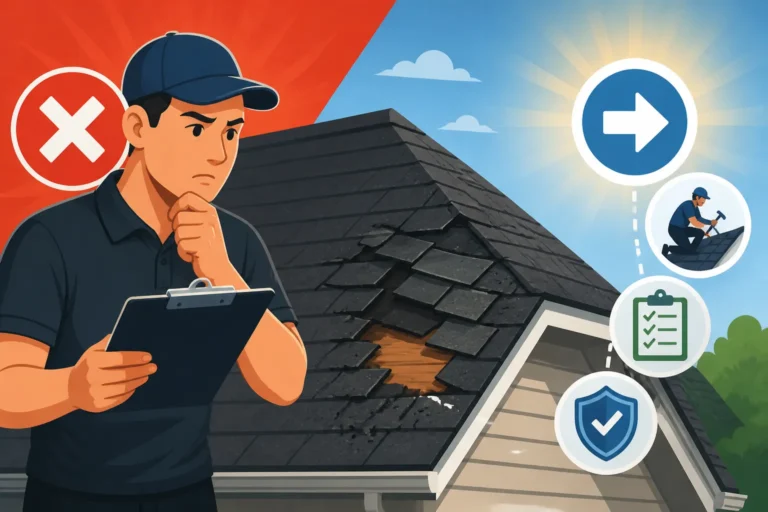
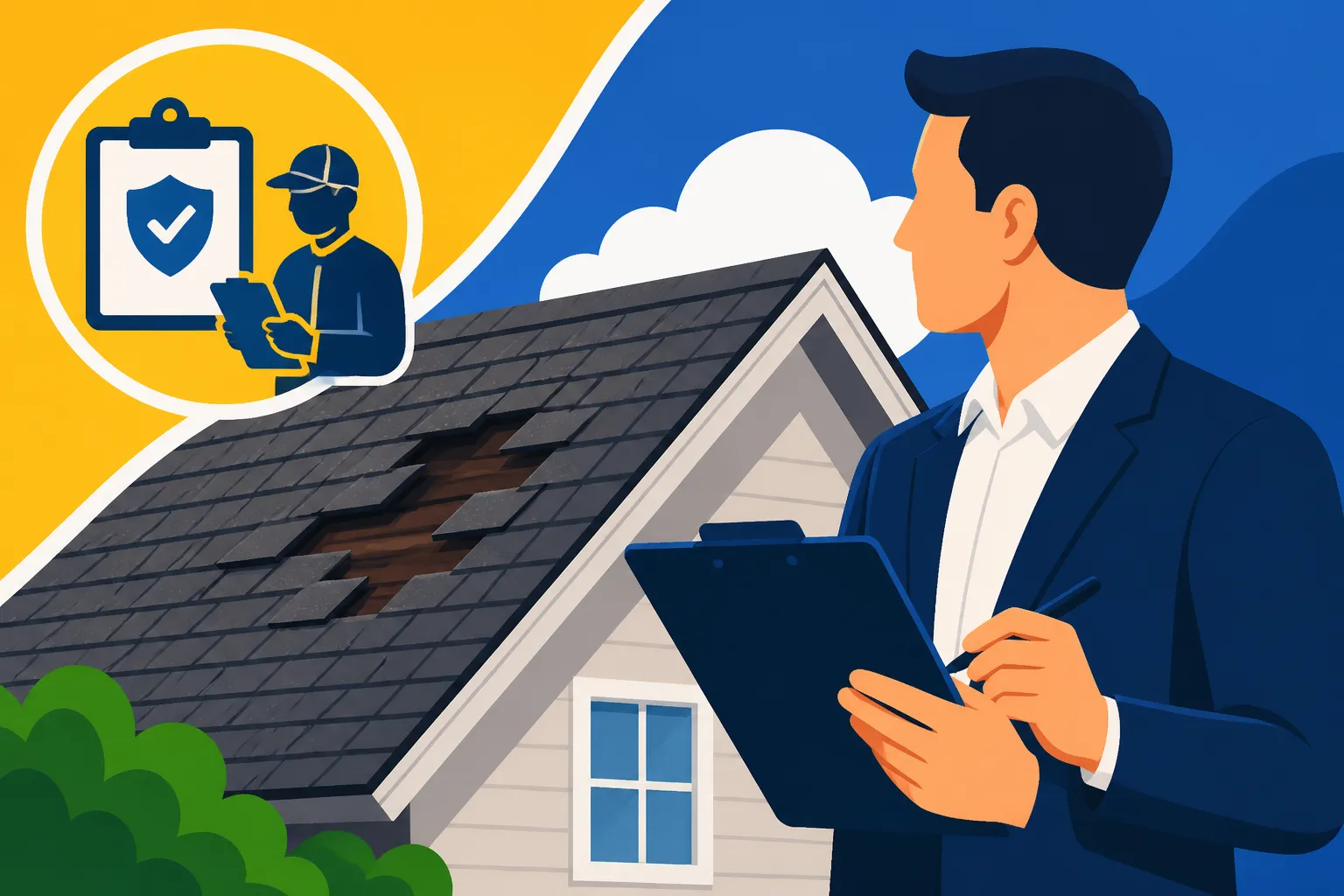
The very first thing a competent public adjuster will do is conduct an in-depth, independent inspection of your roof and property. This is rarely a cursory glance. They'll get up on your roof, carefully examining every square foot for subtle signs of damage that might have been overlooked by a company adjuster. They're looking for evidence of hail impact, wind uplift, granule loss, cracked shingles, damaged flashing around chimneys and vents, and any other issues that point to insurable damage. They often use specialized tools, detailed measurements, and a keen eye honed by years of experience to uncover the full scope of damage. For example, they might use chalking techniques to highlight hail strike points on shingles, which makes the damage undeniable.
Beyond the visible damage, they'll also assess related issues. Did the roof leak into your attic? Is there water damage to your ceilings or walls? Are your gutters damaged? Has the underlying Roof Decking Replacement Cost gone up due to hidden issues? Their assessment goes beyond just the shingles, considering the entire roofing system and any collateral damage.
Crucially, they meticulously document everything. This isn't just a few snapshots. They'll take dozens, sometimes hundreds, of high-resolution photos and videos from various angles, clearly labeling the damaged areas. They'll create detailed diagrams, often utilizing drone technology for comprehensive aerial views of larger or steeper roofs. They might even involve specialized engineers or roofing contractors to provide expert opinions and estimates from contractors to back up their findings. This comprehensive collection of evidence forms the bedrock of their case, making it very difficult for the insurance company to dispute the extent of the damage. This documentation is crucial, as knowing How to Document Roof Damage for Insurance can make or break your claim.
Negotiating with Your Insurance Company
Once the damage is fully assessed and documented, the public adjuster moves into the negotiation phase, which is truly where their expertise shines. This isn't just about sending an estimate; it's a strategic process.
First, they will perform a thorough review of your insurance policy. You might think you know what your policy covers, but these documents are often filled with complex legal jargon, exclusions, and endorsements that can significantly impact your claim. A public adjuster is an expert at dissecting these policies, identifying all applicable coverages, and ensuring no legitimate claim elements are missed. They understand terms like "actual cash value" versus "replacement cost value" and how they apply to your specific situation, especially with an older roof. For instance, they might find a clause that covers Cost of an Impact-Resistant Roof Upgrade if you live in a hail-prone area, which a company adjuster might conveniently overlook.
With a deep understanding of your policy and a robust package of evidence, the public adjuster will then present a comprehensive claim package to your insurance company. This isn't just a simple invoice; it's a detailed, line-by-line breakdown of all damages, estimated costs for materials and labor, and any additional expenses (like temporary repairs or code upgrades) that are covered by your policy. They will cite specific policy language to support each claim item, leaving little room for misinterpretation.
From there, they become your primary point of contact, handling all communication and pushback from the insurance company. They are prepared for common tactics used by insurers to minimize payouts and know how to counter them effectively. They'll respond to requests for additional information, challenge lowball offers, and engage in direct negotiations with the company's adjusters or legal teams. Their goal is always to maximize your settlement by advocating for every dollar you are owed. This often involves pointing out discrepancies in the company adjuster's report or highlighting instances where building codes necessitate a full replacement rather than just a repair. This deep engagement ensures your interests are protected throughout the often-complex Roof Insurance Claim Process Step by Step.
Weighing the Benefits and Costs of Hiring a Public Adjuster
Deciding whether to hire a public adjuster is a significant choice, and it's essential to understand both the potential upsides and the financial investment involved. For many homeowners, the benefits far outweigh the costs, especially when facing a daunting roof claim.
The Advantages of Professional Advocacy
The primary, and often most compelling, advantage of hiring a public adjuster is the potential for significantly higher settlements. Let's be realistic: insurance companies are businesses, and their goal is to minimize payouts. Without an expert on your side, you're often negotiating from a position of disadvantage. A study by the Office of Program Policy Analysis and Government Accountability in Florida found that policyholders who hired public adjusters received significantly higher settlements than those who did not. While specific results vary, the data consistently shows that public adjusters often secure settlements that are 100% to 700% higher than the initial offers made by insurance companies. This alone can justify their fee.
Beyond the financial aspect, there's the immense benefit of reduced stress and time commitment for the homeowner. Dealing with a damaged roof and a complex insurance claim can be a full-time job. From coordinating with roofing contractors to deciphering dense policy language and endless phone calls with adjusters, it can quickly become overwhelming. A public adjuster handles all these tedious and often frustrating tasks, allowing you to focus on your family and your daily life without the added burden of constant claim management. They act as your shield, protecting you from the emotional toll of a prolonged dispute.
Public adjusters bring expert knowledge of insurance jargon and procedures. They understand the nuances of various policy types, the timelines involved, and the specific documentation required to substantiate a claim. This expertise is critical because a minor oversight or a misinterpretation of policy language can lead to a reduced payout or even a denied claim. They know how to present your case in a way that aligns with insurance company requirements, minimizing reasons for denial or delay.
Finally, hiring a public adjuster levels the playing field against large insurance companies. You're no longer an individual homeowner going up against a team of seasoned professionals. Instead, you have your own expert who understands the game, knows the rules, and can advocate for your rights with confidence and authority. This professional advocacy ensures that your interests are prioritized, not just the bottom line of the insurance company. This can be especially empowering if you've already received a Roof Insurance Claim Denied: What to Do.
Understanding Public Adjuster Fees
One of the first questions homeowners ask about public adjusters is, "How do they get paid?" The answer is typically through a contingency fee, meaning they only get paid if you get paid. Their fee is a percentage of the final settlement they secure for you. This model inherently aligns their financial incentive with yours: the more money they get for you, the more they earn.
The typical percentage ranges for public adjuster fees can vary by state and the complexity of the claim, but generally fall between 10% and 20% of the total claim settlement. For example, in many states, the maximum statutory fee is 10% for hurricane-related claims filed within a year, and often higher for other types of claims or those filed later. It's crucial to discuss and agree upon this percentage upfront, and it should be clearly stated in a written contract before any work begins. For instance, if a public adjuster secures a $30,000 roof replacement settlement for you and their fee is 15%, they would receive $4,500, and you would receive $25,500.
The question then becomes, "When is the fee worth it?" Generally, if your insurance company's initial offer is low, or if they've denied your claim, a public adjuster's fee is often a small price to pay for a significantly higher payout. Consider a scenario where your insurer initially offers $5,000 for repairs, but a public adjuster helps you secure $25,000 for a full roof replacement. Even with a 15% fee ($3,750), you're still walking away with $21,250 – a far better outcome than the initial offer. In such cases, the public adjuster's expertise can literally mean the difference between patching up a failing roof and getting a brand-new one. They also ensure that your policy covers Roofing Permit Cost and Process and any required Roofing Building Codes: What to Know for your area, which can add significant costs to a replacement.
Here's a quick comparison of the two types of adjusters you might encounter:
| Feature | Company Adjuster | Public Adjuster |
|---|---|---|
| Employed By | Insurance Company | Policyholder |
| Loyalty | Insurance Company | Policyholder (You) |
| Primary Goal | Evaluate damage, settle claim, protect company assets | Maximize policyholder's settlement |
| Policy Interpretation | May interpret in favor of the insurer | Interprets to benefit the policyholder |
| Fees | Paid by the insurance company | Contingency fee (percentage of settlement) |
| Expertise | Claims assessment, company protocols | Policy language, negotiation, damage assessment |
| Negotiation Stance | Represents insurer's interests | Advocates for homeowner's interests |
Choosing the Right Public Adjuster for Your Roof Claim
Hiring a public adjuster is a big decision, and not all public adjusters are created equal. Just like choosing a roofing contractor, you want to do your homework to ensure you're entrusting your claim to a reputable and effective professional.
Key Qualifications and Experience to Look For
The first and most non-negotiable qualification is proper licensing and bonding. Public adjusters are licensed by the state departments of insurance where they operate. Requirements vary, but this license ensures they have met certain educational and ethical standards. Always verify their license with your state's Department of Insurance. For example, in Florida, you can check the Florida Department of Financial Services website. Being bonded provides an extra layer of protection for you, in case the adjuster acts negligently or fraudulently. Never work with an unlicensed individual.
Next, look for an adjuster with specialization in roof claims or property damage. While some public adjusters handle all types of claims, one who regularly deals with asphalt roofing damage, storm damage, and related issues will have a deeper understanding of the specific challenges, technical jargon, and common insurer tactics related to these claims. They'll be familiar with different shingle types, proper installation techniques, and common causes of What Makes Shingles Fail Early, which can be invaluable when disputing a company adjuster's findings.
References and client testimonials are incredibly important. Ask potential adjusters for contact information for previous clients with similar roof claims. A reputable adjuster will be happy to provide these. Take the time to call these references and ask about their experience: Was the adjuster communicative? Did they achieve a good settlement? Were they professional and ethical? Online reviews can also offer insights, but direct references are often more telling.
Finally, consider their local experience. A public adjuster who is familiar with your specific geographic area will have a better understanding of local building codes, common weather patterns (like prevalent hail storms in Colorado or hurricane activity in Florida), and even the reputations of local roofing contractors. This local knowledge can be a significant advantage when negotiating with an insurance company, as they can speak to specific regional challenges or code requirements that might impact your claim, such as High-Wind Roofing Code Requirements.
Questions to Ask Before Hiring
Before you sign any contracts, it's crucial to have a thorough conversation with any potential public adjuster. Here are some essential questions to ask:
- "What is your fee structure, and is it negotiable?" Be clear on the exact percentage, what it covers, and when it's due. Understand if their fee applies to the entire claim amount or just the amount above what the insurance company initially offered. This helps you understand the Roofing Deposit: How Much Is Normal and overall payment structure.
- "What is your success rate with claims similar to mine?" Ask for specific examples of roof claims they've handled that resulted in a significantly higher payout than the initial offer or a reversed denial. This helps gauge their effectiveness and experience.
- "Can you provide references from past clients?" As mentioned, always ask for and follow up on references.
- "How often will you communicate with me throughout the process?" A good public adjuster should keep you informed at every stage. You're already stressed, so clear and consistent communication is key. Ask about their preferred method of communication (phone, email, client portal) and expected response times.
- "What is your estimated timeline for my claim?" While no one can predict the exact duration, they should be able to give you a realistic idea of the process, from initial inspection to final settlement.
- "Do you have experience with my specific insurance company?" While a good public adjuster can work with any insurer, familiarity with your carrier's typical processes and adjusters can sometimes be an advantage.
- "What is your plan for documenting the damage?" Ask about their inspection process, the tools they use, and how thoroughly they document everything. You want someone meticulous.
- "Will you handle all communication with the insurance company?" Confirm that they will be your sole point of contact with the insurer, taking that burden off your shoulders.
- "What happens if we don't reach a settlement, or if I'm unhappy with the offer?" Understand their process for escalating disputes or if there are any conditions under which you might still owe them a fee if a settlement is not reached.
By asking these comprehensive questions, you can make an informed decision and choose a public adjuster who is not only qualified but also the right fit to advocate for your asphalt roofing claim.
Disclaimer
Please note that the information provided in this article is for general informational purposes only and does not constitute professional advice. Roofing projects and insurance claims are complex and highly dependent on individual circumstances, local building codes, and specific insurance policy terms. Always consult with a licensed roofing contractor, a qualified public adjuster, and your insurance provider to discuss your specific situation and obtain professional recommendations.